
Review · HOI AN
Da Nang/Hoi An: Market & Old Town Private Tour with Transfer
Hoi An’s old center is at its best when you connect the pretty streets with the daily life behind them. This private tour starts at the Central Market, then moves through assembly halls, old homes, museums, craft workshops, and the Japanese Covered Bridge, giving you a useful first look at how the city works.
I like two things here: the guide is based in Hoi An, so you get local context rather than a quick monument checklist, and the small private format lets you spend more time on the places that interest you. The main consideration is time. Three hours goes quickly, and the itinerary includes many stops, so this is an overview rather than a slow, detailed study of every building.
Key points at a glance
- Local life starts the tour: Hoi An Central Market gives you a direct look at trading, food, and everyday routines.
- The famous sights are covered: You visit the Japanese Covered Bridge, Fujian Assembly Hall, Tan Ky ancient house, and Hoi An Folk Museum.
- Craft traditions are included: A silk weaving workshop and art galleries add a living, creative side to the old town.
- A private car saves time: Hotel pickup and drop-off are provided in Hoi An or central Da Nang.
- The cultural finish is memorable: A traditional music and dance performance is scheduled for 10:15 or 15:15.
- The price is reasonable for a private outing: At $40 per person, the value is strongest when two or more people share the guide and car.
Starting at Hoi An Central Market
The tour begins at Hoi An Central Market at 8:00 in the morning, with another daily performance time listed at 10:15 or 15:15 depending on the schedule. Starting at the market is a smart choice. You see Hoi An as a working town before moving into its preserved old streets.
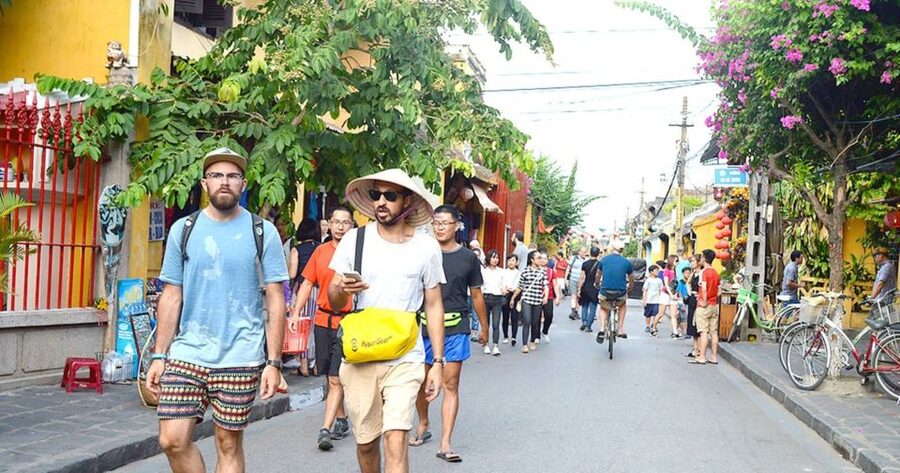
Expect a lively, colorful setting filled with local trade. The guide explains how people buy and sell goods at the traditional market, helping you understand the town beyond its lantern-lined lanes and historic façades. This is the part of the tour that connects most clearly with ordinary life.
I recommend keeping an open mind here. The market is not presented as a polished museum. It is a place where local people shop and trade, and that means the experience may feel more crowded, noisy, or informal than the later historic sites. Comfortable shoes are important, especially because the tour involves several stops on foot.
The market visit also gives you a chance to ask practical questions early. If you want to know more about local food, family life, craftwork, or the old town’s layout, this is a useful time to speak with your guide. Since the tour is private, you do not need to wait for a large group before moving on.
More Private Market Tours around Hoi An:
- Cairo 8 Hour Private Tour of Pyramids, Egyptian Museum and Bazaar
★ 5.0 · 2,931 reviews - Private Excursion to Maeklong Railway and Floating Markets
★ 5.0 · 850 reviews - Floating and Railway Market (Optional Waterfall): Private Tour
★ 5.0 · 827 reviews
Fujian Assembly Hall and Hoi An’s Chinese community
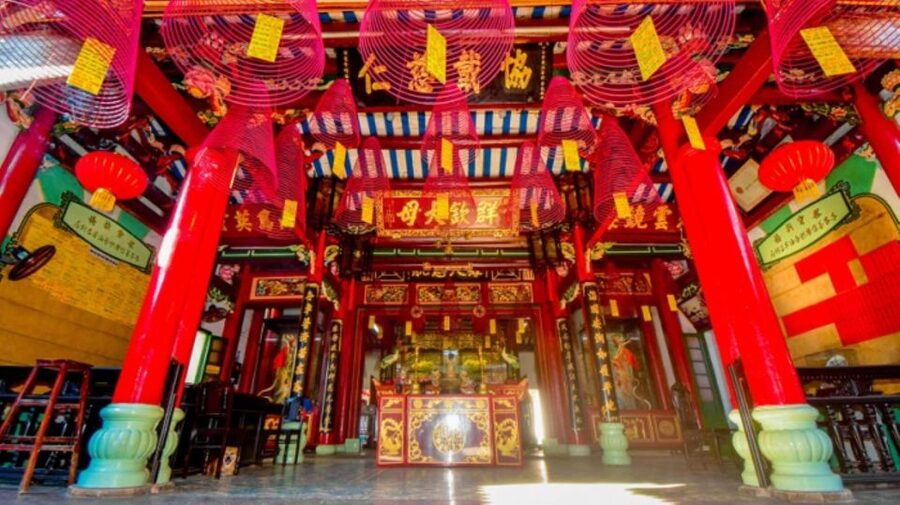
The next stop is the Fujian Assembly Hall, also called the Phuc Kien Assembly Hall. Here, the focus turns to the worship and community life of Hoi An’s Chinese residents.
Assembly halls are more than decorative buildings. They reflect the way immigrant communities organized themselves, maintained traditions, and created places for worship and social ties. Your guide explains these connections, making the visit more meaningful than simply walking through an attractive courtyard.
This stop suits you if you enjoy cultural context. The building’s details may catch your eye first, but the important part is understanding why such a place mattered to the community. The tour description specifically highlights living and worshiping culture, so expect the guide to discuss people and customs as well as architecture.
The visit is brief enough to fit the three-hour schedule, but it adds useful balance. You are not seeing only old merchant houses and postcard views. You are also learning how different groups shaped Hoi An’s identity.
Crossing the Japanese Covered Bridge
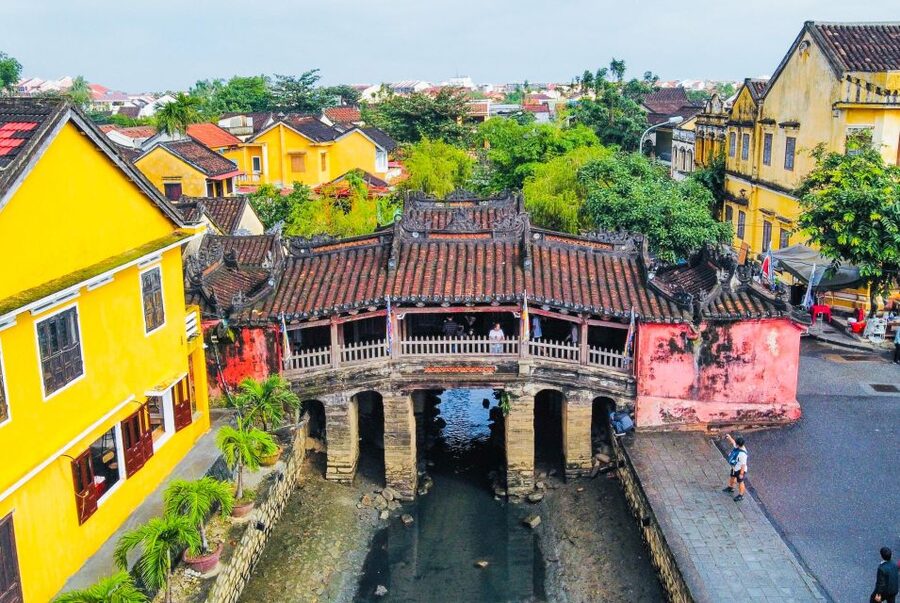
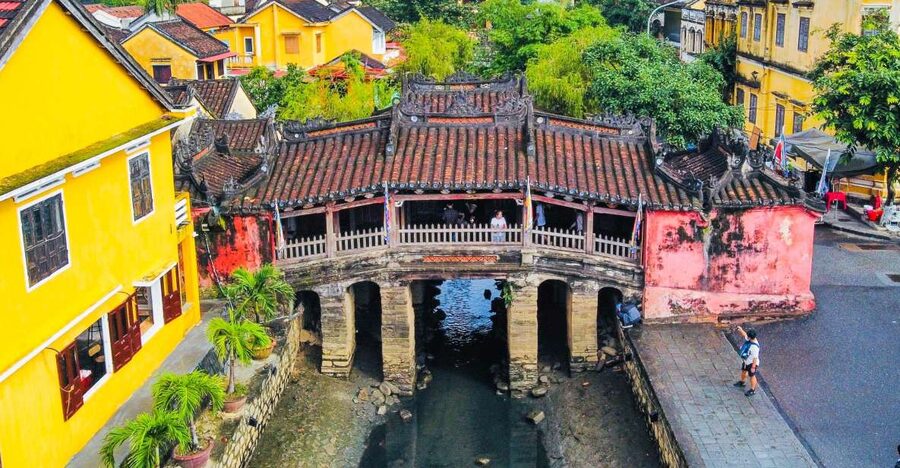
The Japanese Covered Bridge is the city’s best-known symbol, and it is included as a central stop. Its appeal comes from the combination of practical design and cultural meaning, with details tied to more than one community in Hoi An.
Your guide points out the features that make the bridge special and explains the cultural ideas connected with it. That context matters because the bridge can be easy to reduce to a quick photograph. On a guided visit, you get a clearer sense of why this short crossing has become such an important part of the city.
The bridge is one of the places where the tour’s compact schedule can feel tight. It is a famous sight, and you may want time for photographs and a close look at the details. You can ask your guide to pause for a moment, but the overall itinerary still has to reach the ancient house, museum, galleries, workshop, and performance.
I like that the bridge appears alongside less famous stops. You get the classic Hoi An image, then move on to places that explain how the city was lived in and made.
Tan Ky Ancient House and four centuries of change
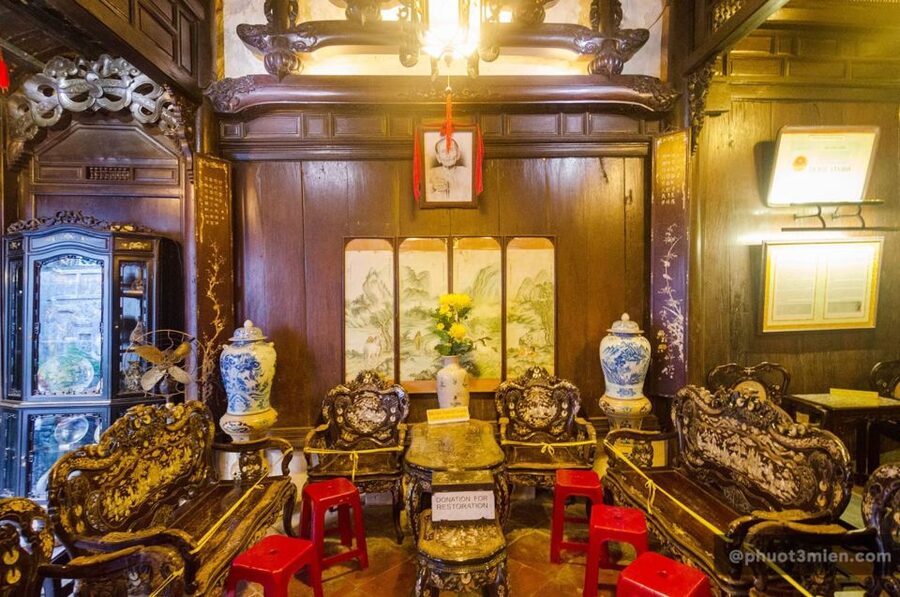
Tan Ky ancient house is one of the oldest homes in Hoi An, dating to the late 18th century. The visit offers a look at domestic architecture and the way an old merchant home differs from the public buildings you see elsewhere in the old center.
The tour presents Hoi An’s houses as part of a long continuum, with some buildings more than 400 years old. Tan Ky helps make that age easier to understand. Instead of viewing the old town only from the street, you step inside one of its historic homes and consider how people used the space.
This is an especially useful stop if you have limited time in Hoi An. The house gives you a compact lesson in the city’s past, while the guide explains how older ways of living compare with modern life. The experience is not just about woodwork or attractive rooms. It is about how a home can preserve a record of commerce, family life, and changing cultural influences.
Because the house is one of several paid historic attractions on the itinerary, your entrance is covered. That keeps the tour simple and means you do not need to decide at each stop whether to pay another admission fee.
More market tours around Hoi An:
- Cooking Class Hoi An:Local Market, Basket Boat, Fishing & Cooking
★ 5.0 · 3,660 reviews - Hoi An Cooking Class(Market,BasketBoat Crabfishing&Cooking Class)
★ 5.0 · 3,386 reviews - From Hoi An: Market Tour, Basket Boat Ride and Cooking Class
★ 4.8 · 2,208 reviews - Hoi An Cooking Class(Local market,Basket Boat,Fishing & Cooking)
★ 5.0 · 1,323 reviews
Hoi An Folk Museum and everyday culture
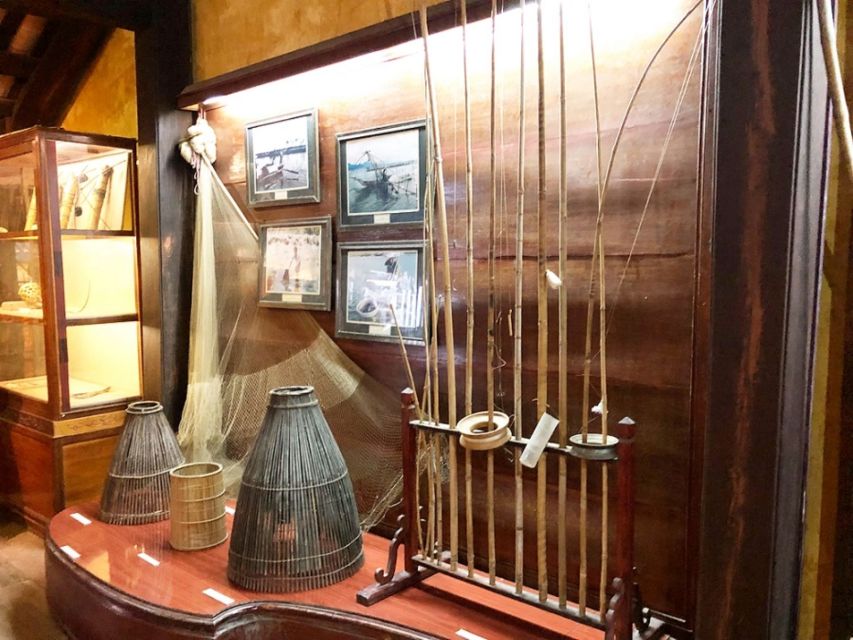
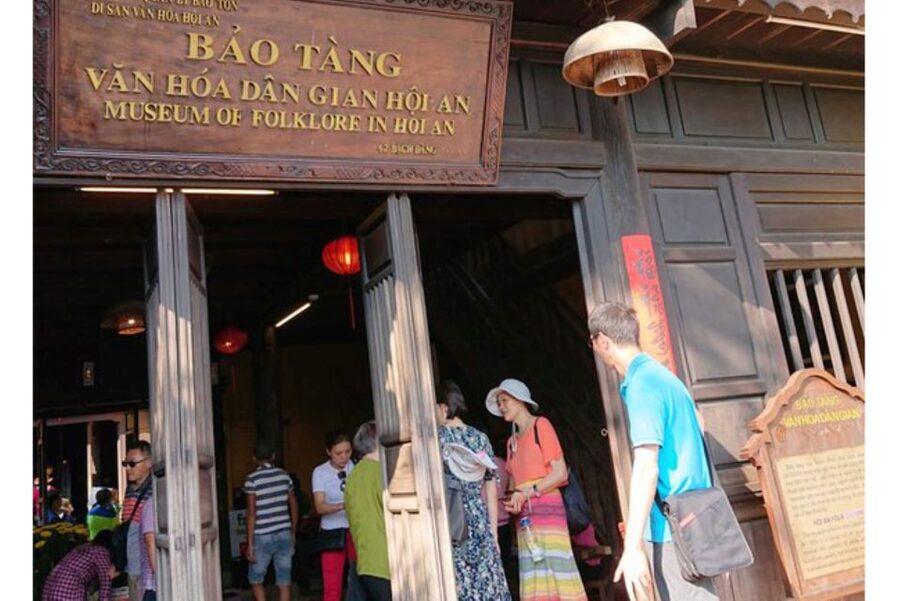
The Hoi An Folk Museum shifts the focus from individual buildings to wider daily life. You learn more about the difference between old and modern Hoi An, with the museum helping to put the town’s customs and people in context.
I find this kind of stop useful after visiting a historic home. Tan Ky shows you one preserved residence. The Folk Museum broadens the picture and gives you a better sense of how local culture developed across time.
The museum may appeal most to you if you enjoy seeing objects, images, and explanations rather than only walking outdoors. It also provides a change of pace during a morning that includes several streets and buildings. Do not expect a long museum visit in a three-hour tour, but it adds substance to the old town walk.
The combination of museum and house is one of the tour’s better choices. Together, they help you see Hoi An as a living community, not just a collection of scenic old façades.
Art galleries and the creative side of Hoi An
Along the way, the guide may stop at art galleries and an art shop featuring images of Hoi An’s people and daily life. These visits are intended to show another side of the town’s character and creative traditions.
This part of the itinerary is less fixed than the main landmarks. Gallery stops can vary in how much they interest you, and you should not book the tour expecting a dedicated art tour. Still, they provide a chance to see how artists interpret the old streets, local customs, and people.
The galleries also give you a break from a purely historical route. Hoi An is not frozen in the past, and its art scene shows how the town continues to inspire creative work. If a particular piece catches your attention, the private format makes it easier to ask questions or spend a little more time there.
You should remember that the tour does not include personal purchases. Any art, silk, or other items you choose to buy are your own expense.
Silk weaving and traditional handwork
The silk weaving workshop introduces one of Hoi An’s long-standing craft traditions. You learn about weaving and embroidery, giving you a practical look at how local skill and design come together.
Craft workshops can sometimes feel like shopping stops, so your expectations should be sensible. The information provided confirms a visit to a famous silk weaving workshop and an explanation of the traditional craft. It does not promise a hands-on weaving lesson or a purchase discount.
Even so, this is a worthwhile addition for anyone interested in textiles. You see the old town’s culture expressed through making, not only through buildings and performances. The visit also helps explain why silk remains closely linked with Hoi An’s identity.
If you are considering buying something, take your time and ask about the item before paying. Personal spending is not included in the tour price, and the guide’s role here is to explain the craft and the local tradition.
Traditional music and dance at a Hoi An house
The cultural program includes traditional music and dance at a traditional Hoi An house. The listed performance times are 10:15 or 15:15 each day.
This performance gives the tour a clear closing note. After seeing the market, worship spaces, homes, museum, galleries, and workshop, you get to experience culture through sound and movement. It is a short way to see how traditional practices are presented within an old house rather than in a modern theater setting.
Pay attention to the timing when you reserve. The schedule mentions both morning and afternoon performance times, while the sample itinerary begins at 8:00 and ends around 11:00. Check the available start time so the performance fits your chosen tour.
This is also a reason to avoid treating the tour as a rigid checklist. The exact order may need to shift around the performance. Your guide can manage the route, but you should allow for the stated timing rather than assuming every departure follows the same sequence.
What the three-hour schedule really means
Three hours is enough for a strong introduction to central Hoi An, especially if you want the main sights explained in one private outing. It is not enough for an unhurried exploration of every lane, museum room, gallery, and shop.
The schedule packs in:
- Central Market
- Fujian Assembly Hall
- Japanese Covered Bridge
- Tan Ky ancient house
- Hoi An Folk Museum
- Art galleries or an art shop
- Silk weaving workshop
- Traditional music and dance
That is a lot for one morning or afternoon. You should expect a brisk pace, with short visits at some locations. The benefit is range. You get a broad picture of Hoi An’s food, worship, homes, crafts, art, and performance traditions without spending a full day on a single theme.
The private format improves the pace. You can ask your guide to explain something in more detail, and you are not tied to the preferences of a busload of people. Still, if you want extensive photography time or long museum visits, plan to return to the old town on your own.
At about 11:00, you return to your hotel, or you can choose to remain in Hoi An and continue walking independently. That optional ending is useful. You can accept the ride back to Da Nang or your Hoi An hotel, or use the tour as a morning introduction before exploring more of the old town by yourself.
Transfers from Da Nang or Hoi An
Pickup and drop-off are included from your hotel lobby in Hoi An or central Da Nang. A private car transfer is part of the package, which is a practical advantage if you are staying in Da Nang and want to visit Hoi An without arranging separate transport.
The private car matters most for the return. After walking through the market and old town, you do not need to find your own ride or work out where to meet a driver. It also makes the experience easier for a couple, family, or small private group.
The pickup information specifically refers to central Da Nang. If your hotel is outside that area, confirm the arrangement before booking. Also note the holiday surcharge: from February 8 to 15, transportation services charge an additional 300,000 VND for Tet holiday overtime.
The tour is available in English, and pickup details should be checked when you choose a departure. The provided information also recommends WhatsApp for additional booking information.
Is $40 per person good value?
At $40 per person, this tour offers fair value if you want a private guide, private car, hotel transfers, old town admission, activity entrance fees, and a bottle of water in one package.
The strongest value comes when you are sharing the experience with another person or a small private group. You are paying not only for entry to the landmarks, but also for the guide’s time and the convenience of moving between Da Nang and Hoi An. A self-guided visit could cost less, but it would not include the same explanation or door-to-door arrangement.
The price is less compelling if you only want to see the Japanese Bridge and walk a few streets. Hoi An’s old center is accessible on foot, and independent visitors can choose their own pace. This package makes more sense if you want the historic buildings explained and prefer not to arrange transport yourself.
Admission to the Hoi An old town and the activities listed on the route are included. Tips and personal expenses are not, so bring money only if you expect to buy art, silk, food, or souvenirs.
Who should book this private Hoi An tour?
I would recommend it to first-time visitors who want a clear introduction to Hoi An in half a day. It is also a good fit if you are staying in Da Nang and want transport, sightseeing, and a guide arranged together.
The tour suits you particularly well if you enjoy:
- Historic homes and old public buildings
- Local markets and everyday culture
- Traditional craft demonstrations
- Short museum visits
- Music and dance performances
- Private guiding instead of a large group
Families and couples may appreciate the flexible format. You can ask questions as you go, and the pace is easier to manage than on a large group outing.
I would hesitate if you want a slow photography walk, a long food tour, or a full day devoted to Hoi An. The itinerary is broad and active. It gives you many introductions, but several stops will be short.
The guide’s local connection is another reason to consider it. A guide who lives in Hoi An can point out interesting locations and offer recommendations beyond the headline sights. That local perspective is one of the tour’s most useful features.
Should you book it?
Book this tour if you want a private, well-rounded introduction to Hoi An with transport from Da Nang or your Hoi An hotel. You will see the famous bridge and old houses, but also the market, museum, silk craft, galleries, and a traditional performance.
Skip it if you already know the old town well or prefer to set your own pace. For a first visit, though, $40 per person is a sensible price for the combination of local guidance, included entrances, and private transfers. Check the departure time carefully, especially if you want to attend the 10:15 or 15:15 performance, and wear comfortable shoes.
FAQ
How long is the Hoi An private tour?
The tour lasts three hours. The sample schedule begins at 8:00 and returns to the hotel around 11:00.
Where does hotel pickup take place?
Pickup is available from hotel lobbies in Hoi An or central Da Nang. The activity information specifically lists pickup from hotels in central Da Nang.
Is transportation included?
Yes. A private car transfer, hotel pickup, and hotel drop-off are included.
Is the tour private?
Yes. This is a private group experience with an English-speaking guide.
Which historic sites are included?
The route includes the Fujian Assembly Hall, Japanese Covered Bridge, Tan Ky ancient house, and Hoi An Folk Museum.
Is the Hoi An old town entrance fee included?
Yes. The Hoi An old town entrance ticket and entrance fees for the activities mentioned in the itinerary are included.
What language is the tour offered in?
The tour is offered in English with a live English-speaking guide.
What should I bring?
Bring comfortable shoes. The tour includes a market visit and several old town stops, with walking between locations.
New market tours around Hoi An
- Rural Cycle, Market Tour, Basket Boat & Organic Farm Cooking★ 5.0 · 64 reviews
- Market Tour – Cooking Class – Coconut Boat Riding★ 4.4 · 43 reviews
- Hoi An : Vegan Cooking Class – Market & Coconut Basket Boat★ 5.0 · 4 reviews
- Hoi An:Vegetarian Cooking Class & Explore Market wChef Thanh★ 4.6 · 3 reviews
- Hoi An Cooking Class With Market and Bamboo Basket Boat Tour★ 5.0 · 52 reviews
- Hoi An: Eco Cooking Class with Market Trip and Basket Boat★ 5.0 · 8 reviews
- Hoi An Street Food, night market and lantern boat ride★ 4.9 · 12 reviews
- Hoi An: Cooking Class in Coconut Jungle with Market Tour★ 5.0 · 7 reviews
Hoi An Market Tours, side by side.
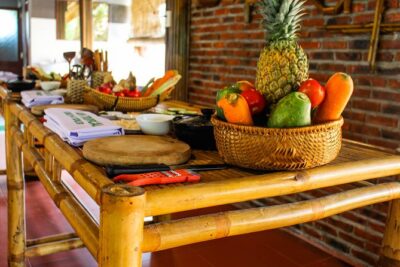
Cooking Class Hoi An:Local Market, Basket Boat, Fishing & Cooking
Read our review →
Hoi An Cooking Class(Market,BasketBoat Crabfishing&Cooking Class)
Read our review →
From Hoi An: Market Tour, Basket Boat Ride and Cooking Class
Read our review →
Hoi An: Market Experience with Optional Fishing and Cooking
Read our review →
Hoi An Eco Tour Cooking Class & Fishing (Local market,basket boat,learn cooking)
Read our review →

Hoi An: Bay Mau Cooking Class w/ Market & Basket Boat Option
Read our review →
Hoi An Night Market – Ancient Town street food tours by Night
Read our review →This tour also appears in