
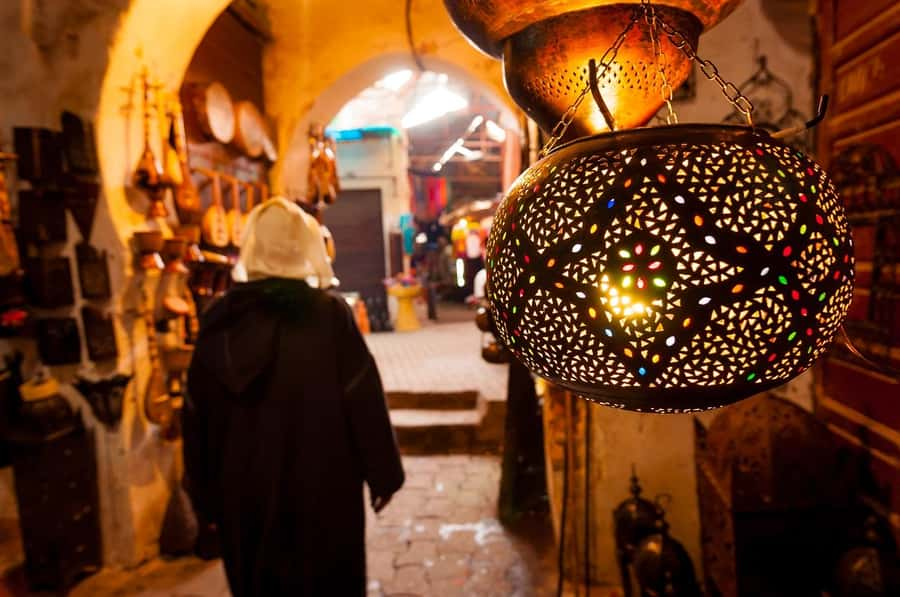
Review · MARRAKECH
Marrakech Guided Souks Tour with a Local Insider
Marrakech’s souks are easier to understand once you know what you are looking at. This three-hour walk takes you beyond the first row of carpet shops and souvenir stalls, into craft quarters, old foundouks, and side lanes where the medina still works as a neighborhood. I especially like the practical bargaining advice and the chance to see leather, wool, metal, wood, and spice trades in their proper setting.
I also like that guides such as Mohammed, Mo, Abdel, and Atman tailor the walk to your interests. You can ask for shopping help, food stops, history, or a closer look at local trades. The main caution is that some stops can feel sales-oriented, so tell your guide early if you want history and observation more than shopping.
Key points to know before you book
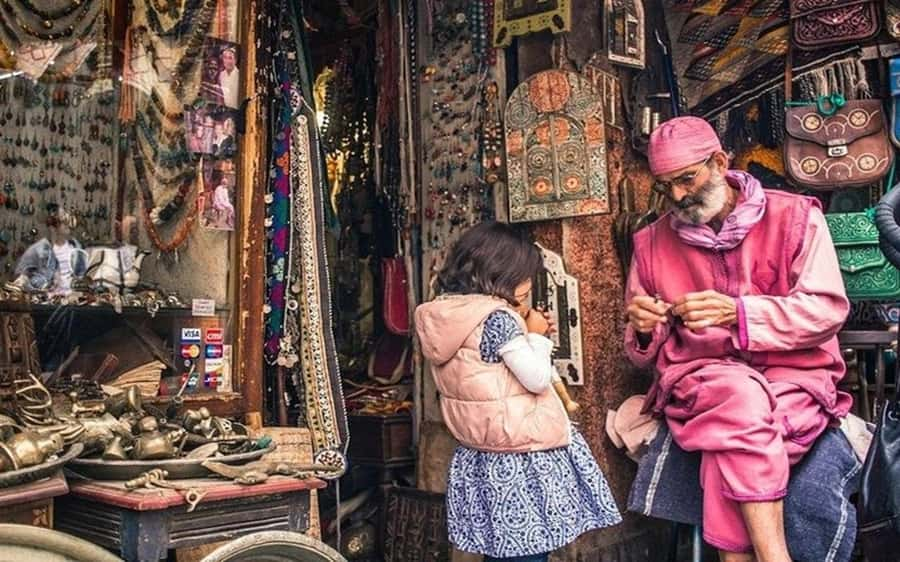
- See the souks by trade: Learn how sections of the medina are grouped around leather, textiles, spices, metalwork, wood, and traditional tools.
- Go beyond the obvious lanes: The route includes lesser-known passages and historic foundouks that are easy to miss on your own.
- Get useful shopping help: Your guide can explain bargaining manners and help you judge where to buy leather, carpets, copper, silver, clothes, spices, and other goods.
- Choose your style of tour: A shared walk costs $19 per person, while a private group is available if you want more control over the route.
- Meet in the main square: The standard meeting point is in front of Café de France at Jemaa el-Fnaa, with hotel pickup offered only on selected options.
- Allow for a sales element: The tour is useful for shoppers, but some craft stops may include a pitch to buy.
Why a guide helps in Marrakech’s medina
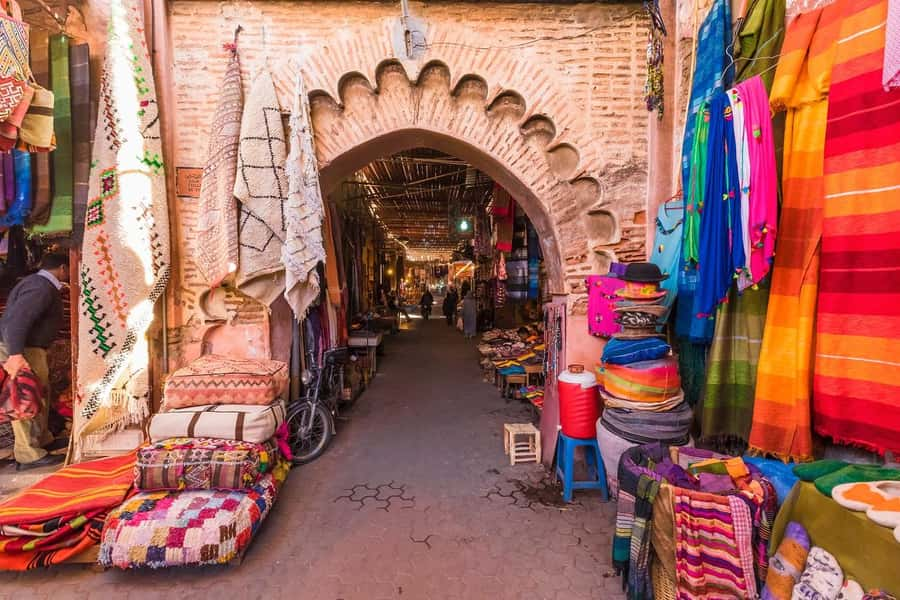
The souks are not one big market. They are a working network of lanes arranged around trades, workshops, storage spaces, food stalls, and small shops. Without context, you may see a wall of colorful goods and miss the system behind it.
A local guide gives you a map in words. You learn why one lane is associated with leather, another with wool or metal, and how artisans, merchants, and customers fit into the old commercial pattern. That matters even if you do not plan to buy much. It turns random wandering into a readable walk.
I also find a guide especially useful during a first visit because the medina can feel confusing. The narrow passages do not always make their purpose clear, and the most interesting workshops may be away from the main flow of shoppers. Several guides on this tour grew up in or near the medina, which adds practical knowledge about daily life, local customs, and the way the streets connect.
The experience is not designed as a formal museum tour. It is a walking introduction to a living market. You should expect conversation, short stops, shopping advice, and explanations while people continue working around you.
More guided market mornings around Marrakesh:
- Marrakech: Colorful Medina Souks Guided Walking Tour
★ 4.7 · 2,470 reviews - Marrakech: Monuments, Souks and Medina Guided Walking Tour
★ 4.8 · 208 reviews - Marrakech: Hidden Souks Shopping Tour with Private Guide
★ 4.1 · 53 reviews
Starting at Café de France and Jemaa el-Fnaa
The usual meeting point is in front of Café de France, on the main square of Jemaa el-Fnaa. This is a sensible place to begin because it is easy to identify and puts you right beside the medina’s main entrance.
After a short introduction, you move from the open square into the narrower souk lanes. The change is quick. The square gives you room to orient yourself, while the market closes around you with shops, doorways, displays, and passing pedestrians.
I recommend arriving ready to walk at a steady pace. The tour lasts three hours, and the old city is best handled on foot. Wear shoes that can cope with uneven streets and keep your belongings close in crowded areas. These are general medina habits, not special requirements listed by the operator, but they make the walk more comfortable.
If you choose an option with pickup, check the exact details when booking. Hotel pickup is not included in every version, and the standard meeting point remains Café de France.
Souk Semmarine and the craft quarters
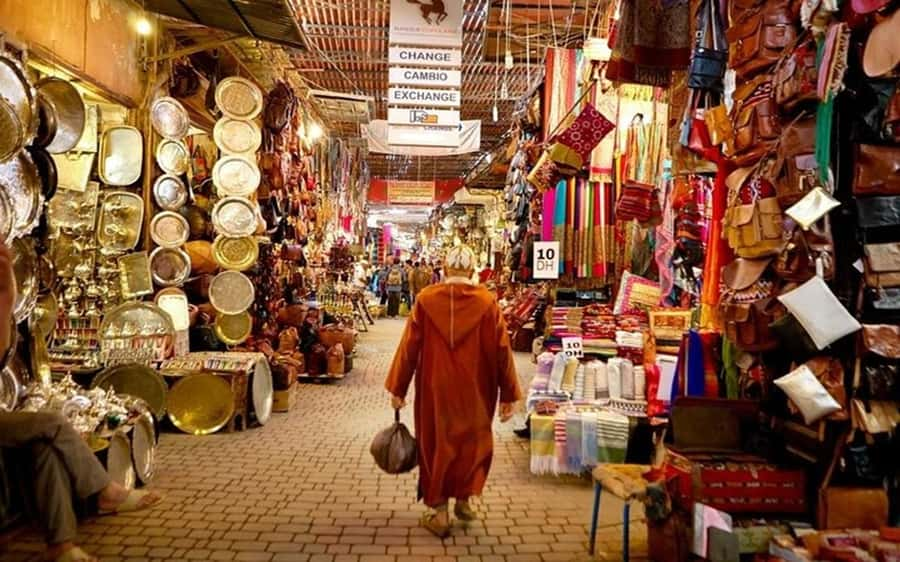
Souk Semmarine is the main artery of the route. It is one of the places where you get the full sensory picture of Marrakech’s market life: color, movement, shop displays, and the sound of people trading.
The useful part is not simply walking through it. Your guide explains how the souks are organized and points out the different kinds of work carried on around you. You might move from textiles and clothing toward leather, spices, metal goods, woodwork, or tools made for everyday use.
This is also where shopping advice becomes practical. If you are looking for a belt, bag, rug, copper item, silver piece, spice, or piece of clothing, tell your guide what you want. Guides have helped people find suitable shops and compare areas rather than sending them into the first store that calls out.
You will also learn the basic etiquette of bargaining. In the souks, negotiation is part of the buying process, but it works best when you are polite and clear. A guide can help you avoid confusion about prices and can explain when a shop is focused on handmade work rather than mass-produced goods.
The shopping stops are useful, but they are the part of the tour that requires the most judgment. One account of the experience found that the walk felt more like personal shopping than a general tour, with repeated suggestions to sit through sales talks. The same account noted that the guide accepted a clear refusal. My advice is simple: say at the start if you want to shop, browse only, or focus mainly on history and craft.
Foundouks and the older commercial network
One of the best reasons to book this walk is the chance to see historic foundouks. These were merchant inns where traders arriving from other regions could stay, store goods, and conduct business.
A foundouk helps explain why Marrakech became an important trading center. It was not only a row of shops. Goods moved through a larger network, and merchants needed places to rest, store cargo, and meet other traders. Seeing these old spaces gives the souks a clearer connection to the city’s past.
The foundouks are also a change of pace from Souk Semmarine. The main market can feel crowded and sales-focused, while a quieter passage or old courtyard gives you more time to look at architecture and listen to the guide. You may see signs of restoration and learn how parts of the old city are being maintained.
The exact foundouk stops can vary with the guide and the selected route. That flexibility is a strength if you want to follow a particular interest, but it also means this is not a fixed museum-style program with identical stops every time.
More market tours around Marrakesh:
- Marrakech: Bahia Palace, Saadian Tombs, Souk and Medina Tour
★ 4.7 · 4,974 reviews - Marrakech: Ben Youssef, Secret Garden, & Souks Walking Tour
★ 4.6 · 2,802 reviews - Marrakech: Traditional Moroccan Cooking Class & Market Visit
★ 4.8 · 1,861 reviews - Marrakech Monuments & Souks 3-Hour Tour
★ 3.8 · 1,540 reviews
Souk Cherifia and lesser-known lanes
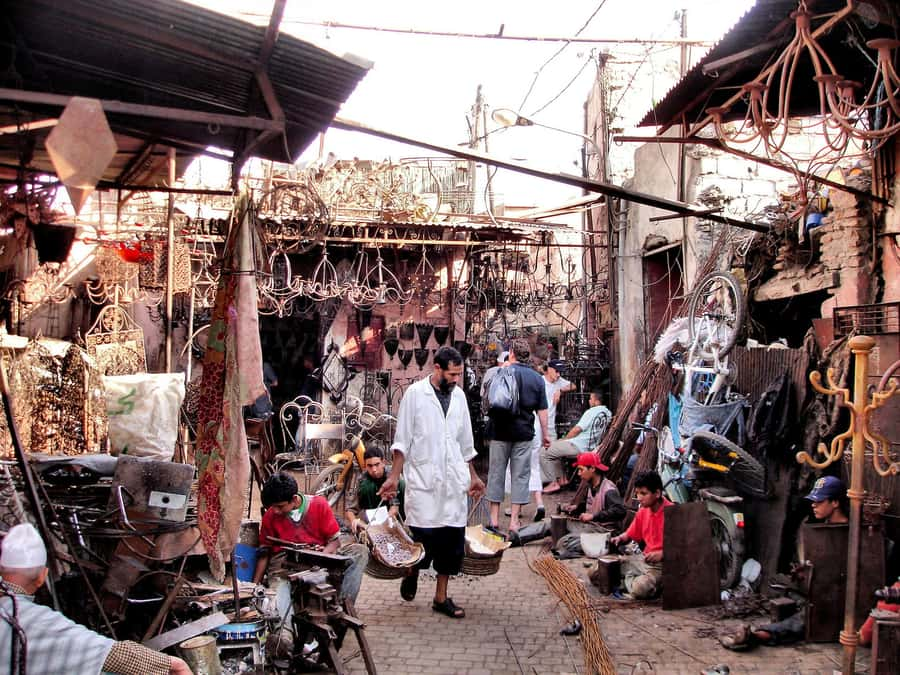
The route includes Souk Cherifia, another useful point for seeing how the old market is arranged. Here, your guide can connect the shops and workshops to the wider medina rather than treating each stop as an isolated store.
The best moments often come in the connecting lanes. Guides have taken people into parts of the souks they would not have found alone, including areas linked to leather trading and wool dyeing. These are not simply photo backdrops. They show that the medina is still a place of production, not only a shopping district built for visitors.
You may also meet artisans or watch parts of their work. One guide helped introduce visitors to local makers, while others explained the difference between various materials and products. The details matter when you are buying. A handmade item may show small variations, while a factory-made piece may look more uniform. Your guide can help you ask better questions, though you should still make your own decision about quality and price.
Do not expect every workshop to be open or every craft to be demonstrated during every departure. The route depends on the day, the guide, and what is happening in the medina. The promise is access to the working souks and practical explanation, not a guaranteed demonstration of each trade.
Medina history beyond the market stalls
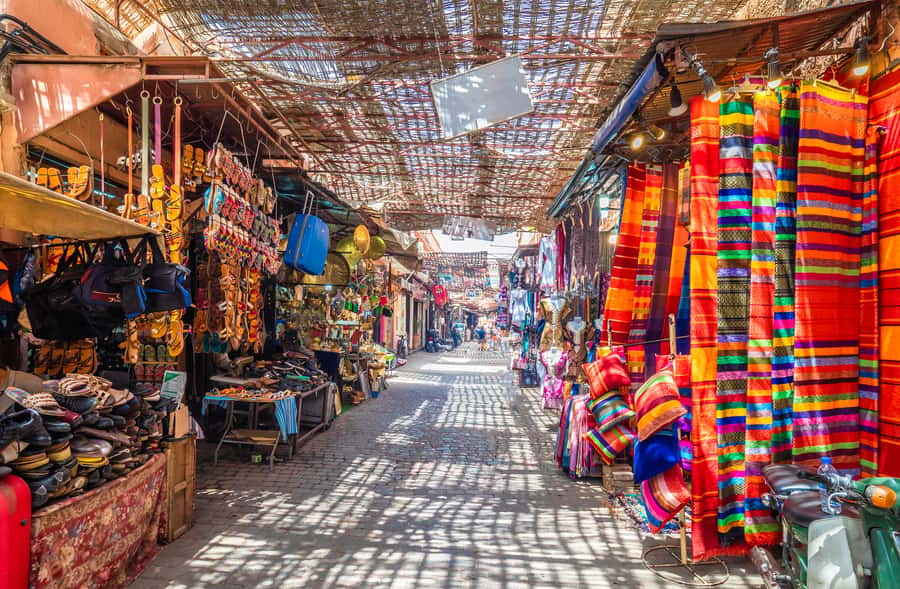
The walk also uses the wider Medina as a classroom. You may pause for photographs, hear about Marrakech from the twelfth century onward, and learn how the neighborhood system works.
That wider context is important. A souk tour can become repetitive if it only points out one shop after another. The stronger version of this experience connects the streets to local history, Berber culture, traditional work, and daily life inside the old city.
One guide took a group to the Ben Youssef Madrasa, though this stop may depend on the chosen route and the guide’s judgment. If seeing the madrasa is a priority, ask about it before the walk begins rather than assuming it is included every time.
The medina portion also gives you time to explore at a slower pace. You may stop for photographs, see how people use the lanes, or pause for food and drink if the guide includes those suggestions. Food is not included in the price, so any purchases are your responsibility.
Some guides have added local touches, such as helping with water or tea, stopping for olives, or pointing out places to eat. These details are not guaranteed inclusions, but they show how a private or flexible walk can become more personal when you explain what interests you.
Private or shared: which works better?
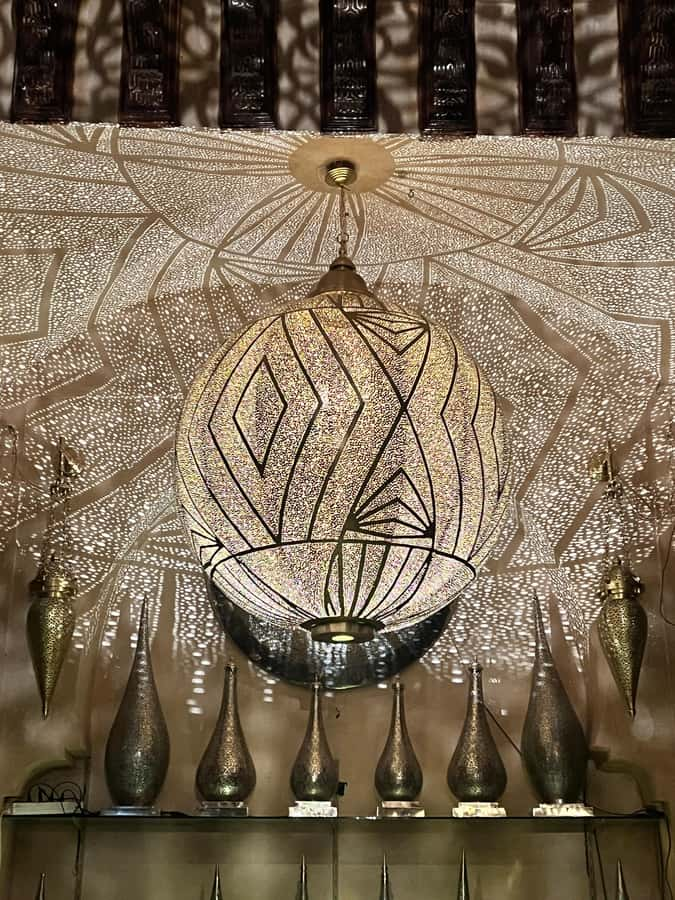
At $19 per person, the shared tour is a strong value if you want orientation before exploring on your own. Three hours with a local guide costs less than many private sightseeing walks, and the main benefit is not transport or entry tickets. You are paying for local navigation, context, and shopping judgment.
A private group costs more than the shared option, but it may be worth it if your group has a clear plan. You can ask for more time with craft workshops, focus on architecture, look for particular goods, or avoid shopping stops. A private walk also gives you more room to ask questions.
The best evidence for the private option comes from the way the route can be adjusted. One private group wanted to see the souks, foundouks, artisanal goods, and the structure of the old streets, and the guide shaped the afternoon around those interests. Another group received help finding a carpet and stopping for sand-heated coffee.
A shared group may be less flexible. If you do not want to buy anything, you may spend time at shops chosen for the group. That is not necessarily a problem, but it is worth considering before booking. Tell the guide what you want from the walk at the beginning.
The guides and the value of local knowledge
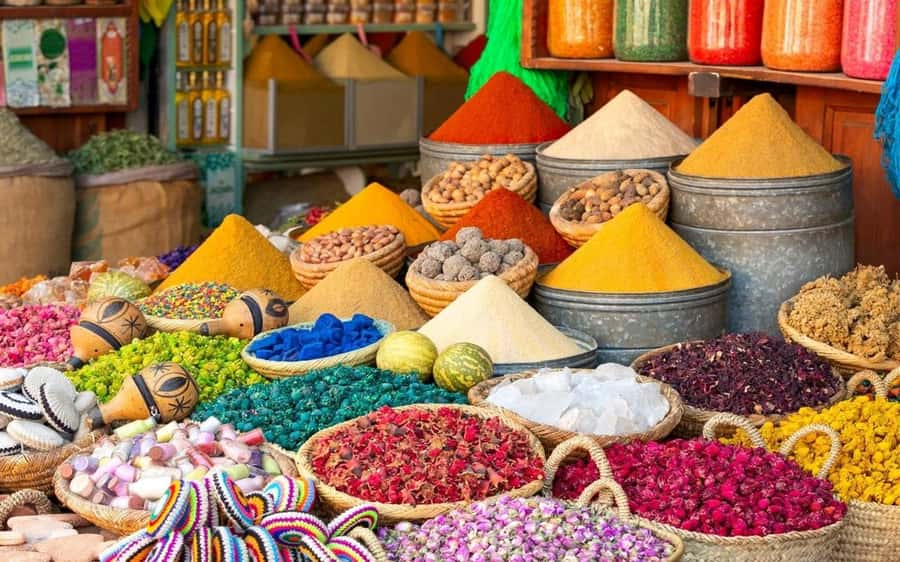
The experience is offered with English or French-speaking guides. Names that appear across the departures include Mohammed, Mo, Charif, Abdel, Atman, Ishmail, Abdul, and a female guide who was noted as the company’s only woman guide at the time of that departure.
The strongest feature across these guides is their personal connection to the city. Mohammed was described as having grown up inside the medina, while Abdel shared first-hand knowledge of life there. That kind of background can answer questions a standard guidebook cannot, especially questions about family life, work, local customs, and how the market functions day to day.
The guides also bring different personalities. Mo is described as patient and flexible, Charif as strong on Moroccan history and crafts, and Atman as friendly and helpful with purchases. The exact person you receive depends on the date and availability, so you should not book expecting one named guide unless the operator confirms it.
English ability has been praised on several departures, and the official offering also includes French. If language detail matters to you, confirm your preferred language when selecting the tour.
What to buy, and how to avoid a poor purchase
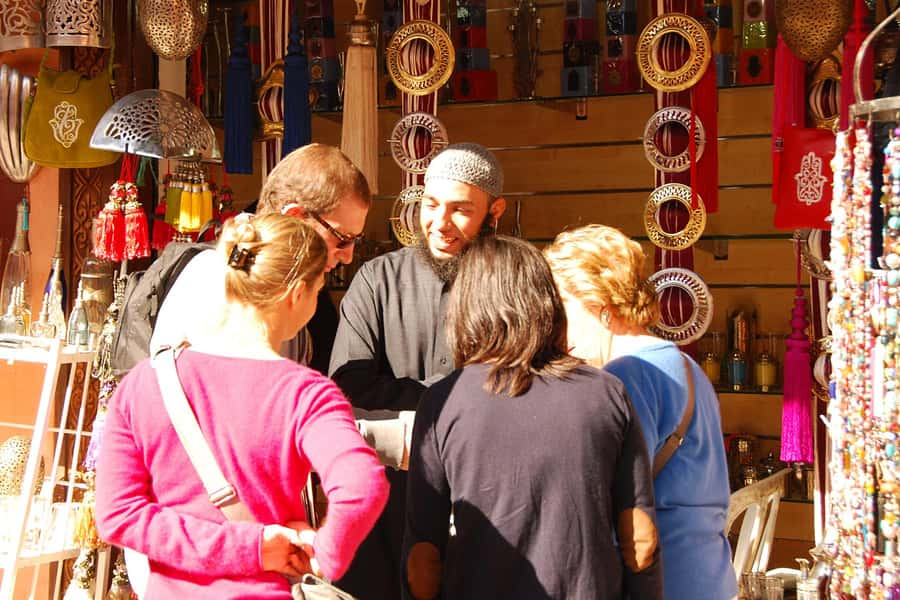
This tour makes the most sense if you plan to buy something but do not want to shop blindly. You can ask where to look for leather, wood, copper, silver, textiles, clothing, spices, carpets, or other handmade goods.
A guide can explain bargaining manners and help you compare shops. That does not mean every recommended store is automatically the best deal. You still need to inspect the item, ask what it is made from, and settle on a price you consider fair.
I would keep the shopping goal modest. Choose one or two items before you arrive, learn the terms and materials involved, and avoid agreeing to a purchase simply because you have been offered tea or a demonstration. If you are not buying, say so clearly and politely.
If you enjoy craft and want to support local makers, the walk offers a better starting point than random shopping along the main lane. You can see how goods are produced, meet artisans in some cases, and make a more informed choice.
Practical details, timing, and cancellations
The activity lasts three hours and includes walking through the medina. The route begins at Café de France unless your selected option provides another starting arrangement. It may finish in the medina or near Café de France, with two listed drop-off locations in Marrakesh.
Food and drinks are not included. Some guides may suggest or arrange stops for tea, coffee, water, juice, olives, or local food, but plan to pay for anything you consume.
You can choose a shared group or a private group. Hotel pickup and drop-off are available only if selected, so check the option carefully rather than assuming transportation is part of the $19 price.
Free cancellation is available up to 24 hours before the activity for a full refund. You can also reserve now and pay later, which helps if your Marrakech schedule is still changing.
Who should book this souks walk?
I would recommend it to first-time visitors who want to understand the medina before exploring alone. It also suits shoppers who want help finding particular crafts and anyone interested in local trades rather than only photographs.
Families and small groups may prefer a private option because the guide can adjust the pace and answer more questions. History-minded visitors should state that interest at the start, since the walk can include city history, foundouks, architecture, and the way the street network works.
I would be more cautious if you dislike sales pitches or have no interest in shopping. You can still ask for an architecture and history-focused route, but some stops may remain connected to stores and artisans. If that would frustrate you, a different medina history tour may suit you better.
Should you book it?
Book this tour if you want a practical introduction to Marrakech’s souks, especially if you hope to shop for leather, textiles, metalwork, spices, or a carpet. The $19 shared price is fair for three hours of local guidance, and the private option adds real value when you have specific interests.
The main decision is your attitude toward shopping. If you see the souks as a place to learn how goods are made and how bargaining works, this walk should serve you well. If you want a pure history walk with no commercial stops, make that clear at the beginning or choose another format.
FAQ
Where does the tour meet?
The standard meeting point is in front of Café de France in Jemaa el-Fnaa, the main square of the Marrakech medina. The exact starting point can depend on the selected option.
How long does the tour last?
The activity lasts three hours.
What languages are available?
Live guides are available in English and French.
Is the tour shared or private?
You can choose a shared group or a private group, depending on the option you book.
Is hotel pickup included?
Hotel pickup and drop-off are available only if you select an option that includes them. They are not included in every booking.
What does the price include?
The tour includes an expert local guide and the walking experience. Food and drinks are not included.
Can I cancel for a refund?
Yes. You can cancel up to 24 hours in advance for a full refund. You can also reserve now and pay later.
New market tours around Marrakesh
- Souks tour of Marrakech ( 3 hours )★ 5.0 · 5 reviews
- Marrakech: Hidden Souks Shopping Tour with Private Guide★ 4.1 · 53 reviews
- Marrakech: Half-Day Medina Markets Tour★ 4.5 · 11 reviews
- Edgy 8 Dish Private, Fusion Cooking Class, Menu Plan, Market★ 4.9 · 31 reviews
- Marrakech: Vibrant Souks, Local Artisans & Medina Experience★ 4.5 · 66 reviews
- Marrakesh: Private Cooking Class & Local Market Shopping★ 4.7 · 15 reviews
- Marrakech: Bahia Palace, Madrassa & Souks Guided Tour★ 4.8 · 47 reviews
- Marrakech Private Souks Shopping Tour★ 4.4 · 4 reviews
Marrakech Market Tours, side by side.
Marrakech: Bahia Palace, Saadian Tombs, Souk and Medina Tour
Read our review →
Marrakech: Colorful Medina Souks Guided Walking Tour
Read our review →
Marrakech: Traditional Moroccan Cooking Class & Market Visit
Read our review →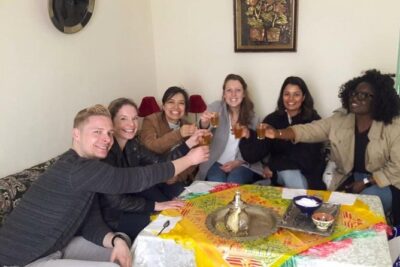
Moroccan Cooking Class & Marrakech Market Visit with Chef Khmisa
Read our review →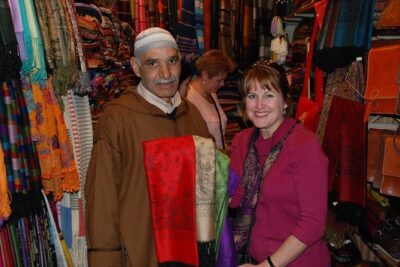
Shopping in the Souks of Marrakech Private Tour
Read our review →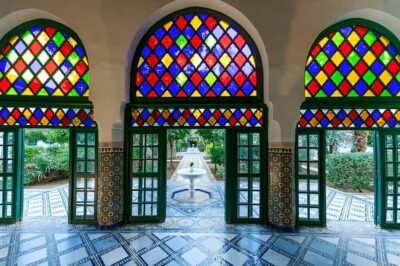
Marrakech: Bahia Palace, Ben Youssef Medersa, & Souks Tour
Read our review →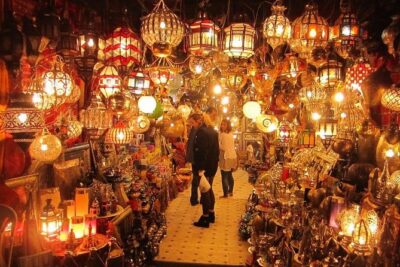
Evening Marrakech: Gastronomic and Market Tour Inside the Medina
Read our review →This tour also appears in