
Review · OAXACA CITY
Mexico: Salsa Making Class in a Market with a Chef
Oaxaca’s chile culture comes alive when you stop treating salsa as a side dish and start building it from the ground up. This 3.5-hour class takes you through a local market, where you collect ingredients before preparing five different salsas with a chef.
I like the market visit because it gives you a useful look at everyday food shopping, not just a cooking demonstration. I also like that you work with a molcajete, a pre-Hispanic grinding tool, and taste every salsa you make. The main consideration is heat: you should have no allergies to chiles, and this may not suit anyone who dislikes walking, standing, or carrying purchases in warm weather.
Key points to know
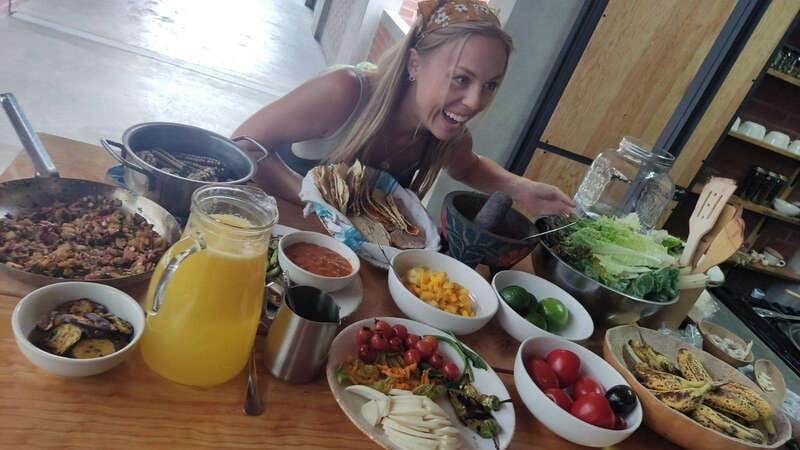
- Five salsa styles in one class: Prepare a traditional red salsa, fruit salsa with chile, dry salsa, fresh salsa, and creamy salsa.
- Market shopping comes first: Choose fresh chiles, fruit, spices, and other ingredients with guidance from the chef.
- A small English-language group: The class is limited to 10 people, which leaves room for questions and hands-on help.
- Traditional tools are part of the lesson: Use a molcajete and other pre-Hispanic instruments, not just modern kitchen equipment.
- Every salsa is tasted: Pair your work with tortilla chips or fresh tortillas at the end.
- Central Oaxaca meeting point: Begin at Etnofood, Xicoténcatl 609, in Colonia Centro, Oaxaca de Juárez.
Why this class is about more than hot sauce
Salsa is one of the best entry points into Mexican cooking because it brings together chiles, fruit, spices, texture, roasting, grinding, and balance. In Oaxaca, that lesson has extra force. The state is known for a wide range of regional foods, and the class uses the market to show you how ingredients look before they reach the plate.
You are not simply watching a chef make one recipe. You are learning how different ingredients create different types of salsa. A fresh salsa behaves differently from a dry salsa. A fruit salsa brings sweetness into the mix, while a creamy salsa changes the texture and softens the heat.
That variety is the real value of the experience. You leave with a set of methods rather than one formula. At home, you can adjust the chile, fruit, spice, or consistency to suit your own table.
The class is also built around participation. You collect ingredients, prepare the salsas, and taste the results. That makes it a better fit for you if you want to understand Mexican food through your hands and palate, rather than simply hear a talk about it.
More market tours around Mexico:
- Frida Kahlo VIP [Museum Tickets Included] Bike, Markets & Churros
★ 5.0 · 1,072 reviews - Frida Kahlo VIP [Museum Tickets Included] Walk, Markets & Churros
★ 5.0 · 982 reviews - Cabo San Lucas Mexican Cooking Class Experience and Local Markets
★ 5.0 · 915 reviews
Starting at Etnofood in central Oaxaca
The meeting point is Etnofood at Xicoténcatl 609, in Colonia Centro. This is where the group gathers before setting out for the market and where the food projects connected with the class take place.
Allow time to find the address and arrive ready to walk. Transportation to and from the market is not included, so you are responsible for getting to the starting point and returning afterward. Since the class lasts three and a half hours, it works well as a half-day activity that leaves time for another Oaxaca plan.
The instruction is in English. Named instructors connected with the experience include Wendy, Bryan, and Talle. The exact guide for your session may vary, but the format remains focused on direct chef instruction and small-group participation.
A group limit of 10 matters here. Cooking classes can become passive when too many people crowd around one work surface. With a smaller group, you have a better chance to ask about a chile, handle the tools, and get help with texture or seasoning.
Walking through the market for chiles and spices
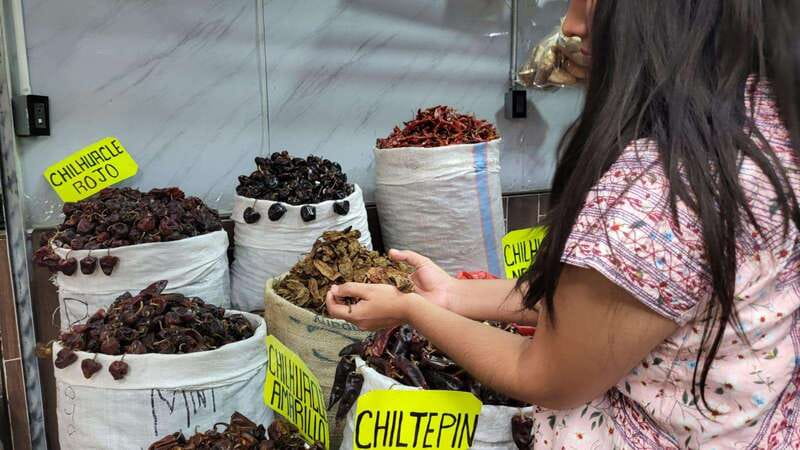
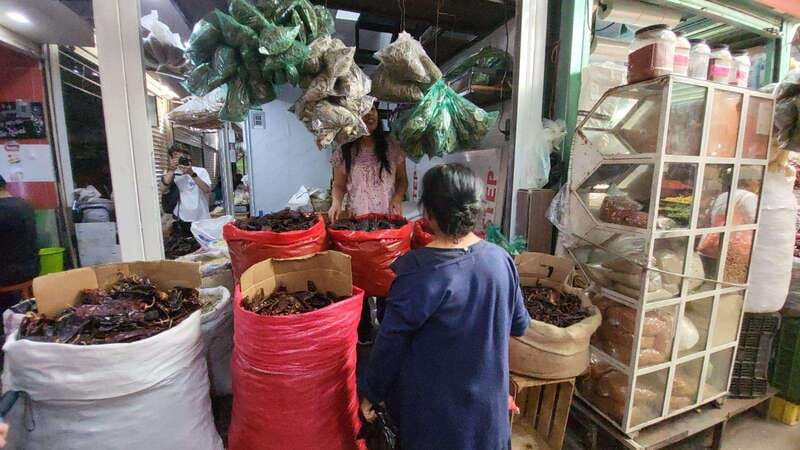
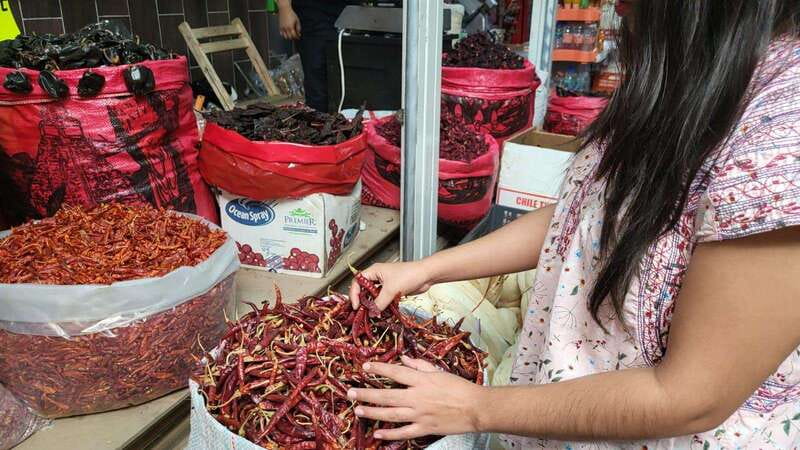
The market visit is the part that gives the class its local feel. Rather than beginning with pre-measured ingredients in a classroom, you go out to collect what you will use. The chef introduces you to Mexican chiles and explains how they work in salsa.
You will also look for fruit, spices, and other fresh items. The ingredients are not just shopping-list details. They help explain how Mexican cooks build contrast. A chile can bring heat, smoke, or depth. Fruit can add sweetness and acidity. Spices can push a salsa in another direction without taking over.
One useful feature is the guide’s explanation of what you are buying. Bryan, for example, has been praised for explaining both the ingredients and the market itself. That sort of running commentary can make the visit more useful than simply following a chef from stall to stall.
The market is described as one of the most biodiverse in Mexico and Latin America, so expect variety rather than a narrow food stop. You may also find the setting less aimed at tourists than some of Oaxaca’s better-known market areas. That is good news if you want a more ordinary look at local food buying, though it also means you should be comfortable with a less polished, more working market environment.
Wear shoes you can walk in for several hours. Bring water, sunscreen, and a hat, especially on a hot day. You may need to carry purchases or ingredients, so avoid bringing more than you need.
Five salsas, five different lessons
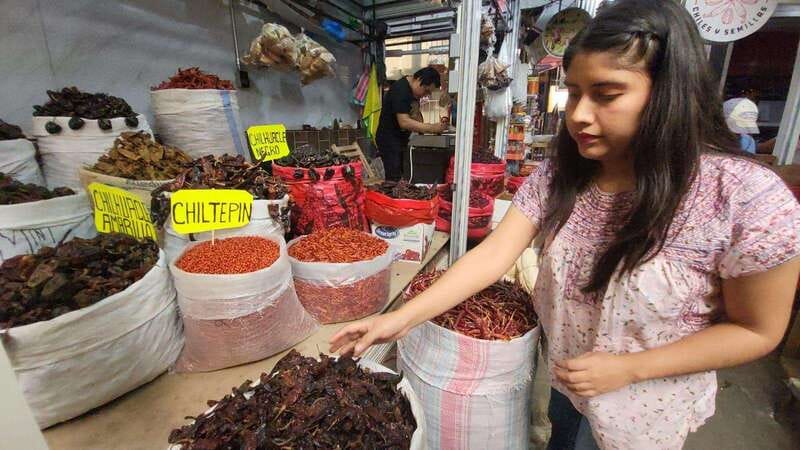
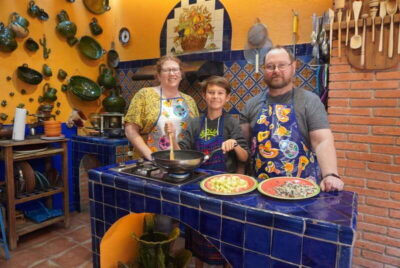
After shopping, you remain in an area of the market and begin preparing the salsas under the chef’s supervision. The class covers five styles, each showing a different way to use chiles.
Same city, another market:
- Cancun Taco Tour, Local Beer and Night Market with Transportation
★ 5.0 · 816 reviews - Cancun Street Food Tour with Food Stalls, Local Market and Murals
★ 5.0 · 723 reviews - Puerto Vallarta Cooking Class Experience with Market Tour
★ 5.0 · 698 reviews - Mexican Cooking Class with Food Market Visit in Mexico City
★ 5.0 · 506 reviews
Traditional red salsa
The red salsa gives you a familiar starting point. It helps you see how a basic chile-based mixture becomes more than a simple hot topping. The chef can show you how the ingredients work together and how the final balance depends on preparation, not only on the type of chile.
This is likely the most recognizable style for anyone who has eaten Mexican food outside Mexico. The benefit of making it yourself is that you can see exactly how its flavor develops.
Fruit salsa with chile
The fruit salsa shows why Mexican chile cooking is not limited to savory ingredients. Fruit brings sweetness and often a fresh, sharp contrast to the heat.
For you, this is a helpful lesson in balance. If you usually think of chile only as a source of fire, the fruit version makes the class more interesting. It also gives you an idea to take home for snacks, grilled food, or a table where people prefer some sweetness with their spice.
Dry salsa
The dry salsa changes the texture and flavor profile. It is a useful reminder that salsa does not always mean a wet mixture of chopped vegetables.
This part may be especially interesting if you want to understand the range of Mexican chile preparations. The ingredients, handling, and grinding method all matter. Using the molcajete makes this feel like a cooking lesson rather than a simple assembly job.
Fresh salsa
The fresh salsa provides a lighter counterpoint to the dry and cooked styles. Here, the appeal comes from the ingredients themselves and from keeping their character clear.
The market visit connects directly to this salsa. You have just seen and selected fresh produce, then use it in a dish where freshness is central. That link between shopping and preparation is one of the strongest parts of the class.
Creamy salsa
The creamy salsa rounds out the set by showing how texture changes the experience of chile. A creamy mixture can feel different on the tongue and may offer a softer route into spicy food.
Taken together, the five styles give you a practical vocabulary. You learn to notice not just whether a salsa is hot, but whether it is fresh, dry, sweet, creamy, or traditionally red.
Working with a molcajete
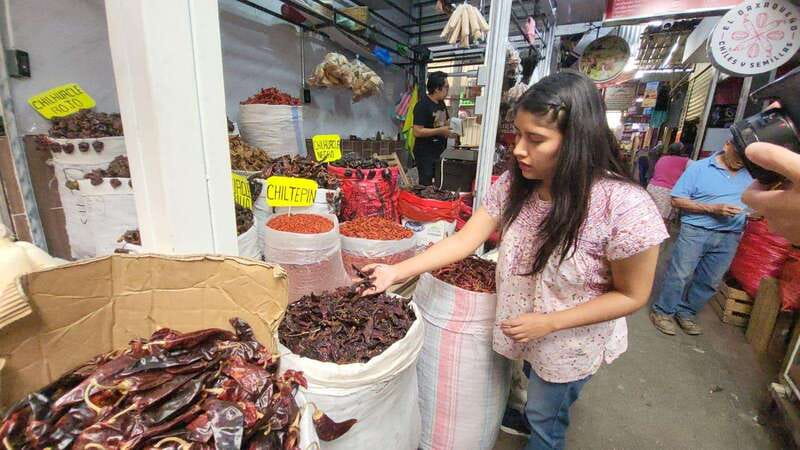
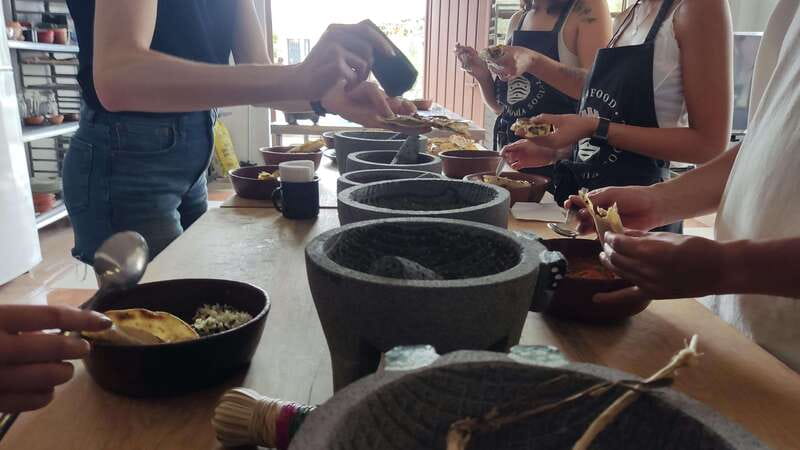
The included molcajete and other pre-Hispanic instruments are more than decorative touches. They make you slow down and pay attention to texture.
A modern blender can produce a smooth result quickly, but grinding by hand shows how ingredients break down and combine. You can feel the difference between a coarse and smooth mixture. That physical process also gives the class a stronger connection to older Mexican cooking methods.
Do not expect restaurant-level speed from the first attempt. The point is to learn under supervision, and the chef is there to guide you through the process. If you prefer a cooking class where every step is already completed for you, this may feel more active than expected. If you like to handle the food yourself, it is one of the class’s best features.
Tasting all five with chips and tortillas
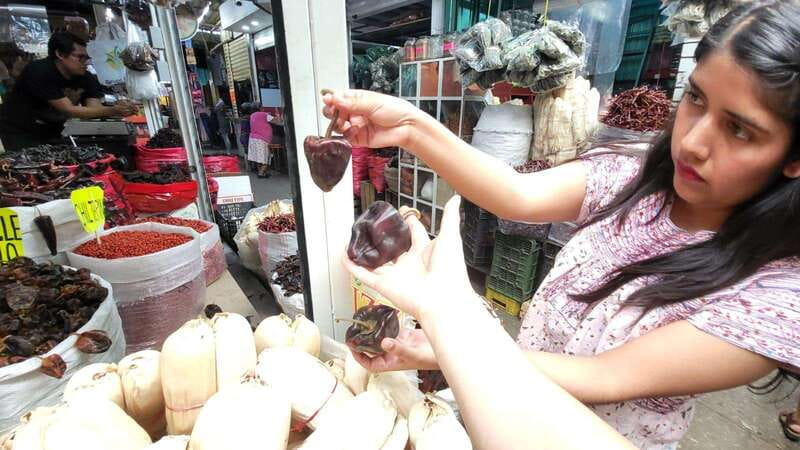
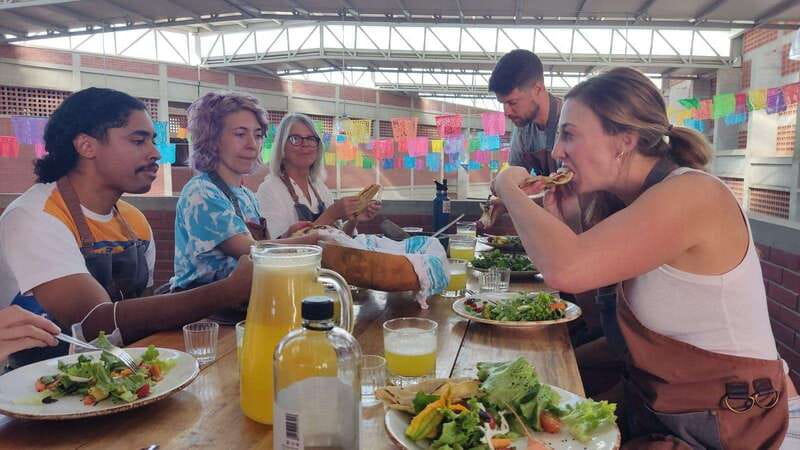
The tasting is not an afterthought. You sample each salsa with tortilla chips or fresh tortillas, which lets you compare them side by side.
That comparison helps you notice details that can be hard to catch while cooking. One salsa may have more heat, another more sweetness, another a smoother texture. Tasting all five also gives you a chance to decide which methods you would actually repeat at home.
The food is the reward, but it is also part of the lesson. Salsa makes more sense when you taste it with something starchy and familiar. Tortilla chips give you a crisp base, while fresh tortillas offer a softer pairing.
Be ready for chile heat. The class is built around the variety and character of Mexican chiles, so this is not a good choice if you have a chile allergy. Even if you enjoy spicy food, bring water and pace yourself.
Is the $64 price fair?
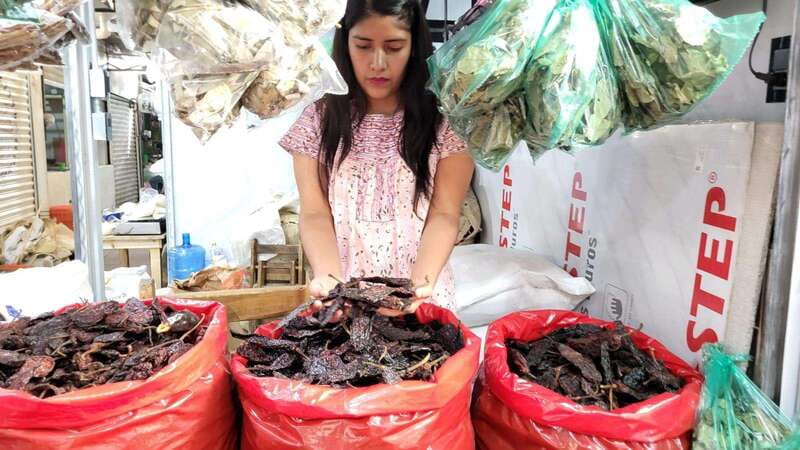
At $64 per person, this is not the cheapest way to eat salsa in Oaxaca. It is also more than a market walk without a cooking component. The value comes from combining several pieces in one half-day: an English-language market tour, chef instruction, ingredients, hands-on preparation, traditional tools, and a tasting of five finished salsas.
The small group improves that value. A 10-person maximum means you are paying for access to instruction, not only for food placed in front of you. You also get practical ideas to use later, which matters if you cook at home.
The price makes the most sense for you if you would otherwise pay separately for a food tour and a cooking class. It makes less sense if you only want a quick market visit or a full meal. This is an educational food experience first, with enough tasting to make it satisfying, but it is not presented as a long restaurant lunch.
The included ingredients and equipment also keep the cost clear. You do not need to buy chile, fruit, spices, or a molcajete during the class. Personal shopping is not included, so anything you choose to purchase for yourself is extra.
Who will enjoy it most?
I would choose this for home cooks, food-focused visitors, and anyone who wants a direct way into Oaxaca’s food culture. It is also a good choice for couples, friends, or solo visitors who enjoy meeting a small group through an activity.
You do not need to be an expert cook. The chef leads the process, and the format is designed around learning. Curiosity matters more than speed.
The class is less suitable if you have limited mobility, since it includes a market walk and hands-on work. It is also not suitable for pregnant women according to the activity information. Comfortable clothes and shoes are essential, and you should be prepared to stay active for much of the three and a half hours.
The experience is conducted in English, which makes it a practical option if you want detailed explanations about ingredients and methods without relying on translation.
Simple preparation before you go
Wear comfortable walking shoes and clothing that can handle a food-focused activity. A hat, sunscreen, and water are sensible in Oaxaca’s heat.
Bring a camera if you want to record the market and ingredients, but keep your hands free when possible. You may carry purchases or ingredients during the experience.
Most important, arrive ready to taste. You will be working with several chile styles, and the experience is built around comparing them. If you have a chile allergy, skip this class rather than hoping the heat will be manageable.
The cancellation policy is forgiving: you can cancel up to 24 hours before the activity for a full refund. You can also reserve now and pay later, which helps if your Oaxaca schedule is still moving around.
Should you book the salsa class?
Book it if you want a small, hands-on food experience that links Oaxaca’s market life with practical cooking. The best parts are the ingredient shopping, the five distinct salsa styles, and the chance to use traditional tools instead of simply watching a demonstration.
I would be more cautious if you dislike spicy food, need a seated activity, or want a full meal rather than a tasting. For everyone else, $64 is a reasonable price for three and a half hours of instruction, shopping, preparation, and food, especially if you plan to recreate the salsas at home.
FAQ
Where does the salsa class begin?
The class begins at Etnofood, Xicoténcatl 609, Colonia Centro, Oaxaca de Juárez, Oaxaca.
How long does the experience last?
The activity lasts three and a half hours. Starting times depend on availability.
Is the class taught in English?
Yes. The listed language for the experience is English.
How many people are in the group?
The class is limited to 10 participants.
What is included in the price?
The price includes the guided market tour, hands-on salsa class, molcajete and other pre-Hispanic instruments, all ingredients, tasting of the prepared salsas, and expert chef instruction.
Is transportation included?
No. Transportation to and from the market is not included. Personal shopping is also separate.
New market tours around Mexico
- San Jose del Cabo: Guided Food Tour & Visit to Local Market★ 4.8 · 17 reviews
- Puerto Escondido: Boat Cruise and Market Visit★ 4.5 · 7 reviews
- Oaxaca Markets Food Tour★ 5.0 · 15 reviews
- Oaxaca: Traditional Oaxacan Cooking Class with Market Visit★ 4.9 · 80 reviews
- Oaxaca: Cooking Class with No Set Menu &Local Market Tour★ 5.0 · 7 reviews
- Mexico City: Street Taco Cooking Class & Market Tour★ 5.0 · 12 reviews
- Mexico City: Bazaar Saturday, Convent of Carmen & San Angel★ 4.1 · 7 reviews
- Mexico City: Mexican Salsas Cooking Class and Market Tour★ 5.0 · 6 reviews
Oaxaca City Market Tours, side by side.
Immersion Tour and Oaxaca Markets, All gastronomy included
Read our review →
Flavors of Oaxaca: Cooking Class with No Set Menu and Local Market Tour
Read our review →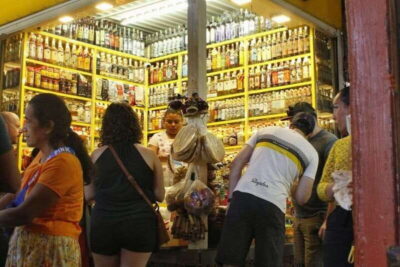
Oaxaca: Traditional Oaxacan Cooking Class with Market Visit
Read our review →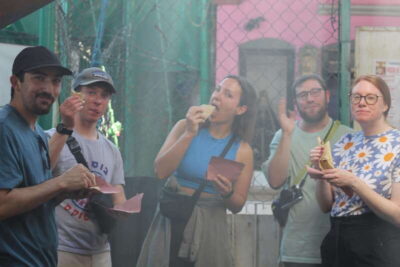
Market tour and all gastronomy included⭐️⭐️⭐️⭐️⭐️
Read our review →
This tour also appears in