Review · OAXACA CITY
Oaxaca: Traditional Oaxacan Cooking Class with Market Visit
Oaxaca’s food makes the most sense when you shop for it first. This 5.5-hour cooking experience takes you into a local market with a bilingual chef or host, then into a family kitchen where you prepare a traditional meal from scratch. Depending on your host, that might mean mole, tamales, soup, stuffed peppers, guacamole, handmade tortillas, or several dishes together.
I like two things right away: you are not simply handed a recipe, and you get to see the ingredients in their everyday setting before cooking. I also like the personal scale. Hosts such as Sandra and Samuel, Gerardo, Alicia, Silvia, and other local cooks have welcomed small groups into their homes, sometimes adding a look at a family textile workshop.
The main consideration is that the exact meal and host can vary. One experience included several dishes cooked over wood fires, while another involved a simpler soup and tamales with too much waiting. If you want a fast, polished restaurant-style class, this may feel slow. If you want a home-based cultural visit, that slower pace is part of the appeal.
Key points at a glance
- Market shopping comes first: Walk with the chef or host and learn how local ingredients are chosen before you cook them.
- The menu is flexible: You may choose between two suggested dishes, and some hosts prepare a full spread of soup, mole, tamales, peppers, tortillas, and guacamole.
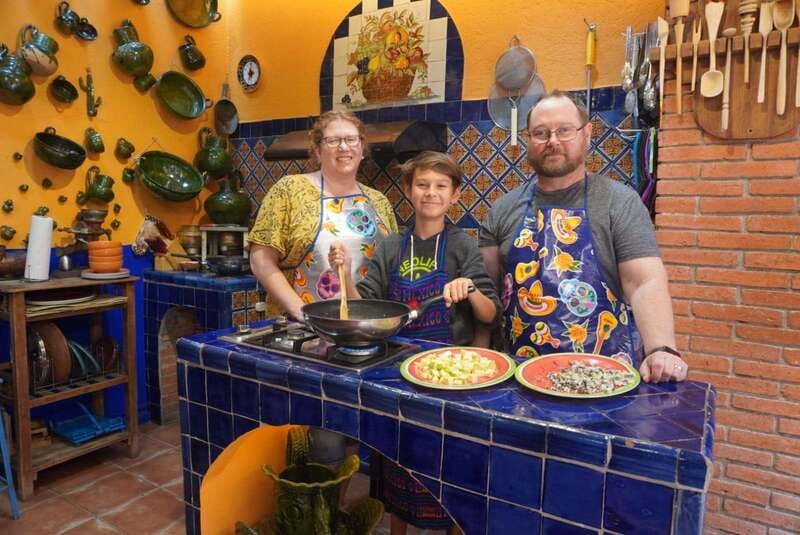
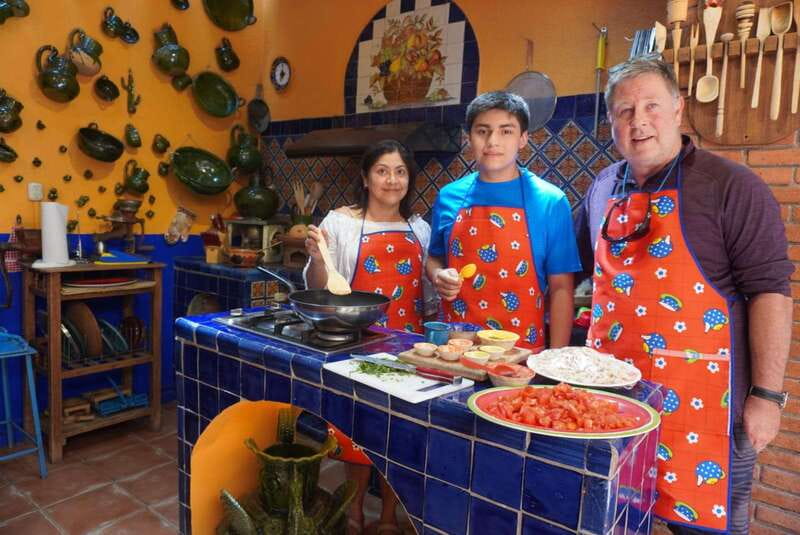
- Cooking happens in a family setting: Expect a home kitchen, outdoor work area, clay cookware, or wood fire rather than a formal culinary school.
- Regional drinks are included: Tejate, chilacayota, mezcal margaritas, hot chocolate, beer, and other drinks may accompany the meal.
- Textiles may be part of the visit: Several hosts in the Teotitlan area also demonstrate weaving or wool dyeing.
- Transport is handled for you: Hotel lobby pickup, air-conditioned transport, a driver, and a bilingual instructor are included.
Why the market visit matters
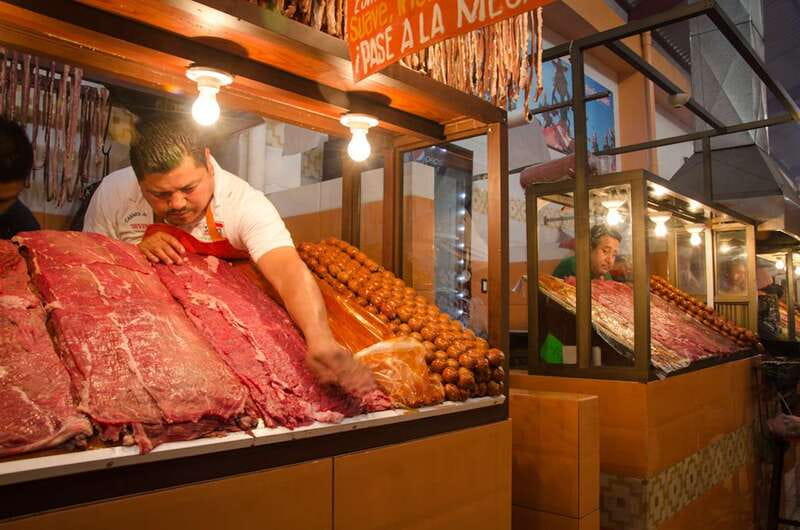
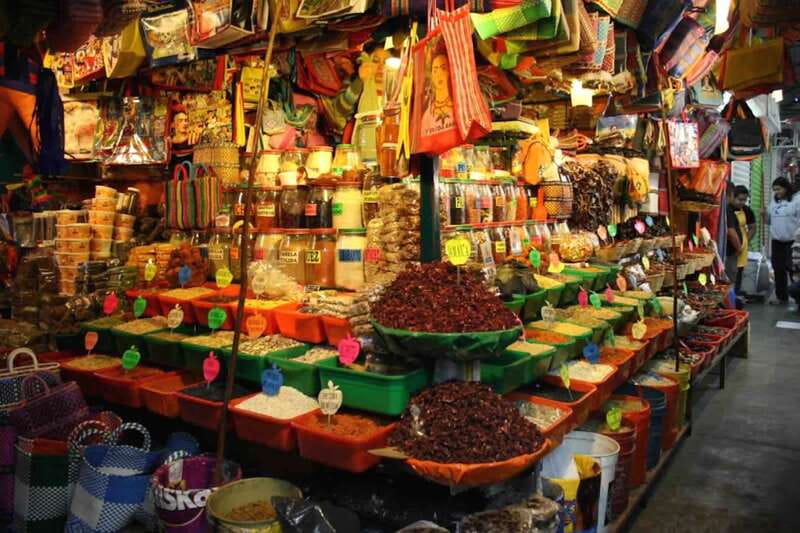
The market is not just a place to gather ingredients. It gives you a useful introduction to the food culture of Oaxaca before you sit down to cook. Your host helps identify fresh produce and explains which ingredients local cooks prefer for particular dishes.
You may shop for meat, vegetables, chilies, herbs, or other items needed for the chosen menu. In some cases, you can buy extra ingredients for yourself. That is a practical bonus if you want to recreate the meal at home or bring a taste of Oaxaca back to your own kitchen.
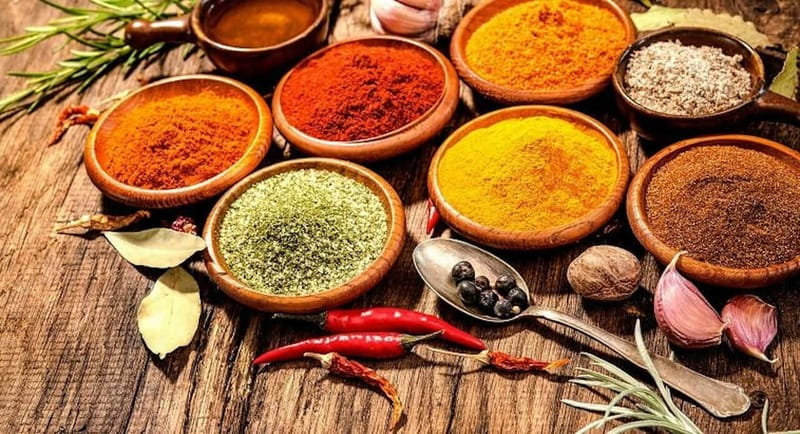
The market portion also helps explain why Oaxacan cooking can seem complex. A mole is not one ingredient with a sauce poured over it. It depends on several elements, careful preparation, and the balance of roasted, spicy, sweet, earthy, and savory flavors. Seeing the raw ingredients before they are combined gives you a clearer sense of the work involved.
The markets can be crowded and active, so wear comfortable shoes and keep your belongings close. Bring cash, especially if you want to purchase additional items. The included cooking ingredients are covered, but personal shopping is your responsibility.
More Market and Cooking Class Tours in Mexico
- Cabo San Lucas Mexican Cooking Class Experience and Local Markets
★ 5.0 · 915 reviews - Puerto Vallarta Cooking Class Experience with Market Tour
★ 5.0 · 698 reviews - Mexican Cooking Class with Food Market Visit in Mexico City
★ 5.0 · 506 reviews
From Oaxaca City to a family kitchen
Hotel lobby pickup and drop-off make this easier than arranging transport on your own. You ride in air-conditioned transportation with a driver and bilingual guide. The drive may take you beyond central Oaxaca City toward towns in the surrounding area. One group traveled about 35 minutes to Teotitlan, while another visited Teltitlán in the mountains.
The exact setting depends on the host assigned to your group. That variation is worth understanding before booking. This is not a single standardized classroom with identical furniture, equipment, and recipes every day. It is a local food experience connected to different cooks and families.
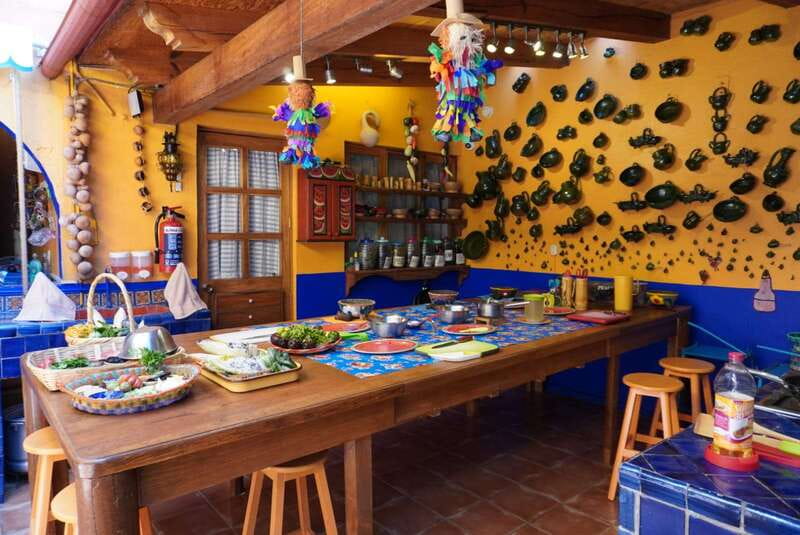
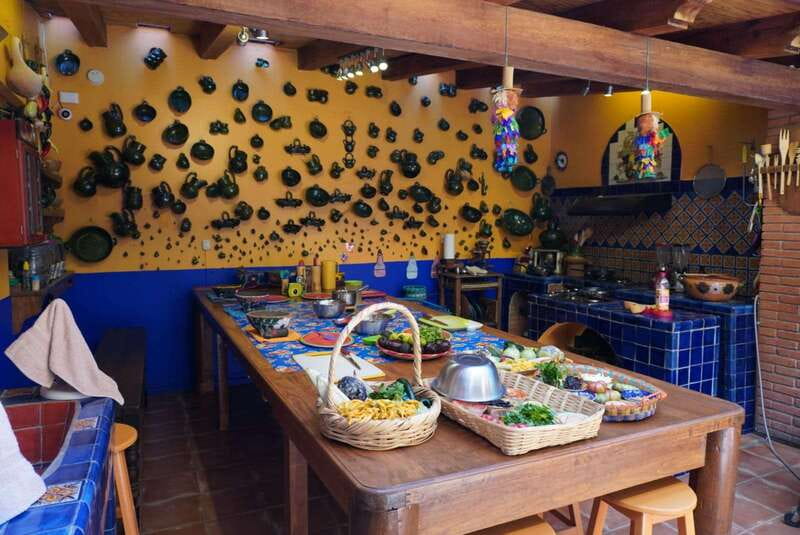
Several hosts welcome you into a beautiful family home. In other cases, the cooking takes place outdoors, with vegetables being chopped and grilled, tortillas pressed by hand, and food prepared over a wood fire. One particularly traditional setup used clay pots and fire instead of modern kitchen appliances.
I see this as a strength if you want to understand how food is made in a local household. It is less ideal if you need a fully predictable, air-conditioned kitchen with a fixed menu and tightly timed instruction.
Choosing the dish and learning the local method
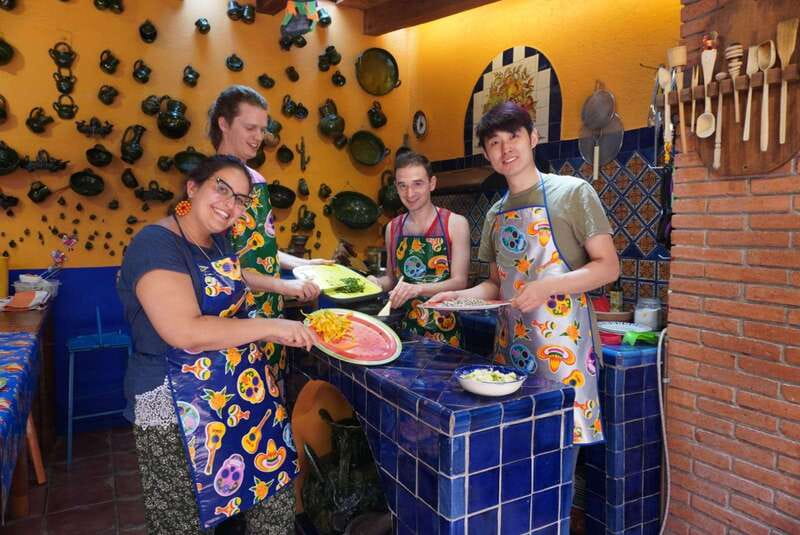
After shopping, the chef explains the cooking plan. You may choose between two suggested dishes, and your host will explain what each ingredient contributes. The focus is not only on following steps. You learn why certain ingredients are preferred and how local cooks use them.
The lesson is hands-on. You may chop vegetables, prepare a sauce, work with chilies, shape tortillas, or help with the main dish. The exact amount of participation depends on the menu and the pace of the household.
Some sessions produce a broad meal. A class with Gerardo included soup, mole, filled peppers, and guacamole. Other groups made tamales, mole, and chocolate from scratch. Another family taught six dishes during a five-hour visit. Those examples show the range, but you should not assume every booking includes all of them.
Mole deserves special attention. It is one of the dishes most closely associated with Oaxaca, and making it from basic ingredients helps you understand why it is rarely a quick weeknight sauce. You may spend time roasting, grinding, stirring, and adjusting the mixture. The payoff is a meal with a sense of place, not just a recipe copied from a book.
Handmade tortillas and Oaxacan drinks
Making tortillas is one of the most enjoyable parts for many people because it turns a familiar food into a physical skill. You work the dough, shape it, and cook it as part of the meal. The result may not be perfectly round on your first try, but that is fine. The point is to learn the method.
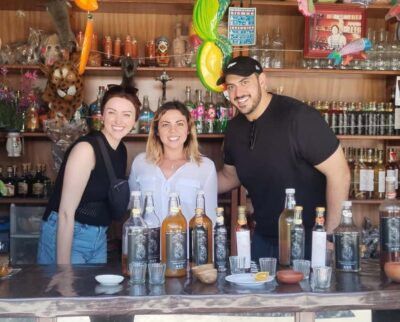
Drinks add another useful layer. The experience includes typical options such as tejate and chilacayota, along with margaritas made with mezcal. Some sessions also included beer, hot chocolate, or other drinks. The precise selection depends on the host and menu.
Tejate is especially worth trying because it is tied to Oaxaca’s regional food culture and uses ingredients unfamiliar to many visitors. A drink such as this gives you something to look for later in markets and restaurants across the state.
If you do not drink alcohol, ask about the available alternatives when you arrive. The class includes food and drinks, but the description does not promise that every listed beverage appears at every session.
Same city, another market:
- Frida Kahlo VIP [Museum Tickets Included] Bike, Markets & Churros
★ 5.0 · 1,072 reviews - Frida Kahlo VIP [Museum Tickets Included] Walk, Markets & Churros
★ 5.0 · 982 reviews - Cancun Taco Tour, Local Beer and Night Market with Transportation
★ 5.0 · 816 reviews - Cancun Street Food Tour with Food Stalls, Local Market and Murals
★ 5.0 · 723 reviews
The family welcome and textile connection
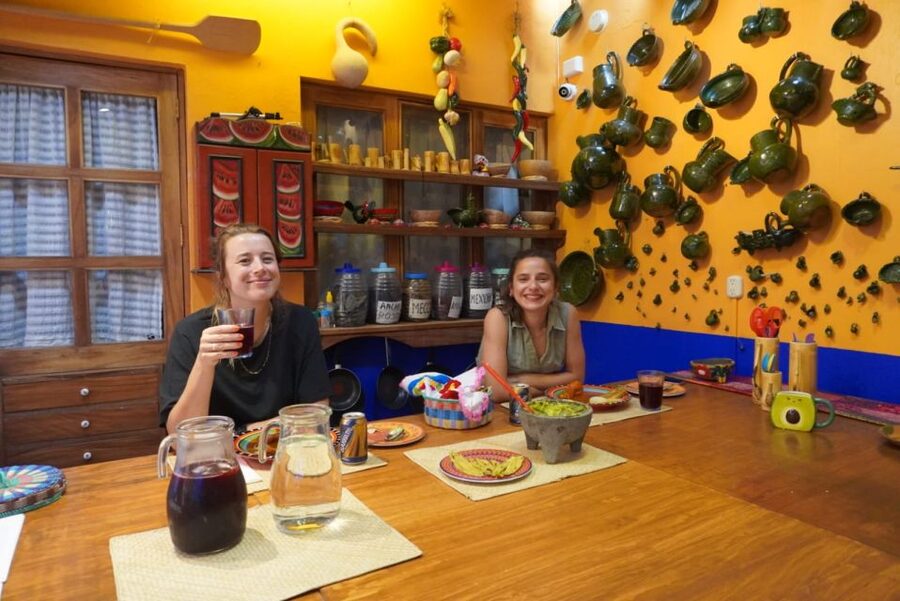
The food is only part of the experience. Several hosts invited the group to share a meal with their family, and that changes the tone from a standard cooking lesson to a personal cultural visit. You may meet relatives, see the home, and learn about daily work as well as food.
Some homes are also connected to weaving and wool dyeing. In Teotitlan, guests were shown a family textile workshop and had the chance to see woven products and the dyeing process. Handmade items may be available to buy, and one host accepted card payments, though you should still bring cash as requested.
This textile element is not guaranteed, so think of it as a possible addition rather than a promised stop. If it happens, it gives you a wider view of local life and helps explain how food, craft, family work, and regional identity can overlap.
The hospitality is a major reason this experience receives such strong marks. Hosts including Sandra and Samuel, Alicia and Silvia, Gerardo, and Thomas and his family are repeatedly described as warm, patient, and generous. One family helped adapt the meal for a person who could not eat spicy food, which suggests that dietary needs can sometimes be handled well when discussed in advance.
Still, tell the operator about restrictions before the day begins. The provided information confirms an accommodation for one guest, but it does not promise that every dietary request can be met.
What the five and a half hours feel like
This is a full half-day, and the pace can be relaxed. The market visit, drive, cooking, conversation, meal, and possible textile visit all take time. You should not book it immediately before an important afternoon appointment.
A typical flow looks something like this:
- Hotel pickup in the morning or at the selected starting time
- Drive with the bilingual guide and driver
- Market visit and ingredient shopping
- Travel to the host family’s home
- Explanation of the menu and local ingredients
- Hands-on preparation of the meal
- Tortilla making and preparation of drinks
- Shared meal with the family or cooking group
- Possible textile workshop visit
- Return to your hotel
The sequence may change. In one account, a short rest and hot chocolate came before cooking. In another, the family’s textile work added a separate part to the day. The schedule feels personal rather than rigid.
That can be wonderful when the host is active and engaging. It can also create idle time if several family members are preparing different parts of the menu. One less positive experience included long waits while a simple meal was prepared, with the translator not always available to explain what was happening.
Translation, group size, and teaching quality
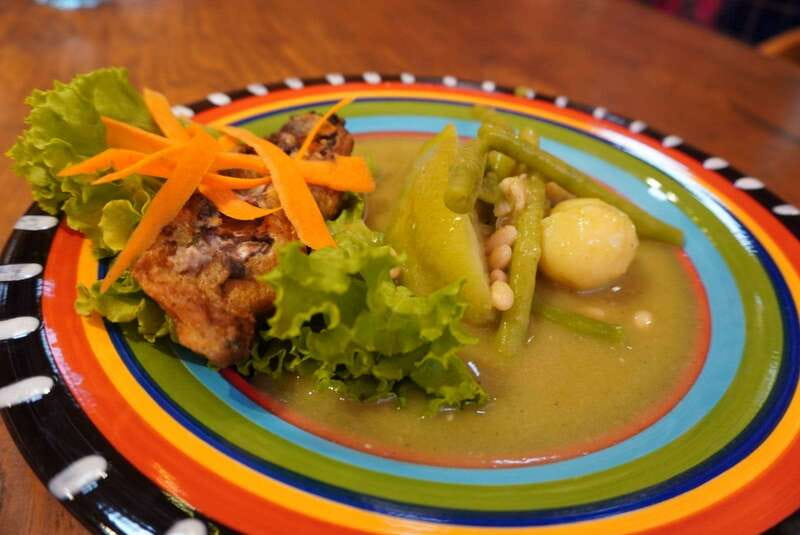
Instruction is available in Spanish and English. A bilingual instructor and driver are included, and some groups also had a separate translator. The quality of interpretation matters because the value of the class depends on understanding the food, not just watching someone cook.
In the best sessions, the guide explains the market, the ingredients, the town, and the cooking techniques. One guide, Edgar, was praised for arriving on time and helping the group understand the experience, while David was noted for clean and reliable driving. In another home, Thomas spoke excellent English, so the translator was less necessary once the cooking began.
The experience appears especially well suited to small groups and families. One family of four enjoyed a traditional meal together, and a group with younger children found the household setting welcoming. You should expect a participatory visit, but not every guest will be involved in every single task at all times.
If your main goal is detailed culinary instruction, pay attention to the host assignment and ask how much hands-on teaching is planned. If your main goal is contact with a local family and a shared meal, the variation is less concerning.
Is $133 a fair price?
At $133 per person, this costs more than a basic cooking lesson in a restaurant kitchen. The price includes hotel pickup and drop-off, air-conditioned transport, a driver, a bilingual instructor, ingredients, food, drinks, and liability insurance.
That package makes the price easier to justify if you are staying in Oaxaca City and would otherwise need to arrange transport to a nearby town. You are paying for the market visit, the instruction, the meal, the local setting, and the time of the host family, not only for a plate of food.
The value is strongest for people who want several experiences combined into one day: a market walk, a regional meal, cultural conversation, and perhaps a textile visit. It is weaker if you only want to learn one recipe quickly or are mainly looking for a low-cost meal.
The high overall score and strong transport rating suggest that the basic organization is dependable. Even so, the one less favorable account shows why you should keep expectations realistic. The class may be excellent, but it is not completely standardized.
Who should book this experience?
I would choose this for couples, families, and small groups who want food connected to local life. It is a good fit if you enjoy asking questions, trying unfamiliar ingredients, and spending time in a family home rather than moving from sight to sight.
It also suits people who want to learn practical cooking skills. You will see how tortillas are made, how regional ingredients are handled, and how traditional food is prepared over fire or in clay cookware.
Families with children may appreciate the interactive format, although the slower pace and market walking may test very young children. The experience is wheelchair accessible, but the provided information does not describe the exact surfaces or layout of each market and home, so confirm details if you need specific access arrangements.
You should think twice if you dislike spicy food, cannot tolerate flexible menus, or prefer a fixed timetable. One host made a successful adjustment for a guest with a low tolerance for spice, but that should be arranged ahead of time.
Bring comfortable shoes, comfortable clothes, a camera, and cash. Leave pets and oversized luggage behind. Free cancellation is available up to 24 hours before the experience, and you can reserve now and pay later, which is useful when your Oaxaca plans are still shifting.
Should you book it?
Book this if you want to understand Oaxacan cooking through the people who make it, not just eat it in a restaurant. The strongest parts are the market shopping, the family welcome, the hands-on tortilla and mole work, and the chance to see traditional tools and textile work.
Skip it if you want a polished, identical class every time or if waiting makes you impatient. The host and menu can change, and one weaker session had poor translation and too much downtime. For most people who value local food, conversation, and a meal prepared together, the personal setting is worth the $133.
FAQ
How long does the Oaxacan cooking experience last?
The experience lasts about 5.5 hours, including transportation, the market visit, cooking, the meal, and any additional family or textile activities.
Is hotel transportation included?
Yes. Hotel lobby pickup and drop-off are included, along with air-conditioned transportation, a driver, and a bilingual instructor.
What languages are available?
The experience is offered in Spanish and English.
What food will I prepare?
The menu can vary. Possible dishes include mole, tamales, soup, filled peppers, guacamole, handmade tortillas, chocolate, and other traditional Oaxacan meals. You may choose between two suggested dishes.
Are food and drinks included?
Yes. Ingredients, food, and drinks are included. Possible drinks include tejate, chilacayota, and margaritas made with mezcal.
Is the cooking class held in a restaurant?
No. Cooking takes place with a local chef or family, often in a home setting. Some sessions use outdoor cooking areas, wood fires, clay cookware, or a family kitchen.
Can dietary needs be accommodated?
Dietary adjustments may be possible. One guest who could not eat spicy food received a suitable version of the meal, but you should discuss your needs before booking.
Is the experience wheelchair accessible?
Yes, the activity is listed as wheelchair accessible.
What should I bring?
Bring comfortable shoes, comfortable clothes, a camera, and cash. Pets and oversized luggage are not allowed.
New market tours around Mexico
- San Jose del Cabo: Guided Food Tour & Visit to Local Market★ 4.8 · 17 reviews
- Puerto Escondido: Boat Cruise and Market Visit★ 4.5 · 7 reviews
- Oaxaca Markets Food Tour★ 5.0 · 15 reviews
- Oaxaca: Cooking Class with No Set Menu &Local Market Tour★ 5.0 · 7 reviews
- Mexico City: Street Taco Cooking Class & Market Tour★ 5.0 · 12 reviews
- Mexico: Salsa Making Class in a Market with a Chef★ 5.0 · 10 reviews
- Mexico City: Bazaar Saturday, Convent of Carmen & San Angel★ 4.1 · 7 reviews
- Mexico City: Mexican Salsas Cooking Class and Market Tour★ 5.0 · 6 reviews
Oaxaca City Market Tours, side by side.
Immersion Tour and Oaxaca Markets, All gastronomy included
Read our review →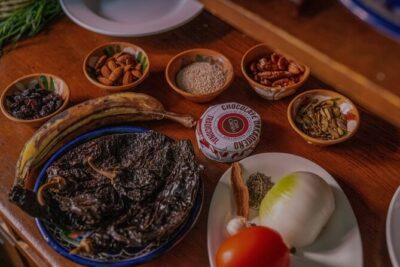
Flavors of Oaxaca: Cooking Class with No Set Menu and Local Market Tour
Read our review →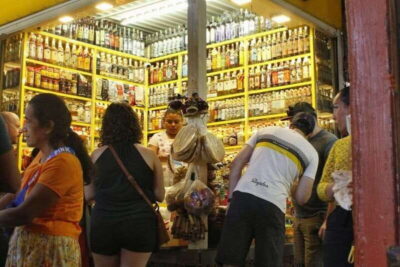
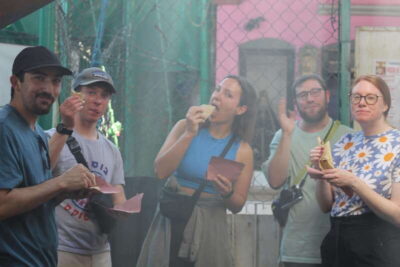
Market tour and all gastronomy included⭐️⭐️⭐️⭐️⭐️
Read our review →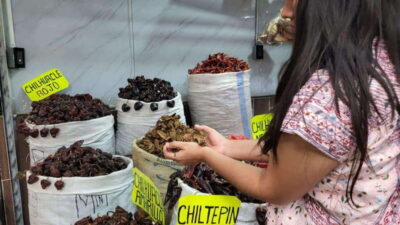
Mexico: Salsa Making Class in a Market with a Chef
Read our review →