
Review · PORTO
Porto: Cooking Class with Local Market Visit
The best part of this Porto cooking class happens before the cooking starts: you meet Nuno at his home and shop with him in small neighborhood markets for the ingredients you will soon eat. I like that the menu begins with real produce, fish, olive oil, and local specialties rather than a basket of pre-measured items. I also like the mix of cooking and culture, from Portuguese tiles and architecture to the influences of Asia, Africa, South America, and Jewish traditions. The main drawback is that the class takes place in a private home and is not suitable for wheelchair users.
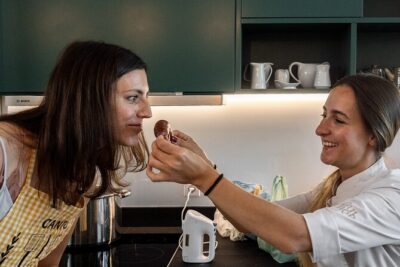
This is a hands-on 3.5-hour class for no more than eight people, conducted in Portuguese and English. You help prepare a full meal, taste wine, port, and olive oil, and sit down together afterward. Nuno can adapt the food for most diets, but you need to explain allergies or restrictions before the class.
Key Points
- Shop before you cook: Visit small local food shops, a bakery, butcher, or possibly Nuno’s organic garden to choose fresh ingredients.
- Nuno leads the class: He combines cooking instruction with stories about Portuguese food, history, architecture, and tiles.
- Everything starts from scratch: There are no frozen products or pre-prepared ingredients.
- The menu is a full meal: Prepare appetizers, a fish main course, and pastel de nata for dessert, with the exact menu subject to change.
- Wine and more are part of the table: Taste local wine, port, olive oil, and Portuguese specialties during the meal.
- Keep the group small: With a maximum of eight participants, you get more direct help than in a large demonstration class.
Why the Market Visit Makes This Class Different
Many cooking classes begin with ingredients already laid out on a kitchen counter. This one begins with a walk through the food shops near Nuno’s home. That small change matters. You see how the meal takes shape, and you get a glimpse of ordinary shopping in Porto rather than only a polished cooking studio.
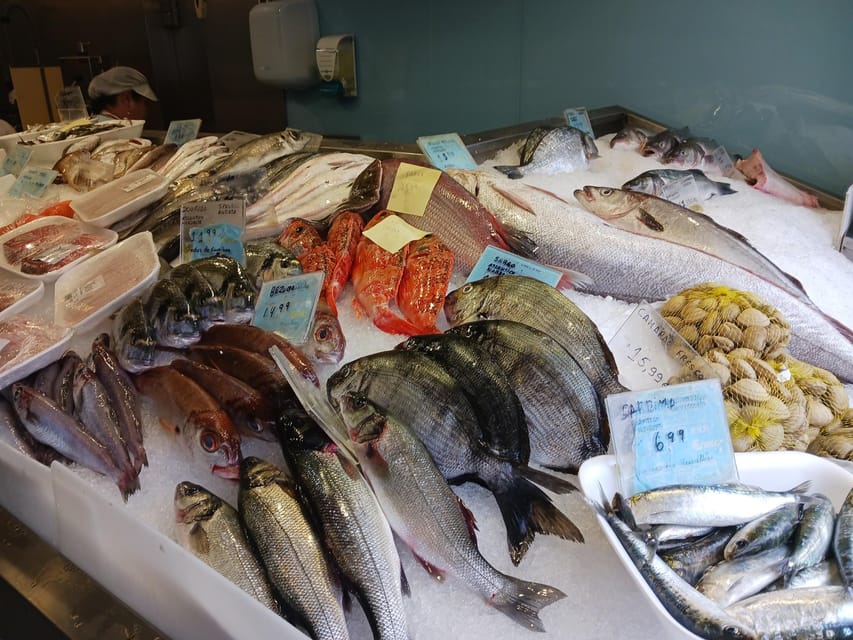
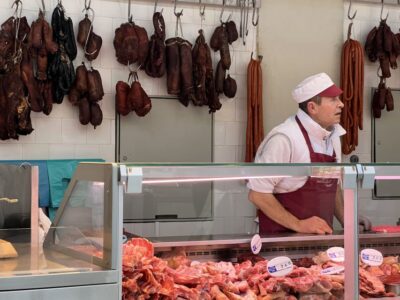
The visit may include a local grocery shop, bakery, street butcher, or Nuno’s organic garden. The exact stops depend on the day and the menu. You might choose vegetables, fish, bread, or other products with Nuno explaining what to look for and why one ingredient suits the dish better than another.
I like this part for two reasons. First, it gives you useful food vocabulary and shopping context. Second, it helps you understand that Portuguese cooking is often built around the quality of a few basic ingredients. Fresh fish, good olive oil, bread, and well-chosen produce do much of the work.
The market visit also gives the class a neighborhood feel. You are not simply being shown a recipe. You are seeing where the cook gets the food. The tradeoff is that the experience is less predictable than a fixed studio class. The shops visited and the menu may vary, so you should book this for the process rather than for one guaranteed dish.
More Local and Farmers Market Tours in Portugal:
- Porto Local Market Visit & Cooking Class / Showcooking
★ 5.0 · 206 reviews - Lisbon: Local Market, Food, and Culture Walking Tour
★ 4.7 · 40 reviews - Porto: Local Market Tour & Cooking Class/Showcooking
★ 4.9 · 32 reviews
Meeting Nuno at His Porto Home
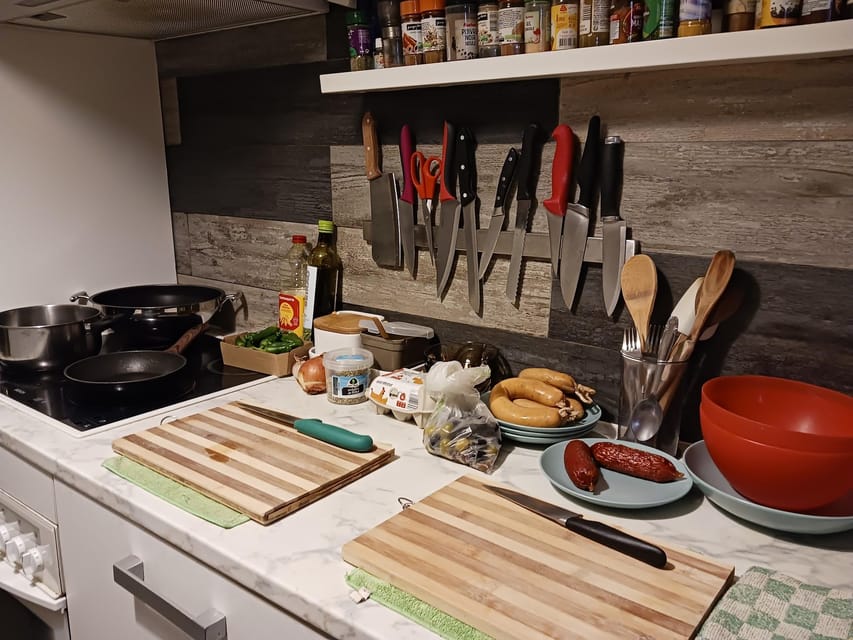
Nuno Miguel Ferreira Silva hosts the class at his home, which gives the activity a personal tone from the first minute. You do not arrive at a restaurant kitchen with a staff of instructors. You enter the setting where your host cooks and eats.
Nuno’s role reaches beyond following recipes. He explains the origins and customs connected with Portuguese dishes, and he can talk about architecture and the country’s famous tiles as well. That makes the time between chopping and stirring more interesting, especially if you want to connect food with the wider culture of Portugal.
His organization also matters. You should expect clear communication before the meeting and a planned route to the nearby food shops. Once back at the house, he guides the preparation while still giving you room to work. This is not a class where you sit at the edge and watch a chef perform.
The home setting has one practical limitation: it is not designed for wheelchair users. You should also be comfortable moving through local shops and taking part in ordinary kitchen tasks. Transportation to the meeting point is not included, so plan your own way there.
A Full Portuguese Menu, Made by You
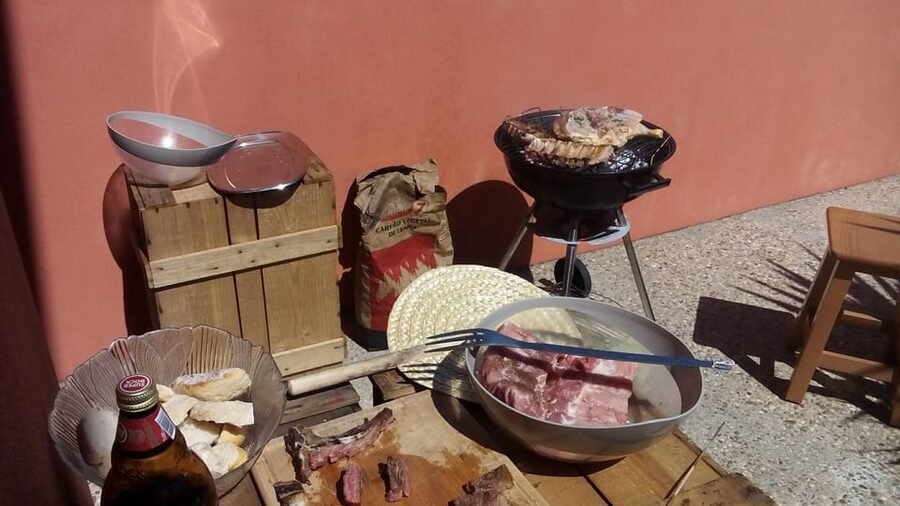
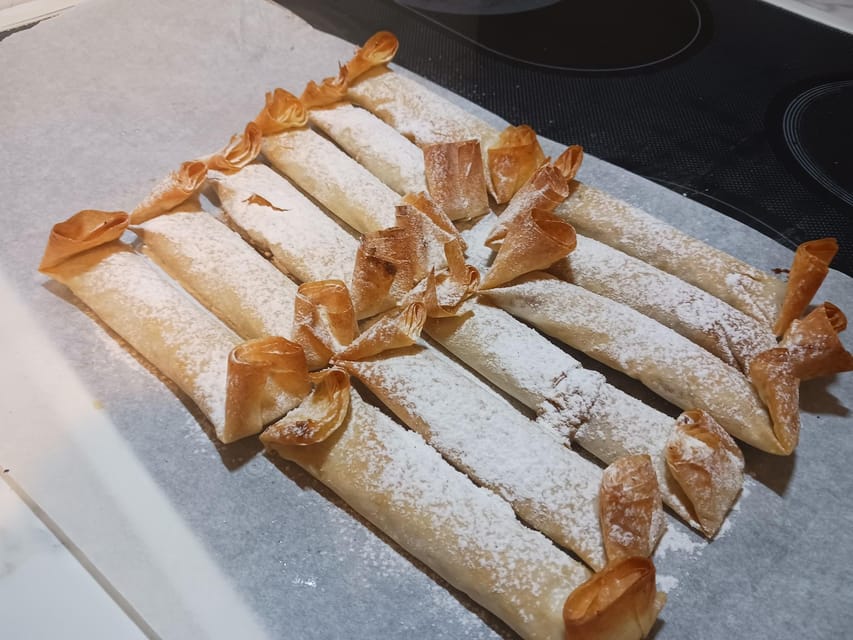
The class is built around a complete meal rather than one isolated recipe. You help prepare appetizers, a fish entrée, and dessert. The exact dishes can vary, but the cooking includes recipes such as a fish main course and pastel de nata, Portugal’s well-known custard tart.
Making pastel de nata yourself is a useful touch. You get to see how a famous Portuguese sweet fits into a home meal, rather than treating it as something bought only from a pastry counter. The finished tart also gives the class a clear ending after the savory work.
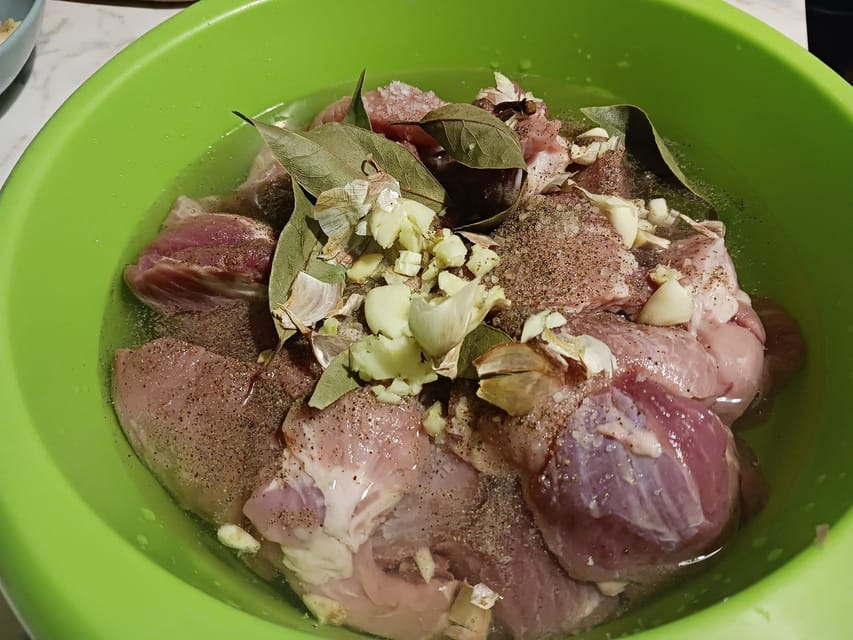
The fish course shows the value of the shopping trip. Instead of working with a frozen or pre-prepared product, you use an ingredient selected for the meal. The supplied details specifically emphasize that there are no frozen products and nothing pre-prepared. You should expect to wash, cut, season, mix, and cook from the beginning.
This setup suits you if you want recipes you can try at home. The work is hands-on, and the instructions focus on practical cooking tips rather than a short photo opportunity. You will not simply be handed a plate at the end. You will know how the dish came together because you helped make it.
Still, a home cooking class is not the same as a professional culinary course. If you are looking for advanced knife skills, restaurant techniques, or a formal certificate, this is not the right choice. The appeal is the combination of simple food, personal instruction, and cultural background.
Portuguese Food with Many Outside Influences
Nuno uses the cooking to explain why Portuguese food is more varied than the familiar trio of cod, sardines, and custard tarts. Portuguese cuisine reflects contact with Asia during the age of overseas exploration, as well as former territories in Africa and South America.
You may also hear about dishes shaped by different ethnic traditions, including alheira, a sausage associated with Jewish communities. This context gives the recipes more meaning. You are not just learning what to put in a pot. You are learning how movement, trade, religion, and empire affected what people cooked and ate.
I find this especially helpful if your Porto visit includes many restaurant meals. A menu can list a dish without telling you why it matters. Here, Nuno connects the plate to the country’s past and to daily habits such as buying food from small shops or using olive oil with care.
The cultural conversation does not replace the cooking. It runs alongside it. You may be tasting oil while learning how to judge it, or discussing regional food while preparing the next course. That blend keeps the class from feeling like a lecture.
More Market and Cooking Class Tours in Portugal:
- Lisbon Market and Food Tour with Cooking Class and Lunch
★ 5.0 · 117 reviews - Private Lisbon Market Tour & Portuguese Cooking Class with Paula
★ 5.0 · 89 reviews - Porto Market Tour & Cooking Class – Half Day
★ 5.0 · 34 reviews - Lagos: Market Tour and Cataplana Cooking Class
★ 5.0 · 9 reviews
Olive Oil, Wine, Port, and Sardines
Food tasting is a real part of the afternoon or evening. You sample local wine and port, and there is also an olive oil lesson. You may taste Portuguese sardines as well, with Nuno pointing out which products are worth seeking.
The olive oil portion is useful because it changes how you approach a common Portuguese ingredient. Rather than treating oil as a background cooking fat, you get a chance to taste it and understand its place in the meal. That kind of short lesson can help you shop for olive oil later in your trip.
Wine pairing is included with the prepared meal. This is not a separate bar visit, and you should not expect a formal wine course. It is a relaxed way to match drinks with the food you have just cooked.
Because wine and port are served, this class may not suit someone who avoids alcohol entirely. The activity also lists alcohol and drugs as prohibited items, while the planned wine pairing remains part of the meal. Pets are not allowed.
The Value of $106
At $106 per person, this is not the cheapest way to eat in Porto. You could buy a meal for less, especially if your main goal is simply to sample Portuguese food.
The value improves when you count what is included: a local shopping visit, a cooking class, all meal preparation, the meal itself, cultural instruction, and wine pairing. You also get direct access to a host who handles the food shopping and explains the ingredients. For a small group capped at eight people, that is a stronger offer than a large class where you only stir one pot.
You are also paying for time and setting. The experience lasts 3.5 hours, which gives enough room for shopping, cooking, tasting, and sitting down together. It is closer to an evening with a food-focused local host than to a quick tourist activity.
I would consider the price fair if you enjoy cooking, want a substantial meal, and value local context. It is less appealing if you dislike group activities, do not drink wine, or want a fixed menu announced well in advance. The menu can change with the ingredients available, which is part of the market-based format.
Who Will Enjoy This Most
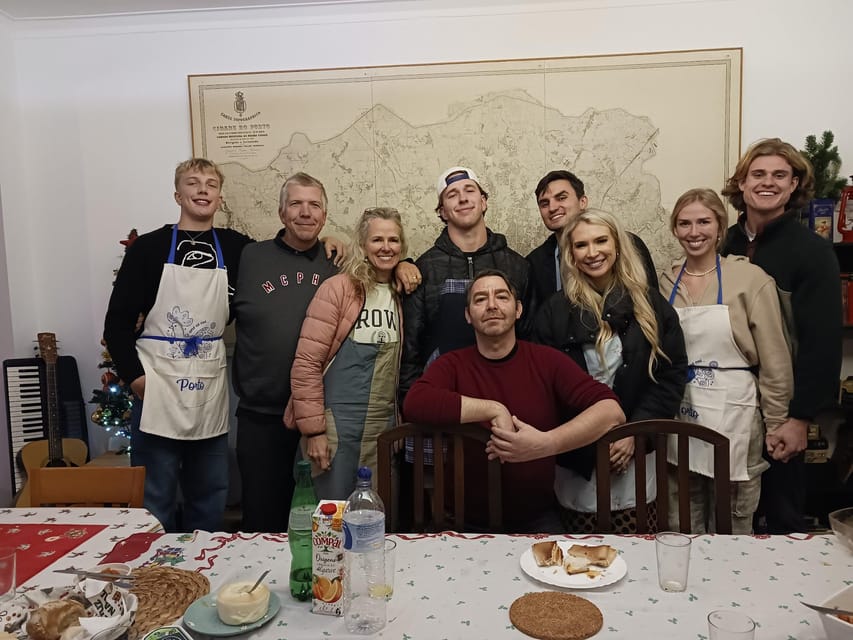
This class is a strong fit for couples, friends, and small families who like to work with food. You do not need to be an experienced cook. The important thing is a willingness to participate and try unfamiliar ingredients.
It also suits repeat visitors to Porto. If you have already seen the major sights, spending an afternoon in a neighborhood market and home kitchen gives you a different view of the city. The food becomes a way to learn about Portugal without adding another standard sightseeing stop.
Food-focused visitors will get the most from the combination of shopping, cooking, and tasting. The class also works well for anyone who wants recipes they may be able to repeat at home. You learn by doing, which is more memorable than reading a menu description.
This is less suitable for someone who wants a quick demonstration, a luxury restaurant setting, or a strictly timed professional lesson. You should also consider the lack of wheelchair suitability and the need to arrange your own transportation to the meeting point.
Dietary restrictions are usually workable, since adaptations to most diets are possible. You must tell Nuno in advance. Do not wait until the market visit to mention a serious allergy.
A Relaxed Meal at the End
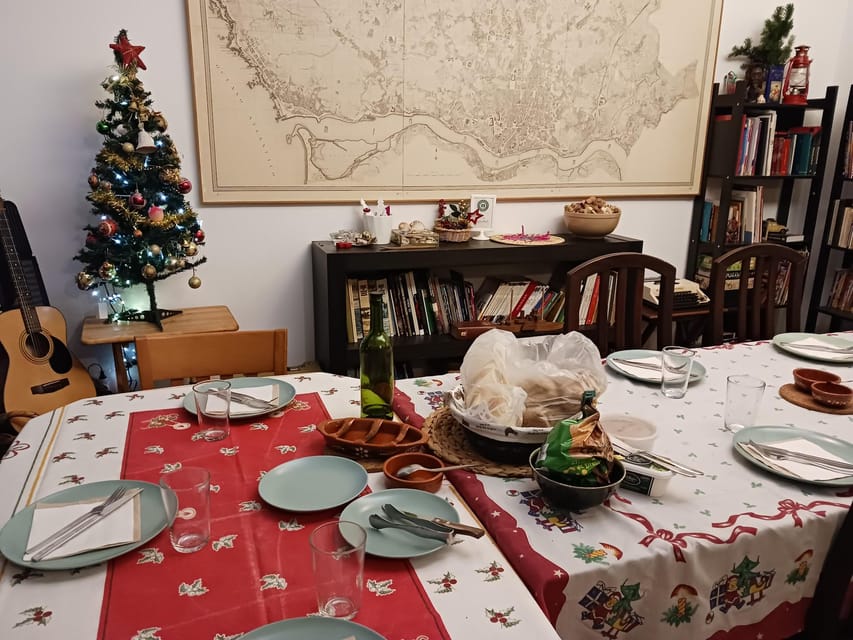
After the shopping and preparation, you sit at Nuno’s table and eat what you helped make. That final meal is important because it turns the class into a shared occasion rather than a series of kitchen tasks.
The setting encourages conversation, and the wine pairing gives you a chance to taste the meal as a whole. You can look back at the ingredients you selected and the techniques you used. If you are traveling with other people, this is also a good way to compare what each person learned.
I would not expect a restaurant-style service sequence. The food is prepared and enjoyed in a private home, so the mood is informal. That is precisely the point for many people, but it may disappoint anyone seeking a polished dining room.
The meal also gives you a practical test. Can you remember the steps? Which flavors came from the fish, the oil, or the seasoning? A good cooking class leaves you with more than a full stomach, and this one is designed to send you home with dishes you can try again.
Booking Details That Matter
The activity lasts 3.5 hours, with starting times available according to the date you choose. The group is limited to eight people, and instruction is available in Portuguese and English.
You meet at the host’s home, and transportation to and from that point is not included. Read the meeting instructions carefully and allow enough time to arrive. The route to the shops is part of the class, so you should be ready to walk locally before cooking begins.
You can reserve now and pay later, which helps if your Porto schedule is still changing. Free cancellation is available up to 24 hours in advance for a full refund. Pets are not allowed, and the activity is not suitable for wheelchair users.
Should You Book Nuno’s Cooking Class?
Book it if you want a personal, food-centered afternoon that combines shopping, cooking, history, and a shared meal. The strongest reasons are the small group, the fresh ingredients chosen with Nuno, and the fact that you make the complete menu from scratch.
I would especially recommend it if you want to learn about Portuguese food beyond restaurant ordering. Nuno’s stories about tiles, architecture, olive oil, wine, port, sardines, and culinary influences add useful local context without taking you away from the kitchen.
Skip it if you want a cheap meal, a guaranteed list of dishes, or a formal cooking school. Also think twice if you cannot use a private-home setting or if accessibility is a concern. For everyone else, $106 buys a long, hands-on introduction to Porto’s food culture, with dinner included at the end.
FAQ
Where does the cooking class take place?
The class takes place at Nuno Miguel Ferreira Silva’s home in Porto. You meet at his home and go together to nearby food shops or, depending on the plan, his organic garden.
How long does the activity last?
The cooking class and market visit last 3.5 hours.
How many people can join the class?
The group is limited to eight participants.
What languages does Nuno speak during the activity?
The activity is offered in Portuguese and English.
What happens before the cooking begins?
You visit local food shops, which may include a grocery shop, bakery, street butcher, or Nuno’s organic garden. You help choose fresh ingredients for the meal.
Are the ingredients prepared in advance?
No. Everything is made from scratch, and the activity does not use frozen products or pre-prepared ingredients.
What food might I prepare?
The full menu can include appetizers, a fish main course, and pastel de nata for dessert. The exact dishes may vary.
Can dietary restrictions be accommodated?
Adaptations to most diets are possible. You must tell Nuno about dietary restrictions and allergies in advance.
Is wine included?
Yes. Wine pairing is included with the meal, and the experience can also include tastings of port and olive oil.
Is the class suitable for wheelchair users?
No. The activity is listed as not suitable for wheelchair users.
New market tours around Portugal
- South of Lisbon: Local Market & Canned Sardines Factory Tour★ 5.0 · 2 reviews
- Porto: Coastal Villages Market & Seafood Cooking Tour★ 5.0 · 2 reviews
- Porto: Bolhão Market Guided Food Tour★ 4.6 · 15 reviews
- Olhão Fish Market & Food Tour★ 4.8 · 9 reviews
- Lagos: Market Tour and Cataplana Cooking Class★ 5.0 · 9 reviews
- Madeira: Levada Walk and Santo da Serra Market Tour★ 4.5 · 2 reviews
- Madeira: Sunday Market in Santo da Serra★ 5.0 · 2 reviews
- From Albufeira: Guided Loulé Market and City Tour★ 3.9 · 3 reviews
Porto Market Tours, side by side.
Chef Led Porto Market Tour and Portuguese Tapas Class with Wine
Read our review →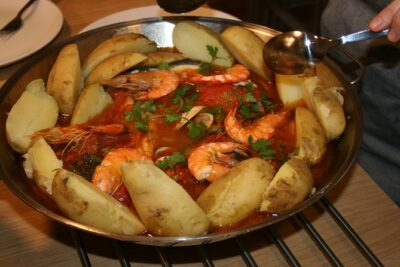
This tour also appears in