
Review · ISTANBUL
Roman Aqueduct, Sehzade Mosques &Women’s Market
Istanbul’s quieter face appears in Fatih’s residential streets, where old mosques, neighborhood shops, and food traditions from eastern Turkey replace the usual crowds. I like the chance to see Şehzade Mosque and Zeyrek Mosque at an unhurried pace, then taste boza served from the same place for 150 years. The walk beneath the Roman aqueducts adds a grand piece of city history without another long museum visit.
I also like the local meal option: lamb baked for five hours in an underground clay oven, served in a simple restaurant away from the main sightseeing strip. The main drawback is that this is a three-hour walking and public-transport tour, so you should bring comfortable shoes and expect a modest amount of time on your feet.
Key points at a glance
- Şehzade Mosque: See the 16th-century mosque built for a prince who died mysteriously.
- 150-year-old boza stop: Try Istanbul’s thick, lightly fermented grain drink in the Vefa neighborhood.
- Roman aqueduct walk: Pass beneath the old waterworks that once supplied the city.
- Eastern Turkish food: Browse a market centered on ingredients and dishes from eastern Turkey.
- Five-hour baked lamb: Add a Kurdish lunch for about $10 to $15 per person.
- Small-group format: The group is limited to 10, with an English-speaking licensed guide.
Why this tour shows a more ordinary Istanbul
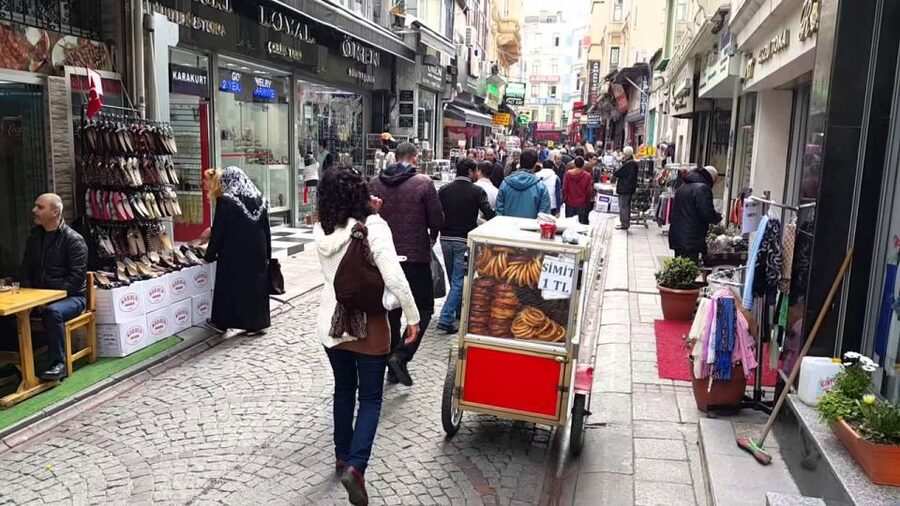
Most first visits to Istanbul stay close to Sultanahmet, where the Blue Mosque, Hagia Sophia, and Topkapı Palace draw the biggest crowds. Those sights deserve their place, but they do not tell the whole story of the city. This tour takes you toward Fatih, where people live, shop, pray, and eat away from the main sightseeing circuit.
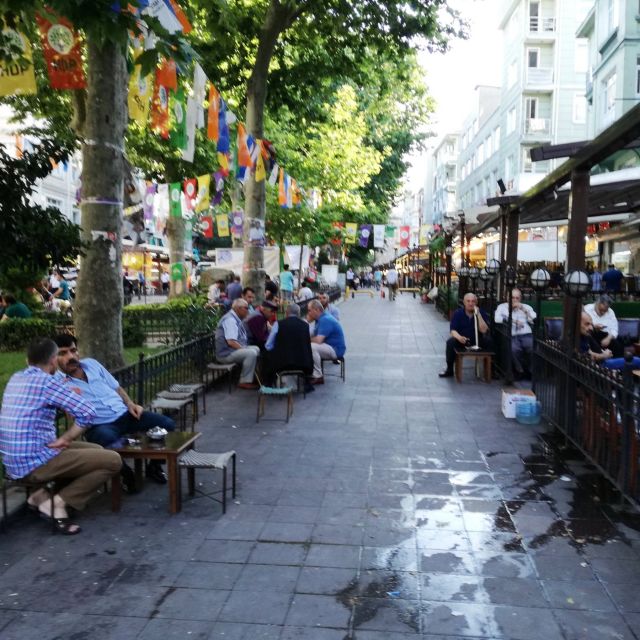
I like this change of pace. You move through residential neighborhoods rather than simply crossing one famous monument off a list. A mosque is still part of the experience, but so are a neighborhood drink, a food market, and a family-style lunch.
The tour begins at the German Fountain near the Hippodrome in Sultanahmet. You walk from the Sultanahmet tram station down toward Firuz Ağa Mosque, then turn toward the square to find the green-domed fountain. This is a practical meeting point, but allow enough time to locate it, especially if you are coming from another part of the city.
From there, the group uses the tram toward Fatih. Tram tickets to Fatih and back to Sultanahmet are included, which saves you from sorting out fares during a short tour. Public transport also avoids the city’s traffic, though it means this is not a private vehicle excursion and you should expect ordinary city travel.
More market tours around Istanbul:
- Two Markets, Two Continents with Culinary Backstreets
★ 5.0 · 479 reviews - Istanbul Grand Bazaar: From Rooftops to the Secret Passages
★ 4.8 · 337 reviews - Istanbul: Hagia Sophia, Blue Mosque and Grand Bazaar Tour
★ 4.5 · 222 reviews
Şehzade Mosque and the story of a lost prince
One of the first major stops is Şehzade Mosque, a 16th-century Ottoman mosque built for a son who died mysteriously. The building gives the tour a strong architectural start, but the setting matters just as much. You are visiting a working neighborhood mosque rather than joining the heaviest flow around Istanbul’s best-known imperial buildings.
A guide can help you read the building in a way that a quick exterior visit would not. Look for the relationship between the mosque, its open courtyard, and the surrounding urban fabric. This is a place where the city’s religious, political, and family stories meet.
Dress for mosque visits. A scarf is listed as something to bring, and modest clothing is appropriate. You will need to follow the usual mosque customs, including removing shoes when required. Since the tour visits more than one religious site, a scarf and easy-to-remove footwear make the day simpler.
The quiet atmosphere is part of the appeal, but it also means you should not expect the grand scale or polished presentation of Istanbul’s most famous monuments. That is precisely the point. Şehzade feels connected to local life, not arranged only for sightseeing.
Zeyrek Mosque, a church complex turned mosque
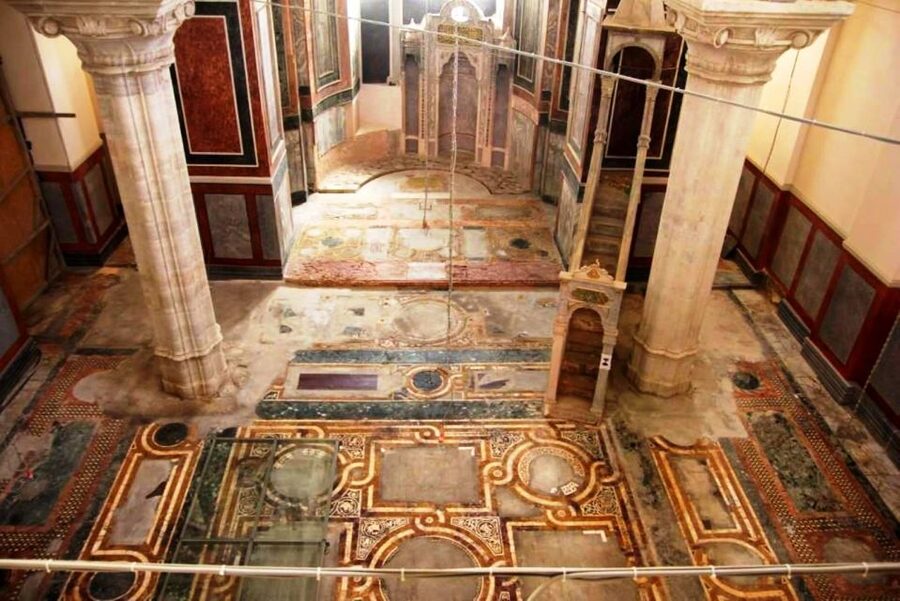
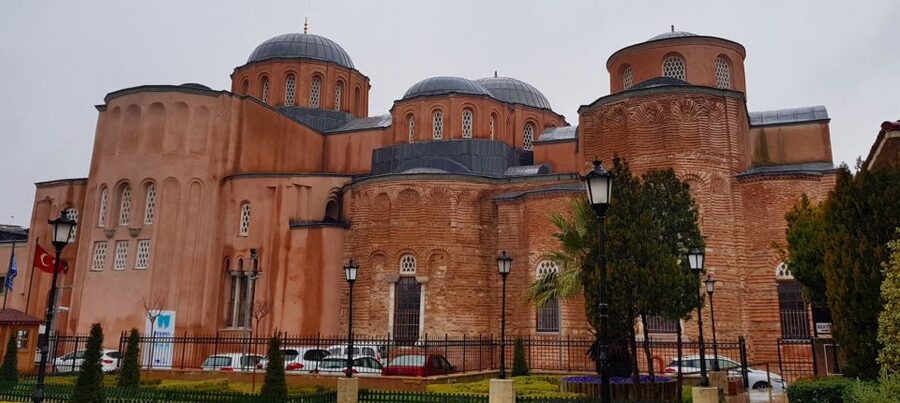
The route continues to Zeyrek Mosque, formerly the Pantokrator church complex, built in 1118. This stop adds a different layer to the morning. Şehzade represents Ottoman mosque architecture, while Zeyrek reflects the earlier Christian and Byzantine history of Constantinople before later use as a mosque.
The building’s changing purpose is one reason this stop is valuable. Istanbul is not a city with clean historical divisions. Churches became mosques, mosques changed around older structures, and neighborhoods carried traces of several eras at once. Your guide can help connect those periods as you move through the site.
This is also a place where expectations matter. The tour description emphasizes a quiet, non-touristy visit, not a long formal museum program. You may spend less time here than at a major palace, but the stop fits the tour’s larger aim: to see significant places in a neighborhood setting.
Past visitors particularly valued the slower pace when the group was small. One guide, Onder, adjusted the walk for a guest whose husband had Parkinson’s, adding sitting time while explaining the sites. That suggests a useful practical point: tell the guide at the start if anyone in your group needs a slower pace or regular pauses.
Walking beneath Istanbul’s old water supply
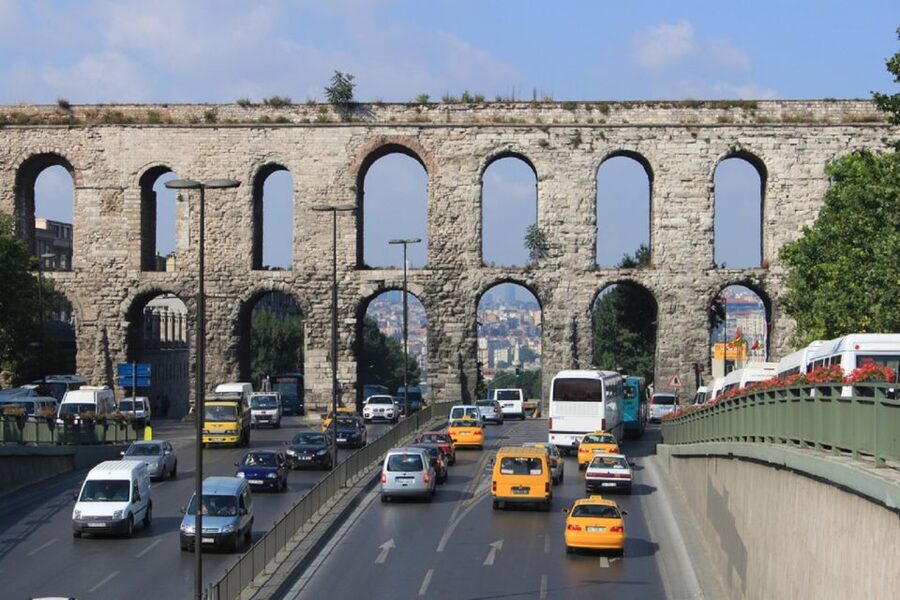
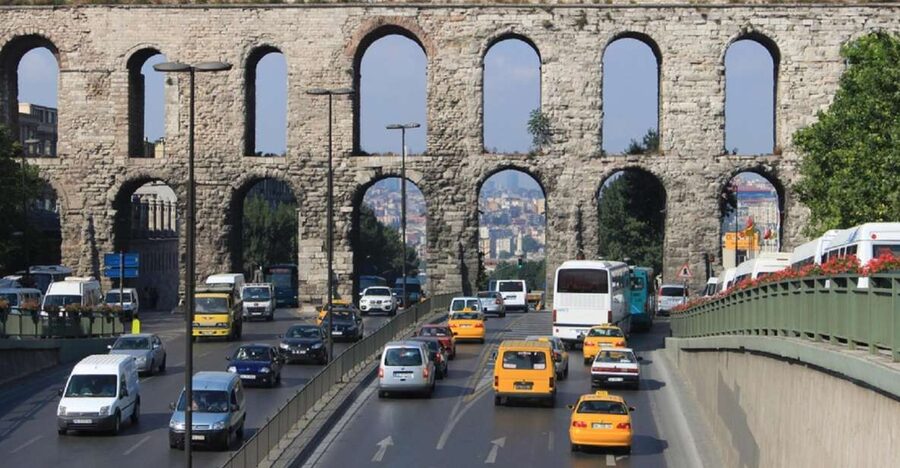
The Roman aqueduct section gives the tour a striking change of scale. You walk by the 6th-century Roman aqueducts, waterworks that supplied the city long before modern pipes and reservoirs. The stone arches are not just a photo stop. They show how much planning was needed to support a large imperial city.
You do not need to be an engineering specialist to enjoy this part. The pleasure comes from seeing monumental infrastructure woven into modern Istanbul. Streets, homes, and daily traffic exist around an ancient structure that once carried water across the city.
The aqueduct walk is also a good reason to wear proper shoes. The distances between stops are generally five to 15 minutes on foot, described as easy walks, but the tour combines several short walks with public transport and neighborhood streets. Comfortable shoes will make the whole outing more pleasant.
A stop beneath an aqueduct may appeal more to people who like understanding how a city worked than to visitors seeking another grand interior. If your interest is mainly in decorated rooms and famous paintings, this part may feel brief. If you like the practical side of history, it is one of the tour’s most memorable stops.
Same city, another market:
- Small-Group Bosphorus Cruise and Istanbul’s Egyptian Bazaar
★ 3.5 · 208 reviews - Istanbul: Hagia Sophia, Blue Mosque, Cistern & Bazaar Tour
★ 4.9 · 189 reviews - Istanbul: Hagia Sophia, Blue Mosque, and Grand Bazaar Tour
★ 4.5 · 162 reviews - Istanbul: Blue Mosque, Basilica Cistern & Spice Bazaar Tour
★ 4.9 · 30 reviews
Vefa boza, a drink with a long local life
In the Vefa neighborhood, you try boza, a traditional drink served at the same place for 150 years. Boza is thick and grain-based, with a lightly fermented taste. It is not the sort of drink most visitors discover by following the standard Sultanahmet route, which makes this stop feel genuinely tied to the neighborhood.
I like that the tasting is not treated as a generic food sample. The drink has a specific place and a long local tradition behind it. You get a small but useful window into the habits of Istanbul residents, especially the kinds of foods and drinks that do not appear on every visitor menu.
Boza may be unfamiliar in texture and flavor. You should approach it with curiosity rather than expecting a sweet fruit drink or a thin refreshment. One person described it as interesting and refreshing, which is a fair way to think about it: distinctive, simple, and worth trying once even if it does not become your new favorite.
The boza is included in the tour price. That matters because the experience is not only a walk with explanations. You also receive a local taste that would be easy to miss if you explored Fatih without knowing where to go.
A market shaped by eastern Turkish cooking
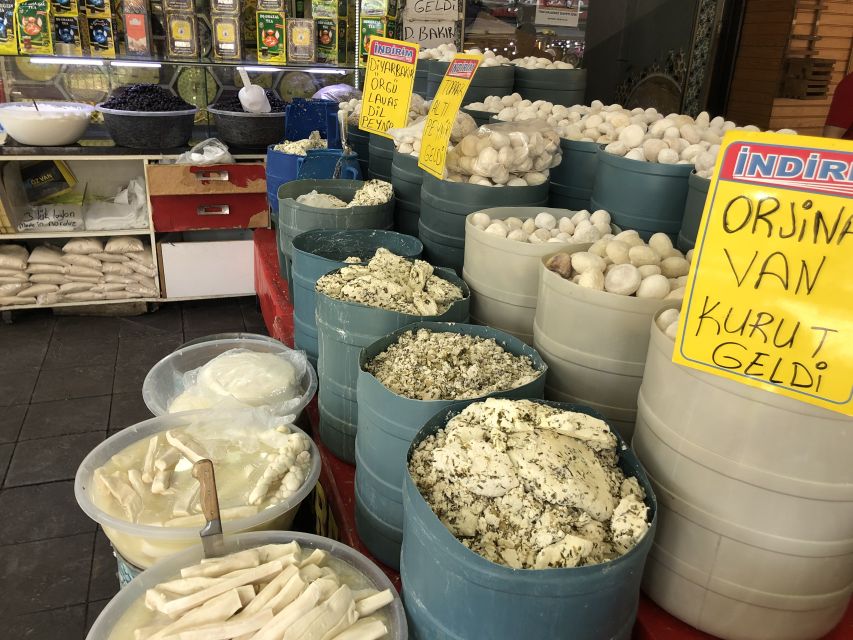
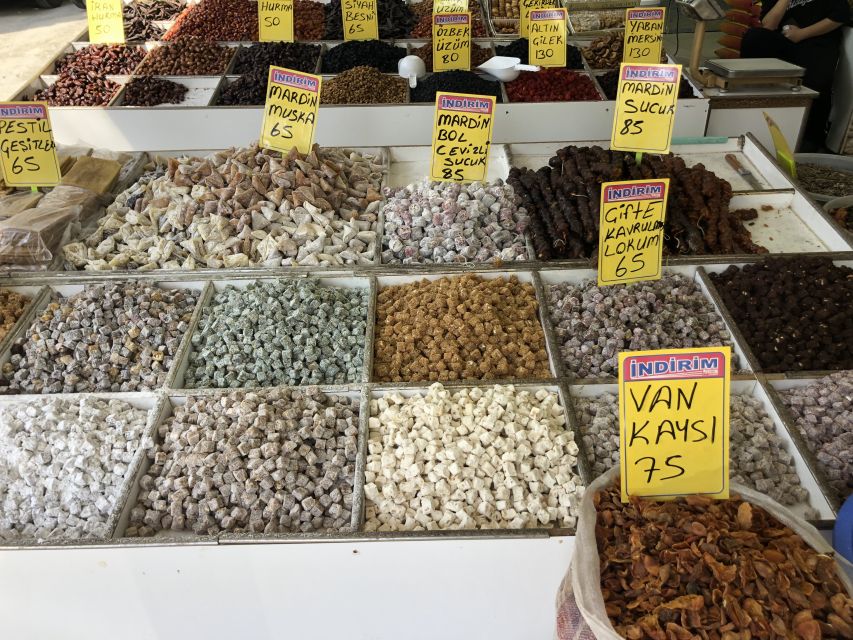
The walk through the neighborhood market focuses on food from eastern Turkey. This is a useful shift from the familiar Istanbul foods served around tourist centers. You see the ingredients and food traditions connected with the east and southeast, while moving through a market used as part of ordinary neighborhood life.
The market is not presented as a staged food show. You should expect a working local setting rather than rows of polished tasting counters. That can make the experience more rewarding, but it also means the pace and atmosphere will be less controlled than on a formal culinary tour.
This section helps explain why the lunch fits the route. The meal is not an unrelated restaurant stop added at the end. It continues the focus on southeastern Kurdish cuisine and cooking methods that rely on time, fire, and a few strong ingredients.
If you like food as a way to understand regional identity, this part may be a highlight. If you are looking for a long list of tastings, keep your expectations in check. The included food experience is boza, while lunch costs extra.
The optional Kurdish lunch and five-hour lamb
Lunch is not included, but it is strongly worth considering if your schedule allows. The cost is listed at about $10 to $15 per person, a modest addition for a substantial meal in a simple, non-touristy restaurant.
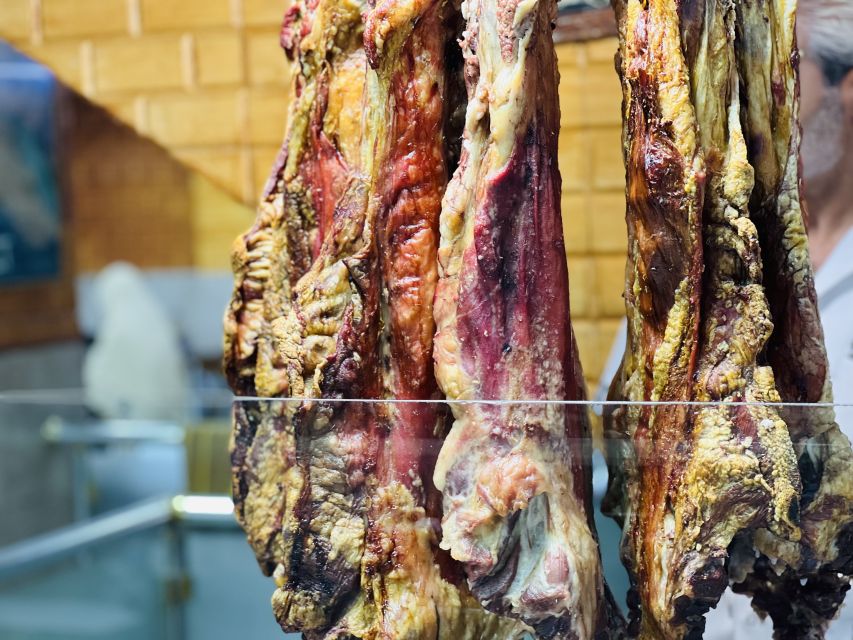
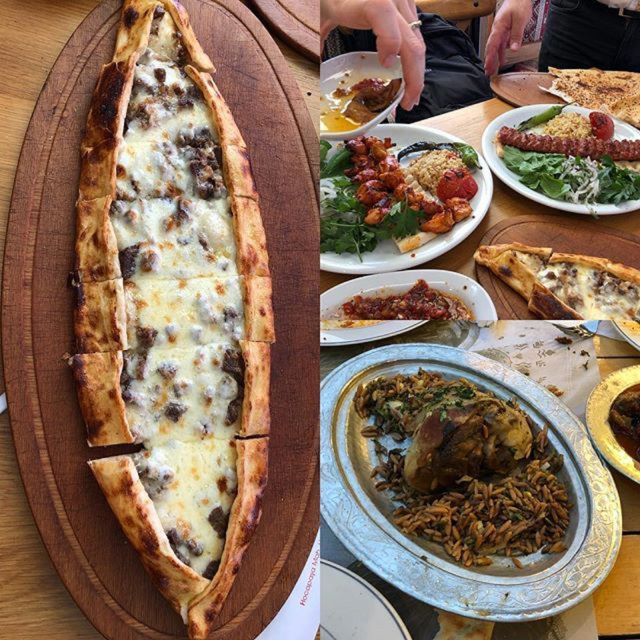
The signature dish is buryan kebap, lamb baked in an underground clay oven for five hours. That slow cooking method gives the meal a clear sense of place and tradition. It is very different from grabbing a quick döner near a major monument.
The meal has been described as baked lamb with a rice dish, followed by pumpkin dessert. Since the tour centers on southeastern Kurdish food, this is a chance to taste a regional style that many visitors would not find by staying around the main imperial sights.
I would ask about lunch at the start of the tour, especially if you have dietary restrictions or a tight departure schedule. The information provided confirms the type and approximate price, but not a full menu or alternatives. The restaurant is simple, which is part of its local character, though anyone seeking a polished dining room may prefer to skip it.
What $71 buys you
At $71 per person, this is not the cheapest way to spend three hours in Istanbul. You could walk through parts of Fatih independently for much less. The value comes from having the route organized, using public transport efficiently, getting an English-speaking licensed guide, receiving tram tickets, and being taken to specific food and drink stops that are not obvious to a first-time visitor.
The price also includes the boza tasting and value-added tax. Lunch is separate, so a realistic total is about $81 to $86 per person if you join the meal.
For me, the strongest value is the route itself. Şehzade Mosque, Zeyrek Mosque, the aqueducts, Vefa, and the market are spread across a part of Istanbul that can be confusing to connect on your own. A good guide gives the places context and keeps a short tour from becoming a series of disconnected stops.
Guide quality matters here. Salih is described as professional and friendly, while Onder is praised for his enthusiasm, detailed explanations, and willingness to adjust the pace. Your guide may be one of them, but the assigned guide is not guaranteed in the information provided.
Pace, group size, and practical comfort
The tour lasts three hours and is limited to 10 people. That is a useful size for mosque visits, market walking, and questions. A small group also makes it easier to hear the guide in streets and public spaces.
The route involves public transport and walking. Distances between sites are generally five to 15 minutes and described as easy, but you should still plan for several hours on your feet. Bring comfortable shoes, a scarf, and clothing suitable for mosque visits.
There is no hotel pickup or drop-off. You must reach the German Fountain independently and return from the tour area using the included tram ticket back to Sultanahmet. This arrangement keeps the price lower than a private hotel transfer, but it requires you to manage the start and end of your day.
The experience appears best suited to people who can handle ordinary city walking and tram travel. It can be adapted to a slower pace in a small group, but the supplied information does not promise a fully accessible route or specific mobility equipment. Ask the provider before booking if you need detailed accessibility support.
Free cancellation is available up to 24 hours before the start, and you can reserve now and pay later. Those policies are useful if your Istanbul plans may shift, though they do not change the basic need to arrive at the meeting point on time.
Who should book it
Book this tour if you have already seen, or plan to see, the main Sultanahmet sights and want a different side of Istanbul. It suits you especially well if you like religious architecture, local food, old infrastructure, and neighborhoods where the city feels lived-in rather than staged.
It is also a good choice for a second or third day in Istanbul. The route adds context to the city without repeating the Blue Mosque and Hagia Sophia circuit.
You may want to skip it if you dislike public transport, prefer a private vehicle, or want a relaxed meal with no walking between stops. The tour is compact, and lunch is optional, so it is not designed as a full-day food crawl.
Should you book this Fatih walking tour?
I would book it for the combination of places rather than for any single monument. The quiet Şehzade and Zeyrek mosques, Roman aqueducts, old boza shop, eastern Turkish market, and optional baked lamb create a picture of Istanbul that a standard sightseeing route misses.
The best version of the experience includes lunch, comfortable shoes, and enough time to enjoy the neighborhood without rushing. At $71, it is a fair value for a small-group route with a licensed guide and included tram tickets, especially if you want local food and history explained together. Skip it only if you need a private, vehicle-based tour or have little tolerance for walking and public transport.
FAQ
Where does the tour meet?
The meeting point is the German Fountain, also called Alman Çeşmesi in Turkish, at Binbirdirek, Atmeydanı Cd., 34122 Fatih, Istanbul. From the Sultanahmet tram station, walk down the hill toward Firuz Ağa Mosque, turn right onto the Hippodrome, and look for the green-domed fountain.
How long does the tour last?
The tour lasts three hours.
What language is the tour offered in?
The tour is conducted in English by a licensed English-speaking guide.
How large is the group?
The tour is limited to 10 participants.
Is lunch included?
No. Lunch costs about $10 to $15 per person. The optional meal features southeastern Kurdish cuisine, including lamb baked in an underground clay oven for five hours.
Is the boza tasting included?
Yes. A boza drink is included, served at a place in Vefa that has offered it for 150 years.
Does the tour include transportation?
Yes. Tram tickets to Fatih and back to Sultanahmet are included. The tour also involves walking between the sites.
What should I bring?
Bring comfortable shoes and a scarf. Modest clothing and easy-to-remove shoes are useful for mosque visits.
Can I cancel the booking?
You can cancel up to 24 hours in advance for a full refund. Reserve now and pay later is also available.
New market tours around Istanbul
- Istanbul: Private Local Food & Markets Experience★ 4.9 · 27 reviews
- Rug Shopping Private Tour with expert Grand Bazaar★ 5.0 · 5 reviews
- Istanbul: Afternoon Bosphorus Cruise and Spice Bazaar Tour★ 4.3 · 8 reviews
- Istanbul Old City to Grand Bazaar Tour★ 4.9 · 8 reviews
- Istanbul Private Shopping Tour – Grand Bazaar & Spice Market★ 5.0 · 3 reviews
- Istanbul: Grand Bazaar Shopping Tour & Shopping Assistant★ 4.8 · 21 reviews
- Istanbul: Dolmabahce Palace and Grand Bazaar Tour★ 5.0 · 11 reviews
- Istanbul: Guided Topkapi and Grand Bazaar with Small Group★ 4.7 · 3 reviews
Istanbul Market Tours, side by side.
Two Markets, Two Continents with Culinary Backstreets
Read our review →
Istanbul Grand Bazaar: From Rooftops to the Secret Passages
Read our review →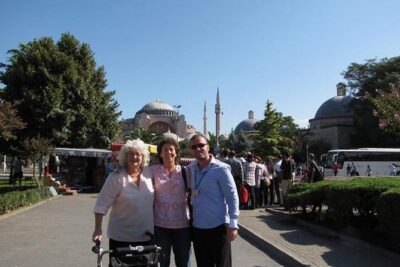
Istanbul: Hagia Sophia, Blue Mosque and Grand Bazaar Tour
Read our review →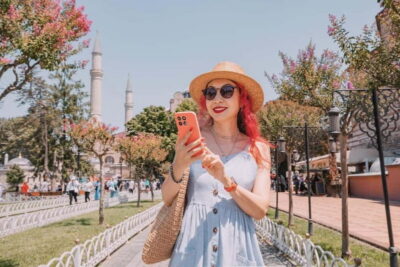
Istanbul: Blue Mosque, Basilica Cistern & Spice Bazaar Tour
Read our review →
Istanbul: Private Local Food & Markets Experience
Read our review →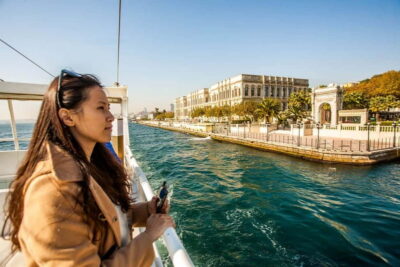
Sailing Through Culture Bosphorus and Spice Bazaar Tour
Read our review →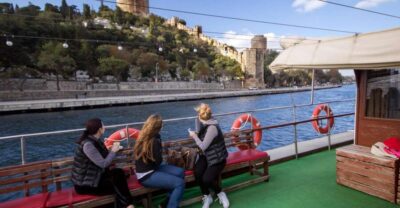
Istanbul: Grand Bazaar Shopping Tour & Shopping Assistant
Read our review →This tour also appears in