Review · CANCUN
Cancún: Cooking Class and Optional Local Market Tour
The best part of this Cancún activity is that you do not just sit down to eat Mexican food. You learn how masa becomes tortillas, how a molcajete changes guacamole, and how everyday market ingredients turn into a full meal. Add the local market visit if you want a better look at Cancún beyond the hotel zone.
I especially like the hands-on work with traditional tools and the friendly instruction from chefs such as Diego, G, and Nassim. I also like that vegetarian and vegan requests can be handled with advance notice. The main drawback is that the class may feel basic if you already cook Mexican food, and the restaurant can get hot in June because it relies on fans rather than air-conditioning.
Key points to know before booking
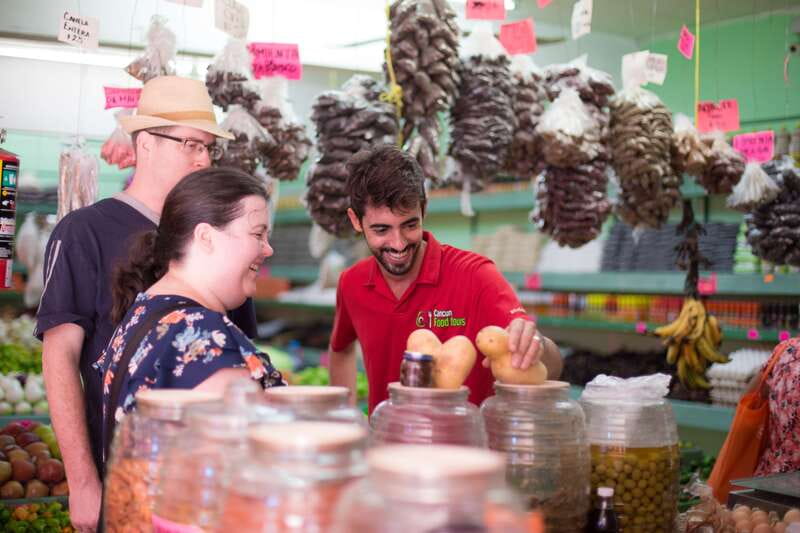
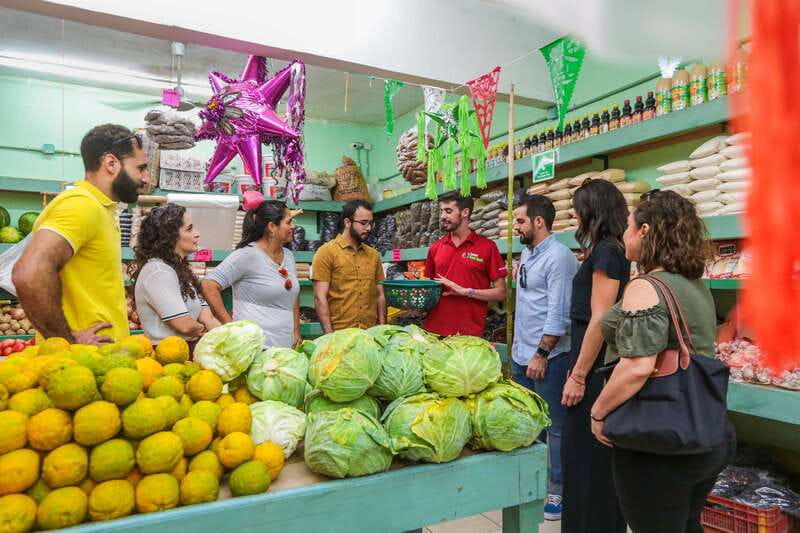
- The market add-on adds real context: You shop with the chef, see fresh produce and seafood, and may visit a tortilla shop with a large production machine.
- You make tortillas from masa: This is more useful than simply being handed prepared tortillas, though one past participant found the dough recipe itself was not always provided.
- The menu is broad and filling: Expect dishes such as guacamole, enchiladas, quesadillas, sopes, tacos, pico de gallo, rice pudding, and a margarita, with the exact mix subject to change.
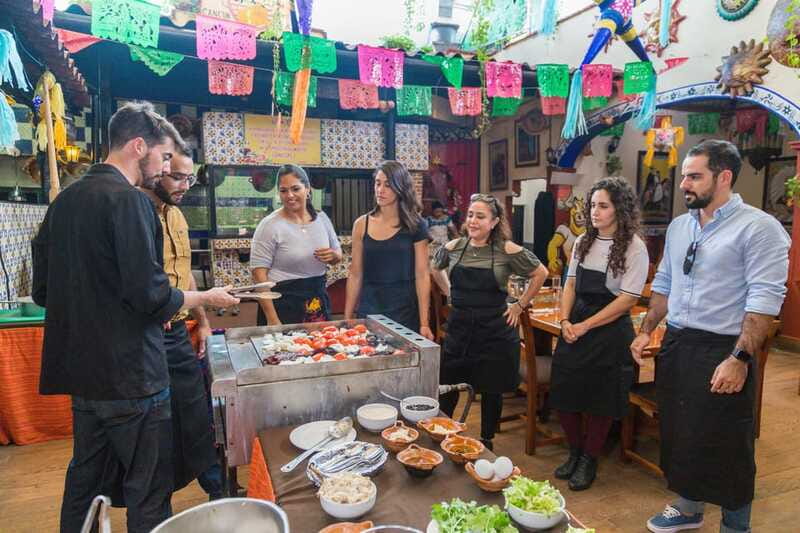
- The setting is a long-running Mexican restaurant: The class takes place in an intimate, traditional kitchen rather than a polished cooking school.
- The class suits beginners and families: The pace is patient and inclusive, though very young children may not take part for the full three hours.
- The listed price is $78 per person: That covers the class, ingredients, utensils, meal, snacks, drinks, and one margarita. Transport and the market visit are optional extras.
What the four-hour Cancún cooking class is really like
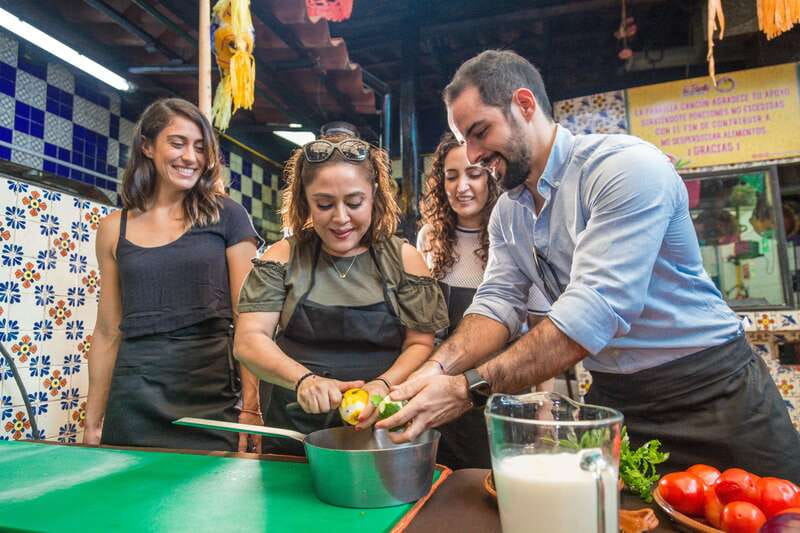
This is a food lesson, a meal, and a small look at local life rolled into one. The class lasts about four hours, with roughly three hours devoted to cooking after you arrive at the venue. You begin with refreshments, fresh fruit, bottled water, coffee, or tea, then move into the kitchen with your chef and guide.
The venue is one of Cancún’s established Mexican restaurants, open for more than 40 years. That matters. You are not learning in a staged resort activity room. You are working in a restaurant with the feel of a family kitchen, using tools that have a place in Mexican cooking rather than simply looking good for photographs.
The chefs named in the feedback include Diego, G, Nassim, Sasha, and others. The guide can make a big difference, and the strongest part of this activity is the teaching style. Diego is described as patient with spice preferences and allergies, while G is especially engaging during the market visit. Nassim receives praise for explaining recipes clearly and making sure everyone can take part.
You should expect a social class rather than a private lesson. The chef demonstrates, assigns tasks, answers questions, and keeps the group moving. If you are hoping to master advanced knife work or restaurant-level techniques, this may feel light. If you want practical recipes you can try at home, the level is more suitable.
More Local and Farmers Market Tours in Mexico
- Cabo San Lucas Mexican Cooking Class Experience and Local Markets
★ 5.0 · 915 reviews - Cancun Street Food Tour with Food Stalls, Local Market and Murals
★ 5.0 · 723 reviews - Flavors of Oaxaca: Cooking Class with No Set Menu and Local Market Tour
★ 4.5 · 333 reviews
Why the market add-on is worth considering
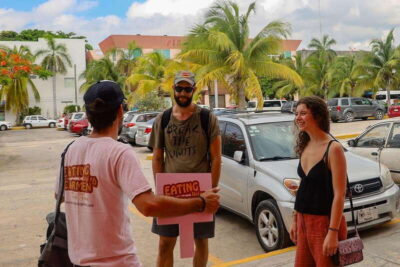
The optional market visit is the part I would add if the extra price fits your budget. Pickup is offered from Cancún hotels and BnBs, and the guide meets you in the lobby wearing a red shirt, with a red banner. The guide can wait five minutes, so be ready before the stated pickup time.
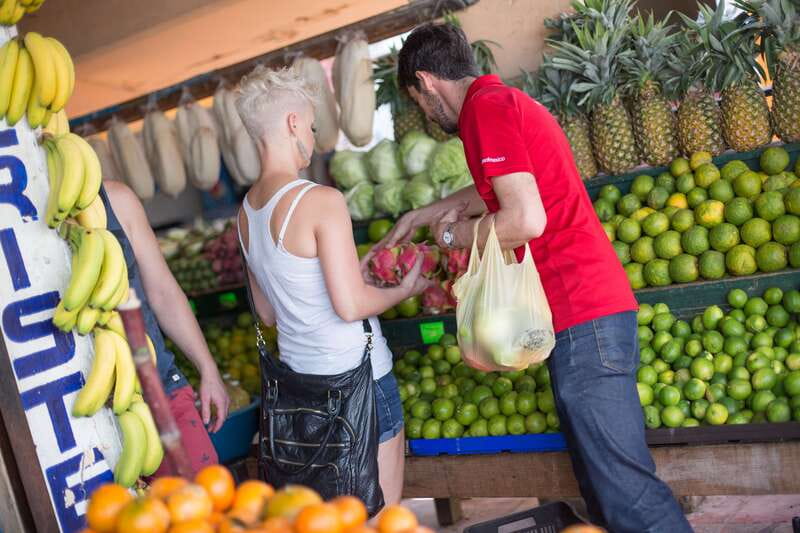
At the market, you walk through sections devoted to herbs, vegetables, meat, and seafood. The point is not simply shopping. Your chef explains how to judge freshness and helps you identify the ingredients that will later appear in the class.
This makes the cooking lesson easier to understand. You see the raw ingredients before they are chopped, seasoned, and cooked. You also get a glimpse of where local families shop, with prices that can be much lower than those in the hotel zone.
A particularly interesting stop described by participants is a tortilla shop with a large tortilla-making machine. You may be able to buy fresh tortillas there and watch masa move through the production process. That is a useful contrast with the handmade tortilla work you do later.
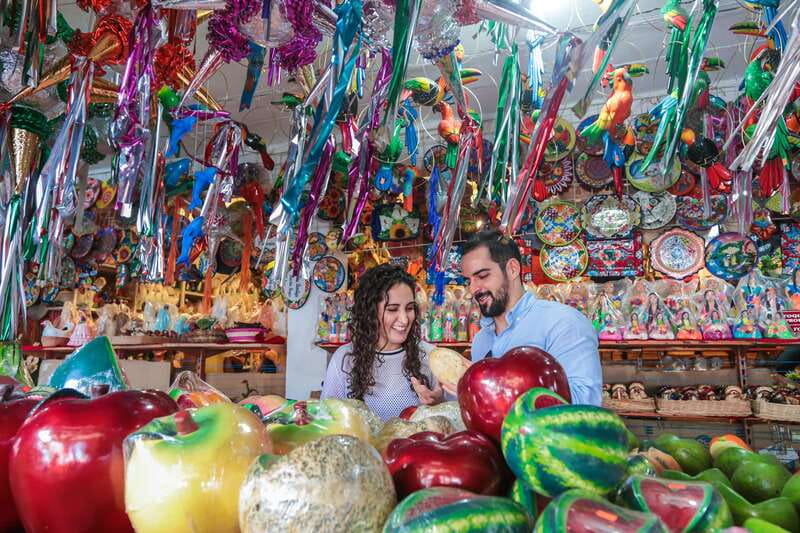
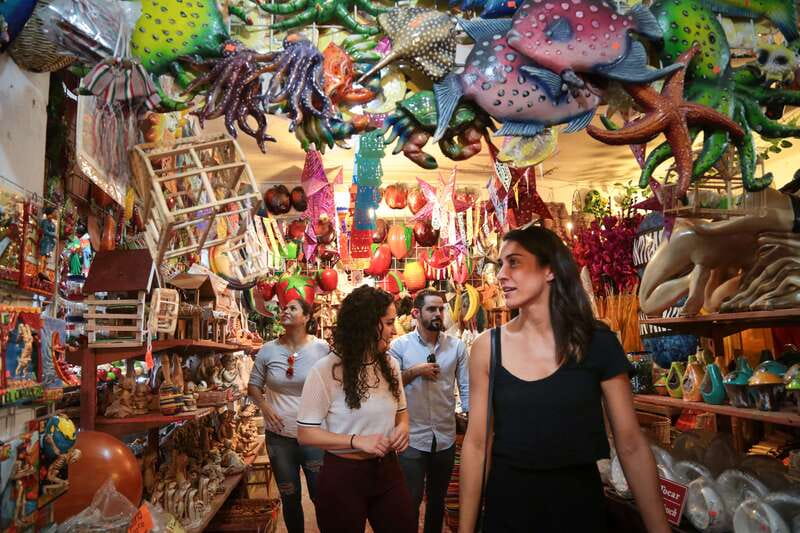
The market also gives you time to look around and buy items on your own. Keep in mind that the market visit is included only when you select the transportation add-on. The listed cost of that add-on is not provided, so check the final booking price before deciding.
If you miss the pickup, you can reach the group by taxi or car. One person missed the hotel pickup and still joined the activity by going to the market independently, but that is a backup plan, not a reason to arrive late.
Making tortillas with masa, not just watching
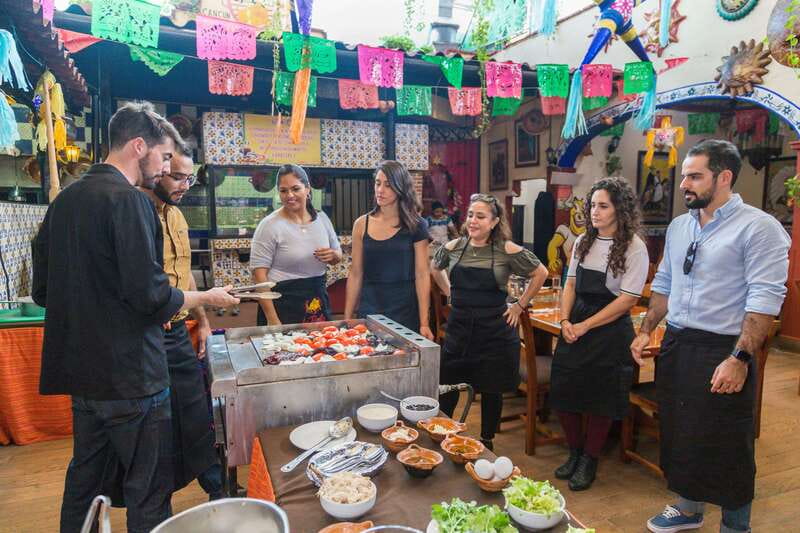
The tortilla lesson is one of the most useful parts of the morning or afternoon. You work with masa, press or shape your own tortillas, and cook them on a comal, the flat griddle used throughout Mexico.
That hands-on step gives you a better sense of the food than simply tasting a finished tortilla. You learn how thick the dough should be, how to shape it, and how it behaves on the hot surface. You may also use the tortillas for enchiladas, quesadillas, tacos, or sopes.
There is one practical limitation. At least one class participant found that the dough for the tortillas and sopes had been prepared in advance and that the recipe for making that dough was not always sent afterward. If your main goal is to recreate everything at home, ask the chef directly how to prepare the masa and request the recipe before leaving.
The class may provide recipes, and several people were able to take them home. Still, recipe follow-up has not always been immediate. Take notes or photographs of the written instructions while you are there. That small bit of preparation can save you an email exchange later.
Guacamole, enchiladas, sopes, and the changing menu
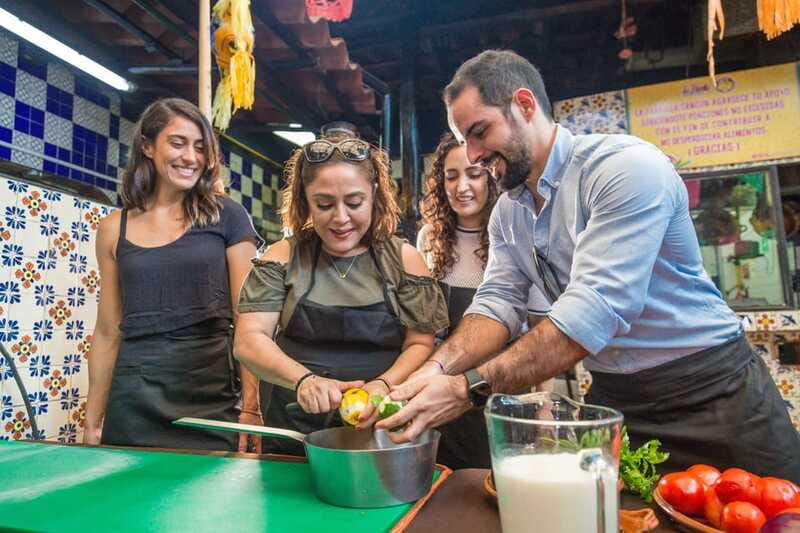
The menu centers on familiar Mexican dishes, but the exact number and combination can vary. The advertised meal includes guacamole, enchiladas, sopes, quesadillas, a secret dessert, and a margarita. Past menus have also included tacos, tostadas, pico de gallo, rice pudding, and chicken enchiladas.
That variation is not necessarily a problem. It means the chef can adjust the cooking session to the group and the ingredients available. Still, do not book expecting one rigid menu. You may prepare four dishes, or you may work on five smaller items.
Guacamole is often the high point. The class focuses on balancing fresh ingredients and adjusting the spice level to suit the group. You learn the basic logic behind the dish instead of simply mashing avocado with a premeasured packet of seasoning.
The enchiladas offer more work. You may prepare a sauce from scratch, soften tortillas, fill them, and assemble the dish. The result can be adjusted for heat, which is useful if your group includes both chili lovers and cautious eaters.
Sopes introduce a shape and texture that many visitors have not tried before. You form a thicker masa base, cook it, and add toppings. Quesadillas are simpler, but they give you a chance to work with the tortillas you made.
The dessert is kept secret, so I would not plan around a particular sweet. It is part of the meal rather than the main reason to book.
More Market and Cooking Class Tours in Mexico
- Puerto Vallarta Cooking Class Experience with Market Tour
★ 5.0 · 698 reviews - Mexican Cooking Class with Food Market Visit in Mexico City
★ 5.0 · 506 reviews - Taste of the Yucatan: Merida Cooking Class and Market Visit
★ 5.0 · 291 reviews - Essence of Mexico: Authentic Mexican Cooking Class & Market Tour
★ 5.0 · 289 reviews
The molcajete, comal, and clay pots
Traditional tools give the class some character. A molcajete is a heavy stone mortar used to grind and crush ingredients. It takes more effort than a blender, but it also lets you feel how the texture changes as you work.
The comal is the flat cooking surface used for tortillas and other ingredients. Clay pots may also be part of the kitchen setup. These tools connect the recipes to older household methods and show you why Mexican cooking is not only about a list of ingredients.
I like this aspect because it gives you something concrete to remember. You may forget the exact order of a recipe, but you are less likely to forget the sound of masa hitting a hot comal or the rough feel of a molcajete under your hand.
The class is not designed as a technical culinary course. The chef does not promise advanced training, and one participant wished for more challenging instruction at this price. Think of it as a guided introduction to Mexican home cooking, not professional certification.
The margarita and the meal at the end
One margarita is included, along with water, coffee, tea, snacks, and the food you prepare. The margarita gets unusually strong praise, and the restaurant has a playful serving style that can add a bit of theater to the meal.
You should advise the company about alcohol restrictions before the class. You can also mention food allergies, vegetarian needs, vegan requirements, or spice preferences in advance. Vegetarian substitutions have worked well in the past, and the recipes can be adjusted so that a child or someone avoiding meat can still take part.
The meal is more than a tasting plate. You help make it, then sit down to eat what the group has prepared. That makes the food feel earned, even if your tortilla is a little uneven or your onions are not cut with chef precision.
The food opinions can differ. Guacamole and rice pudding have been particular favorites, while one person found the cheese in the quesadillas mild and did not care for the enchiladas. That is normal in a group class. Spice, cheese, texture, and sauce are personal matters, so keep your expectations broad.
Heat, clothing, and practical details
Wear comfortable shoes. You will be on your feet for part of the session and moving between preparation, cooking, and eating.
Sleeveless shirts are not allowed, and weapons, sharp objects, alcohol, and drugs are prohibited. The sleeveless-shirt rule is worth noting if you are coming from the beach or a resort pool.
The restaurant may be hot, especially in June, because it has fans but no air-conditioning. If you are sensitive to heat, choose a cooler time of year if your schedule allows, wear light clothing with sleeves, and bring water.
English and Spanish instruction are available. The guide wears a red polo shirt and waits near a red company banner at the meeting point. If you choose your own transport, confirm the exact meeting location and allow extra time for Cancún traffic.
Pickup is offered from Cancún hotels and BnBs as an add-on. Playa del Carmen pickup may depend on availability and may cost extra. The activity offers free cancellation up to 24 hours before the start time, and you can reserve now and pay later, which helps if your holiday schedule is still shifting.
Is $78 a fair price?
At $78 per person, the base price includes a four-hour class, chef instruction, ingredients, utensils, snacks, nonalcoholic drinks, a four-course meal, and one margarita. You are paying for a meal and a lesson, not just a restaurant lunch.
The value is strongest if you take part fully. If you prefer watching while someone else cooks, you may find the cost high. If you want to learn several dishes, eat well, and leave with methods you can repeat, the price is more reasonable.
The market add-on can improve the value by turning the activity into a fuller half-day outing. It gives you transportation, local shopping, ingredient guidance, and a look at tortilla production. Since the extra charge is not specified here, compare the final total with the cost of reaching the venue on your own.
Families should think about the age and patience of their children. A child can take part, but very young children may spend much of the class sitting out. Couples, solo participants, friends, and small groups who enjoy cooking will get more from the session than people seeking a quiet food tasting.
Who should book this cooking class?
I would choose this for a first visit to Cancún when you want an activity away from the pool. It gives you direct contact with ingredients, cooking methods, and a local restaurant setting without requiring advanced Spanish.
It is especially suitable for:
- Beginners who want recipes they can attempt at home
- Vegetarians and some vegans who notify the company in advance
- Families with older children who can safely help in the kitchen
- Couples looking for a shared meal with something to do
- Food lovers who want a market visit tied to a cooking lesson
I would hesitate if you already cook Mexican food at an advanced level. The class is practical and friendly, but not highly technical. I would also think twice if you dislike heat, group activities, or flexible menus.
Should you book it?
Book it if you want to understand Cancún through food rather than only eat at resort restaurants. The strongest reasons are the fresh market connection, the handmade tortillas, the molcajete work, and the patient approach of guides such as Diego, G, and Nassim.
Choose the market and transportation add-on if you can. Ask about the tortilla dough recipe, take notes during the lesson, and state all dietary needs before arrival. With those steps, the class offers good value and a useful souvenir: the ability to make a few real Mexican dishes in your own kitchen.
FAQ
How long does the Cancún cooking class last?
The activity lasts four hours. About three hours are spent learning and preparing food at the restaurant, with time for refreshments, cooking, and the final meal.
Is the local market visit included?
The market visit is included when you select the optional hotel transportation add-on. The chef guides you through the market and explains how to choose ingredients for the class.
What food will I prepare?
The advertised dishes include guacamole, enchiladas, sopes, quesadillas, tortillas, a secret dessert, and a margarita. Menus can vary, and past sessions have also included tacos, tostadas, pico de gallo, chicken enchiladas, and rice pudding.
Are vegetarian or vegan options available?
Vegetarian options are available, and vegan options can be arranged on request. Tell the company about dietary needs, allergies, alcohol restrictions, and spice preferences before the activity.
Is hotel pickup included?
Hotel pickup and drop-off are optional add-ons, not part of the standard class price. Pickup is offered from Cancún hotels and BnBs, while Playa del Carmen transport may depend on availability and may cost extra.
What should I wear and bring?
Wear comfortable shoes and a shirt with sleeves. The restaurant can be hot because it uses fans rather than air-conditioning, especially in June. Weapons, sharp objects, alcohol, and drugs are not allowed.
New market tours around Mexico
- San Jose del Cabo: Guided Food Tour & Visit to Local Market★ 4.8 · 17 reviews
- Puerto Escondido: Boat Cruise and Market Visit★ 4.5 · 7 reviews
- Oaxaca Markets Food Tour★ 5.0 · 15 reviews
- Oaxaca: Traditional Oaxacan Cooking Class with Market Visit★ 4.9 · 80 reviews
- Oaxaca: Cooking Class with No Set Menu &Local Market Tour★ 5.0 · 7 reviews
- Mexico City: Street Taco Cooking Class & Market Tour★ 5.0 · 12 reviews
- Mexico: Salsa Making Class in a Market with a Chef★ 5.0 · 10 reviews
- Mexico City: Vegan & Veggie Market Tour with Cooking Lesson★ 4.3 · 2 reviews
Cancun Market Tours, side by side.
Cancun Street Food Tour with Food Stalls, Local Market and Murals
Read our review →
Mexican Cooking Class with fresh Local Market ingredients selection and transpor
Read our review →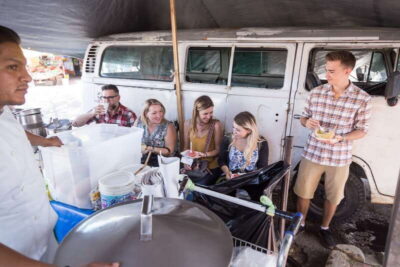
Cancún: Street Food, Local Market and Urban Art Tour
Read our review →