Review · OAXACA CITY
Flavors of Oaxaca: Cooking Class with No Set Menu and Local Market Tour
The best part of this Oaxaca experience is the link between the local market and the kitchen. You see the ingredients before you cook them, then return to Casa Crespo to chop, grind, season, fry, and shape your meal. The menu is not fixed, so the dishes can change with group preference and available ingredients.
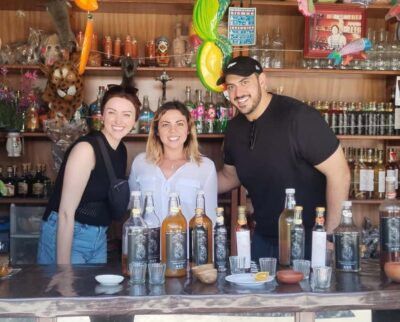
I like the active format. You are not parked on a stool watching a chef work. I also like the small-group aim, along with drinks such as margaritas, mezcal, and agua fresca during the meal. The main caution is that a group near the 15-person limit may mean more preparation than cooking, and some people have found the class rushed.
Key points
- Market first, kitchen second: The walk gives you a useful look at local greens, spices, fruit, corn, and other ingredients before you cook.
- No fixed menu: The group may vote on dishes, with mole negro among the possible choices.
- Hands-on preparation: Expect to dice, peel, grind, fry, season, and help make tortillas and other dishes.
- Oscar and Emily lead the class: Instruction may be in English or Spanish, depending on the group.
- Drinks are part of the meal: Possible offerings include a margarita, mezcal, iced tea, and agua fresca.
- A firm cancellation policy: The $75 booking is non-refundable and cannot be changed after booking.
A market walk that gives the cooking a purpose
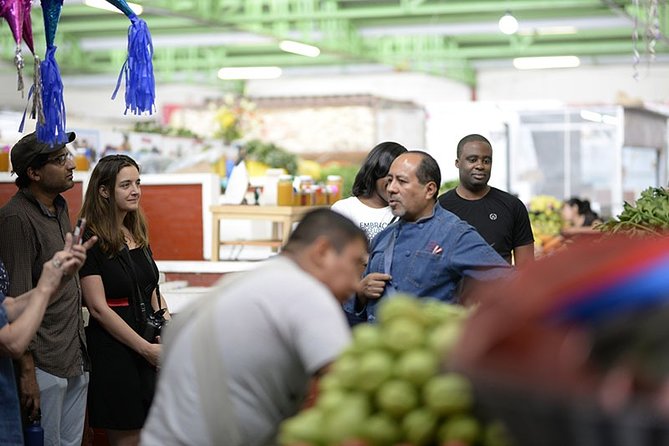
The class begins at 10 a.m. at Casa Crespo, at Reforma 808 in central Oaxaca. From there, you walk to a local market with your guide. This is more than a quick shopping stop. The market helps you understand what goes into Oaxacan cooking before you start handling the ingredients yourself.
Oscar has led many of these classes, and Emily has also guided groups. The market portion can cover local vegetables, herbs, spices, fruit, and other ingredients used in Mexican cooking. One useful point is the difference between produce sold by local growers and goods bought for resale. That small detail gives you a better sense of how food reaches the market and why some ingredients taste and look different from what you may find at home.
The walk also adds a welcome change of pace. You are not spending four and a half hours in one kitchen, moving from one task to the next. After the market, you return to Casa Crespo and begin the cooking portion.
The market is not presented as a tourist show with a long list of sights. Its value is practical. You see the raw materials, hear how they are used, and then encounter them again in the food. If you enjoy learning through food rather than through a formal lecture, this connection works well.
Do remember that Oaxaca can be hot, and the walk comes before the main cooking session. Water is not always placed in front of everyone right away, so bring your own or ask for it before setting out. That is a small point, but it matters on a warm morning.
More Local and Farmers Market Tours in Mexico
- Cabo San Lucas Mexican Cooking Class Experience and Local Markets
★ 5.0 · 915 reviews - Cancun Street Food Tour with Food Stalls, Local Market and Murals
★ 5.0 · 723 reviews - San Jose del Cabo Cooking Class Experience and Local Markets
★ 5.0 · 244 reviews
A changing menu means a more local meal
The title says no set menu, and that is important. The class follows the menu selected for the group, often through a majority vote. You may cook mole negro, but you might also prepare a range of other dishes.
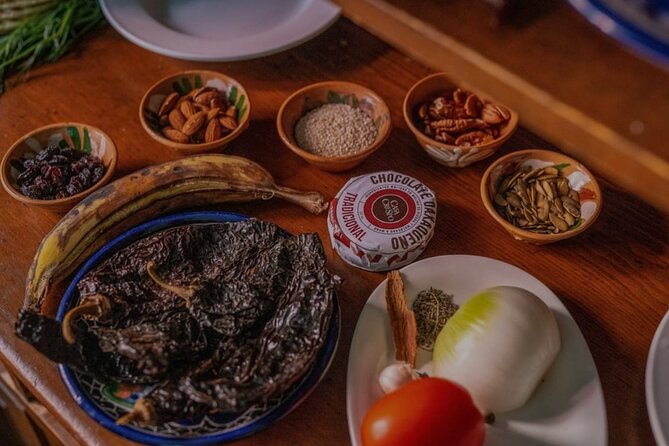
Past menus have included tamales, al pastor-style pork, shrimp soup, ceviche, squash-blossom soup, tortillas, vegetable-filled tortillas, and dessert. Chocolate ice cream and corn ice cream have both appeared in past classes. You should treat these as examples, not a promise of what will be served on your date.
This changing format has two benefits. First, it keeps the class tied to the ingredients and preferences of the group. Second, it gives you a broader taste of Oaxacan cooking than a class built around one recipe. A single dish can teach technique, but several dishes show how different flavors, textures, and cooking methods work together in a meal.
The tradeoff is that you cannot plan your experience around one exact recipe. If mole negro is the dish you most want to learn, ask about the menu when you arrive. It is listed as a sample main, not a guaranteed course.
You work with the food, not just the camera
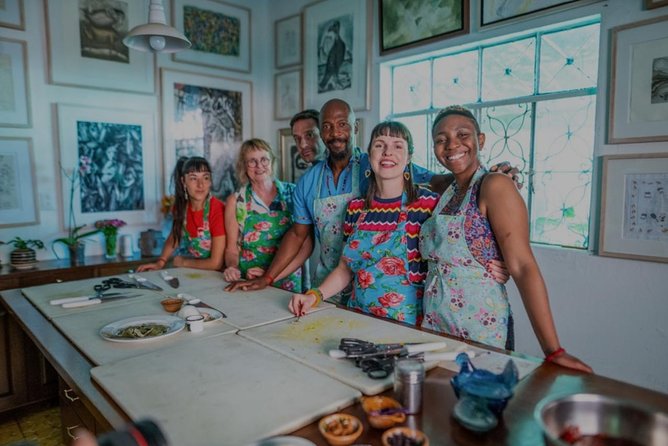
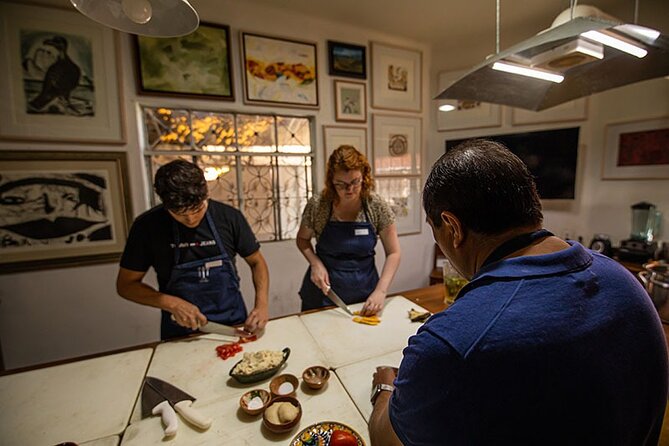
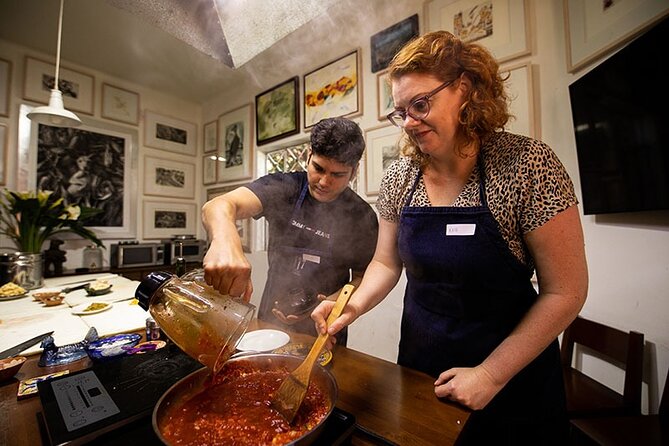
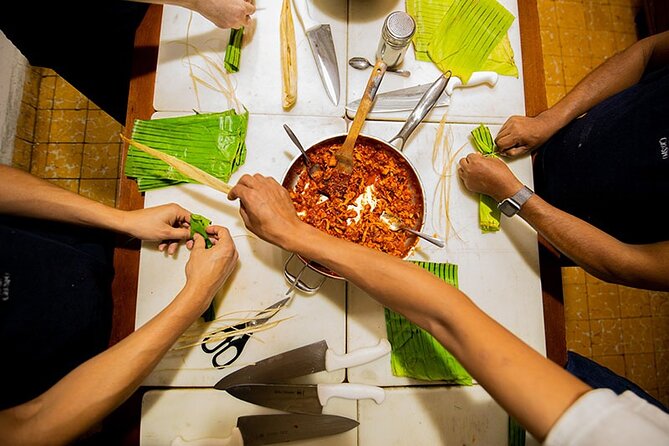
The class is designed for participation. You may dice vegetables, peel seeds, grind ingredients, fry, season, and help prepare tortillas. The description even leaves room for singing, if you feel like it. Nobody is assigned to wash dishes, which helps keep the focus on cooking and eating.
I like this style because it gives you small jobs that build toward a complete meal. You may not produce every dish from start to finish on your own, but you can see how several parts fit together. Grinding, seasoning, and preparing ingredients by hand make the process easier to remember than simply watching a demonstration.
Still, you should set your expectations carefully. In a group of six, you are likely to get more direct access to the ingredients and tools. With 12 to 15 people, the kitchen has to divide the work. Some tasks may already be underway, and staff may handle parts of the cooking to keep the meal moving.
That is why I would describe this as a hands-on food experience rather than a rigorous chef-training course. One past participant felt that only about half the cooking was done by the group and wanted a longer class with more individual work. If you want to master one recipe from raw ingredients to finished plate, a longer and more expensive course may suit you better.
If you want to prepare many foods, eat well, and learn the basic flow of an Oaxacan meal, this format makes more sense. The class aims for variety and shared participation, not one-on-one instruction.
How the guides shape the experience
Oscar is the guide most often associated with the class, and several parts of the experience depend on his teaching style. He has led the market walk, translated local food information, explained techniques, and directed the cooking. Emily has also led a group and kept a large class moving.
The strongest version of the experience appears to come when the guide invites questions, gives everyone a task, and explains why each ingredient matters. The best feedback describes clear instruction, friendly pacing, and a welcoming kitchen team. That combination is especially useful if you are new to Mexican cooking or are unsure how much work you should take on.
The weaker version can feel scripted or rushed. One person found the instructions hard to follow because the guide spoke quickly, while another felt the guide was less approachable than expected. There have also been complaints about the guide leaving soon after the cooking ended rather than sitting down to explain the finished meal.
This is worth keeping in mind because a cooking class is partly about the food and partly about the person guiding you. The ingredients and setting may be excellent, but the experience improves when the instructor checks that everyone understands the steps. If you have a question, ask it early and clearly. In a busy group, the guide may be moving between several tasks at once.
Instruction can be offered in English or Spanish, depending on the preference of the group. If language is important to you, confirm the group’s choice at the start.
More Market and Cooking Class Tours in Mexico
- Puerto Vallarta Cooking Class Experience with Market Tour
★ 5.0 · 698 reviews - Mexican Cooking Class with Food Market Visit in Mexico City
★ 5.0 · 506 reviews - Taste of the Yucatan: Merida Cooking Class and Market Visit
★ 5.0 · 291 reviews - Essence of Mexico: Authentic Mexican Cooking Class & Market Tour
★ 5.0 · 289 reviews
The meal is the payoff
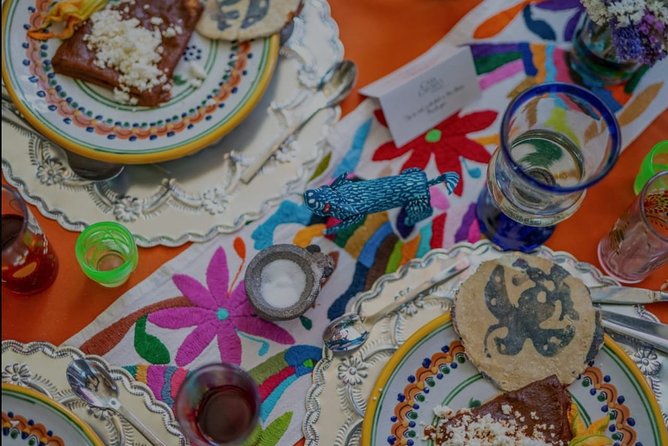
After the work, everyone sits down to eat what the group prepared. The meal can include several courses, from soup or ceviche to a main dish, tortillas, and dessert. That variety is one reason the $75 price can be good value for someone who wants both a market outing and a substantial food activity.
Drinks may include a margarita, mezcal, iced tea, or agua fresca. Some groups have made their own margaritas, while others have been served drinks with the meal. Since the exact food and drink lineup can vary, think of these as likely possibilities rather than fixed inclusions.
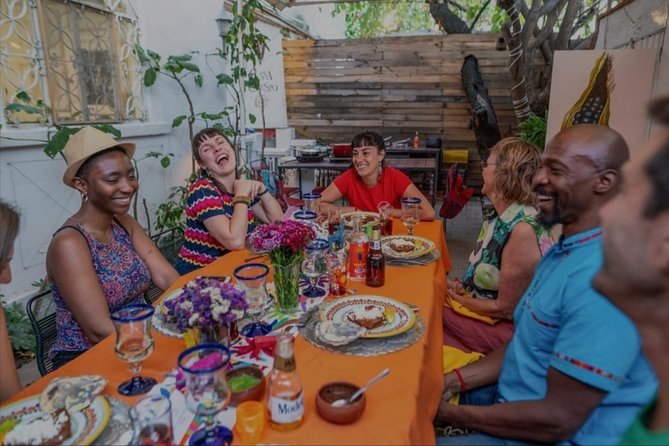
The shared table is part of the appeal. You eat with the people from your class, often after working side by side for several hours. It is an easy way to meet other people without adding a separate social activity to your day.
Portions have not been consistent for everyone. Some people have found the meal abundant, while one person left hungry despite the amount of preparation. If you have a large appetite, do not assume that a long list of dishes means large portions of every item. The class is built around tasting a shared meal, not necessarily serving a restaurant-size plate of each course.
The meal is also where the no-set-menu policy becomes most noticeable. One group cooked five different dishes, while another prepared a different mix of soup, pork, tortillas, mole, and dessert. You get variety, but not a guaranteed menu.
Vegetarian diets and special requests
Vegetarian options are available, and special dietary restrictions can be accommodated. Pescatarian guests have also found the class workable. This is a useful feature for a mixed group, since people do not all need to eat the same version of every dish.
You should give your dietary information when booking and repeat it at the start of the class. The available menu changes, so the more clearly you explain what you can and cannot eat, the easier it is for the kitchen to plan.
The class involves shared preparation and a menu selected by the group. If your restrictions are severe, ask specific questions before booking rather than assuming every dish can be altered. The experience can accommodate special needs, but the supplied information does not promise a separate kitchen or a completely private menu.
Price, timing, and group size
At $75 per person, the price covers about four and a half hours, including the market walk, cooking instruction, food, and drinks. You are paying for more than lunch. You also get a guided look at a local market and a chance to take part in several cooking tasks.
I consider that fair value if you want a half-day activity with food at its center. A market tour alone would give you less practical instruction, while a standard restaurant meal would not show you how the ingredients are prepared. The class joins those two parts in one booking.
The value drops if you are mainly seeking a serious cooking lesson. With a full group, you may have only a few chances to take over a task. You may also find that staff prepare or finish some dishes while the class moves on.
The advertised duration is approximately four hours and 30 minutes, but one class finished in about three and a half hours including the meal. Plan your day with some flexibility rather than arranging a tight appointment immediately afterward.
The maximum group size is 15 people. A group of five or six should feel more personal, with better access to the workstations and more chances to ask questions. A nearly full group may still be enjoyable, but expect shared jobs and less direct time with the instructor.
The activity starts and ends at Casa Crespo. The meeting point is near public transportation in central Oaxaca. Mobile tickets are accepted, and service animals are allowed.
One practical warning: the experience is non-refundable and cannot be changed for any reason. Because of that firm policy, do not book until your schedule and health plans are reasonably secure.
Who should book this class?
I would choose this experience if you want to eat your way through Oaxaca while learning by doing. It suits couples, friends, solo visitors, and families with older children who can stay engaged through a long food activity.
It is especially good for you if you like variety. You may prepare several dishes rather than spending the whole morning on one recipe. You also get the useful context of seeing the ingredients at the market first.
I would hesitate if you want a quiet, private lesson or exact control over the menu. I would also look elsewhere if your main goal is to cook every element independently. A large group can turn a cooking class into a guided lunch with preparation work, rather than a full technical course.
Should you book Flavors of Oaxaca?
Book it if you want a social, practical introduction to Oaxacan food, with a market walk, several dishes, drinks, and a shared meal for $75. The strongest reasons to go are the market-to-kitchen connection, the chance to vote on the menu, and the broad mix of hands-on tasks.
Before booking, accept three limits: the menu is not fixed, the group may be close to 15 people, and the cancellation policy is strict. If you want a detailed recipe lesson with generous portions and complete control of each dish, choose a longer class. If you want a lively half-day built around local food and shared cooking, Casa Crespo is a sensible choice.
FAQ
Where does the cooking class begin and end?
The class begins and ends at Casa Crespo, Reforma 808 in central Oaxaca City. The listed start time is 10 a.m.
How long does the experience last?
The advertised duration is approximately four hours and 30 minutes. One account put the total time at about three and a half hours, including the meal, so allow some flexibility.
Is the menu fixed?
No. The group follows a menu selected during the class, often based on majority preference. Mole negro is one sample main dish, but the final menu may include other foods.
Is the class offered in English?
Yes. The class can be given in English or Spanish, depending on the group’s preference.
Can vegetarian meals and dietary restrictions be accommodated?
Yes. Vegetarian options are available, and special dietary restrictions can be accommodated. Provide your requirements when booking and confirm them when the class begins.
How many people can join the class?
The maximum listed group size is 15 people. Smaller groups may allow more direct participation and attention from the instructor.
New market tours around Mexico
- San Jose del Cabo: Guided Food Tour & Visit to Local Market★ 4.8 · 17 reviews
- Puerto Escondido: Boat Cruise and Market Visit★ 4.5 · 7 reviews
- Oaxaca: Traditional Oaxacan Cooking Class with Market Visit★ 4.9 · 80 reviews
- Oaxaca Markets Food Tour★ 5.0 · 15 reviews
- Oaxaca: Cooking Class with No Set Menu &Local Market Tour★ 5.0 · 7 reviews
- Mexico City: Street Taco Cooking Class & Market Tour★ 5.0 · 12 reviews
- Mexico: Salsa Making Class in a Market with a Chef★ 5.0 · 10 reviews
- Mexico City: Bazaar Saturday, Convent of Carmen & San Angel★ 4.1 · 7 reviews
Oaxaca City Market Tours, side by side.
Immersion Tour and Oaxaca Markets, All gastronomy included
Read our review →
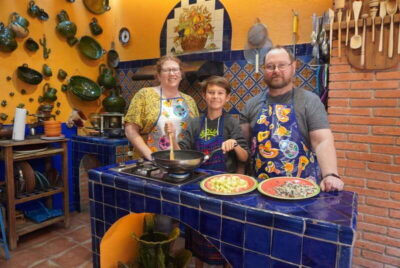
Oaxaca: Traditional Oaxacan Cooking Class with Market Visit
Read our review →
Market tour and all gastronomy included⭐️⭐️⭐️⭐️⭐️
Read our review →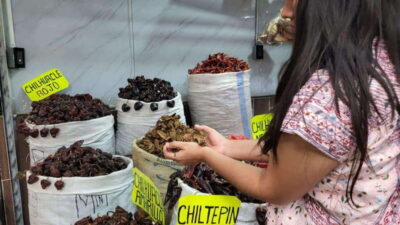
Mexico: Salsa Making Class in a Market with a Chef
Read our review →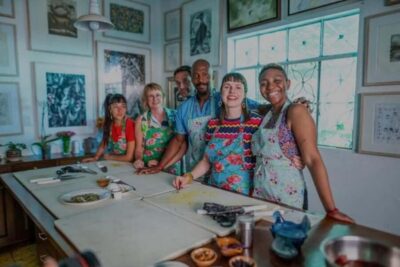
Oaxaca: Cooking Class with No Set Menu &Local Market Tour
Read our review →