
Review · FLORENCE
Florence: Sant’Ambrogio Market Food Tour of 10+ Local Dishes
Sant’Ambrogio is where Florence feels most local, and this three-hour food walk gives you a useful reason to leave the packed streets around the Duomo. You move from a traditional café to the market, then on to food stops serving Tuscan staples such as lampredotto, coccoli, cured meats, cheeses, pasta, wine, and gelato.
I like the mix of everyday market life and sit-down food. You are not simply handed samples in one venue. You see where locals shop, learn why Florentine food is often plain and hearty, and eat in several settings. I also like the small-group feel reported by past participants, with one group of four enjoying an especially personal morning and plenty of time with Paolo. The main catch is the walking: anyone with mobility limits or who uses a wheelchair should choose another activity, and the menu can change.
Key points at a glance
- Start with Florentine breakfast culture: Your first stop is one of Florence’s beautiful cafés, where you learn how locals begin the day.
- Visit Sant’Ambrogio Market: Expect seasonal fruit, cheeses, cured meats, and a look at the neighborhood’s daily shopping routine.
- Try lampredotto: This famous Florentine street food is a central taste, so come ready to try something more adventurous than pasta and gelato.
- Eat more than 10 local specialties: Tastings include coccoli, Tuscan meats, cheeses, starters, pasta, wine, fruit, gelato, and a Secret Dish.
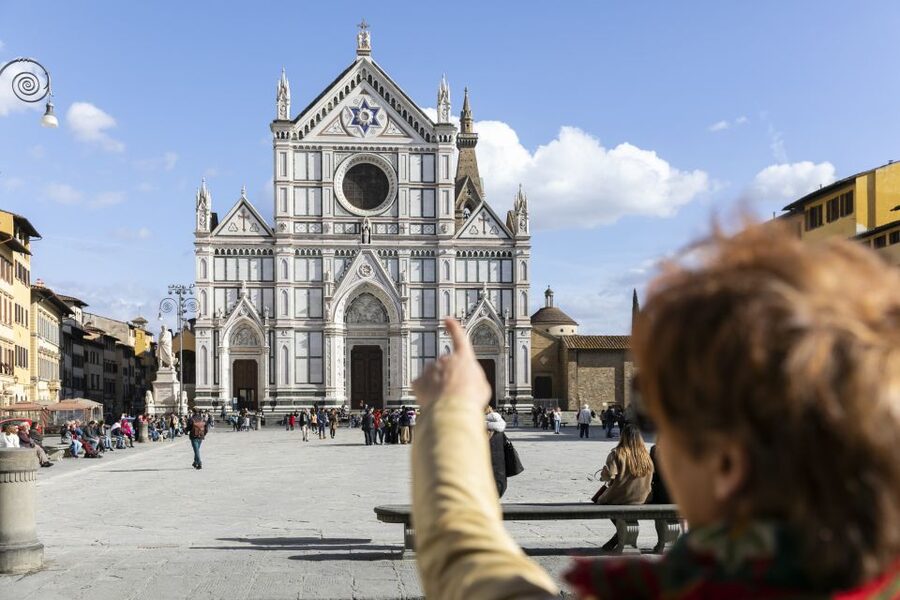
- Meet at Santa Croce: Find the guide at the bottom of Dante’s statue, looking for an orange umbrella.
- Allow for a changing route: Weather, opening conditions, and availability can affect both the stops and the menu.
Why Sant’Ambrogio makes a better food base than the city center
Many first-time visitors spend their Florence food budget near the Duomo, where menus often aim at passing sightseers. Sant’Ambrogio gives you a different view of the city. It is part of the Santa Croce and Sant’Ambrogio districts, an area tied more closely to local shopping, neighborhood cafés, and family-run places.
That setting matters. Food makes more sense when you see it in use. At Sant’Ambrogio Market, you can connect the cured meats, cheeses, fruit, and bread on your plate with the produce and ingredients being sold around you. Your guide also explains the customs and history behind the dishes instead of treating each bite as an isolated sample.
I would book this early in your Florence stay. A food walk can help you understand menus for the rest of the trip, and you may return to Sant’Ambrogio on your own once you know what to look for. The tour lasts three hours, so it takes up a useful part of a morning or afternoon without turning into a full-day commitment.
More Market Food Tours in Italy
- Small Group Cooking Class & Market Food Tour in Florence
★ 5.0 · 1,574 reviews - Florence: Cooking Class with Local Food Market Tour
★ 4.9 · 407 reviews - Florence Street Food Tour: Central Market & Duomo Area
★ 4.9 · 45 reviews
Meeting at Santa Croce and beginning at a café
The tour meets in Piazza di Santa Croce, at the bottom of Dante’s statue. An orange umbrella marks the guide, which is useful in a busy square and removes some of the usual meeting-point guesswork.
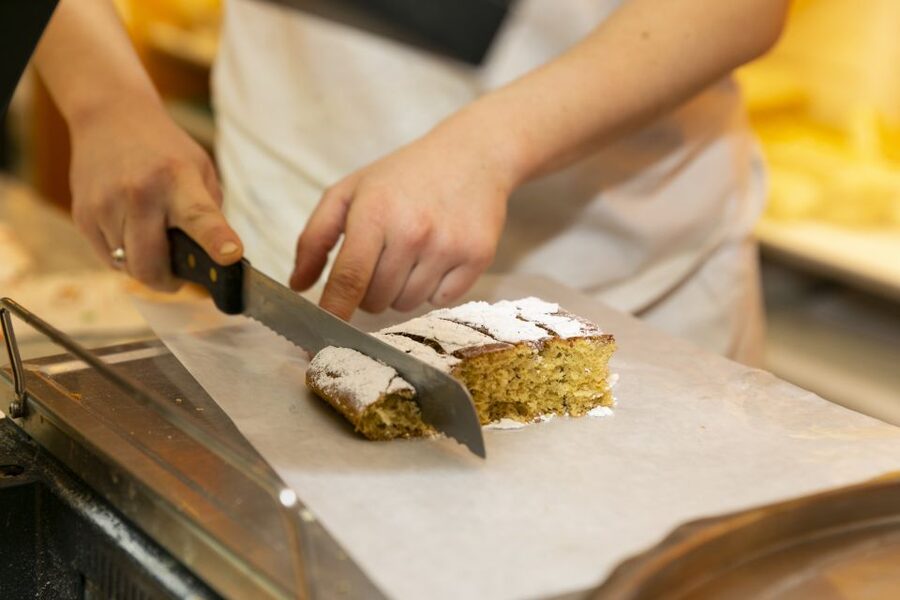
The first food stop is a well-known café. You learn how Florentines start their day, giving the tour a gentler opening than beginning with a large plate of meat or pasta. The exact café and order are not fixed in advance, so think of this as an introduction to local café habits rather than a guaranteed named dish.
That flexibility is worth noting. The route and menu may change according to weather, location availability, and other conditions. If you have your heart set on one particular item, such as lampredotto or gelato, the listed menu includes it, but the order and stop can shift.
The English-speaking guide is central to the experience. Guides reported for this tour include Paolo, Pablo, and Gerardo, though you should not assume which person will lead your departure. The strongest feedback centers on guides who explain more than food. Paolo, in particular, was praised for covering the city, its geography, history, and cooking traditions while keeping the pace relaxed.
Sant’Ambrogio Market: fruit, cheese, and the daily shop
The market is the tour’s most useful stop if you want to see Florence beyond its monuments. You sample seasonal fruit and get a look at the ingredients that support Tuscan cooking. The exact fruit depends on the time of year, so this is one place where the changing menu is a benefit rather than a problem.
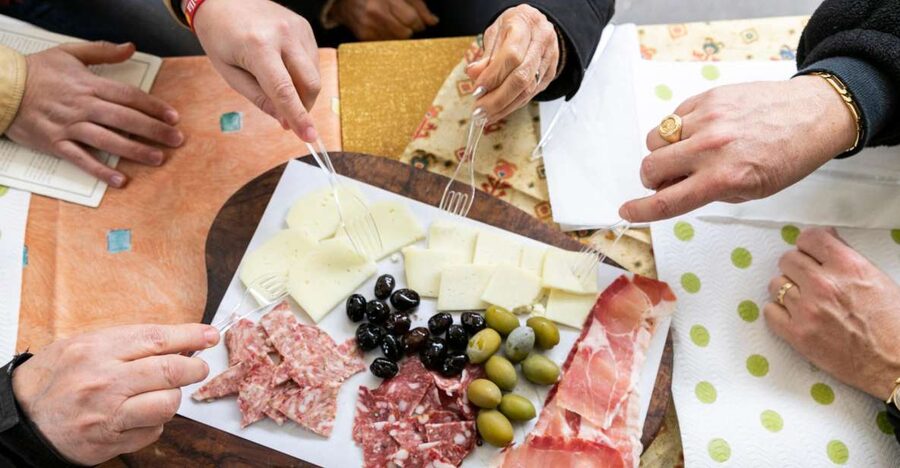
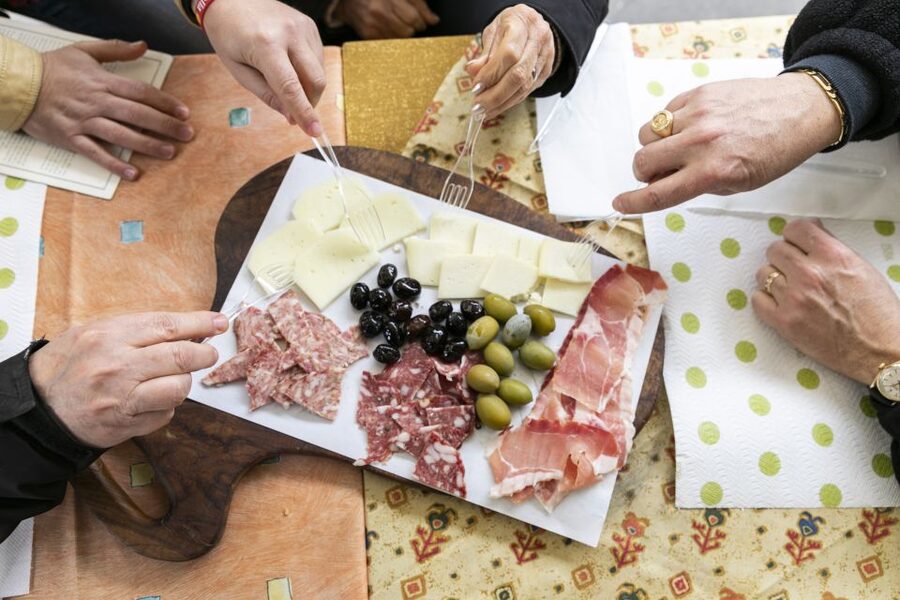
You also taste Tuscan cheeses, hams, and salamis, usually with regional bread. These foods show the practical side of local cooking: good ingredients, restrained seasoning, and food designed to be shared or eaten as part of a larger meal.
Do not expect a formal market class with a long explanation at every stall. The information is delivered as you walk and taste. That keeps the pace moving, but it also means you will want to listen closely if you are interested in names, production methods, or regional differences.
The market stop also helps with portion expectations. The tour promises more than 10 dishes or tastings over three hours, but these are not 10 full restaurant meals. By the time you reach the pasta and gelato, you should be well fed. The practical advice is simple: eat a light breakfast, but do not arrive starved.
Coccoli, meats, cheeses, and Tuscan starters
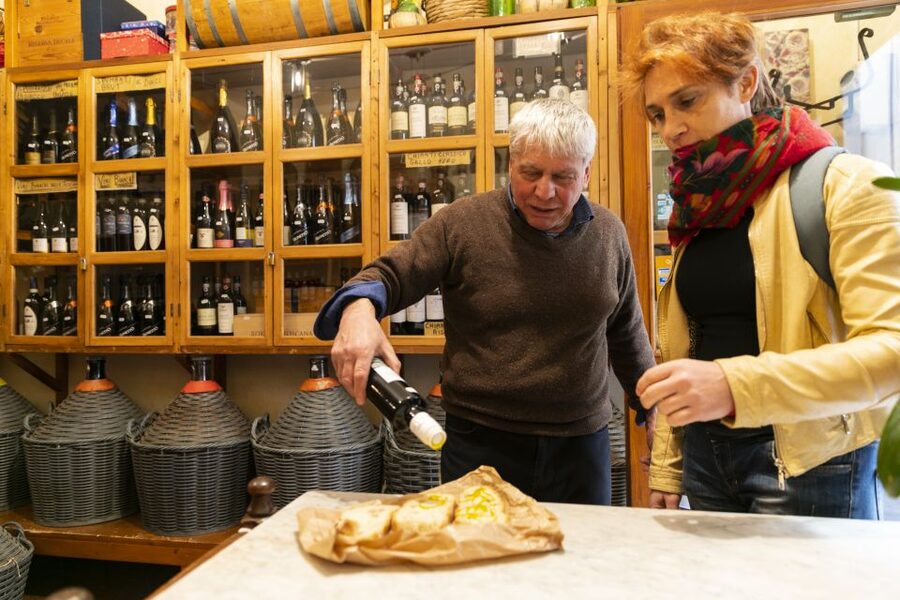
Coccoli are fried dough balls, a simple Florentine bite that works well near the beginning of a food tour. They are warm, filling, and a good contrast to the cheeses and cured meats that follow.
The meat and cheese tastings give you a broad first look at Tuscan flavors. You may try different hams and salamis alongside regional cheeses and bread. Since the selection depends on availability, the value is in the range rather than in one fixed product.
I like this part because it slows you down. Instead of rushing from famous dish to famous dish, you get to notice texture and salt, the role of bread, and the way a few basic ingredients can make a satisfying plate. Your guide can also put the foods into a local setting, explaining how they fit into Florentine eating habits.
Wine is served at selected stops, with water available throughout. The wine is part of the tasting rather than the purpose of the tour, so you should not book this expecting a dedicated wine lesson. Still, a small regional pour can make the meats, cheeses, and pasta feel more like a proper Tuscan meal.
More Market Food Tours in Florence:
- Florence Central Market Food Tour with Eating Europe
★ 5.0 · 4 reviews - Florence: Grocery Market Food Tour and Tastings with a chef
★ 5.0 · 4 reviews - The Original Street Food & Market Tour of Florence
★ 5.0 · 3 reviews - Florence: Markets and Food Tasting Tour
★ 5.0 · 2 reviews
Lampredotto: Florence’s serious street-food test
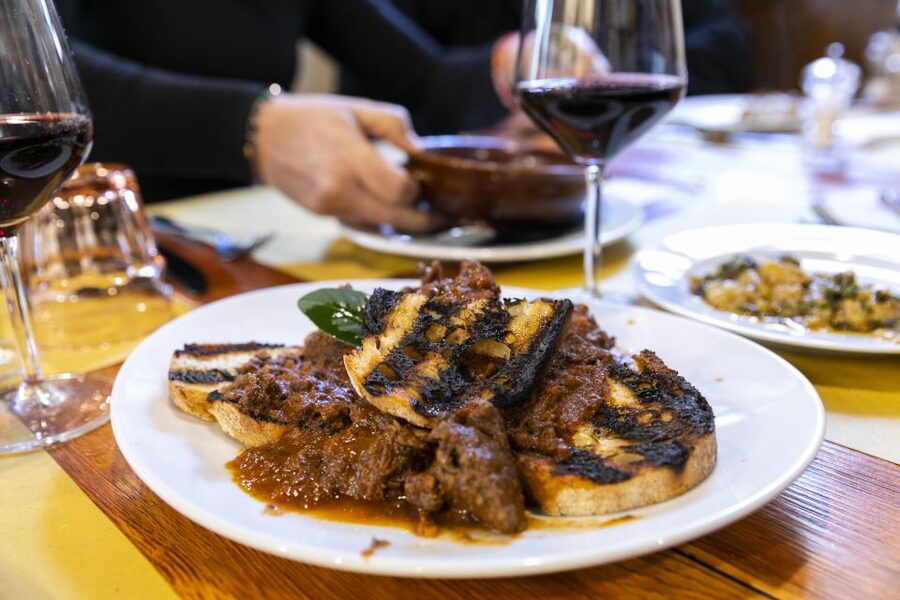
Lampredotto is the dish that will divide the group. It is made from the fourth stomach of a cow and is one of Florence’s best-known street foods. The tour includes it because skipping lampredotto would leave out a major part of the city’s food identity.
If you are curious about local cooking, this is the moment to be open-minded. The flavor is hearty and the texture is unlike the mild pasta or creamy gelato later in the tour. If you are unsure, ask your guide what to expect before tasting. Dietary needs should be shared in advance, since the company says it will try to accommodate them when notified beforehand.
This stop may be less comfortable for picky eaters. The tour is not designed around universally familiar dishes, and lampredotto is presented as a genuine Florentine specialty, not softened into a generic sandwich. That is a strength for adventurous eaters and a possible drawback for anyone who wants a predictable menu.
Family-run trattoria food: soup, pasta, and a proper pause
The tour continues to a family-owned trattoria for traditional Tuscan starters and pasta dishes. This is where the experience shifts from grazing to sitting down with food that feels more like lunch.
The menu can include hearty Tuscan soups and traditional pasta, although the exact dishes are not guaranteed. Tuscan cooking often favors filling, straightforward preparations, and this stop gives you a better sense of that style than a quick market sample can.
The trattoria also provides a useful break from walking. Past participants described the tour as unhurried, with many stops and an easy walking pace. That said, the official guidance calls for a fair amount of walking, so I would still wear comfortable shoes. The route takes place in city streets and includes several food locations rather than one accessible venue.
Small groups make a real difference here. A group of four allows the guide to answer questions and keep everyone involved without turning the meal into a lecture. Group size is not promised for every departure, but the experience is designed around a live guide rather than an audio recording or self-guided route.
Gelato and the Secret Dish finish
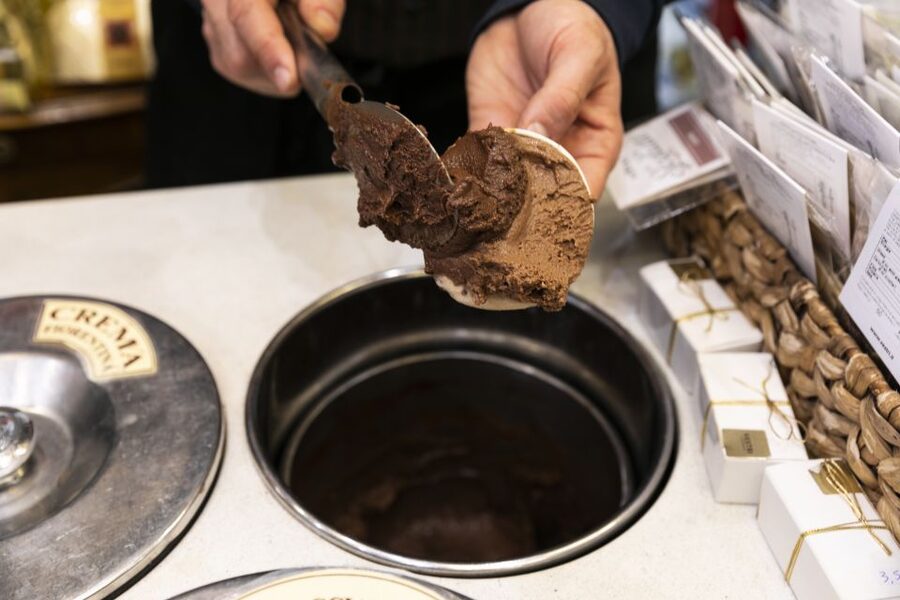
Dessert arrives with artisanal gelato. It is a smart ending after the salty meats, bread, soup, pasta, and lampredotto. You get a creamy, cold finish and a chance to compare the style of a dedicated gelato shop with the heavier foods earlier in the tour.
The final tasting is the Secret Dish. Its identity is intentionally kept from you until the day, and no fixed description is provided. That makes the finish a small surprise rather than another item you can plan around.
I would treat the Secret Dish as a bonus, not a reason to book on its own. The reliable core of the tour is the market, the Florentine street food, the Tuscan meal, and the gelato. The secret element adds fun, but its appeal depends on your taste and on what is available that day.
What $115 buys you in three hours
At $115 per person, this is not a cheap way to grab lunch. You are paying for a guided route, more than 10 food and drink tastings, access to several kinds of venues, and the guide’s explanation of local customs and dishes.
The price makes the most sense if you value context. A self-guided trip to Sant’Ambrogio Market will cost less, but you would need to choose your own foods, understand what you are ordering, find a good trattoria, and build the route yourself. Here, the work is handled for you, and the tastings are spread across cafés, market stops, and a family-run restaurant.
The quantity also matters. Coccoli, fruit, meats, cheeses, starters, pasta, wine, gelato, and the Secret Dish add up to a substantial three-hour meal. You will likely eat enough to treat this as lunch, especially if you arrive after a light breakfast.
The value drops if you do not like trying unfamiliar food or if you need a strict menu. Lampredotto is included, and the itinerary can change. Dietary requirements may be accommodated best when provided in advance, but the available information does not promise every substitution.
Who will enjoy this food walk most
I would recommend it to first-time Florence visitors who want food and local context in equal measure. It is also a good choice for anyone who likes small groups, asks questions, and prefers a guide who connects dishes with the city around them.
It suits couples, families with older children who are willing to try new foods, and solo visitors who want company at several food stops. The English tour is especially useful if you want explanations while tasting rather than simply ordering from a menu.
You should think twice if you dislike organ meats, need a wheelchair-accessible route, or have serious mobility limits. The activity is not suitable for wheelchair users or people with mobility impairments. Comfortable shoes are essential, and you should contact the company before the tour with any dietary requirements.
Practical details before you reserve
The meeting point is easy to identify: Piazza di Santa Croce, at the bottom of Dante’s statue, with an orange umbrella held by the guide. There is no hotel pickup or drop-off, so plan your own way to and from the square.
The tour runs for three hours, but the starting time varies. Check the available departure when booking. Since the route visits public food businesses, weather and local availability can change the order or selection.
You can cancel up to 24 hours before the tour for a full refund, and the reserve-now, pay-later option keeps your plans flexible. Those terms help if your Florence schedule is still shifting, but they do not remove the need to arrive at the stated meeting point on time.
The experience is offered in English. A rating of 4.6 from 21 bookings suggests a strong overall response, with particular praise for guides such as Paolo, Pablo, and Gerardo. The most useful pattern is the combination of friendly guiding, plenty of food, wine at selected stops, and a pace that does not feel rushed.
Should you book the Sant’Ambrogio food tour?
Book it if you want a substantial introduction to Florentine food rather than a single restaurant meal. The strongest reasons are the Sant’Ambrogio setting, the wide tasting list, the chance to try lampredotto, and guides who bring in the city’s history and daily life.
Skip it if you need a fully fixed menu, cannot walk comfortably, or prefer familiar food. At $115, the tour is best value when you use it as both lunch and a local orientation. Come hungry, wear good shoes, tell the company about dietary needs ahead of time, and expect the route to adjust as Florence does.
FAQ
Where does the tour meet?
The meeting point is in Piazza di Santa Croce, at the bottom of Dante’s statue. Look for the guide holding an orange umbrella.
How long does the food tour last?
The tour lasts three hours. Starting times vary, so you need to check availability for your chosen date.
What language is the tour offered in?
The tour is conducted in English with a live guide.
What food is included?
The tastings include coccoli, lampredotto, seasonal fruit, Tuscan meats, hams, salamis, Tuscan cheeses, traditional starters, pasta dishes, artisanal gelato, and a Secret Dish. Water and Tuscan wine at selected stops are also included.
Is hotel pickup provided?
No. Hotel pickup and drop-off are not included.
Can dietary requirements be accommodated?
You should contact the company before the tour with your dietary requirements so it can try to accommodate them as well as possible.
Is the tour suitable for wheelchair users?
No. The activity is not suitable for wheelchair users or people with mobility impairments. Comfortable shoes are recommended because the tour involves a fair amount of walking.
New market tours around Florence
- Florence: Markets and Food Tasting Tour★ 5.0 · 2 reviews
- Florence: Market Visit and Cooking Class★ 4.4 · 16 reviews
- Florence:Dolce Vita by Day Market Tour & Pasta Making Class★ 5.0 · 2 reviews
- Florence Street Food Tour: Central Market & Duomo Area★ 4.9 · 45 reviews
- The Original Street Food & Market Tour of Florence★ 5.0 · 3 reviews
- Florence Central Market Food Tour with Eating Europe★ 5.0 · 4 reviews
- Gardens, markets and hidden gems in Florence, by city bike★ 3.8 · 5 reviews
- Florence: Local Food, Wine & Market Walking Tour★ 5.0 · 6 reviews
Florence Market Tours, side by side.
Cooking Class and Lunch at a Tuscan Farmhouse with Local Market Tour from Florence
Read our review →
Small Group Cooking Class & Market Food Tour in Florence
Read our review →
Florence: Cooking Class with Local Food Market Tour
Read our review →
Florence: Cooking Class at a Tuscan Farm & Local Market Tour
Read our review →
Florence Street Food Tour: Central Market & Duomo Area
Read our review →
Florence: Market and Cooking Class at a Local’s Home
Read our review →This tour also appears in