
Review · ATHENS
Athens: Tasting workshop and Food Market tour
Athens reveals itself especially well through food, and this two-hour walk takes you straight to the source. You move from old spice shops and food stores to the Central Food Market, tasting Greek cheese, cured meats, ntakos, olive oil, honey, wine, tsipouro, and liqueurs along the way. I like the focus on small local businesses, and I like that the food comes with practical insight into how Greek cooking works. The main drawback is the tight schedule: two hours gives you a useful introduction, not a slow market wander.
I also like the range. You are not asked to eat one large meal and call it a food tour. Instead, you sample several building blocks of Greek cuisine, including Mastiha liqueur and regional honeys. Keep in mind that the activity runs rain or shine, and the meeting point near Athinas and Evripidou streets can be busy, so arrive with a few minutes to spare.
Key points to know before booking
- Five Greek tasting stops: Sample cheese, charcuterie, ntakos, olives, olive oil, honey products, wines, tsipouro, and liqueurs.
- A practical look at Greek cooking: Your English-speaking guide explains how everyday ingredients fit into the local table.
- Historic food shops: Visit long-established delis, spice stores, and one of Greece’s oldest distilleries.
- The Central Food Market finale: End among Athens shoppers at the city’s main food market, including its meat and fish sections.
- A compact city-center experience: The tour lasts two hours and costs $49 per person, with no transfers included.
- Flexible booking: You can cancel up to 24 hours ahead for a full refund and reserve now while paying later.
Why this food walk works in central Athens

Many Athens food experiences revolve around a sit-down meal. This one is more like a guided tasting lesson. You move through several food businesses, try small portions, and learn why certain ingredients matter. That format suits you if you want to understand Greek food before ordering more meals on your own.
The route also connects food with place. Athens is not presented only through ancient monuments and grand viewpoints. You see the working center of town, where locals buy meat, fish, spices, sweets, and pantry goods. That change of focus is useful after a morning at the Acropolis or a stroll through the Plaka.
The tour begins in the central city near Athinas and Evripidou streets. The stated meeting point is in front of Ethniki Trapeza bank at Athinas 38 and Evripidou Street. I would check the exact starting time when booking and make sure you can identify the bank clearly. The meeting point is central, but these streets can be lively and crowded, so a small time cushion helps.
More Market Food Tours in Athens:
- Athens: Food Market Visit and Cooking Class with Wine
★ 4.9 · 1,087 reviews - Athens, Greek food tour including market visit
★ 5.0 · 618 reviews - Classic Athens Food Tour with Local Drink & Market Visit
★ 4.9 · 99 reviews
Cheese, cured meats, and Cretan ntakos
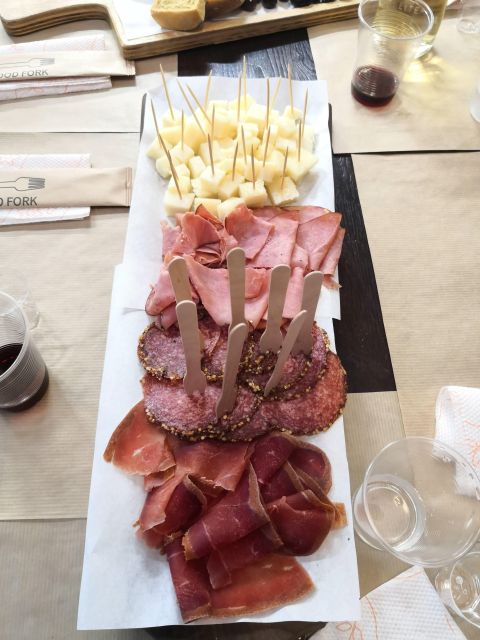
The first food section introduces you to Greek dairy and preserved meats. You taste a selection of Greek cheeses and artisanal cold cuts, paired with rustic barley rusks known as ntakos. Ntakos is strongly associated with Crete, where the dry barley rusk forms the base for a simple snack or light dish.
The important point is texture. A barley rusk is firm and dry, so it works well with moist toppings, cheese, tomato, or olive oil. Here, it gives you a useful taste of how Greek food often relies on sturdy pantry ingredients rather than elaborate preparation.
The cheese and charcuterie tasting is also a sensible start because it gives you something substantial before the drinks arrive. You are sampling, not sitting down to a full lunch, but the combination should feel more satisfying than a series of tiny sweets.
I like this stop because it shows that Greek food is not just grilled meat and salad. It includes many local cheeses, cured products, rusks, and small bites that vary by region. Your guide can also help explain which flavors are mild, salty, sharp, or better suited to wine.
Greek olives and extra virgin olive oil
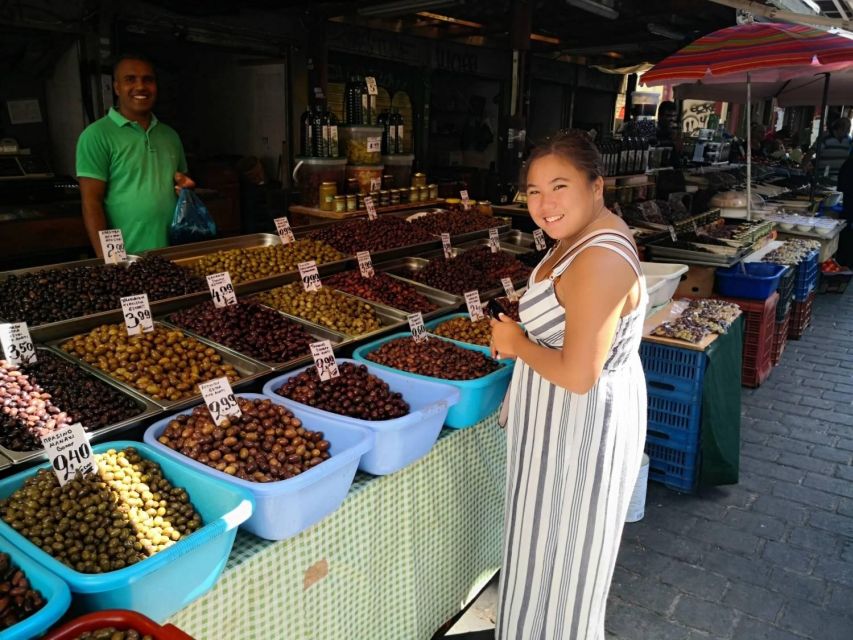
Greek olive oil gets its own place in the tasting, along with olives. This matters because olive oil is not merely a cooking liquid in Greece. It is used to season bread, vegetables, beans, fish, cheese, and many simple dishes where the oil’s flavor is easy to notice.
You taste premium extra virgin olive oil and learn to pay attention to its character. It may taste fruity, peppery, grassy, or slightly bitter. The point is not to memorize technical terms. It is to notice that good olive oil has a flavor of its own and can change the taste of a very plain dish.
The olive tasting adds another useful comparison. Olives can differ in size, saltiness, firmness, and texture. If you usually buy one standard type at home, this is a quick way to see why Greek olives deserve more attention.
I would treat this section as a lesson for the rest of your trip. When you order a Greek salad, beans, grilled vegetables, or bread with oil, you will have a better sense of what you are tasting. You may also leave with a clearer idea of what to look for in an olive oil shop, though shopping is not listed as part of the activity.
Honey from different Greek regions
The honey portion adds sweetness and a change of pace. You sample several local honeys and honey-based products, with the guide pointing out regional character. Greece produces different types of honey, and the flavor can vary according to the plants and trees available to the bees.
You do not need to be a honey expert to enjoy this stop. Taste each sample slowly and notice which ones are light, floral, dark, or more intense. Honey-based products offer another texture and show how a familiar ingredient can be used in more than one form.
This is one of the better parts of the tour for anyone who enjoys food shopping. Honey is easy to carry, and Greek varieties can make a practical edible gift. The experience does not promise a shopping stop or a take-home product, so you should think of the tasting as the main event.
For me, the value is in the regional connection. Greek food is often described as simple, but simple food depends on the quality of its few ingredients. Honey gives you a clear example of that idea.
More market tours around Athens:
- Athens: Classic Cooking Class with Market Visit and Wine
★ 5.0 · 1,101 reviews - Athens Market Tour and Cooking Class in a Beautiful Garden
★ 5.0 · 122 reviews - Athens: Cooking Class, Market Visit & Lunch at Local Tavern
★ 4.9 · 27 reviews - Athens Market Tour and Cooking Class in a Beautiful Garden
★ 5.0 · 8 reviews
Wine, tsipouro, and Greek drinking customs
The tastings include local white and red wines, followed by tsipouro. The wine pairing helps you understand how Greek drinks fit with salty cheese, cured meat, olives, and rusks. White wine can make a natural match for lighter foods, while red wine gives you a different contrast with stronger flavors.
Tsipouro is the more distinctly Greek part of this section. It is a bold traditional spirit, often associated with small pours and food shared at the table. You do not need to be a spirits enthusiast to appreciate the introduction, but you should expect a stronger drink than wine.
The tour also includes Greek liqueurs later, so the overall tasting has a fair amount of alcohol. That is worth considering if you are sensitive to spirits, planning a full lunch immediately afterward, or traveling with children. The supplied details do not state whether nonalcoholic substitutes are available, so ask before booking if that matters to you.
The wine and tsipouro tasting is valuable because it links drinks to eating habits. Greek beverages are not presented as isolated samples. They are part of a social table, alongside small savory foods and conversation.
Mastiha and an old Athens distillery
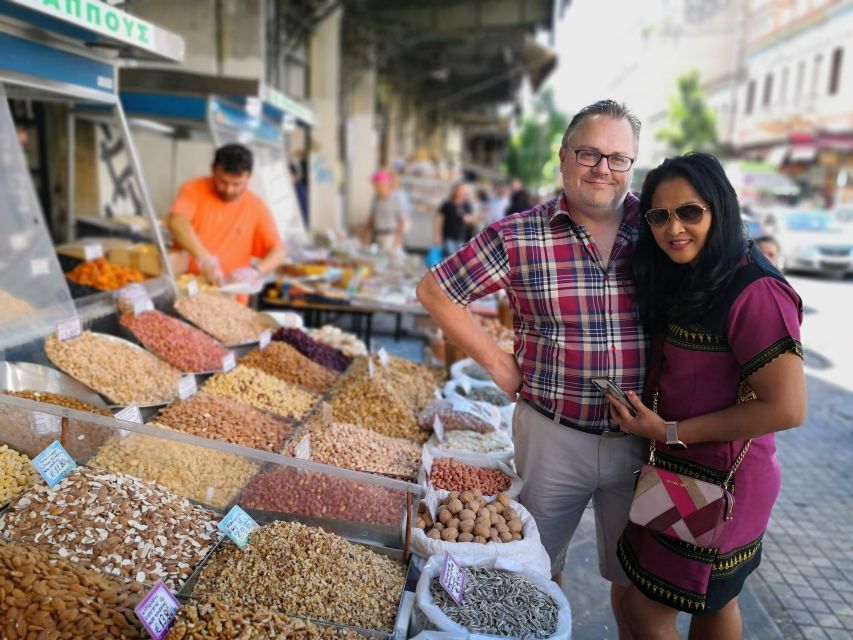
One of the more unusual stops takes you to one of Greece’s oldest distilleries for a tasting of Greek liqueurs. The star is Mastiha, a liqueur made with the resin of the mastic tree and known for its distinctive herbal, pine-like sweetness.
Mastiha is not the sort of drink you are likely to confuse with ordinary fruit liqueur. It has a particular flavor, and the tasting gives you a chance to try a national specialty in a place connected to Greek distilling. You also sample other Greek liqueurs, so this is not limited to one unusual bottle.
The distillery stop adds a sense of continuity to the walk. You are not simply tasting products from a supermarket shelf. You are visiting a long-established business and seeing one way Greek drink traditions remain part of central Athens.
Still, keep your expectations in check. The entire activity lasts only two hours, so the distillery visit is a tasting stop rather than a long production tour. The information provided does not promise a detailed look at how the spirits are made.
Spices and the small shops that shape Greek cooking
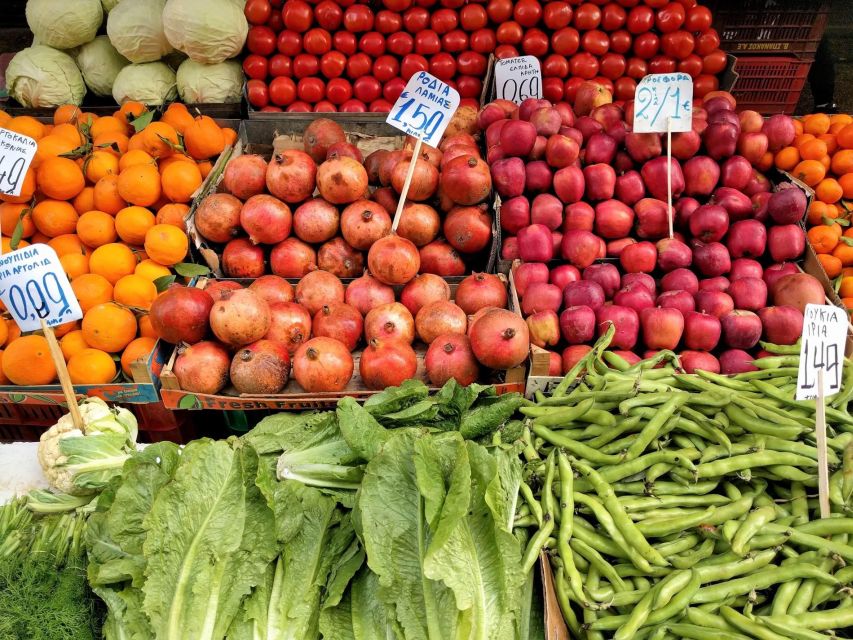
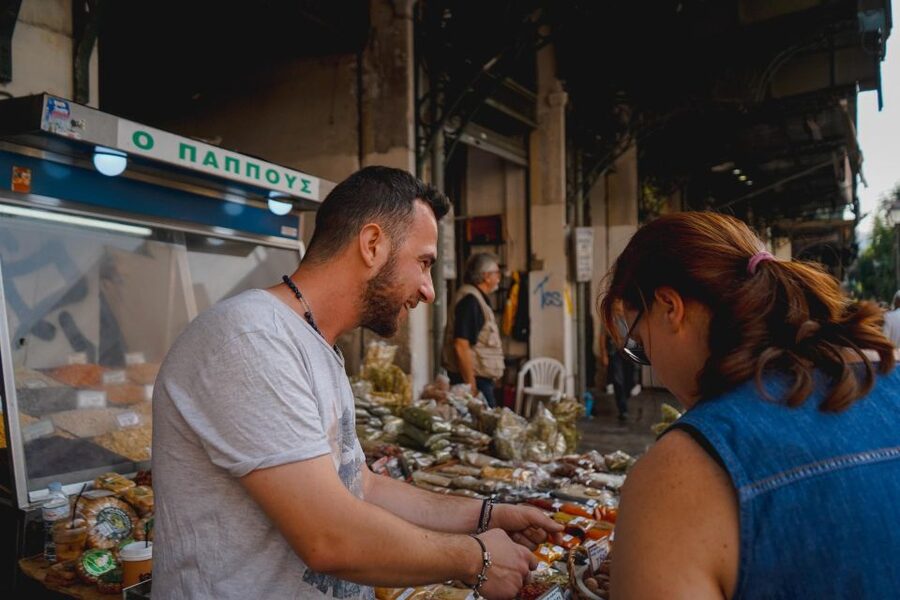
The spice stores are a strong part of the route for anyone who cooks. You see a range of spices and hear about the ingredients used in Greek kitchens. This is where the tour moves beyond tasting and starts giving you ideas for your own meals.
Greek cooking depends on balance. Olive oil, herbs, lemon, cheese, honey, wine, and preserved foods can each make a plain ingredient more interesting. A spice shop helps you see the pantry behind the finished dishes served in tavernas.
The route includes food shops with decades of tradition. That does not mean every store is a museum. Their value is that they remain part of daily food buying in Athens. You get a look at the kind of places that supply the city’s cooking rather than only its souvenirs.
A guide can also help you avoid a common mistake: buying an ingredient simply because the package looks attractive. You can ask which spices are most useful, how they are used, and which products make sense to carry home. The specific tour details do not list shopping time, so ask questions during the walk rather than expecting a long retail stop.
Finishing at Athens Central Food Market
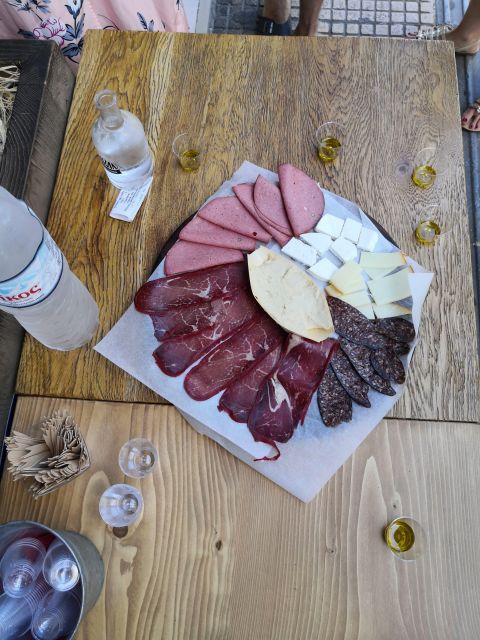
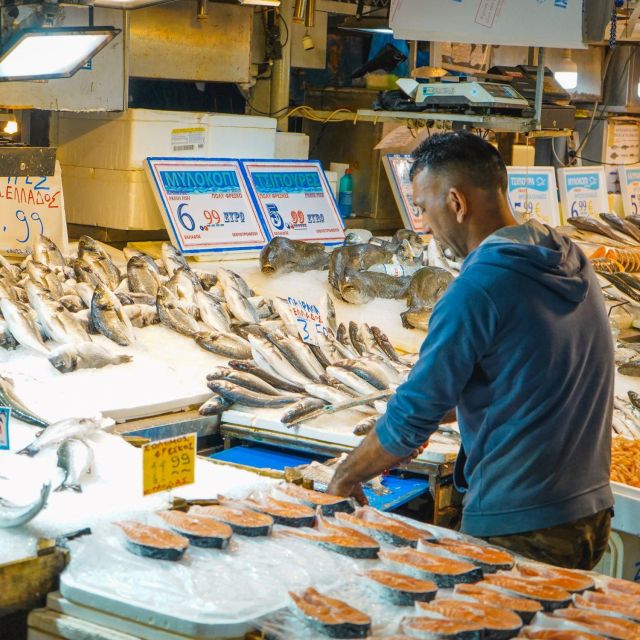
The tour ends at the Central Food Market, where the mood shifts from guided tasting to everyday commerce. You see fresh ingredients and regional specialties while local shoppers select what they need. The market includes meat and fish sections, as well as the wider food trade around Athinas Street.
This is a good ending because you can now recognize some of the products you have tasted. Cheese, cured meat, spices, olives, and other ingredients are no longer anonymous items. You have a little context for what they are and how they fit into Greek meals.
The market is also the least controlled part of the experience. It is a working food market, not a polished tasting room. Expect activity, strong food smells, and displays intended for shoppers. That is precisely why the stop feels useful, but it may not suit you if you prefer quiet, orderly sightseeing.
Since the market comes at the end, you may want to plan your next stop nearby. The experience does not include transfers, and no transport is provided between the meeting point and the food stops. The route is designed around central Athens, so comfortable shoes are a sensible choice, though the activity description does not make a specific accessibility claim.
Is $49 a fair price for two hours?
At $49 per person, this is not the cheapest way to grab a Greek snack. It is fair value if you want several tastings, a guide in English, and a focused look at central Athens food culture without spending half a day on a large excursion.
The price includes five carefully selected tasting experiences, though each experience can contain several items. You receive cheese, charcuterie, ntakos, olives, olive oil, honey products, wine, tsipouro, and Greek liqueurs. You also visit the Central Food Market and established shops.
I would compare the cost with what you want from a food tour. If your goal is a large meal, this may feel expensive because the tastings are spread across stops rather than served as one generous plate. If your goal is to learn what to order and recognize Greek ingredients, the price makes more sense.
The small-group feel may also vary by date. On one occasion, a booking resulted in a private experience because only two people had reserved that time. You should not assume every departure will be private, but a lightly booked date may give you more time for questions.
Who will enjoy this Athens tasting walk?
I would choose this experience if you like trying many foods in small portions and want a local guide to connect them. It suits first-time visitors who need a quick introduction to Greek ingredients, as well as repeat visitors who want a reason to explore the central market.
It is especially good for:
- Couples who want a food-focused activity between sightseeing stops
- Solo visitors who prefer a guided introduction to Athens food shops
- People interested in Greek wine, spirits, and liqueurs
- Cooks who want ideas about olive oil, spices, honey, and pantry staples
- Visitors with only two hours to spare in central Athens
You may want something else if you need a full meal, dislike alcohol tastings, or want a long market visit with plenty of time for independent shopping. Families should also check whether the tasting mix suits everyone in their group.
The activity is offered in English with a live guide. The guide’s name is not provided, so you should not book expecting a particular host. The personal touch can vary by departure, but the format leaves room for questions about food, culture, and daily life.
Weather, timing, and useful planning tips
The tour runs rain or shine. Athens weather can change, and the route includes outdoor movement between businesses and the market, so bring suitable clothing for the forecast. There is no weather exception listed.
Arrive early at the bank meeting point on Athinas 38 and Evripidou Street. You do not want to begin a short two-hour activity by searching for the guide. Since the exact starting times vary, check availability for the date you want.
Do not plan this as a transfer to the airport or another distant attraction. Transfers are not included. It works best as one part of a central Athens day, with enough time before and after for your own plans.
You can cancel up to 24 hours in advance for a full refund. The reserve-now, pay-later option is useful if your schedule is still shifting, since you can hold a place without paying immediately.
Should you book this Greek food experience?
Book it if you want a compact, ingredient-focused introduction to Athens. The best parts are the variety of tastings, the old food and spice shops, the Mastiha stop, and the final walk through the Central Food Market. You leave with more than a full stomach. You get a better sense of what Greek food is built from.
Skip it if you want a long, relaxed meal or a deep tour of the market itself. Two hours moves quickly, and the route includes enough alcohol that some people may prefer a different kind of food activity.
For most food-minded visitors, $49 is a reasonable price for the range of samples and the city-center setting. I would book this early in your Athens stay, so you can use the guide’s tips when choosing meals and shops during the rest of your visit.
FAQ
Where does the Athens food tour meet?
Meet in front of Ethniki Trapeza bank at Athinas 38 and Evripidou Street in central Athens.
How long does the experience last?
The activity lasts two hours.
What language is the tour offered in?
The live tour guide speaks English.
Does the price include food and drink tastings?
Yes. The experience includes tastings of Greek cheese, cured meats, ntakos, olives, extra virgin olive oil, honey products, wine, tsipouro, and Greek liqueurs.
Which drinks are included?
You taste local white and red wines, tsipouro, and Greek liqueurs, including Mastiha.
Is a visit to the Central Food Market included?
Yes. The tour finishes with a visit to Athens Central Food Market.
Are transfers included?
No. Transportation and transfers are not included.
Does the tour operate in bad weather?
Yes. The activity takes place rain or shine.
Can I cancel for a refund?
You can cancel up to 24 hours in advance for a full refund.
Can I reserve now and pay later?
Yes. The reserve-now, pay-later option lets you book without paying at the time of reservation.
New market tours around Athens
- Athens: Greek Food Tasting and Market Walking Tour★ 4.1 · 7 reviews
- Athens: Cooking Class, Market Visit & Lunch at Local Tavern★ 4.9 · 27 reviews
- Athens: Food Tasting Tour in Plaka with Central Market Visit★ 3.6 · 3 reviews
- Athens: Street Food Tour Market & City Centre★ 4.8 · 4 reviews
- Athens: Local Markets with Artisanal Crafts Walking Tour★ 5.0 · 3 reviews
- Athens Market Tour and Cooking Class in a Beautiful Garden★ 5.0 · 8 reviews
- Classic Athens Food Tour with Local Drink & Market Visit★ 4.9 · 99 reviews
- Athens: Market Tour with Food Tastings★ 5.0 · 2 reviews
Athens Market Tours, side by side.
Athens: Classic Cooking Class with Market Visit and Wine
Read our review →

Athens Market Tour and Cooking Class in a Beautiful Garden
Read our review →
Classic Athens Food Tour with Local Drink & Market Visit
Read our review →
Athens: Cooking Class, Market Visit & Lunch at Local Tavern
Read our review →
Athens: Greek Food Tasting and Market Walking Tour
Read our review →

Athens: Local Markets with Artisanal Crafts Walking Tour
Read our review →This tour also appears in