
Review · BANGKOK
Bangkok: Private Old Quarter, Night Street Market, Temples
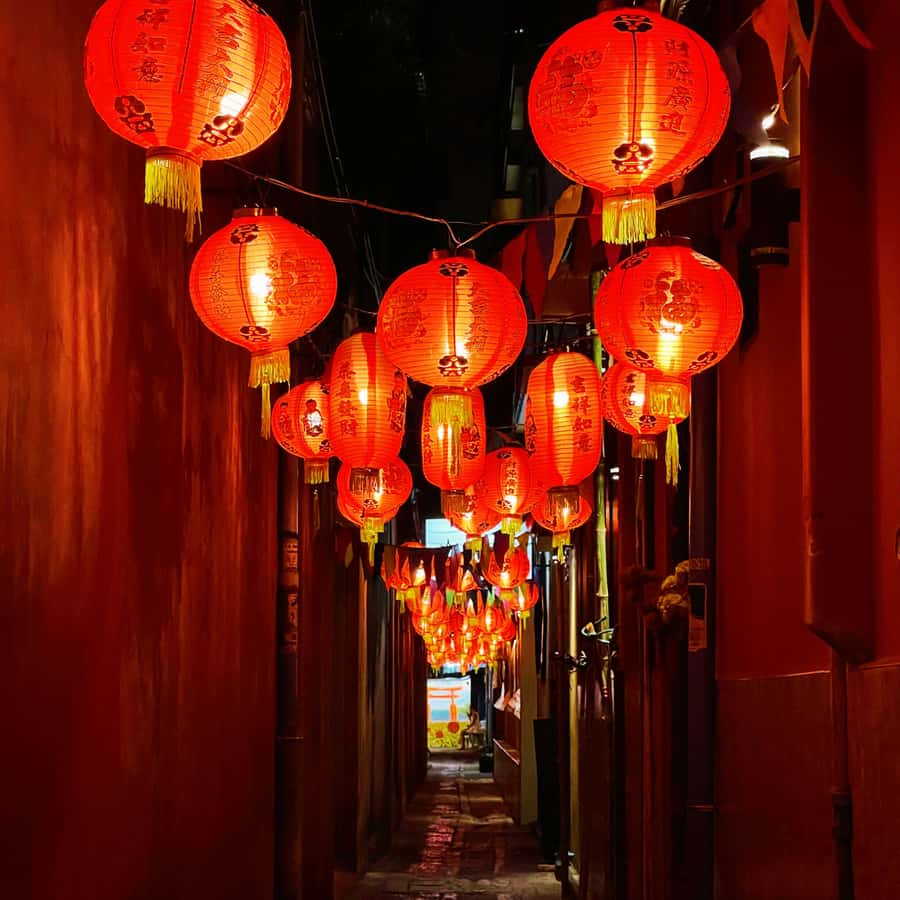
Bangkok’s old Chinese quarter is best understood on foot, where a painted alley, a quiet shrine, and a sizzling Yaowarat food stall can appear within a few minutes of one another. This private tour takes you from Talat Noi’s street art to Chinatown’s temples, then on to the flower market and Chao Phraya River views.
I like the chance to ask your guide questions and adjust the pace, and I like the mix of major sights with less-familiar corners such as Rong Kueak Shrine and Wat Liap. The main drawback is timing: three hours is tight for this many stops, and the long walk toward the flower market may feel tiring.
Key points at a glance
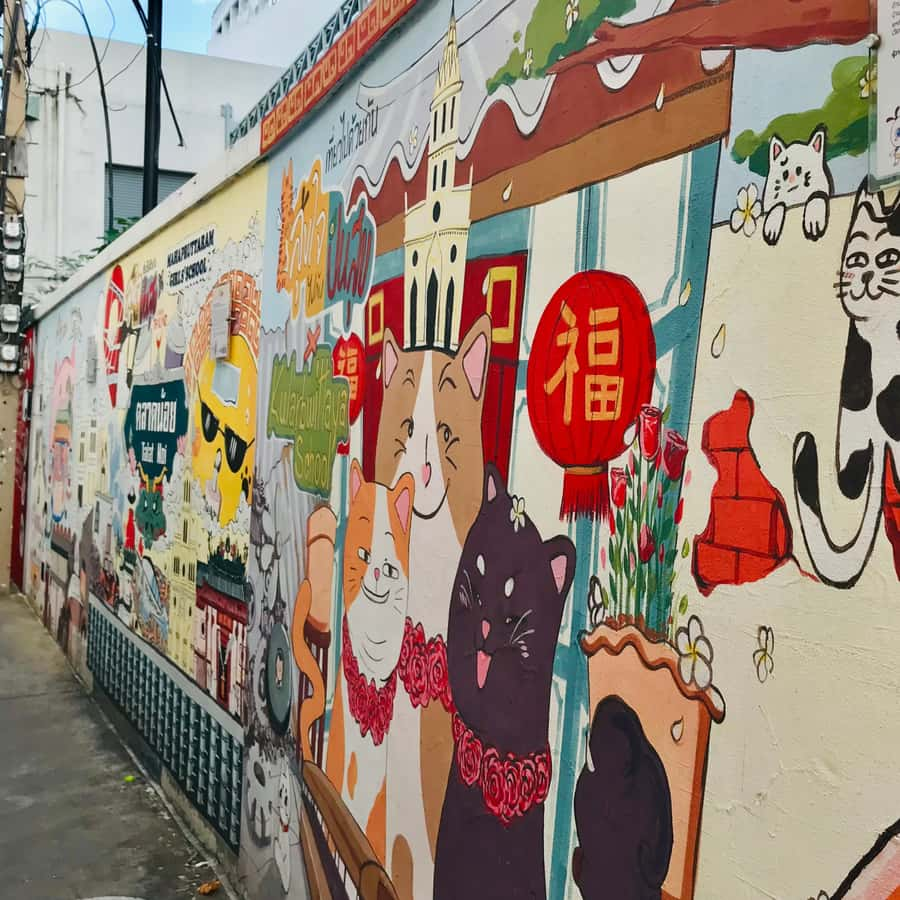
- Talat Noi street art and Chinese roots: Start in narrow lanes filled with murals, old shopfronts, and small local shrines.
- Private English-speaking guide: The group is limited to you and your companions, with guides such as Natty, Patt, and Tini praised for friendly explanations.
- Golden Buddha and Kuan Yim Shrine: See two important religious sites near Chinatown Gate, with time for photographs and quiet reflection.
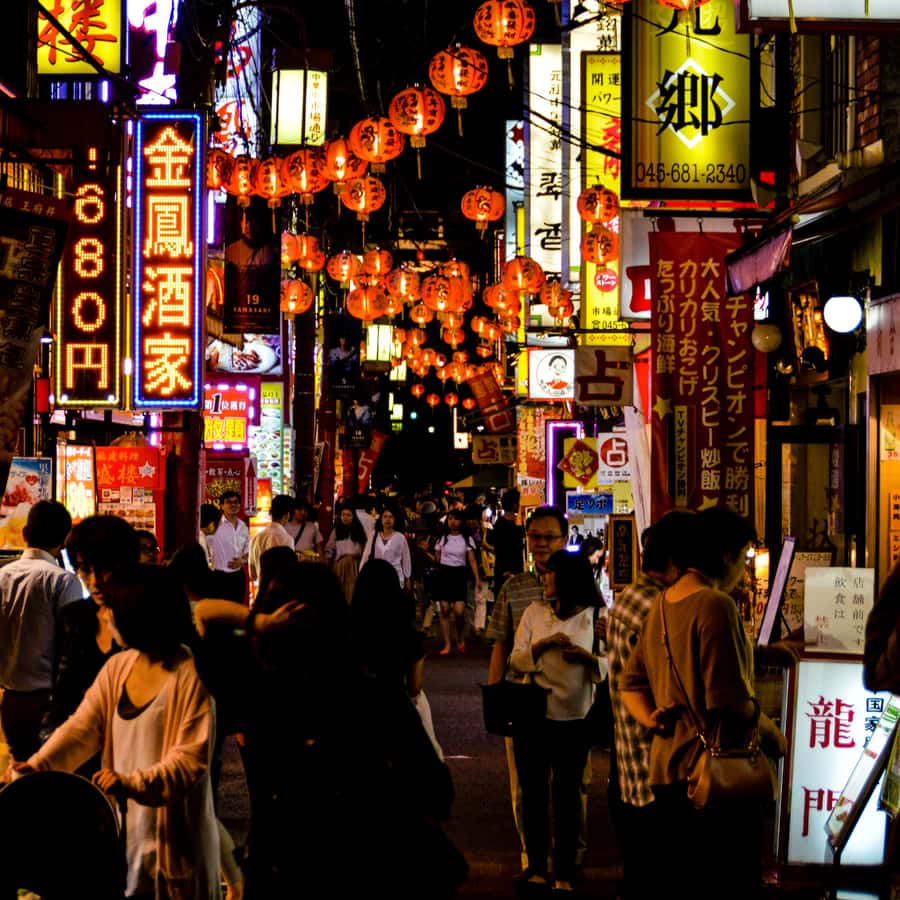
- Yaowarat after dark: Walk Bangkok’s famous Chinese quarter as food stalls and shops bring the street to life.
- Flower market and Wat Liap: Pair the scents and color of Pak Khlong Talat with the calm grounds of a less-visited temple.
- Good value for up to three people: At $76 per group, the per-person cost drops sharply when two or three people share the booking.
Why this Bangkok walk works
This is not a simple food tour or a temple checklist. It is a compact look at several parts of old Bangkok: Chinese settlement areas, religious buildings, local commerce, street art, canals, flowers, and the river.
I especially like the private format. You are not tied to a large group, so your guide can explain a shrine, pause for a photograph, or help you find your hotel or next destination at the end. Natty has received particularly warm praise for clear commentary and a friendly manner. Patt is noted for shaping the walk around the person she was guiding, while Tini is also praised as a strong companion.
The price is $76 for up to three people, not $76 per person. That makes it a fair deal for a couple or small family, especially if you value a private guide. A solo visitor pays the full group price, so the value is less compelling unless you want personal attention and help getting oriented in Chinatown.
The tour is listed as three hours, but the route covers a lot of ground. You will walk between Talat Noi, Chinatown, Yaowarat, Pak Khlong Talat, Wat Liap, and the Memorial Bridge area. Wear comfortable shoes, carry only a small bag, and expect a brisk outing rather than a slow, lingering temple visit.
More Private Market Tours around Bangkok:
- Private Excursion to Maeklong Railway and Floating Markets
★ 5.0 · 850 reviews - Floating and Railway Market (Optional Waterfall): Private Tour
★ 5.0 · 827 reviews - Private Excursion to Floating Market and Ayutthaya World Heritage
★ 5.0 · 515 reviews
Starting in Talat Noi, Bangkok’s old Chinese quarter
Meet your guide in front of the cafe near The House by Hongkong House. The first major area is Talat Noi, a neighborhood known for narrow lanes, old Chinese connections, small workshops, and street art.
The walk begins at Holy Rosary Church, also known as Kalawar Church. The stop is brief, around 15 minutes of walking and guided explanation, but it helps show how many faiths and communities have long shared this part of Bangkok.
From there, you reach Rong Kueak Shrine. Give this stop time. The shrine is part of the area’s Chinese religious character, and its setting helps you see how worship, homes, small businesses, and street art sit side by side. Your guide can explain the Chinese roots of Talat Noi and point out details you might pass without noticing alone.
Chao Mae Shrine is also part of the Talat Noi experience. The appeal here is not a grand monument. It is the combination of local devotion, old architecture, and daily neighborhood life. You may find small shops, painted walls, and practical city scenes right beside religious spaces.
This opening section is a good reason to choose the tour instead of visiting only Wat Traimit and Yaowarat. Talat Noi gives you a more intimate introduction to Chinatown, although the narrow lanes can be uneven and cramped. The tour is not suitable for people with mobility impairments, and this first section explains why.
Chinatown Gate and the Golden Buddha
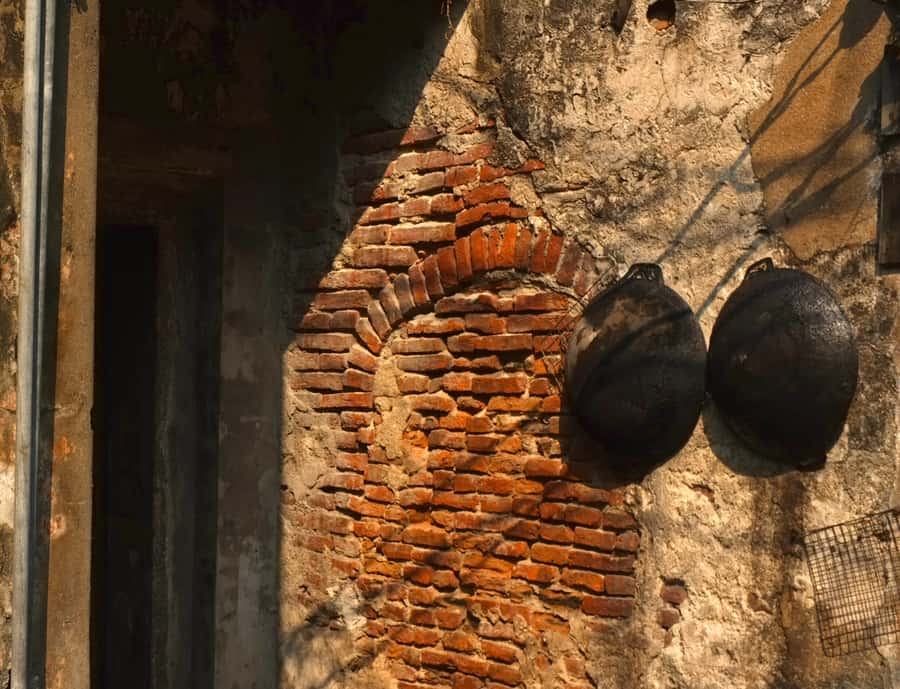
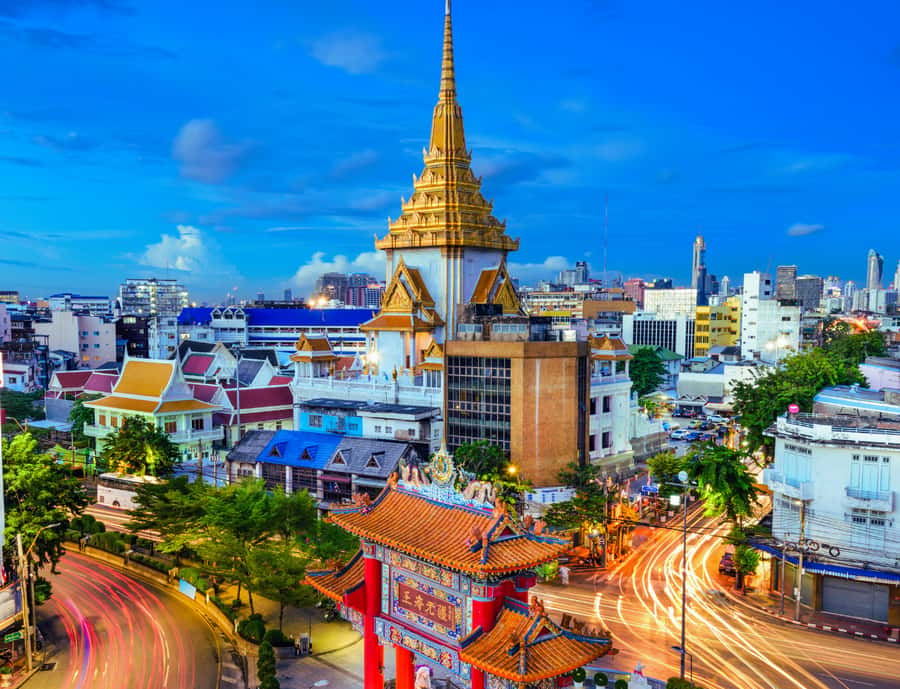
The route then heads toward Chinatown Gate, the familiar entrance to Bangkok’s Yaowarat district. It is an easy visual marker, and your guide can help connect the modern commercial quarter with the Chinese community that shaped it.
Wat Traimit is the major sight here. The temple is home to the world’s largest golden Buddha statue, making this the tour’s biggest landmark. The itinerary allows about 15 minutes for a photo stop, so do not expect a long temple visit or an extended museum session.
That short timing is both useful and limiting. You get the chance to see and photograph an important Bangkok sight without spending the entire tour inside one complex. On the other hand, visitors who want detailed information about the statue or a slow visit should allow extra time on another day.
Nearby, Kuan Yim Shrine offers a different mood. Kuan Yim is associated with mercy, and the shrine’s intricate details provide a calmer pause after the traffic and noise around Chinatown Gate. The planned visit lasts about 30 minutes, giving your guide room to explain the religious setting and point out architectural details.
You should dress and behave respectfully at the shrines and temple. The supplied information does not set out a dress code, so modest clothing and quiet conduct are sensible choices for any Bangkok religious site.
Yaowarat Street after dark
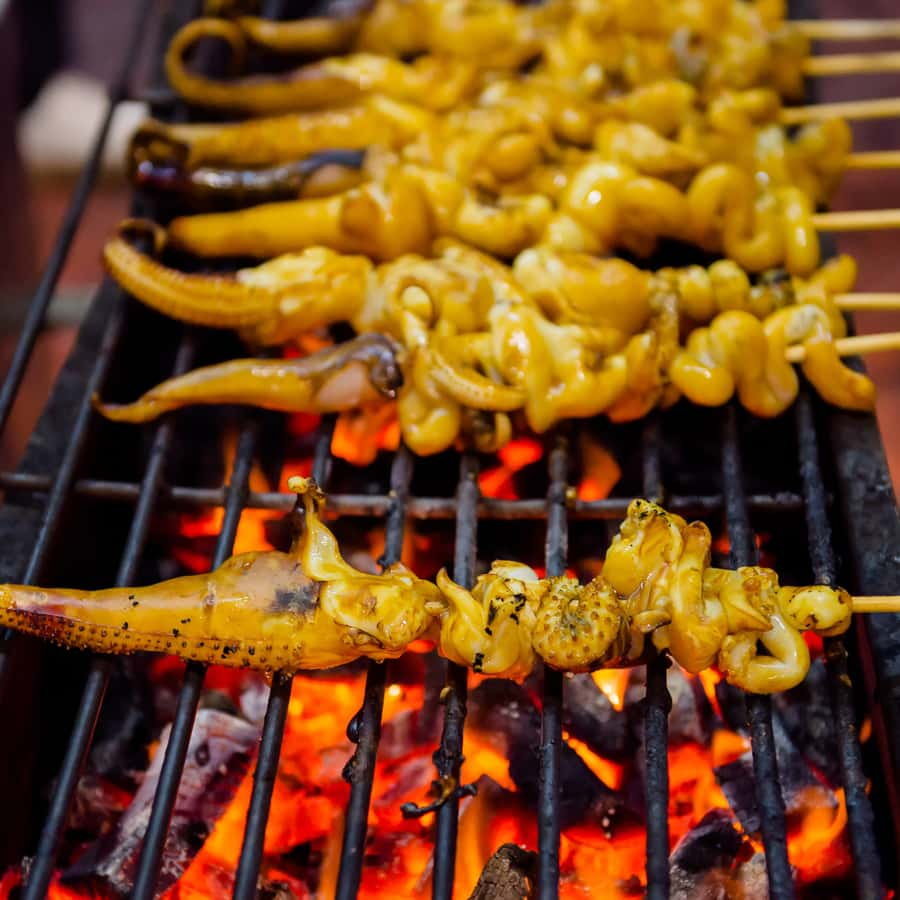
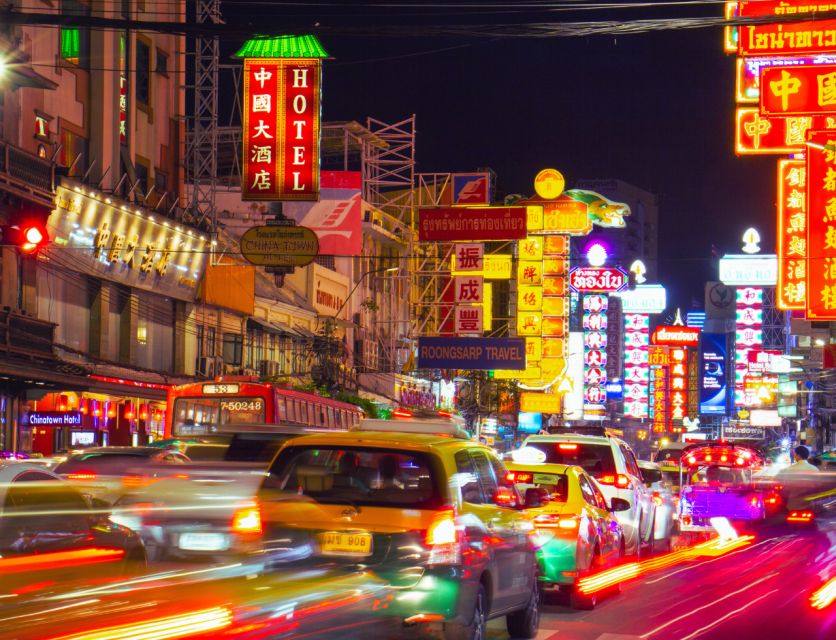
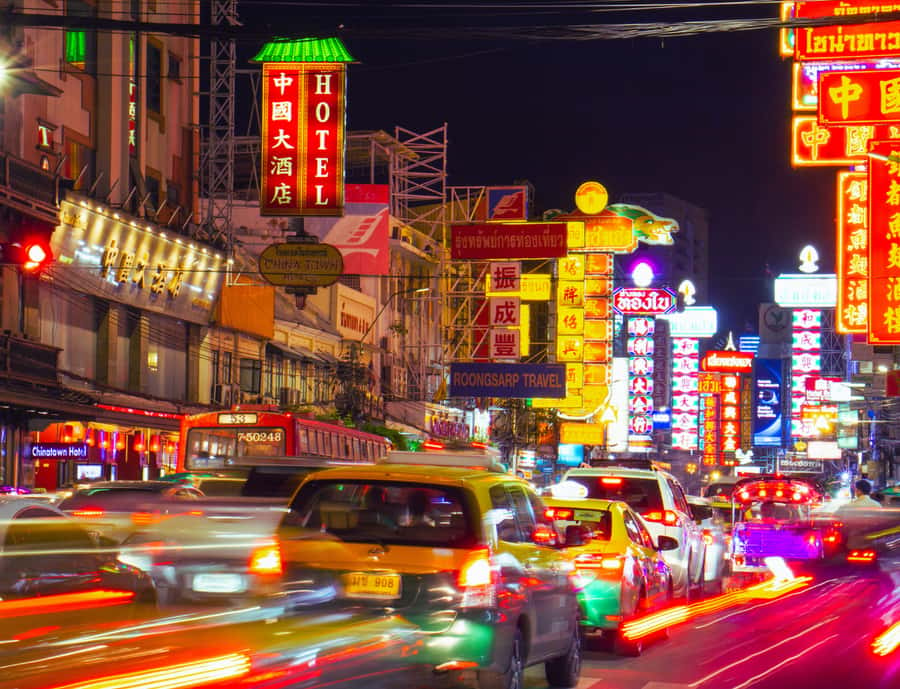
The tour reaches Yaowarat Street, the center of Bangkok’s Chinese quarter. This is where the experience turns from historical neighborhood walk to evening street scene.
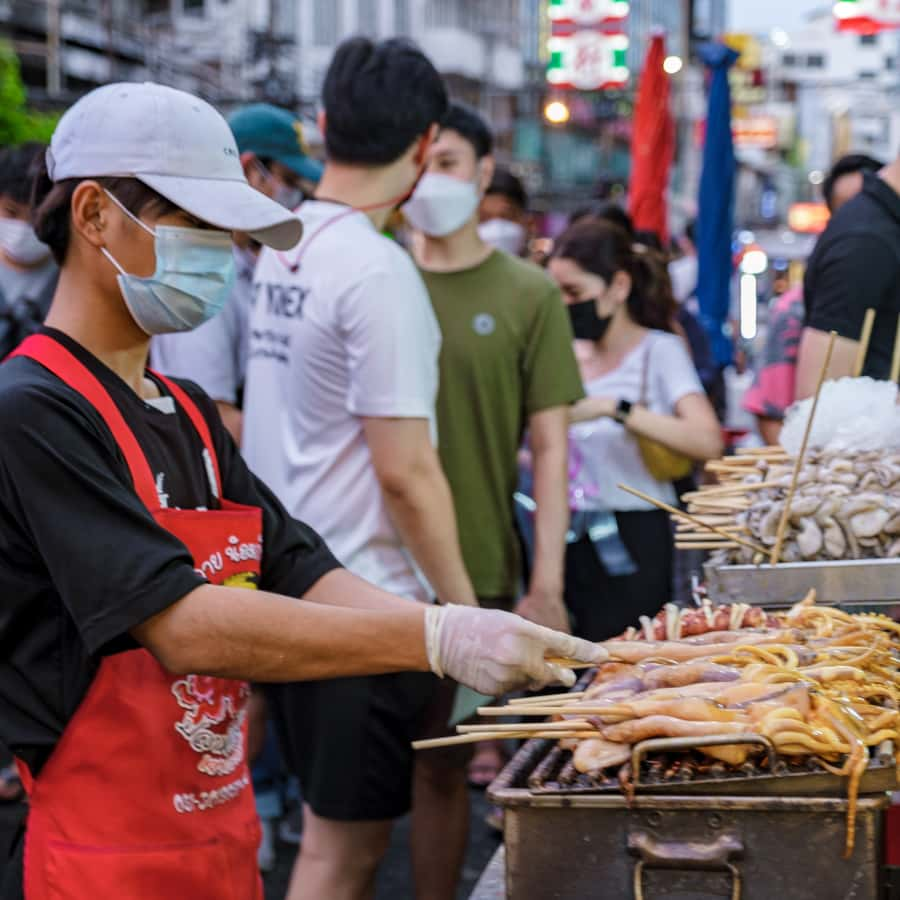
Yaowarat is known for Chinese and Thai food, and your guide leads you through the market area for about 30 minutes. You may see dim sum, pastries, savory dishes, herbs, and spices, with the smell of cooking drifting through the road. The tour description presents food as part of the atmosphere, but it does not state that tastings are included in the price. Plan to pay for anything you choose to eat.
That detail matters. If you want a full dinner, three hours may not leave much time for sitting down. If you prefer to sample a few items while walking, Yaowarat works better. Ask your guide for help choosing from the stalls if you are unsure what something is.
The market is closed on Mondays. This is the most important scheduling warning. One German visitor found that several areas were quiet on a Monday and felt the walk toward the flower market was long without the usual street activity. I would avoid Monday if you want the full evening-market experience, even though the tour may still operate.
Yaowarat can also be crowded, noisy, and hard to navigate with a large bag. Leave luggage behind and keep your belongings close. The operator specifically does not allow luggage or large bags.
More market tours around Bangkok:
- Bangkok: Damnoen Saduak Market and Maeklong Railway Market
★ 4.5 · 26,723 reviews - The Old Siam: Damnoen Saduak and Maeklong Railway Market
★ 4.5 · 10,992 reviews - Bangkok: Train Market & Floating Market with Boat Ride
★ 4.7 · 9,547 reviews - Bangkok: City Highlights Temple and Market Walking Tour
★ 4.5 · 3,990 reviews
A pause beside Ong Canal
The route includes a detour to Ong Canal, a quieter waterway away from the main road. This section gives you a break from Yaowarat’s noise and a look at a slower side of the district.
The canal is useful because it shows that Chinatown is not only a food street and a row of bright signs. Traditional ways of living still appear beside newer shops and city traffic. The stop also changes the pace of the walk, though every detour uses part of your limited three-hour schedule.
Do not expect a boat ride. The description calls for a walk along the canal edge and observation of local life. It is a viewpoint and a short neighborhood experience, not a separate cruise.
Pak Khlong Talat, Bangkok’s flower market
After Chinatown, the route continues toward Pak Khlong Talat, Bangkok’s large flower market. The market brings a fresh change of color and scent after the cooking smells of Yaowarat.
You will see rows of flowers and the working energy of a market that serves the city. This is a good place to notice Bangkok as a place of trade, not only a collection of monuments. The market’s appeal is visual and sensory, and it gives you a different side of the old quarter.
The walk to this part of the route deserves careful thought. The overall itinerary includes several long transitions, and one visitor specifically found the final approach to the flower market tiring. A taxi or tuk-tuk would have made that connection easier, but the experience is sold as a walking tour and transport is not listed as included.
If you have limited stamina, ask before setting out how the guide plans to handle this section. The tour is officially unsuitable for people with mobility impairments, and the distance is a real consideration even for active walkers.
Quiet time at Wat Liap
Near Pak Khlong Talat, you visit Wat Ratchaburana Ratchaworawihan, commonly called Wat Liap. This temple is one of the tour’s quieter stops.
I like the contrast. You move from food stalls and market traffic into a more peaceful religious setting, with time to look at the temple architecture and enjoy a slower atmosphere. The planned guided visit is about 20 minutes, enough for an introduction and a short look around.
Wat Liap may not carry the same name recognition as Bangkok’s largest temple attractions, but that is part of its value here. The tour uses it to show you a less-visited side of the city without asking you to travel far outside the old quarter.
Again, treat the temple as a place of worship rather than only a photo stop. Follow your guide’s instructions, keep your voice low, and wear clothing that feels appropriate for a religious site.
Ending at Memorial Bridge and the Chao Phraya
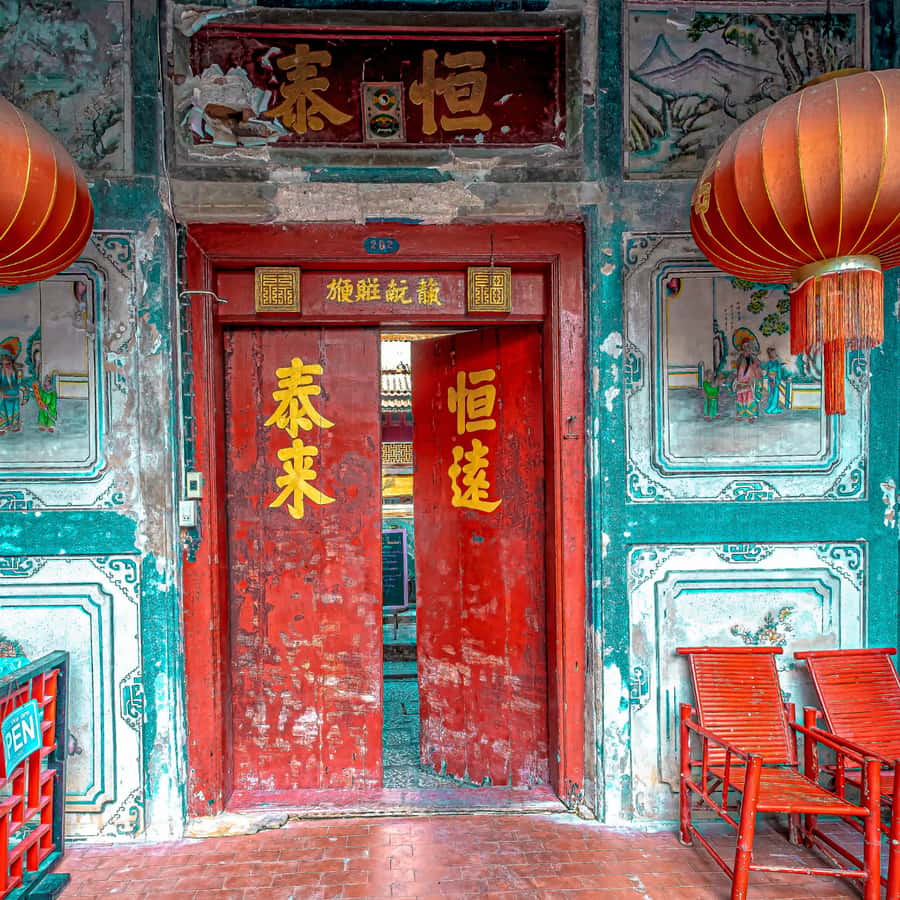
The walk finishes at Memorial Bridge, where you can look across the Chao Phraya River and take in the city from the waterfront.
This ending makes sense after the tight lanes of Talat Noi and Chinatown. The river opens up the view, and the bridge provides a clear final landmark before you continue to another part of Bangkok. Your guide can help you reach your hotel or chosen destination afterward, which is helpful if you are still learning the city.
The tour does not list hotel pickup or private transport back to your accommodation. You meet the guide at the starting point, then make your own way there. At the end, the guide can help you with directions, but you should not treat that as included vehicle service.
The pace, group size, and guide quality
The private group is the tour’s strongest practical feature. You can ask questions without holding up a coachload of people, and the guide can tailor explanations to your interests. If you care about food, architecture, local customs, or Chinese-Bangkok history, say so early.
Guides named in the feedback include Natty, Patt, and Tini. Natty is repeatedly praised for being warm and clear, while Patt is noted for adapting the outing to the person she was guiding. One solo visitor found the private format a pleasant surprise, since it allowed an easy conversation throughout the walk.
The overall rating is 4.4 from 12 reviews, with strong praise for the guides. One three-star review offered only that the guide was nice, which is a reminder that guide quality is a major part of the experience and individual impressions can vary.
The route itself is more fixed than the conversation. You should expect the listed stops, but do not expect every site to receive equal time. The Golden Buddha is mainly a photo stop, while Kuan Yim Shrine receives a longer visit. The market and flower market are meant to be experienced while walking, not studied in detail.
What to bring and how to plan the day
Wear shoes that can handle several hours of city walking. The route includes narrow lanes, markets, temple grounds, and long stretches between areas.
Bring a small day bag only. Large bags and luggage are not allowed, and a compact bag is easier to manage in crowded Chinatown streets.
You will receive a text message or WhatsApp message three hours before the start. Make sure the booking contact information is correct and keep your phone available that day.
The tour is in English. The group is private, and the cost covers the guide. Food, transport, and other personal spending are not listed as included, so budget separately for snacks or drinks in Yaowarat.
Free cancellation is available up to 24 hours before the tour for a full refund. You can also reserve now and pay later, which helps if you are still arranging a Bangkok schedule.
Who should book this tour?
I would choose this walk if you want a first look at Bangkok’s old Chinese quarter and prefer conversation to a large scheduled group. It suits couples, friends, and small families who can share the $76 group price and manage a brisk three-hour walk.
It is also useful early in a Bangkok stay. You will get your bearings in Talat Noi, Chinatown, Yaowarat, Pak Khlong Talat, and the riverfront, then return later for a longer meal or temple visit.
I would think twice if Monday is your only option, if you dislike long walks, or if you want a food tour with included tastings. The route covers a lot, and the market atmosphere is likely to be quieter on Monday.
For most visitors, the best choice is a non-Monday evening with comfortable shoes, an empty stomach, and realistic expectations. You are paying for a private local walk through several neighborhoods, not a slow expert tour of every temple interior.
FAQ
How much does the private Bangkok tour cost?
The price is $76 per private group of up to three people.
How long does the experience last?
The walking tour lasts three hours.
Where do you meet the guide?
You meet the guide in front of the cafe near The House by Hongkong House.
What language is the tour conducted in?
The live guide speaks English.
Is this a private group experience?
Yes. The tour is for a private group rather than a shared public group.
Is food included?
Food tastings are not listed as included. You can purchase food separately at Yaowarat Night Market.
Is the Chinatown market open on Mondays?
No. The Chinatown Market is closed on Mondays.
What should you bring?
Bring comfortable shoes. Luggage and large bags are not allowed.
Is the tour suitable for people with mobility impairments?
No. The tour is listed as unsuitable for people with mobility impairments because it involves walking through lanes, markets, temple areas, and city streets.
New market tours around Bangkok
- Longtail Boat Adventure to the Local Weekend Floating Market★ 5.0 · 12 reviews
- Sathon: Hands-on Thai Cooking Class & Market Tour in Bangkok★ 5.0 · 19 reviews
- Private Unseen Mangrove Forest and Floating & Railway Market★ 5.0 · 2 reviews
- Private Tour from Bangkok: Railway & Floating Markets★ 4.9 · 11 reviews
- From Bangkok: Floating Market & Ayutthaya Private Day Trip★ 5.0 · 42 reviews
- Private Floating & Train Market + DRAGON Temple + Thai Cafe★ 4.9 · 13 reviews
- Mahachai & Maeklong Railway Market Day Tour From Bangkok★ 4.7 · 14 reviews
- Grand Palace, Damnoen Floating Market & Maeklong Market Tour★ 4.8 · 173 reviews
Bangkok Market Tours, side by side.
Bangkok: Damnoen Saduak Market and Maeklong Railway Market
Read our review →
The Old Siam: Damnoen Saduak and Maeklong Railway Market
Read our review →
Bangkok: Train Market & Floating Market with Boat Ride
Read our review →
Half-Day Railway Market and Floating Market Tour in Thailand
Read our review →
Bangkok by Night: Temples, Markets and Food Tuk-Tuk Tour
Read our review →
Bangkok: Damnoen Saduak, Train Market & Mahanakhon Day Trip
Read our review →
From Bangkok: Damnoen Saduak Floating Market Guided Tour
Read our review →
Bangkok: Hands-on Thai Cooking Class and Market Tour
Read our review →This tour also appears in