
Review · THE UK
Bristol: Air Raid Shelter & St. Nicholas Market Walking Tour
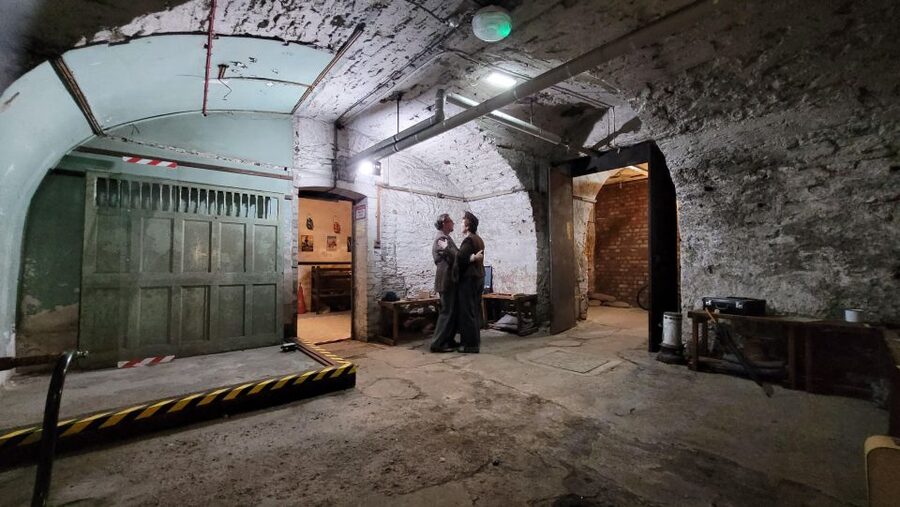
Bristol keeps one of its most unusual sights below street level: a World War II air raid shelter beneath the Corn Exchange and St. Nicholas Market area. This tour links that preserved underground space with the old city’s trading past, wartime damage, and rooms connected with the music of the 1960s.
I like the combination of street history and a real shelter, rather than a standard walk around monuments. I also like the guides’ theatrical approach, especially when Owen, Duncan, or Theresa brings the wartime stories to life. The main drawback is that the shelter is still a developing attraction, so you should expect a modest, atmospheric space rather than a polished museum.
Key points to know before booking
- The tour enters Bristol’s underground air raid shelter, a space usually closed to the public.
- The walk begins at the Corn Exchange, then moves through old streets and areas affected by the Blitz.
- Exclusive Corn Exchange rooms connect the tour with Bristol’s 1960s music scene, including the Rolling Stones.
- St. Nicholas Market is part of the experience, with food, drinks, and souvenirs available to buy afterward.
- Guides vary by departure, with Owen, Duncan, and Theresa among the named guides praised for clear storytelling and strong characterisation.
- The shelter is not ideal for everyone, since the tour is unsuitable for people with mobility impairments, claustrophobia, a body weight over 300 pounds, or an age over 95.
Why this Bristol tour feels different
Most city walks keep you above ground. This one takes you from busy streets into a preserved shelter beneath them, giving the tour a clear change of mood. You begin with Bristol’s old streets and trading life, then move into the cramped conditions created for civilians during the Second World War.
That shift gives the tour its appeal. The shelter is not simply another room with a few display panels. It is described as largely untouched, and the atmosphere comes from the bare setting itself. You can picture people sheltering there during bombing raids, with the guide filling in the human details.
I also like that the tour is not only about the war. Bristol’s trading past, old-city architecture, Blitz damage, the Corn Exchange, and St. Nicholas Market all form part of the story. You get a broader sense of how the city changed over about 1,000 years, rather than treating the shelter as an isolated curiosity.
The experience has earned a 4.8 rating from 320 bookings, and the praise is especially consistent about the guides’ delivery. That matters here. A shelter with limited museum displays depends heavily on spoken explanation, storytelling, and the ability to make a plain room meaningful.
More Market Walking Tours in the UK
- Air Raid Shelter + St. Nicholas Market Walking Tour
★ 5.0 · 1,950 reviews - London Food Walking Tour: Taste Your Way Through Soho & Chinatown
★ 5.0 · 187 reviews - Food & drink walking tour in South East London. Bermondsey – Borough Market.
★ 5.0 · 79 reviews
Starting at the Corn Exchange
You meet at the main entrance of the Corn Exchange. This is a useful starting point because the building is tied directly to Bristol’s commercial past and provides access to the shelter and special areas included in the tour.
Your guide then leads you through the old city. The route covers ancient streets, notable architecture, and sites connected with Bristol’s trading life. You also see damage from the Blitz, which helps connect the street scene with what awaits underground.
The guide may appear in wartime costume, adding a little theatre without turning the whole experience into a staged show. Owen has been singled out for his characterisation and clear delivery, while Duncan is closely linked with developing the shelter project. Theresa has also led tours that brought the stories to life.
Guide style will vary, but the strongest feature is the human voice. You are not left to read a long panel while the guide waits. The tour depends on spoken stories, local details, and the guide’s ability to explain what Bristol looked and felt like during wartime.
Bristol’s old streets and Blitz damage
The first part of the walk places the air raid shelter in context. You see the old city around the Corn Exchange and hear how Bristol’s commercial life developed. The route includes areas around Temple Church, Wine Street, and Corn Street, all connected in the tour’s wartime story.
This is where the experience works best for people who already know Bristol but want to see familiar streets differently. Several local customers have found that the walk taught them things they had never noticed, including details about the bombing raids and the city’s shelters.
The walk also helps you understand why the shelter mattered. It is one thing to hear about air raids in a museum. It is another to stand in the same city streets, see the physical evidence of damage, and then descend to the place where people sought safety.
Do not expect a full architectural tour of every building along the route. The city walk serves the larger story, leading you toward the shelter rather than trying to cover every chapter of Bristol’s past in equal detail.
Going underground into the air raid shelter
The main event is the descent beneath the city. The shelter is presented as Bristol’s largest public air raid shelter and remains a time capsule from the Second World War.
You enter areas that are not normally open to the public, which gives the experience its strongest sense of discovery. The shelter’s condition is part of the appeal. It is not presented as a newly rebuilt attraction, and some areas are plainly still awaiting further work.
That unfinished quality has two sides. On the positive side, the shelter feels genuine and unvarnished. You can see why the guide describes it as a preserved piece of wartime Bristol rather than a modern recreation. On the practical side, the museum space is limited, and the collection is still being developed.
A few hours could easily be spent studying the objects and written material, but the tour schedule allows only a limited time for this. If you enjoy reading every label and examining each artefact closely, you may wish the shelter portion included more time for independent looking and questions.
The guide does much of the work by explaining the conditions people faced. Owen has been praised for making the shelter feel occupied and real, while Duncan’s passion for preserving the site gives the visit a sense of purpose. You may also hear about Margaret, the shelter’s friendly ghost, and the tour sometimes includes a group photograph with her.
The ghost story adds a playful note, but it does not replace the serious wartime content. The strongest parts remain the physical shelter and the account of how civilians endured raids below the city.
Same city, another market:
- London Bridge & Borough Market Food Tour with 7 Authentic Dishes
★ 5.0 · 1,972 reviews - London: Borough Market Food Tour with 6+ Authentic Tastings
★ 4.8 · 533 reviews - London Borough Market & London Bridge Food Tour
★ 5.0 · 519 reviews - London E-Bike tour & Borough market
★ 4.5 · 316 reviews
The 1960s music connection
The tour also includes exclusive areas of the Corn Exchange, including rooms connected with major bands from the 1960s. The Rolling Stones are specifically associated with these spaces.
This is a welcome change of pace. The shelter focuses on fear, survival, and civilian life during wartime. The music connection shows how the same building later became part of Bristol’s cultural life.
The exact amount of time available in these rooms can vary with the pace of the tour. Think of this as an unusual extra rather than a full music-history visit. If your main interest is the Rolling Stones, the shelter may take up more of the tour than the music rooms do.
For most people, though, the contrast is fun. You move from wartime Bristol to a building linked with the city’s later music scene, then finish near one of Bristol’s best-known food markets.
Ending at St. Nicholas Market
The tour ends at St. Nicholas Market or returns to the Corn Exchange, depending on the arrangement of your departure. The market is a practical finish because you can stay in the area for lunch, snacks, drinks, and shopping.
Food is not included, but that is sensible here. You can choose what suits you rather than pay for a fixed meal. The market offers sweet and savory treats, street food, and souvenirs, so it works well for a midday stop.
I would allow extra time after the guided portion if you want to browse. The tour itself may take anywhere from 75 minutes to two hours, and the supplied timing also lists separate guided sections for the Old City and St. Nicholas Market. In practice, plan for a flexible morning or early afternoon rather than scheduling a tight appointment immediately afterward.
The market also gives you a chance to absorb the tour at your own pace. The guided story ends, but you remain in an area linked with Bristol’s trading life, so the final stop feels connected to the opening part of the walk.
How much value do you get for $16?
At $16 per person, the tour offers good value if you want more than a standard city walk. The price includes a live guide, entry to the World War II shelter, and access to exclusive Corn Exchange areas.
The value rests mainly on access. You could walk through the old city and visit St. Nicholas Market without booking, but you would not normally enter the shelter or hear the connected wartime story in the same way. The tour combines several small experiences that would otherwise be difficult to link yourself.
Food and drinks cost extra, so budget separately if you plan to eat at the market. The low ticket price does not mean a full museum visit with extensive displays. You are paying for access and interpretation, not a large formal exhibition.
I think the price is strongest for first-time visitors who want an unusual Bristol experience, and for locals who already know the central streets. It is also a sensible choice if you have only a few hours and want one activity that combines architecture, war history, music, and food.
Practical comfort and access
Wear comfortable shoes. The tour includes a city walk and a descent into an underground shelter, so sensible footwear matters more than dressing up for the Corn Exchange.
This is not a suitable choice for people with mobility impairments or claustrophobia. The shelter setting may feel confined, and the activity specifically excludes people over 300 pounds, people over 95 years, and those with mobility limitations.
The tour is in English with a live guide. Clear delivery has been a major strength, particularly for Owen, but anyone who needs another language should choose a different activity.
The length is listed as 75 minutes to two hours. Some bookings have lasted about an hour and 15 minutes, while others have taken close to two hours. The difference may reflect the guide, group pace, questions, and how much time is spent with the shelter displays.
I would not book this as a quick stop between tightly timed attractions. Give yourself room for the walk, the underground visit, and a possible market stop afterward.
Who will enjoy it most?
I would recommend this tour to several kinds of visitors:
- People interested in Bristol during the Second World War
- Visitors who prefer real historic spaces to polished museum galleries
- Local residents who want to understand familiar streets better
- Families with older children who can manage the walking and underground setting
- Music fans curious about the Corn Exchange’s 1960s connections
- Food-focused visitors who want a guided activity that ends near St. Nicholas Market
The tour is especially good for curious generalists. You do not need to be a war-history specialist. The route gives you several subjects, and the guide ties them together in a way that remains accessible.
I would be more cautious if you want a long, quiet museum visit. The shelter is still being developed, and some people have wished for more display space, more time with the artefacts, or a clearer explanation of the former entrance before going inside.
Should you book the Bristol shelter tour?
Book it if you want a short, unusual Bristol experience with strong storytelling and access to a place you would probably miss on your own. The underground shelter is the reason to go, while the old streets, Blitz damage, Corn Exchange rooms, and market make the experience feel complete.
I especially like it for return visits to Bristol. You can walk through the central area many times without knowing what is below your feet. This tour changes that view and gives the city a more personal wartime dimension.
Skip it if you dislike enclosed spaces, need step-free access, or expect a finished museum with many displays. For everyone else, $16 is a fair price for the access, the guide-led stories, and the chance to support the preservation of an important part of Bristol’s past.
FAQ
Where does the tour begin?
Meet at the main entrance of the Corn Exchange in Bristol.
How long does the tour last?
The advertised duration is between 75 minutes and two hours. The exact length can vary, so check the available departure details when booking.
What places does the tour visit?
The tour includes Bristol’s Old City, the World War II air raid shelter beneath the Corn Exchange area, exclusive Corn Exchange rooms, and St. Nicholas Market.
Is entry to the air raid shelter included?
Yes. Entry to the World War II air raid shelter is included in the tour price.
Is food included?
No. Food and drinks are not included, but you can buy sweet and savory food at St. Nicholas Market.
What language is the tour in?
The live guided tour is in English.
What should I bring?
Bring comfortable shoes for the city walk and the underground portion.
Is the tour suitable for everyone?
No. It is not suitable for people with mobility impairments, claustrophobia, people over 300 pounds or 136 kilograms, or people over 95 years old.
New market tours around the UK
- London: Notting Hill, Highlights & Markets Private Tour★ 4.6 · 23 reviews
- Secrets of London Bike Tour: Thames, Tower Bridge & Market★ 4.8 · 42 reviews
- London: Markets, Street Art, and Camden Town Walking Tour★ 5.0 · 5 reviews
- London: Indian Cooking Masterclass with Market Tour★ 5.0 · 3 reviews
- London: Camden Market Food Tour with 7 Street Food Tastings★ 4.8 · 29 reviews
- London Ultimate East End Food & Market Tour with a Local★ 5.0 · 3 reviews
- London: Authentic London Sunday Markets Walking Tour★ 5.0 · 15 reviews
- London: Borough Market Food Tour with Local Guide★ 4.6 · 19 reviews
UK Market Tours, side by side.
London Bridge & Borough Market Food Tour with 7 Authentic Dishes
Read our review →
London: Borough Market Food Tour with 6+ Authentic Tastings
Read our review →
London Food Walking Tour: Taste Your Way Through Soho & Chinatown
Read our review →
Secrets of London Bike Tour: Thames, Tower Bridge & Market
Read our review →
London: Camden Market Food Tour with 7 Street Food Tastings
Read our review →
London: Notting Hill, Highlights & Markets Private Tour
Read our review →
London: Borough Market Food Tour with Local Guide
Read our review →
Great London Food Tour: South Bank, 3 Markets & Brick Lane
Read our review →This tour also appears in