
Review · MOROCCO
Essaouira: Sqala du Port, Citadel, Fish Market & Medina Tour
Essaouira’s story comes into focus along its sea wall, where old cannons face the Atlantic and fishing boats work just beyond the port. This three-hour walk takes you from Sqala du Port through the Mellah, the old Jewish Quarter, and into the whitewashed Medina.
I like two things especially: you get a clear introduction to the city before wandering its maze of lanes, and the guides add useful local help, such as where to find silver or buy fish. The main consideration is pace. Three hours covers the highlights, but the Medina and market deserve extra time on your own.
Key points
- Sqala du Port gives you the tour’s best sea views, with original cannons and a close look at Essaouira’s defensive past.
- The Medina walk mixes major sights with everyday life, including crafts, small shops, blue shutters, and whitewashed walls.
- The Mellah adds a less familiar side of the city, with Jewish architectural traces and stories of Jewish and Muslim communities living together.
- The Fish Market is a practical final stop, where Atlantic catch is sold fresh and local food customs become easy to understand.
- Guides may adapt the experience to your group, and the tour has gone ahead for solo customers as well as shared groups.
- At $23 per person, the tour is good value if you want orientation, local context, and a short introduction before exploring independently.
Starting at Bab Sbaa and Moulay Hassan Square
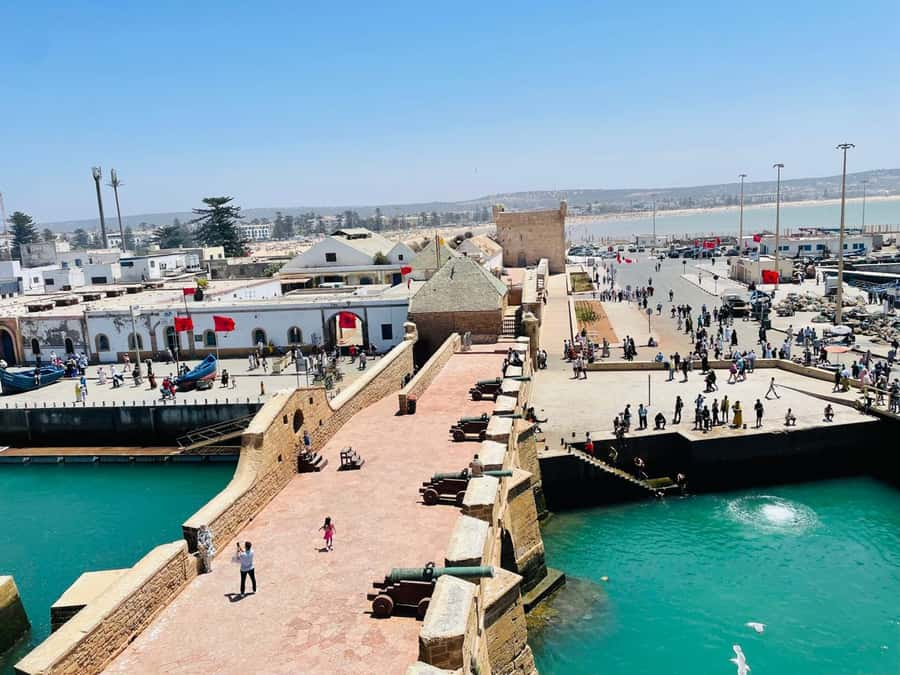
Your meeting point is in front of Bab Sbaa, one of the main gates near Moulay Hassan Square. The booking information also refers to Café Vera in the square as the orientation point, so check the WhatsApp message sent the day before for the exact meeting arrangement and your guide’s name.
That small bit of planning matters in Essaouira. The port, square, Medina, and city gates sit close together, but a first visit can still feel confusing. Your guide gives you a quick outline of the city and explains how Essaouira grew as a fortified Atlantic port.
Moulay Hassan Square is a useful place to begin because it links the seafront, the port entrance, and the old town. You get broad views toward the Atlantic and a sense of how much of Essaouira’s life still faces the water.
The tour is offered in English, French, or Arabic. Guides named in recent bookings include Ahmed, Zaid, Said, Rachid, Youness, and Ayoub. English ability has been praised repeatedly, but your booking message should confirm the language and meeting details.
More Fish Market Tours around Morocco:
- Essaouira: Sqala du Port, Medina Ramparts & Fish Market Tour
★ 4.7 · 212 reviews - Tokyo Tsukiji Fish Market Food and Culture Walking Tour
★ 5.0 · 3,184 reviews - Tokyo: Tsukiji Fish Market Food and Walking tour
★ 5.0 · 1,724 reviews
Sqala du Port, cannons above the Atlantic
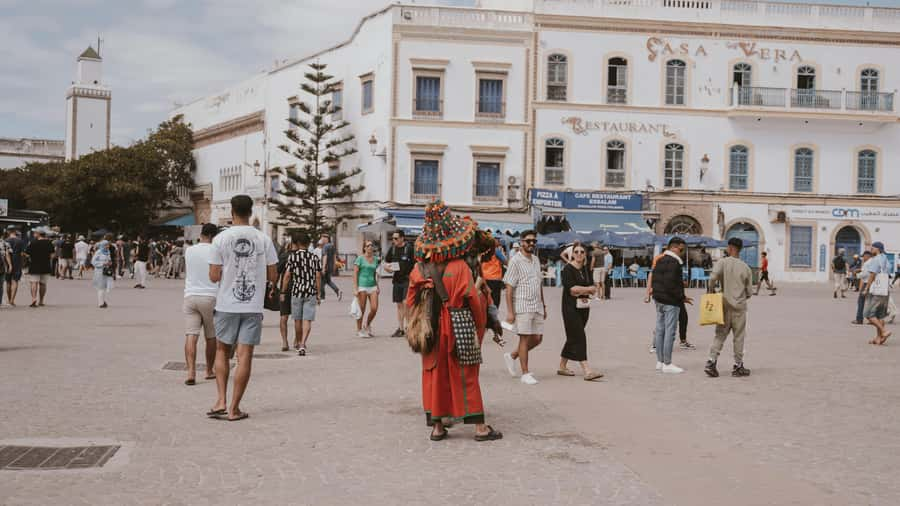
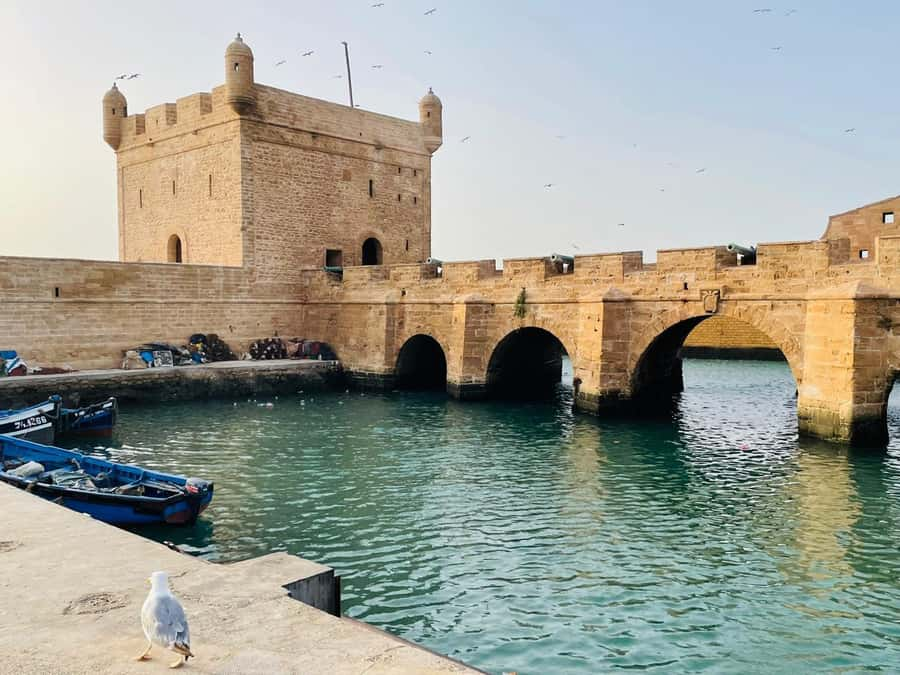
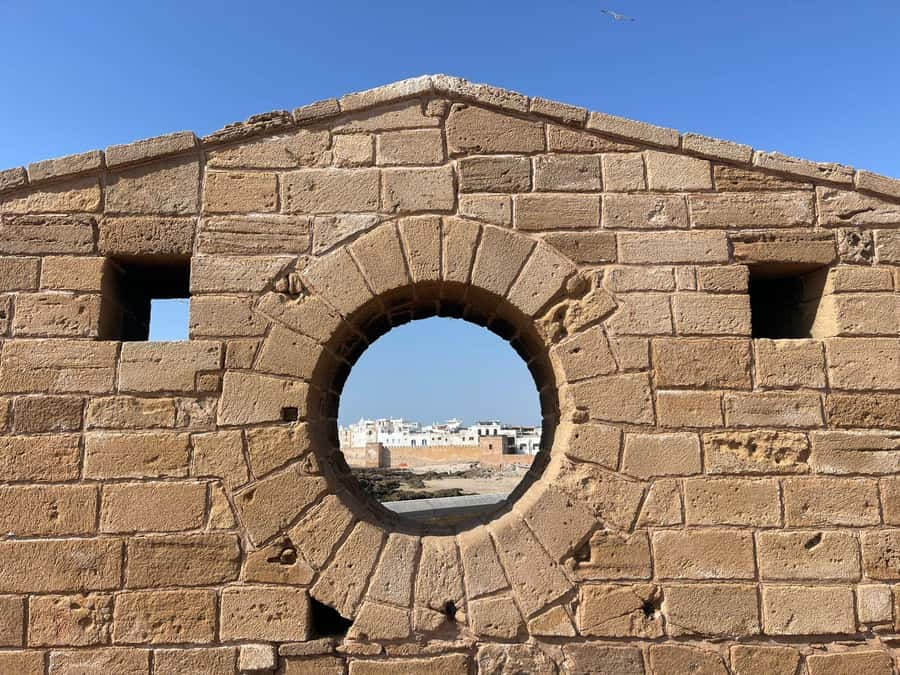
The first major stop is Sqala du Port, an 18th-century bastion built to protect the harbor. Its stone ramparts and rows of old cannons make this the most immediately dramatic part of the walk.
I like this stop because it gives the city’s history a physical shape. You are not just hearing about trade and military power in a museum room. You are standing beside the defenses, looking toward the ocean that made Essaouira important and exposed.
Allow around 40 minutes here, including the guided explanation, photographs, and free time. The sea views are wide, and the fortifications make good photo settings, especially if you want images that show both the port and the Atlantic.
Your guide explains the city’s Portuguese connection and its later development as a fortified trading center. The supplied material describes Essaouira as a city built by the Portuguese, while the tour itself focuses on the broader story of colonial influence, trade, and cultural exchange. Listen for that wider context rather than treating the city as a single-period monument.
Wind can be a factor on the seafront. Essaouira is a coastal city, and the open ramparts offer little shelter. Wear comfortable shoes and bring a light layer, even if the day begins warm.
The Essaouira Citadel and its optional entrance
The next stop is the Essaouira Citadel, another part of the old defensive system. The visit lasts about 20 minutes and includes time for photographs, guided explanation, and a short look around.
The citadel helps connect the port bastion with the city behind it. From here, you can better understand why Essaouira’s walls were placed where they are, protecting a strategic Atlantic settlement and its trade routes.
The entrance is described as optional, so clarify with your guide what is included on your chosen booking option. The tour information also says skip-the-line monument entry is included, but the citadel is specifically marked optional. That is not necessarily a problem, but it is worth confirming before you arrive if entering the fort is important to you.
This stop is brief. You should think of it as a focused introduction rather than a long fortress visit. If military architecture is your main interest, you may want to return later with more time.
The Mellah, Essaouira’s old Jewish Quarter
From the fortifications, the walk moves into the Mellah, Essaouira’s former Jewish Quarter. The stop lasts about 15 minutes, so expect a compact explanation rather than a detailed architectural survey.
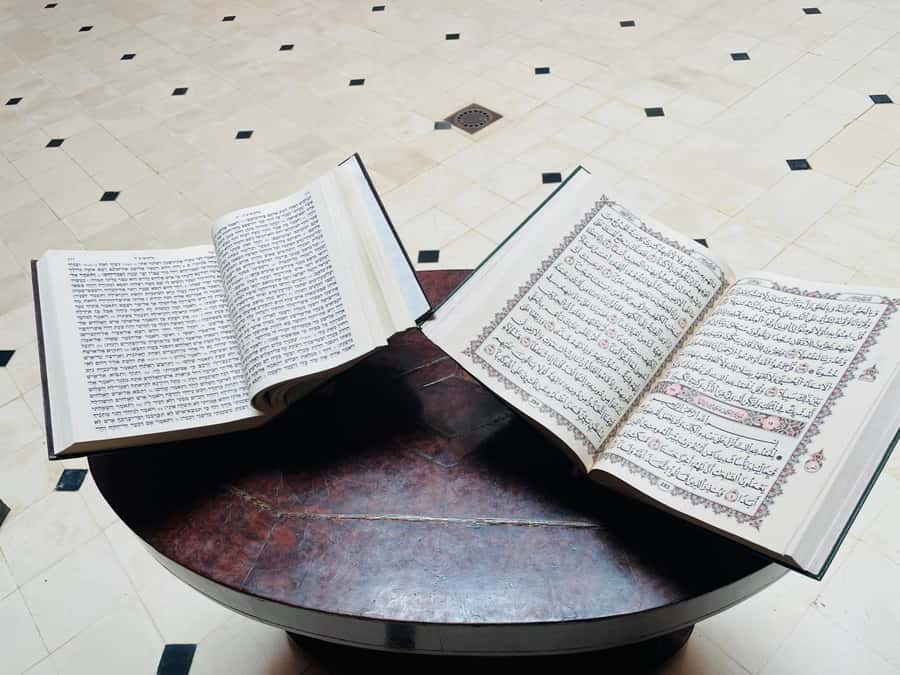
The Mellah gives you a different way to read the city. Its buildings and street pattern reflect the long presence of Jewish residents within Essaouira’s commercial and civic life. Your guide discusses the peaceful coexistence of Jewish and Muslim communities over the centuries.
This part is particularly useful because it keeps the city’s story from becoming only Portuguese, military, or seaside scenery. Essaouira was shaped by several communities and by its role in trade. The Mellah provides a direct reminder of that shared urban past.
Look closely at the architecture as you walk. The tour description points to distinctive features, but it does not promise entry into a particular synagogue, house, or religious building. The value here comes from the guide’s explanation and the chance to notice details you might otherwise pass without understanding.
More market tours around Morocco:
- Marrakech: Bahia Palace, Saadian Tombs, Souk and Medina Tour
★ 4.7 · 4,974 reviews - Marrakech: Ben Youssef, Secret Garden, & Souks Walking Tour
★ 4.6 · 2,802 reviews - Marrakech: Colorful Medina Souks Guided Walking Tour
★ 4.7 · 2,470 reviews - Marrakech: Traditional Moroccan Cooking Class & Market Visit
★ 4.8 · 1,861 reviews
One hour inside the UNESCO-listed Medina
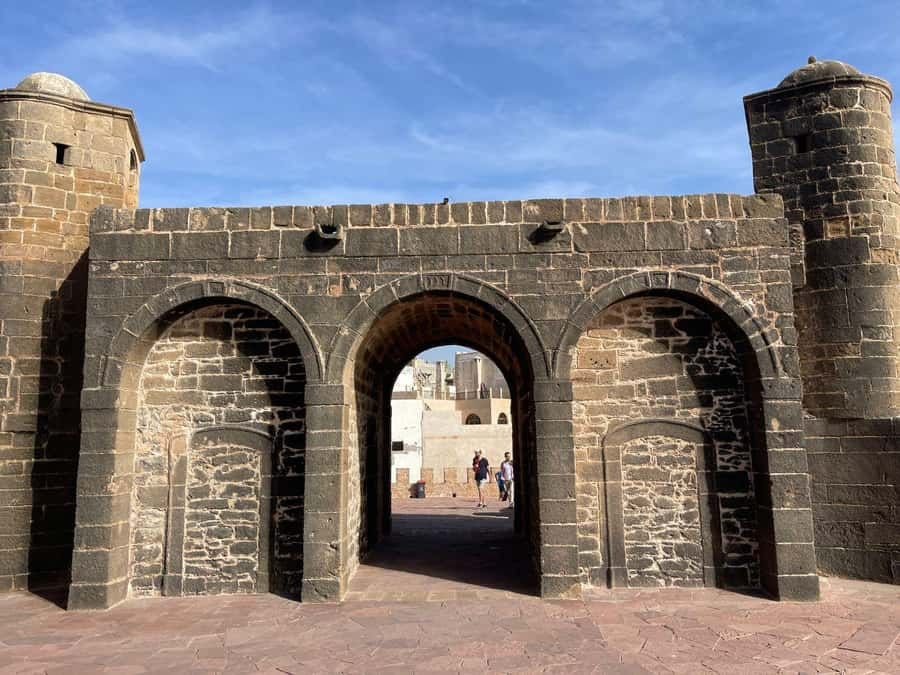
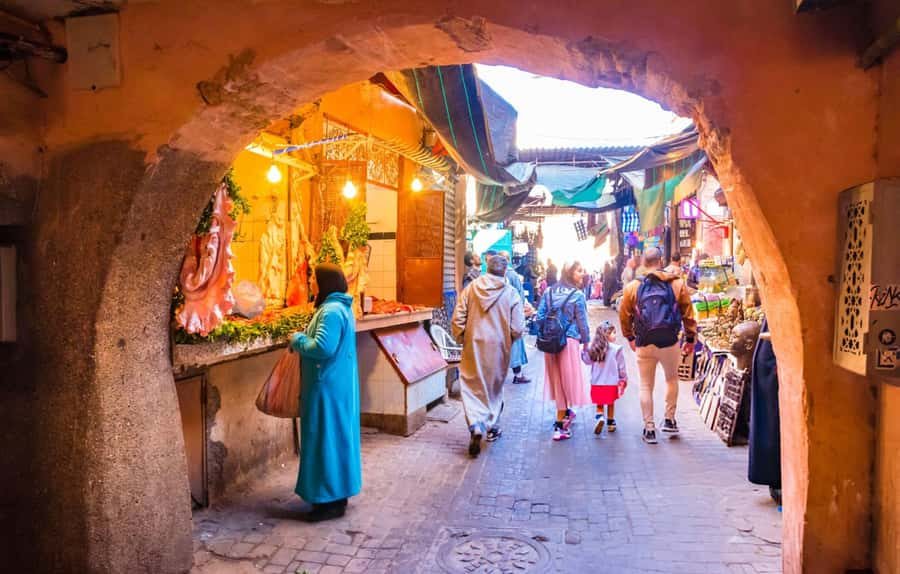
The longest part of the walking tour takes place in the Medina, with about an hour for guided sightseeing, photographs, and free time. This is where the tour becomes less about one monument and more about how Essaouira works as a living old town.
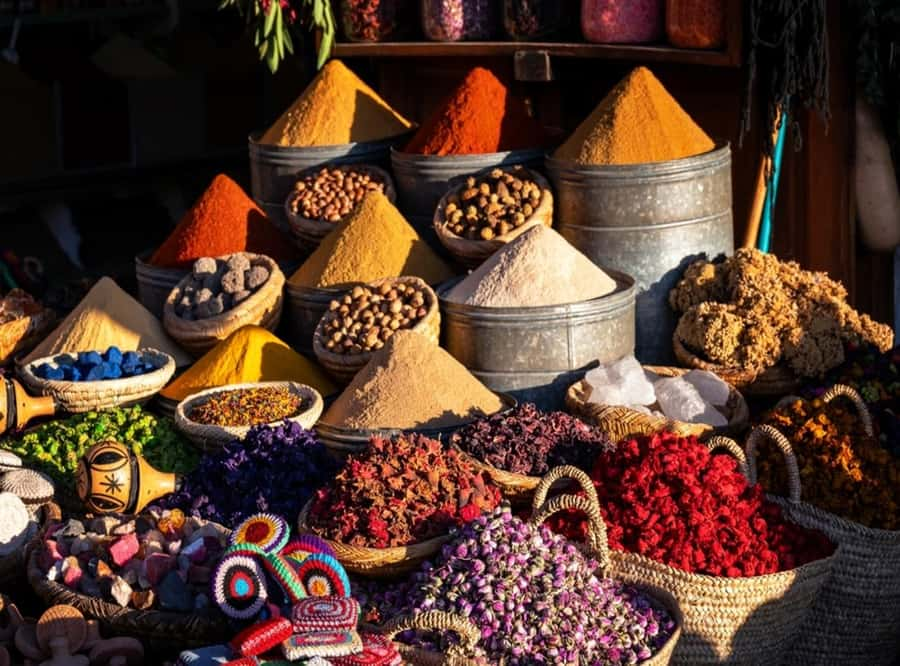
The Medina is known for whitewashed buildings, blue shutters, artisan shops, and narrow lanes. You might see woodcarving, weaving, and other traditional crafts as you move through the souks. Your guide can explain the difference between a place aimed at visitors and a shop serving local needs, although the exact stops can vary.
I find this section most useful for first-time visitors because the guide helps you get your bearings. One solo customer said the tour made navigating the Medina easier for the rest of the stay. That is a real benefit: after the walk, you can return to the lanes that caught your eye without spending your first day simply trying to understand the layout.
The free time matters, too. A tightly scripted walk can leave you with photographs but no chance to look. Here, you have room to pause at a craft shop, study a doorway, or ask about a neighborhood detail.
You should not expect a full shopping expedition in one hour. If you want to compare woodwork, textiles, or silver, use the tour to learn where to look, then come back later. Ahmed, for example, has offered practical advice about buying silver and fish.
Moulay Hassan Square and the Atlantic view
The route includes Moulay Hassan Square, where you can look back toward the waterfront and the old city. It is both a sightseeing stop and a useful orientation point because several important parts of Essaouira meet here.
The square gives you a more open view after the enclosed Medina lanes. You can take photographs, listen to more local history, and see how the port area connects with the old town.
The exact order can vary. The supplied route places Moulay Hassan Square among the stops and returns to Bab Sbaa, while the meeting instructions also use the square as the initial orientation area. Think of it as part of the walking circuit rather than a separate attraction with a fixed presentation.
Ending at the Fish Market
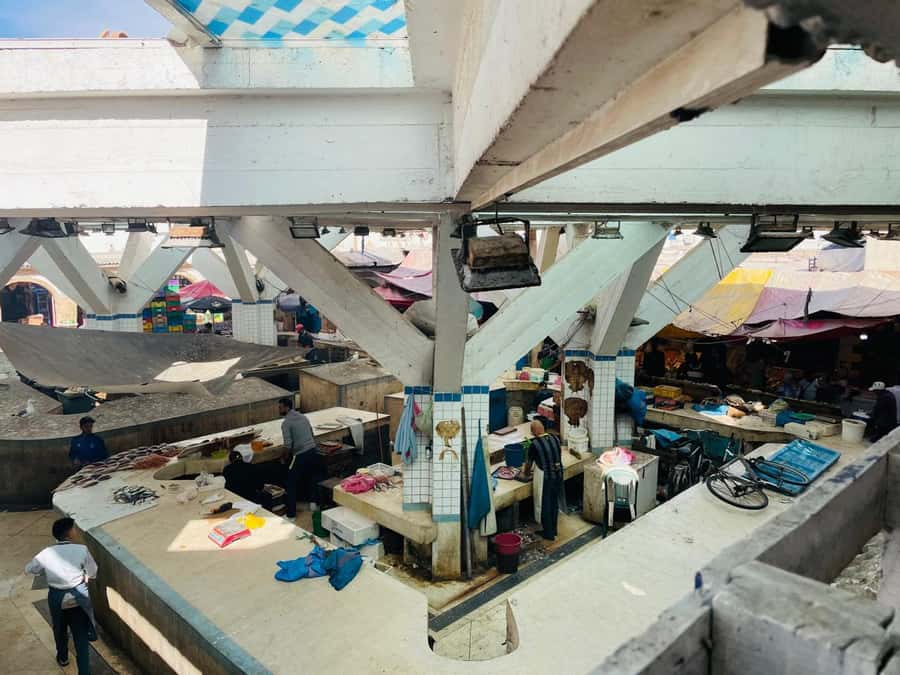
The tour finishes at the Fish Market, where fresh Atlantic catch is sold. This is a strong ending because it shifts the focus from walls and monuments to daily work.
You can expect an active market setting, with fish being traded close to the port. The attraction is not polished display. It is the chance to see a local food system in operation and understand why the harbor still matters to Essaouira’s identity.
Your guide can explain fishing traditions and the life of local fishermen. The market may be more interesting to you if you enjoy ordinary city life than if you want another historic building. It can also be a useful place to ask about buying fish, though the supplied information does not promise a meal, cooking demonstration, or tasting.
Keep in mind that fish markets are working places. The sights and smells are part of the experience, and the atmosphere may not suit everyone. Still, as a final stop, it gives the tour a practical finish and avoids leaving you with only postcard views.
What the $23 price really gives you
At $23 per person, this is a modestly priced introduction to Essaouira. The value comes from having a licensed guide connect the port, fortifications, Jewish Quarter, Medina, square, and fish market in one route.
You are paying for interpretation as much as walking time. Without a guide, you can reach the Sqala, stroll through the Medina, and visit the market. What you may miss is how the sites relate to one another, why the walls were built, and how trade and different communities shaped the city.
The price includes the guided walk, the UNESCO-listed Medina visit, free time at points of interest, and stated skip-the-line access to monuments. Hotel pickup and drop-off are not included, so you must reach Bab Sbaa yourself.
A private group option is available. It may be worth considering if you want to ask many questions, set a slower pace, or focus on a particular subject such as architecture, fishing, or Jewish heritage. A shared tour is the cheaper choice and can still work well, especially for a short first look.
One unusual advantage is that the tour may still operate when only one person books. That has happened on several occasions in the supplied booking feedback. You should not assume you will always receive a private walk, but it suggests the operator may be flexible rather than canceling automatically.
Timing, pace, and practical details
The stated duration is three hours. One customer described a four-hour walk, so allow some flexibility if the guide slows down for questions, photographs, or market activity. The official duration remains three hours, and starting times depend on availability.
A small delay of five to ten minutes may occur if other customers are late. Bring comfortable walking shoes, since the route includes ramparts, historic streets, the Medina, and market areas.
No hotel transportation is included. You meet at Bab Sbaa, and a WhatsApp message with the guide’s name and meeting location is sent the day before. Save that message and check it before setting out, particularly because Café Vera in Moulay Hassan Square is also used as a reference point.
The activity is listed as wheelchair accessible, but the supplied details do not explain which parts of the ramparts, citadel, or Medina may be difficult. If you use a wheelchair, ask the guide or customer service about the exact route before booking.
Cancellation is free up to 24 hours in advance, and you can reserve now and pay later. Those terms are useful if your Essaouira plans depend on transport or changing weather.
Who should book this Essaouira walk?
I would choose this tour if you have only a few hours in Essaouira and want the main historic areas explained in a sensible order. It is also a good first activity if you plan to stay longer, since it helps you return to the Medina and port with a basic map in your head.
The tour suits you if you enjoy history, architecture, local markets, and short conversations with a guide. It works particularly well for solo visitors, couples, and first-time visitors who do not want to spend their first hours guessing where the old town leads.
You may want something else if you prefer long visits inside monuments, extensive shopping time, or a food-focused experience. The Fish Market is visited, but there is no stated tasting or meal. The citadel is also a short stop, with the entrance described as optional.
Guide quality is central to the experience. Names such as Ahmed, Zaid, Said, Rachid, Youness, and Ayoub appear in the booking feedback, with praise for friendly explanations, strong English, local knowledge, and helpful advice. Ask for a guide who can match your interests if you book a private group.
Should you book it?
Book this tour if you want a well-priced orientation to Essaouira rather than a long, specialized study of one site. For $23, you get a licensed guide, a clear route through the port and Medina, local context, free time, and a useful introduction to the Mellah and fish trade.
I would especially recommend it early in your stay. The Sqala du Port gives you the big Atlantic view, the Medina walk helps you find your way, and the market shows you how the city still works beyond its monuments.
Skip it if you already know Essaouira well or want to wander without a schedule. Otherwise, it is a practical three-hour way to meet the city through its walls, lanes, communities, and working harbor.
FAQ
How long does the Essaouira walking tour last?
The stated duration is three hours. One booking description referred to a four-hour walk, so you should allow some extra flexibility if the guide spends longer on questions or photographs.
Where do I meet the guide?
The meeting point is in front of Bab Sbaa, also called Bab Sba. The information also refers to Café Vera in Moulay Hassan Square, so check the WhatsApp confirmation sent the day before for the precise location.
Which languages are available?
The tour is offered with live guides speaking Arabic, English, or French.
Is hotel pickup included?
No. Hotel pickup and drop-off are not included. You make your own way to the meeting point at Bab Sbaa.
What places does the tour visit?
The route includes Sqala du Port, the Essaouira Citadel, the Mellah, the UNESCO-listed Medina, Moulay Hassan Square, and the Fish Market.
Is entry to the citadel included?
The Essaouira Citadel entrance is marked optional. The activity also states that skip-the-line monument entry is included, so confirm the exact entry arrangement for your selected booking option.
Is the tour wheelchair accessible?
The activity is listed as wheelchair accessible. The supplied information does not give detailed access conditions for every rampart, citadel area, or Medina lane, so ask for route details before booking if needed.
Can I book a private tour?
Yes. A private group option is available, as well as a small group shared tour.
Can I cancel the booking?
You can cancel up to 24 hours in advance for a full refund.
Can I reserve now and pay later?
Yes. The booking terms allow you to reserve your place and pay later, which keeps your plans flexible.
New market tours around Morocco
- tangier: guided tour of the medina souks★ 3.7 · 11 reviews
- Souks tour of Marrakech ( 3 hours )★ 5.0 · 5 reviews
- Marrakech: Hidden Souks Shopping Tour with Private Guide★ 4.1 · 53 reviews
- Marrakech: Half-Day Medina Markets Tour★ 4.5 · 11 reviews
- Edgy 8 Dish Private, Fusion Cooking Class, Menu Plan, Market★ 4.9 · 31 reviews
- Marrakech: Bahia Palace, Madrassa & Souks Guided Tour★ 4.8 · 47 reviews
- Marrakech: Vibrant Souks, Local Artisans & Medina Experience★ 4.5 · 66 reviews
- Marrakesh: Private Cooking Class & Local Market Shopping★ 4.7 · 15 reviews
Morocco Market Tours, side by side.
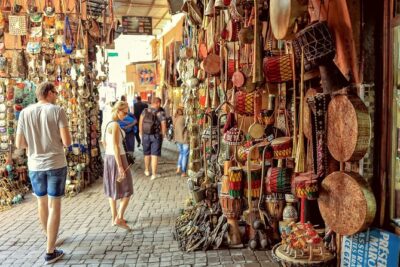
Marrakech: Bahia Palace, Saadian Tombs, Souk and Medina Tour
Read our review →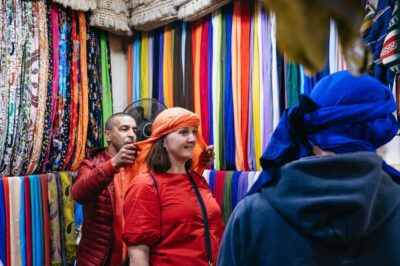
Marrakech: Colorful Medina Souks Guided Walking Tour
Read our review →
Marrakech: Traditional Moroccan Cooking Class & Market Visit
Read our review →
Moroccan Cooking Class & Marrakech Market Visit with Chef Khmisa
Read our review →
Marrakesh: Guided Souk Shopping Tour with a Local Guide
Read our review →
Shopping in the Souks of Marrakech Private Tour
Read our review →
Marrakech: Bahia Palace, Ben Youssef Medersa, & Souks Tour
Read our review →
Fes: Royal Palace, Madrasa, Tannery & Souks and Medina Tour
Read our review →This tour also appears in