
Review · BEIJING
Flavors of Beijing: Eat Like A Real Chinese
The best part of this Beijing experience happens before you ever touch a wok. Chef Chao leads you through a local market, explains unfamiliar produce and sauces, and helps choose ingredients for the meal ahead. You then walk through a hutong to a family home and cook together.
I like the market-to-table setup and the chance to learn real knife and wok skills instead of watching a polished demonstration. I also like the small group size, capped at 12, though several sessions have been intimate enough to feel nearly private. The main drawback is that the timing is unclear: the booking details say about three hours, while the full description calls it a five-hour class.
- Market shopping comes first: Learn what you are buying before cooking it.
- Chef Chao teaches in English: His patient instruction covers sauces, spices, knife work, woks, and dumpling technique.
- The setting is genuinely local: Cooking takes place in a family home reached through a Beijing hutong.
- The menu changes: You may prepare dumplings, dim sum, noodles, or several Chinese main dishes.
- Vegetarians have an option: At least one vegetarian dish is made each day, with a fully meat-free menu on one selected day.
- Come ready to eat: Ingredients, food tasting, equipment, and the market visit are included, but beer and other drinks at Great Leap Brewing are not.
Why this Beijing cooking class feels different
Many cooking classes begin with a pile of measured ingredients waiting on a counter. This one begins at the market. That simple change matters. You see the vegetables, meats, spices, sauces, and unusual products in their natural setting, then learn why certain items belong in the dishes you are about to make.
The class is led by Chef Chao, who is described as fluent in English, patient, and willing to answer detailed questions. The teaching appears to be practical rather than theatrical. You learn how to handle a Chinese cleaver, use a wok, build sauces and marinades, and shape dumplings. The recipes are also provided to take home, a useful extra if you want the class to continue in your own kitchen.
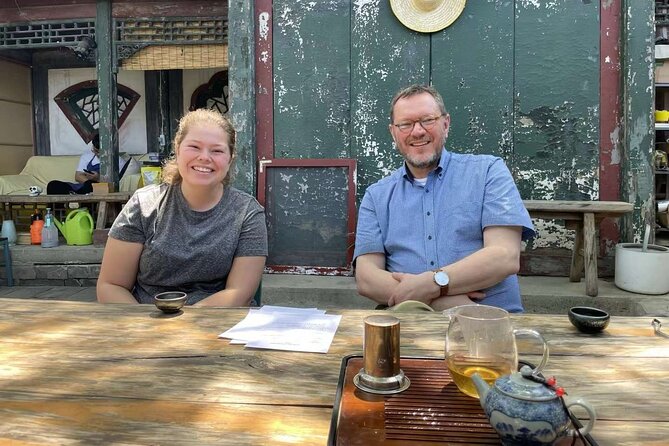
I especially like the local-home setting. You are not cooking in a large studio designed for tourists. You walk down a hutong, enter a lived-in neighborhood space, and sit at a family table to eat what you made. That gives the meal a human scale, though it also means this is not a polished restaurant or a spacious professional kitchen.
The market walk from the Bell and Drum Towers
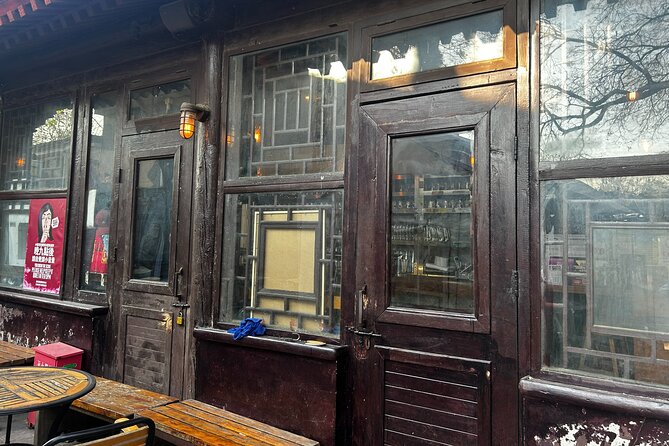
The meeting point is on Jiu Gu Lou Da Jie near Beijing’s Bell and Drum Towers, with a start time of 12:00 p.m. The location is near public transportation, but the supplied address is easier to use on a phone than to recognize by sight. One useful warning from past participants: there may be no large outside sign for the cooking school, so pay close attention to the numbered addresses.
From the meeting point, the market visit sets the tone. Chef Chao points out the produce and explains how it is used in Chinese cooking. You may see familiar items such as cherries and kohlrabi alongside less familiar foods, unusual meats, different kinds of noodles, and products that can be difficult to identify without help.
The market is not just a shopping stop. It is a lesson in how Chinese cooking starts with selection. You can ask about flavor, origin, texture, and preparation before choosing ingredients. The food for the class is included in the price, so you do not need to bargain over the cost of the meal or worry about buying the wrong item.
Some sessions include visits to two local markets and a small breakfast or food tasting along the way. That detail is not guaranteed in the basic description, so treat it as a possible part of the day rather than a fixed promise. The market itself can be busy and full of strong smells, close stalls, and unfamiliar sights. If you prefer quiet, tidy shopping, this may feel like work. If you want a direct look at daily food culture, it is one of the strongest parts of the experience.
More stalls, halls and bazaars to walk around China:
- Mini Group Xian Day Tour to Terracotta Army, City Wall, Pagoda and Muslim Bazaar
★ 5.0 · 1,320 reviews - Half-Day Chengdu Cooking Class with a Local Market Visit
★ 5.0 · 465 reviews - Shanghai Day Tour to Zhujiajiao Water Town, Yu Garden, Bazaar, Bund
★ 5.0 · 162 reviews
Hutong streets, Yandai Xie Street, and Yinding Bridge
After shopping, you walk through a hutong toward the cooking location. This is a good transition. You have seen the ingredients in the market, and now you follow them back into an older residential part of Beijing rather than heading straight to a commercial cooking school.
The route information also lists Yandai Xie Street and Yinding Bridge. These are well-known stops in the old area around the Drum Tower, and they give the outing a little more neighborhood context. Yandai Xie Street is lined with shops and food businesses, while Yinding Bridge provides a recognizable crossing near the historic waterways and hutong lanes.
The exact order of these points can vary, and the experience is primarily about food rather than sightseeing. Do not book it as a substitute for a full Beijing landmarks tour. The value lies in seeing how the market, alleyways, home kitchen, and shared meal connect.
Songzhu Temple and Zhizhu Temple are also listed among the stops. Their inclusion adds another layer to the walk, but the available details do not promise a formal temple tour or extended historical commentary. Think of these places as part of the neighborhood route, not the main event.
Condiments, cleavers, and the first hands-on lesson
Before the cooking begins, you learn about condiments and seasonings. This is important because Chinese food often depends less on a long list of ingredients than on using a few strong ones in the right balance.
Chef Chao explains sauces, marinades, and the way seasonings shape different dishes. You are not simply told to add an amount from a recipe. The class helps connect taste with technique, which is more useful when you try to cook at home and do not have exactly the same brands or produce.
The cleaver lesson is another practical feature. A Chinese cleaver can look intimidating, especially if you normally use a small Western chef’s knife. The point is not speed or fancy tricks. You learn how to prepare ingredients safely and efficiently, then apply that skill to the meal.
The kitchen can become hot, particularly in August, and the cooking area is not presented as a cool, spacious classroom. That is worth knowing if you dislike heat or find standing and chopping tiring. The tradeoff is a more ordinary home-style setting, where the cooking feels connected to daily life.
Dumplings, dim sum, noodles, and main dishes
The menu changes by day, so you should not expect one fixed meal. Some sessions focus on dim sum and dumplings. Others cover several main dishes inspired by different Chinese food traditions. At least one vegetarian dish is prepared every day, and one day of the weekly schedule offers a fully vegetarian menu.
Dumpling days can be especially hands-on. You may prepare the dough, fillings, sauces, and different cooking methods. Past menus have included vegetarian, pork, and beef fillings, with dumplings boiled, steamed, and fried. You also learn how to fold and crimp the dough, a small skill that is harder than it looks.
The dim sum menu may include barbecued pork buns, stir-fried noodles, and sesame rolls. Main-dish sessions may feature steamed ginger fish, sweet and sour pork, and stir-fried chili beef. These examples show the range, but the daily menu is not fixed, so check the schedule if a particular dish matters to you.
Some people have made three types of noodles, while others have prepared four dishes. The portion of food can be generous, especially if the group is small. On a one-person session, the amount may feel excessive, but that also gives you more direct time with the instructor.
Vegetarians and vegans should state their needs when booking or before the class. A meat-free menu is available on a selected day, and vegan cooking has been accommodated in past sessions. Still, the menu varies, so do not assume every departure can provide the same arrangement.
Same city, another market:
- Organic Chinese Dumpling Class with Market Walk
★ 5.0 · 88 reviews - Xi’an: Terracotta Army, Lunch, City Wall, Pagoda, Bazaar
★ 5.0 · 72 reviews - Organic Xiao Long Bao Soup Dumpling Class & Market Walk
★ 5.0 · 62 reviews - Chengdu: Cooking Class with Fresh Market Half Day Experience
★ 5.0 · 42 reviews
Eating at the family table
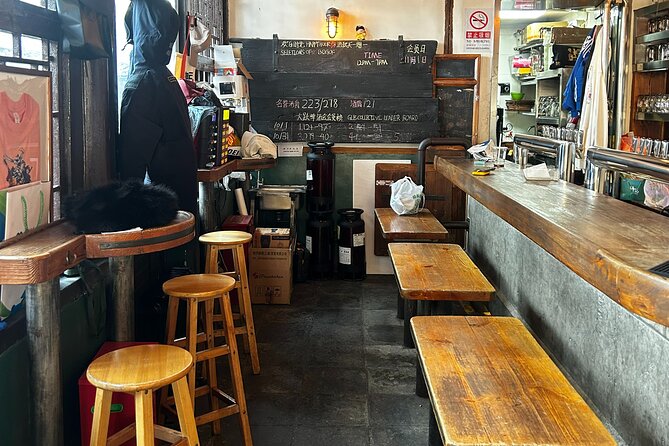
Once the dishes are finished, you sit down and eat together. This is more than a tasting of one small bite from each recipe. The format is a shared meal, and the food you prepared becomes the center of the table.
That final meal gives you time to ask questions, compare techniques, and talk with the guide and the other people in the group. Solo visitors may find this especially pleasant because the class naturally creates conversation without forcing a formal social activity.
The group maximum is 12 people, but some sessions have had only one, two, or three participants. A very small group can provide close instruction and a chance to ask every question. A larger group may feel more social, but you may have to wait your turn at the counter or stove.
The recipes and techniques provided afterward add real value. You can use them to make quick Chinese meals at home, and the notes help solve the common problem of forgetting the exact sauce balance once a class is over.
Great Leap Brewing and the limits of the schedule
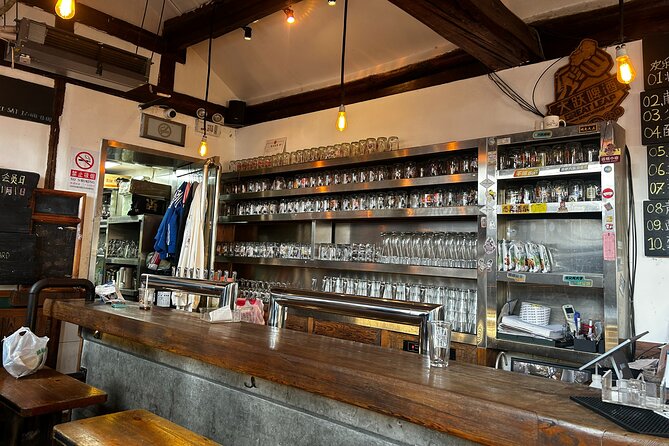
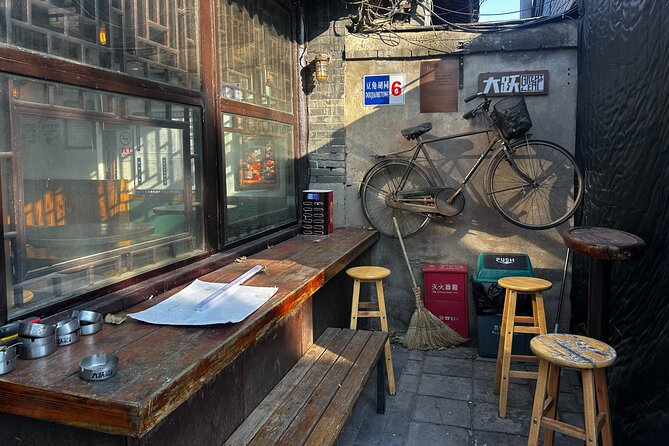
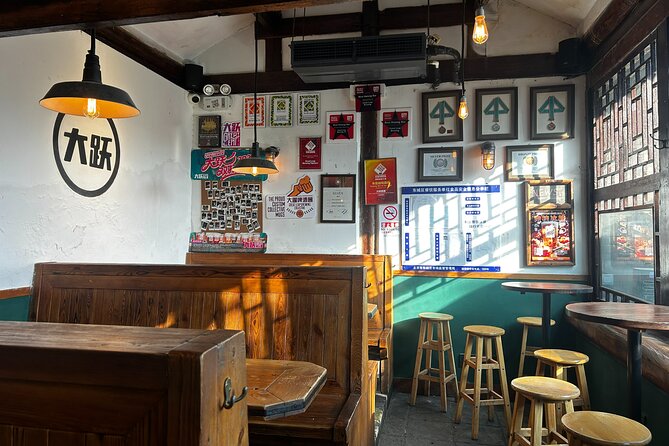
Great Leap Brewing Original #6 appears among the listed stops. Beer and drinks there are not included, so budget separately if the group stops for a drink. The brewery is an optional extra in financial terms, even if it forms part of the route.
The timing deserves careful attention. One part of the information describes the experience as approximately three hours, while the full overview calls it a five-hour cooking class. The detailed plan includes a market walk, cooking, eating, and several neighborhood points, which could make the longer estimate plausible, but you should confirm the expected end time before booking anything immediately afterward.
The listed end point is the original meeting point. Hotel pickup and drop-off are not included. You will need to reach the central meeting location yourself and make your own way back to your hotel after the activity.
Is the $99 price good value?
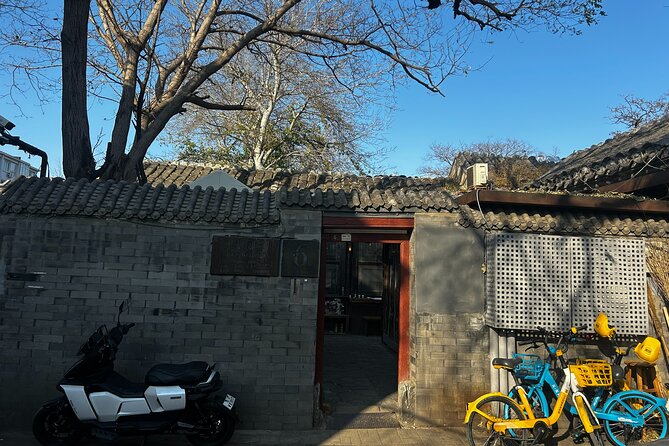
At $99 per person, this is not the cheapest way to eat in Beijing. You can buy a filling local meal for far less. The question is what you are paying for beyond food.
The price includes the market visit, food tasting, ingredients, cooking equipment, English-speaking guide, hands-on instruction, and the meal you prepare. You also get access to a local home setting and recipes to use later. For someone who wants an actual skill rather than a restaurant meal, that package is reasonable.
The value improves if you want a small group. A class capped at 12 is more useful than a large demonstration where you can barely see the work surface. If your group is very small, you may receive near-private attention without paying for a private booking.
The value is weaker if you only want to see Beijing’s major sights or if you dislike cooking. You will spend a substantial part of the outing chopping, shaping, stirring, and waiting for food to cook. The activity makes sense for people who see cooking as part of the holiday, not as a break from sightseeing.
Who should book this experience?
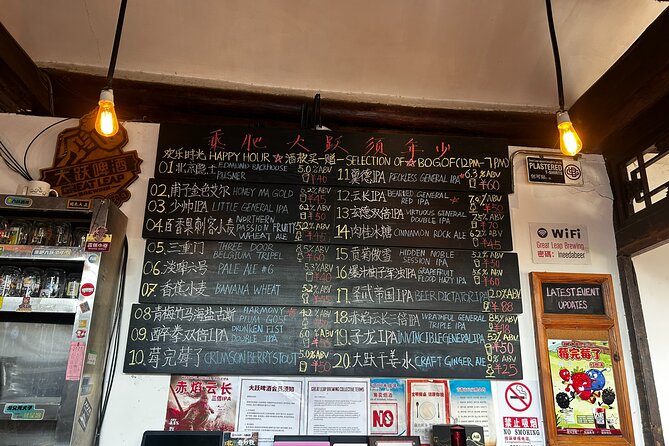
I would choose this class if you want a local food experience with real participation. It suits first-time visitors who want a gentle introduction to Chinese ingredients, home cooks who want better technique, and solo visitors who would like a meal with a small group.
It is also a good choice early in your Beijing stay. The market, hutong walk, and family kitchen can help you get your bearings in the city through food rather than monuments. The class works well for couples and families too, provided children can behave safely around a cleaver, hot wok, and busy kitchen.
I would think twice if you need a precise timetable, have mobility concerns that make market walking difficult, or expect a fully air-conditioned cooking studio. The class involves walking, standing, handling food, and sharing a home kitchen. Most people can participate, but the informal setting will not suit every style of visitor.
The experience has earned a 4.9 rating from 78 reviews, with 99 percent recommending it. The strongest praise centers on Chef Chao’s patience, the market explanations, the local home, and the delicious results. Those are also the elements that give the tour its real value.
Should you book Flavors of Beijing?
Book it if you want to understand Chinese food from the market stall to the family table. Chef Chao’s teaching, the changing menus, the hutong setting, and the chance to make dumplings or several dishes create a useful, memorable half-day.
Before paying, confirm the day’s menu, especially if you need a vegetarian or vegan meal, and clarify whether your departure is expected to last three hours or five. Also allow time to find the meeting point and remember that drinks at Great Leap Brewing are extra.
If you want a polished kitchen, a fixed menu, or a quick food stop between major sights, choose something else. If you want to shop, chop, cook, eat, and leave Beijing with recipes you can actually use, this is a strong pick.
FAQ
Where does the cooking class begin?
It begins at a central meeting point on Jiu Gu Lou Da Jie near Beijing’s Bell and Drum Towers. The listed location is near public transportation.
What time does the experience start?
The stated start time is 12:00 p.m.
How long does the experience last?
The information gives two different durations. One section says approximately three hours, while the full description calls it a five-hour cooking class. Confirm the expected finish time before booking later plans.
What is included in the price?
The price includes the local market tour, food tasting, ingredients, cooking equipment, and a professional English-speaking guide. The meal you prepare is also eaten as part of the experience.
Is hotel pickup included?
No. Hotel pickup and drop-off are not included. You must reach the meeting point yourself, and the activity ends back there.
What dishes might I prepare?
The menu changes by day. Possible dishes include dumplings, dim sum, barbecued pork buns, stir-fried noodles, sesame rolls, steamed ginger fish, sweet and sour pork, and stir-fried chili beef.
Is there a vegetarian menu?
At least one vegetarian dish is prepared each day. A fully vegetarian menu is offered on one selected day of the week. Vegan arrangements have also been accommodated, but you should confirm the menu in advance.
How large is the group?
The maximum group size is 12 people. Some sessions may have fewer participants, including one-person or very small classes.
Are drinks at Great Leap Brewing included?
No. Beer and other drinks at Great Leap Brewing Original #6 are not included.
Can I cancel for a full refund?
Yes, if you cancel at least 24 hours before the experience start time. Cancellations or changes made less than 24 hours in advance are not refunded or accepted.
New market tours around China
- Shanghai: Jing’an Temple, Yu Garden, and Bazaar Private Tour★ 5.0 · 3 reviews
- Xi’an: Terracotta Army, Lunch, City Wall, Pagoda, Bazaar★ 5.0 · 72 reviews
- Local Market Shopping Guide★ 4.8 · 4 reviews
- Hangzhou Insider Mini-Hike: TCM, Hill Views and Wet Market★ 5.0 · 3 reviews
- Chengdu: Cooking Class with Fresh Market Half Day Experience★ 5.0 · 42 reviews
- Beijing Market Tour with 10-course Family Feast★ 5.0 · 3 reviews
- Beijing: Vegan Home Cooking & Local Market Tour with Sanxia★ 4.8 · 4 reviews
- Beijing: Dumpling-Making Class with wet Market visit★ 5.0 · 9 reviews
Beijing Market Tours, side by side.
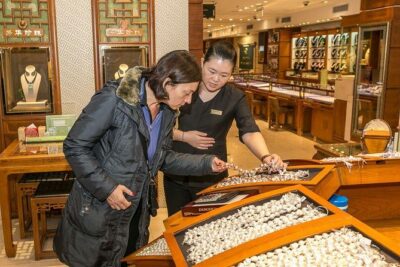
Private Beijing Markets Tour with Tea Tasting at Hongqiao Pearl Market
Read our review →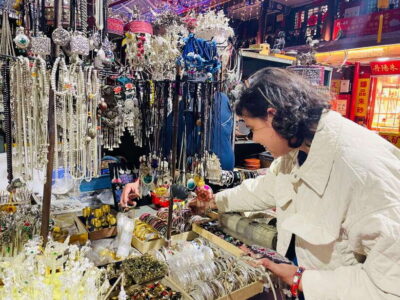
Night Market Haggling Adventure with an English Guide!
Read our review →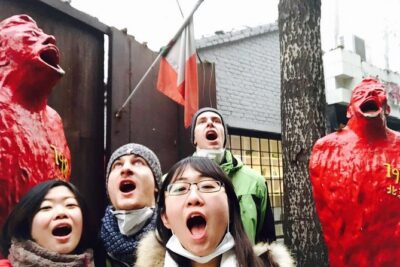
6-Hour Private Beijing Tour: Flower and Fish Market, Panjiayuan Antique Market and 798 Art Zone
Read our review →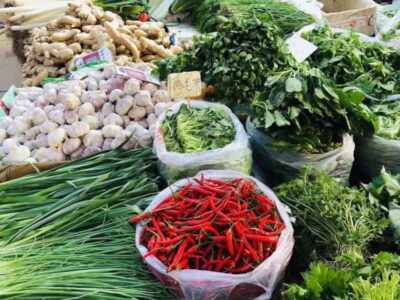
Beijing: Vegan Home Cooking & Local Market Tour with Sanxia
Read our review →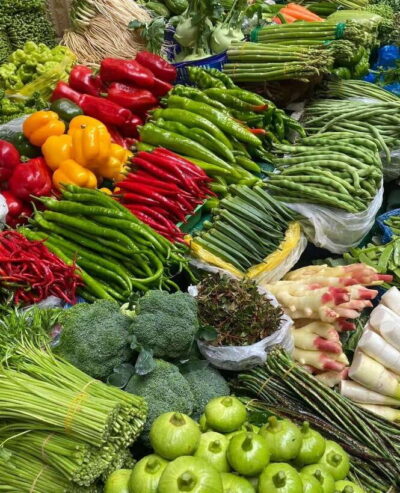
This tour also appears in