Review · HANOI
Hanoi: 5 Local Dishes Cooking Class with Meal & Market Visit
Hanoi’s best cooking lesson may be the one that starts before you reach the stove. At Apron Up Cooking Class, you visit a local wet market, watch the chef choose fresh ingredients, then turn those ingredients into five Hanoi dishes. You finish by eating the meal you helped prepare, with fruit, tea, and a little rice whisky.
I like the clear, hands-on format and the choice between two menus. I also like that the class works well for different cooking abilities, with guides such as Vy, Winnie, Bella, Ruby, and Kim praised for patient demonstrations and useful tips. The main consideration is the pace: five dishes in 3.5 hours means this is an active class, not a slow, private lesson focused on one recipe.
Key points at a glance
- Shop at a wet market first: See how fresh ingredients are selected before cooking begins.
- Make five dishes: Choose one of two menus, or take both classes to learn all ten recipes.
- Vegetarian-friendly menus: Meat-based dishes can be adapted for vegetarian diners.
- Skilled, friendly instruction: Vy, Winnie, Bella, Ruby, Kim, and other Apron Up teachers use clear demonstrations and step-by-step guidance.
- A full meal, not just a sample: Sit down together and eat the food you prepared.
- Useful take-home gifts: The cookbook and certificate make the class more valuable after you leave Hanoi.
Why this class works so well in Hanoi
A cooking class can easily become a staged demonstration where you watch a chef do the real work. This one puts you in the middle of the process. You help shop, prepare, cook, and eat, so the experience has a useful rhythm from start to finish.
The market visit gives the dishes a proper beginning. Instead of seeing ingredients only after they have been cleaned and measured, you watch the instructor select and buy them. That matters in Vietnamese cooking, where herbs, vegetables, noodles, meat, fish sauce, and seasonings need to work together in careful balance.
I also like the social side of the class. The meal is shared after the cooking, and people from different countries often end up working together at the cooking stations. It is a good choice if you are traveling alone and want an activity with natural conversation, but it also suits couples, families with older children, and small groups of friends.
The class has earned a perfect 5 rating from 420 reviews, and the praise is remarkably consistent in a few areas: the food tastes good, the guides are patient, and the organization keeps everyone busy. That does not mean every moment will suit every person. If you want a quiet lesson dedicated to one dish, this format may feel full. If you want to learn several recipes and eat a complete meal, the busy schedule is a strength.
More Market and Cooking Class Tours in Vietnam
- Hanoi Cooking Class: Culture, Local Market & Meaning CSR Impact
★ 5.0 · 5,147 reviews - 5 Traditional Dishes Hanoi Cooking Class with Market Trip
★ 5.0 · 4,890 reviews - Vietnamese Food Cooking Class in Hanoi with Market Experience
★ 5.0 · 778 reviews
Starting at the Old Quarter meeting point
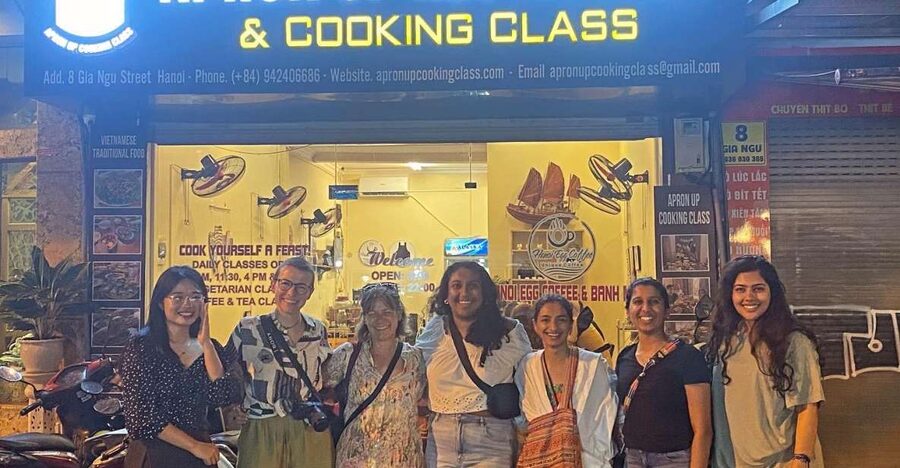
You meet at Apron Up Cooking Class in Hanoi’s Old Quarter. Look for the large Apron Up sign in front of the venue. Transportation is not included, so you need to make your own way there and return to the same meeting point when the class ends.
That simple arrangement is useful if you are staying in or near the Old Quarter. It also means you should allow enough time to find the venue, especially if you are walking through the narrow streets for the first time. Check the available starting times when booking, since the class is offered at scheduled times rather than as an open-ended drop-in activity.
The instructor teaches in English. The class is not suitable for children under four, wheelchair users, people with mobility impairments, or anyone over 95 years old. Those limits matter here because you visit a wet market and take part in active food preparation.
The wet market gives the recipes a local starting point
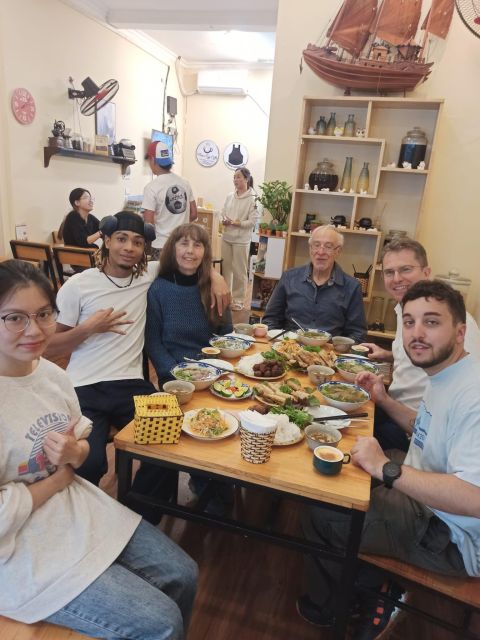
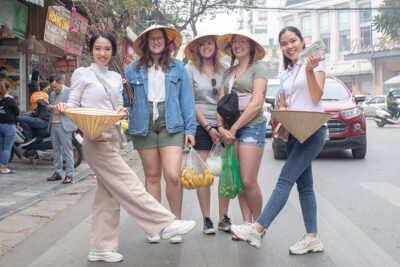
The market visit is more than a quick shopping errand. Your instructor selects and purchases the ingredients needed for the menu, while explaining how to shop for fresh produce. You get a look at the raw materials before they become polished cooking-school portions.
This is one of the most useful parts for anyone hoping to cook Vietnamese food at home. You can ask about ingredients, learn their names, and watch how the teacher judges freshness. One class member even noted that the instructor taught the group Vietnamese words for the ingredients they were using, a small touch that helps the recipes feel less remote.
The market is also where the experience feels most tied to Hanoi. The recipes are not presented as generic Asian cooking. They are connected to the food people eat in the city, including pho, bun cha, banh xeo, fresh rolls, salads, and egg coffee.
Do keep your expectations sensible. The provided information does not promise a long market tour or a food-history lecture. The purpose is to buy ingredients for the class and learn practical shopping tips. That makes it brief and focused, which is helpful when five dishes still need to be prepared.
Choose between two five-dish menus
You choose from two set menus, and each class includes five dishes. The first menu may include:
- Banh xeo pancakes
- Bun cha, grilled pork with noodles
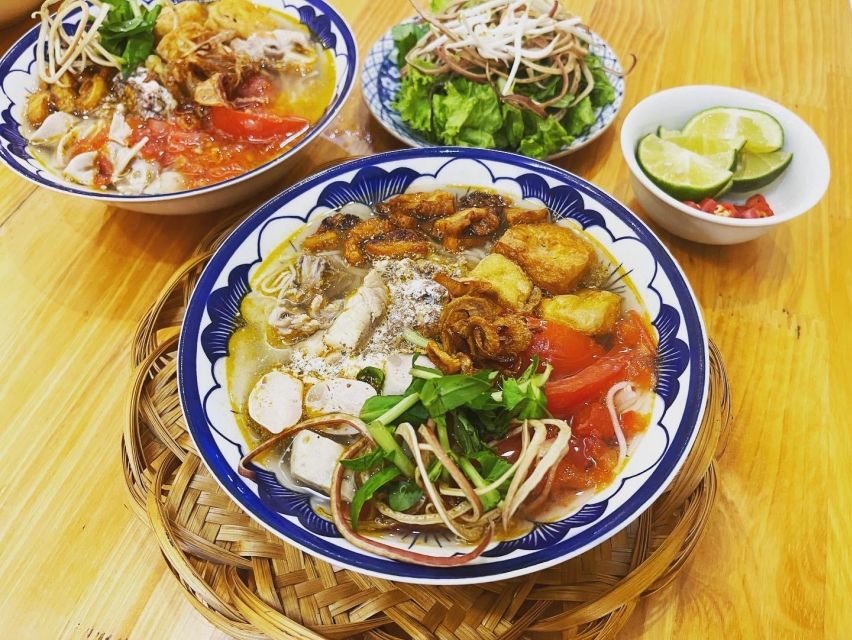
- Pork rib noodle soup
- Beef fresh rolls
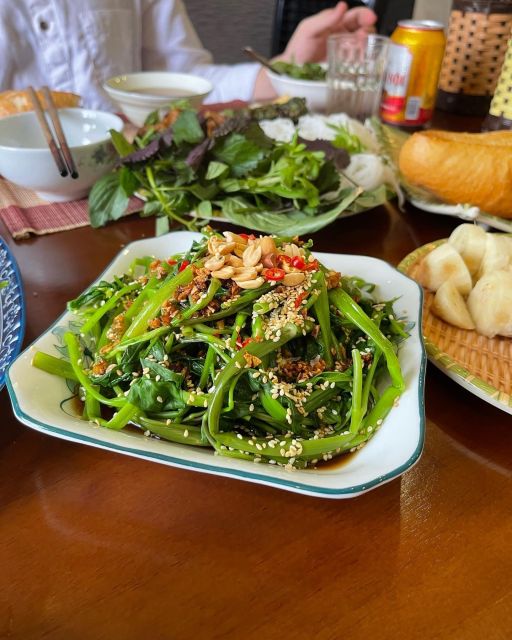
- Chicken salad
- Banana ice cream
The second menu may include:
- Pho
- Bun cha
- Fried spring rolls
- Papaya salad
- Egg coffee
The exact menu choice gives you a useful decision to make before booking. If Hanoi classics are your priority, pho and bun cha will likely be the strongest draw. If you want more variety in texture and technique, the menu with banh xeo, fresh rolls, soup, salad, and banana ice cream covers a wider spread of cooking tasks.
Bun cha appears in both menu options, which is sensible. It is one of Hanoi’s signature meals and gives you a chance to work with grilled pork, noodles, herbs, and dipping sauce. The two menus also make it possible to take both classes if you want to learn all ten dishes. That works best for food-focused visitors with enough time in Hanoi, not for someone trying to fit in a quick afternoon activity.
Vegetarian diners are catered for, with vegetarian versions of the dishes available. This is more than a token salad added to the table. The class can adapt every meal for vegetarian participants, so you should not feel as if you are watching other people eat the main event.
More Market and Cooking Class Tours in Hanoi:
- Hanoi Cooking Class and Market Tour in Ancient House
★ 5.0 · 379 reviews - Rose Kitchen Hanoi: Market, Cooking & Culture Tour + Free PickUp
★ 5.0 · 342 reviews - Hanoi: Cooking Class in a Local Villa with Market Tour
★ 4.9 · 320 reviews - Hanoi Maya Kitchen: Traditional Cooking Class & Market Tour
★ 5.0 · 287 reviews
Five dishes in 3.5 hours means hands-on cooking
The class lasts 3.5 hours, including the market trip, preparation, cooking, and shared meal. You receive step-by-step instruction, then take part in the work rather than simply watching a demonstration.
The teachers adjust to mixed ability levels. Ruby is praised for giving clear instructions and showing techniques again when needed. Vy is described as patient and accommodating for people with different cooking skills. That is important in a group class, where one person may cook regularly while another is only beginning.
The class also seems to divide tasks so everyone has something to do. One particularly useful feature is the steady movement from one preparation step to the next. You are not left standing around for long stretches while someone else cooks the whole dish.
Still, five dishes is a lot. You will learn the basic process for each recipe, but you should not expect a full professional-level lesson on every item. The best way to approach it is as an introduction to several Vietnamese cooking methods, with enough instruction to repeat the recipes at home.
The recipes cover different skills. You may work with batter for banh xeo, assemble fresh rolls, prepare noodle soups, mix salads, fry spring rolls, or whip up egg coffee. That variety helps you understand how Vietnamese meals balance fresh, crisp, savory, sweet, and aromatic elements.
The guides shape the experience
The Apron Up teachers receive the strongest praise in the feedback. That is worth paying attention to because the same menu can feel rushed or relaxed depending on the instructor.
Vy is repeatedly described as warm, patient, and helpful. She explains basic methods, offers tips for cooking the dishes at home, and keeps people with different skill levels involved. Winnie is praised for explaining ingredients at the market, discussing the origins of dishes, and creating a relaxed atmosphere. Bella is noted for being funny, engaging, prepared, and good at explaining each recipe.
Ruby’s teaching style suits beginners. Her instructions are clear, and she is willing to repeat a demonstration. Kim is also described as friendly, patient, and able to tailor the pace when a class has only one student. That last point matters because class numbers can vary. On quieter days, you might receive a more personal lesson, while a fuller class brings more shared energy.
There is one practical note about language. The instruction is in English, and one person found Bella occasionally difficult to understand. That does not appear to have spoiled the class, but if you rely on very slow, highly detailed verbal instruction, pay close attention during demonstrations and ask questions when needed.
Sit down to eat the meal you made
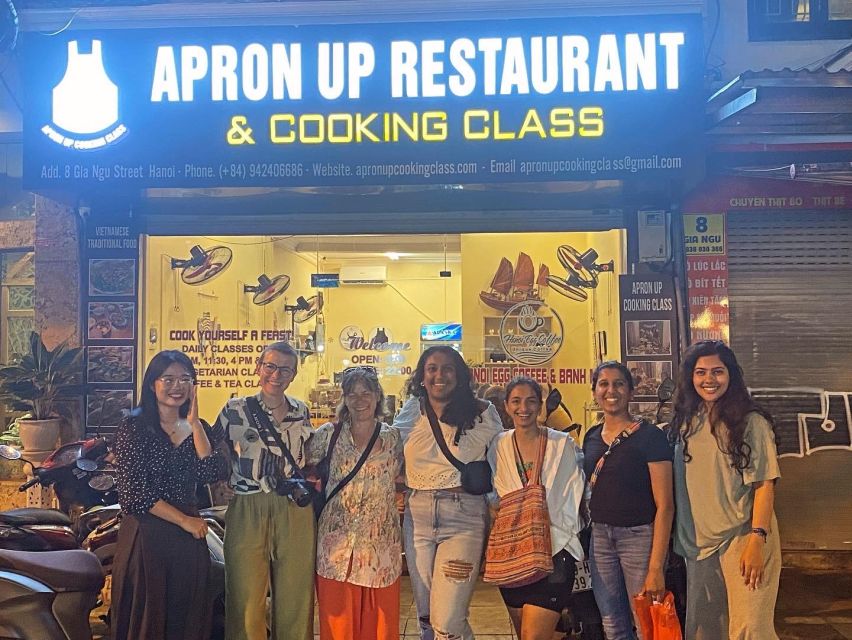
After the cooking, you sit down for lunch or dinner and eat the dishes prepared during the class. This is where the work pays off. You can taste the balance of the sauces, noodles, herbs, fillings, and seasonings while the techniques are still fresh in your mind.
I like this better than a class that sends you away with a few samples. A proper shared meal lets you compare the dishes and see how they fit together. It also creates an easy social finish. You have already worked as a team, so conversation around the table tends to come naturally.
Tea, seasonal fruit, and rice whisky are included. The rice whisky is a tasting, not the focus of the activity, but it adds a distinctly local touch. If you do not drink alcohol, the meal still includes plenty to enjoy, and the fruit provides a light finish.
The food is a major reason to book. People describe the finished dishes as delicious, including pho and spring rolls, and beginners report producing food they were proud to eat. That is a good sign for first-time cooks who may worry that their own work will not turn out well.
What the cookbook and certificate add
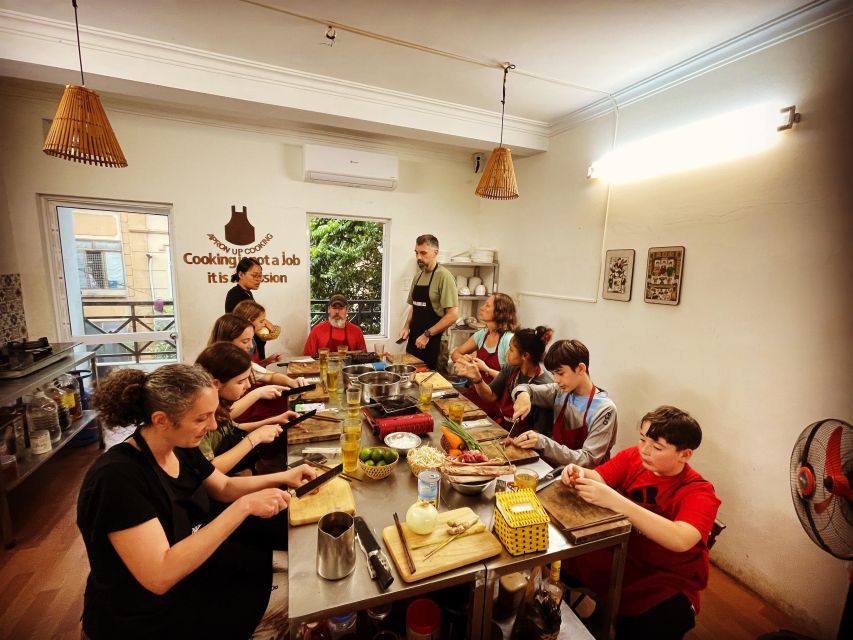
You receive a cookbook at the end, along with a certificate confirming that you completed the class. The certificate is a fun souvenir, especially for children and first-time cooking students, but the cookbook is the more useful item.
Recipes are easy to forget once you return home. A printed guide gives you a better chance of making the food again, particularly when you want to recreate pho, bun cha, spring rolls, salads, egg coffee, or the other dishes from your chosen menu.
The cookbook also helps you remember the class as a sequence of practical actions, not just a meal. You have seen the ingredients at the market, handled them in the kitchen, and eaten the finished food. That combination makes the recipes easier to picture later.
Is $40 a fair price?
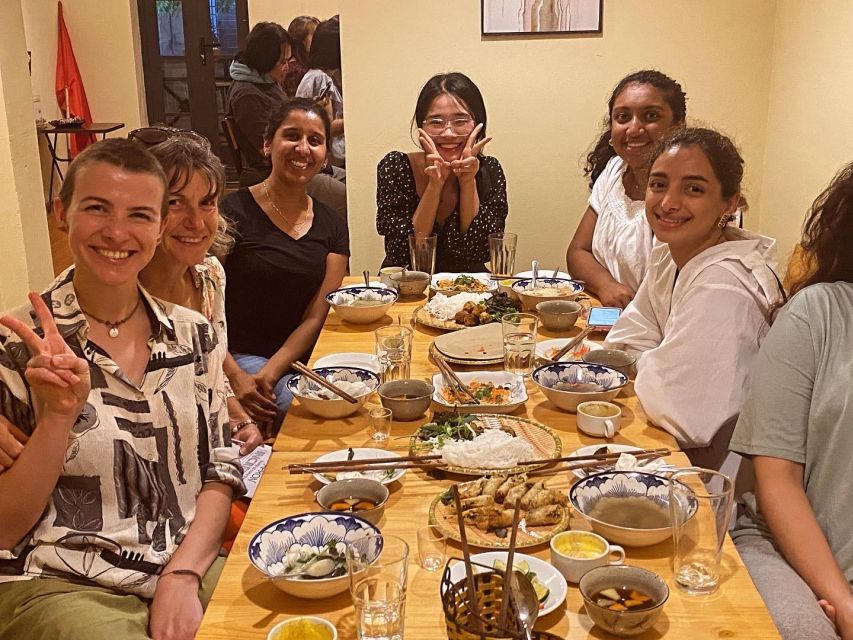
At $40 per person, the cost is reasonable for a 3.5-hour activity that includes a market trip, an English-speaking instructor, all ingredients and equipment, five dishes, a full meal, drinks, fruit, a cookbook, and a certificate.
The value is strongest if you would otherwise pay separately for a meal and a short cultural activity. Here, the meal is part of the lesson, and the market visit gives you something beyond restaurant dining. You also leave with recipes rather than only memories.
Transportation is not included, so factor in the cost and time of getting to the Old Quarter meeting point. The activity ends where it begins, which keeps the arrangement simple but gives you one more detail to manage.
The price may feel less attractive if you are interested in only one dish or if you do not enjoy group cooking. In that case, a meal at a local restaurant will be cheaper and easier. But for anyone who wants practical skills, five recipes, and a social meal, $40 is a solid use of half a day.
Who should book this class?
This class suits you if you enjoy learning by doing. Beginners are welcome, and the teachers make room for different cooking speeds. The range of dishes also makes it useful for experienced home cooks who want a quick introduction to Hanoi-style flavors.
Vegetarians should feel comfortable booking because every menu can be adapted. Couples and families with children over four can work together, while solo visitors get a built-in chance to meet other people over a shared meal.
I would also recommend it early in your Hanoi stay. The class introduces you to ingredients and dishes you may see throughout the rest of your trip. After learning how bun cha, pho, spring rolls, and Vietnamese salads are put together, restaurant menus become easier to understand.
You may want to skip it if you have limited mobility, need wheelchair access, are under four, or are over 95. You should also think twice if you dislike active group activities or want an unhurried lesson devoted to one recipe.
Final call: book it for food, skills, and a useful souvenir
I would book the Hanoi 5 Local Dishes Cooking Class if you want more than a meal and less than a full culinary course. The market visit, hands-on work, shared table, rice whisky, and cookbook make the 3.5 hours feel full without being needlessly formal.
Choose the menu based on what you most want to cook at home. Pick pho and egg coffee for famous Hanoi staples, or choose the menu with banh xeo, fresh rolls, soup, salad, and banana ice cream for a broader mix of techniques. If you have enough time and love Vietnamese food, taking both classes is the clearest way to get the full range.
The best reason to go is simple: you do not just eat Hanoi food. You learn how to make it, and you leave with a fair chance of making it again.
FAQ
Where does the cooking class start?
Meet at Apron Up Cooking Class in Hanoi’s Old Quarter. Look for the large Apron Up sign in front of the venue.
Where does the activity end?
The class ends back at the meeting point.
How long does the experience last?
The activity lasts 3.5 hours. Starting times depend on availability.
Is transportation included?
No. Transportation to and from the meeting point is not included.
What language does the instructor speak?
The instructor teaches in English.
How many dishes will I cook?
You will take part in making five dishes. You can choose from two different five-dish menus, and you can take both classes to learn all ten dishes.
Can vegetarian participants join?
Yes. The menus can be adapted for vegetarian diets.
What is included in the price?
The experience includes the English-speaking instructor, market trip, ingredients, cooking tools, lunch or dinner, tea, rice whisky, fruit, a cookbook, and a certificate.
Can I cancel the booking?
You can cancel up to 24 hours in advance for a full refund. The reserve-now, pay-later option lets you book without paying immediately.
New market tours around Hanoi
- Hanoi: Vietnamese Cooking Class- Market Tour with Local Chef★ 5.0 · 2 reviews
- Hanoi’s Culinary: Authentic Cooking Class and Local Market★ 4.8 · 5 reviews
- Hanoi: Old Quarter Market Tour and Cooking Class with Meal★ 4.8 · 192 reviews
- Hanoi Food Adventure: Vietnamese Market Tour & Cooking Class★ 4.8 · 5 reviews
- Hanoi Cooking Class: Market Tour, Free Recipe & Beverages★ 5.0 · 10 reviews
- 2 Day Sapa-Bac Ha Market: Night Train& Homestay-Bus Ha Giang★ 5.0 · 2 reviews
- Weekend Hanoi Night Market & Street Food Tour★ 4.5 · 47 reviews
- Hanoi: Maya Traditional Cooking Class & Market Tour★ 4.9 · 243 reviews
Hanoi Market Tours, side by side.
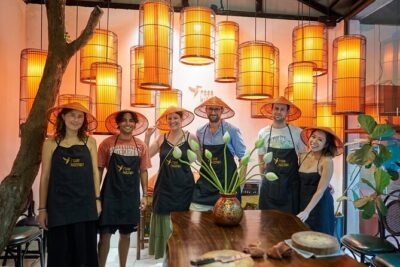
Hanoi Cooking Class: Culture, Local Market & Meaning CSR Impact
Read our review →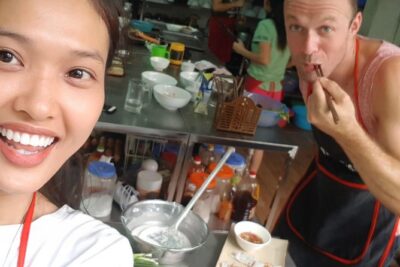
5 Traditional Dishes Hanoi Cooking Class with Market Trip
Read our review →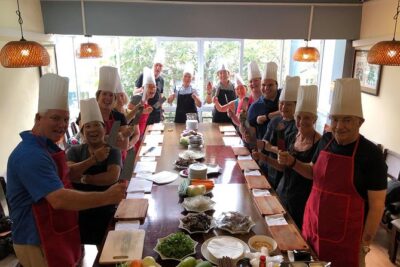
Vietnamese Food Cooking Class in Hanoi with Market Experience
Read our review →
Hanoi: Handcrafted Wood Carving Workshop with Local Artisan
Read our review →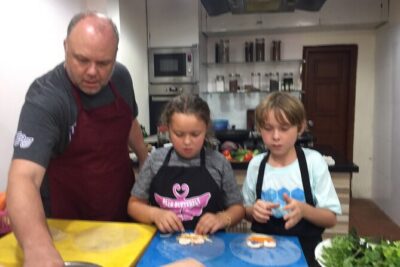
Hanoi Cooking Class and Market Tour in Ancient House
Read our review →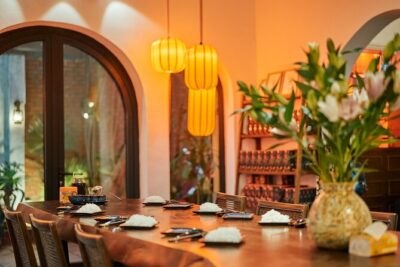
Rose Kitchen Hanoi: Market, Cooking & Culture Tour + Free PickUp
Read our review →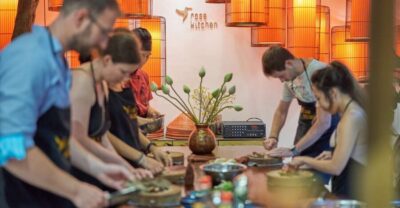
Hanoi: Cooking Class in a Local Villa with Market Tour
Read our review →