
Review · THAILAND
Ko Lanta: Thai Cooking Class with Market Tour and Dinner
A visit to the local market is the best part of this Ko Lanta cooking experience. You look at the produce, herbs, spices, and everyday ingredients used in island kitchens before you sit down to cook them. Chef Pak leads the class with humor and patience, turning a simple lesson into a friendly, hands-on morning or evening.
I like the market connection, since it gives the dishes a clear local setting instead of treating Thai food as a list of restaurant recipes. I also like the useful take-home package: an apron, recipe book, cooked food, and certificate. The main drawback is that the schedule and menu depend on the day, and one person did not receive the promised certificate, so you may want to confirm that before leaving.
Key points to know before booking
- The market visit comes first on Monday, Wednesday, and Saturday, followed by a cooking session from 9:00 a.m. to 2:30 p.m.
- Evening dinner classes run Tuesday, Thursday, and Friday, from 4:00 p.m. to 9:00 p.m.
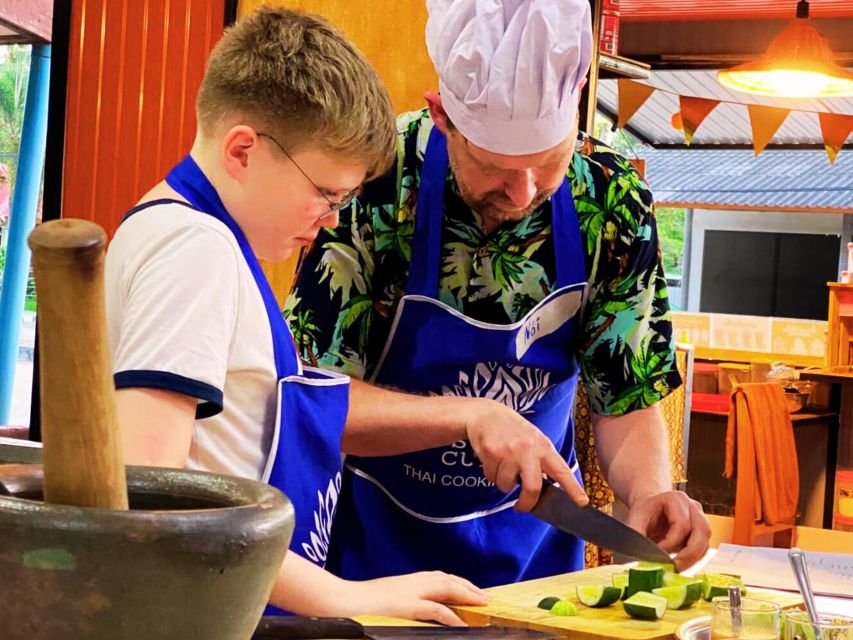
- Chef Pak teaches with patience and humor, including careful instruction for delicate fruit and vegetable carving.
- You cook four main Thai dishes, generally one appetizer, one soup, and two main dishes, along with a homemade curry paste.
- The menu changes by day, so check the schedule if you have your heart set on Pad Thai, green curry, Massaman curry, or another dish.
- Hotel pickup and drop-off, drinks, snacks, cooking materials, and food to take home are included in the $80 price.
A market morning before the cooking begins
The morning program starts with pickup from your resort at 8:30 a.m. The class begins at 9:00 a.m. and runs until 2:30 p.m. on Monday, Wednesday, and Saturday.
The market visit gives the day a useful beginning. Instead of meeting ingredients only after they have been chopped and measured, you see them in their everyday setting. You learn about the produce and local products used in Ko Lanta cooking, along with the herbs, spices, and other ingredients that shape Thai flavors.
I especially like this part for first-time visitors to Thailand. A cooking class can teach you how to follow a recipe, but the market helps you understand what you are buying and why it matters. You get a better sense of how Thai cooks build flavor with fresh ingredients, homemade curry pastes, and careful preparation.
The market stop is also tied to local life on Ko Lanta. This is not simply a quick photo stop followed by a restaurant-style demonstration. The purpose is to connect the food on your plate with the products sold locally. The information provided does not give a set length for the market walk or a detailed list of stalls, so expect a practical introduction rather than a full market tour.
After the market, you return for the cooking portion. The format is hands-on, with instruction in traditional Thai methods, local spices, and ingredients. You prepare the food yourself, then eat what you have made. That makes the lunch program both a lesson and your midday meal.
More Market and Cooking Class Tours in Thailand
- Chiang Mai: Cooking Class, Market & Thai Herbs Garden Tour
★ 4.9 · 4,824 reviews - Chiang Mai: Authentic Cooking Class with Market & Farm Visit
★ 4.9 · 4,546 reviews - Phuket Thai Cooking Class with Market Tour Option
★ 5.0 · 2,665 reviews
Morning menus: three different tastes of Thailand
The morning menu changes by day. That matters because this is not one fixed class repeated every morning. You can choose a day based on the dishes that appeal to you, as long as your holiday schedule allows.
Monday: Pad Thai and mango sticky rice
Monday focuses on several familiar Thai favorites:
- Pad Thai
- Goong Hom Sabi
- Tom Kha
- Homemade Pad Thai sauce
- Khao Niew Ma Muang, or mango sticky rice
Pad Thai gives you a useful base for learning how a famous Thai dish is assembled. The homemade sauce is important, since the balance of flavors often depends more on the sauce than on the noodles themselves.
Tom Kha offers a different lesson, with a soup preparation that highlights herbs and fragrant ingredients. The menu also includes Goong Hom Sabi and mango sticky rice, giving you both savory food and a sweet finish.
Wednesday: green curry and crispy wonton-style dishes
Wednesday’s menu includes:
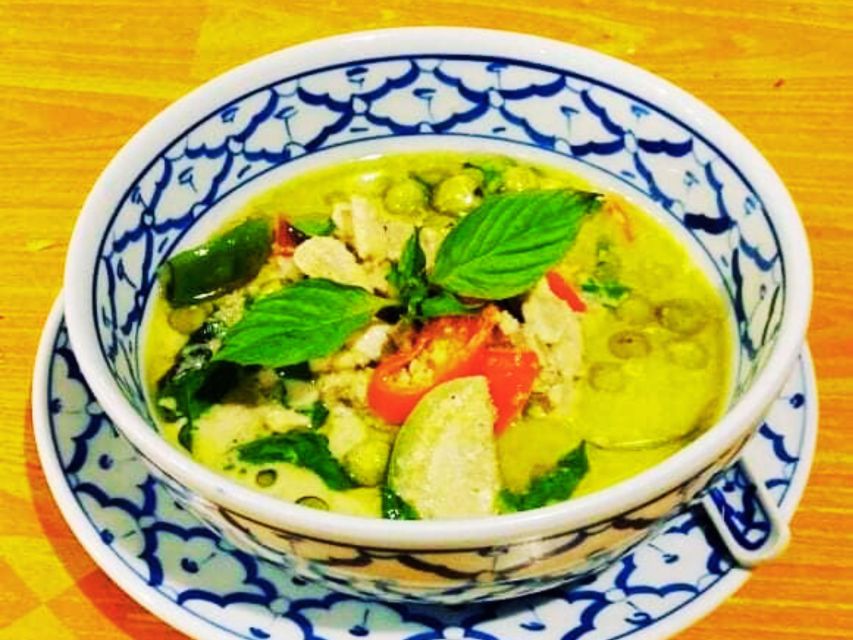
- Gaeng Kiew Wan, or green curry
- Kanom Pang Na Gai
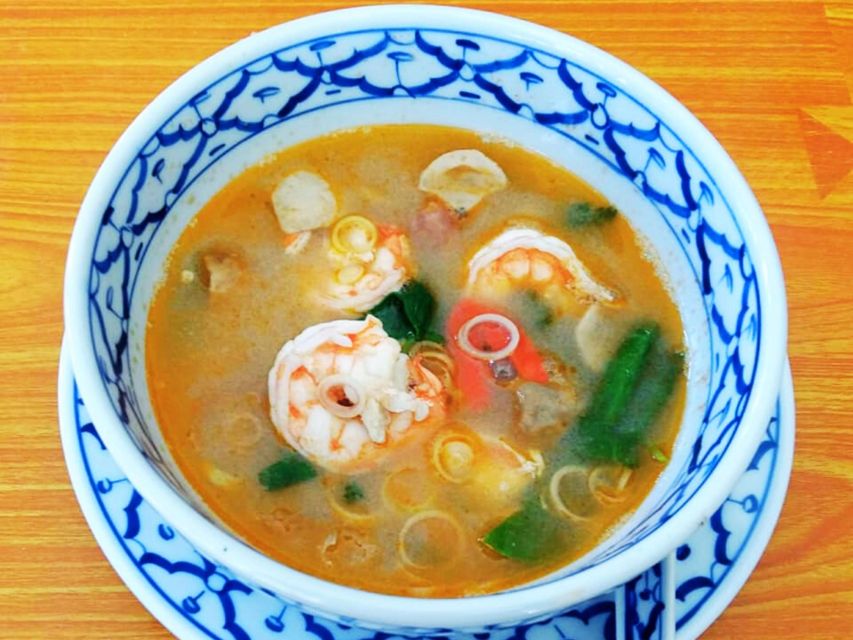
- Tom Yam Goong
- Homemade green curry paste
- Tub Tim Grob
The homemade green curry paste is the star of this session. You are not simply opening a prepared container and adding it to a pot. The class explains the ingredients and how to use them correctly.
Tom Yam Goong gives you another soup lesson, this time with shrimp. Tub Tim Grob supplies dessert, while Kanom Pang Na Gai adds a different texture and preparation style. This is a good choice if you want a menu that moves beyond the most common Thai dishes found on tourist restaurant menus.
Same city, another market:
- Bangkok: Damnoen Saduak Market and Maeklong Railway Market
★ 4.5 · 26,723 reviews - The Old Siam: Damnoen Saduak and Maeklong Railway Market
★ 4.5 · 10,992 reviews - Bangkok: Train Market & Floating Market with Boat Ride
★ 4.7 · 9,547 reviews - From Bangkok: Ayutthaya & Ayothaya Floating Market Day Trip
★ 4.7 · 6,084 reviews
Saturday: Pad Thai with a different set of dishes
Saturday returns to Pad Thai and homemade Pad Thai sauce, with a separate set of dishes:
- Pad Thai
- Wihok Non Rang
- Tom Jiw Gai
- Homemade Pad Thai sauce
- Khao Niew Ma Muang
The supplied information does not translate every Thai dish name into English, so you may want to ask Chef Pak for a short explanation when you arrive. That small conversation is part of the fun, especially if you want to understand what you are cooking rather than simply follow instructions.
Evening dinner classes from 4:00 to 9:00
The dinner program includes resort pickup at 3:00 p.m., with class time from 4:00 p.m. to 9:00 p.m. It runs on Tuesday, Thursday, and Friday.
This version begins with an explanation of the history of the food, plus the herbs, spices, and ingredients used in the recipes. The teaching also covers how to use those ingredients correctly. That opening matters because Thai cooking often depends on order, quantity, and balance. A dish can change quickly if an aromatic ingredient is added at the wrong point or used in the wrong amount.
Like the morning class, the dinner session includes one appetizer, one soup, two main dishes, and a homemade curry paste. You prepare the dishes, then eat your work during the same session. You also take food back to share with friends or family.
Tuesday: Panang curry and pineapple fried rice
Tuesday’s menu includes:
- Homemade Panang curry paste
- Poh Pia Puk Tod
- Khao Pad Subparod, or pineapple fried rice
- Gaeng Panang
- Bue Loy Kai Wan
This is a good menu for anyone who likes curry but wants to understand how the paste is made. The pineapple fried rice adds a lighter and sweeter contrast, while Bue Loy Kai Wan gives the meal a dessert course.
Thursday: red curry and Thai basil chicken
Thursday features:
- Homemade red curry paste
- Khao Pad Ga Prao Gai
- Toong Tong
- Tom Kha
- Gaeng Dang, or red curry
This menu offers a useful comparison between red curry and the coconut-based Tom Kha soup. It also includes a chicken and basil preparation, plus Toong Tong, a small filled appetizer. If you want to compare the work and flavor of red curry with green or Massaman curry, Thursday is the day to choose.
Friday: Massaman curry, Som Tum, and Tom Yum Goong
Friday’s menu includes:
- Homemade Massaman curry paste
- Som Tum Thai
- Gaeng Massaman
- Tom Yum Goong
- Tub Tim Grob
This is the broadest menu for sampling several well-known Thai flavors. Som Tum provides a fresh, sharp contrast to the fuller Massaman curry, while Tom Yum Goong brings shrimp and hot-sour soup to the table. Tub Tim Grob ends the class with dessert.
The schedule does not specify the group size or the exact balance of demonstration and individual work. If close personal instruction is important to you, ask about the class size when booking. The teaching style is clearly patient, though, and one fruit-carving student found the calm pace helpful when learning precise techniques.
Chef Pak’s teaching style
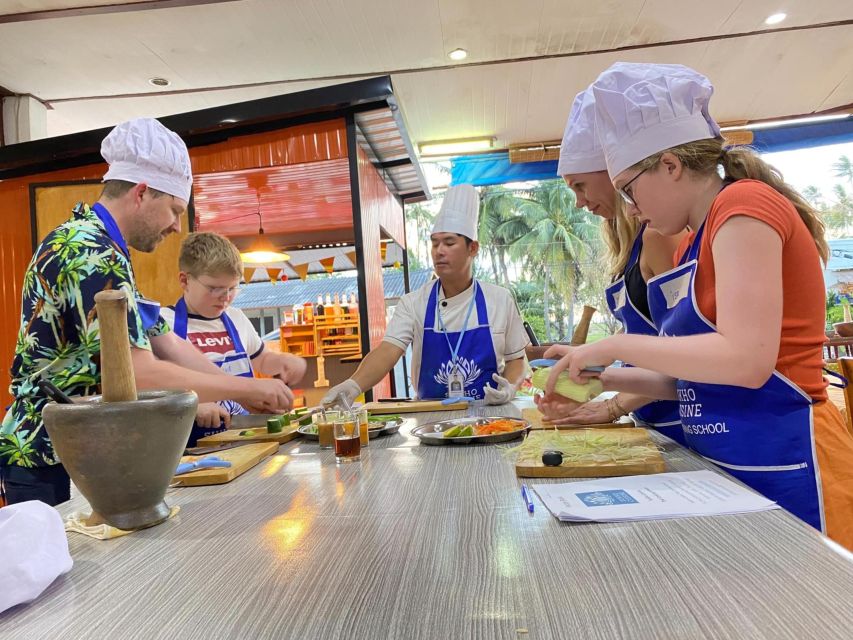
Chef Pak is the named instructor associated with the class, and his style is a major reason this experience works. The teaching is described as funny, patient, and clear. That combination is useful in a cooking class, where unfamiliar tools and ingredients can make even a simple task feel awkward.
You start with basic preparation methods, then move into details for each dish. The instruction covers herbs, spices, ingredients, and the proper way to use them. This helps you build a working sense of Thai cooking instead of merely copying movements.
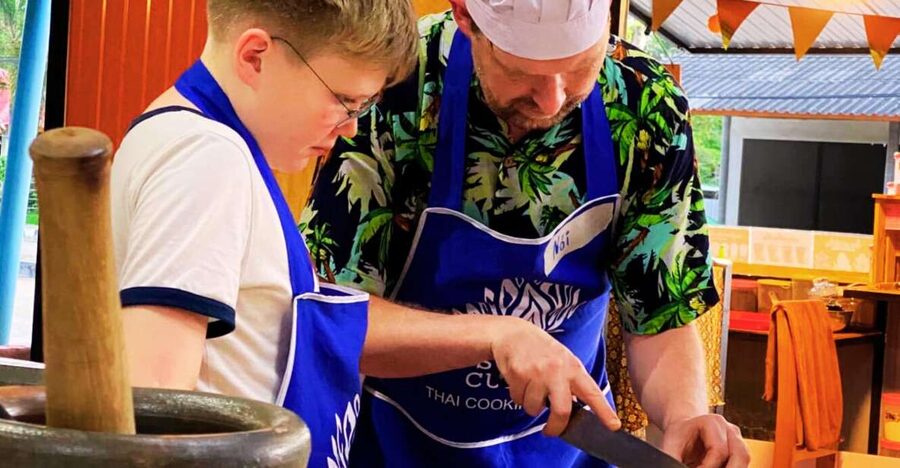
The class also includes fruit and vegetable carving. That requires a different kind of patience. The goal is not just to slice food quickly, but to create flowers and leaves for decoration. The tools and techniques are taught from the basics, and you receive guidance on using the carved pieces to decorate food.
I would treat the carving as a separate craft rather than an easy add-on. It takes a delicate touch, and success may depend on practice. The good news is that the teaching approach allows you to work calmly instead of rushing through the cuts.
What the $80 price really covers
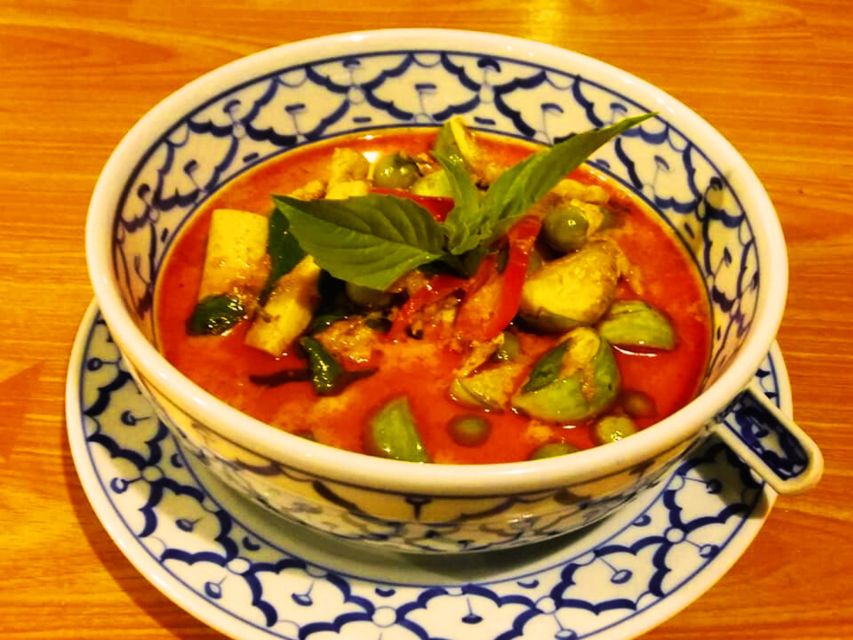
At $80 per person, this is more than a meal and more than a short demonstration. The price includes hotel pickup and drop-off, a welcome drink, a snack, coffee, tea, and drinking water. It also includes the class materials and the food you prepare.
You receive a Sukho Cuisine apron to take home, a recipe book, and a pen. A cooking certificate is also included in the stated package. The practical value is strongest if you plan to cook Thai dishes again after your holiday. The recipe book gives the class a life beyond one afternoon, while the apron and certificate make useful keepsakes.
The food itself adds value, since you are not paying for a separate lunch or dinner after the class. You also have food to share with friends or family. The exact amount is not stated, so do not assume you are receiving a large takeaway meal. Think of it as a pleasant extra after the main purpose, learning to cook.
The certificate point deserves a small caution. One participant did not receive it, even though it was part of the advertised package. That appears to be an occasional organizational slip rather than a reason to dismiss the class, but check before you leave if the certificate matters to you.
Which version should you choose?
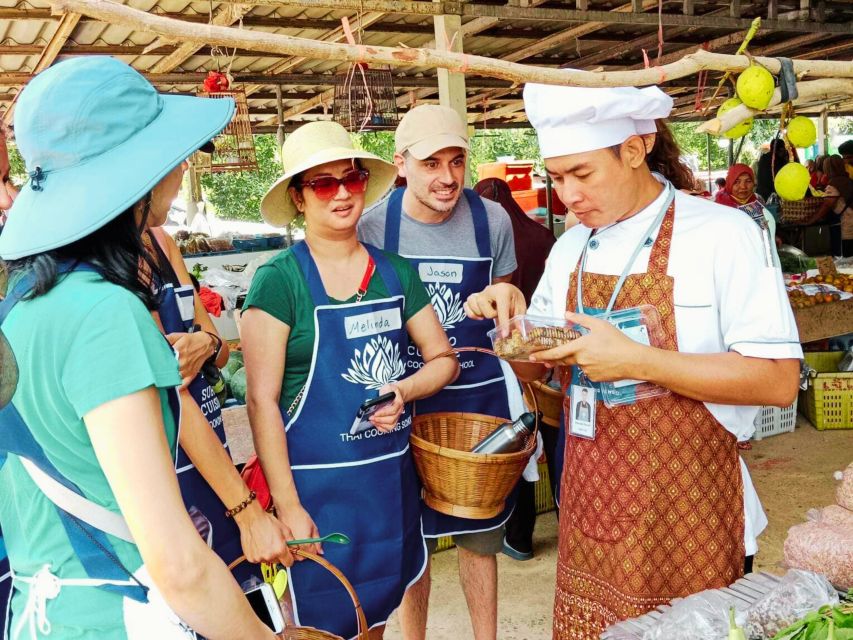
Choose the morning market-and-lunch program if you want to see local produce before cooking and prefer an experience tied to the daily rhythm of Ko Lanta. The market visit makes this option more educational and gives you a stronger connection between the island and the food.
Choose the evening dinner program if you want a longer cooking session without a morning start. The 4:00 p.m. beginning may fit better around a slow beach day, though the program still runs until 9:00 p.m.
Choose a menu by dish:
- For Pad Thai and mango sticky rice, book Monday or Saturday.
- For green curry and homemade green curry paste, book Wednesday.
- For Panang curry and pineapple fried rice, book Tuesday.
- For red curry and basil chicken, book Thursday.
- For Massaman curry, Som Tum, and Tom Yum Goong, book Friday.
The fruit and vegetable carving class is separate from the cooking sessions. It runs Monday through Saturday from 3:00 p.m. to 6:00 p.m. Coffee and tea are provided throughout that program. You learn how to use carving equipment, practice basic fruit and vegetable cuts, and take your carved work home. A carving certificate is included.
Because the carving program overlaps with part of the evening cooking schedule, you should not assume you can comfortably do both on the same day. Confirm the timing with the provider before booking a combination.
Who will enjoy this class most?
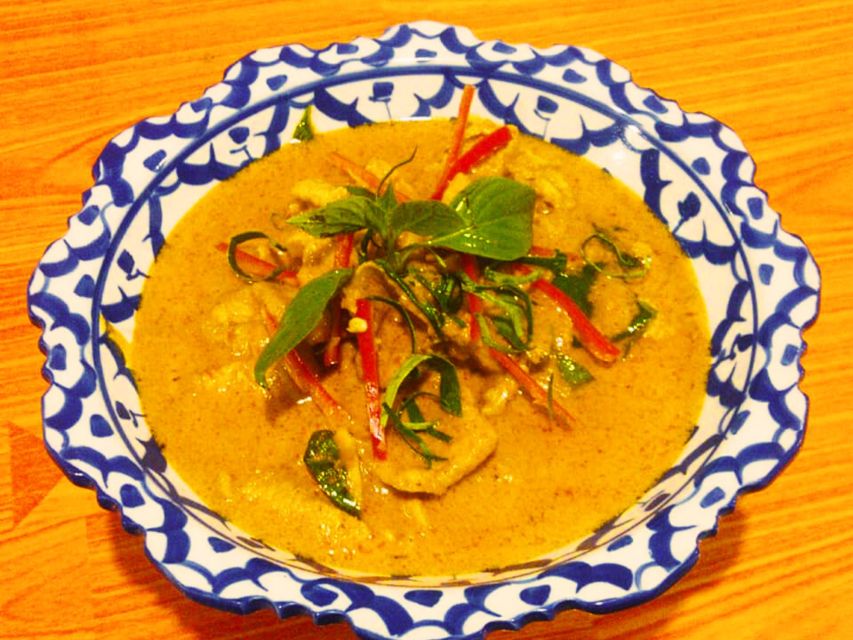
I would recommend this for couples, families, friends, and solo visitors who like practical activities. You do not need to be an experienced cook. The teaching starts with basic preparation and explains the ingredients before you use them.
It also suits anyone who wants more than a standard restaurant meal. You learn why Thai dishes taste the way they do, then get to eat the result. The class is especially useful for people who want to recreate Thai food at home.
The fruit-carving option suits patient people who enjoy careful handwork. It may frustrate you if you want a fast activity with an immediate result. The carving requires a calm mood and practice, but that slower pace is part of its appeal.
This may be less suitable if you need a precisely timed private lesson, a guaranteed small group, or a strictly fixed menu. The class schedule is clear, but the group size and teaching format are not specified. Food preferences and dietary needs are also not addressed in the available details, so ask before booking if that is important for you.
Booking details and final verdict
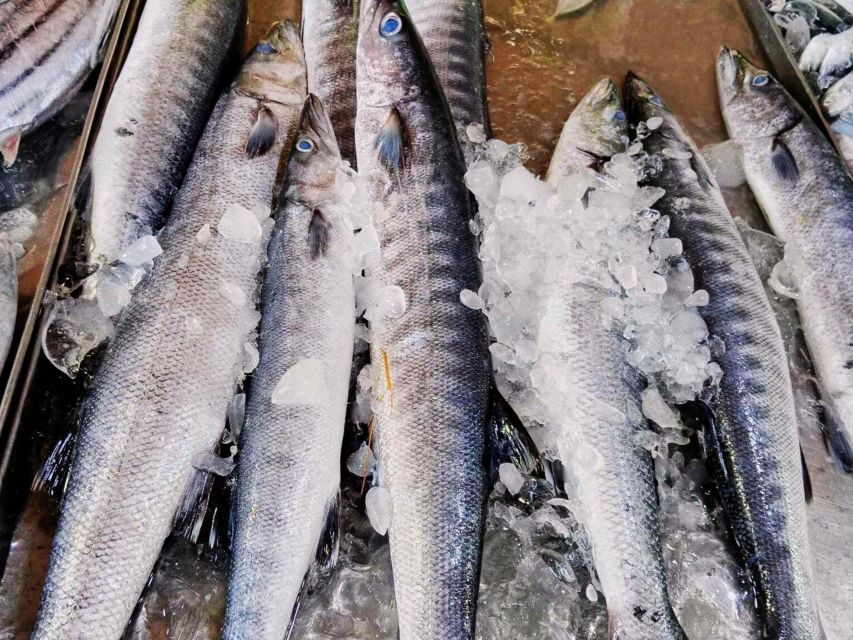
The class is offered in English and Thai. You can reserve now and pay later, and cancellation is allowed up to 24 hours in advance for a full refund. Hotel pickup and drop-off are included, which removes one practical chore from the day.
I think this is a strong choice for $80 if you value instruction, a local market visit, and a meal you help prepare. Chef Pak’s patient, funny approach is a real asset, and the changing menus let you pick the dishes that fit your interests.
Book it if you want to learn by doing, especially if the market walk or homemade curry paste appeals to you. Skip it if you only want a quick cooking demonstration or if you need a guaranteed certificate and a fixed group setup. For most food-focused visitors on Ko Lanta, the morning market program offers the most complete experience, while the evening class is a good fit for a later start and a full dinner.
FAQ
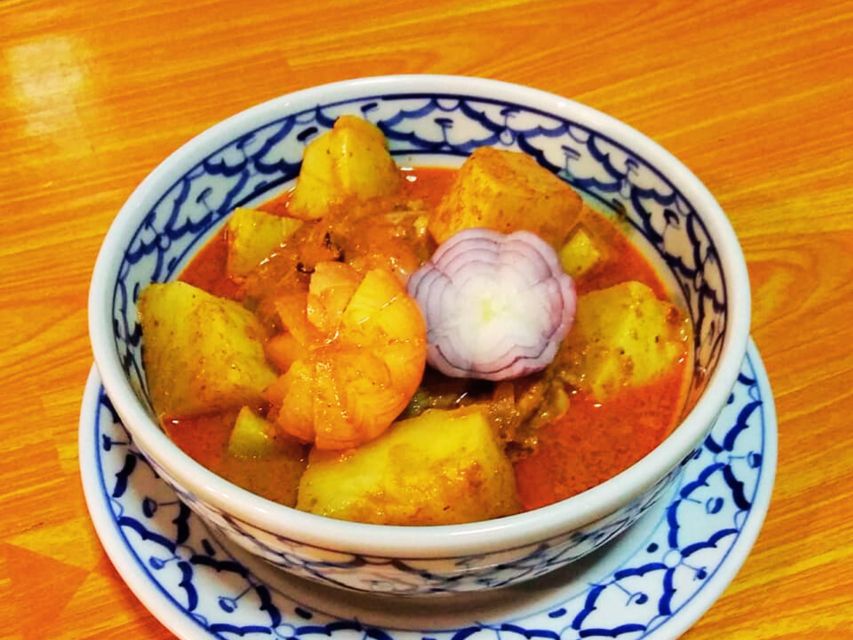
Where does the cooking class take place?
The experience is on Ko Lanta in Thailand. Hotel pickup and drop-off from your resort are included.
What time does the morning cooking program run?
Pickup begins at 8:30 a.m. The program runs from 9:00 a.m. to 2:30 p.m. on Monday, Wednesday, and Saturday.
What time does the dinner cooking program run?
Pickup begins at 3:00 p.m. The dinner class runs from 4:00 p.m. to 9:00 p.m. on Tuesday, Thursday, and Friday.
Is the market tour included?
Yes. The Monday, Wednesday, and Saturday morning program includes a local market visit focused on Ko Lanta’s food, products, herbs, spices, and ingredients.
How many dishes do you cook?
The cooking classes include four traditional Thai dishes: one appetizer, one soup, and two main dishes. You also prepare a homemade curry paste, and the listed menus include a dessert.
What is included in the price?
The $80 price includes hotel pickup and drop-off, a welcome drink, snack, coffee, tea, drinking water, an apron, a recipe book and pen, a cooking certificate, and the food you prepare.
Are the classes taught in English?
Yes. The experience is offered in English and Thai.
Can I take a fruit and vegetable carving class?
Yes. Fruit and vegetable carving runs Monday through Saturday from 3:00 p.m. to 6:00 p.m. It includes coffee and tea, instruction in carving equipment and basic techniques, a carving certificate, and the carved fruit or vegetables to take home.
More meals after the market around Thailand
- Naples Street Food Experience with local guide – Small Group Tour
★ 4.5 · 64 reviews - Kowloon: Private Night Markets & Street Food Experience
★ 5.0 · 11 reviews - Genoa: Market & Lunch/Dinner at a Local’s Home
★ 4.9 · 8 reviews - Bali: Jimbaran Seafood Market Tour with Sunset Dinner
★ 4.0 · 7 reviews
More market evenings with dinner around Thailand
- Phuket: Sunset View and Seafood Market Dinner Guided Tour
★ 5.0 · 4 reviews - Dinner from cooking class & enjoy local night market
★ 5.0 · 2 reviews - Paris Evening Cooking Class French Dinner and Market Visit Option
★ 5.0 · 430 reviews - Busan Seafood Tour : Jagalchi market Seafood Tour & Dinner
★ 5.0 · 74 reviews
New market tours around Thailand
- Longtail Boat Adventure to the Local Weekend Floating Market★ 5.0 · 12 reviews
- Sathon: Hands-on Thai Cooking Class & Market Tour in Bangkok★ 5.0 · 19 reviews
- Private Unseen Mangrove Forest and Floating & Railway Market★ 5.0 · 2 reviews
- Private Tour from Bangkok: Railway & Floating Markets★ 4.9 · 11 reviews
- From Bangkok: Floating Market & Ayutthaya Private Day Trip★ 5.0 · 42 reviews
- Private Floating & Train Market + DRAGON Temple + Thai Cafe★ 4.9 · 13 reviews
- Phuket: Thai Cooking Class with Market Tour★ 5.0 · 2 reviews
- Phuket: Half Day Thai Cooking Experience with Market Tour★ 5.0 · 11 reviews
Thailand Market Tours, side by side.

Bangkok: Damnoen Saduak Market and Maeklong Railway Market
Read our review →
The Old Siam: Damnoen Saduak and Maeklong Railway Market
Read our review →
Bangkok: Train Market & Floating Market with Boat Ride
Read our review →
Chiang Mai: Cooking Class, Market & Thai Herbs Garden Tour
Read our review →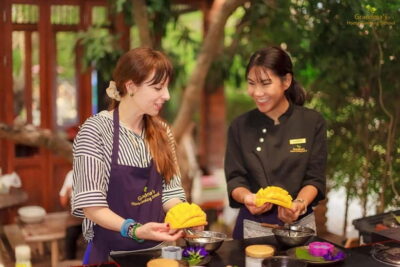
Chiang Mai: Authentic Cooking Class with Market & Farm Visit
Read our review →
Bangkok: Floating Market and Train Market Experience
Read our review →
Half-Day Railway Market and Floating Market Tour in Thailand
Read our review →
Bangkok by Night: Temples, Markets and Food Tuk-Tuk Tour
Read our review →This tour also appears in