
Review · KYOTO
Kyoto: Local Food Tasting Tour at the Nishiki Market
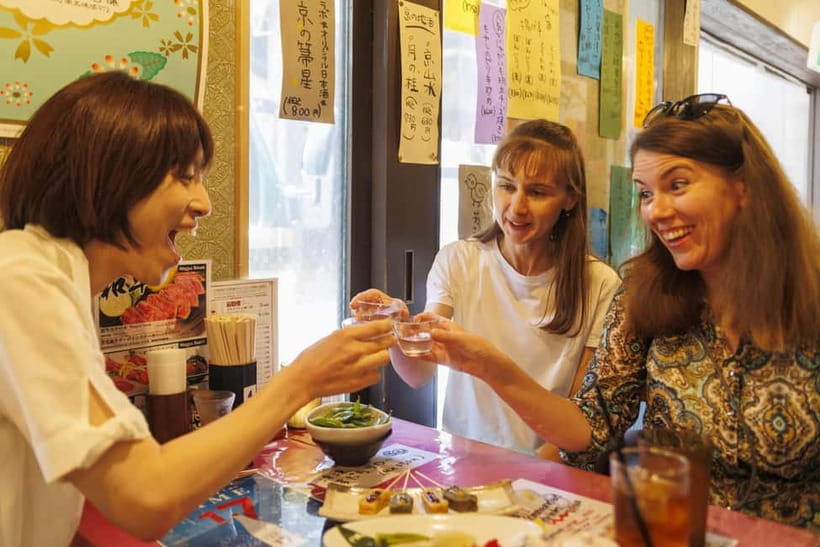
Nishiki Market is easy to enjoy and surprisingly easy to misunderstand. Behind its narrow arcade and 130 food stalls are Kyoto specialties you may not recognize, from delicate yuba to hamo tempura. This small-group walk gives you a local guide, five planned food stops, and a way to taste without guessing at every counter.
I like the six-person maximum, which keeps the group small enough for questions and lets the guide steer you through crowded aisles. I also like the mix of food, shrines, and shopping arcades. You get more than a snack crawl. The main drawback is that this is not a full lunch, and the tour cannot handle vegetarian, halal, kosher, gluten-free, or allergy-related diets.
Key points to know before booking
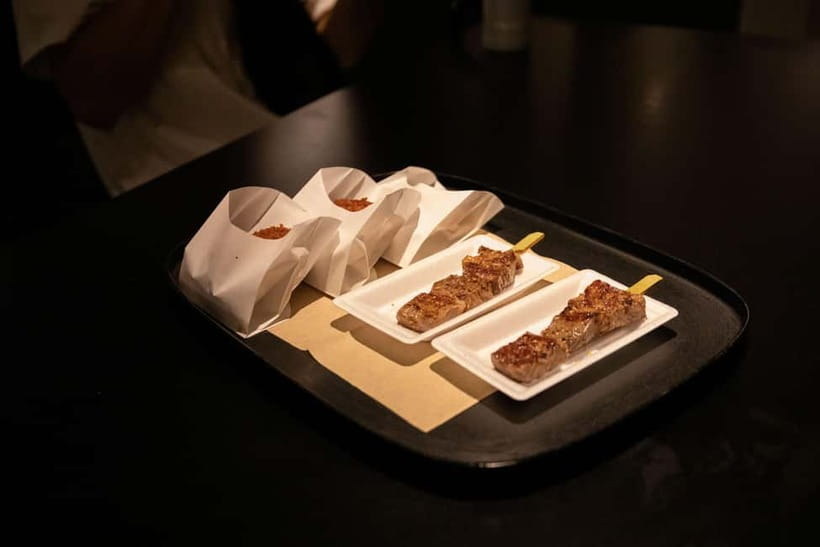
- Five Kyoto specialties included: Expect yuba, obanzai home cooking, hamo tempura, Wagyu steak skewers, and other small tastings.
- A 400-year-old market: Nishiki Market has about 130 stalls, so a guide helps you sort local food from tourist-oriented treats.
- Small group of six or fewer: The format suits solo visitors, couples, and families who want room to ask questions.
- More than food: The walk continues to Nishiki-Tenmangu Shrine, Shinkyogoku, Teramachi Street, and another small cultural stop.
- Optional tea ceremony: Choose the add-on for kimono dressing, a 90-minute ceremony, photographs, and instruction from a tea master.
- Plan for walking and standing: Wear comfortable shoes, bring rain gear, and leave large bags behind.
Why Nishiki Market works best with a guide
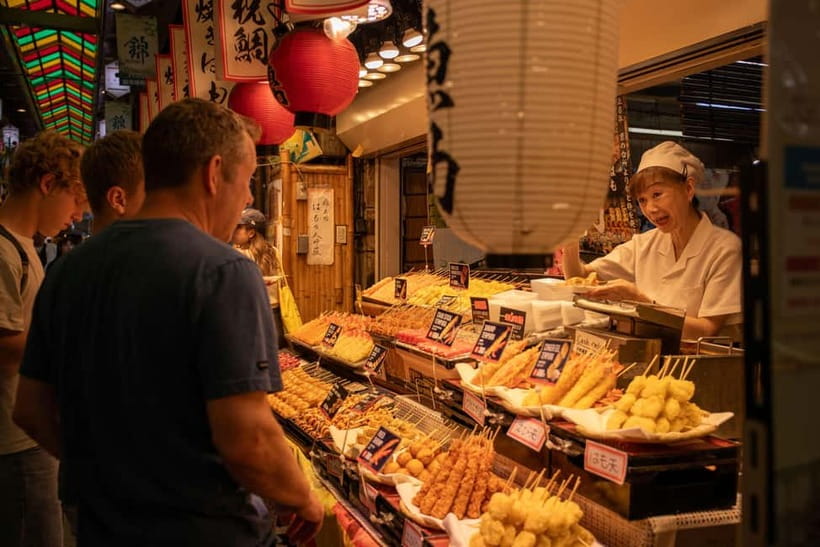
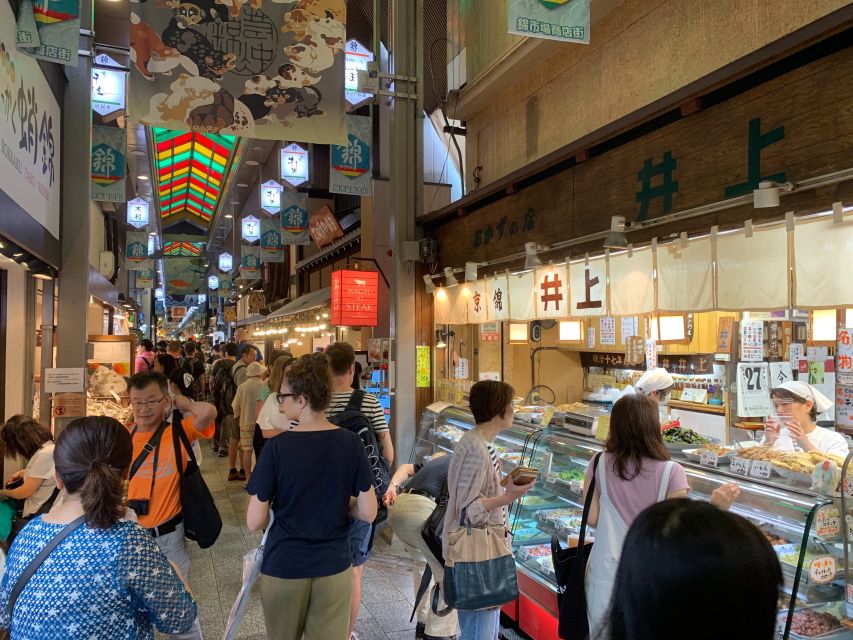
Nishiki Market is often called Kyoto’s Kitchen, and the name fits. It is a long, covered shopping street packed with food shops, specialty sellers, small restaurants, and counters offering samples. The market dates back roughly 400 years and today contains around 130 food stalls.
The challenge is not finding food. It is knowing what you are looking at, what is worth trying, and how to eat it politely in a crowded public market. An English-speaking local guide helps with those small points. You can ask what a dish is, how it is made, and why it matters in Kyoto cooking instead of simply pointing at the most familiar item.
The guide also gives the market a human scale. Names such as Ayu, Toshi, Takuma, Yume, Annie, Miho, and Saki appear among the guides leading this experience. The quality of the walk depends partly on who leads your group, but the strongest pattern is clear: guides explain the food, answer questions about Japan, and often offer useful ideas for the rest of your Kyoto visit.
The group limit matters here. Nishiki’s central passage can feel tight, especially when several groups stop at once. A group of no more than six is easier to keep together than a large coach-style food tour. It also gives you a better chance to ask about an unfamiliar ingredient without holding up a crowd.
More Market Food Tours in Japan
- Nishiki Market Brunch Walking Tour (7 Tastings + Brunch)
★ 5.0 · 1,355 reviews - Kyoto Nishiki Market Food and Culture Walking Tour
★ 5.0 · 412 reviews - Kyoto: Nishiki Market and Depachika Food Tour with a Local
★ 4.7 · 76 reviews
Tasting yuba, obanzai, and hamo tempura
The food is the heart of the outing, but the portions are designed for sampling rather than a sit-down meal. You receive five selected local foods, along with smaller tastes of Kyoto seasonings, crackers, Japanese-flavored honey, and other items.
Yuba is one of the most useful introductions. It is the delicate skin that forms on the surface of heated soy milk, and it has long been associated with Kyoto’s refined vegetarian cooking. The texture may be new to you, so tasting it with an explanation is more useful than buying it at random.
Obanzai means traditional Kyoto home cooking. This is not one single dish. It refers to simple, seasonal cooking associated with everyday Kyoto households. The inclusion of obanzai keeps the tour from focusing only on flashy street food. You get a look at the quieter side of local food culture.
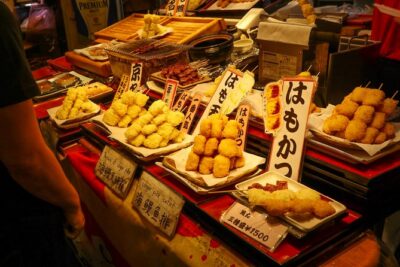
Then comes hamo tempura, made with pike conger eel. Hamo is closely linked with Kyoto cuisine, and the fine bones require careful preparation. You may not think to order it on your own, which is exactly why it earns a place on a guided tasting route. One past participant singled it out as a favorite discovery.
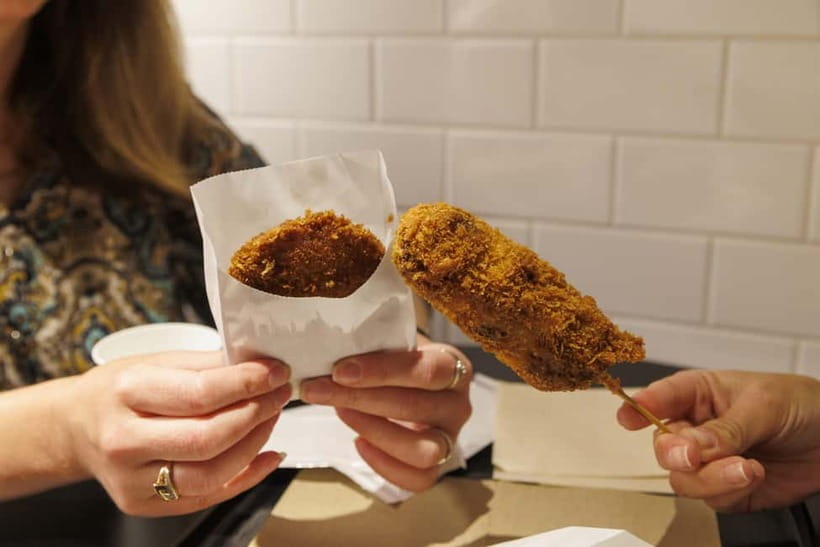
The Wagyu steak skewer provides a more immediately familiar bite. It is a satisfying contrast to yuba and home-style dishes, and it gives the tasting a clear sense of variety. The point is not to fill you with one large serving. It is to let you compare texture, seasoning, and cooking styles across several stops.
The smaller tastings matter too. A cracker, flavored honey, or a regional seasoning may seem minor, but these are the things you can easily pass without noticing. A good guide turns them into useful clues about how Japanese food is flavored and sold.
The 90-minute market walk
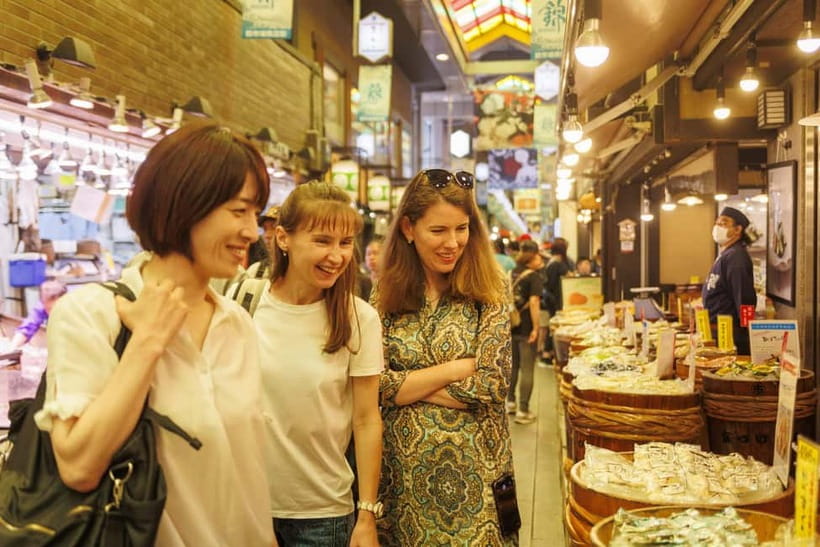
The main Nishiki Market portion lasts about an hour and a half. That gives you time to eat, listen, and move through several shops without racing from counter to counter.
Expect a stop-and-go rhythm. You walk a short distance, pause for a taste, hear an explanation, then continue. This is a better format than trying to eat a full meal while also listening to a guide. It also means you should not arrive expecting one large plate or a reserved dining table.
The market can be crowded, and food is not always eaten while sitting down. Keep your belongings compact and follow local manners about where to eat. Large bags and luggage are not allowed on the activity, so this is best scheduled before collecting your bags or checking out of accommodation.
For the best experience, eat a light breakfast or early meal. The tasting includes several foods, and past outings have sometimes lasted longer than the basic advertised time. You want enough appetite to sample everything without arriving uncomfortably hungry.
Nishiki-Tenmangu Shrine and the stops beyond the food
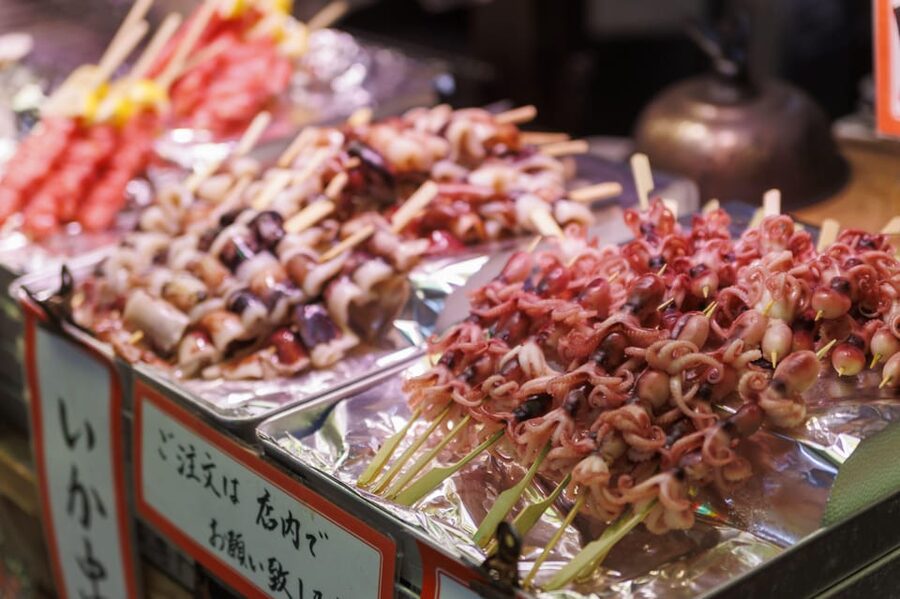
After the market, the route turns toward Nishiki-Tenmangu Shrine, with about 10 minutes for a guided visit. This gives the food walk a change of pace and helps connect the market with Kyoto’s religious and civic life.
The shrine stop is short, so do not expect a long temple lecture or a detailed religious tour. Its value is in adding context. You get a chance to ask about customs, local worship, and the relationship between traditional neighborhoods and their markets.
From there, the walk continues to Shinkyogoku Shopping Arcade, where about 45 minutes are set aside for guided sightseeing and shopping. This is useful if you want to browse beyond food. Several people who took the tour ended up enjoying the shopping more than planned, so carry a little spending money if you like small souvenirs and edible gifts.
The arcade portion also gives your guide room to respond to your interests. If you want to pause at a shop, ask about a product, or learn what locals buy, a small group makes that easier. Just remember that purchases beyond the included tastings are your responsibility.
The itinerary then includes another 10-minute guided stop described as a lesser-known local spot, followed by about 30 minutes on Teramachi Street Shopping District. Together, these sections make the outing feel like a neighborhood orientation rather than a narrow market visit.
Teramachi and Shinkyogoku are especially helpful on your first day in Kyoto. You finish knowing where to browse, where to return for food, and how the market connects with nearby shopping streets. Several guides have also suggested additional places to visit later in the day, which adds value if you are still forming your Kyoto plans.
More Market Food Tours in Kyoto:
- Kyoto: Nishiki Market Tour with a Local Foodie & Tastings
★ 4.5 · 67 reviews - Nishiki Market Food Tour with Cooking Class
★ 4.9 · 42 reviews - Kyoto: Nishiki Market Food Tour
★ 4.9 · 21 reviews - Taste of Nishiki Market Walking Food Tour with Local guide
★ 5.0 · 17 reviews
What the optional tea ceremony adds
The tea ceremony is a separate option, not an automatic part of every booking. It begins at 2:00 PM, and you must make your own way to the tea ceremony venue near Nishiki Market after the food tour.
The added session lasts 90 minutes. It begins with professional kimono dressing, followed by an authentic Japanese tea ceremony led by a tea master. You learn the meaning behind the movements and gestures, then have time for commemorative photographs in the traditional setting.
This is a good pairing if you want a structured cultural activity after the informal market walk. The two parts have different moods: the market is active and food-focused, while the tea ceremony is quiet and formal.
Pay attention to the timing when you book. The market tour itself may have different starting times, but the tea ceremony begins at 2:00 PM. You need enough time to finish the walk, reach the venue, and arrive ready for the dressing session.
Is $78 a fair price?
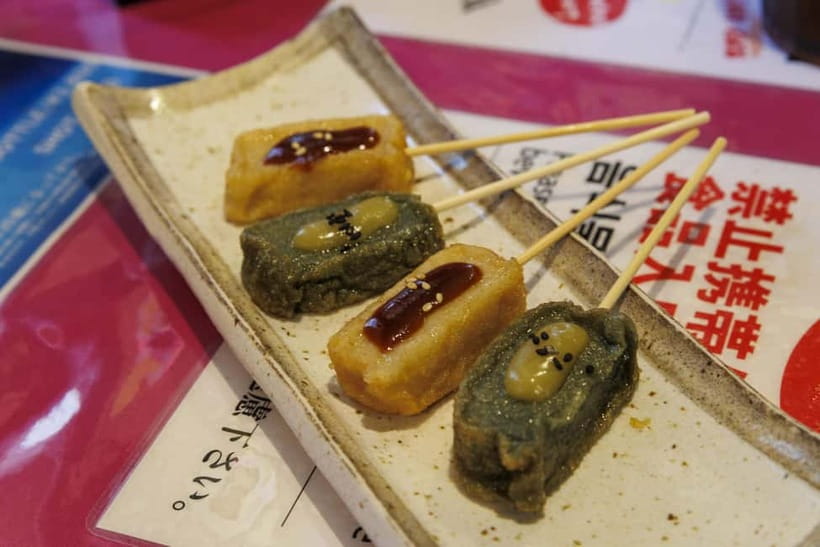
At $78 per person, the price is reasonable if you value explanation, access to several tastings, and a small group. You are not paying only for the food. You are paying for someone to select the stops, explain unfamiliar dishes, help you navigate the market, and connect the food with Kyoto customs.
You could certainly enter Nishiki Market on your own for less. You could also buy more food independently. The question is how much trial and error you want. Without a guide, you may spend money on items that do not suit you, miss foods that have no clear English explanation, or walk through the arcade without understanding what makes Kyoto cooking distinctive.
The value is strongest for a first visit. I would be less certain about booking it if you have already spent a lot of time at Nishiki Market and feel comfortable reading menus and asking questions. Even then, the shrine and shopping sections add something beyond the market itself.
The tea ceremony costs more if selected, but the supplied details do not state a separate price. Consider it as its own cultural activity rather than simply an extension of the food tour.
Who will enjoy this tour most?
This experience fits first-time Kyoto visitors, solo visitors who want company, couples, and families with older children. One family with three adults and three younger people enjoyed the food, shrine, and questions, and an 11-year-old was especially happy to try unfamiliar dishes.
It also works well for curious eaters who do not want a formal restaurant meal. You can taste small portions, ask questions, and decide what you might return to buy later. The pace combines walking, learning, and eating without making any one part dominate.
Solo visitors may find the format particularly useful. One-person outings have happened, and the small group makes it easier to speak with the guide. Several people also used the guide’s suggestions to plan the rest of their Kyoto stay.
This is not a good fit if you need step-free access or have difficulty walking and standing. The tour is a group walking experience and is not suitable for wheelchair users or people with mobility impairments.
Diet is the bigger limitation. The current conditions say the tour cannot accommodate vegetarian, halal, kosher, gluten-free, or allergy-related requests. Do not book it hoping the guide can quietly replace every tasting. If you have a serious restriction, choose a food experience designed around your needs.
Timing, meeting points, and practical details
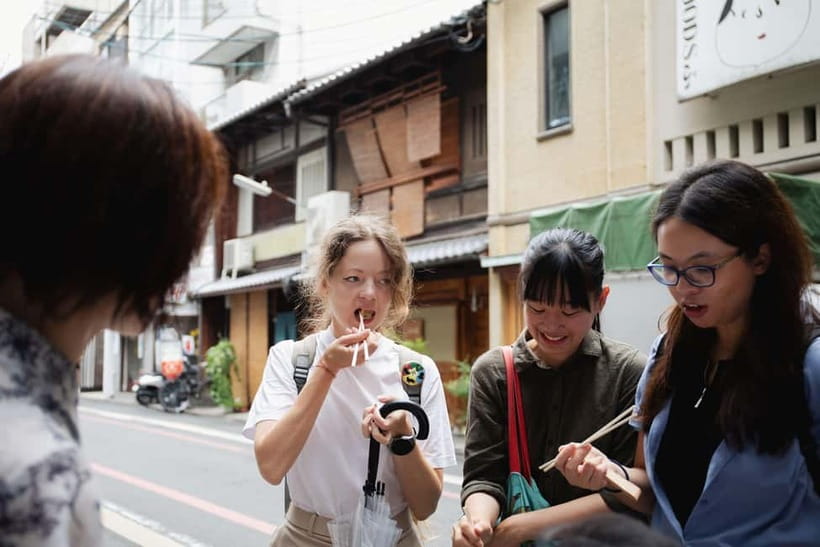
There are three possible starting locations, and the exact meeting point depends on the option you book. Read the confirmation carefully. One person found the meeting point confusing, although the guide waited and helped resolve the problem.
The listed duration is three hours, with the activity also described as 270 minutes. Past outings have sometimes run about three and a half hours, and one older account described an even longer private walk. Allow extra time rather than scheduling a tight connection immediately afterward.
The tour ends at one of three possible locations: the original area near Shijo Street, Nishiki Orizuruya, or Kyoto Takashimaya S.C. The final drop-off point can affect your next plan, so check it before booking.
Wear comfortable shoes. Bring rain gear if the forecast is uncertain. Leave pets, luggage, and large bags behind. You will be walking through a market and shopping districts, not traveling by private vehicle.
Free cancellation is available up to 24 hours before the activity for a full refund. You can also reserve now and pay later, which helps if your Kyoto schedule is still changing.
My verdict: book it for orientation and discovery
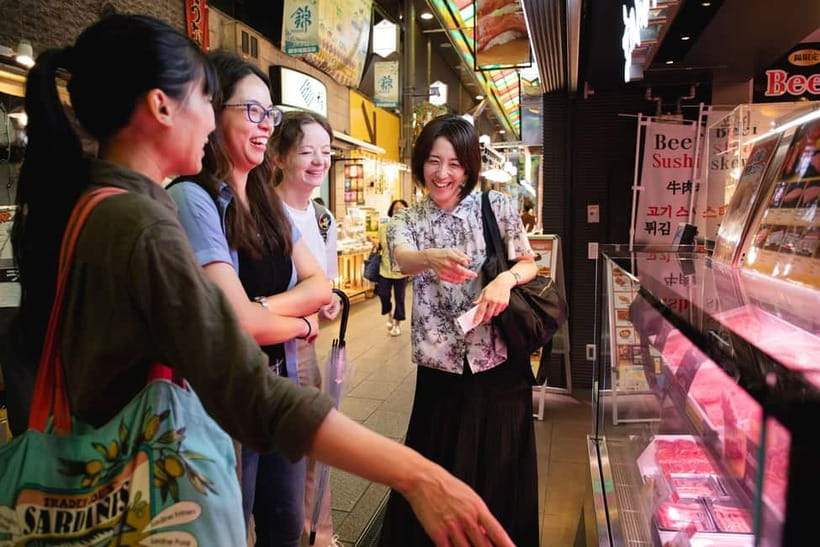
I would book this tour early in a Kyoto stay, especially if Nishiki Market feels intimidating or you want food to introduce you to the city. The strongest reasons are the small group, the five included specialties, and the guides’ ability to explain dishes you might otherwise ignore.
Book it if you want a guided first look at yuba, obanzai, hamo, Wagyu, shrine customs, and the shopping streets around Nishiki. Skip it if you want a long sit-down meal, need strict dietary accommodations, or already know the market well.
For the broadest cultural experience, choose the tea ceremony option and protect the time around 2:00 PM. For a simpler outing, the market walk alone is enough to give you a useful start, a full set of new flavors, and the confidence to return on your own.
FAQ
Where does the Nishiki Market food tour take place?
The tour takes place in and around Nishiki Market in Kyoto, with additional stops at Nishiki-Tenmangu Shrine, Shinkyogoku Shopping Arcade, a lesser-known local stop, and Teramachi Street Shopping District.
How long does the tour last?
The activity is described as three hours and also listed as 270 minutes. Some past outings have lasted around three and a half hours, so allow extra time in your schedule.
How many people are in the group?
The group is limited to six participants, making it a small-group walking tour.
What language is the tour conducted in?
The live tour guide speaks English.
What foods are included?
Included tastings feature yuba, obanzai home cooking, hamo tempura, Wagyu steak skewers, and additional Kyoto foods and products.
Is this a full meal?
No. The experience focuses on several small food tastings rather than a full sit-down meal.
Can the tour accommodate vegetarian or allergy-related diets?
No. The current conditions state that vegetarian, halal, kosher, gluten-free, and allergy-related dietary requests cannot be accommodated.
Is the tour suitable for wheelchair users?
No. The activity is not suitable for wheelchair users or people with mobility impairments.
What should I bring?
Wear comfortable shoes and bring rain gear. Pets, luggage, and large bags are not allowed.
What does the tea ceremony option include?
The optional tea ceremony begins at 2:00 PM near Nishiki Market and lasts 90 minutes. It includes professional kimono dressing, instruction from a tea master, an authentic tea ceremony, and time for commemorative photographs.
New market tours around Kyoto
- Taste of Nishiki Market Walking Food Tour with Local guide★ 5.0 · 17 reviews
- Nishiki Market Food Tour with Cooking Class★ 4.9 · 42 reviews
- Kyoto: Wholesale Fish Market Walking Tour★ 5.0 · 2 reviews
- Golden Pavilion, Nijo Castle, & Nishiki Market Half day tour★ 5.0 · 29 reviews
- Kyoto: Nishiki Market Tour with a Local Foodie & Tastings★ 4.5 · 67 reviews
- Kyoto: Nishiki Market Food Tour with Local Guide★ 4.6 · 5 reviews
- Kyoto: Enjoy Sushi & Market Tour! Best for Family & Couple!★ 4.8 · 20 reviews
- Kyoto: Nishiki Market and Depachika Food Tour with a Local★ 4.7 · 76 reviews
Kyoto Market Tours, side by side.
Nishiki Market Brunch Walking Tour (7 Tastings + Brunch)
Read our review →
Kyoto Nishiki Market Food and Culture Walking Tour
Read our review →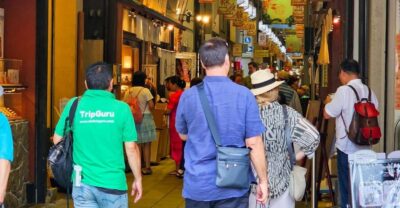
Kyoto: Nishiki Market and Depachika Food Tour with a Local
Read our review →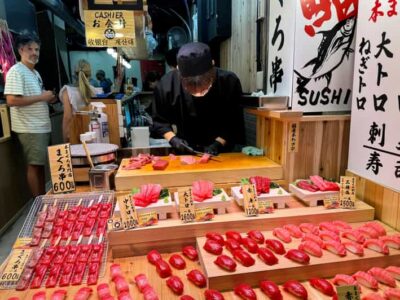
Kyoto: Nishiki Market Tour with a Local Foodie & Tastings
Read our review →
Golden Pavilion, Nijo Castle, & Nishiki Market Half day tour
Read our review →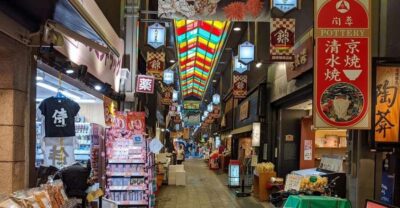
Kyoto: Enjoy Sushi & Market Tour! Best for Family & Couple!
Read our review →This tour also appears in