
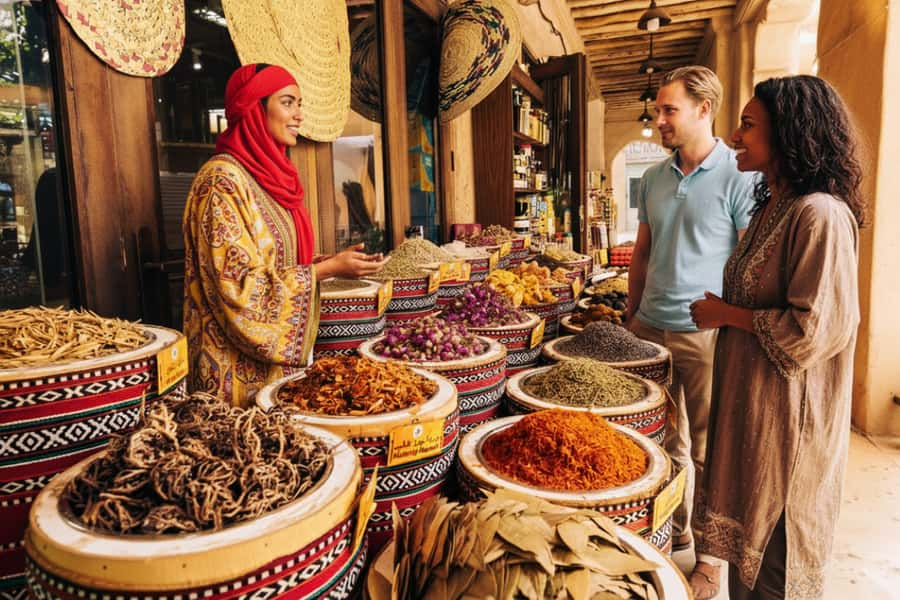
Review · DUBAI
Old Dubai Historic Guided Tour: Creek, Street Food & Souks
Dubai is easiest to understand away from its towers. This walking tour takes you through Al Fahidi’s narrow lanes, a traditional Emirati house, Al Seef, and the souks, then sends you across Dubai Creek in a small wooden abra. The big reward is seeing how trade, family life, and modern Dubai connect.
I especially like the small food tastings and the simple Creek crossing. Arabic coffee, dates, karak tea, samosas, and sometimes luqaimat give the walk a tasty rhythm, while the boat ride adds a fine view for very little extra cost. The main drawback is that this is a walking tour in a hot city, and it is not suitable for wheelchair users, people with mobility impairments, or children under two.
Key points at a glance
- A traditional Emirati house opens the tour: Begin with Arabic coffee, dates, old photographs, and a look at domestic life in the UAE.
- Food is part of the storytelling: Try karak tea and samosas, with some departures also including luqaimat and camel’s milk tea.
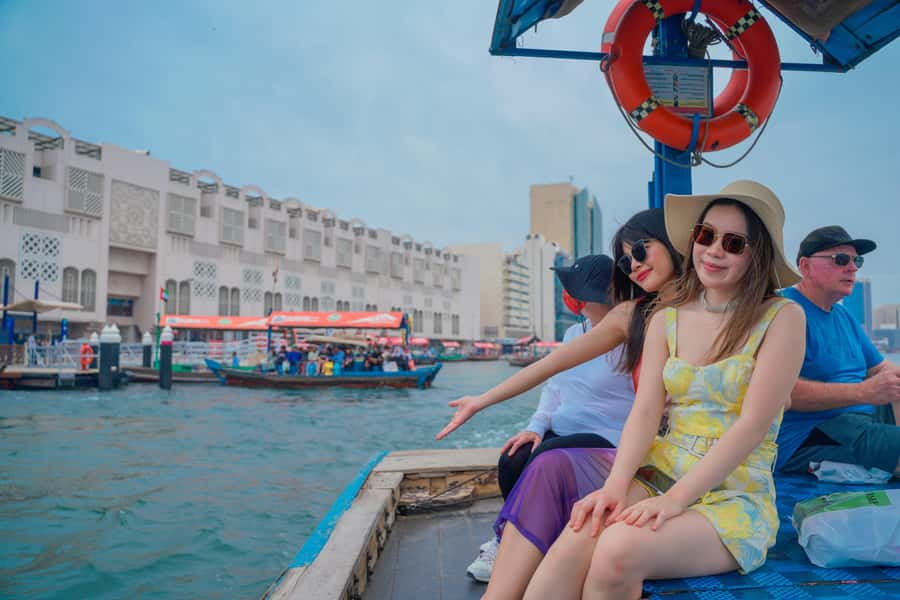
- The abra ride is short but memorable: Cross Dubai Creek alongside trading ships and views toward Dubai’s newer skyline.
- The souks are hands-on: Visit the Spice Souk and Gold Souk, then try bargaining with help from your guide.
- The guides are a major strength: Ahmed Hussein, Nasser, Ibrahim, Khan, Hossam, and others are praised for clear explanations and friendly humor.
- At $10, the value is unusually strong: You get a guide, food, heritage entry, the boat ride, water, and souk visits in three to four hours.
Why Old Dubai makes a better first lesson than another skyscraper
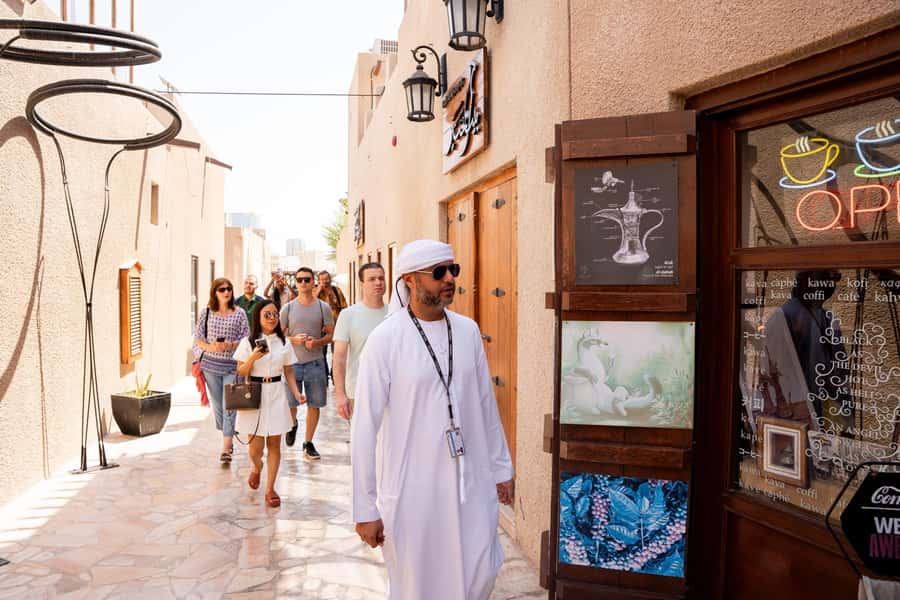
Dubai’s famous skyline is polished and impressive, but it tells only the newest chapter of the city’s story. This tour begins in the older districts, where low buildings, shaded passages, markets, mosques, and the Creek give you a better sense of Dubai before its rapid growth.
You meet at Al Khayma Heritage Restaurant. Sharaf DG Metro Station is the nearest metro stop, and central hotel pickup and drop-off can be selected if you prefer not to arrange your own way there. The meeting point matters because this is not a bus tour that spends most of its time getting from one sight to another. Once you arrive, the walking starts quickly.
The route lasts about three to four hours. That is long enough to build a clear picture of Old Dubai without taking up a full day. I would place it early in your Dubai stay, especially if you want context before visiting other parts of the city.
More Market Food Tours in Dubai
- Dubai: Old Town, Creek, Museums, Souks, & Street Food Tour
★ 4.8 · 10,816 reviews - Dubai: Old Town, Souks, Street Food, Guided Tour & Abra Ride
★ 4.9 · 7,170 reviews - Dubai Aladdin Tour: Souks, Creek, Old Dubai and Tastings
★ 5.0 · 3,755 reviews
Coffee, dates, and a family home in the Emirates
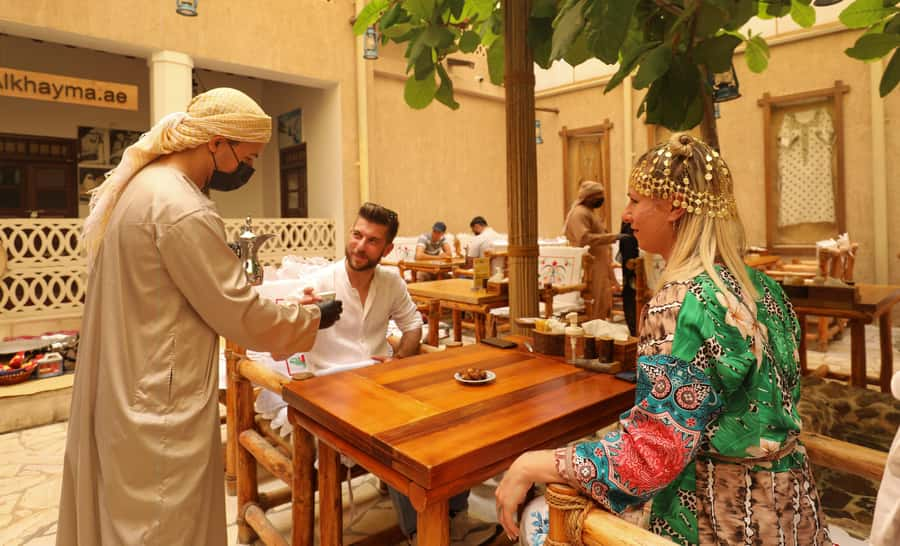
The first substantial stop is a traditional Emirati heritage house. You receive Arabic coffee and dates, then look through photographs that explain the UAE’s earlier years. This is a useful beginning because it puts faces and daily routines behind the broad dates and facts you will hear later.
The house also helps explain what a traditional Emirati home looked like. You are not simply passing an old building for a quick photograph. You get to walk inside and hear about the way people lived, welcomed visitors, and adapted to the country’s changes.
Food and drink make this opening stop feel natural rather than formal. Arabic coffee has a distinct flavor and is served in small portions, so you can try it without committing to a full cup. The dates balance the coffee, and the setting gives you a calm start before the streets become busier.
Some departures include extra tastings such as two kinds of Arabic coffee, luqaimat, or tea made with camel’s milk. Those additions are not presented as guaranteed elements in every description, so treat them as a possible bonus rather than a promise.
Al Seef and the meeting of old and new Dubai
From the heritage house, the route continues through Al Seef. This waterfront district is designed to echo older Dubai, with traditional-style buildings, narrow lanes, shops, and views toward the Creek. You will stop for a look at Al Seef Mosque and have time to take photographs.
Al Seef is not an untouched old quarter. It is a carefully developed visitor area, and that is worth understanding before you go. Its value is visual and practical: it gives you an easy introduction to the look of Old Dubai, with places to pause and a clear connection to the water.
The tour then moves toward Al Fahidi. Here, the contrast becomes more interesting. Traditional buildings sit close to modern structures, showing how quickly Dubai has changed. Your guide can connect the physical details around you to the wider story of the UAE, rather than leaving you to guess which parts are old and which are newer recreations.
The walking is generally described as easy, but you should still wear proper shoes. The route includes lanes, market streets, and time on your feet, and the sun can make even a short walk feel longer. Sunglasses, a hat, comfortable clothing, and water are sensible choices.
Al Fahidi Fort and the Bur Dubai market lanes
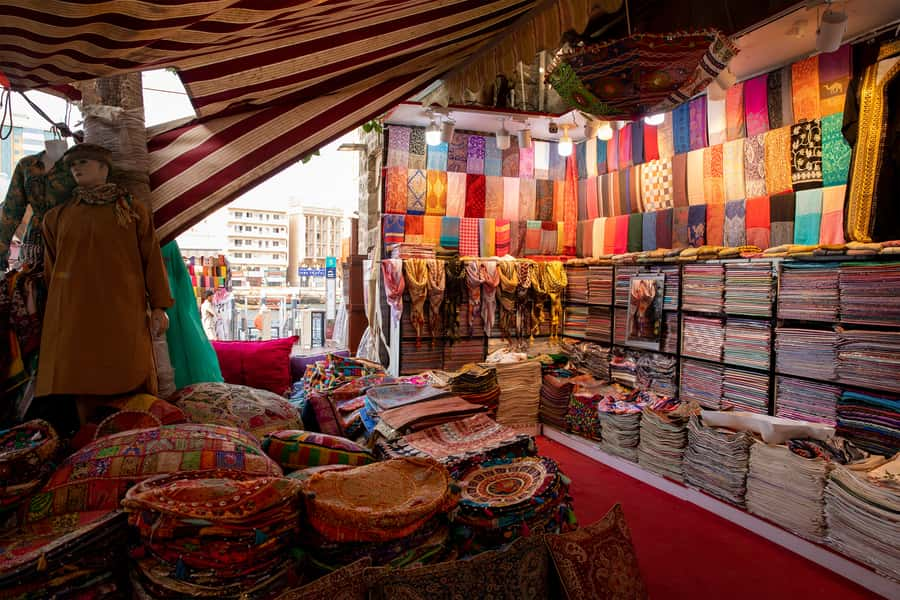
The visit to Al Fahidi Fort is brief, about 15 minutes, and functions partly as a photo stop and partly as a history lesson. Do not expect a long museum visit here. The value comes from seeing one of the area’s key historic structures while your guide explains its place in Dubai’s development.
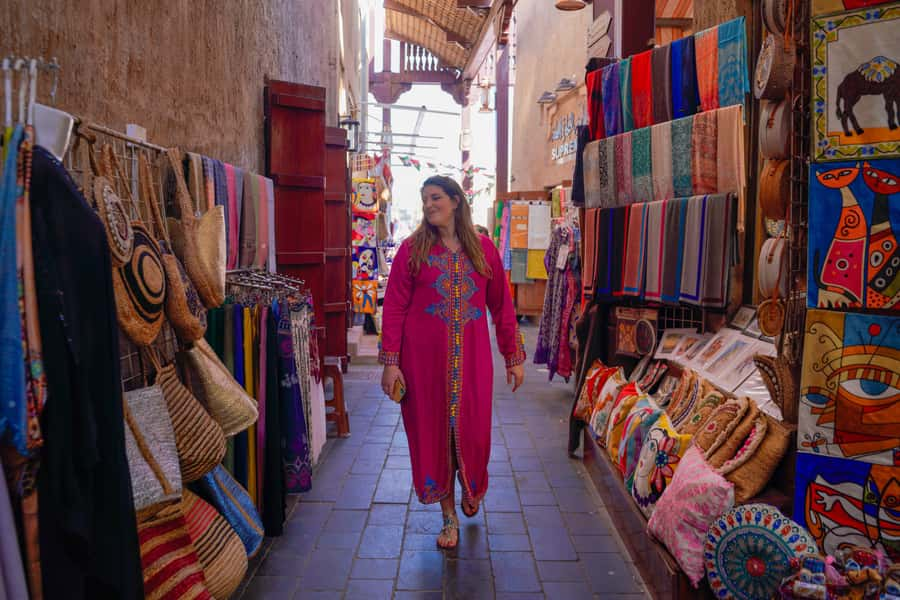
The group then continues through Bur Dubai Souk Market. This is a good point to notice the pace of the route. You are not given hours to shop at every stall. Instead, the guide keeps the walk moving and uses the market as part of the larger story, pointing out details and explaining how the old trading district worked.
That approach suits you if you want orientation and local context more than a dedicated shopping trip. If you are determined to inspect every textile, souvenir, or household item, the schedule may feel brisk. You can return on your own later, using the route as a useful first look.
Same city, another market:
- Dubai: Frame Tickets, Creek, Souks & Blue Mosque Guided Tour
★ 4.8 · 5,980 reviews - Dubai: Half-Day City Tour with Blue Mosque, Creek, and Souks
★ 4.8 · 3,059 reviews - Dubai Half-Day City Tour with Visit to Dubai Gold Souk
★ 4.0 · 1,741 reviews - Dubai: Old Town, Souks, Street Food, Guided Tour & Abra Ride
★ 5.0 · 1,664 reviews
Karak tea, samosas, and the tour’s edible pause
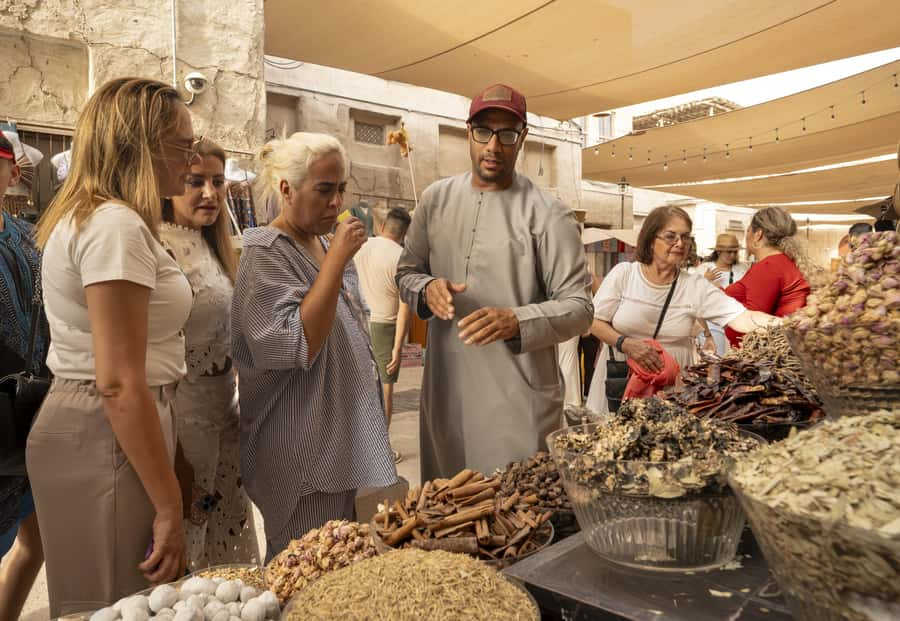
Street food gives the tour a welcome break. You can expect karak tea and samosas, with the tea offering a sweet, spiced pause while your guide continues talking about local habits and culture. The snack is simple, but it makes the walk feel grounded in daily life rather than built only around monuments.
Food is one of the strongest parts of this outing because it adds texture to the history. You are not only hearing how Dubai changed. You are tasting a few items connected with the region’s café and street-food culture.
The food is a tasting rather than a full meal. If you need lunch or dinner, plan to eat before or after the tour. Also tell the operator about dietary needs before booking if that matters to you, since the supplied information does not describe substitutions or a full allergy policy.
Crossing Dubai Creek by traditional abra
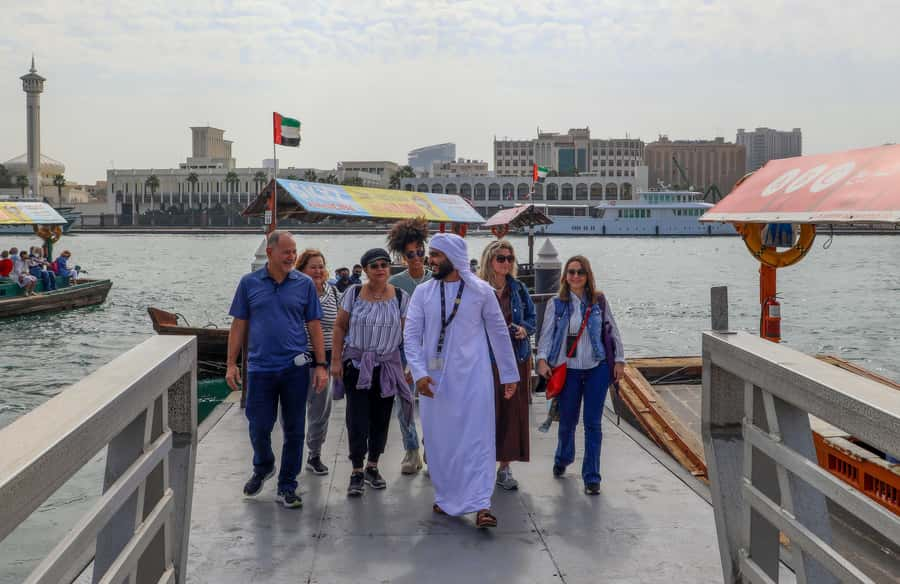
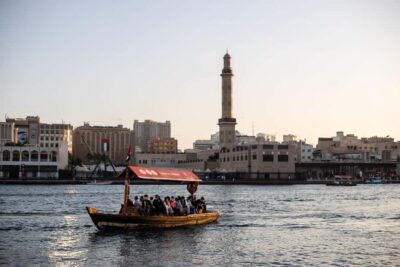
At Bur Dubai Abra Dock, you board a traditional abra for a short ride across Dubai Creek. The boat portion is listed at about 15 minutes, so it is not a long cruise, but it changes the feel of the tour immediately.
From the water, you can see large trading ships and the newer Dubai skyline. That pairing is the point: the Creek is both an old working waterway and part of a city now known for glass towers and large-scale development.
I like this stop because it is a real piece of local transport rather than a staged sightseeing ride. It also gives your feet a rest and breaks up the walking. The abra ride is included in the $10 price, which makes the overall cost especially attractive.
The boat is not a luxury cruise. Expect a simple, traditional crossing rather than seats, commentary, or an extended trip. People who dislike open boats or have difficulty boarding should take that into account, especially since the tour is not suitable for people with mobility impairments.
Spice Souk: smells, color, and friendly bargaining
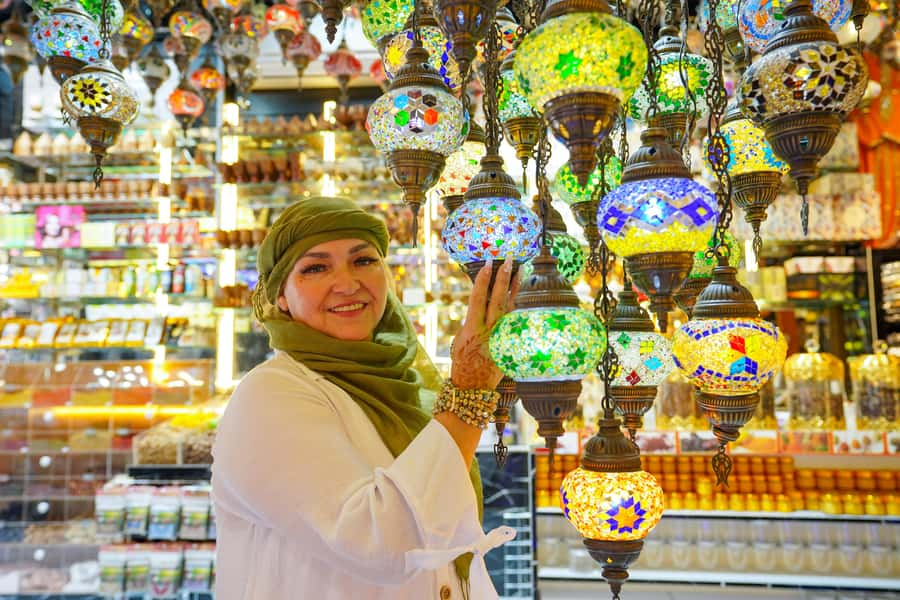
After crossing to Deira, the route reaches the Spice Souk. This is the most sensory part of the walk. You will see sacks and displays of spices, smell the goods as you pass, and have time to look at the shop fronts.
Your guide can help you understand how to approach the market without treating every sales pitch as a command to buy. Bargaining is part of the visit, and you can try it for yourself. The best approach is to ask the price clearly, keep your tone friendly, and walk away if the figure does not suit you.
Do not feel obliged to purchase anything. The souk is still worth visiting for the colors, aromas, and movement of the market. If you do want spices or gifts, ask what you are buying and compare prices at more than one stall.
The 30-minute stop gives you a taste, not a full shopping expedition. That is helpful if you have a limited schedule, though shoppers who enjoy slow browsing may want to return independently.
Gold Souk: sparkle with a practical edge
The final main stop is the Gold Souk, where jewelry and precious stones fill the displays. Even if you are not buying, the sheer scale of the gold shops makes this a memorable finish.
The guide can help you understand the setting and offer advice while you browse. Still, your guide is not a personal jeweler, and you should make your own decisions about quality, price, and certification. Treat the visit as a chance to look and learn, not as pressure to spend.
The tour ends in the Gold Souk area rather than bringing you back to the starting point as part of the walking route. One useful option is to take an abra back toward Bur Dubai on your own, just as one participant did after finishing. Confirm the exact end point and return plan with your guide on the day.
The guides make or break the walk
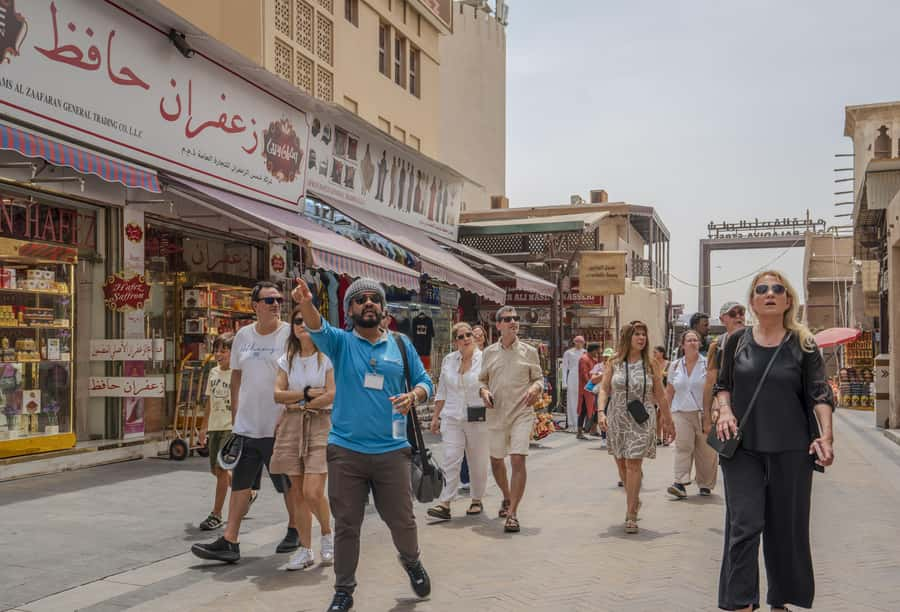
The clearest pattern in the feedback is the strength of the guiding. Ahmed Hussein is repeatedly praised for his history explanations, warm manner, and habit of checking that everyone is keeping up. Nasser is described as friendly, funny, and generous with his time. Ibrahim has earned praise for his Spanish and upbeat delivery.
Other guides named include Khan, Hossam, Maaz, Dago, Fesal, Mustafa, and Iqbal. The common thread is clear speech, humor, and a willingness to answer questions. Maaz, in particular, was noted for speaking slowly and clearly to a group with several nationalities.
That matters on a walking tour because the buildings alone cannot explain Dubai’s changes. A good guide turns a wall, house, market, or boat ride into part of a connected story. The guide also helps you avoid wasting your short souk visits on confusion or poor bargaining.
Guides are assigned by departure, so you cannot assume you will get a particular person. The listed guide languages are English, German, Spanish, Italian, and French. If language is important to you, check availability when choosing a time.
Is $10 really good value?
At $10 per person, this is an unusually full half-day outing. The price includes a live guide, heritage site and museum entry, the Emirati house, Arabic tea or coffee, dates, street food, a bottle of water, the abra ride, and visits to both major souks.
You are also getting a useful introduction to two areas, Bur Dubai and Deira, without paying separately for a boat crossing or arranging several short visits yourself. The strongest value comes from the combination, not from any one stop. The fort visit is short, the abra ride is short, and the food is a tasting, but together they create a well-shaped introduction.
Hotel pickup is optional from central Dubai hotels. If you choose it, the convenience may matter more than the small extra cost, especially if you are unfamiliar with the city. If you are near Sharaf DG Metro Station, meeting at Al Khayma Heritage Restaurant keeps things simple.
Free cancellation is available up to 24 hours before the start, and you can reserve now and pay later. Those terms help if your Dubai schedule is still moving around, but check the exact booking conditions for your selected time.
What to bring and who should skip it
Wear comfortable shoes and light, comfortable clothing. Sunglasses and a sun hat will help, and a bottle of water is included, though carrying your own water is still sensible in the heat.
Large bags and luggage are not allowed, and baby strollers are not suitable for the route. Children under two should not join, and the outing is not recommended for infants.
This tour suits first-time Dubai visitors, short-stay visitors, food-minded sightseers, and anyone who wants something more grounded than malls and towers. It also works well for people who have visited Dubai several times but never explored its older districts. One repeat Dubai visitor said the walk changed how they understood the city, which is exactly what a good orientation tour should do.
It is less suitable if you want a slow shopping day, a long museum visit, or a fully accessible route. It is also a poor fit if the heat, walking, or abra boarding will make you uncomfortable.
Should you book the Old Dubai Historic Guided Tour?
I would book this tour if you want a compact, inexpensive introduction to Dubai’s older quarters. The mix is well judged: a heritage house for context, Al Seef and Al Fahidi for atmosphere, small food tastings for local flavor, an abra ride for movement and views, and the Spice and Gold Souks for a lively finish.
The $10 price makes the decision easy for most able-bodied visitors. Just keep your expectations accurate. This is not a private deep-history seminar, a full meal, or a relaxed shopping tour. It is a fast-moving introduction led by guides such as Ahmed Hussein, Nasser, or Ibrahim, with enough history, food, and local transport to make Old Dubai feel like more than a backdrop.
FAQ
Where does the tour meet?
The meeting point is Al Khayma Heritage Restaurant in Dubai. The nearest metro station is Sharaf DG Metro Station.
How long does the tour last?
The tour lasts approximately three to four hours, depending on the selected departure and option.
What food and drinks are included?
The tour includes Arabic tea or coffee, dates, karak tea, and samosas. Some tour descriptions and feedback also refer to luqaimat, two kinds of Arabic coffee, and camel’s milk tea.
Is the abra ride included?
Yes. A traditional abra boat ride along Dubai Creek is included in the tour price.
Which souks will I visit?
You will visit the Spice Souk and the Gold Souk. The route also includes Bur Dubai Souk Market.
Which languages are available?
Live guides are available in English, German, Spanish, Italian, and French. Guide assignment depends on the selected departure.
Is the tour suitable for wheelchair users or young children?
No. The tour is not suitable for wheelchair users or people with mobility impairments. Children under two and infants are not recommended to join.
More market history around Dubai
- Historic Old Dubai & Souk Small Group Walking Tour
★ 5.0 · 156 reviews - Old Dubai Heritage Tour: Souks, Mosques & more hidden gems!
★ 4.3 · 72 reviews - Private Excursion to Floating Market and Ayutthaya World Heritage
★ 5.0 · 515 reviews - Palermo: Walking Tour of Historic Markets and Monuments
★ 4.9 · 478 reviews
New market tours around Dubai
- Walking Tour in Dubai. Souks, museums, Local Food Testing★ 5.0 · 11 reviews
- Old Dubai Guided Tour With Photographer: Souks & Street Food★ 4.9 · 74 reviews
- Old Dubai Heritage Tour: Souks, Mosques & more hidden gems!★ 4.3 · 72 reviews
- Dubai Tour: Haritage Walking Guide, Gold & Spice Souq, Creek★ 4.5 · 11 reviews
- Dubai:Private Frame Entry, Mosque, Souks, Tastings& transfer★ 4.8 · 9 reviews
- Dubai: Discover Dubai Old Town, Souks, Museum & Street Food★ 4.9 · 25 reviews
- Dubai.Discover Old town,Markets,street food,Abra &Museums★ 4.9 · 181 reviews
- Dubai: Guided City Walking Tour to Spice and Gold Souk★ 5.0 · 3 reviews
Dubai Market Tours, side by side.
Dubai: Old Town, Creek, Museums, Souks, & Street Food Tour
Read our review →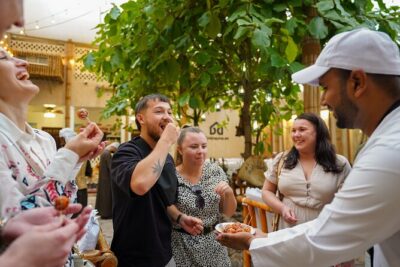
Dubai: Old Town, Souks, Street Food, Guided Tour & Abra Ride
Read our review →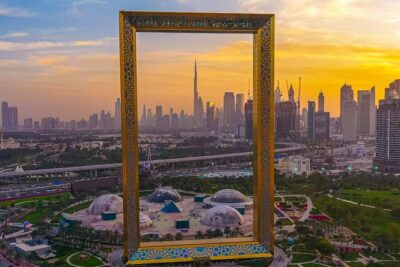
Dubai: Frame Tickets, Creek, Souks & Blue Mosque Guided Tour
Read our review →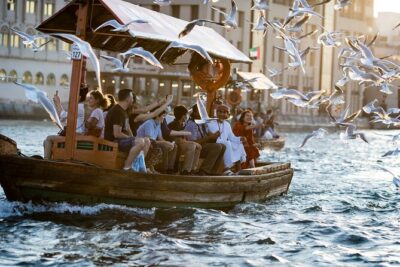
Dubai Aladdin Tour: Souks, Creek, Old Dubai and Tastings
Read our review →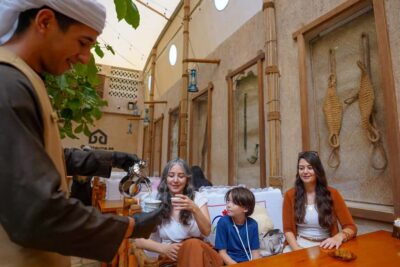
Dubai: Half-Day City Tour with Blue Mosque, Creek, and Souks
Read our review →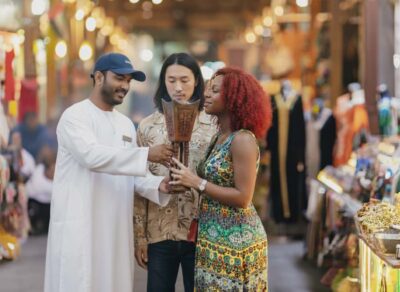
Dubai: Old Town, Street Food, Creek, Souks, & Emirati House
Read our review →
Dubai City Tour: Old & New Dubai Abra Ride, Palm Island, Souks
Read our review →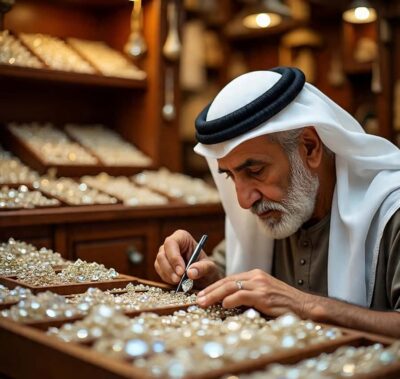
Dubai: Authentic Old Town, Souks, Tastings & Abra Boat Tour
Read our review →This tour also appears in