Review · PHILADELPHIA
Philadelphia: Italian Market Walking Food Tour
Philadelphia’s Italian Market is more than an Italian food stop. In about two and a half hours, you move through a neighborhood shaped by Italian, Mexican, and Vietnamese communities, tasting your way from tomato pie and cannoli to tacos and other market specialties. The food is the hook, but the real payoff is seeing how small family businesses helped shape South Philly.
I like two things right away: the five samples add up to a full meal, and the guide introduces you to shop owners rather than simply pointing at storefronts. Guides including Chuck, Heather, and Barry have brought strong storytelling and personal knowledge to the walk. The main consideration is that this is an outdoor tour that runs rain or shine, and the exact stops and food portions can change.
Key points at a glance
- Five food samples equal to a full meal: You can plan this as lunch rather than a small snack crawl.
- Three food cultures in one neighborhood: Italian, Mexican, and Vietnamese influences give the walk more range than its name suggests.
- Family-run shops and owner connections: Your guide helps explain how individual businesses grew over time.
- A 150-minute walking route: The pace allows room for food, local stories, public art, and market browsing.
- Guides with strong storytelling: Chuck, Heather, and Barry have each led engaging versions of this experience.
- Practical flexibility: Stops may change, dietary choices are limited, and the tour is mainly outdoors.
Why the Italian Market is worth your appetite
Philadelphia’s 9th Street Italian Market is one of those places where the name tells only part of the story. Italian businesses remain central, but the neighborhood also reflects later Mexican and Vietnamese immigration. That combination gives you a more useful picture of Philadelphia than a food tour focused on one cuisine alone.
I like the way this walk treats food as a record of migration. A pastry, tortilla, sauce, or prepared dish is not just something to sample. It points to the people who arrived, opened shops, served nearby families, and helped South Philadelphia change over time.
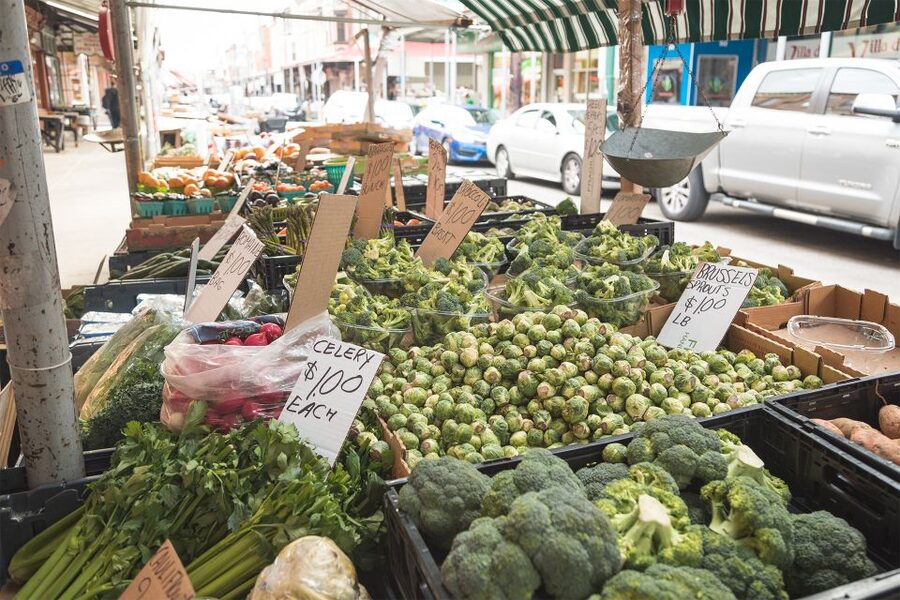
The market also has an everyday working feel. You are not touring a closed museum or a staged historic set. You pass shops selling fruits, cheeses, meats, baked goods, oils, coffee, chocolate, and prepared food. The guide’s job is to connect those businesses to the people and communities behind them.
The tour includes public art, too. That matters because the neighborhood’s identity is not limited to food counters and market stalls. You get a look at the art and culture around the street while learning why this part of Philadelphia became so well known.
More Market Food Tours in the USA
- Chef Guided Food Tour of Pike Place Market
★ 5.0 · 3,733 reviews - Pike Place Market Tasting Tour
★ 5.0 · 1,696 reviews - Early-Bird Tasting Tour of Pike Place Market
★ 5.0 · 1,154 reviews
Starting at Cianfrani Park
The meeting point is the center of Cianfrani Park. This gives you a clear place to find your guide before the group moves toward the market.
If you drive, allow extra time for parking. Street parking often has a two-hour limit, while the tour lasts 150 minutes, so a parking lot is the safer choice. This is a small detail, but it can prevent a rushed start or an unwanted return to your car during the walk.
Once the tour begins, you should expect a mix of standing, walking, tasting, and conversation. The route is wheelchair accessible, though the tour takes place mainly outside. Since it runs in most weather, comfortable shoes and weather-appropriate clothing make sense.
Walking the 9th Street market
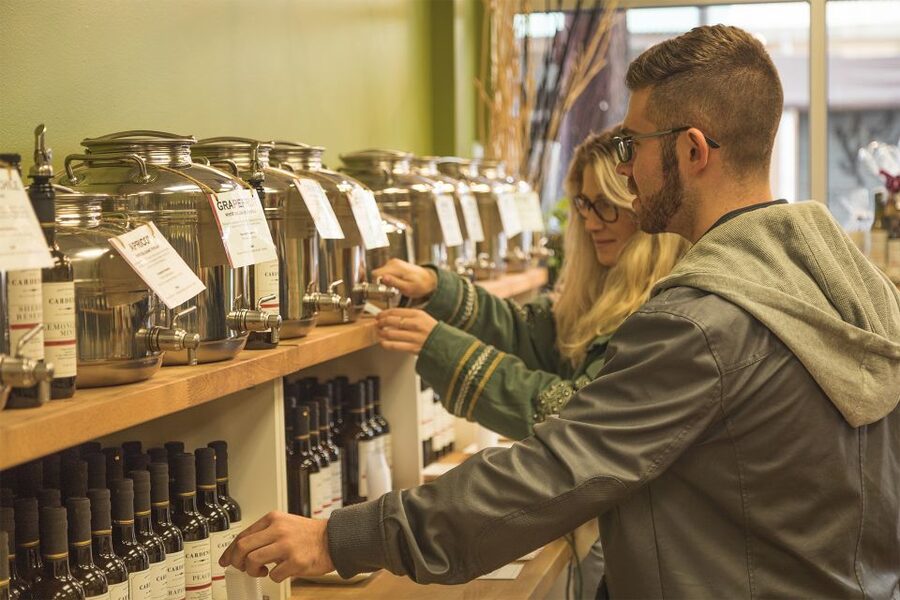
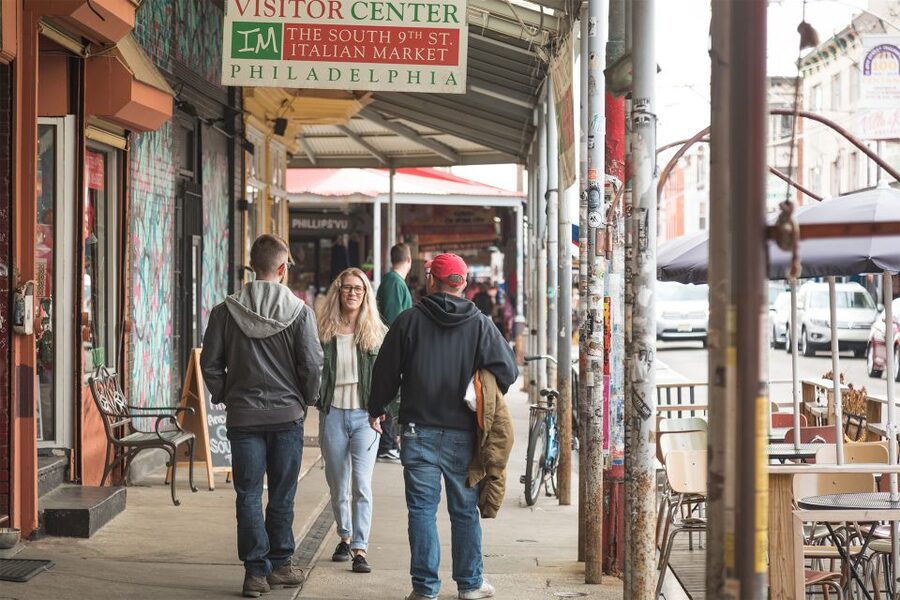
The main section takes place around Italian Market 9th Street. This is where the tour’s many parts come together: food shops, market businesses, public art, neighborhood history, and conversations about immigration.
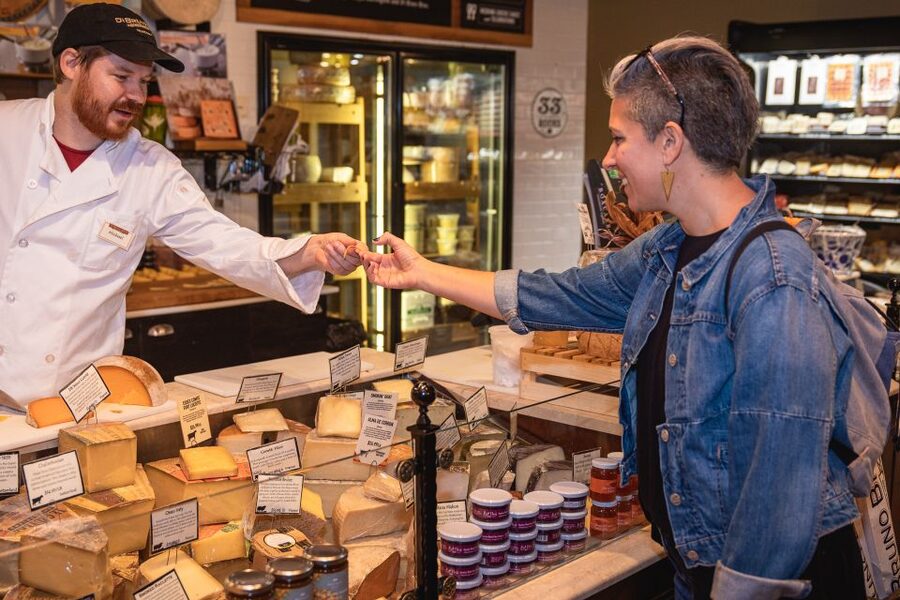
Your guide introduces vendors who have operated in the market for years. The point is not simply to name products. You learn how businesses grew, how families built their place in the neighborhood, and how several immigrant communities now share the same commercial street.
That personal contact can make a big difference. A guide who knows the shop owners can turn a quick tasting into a short lesson about the business and its place in the market. Chuck was especially praised for bringing the neighborhood to life through stories and for having meaningful connections with family-run food shops. Heather led a particularly personal tour for one small group, and Barry was also noted for his strong food and neighborhood knowledge.
Guide assignments can change, so you should not book expecting one specific person. Still, the experience clearly depends on the guide’s ability to tell a story, keep the group moving, and explain what you are eating without making the walk feel like a lecture.
Sarcone’s Bakery and the case for simple bread
Sarcone’s Bakery is one of the listed stops along the route. The guide portion here focuses on the bakery and its role in the market rather than promising a particular sample.
A bakery visit helps explain why Philadelphia food culture is not only about famous dishes. Bread, rolls, and baked goods are everyday products, yet they often become part of a neighborhood’s identity. At a place like this, you can ask your guide about how local bakeries fit into the food businesses around 9th Street.
Because stops are subject to availability, you should treat the named businesses as likely points on the route, not guaranteed admissions. The overall food quantity is promised, but the exact item from each shop may differ.
More Market Walking Tours in the USA
- Semi-Private Meatpacking District, Chelsea Market, and High Line Walking Tour
★ 5.0 · 88 reviews - NYC: Chelsea Market & High Line Food & Culture Walking Tour
★ 4.9 · 52 reviews - New York City Christmas Holiday Lights and Markets Walking Tour
★ 4.5 · 51 reviews - Delicious Donuts & Sweet Treats: West Loop Walking Tour
★ 5.0 · 47 reviews
Isgro Pastries and the sweet side of South Philly
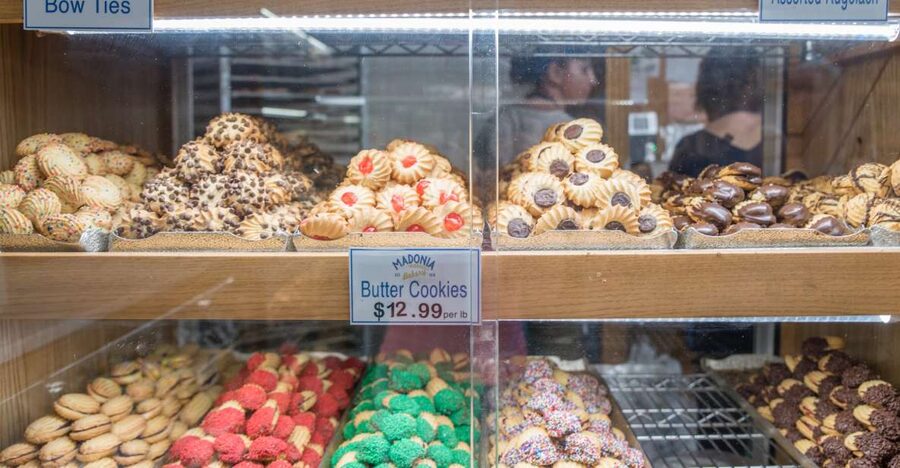
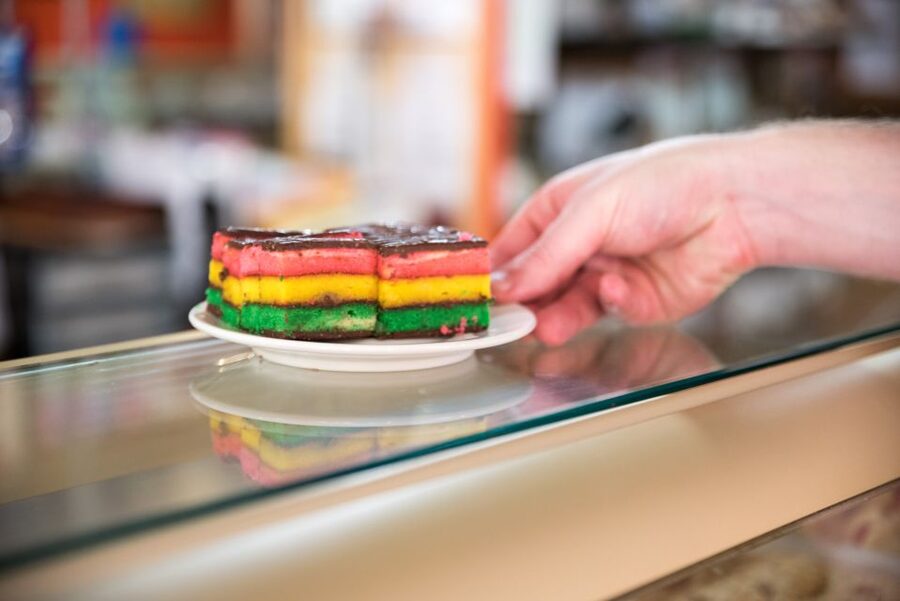
Isgro Pastries gives the walk a chance to focus on traditional Italian sweets. Cannoli are specifically part of the experience, along with other food samples that may change by day.
A hand-made cannoli can tell you more than whether you like a crisp shell or creamy filling. It also shows how Italian-American food remains part of the market’s working identity while the surrounding neighborhood has changed. The guide can place the pastry in the larger story of immigration, family businesses, and food traditions passed between generations.
This is also a good stop for pacing. The tour includes enough food to equal a full meal, so you are not rushing from one heavy savory dish to the next. Still, if you have a strong sweet tooth, remember that five samples are divided across several styles of food rather than devoted to desserts.
Blue Corn and the Mexican influence
Blue Corn Restaurant and Bar represents the Mexican side of the route. Fresh tacos are among the promised tastes, giving you a sharp change from Italian bakery items and market staples.
This is one of the tour’s most useful features. The phrase Italian Market might lead you to expect an all-Italian food crawl. Instead, the route shows how Mexican businesses have become part of the neighborhood’s present-day character.
Your guide also discusses the immigrant communities that helped Philadelphia grow. That context makes the food feel connected rather than random. You are not merely switching from cannoli to tacos for variety. You are seeing different traditions operating side by side on the same South Philadelphia streets.
Dietary needs require some planning here. The tour does not always cater to vegetarians or other food requirements, and food choices can vary. If you have allergies or strict restrictions, ask before booking rather than assuming substitutions will be available.
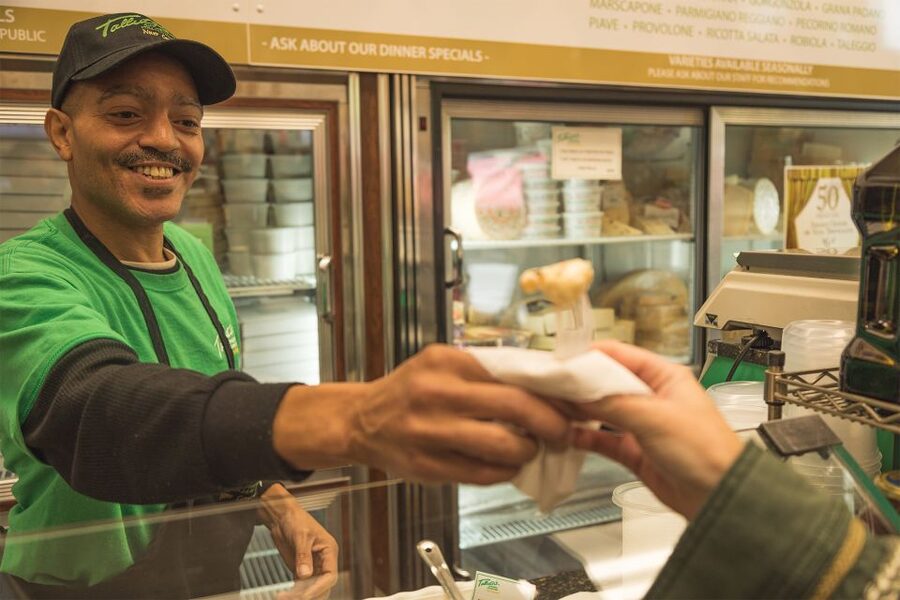
Talluto’s and the market’s Italian foundation

Talluto’s is another listed market stop. It helps keep the original Italian identity of the neighborhood in view while the tour broadens into a story about several cultures.
A stop like this is valuable because the Italian Market is not simply a collection of trendy food counters. It is also a place where fresh ingredients and specialty foods support home cooking. Your guide can help you see how a food shop serves both local residents and people looking for familiar ingredients from a particular tradition.
You may want to bring a little extra time after the tour if you hope to shop. The included price covers the guided walk and five samples, not personal purchases. The route gives you a useful introduction, but you will need to return on your own if you want to browse at length.
Tortilleria San Roman and food made close to home
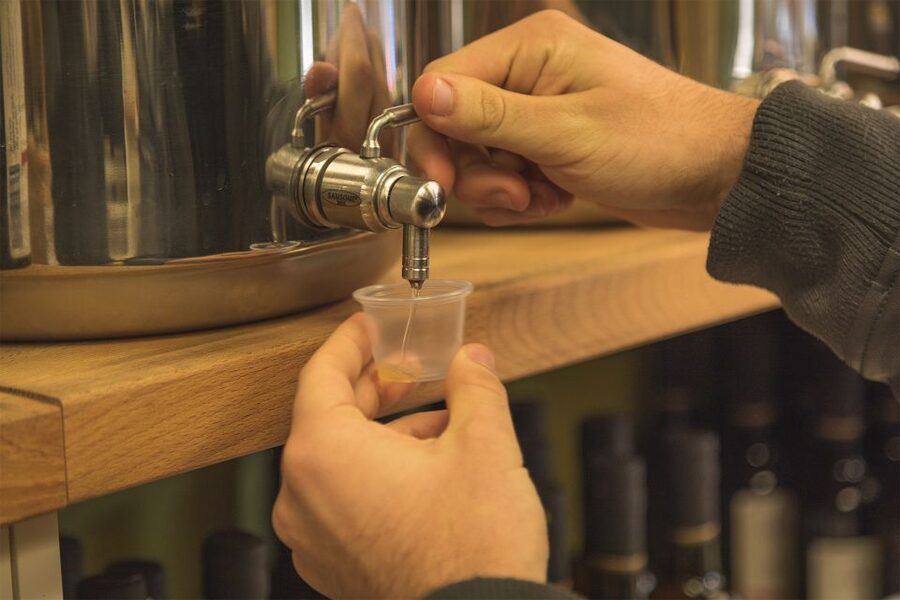
Tortilleria San Roman brings another clear Mexican influence to the route. A tortilleria is a useful stop because it shifts attention from finished restaurant dishes to a basic food made for daily use.
This kind of visit can be one of the more revealing parts of the tour. You begin to notice how food businesses support one another and how a market neighborhood can serve both traditional cooking and newer dining habits.
The experience does not promise that every named shop will be open or included on your specific departure. That flexibility helps the operator handle daily business conditions, but it means you should judge the tour by its overall food and storytelling program, not by one must-see shop.
Pop Up Café, oils, coffee, and chocolate
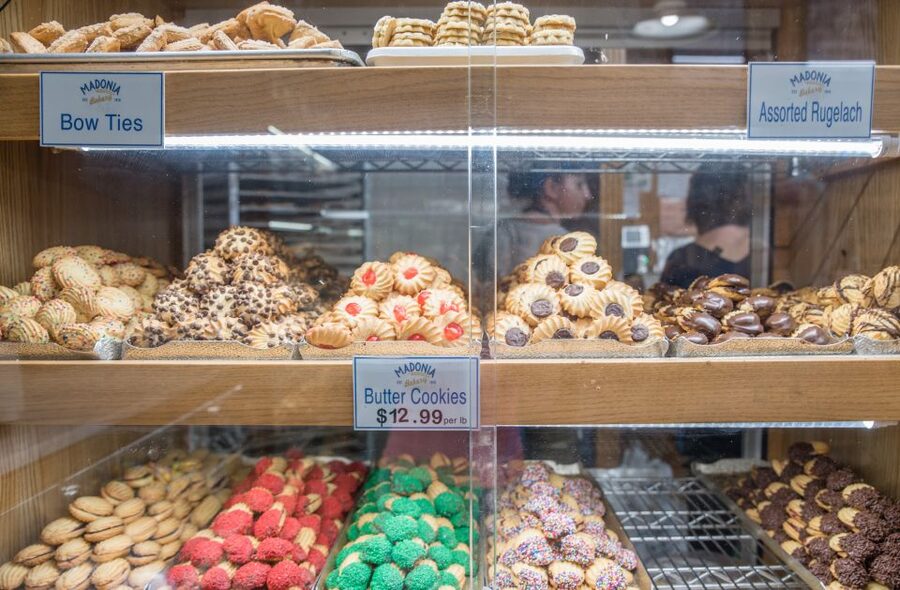
The route also includes Pop Up Café, Cardenas Oil & Vinegar Taproom, and Anthony’s Italian Coffee & Chocolate House. These stops broaden the tasting beyond the headline items.
At Cardenas, oils and vinegars give you a chance to think about ingredients rather than only prepared dishes. At Anthony’s, coffee and chocolate bring the meal toward its finish with familiar Italian-style flavors. Pop Up Café adds another possible tasting point, though the exact food depends on availability.
I like this range because it keeps the food walk from feeling repetitive. You get sweet and savory tastes, prepared food and pantry items, and the chance to see how specialty retail works in the market.
The tradeoff is that the route may not feel like a formal restaurant meal. Samples and portions vary, and five tastings equal a full meal in total rather than guaranteeing five large plates. Come hungry, but do not expect to choose every item or sit down for a long course-by-course lunch.
Five tastings for $59
At $59 per person, the tour is priced above a self-guided market visit but below what you might spend piecing together several restaurant stops on your own. The value comes from the combination of food, a local guide, access to shop stories, and the time saved planning a route.
I think the price works best if you want context with your meal. You could walk through the market for free, buy individual foods, and read about the area separately. What you do not get on your own is the guide’s introduction to the businesses, the immigrant history, and the connections between the Italian, Mexican, and Vietnamese communities.
The included food is meant to equal a full meal, which improves the value for a midday activity. You should still budget for any extra snacks, drinks, or purchases. The tour price does not include personal shopping.
The 150-minute length is also sensible. It is long enough for several stops and a real neighborhood explanation, but short enough to fit into a day of sightseeing. If you prefer a quick tasting with little walking, this may feel too long. If you enjoy food, local stories, and a steady pace, the timing is well judged.
Rain, accessibility, and group style
The tour runs rain or shine unless conditions become dangerous. Since it is primarily outside, bad weather can affect comfort even when the tour continues. Check the forecast and dress for the season rather than assuming the market will provide indoor shelter.
The experience is wheelchair accessible. Still, because this is a walking route through active market streets and businesses, you may want to confirm any specific mobility needs when booking.
An English-speaking live guide leads the tour. A private group option is available, which can be useful if you want a more personal pace or are traveling with family and friends. A private format may also make it easier to discuss food preferences in advance, although the tour does not promise that every dietary requirement can be met.
The guide can make or break a food walk. The strongest feedback centered on storytelling, local passion, personal connections with businesses, and a good pace. Chuck, Heather, and Barry each received especially warm praise for those qualities. Since guides rotate, the safest expectation is an informed English-speaking host rather than a guaranteed individual guide.
Who should book this Italian Market walk?
I would recommend this tour to first-time Philadelphia visitors who want food and neighborhood context in the same activity. It is also a good choice if you like trying several small tastes rather than committing to one restaurant meal.
Families and mixed-age groups may appreciate the variety, though food preferences can be uneven. People interested in immigration, public art, and small businesses will get more from the walk than someone who only wants a list of the best places to eat.
You may want to skip it if you have strict dietary restrictions, dislike outdoor tours in uncertain weather, or prefer to choose every dish yourself. The route is flexible, and the exact stops may change. That is practical for a working market, but it does reduce control.
Should you book it?
Book this tour if you want a full meal in five tastings, a useful introduction to South Philadelphia, and a guide who can connect food to the people who built the neighborhood. The strongest reason to go is not one particular cannoli or taco. It is the chance to understand why Italian Market 9th Street includes Italian, Mexican, and Vietnamese food traditions in the same community.
At $59, I consider it good value for a two-and-a-half-hour guided walk, especially early in your Philadelphia visit. Go hungry, wear shoes suited to city walking, allow extra time for parking, and keep your plans flexible about the exact stops. If those conditions suit you, this is a thoughtful and tasty way to meet one of Philadelphia’s most distinctive neighborhoods.
FAQ
How long does the Philadelphia Italian Market food tour last?
The tour lasts 150 minutes, or two and a half hours.
Where does the tour begin?
It begins at Cianfrani Park. Meet your guide in the center of the park.
Where does the tour finish?
The tour finishes at Italian Market 9th Street.
How much food is included?
Five food samples are included, with a total amount intended to equal a full meal. Food choices and portion sizes can vary.
Is the tour suitable for vegetarians or special diets?
The tour may not always be able to cater to vegetarians or other dietary requirements. Ask about your needs before booking.
Does the tour run in bad weather?
The tour takes place mainly outdoors and runs rain or shine unless the weather is considered dangerous.
New market tours around the USA
- Insider’s Breakfast and Culture Tour of Pike Place Market★ 5.0 · 6 reviews
- South Philly Tour: Market, Cheesesteaks & Hidden Gems★ 5.0 · 2 reviews
- Secret Food Tours: Seattle Pike Place Market★ 5.0 · 3 reviews
- Historic Tucson Walking Tour★ 4.6 · 17 reviews
- Seattle: Pike Place Market Seafood Tasting Tour★ 4.7 · 26 reviews
- Seattle: Taste Pike Place Market’s Flavors★ 4.9 · 8 reviews
- Seattle: Original Food and Culture Tour of Pike Place Market★ 5.0 · 17 reviews
- Seattle: Early-Bird Tasting Tour of Pike Place Market★ 4.8 · 43 reviews
Philadelphia Market Tours, side by side.
Inside Philadelphia’s Italian Market: Chef-Led Tasting Journey
Read our review →
Philadelphia Historic Centre Food Tour with 5 Authentic Tastings
Read our review →
Philadelphia: Reading Terminal Market Walking Tour
Read our review →
Philadelphia: Italian Market Non-Touristy Walking Food Tour
Read our review →