
Review · VIETNAM
Sapa Night Market Experience – BBQ, Hotpot & Black Chicken
Sapa’s best evening meal may be the one you choose stall by stall. This two-hour outing takes you to the night market for charcoal BBQ, mountain hotpot, or H’mong black chicken, with a local guide explaining what you are eating and how these dishes fit into life in northern Vietnam.
I like two things right away: you get local conversation instead of a fixed restaurant menu, and you control the food bill. The guide can speak with sellers, explain unfamiliar dishes, and help you order without guesswork. The small private format also makes it easy to ask about customs, daily life, and food traditions.
The trade-off is simple: the $10 price does not include dinner, and Sapa’s night market is not especially varied for shopping. Many stalls sell similar goods, so this works best as a food and culture walk rather than a major retail attraction.
Key points about the Sapa night market experience
- Choose your own dinner: Pick Sapa BBQ, hotpot, black chicken, or a combination if you wish.
- Food is paid separately: The $10 covers the guide, booking platform fee, and one 500ml bottle of water.
- Learn the stories behind each dish: Hear about H’mong traditions, mountain herbs, local vegetables, and communal eating.
- A private two-hour outing: The format gives you room to ask questions and shape the evening around your appetite.
- A guide makes ordering easier: Your guide can speak with sellers and help you understand what is available.
- Expect more food than shopping: The market has atmosphere and local contact, but its merchandise can feel repetitive.
Starting the evening in Sa Pa
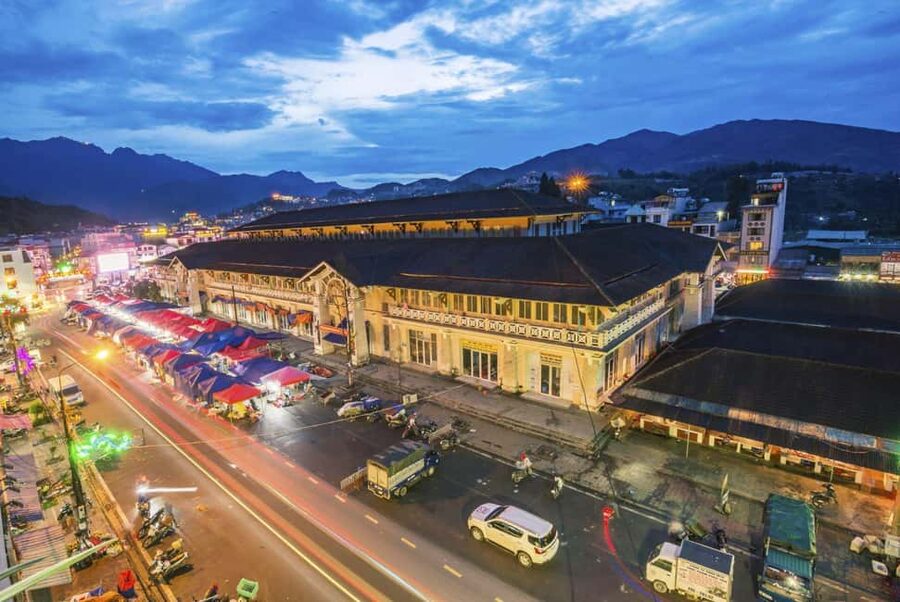
The experience begins in Sa Pa and lasts about two hours. If you are staying within 5 kilometers of the center, you can provide your hotel name, full address, the booking name, and a WhatsApp number for pickup arrangements. The car is scheduled to arrive about 10 minutes before departure.
If you are staying farther out, you are asked to choose a clear meeting place such as Sa Pa Stone Church or the train station. That is useful in a hilly town where hotel names and small lanes can be confusing, but you should send complete details when booking. Shuttle service is not included as a separate tour feature, so confirm the pickup plan rather than assuming every hotel transfer is covered.
The meeting process matters because this is not a large coach outing. It is a private group activity, and the guide can spend time with your party rather than trying to keep a crowd together. English and Vietnamese are available, and the guide’s role is more than leading you from one food stall to another.
One named guide connected with this experience is Chinh. He is described as friendly, supportive, and easy to talk with, and one party enjoyed the time enough to book another outing with him the next day. Guide assignments can vary, so do not assume Chinh will lead every departure, but the personal approach is a useful part of the experience.
More Night Market Tours in Vietnam
- Guided Tour to Marble Mountains & Hoi An Walking Tour , Night Market, Boat Ride
★ 5.0 · 218 reviews - Hoi An Night Market – Ancient Town street food tours by Night
★ 5.0 · 165 reviews - Hoi An Ancient Town – Night Market Street Food Tours By Night
★ 4.5 · 161 reviews
Walking into Sapa’s evening food scene
The night market visit combines walking, food tasting, free time, and sightseeing. The exact order can vary, but you should expect to move through the market with your guide, look at available food, and decide what suits you.
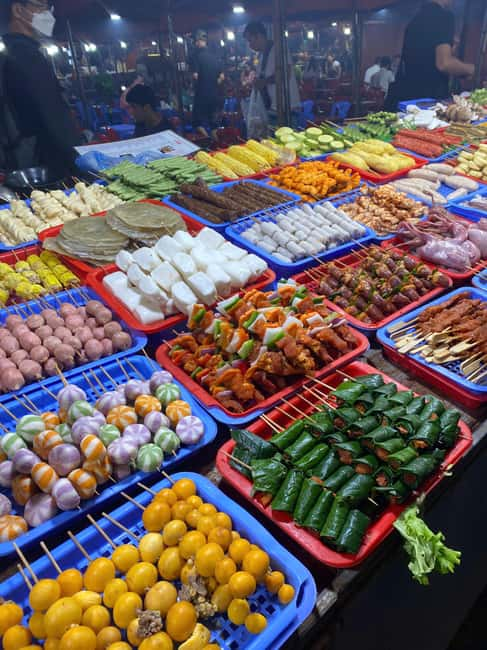
Sapa is cool in the evening, and the food makes sense in that setting. Small charcoal grills provide heat as well as dinner. The smell of meat, vegetables, mushrooms, and sweet potatoes makes the market feel social rather than purely commercial.
Your guide can help bridge the gap between seeing food and understanding it. You may know the word BBQ, but Sapa’s version has its own character. Local ingredients can include mountain herbs and mắc khén, a pepper with a citrusy, tingling quality often compared with Sichuan pepper. Pork and beef skewers are common choices, along with vegetables and mushrooms.
The guide can also explain how nướng, or grilling, fits local life. In cold weather, a small grill gives people a reason to gather close together. Families and friends eat from the same cooking area, talk, and take their time. It is a modest food tradition, but one that tells you more about an evening in Sapa than a standard restaurant meal would.
Choosing between BBQ, hotpot, and black chicken
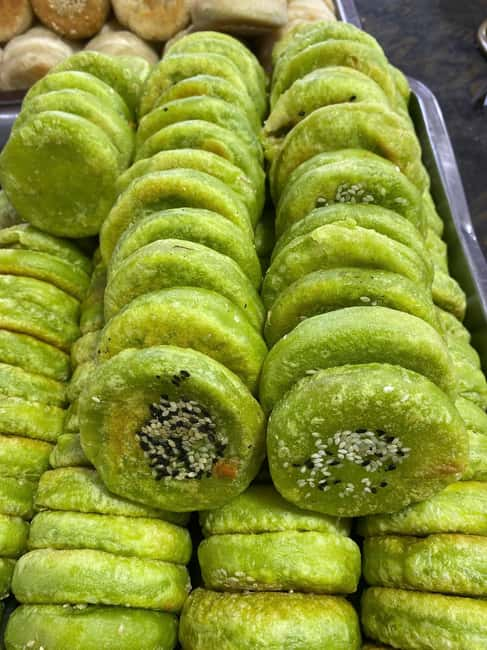
The main strength of the outing is choice. You are not locked into one set meal, and you do not pay for dishes you do not want. That is especially helpful if one person in your group wants meat, another prefers vegetables, or everyone wants to sample a little.
Sapa BBQ with mountain seasoning
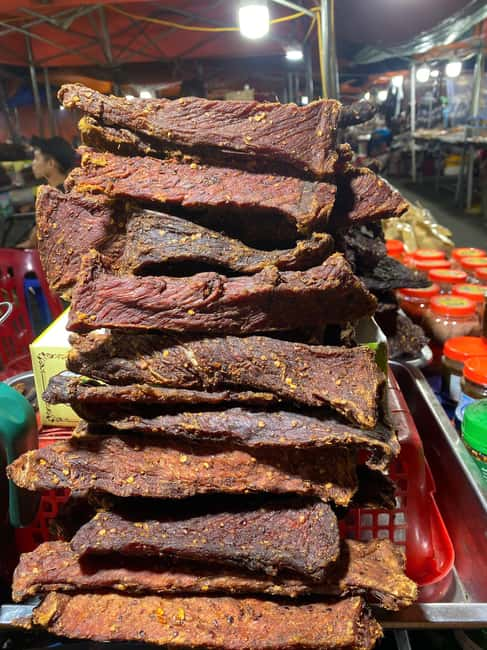
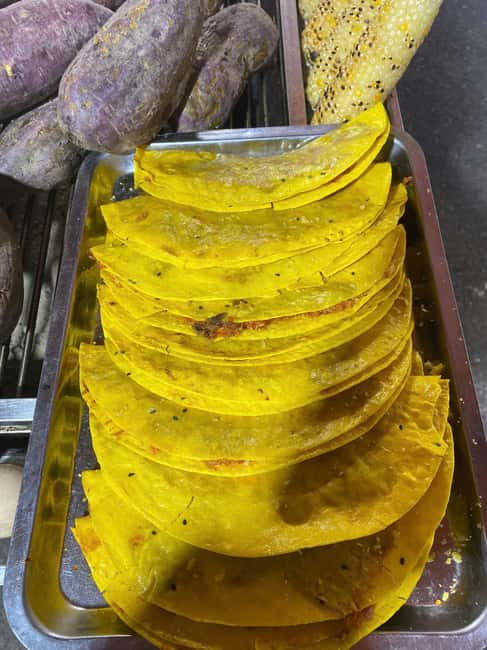
BBQ is likely the easiest choice for a quick, informal meal. Skewers cook over charcoal, and you can add vegetables, mushrooms, sweet potatoes, pork, or beef depending on what is available.
The seasoning is what gives Sapa BBQ its local identity. Mắc khén is associated with the northern mountains and brings more than simple heat. The pepper adds fragrance and a slight numbing sensation, so ask your guide about it before ordering if you prefer mild food.
I would choose BBQ if you want to keep the meal flexible. You can start with a few skewers, see what appeals to you, and stop without committing to a large shared dish. It also suits a short evening because the food is cooked in small portions.
Same city, another market:
- Hanoi Cooking Class: Culture, Local Market & Meaning CSR Impact
★ 5.0 · 5,147 reviews - 5 Traditional Dishes Hanoi Cooking Class with Market Trip
★ 5.0 · 4,890 reviews - Cooking Class Hoi An:Local Market, Basket Boat, Fishing & Cooking
★ 5.0 · 3,660 reviews - Hoi An Cooking Class(Market,BasketBoat Crabfishing&Cooking Class)
★ 5.0 · 3,386 reviews
Sapa hotpot and local vegetables
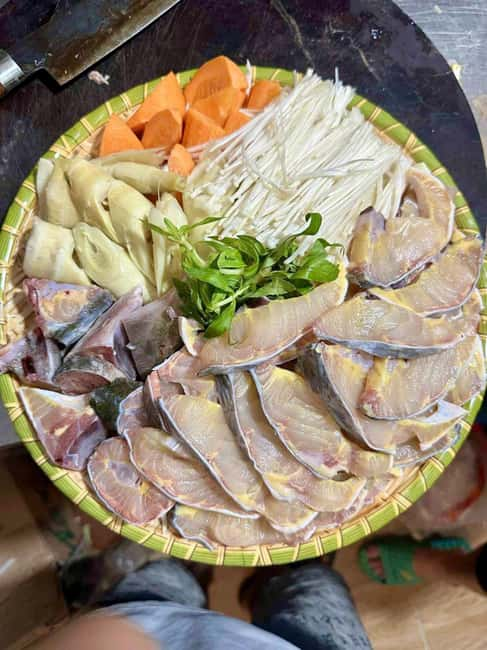
Hotpot is a slower, more communal option. A pot of broth sits in the middle of the table, and diners add ingredients as they eat. In Sapa, the broth may include cardamom, star anise, wild mushrooms, and bone marrow from buffalo or pork.
Fresh mountain vegetables help balance the savory broth. One local green mentioned for Sapa hotpot is cải mèo, a mustard green with a firm texture and a distinct flavor. You may want your guide to explain the vegetables as they arrive, since names and appearances can be unfamiliar.
Hotpot makes the most sense for two or more people who want to sit together and share. It may be less practical if you are alone, short on time, or simply want to sample several small foods. The two-hour schedule gives you time for a meal, but this is not a rapid grab-and-go stop if you choose hotpot.
The social meaning is part of the appeal. Sharing one pot represents togetherness in many Vietnamese settings, and that idea is especially useful context when you are eating with a local guide. You are not only tasting broth and vegetables. You are seeing why this style of meal remains popular.
H’mong black chicken
Black chicken, or gà đen, is the most unusual of the three choices. It is a breed raised by the H’mong people in the highlands, with dark skin, bones, and meat. Its appearance can surprise you if you have only eaten ordinary chicken.
The dish also carries cultural meaning. Black chicken has traditionally been viewed as a strengthening food in local medicine, especially for new mothers. That belief is part of the dish’s story, not a medical claim you should rely on.
I would choose black chicken if you want the meal with the strongest link to H’mong food heritage. It may not be the safest choice for someone who wants familiar flavors, but the guide can explain its background and help you decide before ordering. Because food is extra, you can ask questions first rather than committing to a dish you do not understand.
Why a guide improves the market visit
You could walk through the market alone, but ordering can be awkward when you do not know the ingredients, prices, or cooking methods. A local guide gives you a person to ask before you buy.
The guide can speak with sellers, explain what is being prepared, and help you choose portions. This is particularly useful for black chicken and hotpot, where the name alone does not tell you how the food is served.
There is also a comfort factor. One person described feeling safer and less uncertain in the market with a guide. That does not mean the market is dangerous. It means a local companion can make the setting easier to read, especially when you are unfamiliar with the language or customs.
The conversation can extend well beyond food. Guides on this experience discuss Sapa culture, local history, customs, and daily life. Chinh, in particular, is praised for answering questions openly and politely. If your guide is equally conversational, the evening can become a useful introduction to how people live in northern Vietnam.
That personal contact is the main reason to book this rather than simply visiting the market on your own. The food is available without a tour. The explanations and help with ordering are what you are paying for.
What the shopping part is really like
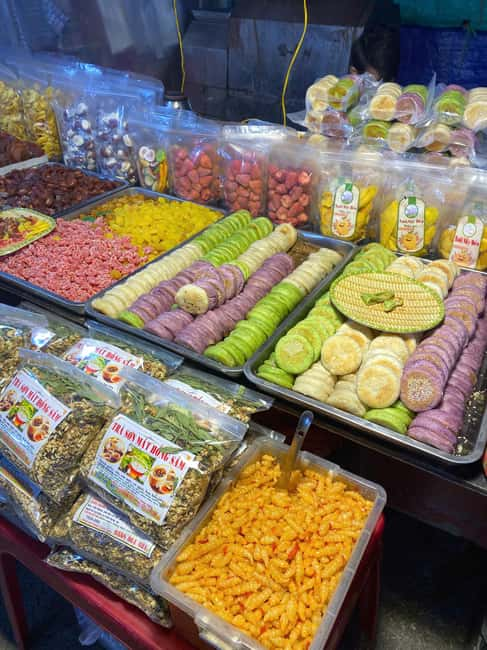
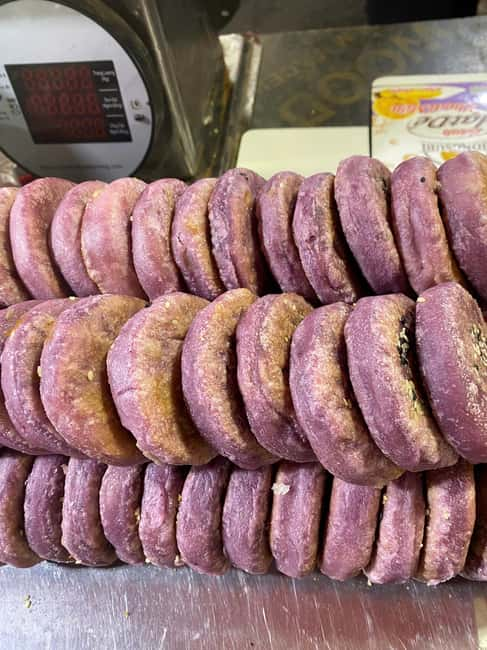
Sapa’s night market is not a large, endlessly changing bazaar. You may find clothing, souvenirs, and local goods, but many stalls carry similar items. Once you have looked at one stall, you may feel that you have seen much of the same merchandise elsewhere.
That limits the market’s appeal for serious shoppers. I would not book this experience mainly to hunt for unusual crafts or spend a long evening comparing stalls.
Still, the shopping area has a useful role in the tour. It gives you a setting for seeing local commerce, speaking with sellers through your guide, and combining food with a short walk. If you keep your expectations modest, the market works well as part of the evening rather than as the main event.
The food stalls are the stronger reason to visit. The market’s shared grills, warm pots, and unfamiliar ingredients create the atmosphere. Shopping is an extra.
The $10 price and the real cost of dinner
At $10 per person, the experience is reasonably priced if you want a guide and cultural explanation. The fee includes the guide’s service, the booking platform fee, and one 500ml bottle of water.
It does not include the dishes. That is not a minor detail. You will need to pay separately for BBQ, hotpot, black chicken, or anything else you order. The benefit is control: you can spend only on the food you want instead of paying for a fixed menu.
This arrangement works well for mixed appetites. You might choose a few BBQ skewers, share a hotpot, or focus on one specialty. It also means the final cost depends on your choices, so ask your guide about prices and portions before ordering.
Insurance and shuttle service are not included. Pets, intoxication, alcohol and drugs, littering, fireworks, and explosive substances are not allowed. These rules are straightforward, but they matter in a compact market setting where cooking fires and shared public space require sensible behavior.
Who will enjoy this experience most
I would recommend this outing to anyone who wants a gentle introduction to Sapa food without surrendering control of the meal. It suits first-time visitors, curious eaters, couples, families, and small private groups.
It is especially good for you if:
- You want to ask a local guide direct questions.
- You are unsure how to order from a Vietnamese food market.
- You prefer choosing dishes rather than accepting a fixed dinner.
- You want to try H’mong black chicken or local mountain vegetables.
- You enjoy food with cultural background, not just a quick meal.
I would be more cautious if your main goal is extensive shopping. The market’s products can feel repetitive, and the experience lasts only two hours. I would also think twice if you want all costs settled in advance, since dinner is paid separately.
The tour is not presented as a formal cooking class. You will learn where the dishes come from and what they mean, but the focus is walking, ordering, tasting, and talking.
Booking details worth knowing
You can cancel up to 24 hours before the activity for a full refund. The reserve-now, pay-later option lets you hold a place without paying on the day of booking, according to the stated terms.
Check available starting times because the tour runs for two hours and departure times can vary. Give the booking team your full name, hotel information, address, and WhatsApp number if pickup applies. A clear meeting point is essential if you are staying outside the central area.
Bring an appetite, but do not assume every dish will suit you. If you are sensitive to strong seasoning, ask about mắc khén and other spices before ordering. If you are vegetarian, the information provided does not promise a vegetarian menu, so you should ask before booking.
Should you book the Sapa night market food tour?
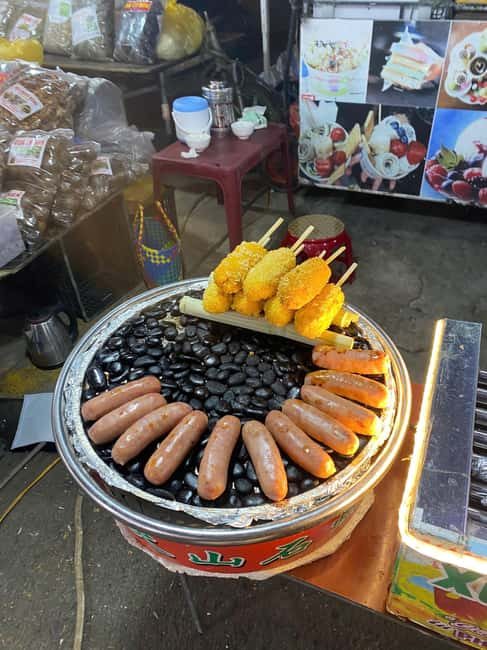
Book it if you want a personal, flexible food walk and value conversation with a local guide more than a long shopping session. The strongest parts are the freedom to choose your own meal, the background on H’mong black chicken and mountain ingredients, and the practical help with ordering.
Skip it if you want a fixed-price dinner, a large market filled with varied goods, or a full restaurant meal with every dish included. You will need to budget separately for food, and the market itself may feel repetitive after a short look.
For most visitors, the $10 guide fee is fair because it pays for access to local explanation and assistance, not just transportation. Keep your dinner budget flexible, arrive ready to ask questions, and treat the market as a place to eat and connect rather than a major shopping destination.
FAQ
How long does the Sapa night market experience last?
The experience lasts two hours, including the market visit, walking, sightseeing, free time, food tasting, and meal selection.
What food can I choose?
You can choose traditional Sapa BBQ, Sapa hotpot, H’mong black chicken, or other food available at the market. The main specialties explained during the experience are BBQ, hotpot, and black chicken.
Is food included in the $10 price?
No. The $10 price covers the guide’s service, booking platform fee, and one 500ml bottle of water. You pay separately for the dishes you choose.
What languages does the guide speak?
The activity is available with a guide who speaks English or Vietnamese.
Is this a private group experience?
Yes. The activity is arranged as a private group, allowing your party to interact directly with the guide.
Where do I meet the guide?
If you are within 5 kilometers of central Sa Pa, provide your hotel name, address, street, alley, booking name, and WhatsApp number for pickup arrangements. If you are farther away, choose a clear Sa Pa meeting point such as Stone Church or the train station.
Can I cancel the booking?
Yes. You can cancel up to 24 hours in advance for a full refund.
New market tours around Vietnam
- Free E-Sim Saigon Foodie Market Tour★ 4.5 · 2 reviews
- Ho Chi Minh City: History Museum and Ben Thanh Market Tour★ 3.9 · 4 reviews
- From Saigon: Private Tour to Cai Rang Floating Market 1 Day★ 4.7 · 6 reviews
- Rural Cycle, Market Tour, Basket Boat & Organic Farm Cooking★ 5.0 · 64 reviews
- Saigon: Floating Market and Food Tasting Tour by Scooter★ 5.0 · 2 reviews
- Private Half Day Tour – Cái Răng Floating Market★ 5.0 · 24 reviews
- Private Cai Rang Floating Market & My Tho Boat tour 1 Day★ 5.0 · 5 reviews
- Official Hue: Dragon Boat, Imperial Citadel, & Market tour★ 4.7 · 32 reviews
Vietnam Market Tours, side by side.
Hanoi Cooking Class: Culture, Local Market & Meaning CSR Impact
Read our review →
5 Traditional Dishes Hanoi Cooking Class with Market Trip
Read our review →
Cooking Class Hoi An:Local Market, Basket Boat, Fishing & Cooking
Read our review →
Hoi An Cooking Class(Market,BasketBoat Crabfishing&Cooking Class)
Read our review →
From Hoi An: Market Tour, Basket Boat Ride and Cooking Class
Read our review →
Can Tho: Floating Market & Mekong’s Legacy( About 6 Pax)
Read our review →
From HCM: Mekong Delta & Cai Rang Floating Market 2-Day Tour
Read our review →
Hoi An: Market Experience with Optional Fishing and Cooking
Read our review →This tour also appears in