Review · HANOI
Hanoi: Old Quarter Market Tour and Cooking Class with Meal
The best part of this Hanoi experience happens before the cooking begins. You walk with your local host through a wet market in the Old Quarter, learn what unfamiliar vegetables and herbs are, taste a few market snacks, and help select the ingredients that will become your meal. I like that the class connects shopping with cooking, instead of treating Vietnamese food as a list of recipes. I also like the choice of dishes, since you can usually pick three from nine options, including pho, bun cha, spring rolls, banh xeo, and lemongrass chicken.
The main consideration is that this is a busy market visit followed by hands-on cooking, not a polished restaurant demonstration where you sit back and watch. You need comfortable shoes, flexible clothing, and enough energy for 3.5 hours. The class is not suitable for people with mobility impairments, and transportation to the restaurant is not included.
Key points at a glance
- Market-to-table format: Choose ingredients at a local wet market, then use them in the kitchen.
- Three dishes to prepare: Pick from Vietnamese favorites such as pho, bun cha, spring rolls, fried fish, and banh xeo.
- Strong local hosts: Daisy, Laura, Kitty, Chef T, Chef Dragon, and Chef L are among the staff praised for clear instruction and warm help.
- A substantial meal: You eat the food you prepare, with a soft drink and a final cup of egg or coconut coffee.
- Flexible format: Morning classes make lunch, afternoon classes make dinner, and private options allow more control over the menu.
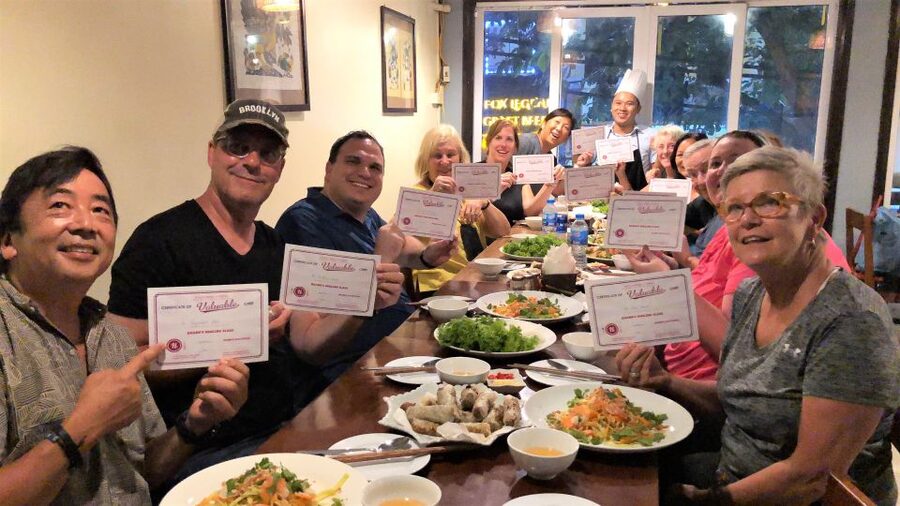
- Useful take-home material: You receive recipes and a chef’s certificate after class.
Meeting at Hoang’s red-panel restaurant
Your starting point is Hoang’s Vietnamese Restaurant and Cooking Class in Hanoi’s Old Quarter. Look for the restaurant with the red panels and go inside to meet the staff. The activity ends back at this same location, so you do not need to arrange a second pickup point.
That simple meeting plan matters in the Old Quarter, where streets can be crowded and addresses are not always easy to spot at first glance. Give yourself enough time to find the restaurant. Transportation is not included, so you will need to make your own way there.
The class runs in the morning or afternoon. Choose the morning if you want to cook lunch and keep the rest of the day open. Pick the afternoon if you would rather make dinner and spend your first half of the day sightseeing.
The class lasts about 3.5 hours in total, with roughly 2.5 hours listed for the cooking portion. The market visit is folded into the experience rather than treated as a separate sightseeing stop.
More Market and Cooking Class Tours in Vietnam
- Hanoi Cooking Class: Culture, Local Market & Meaning CSR Impact
★ 5.0 · 5,147 reviews - 5 Traditional Dishes Hanoi Cooking Class with Market Trip
★ 5.0 · 4,890 reviews - Vietnamese Food Cooking Class in Hanoi with Market Experience
★ 5.0 · 778 reviews
Shopping for ingredients in a Hanoi wet market
The market walk is what gives this class its local feel. Instead of receiving a premeasured basket of ingredients, you follow your host through a nearby market and see the raw materials used in everyday Vietnamese cooking.
Your guide helps explain produce and other ingredients that may be unfamiliar. Several hosts, including Daisy, have been praised for translating market items and answering questions. This is especially useful if you want to understand the difference between herbs, greens, noodles, sauces, and other ingredients that can look confusing when you first encounter them.
You also get to try some local snacks and fruit during the visit. That small tasting break adds a welcome food element before the formal meal. It also gives you a chance to experience the market as a place where people shop and eat, not just as a colorful stop for photographs.
Expect a working market rather than a quiet food museum. The floor may be wet, the paths may be tight, and the pace may be active. Comfortable shoes are a must. Keep your belongings close and be ready to follow your guide through the market rather than wandering at your own speed.
A useful feature is that the market visit has a purpose. You are not simply looking at ingredients. You are helping gather the food for the recipes you will soon prepare. That connection makes the cooking session easier to understand, since you have already seen the produce in its original setting.
Choosing three Vietnamese dishes
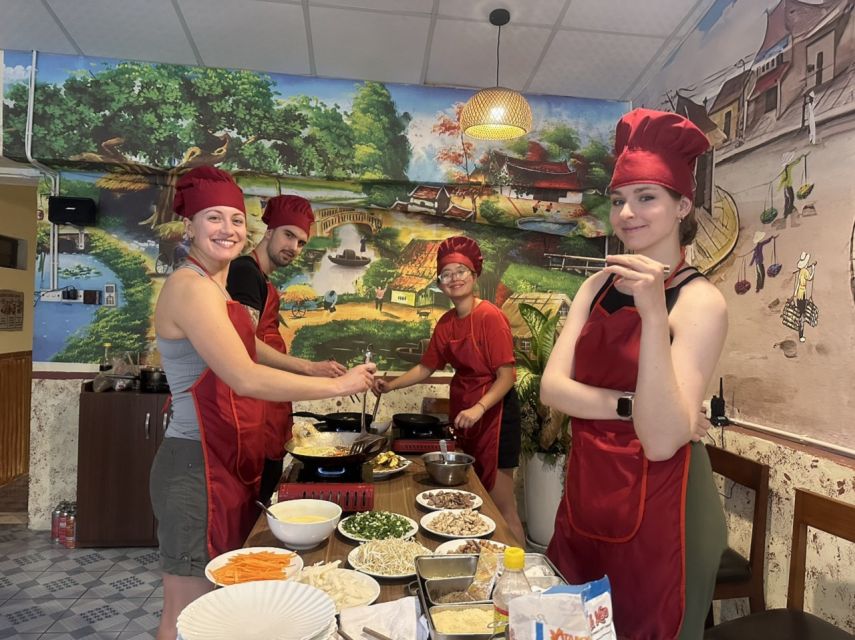
The menu offers a good spread of Hanoi and wider Vietnamese favorites. You can generally choose three dishes from nine options, with private classes offering more room to customize the selection.
Possible choices include:
- Green mango salad, with or without shrimp
- Beef or chicken noodle soup
- Fried Hanoi spring rolls
- Fresh Hanoi-style spring rolls
- Hanoi fried fish
- Hanoi fried pork
- Stir-fried chicken with chili, lemongrass, and cashew nuts
- Grilled beef wrapped in betel leaves
- Vietnamese pancake, or banh xeo
Some food combinations are more practical than others. If you want to learn several different techniques, choose a soup, a fried dish, and a fresh roll. If you want a meal that feels especially local, pho, bun cha, and banh xeo are strong choices when available.
The supplied dish list uses general names, while the cooking staff may describe the recipes with familiar local names. Past menu choices have included pho, bun cha, bun xao, fresh rolls, stir-fried tofu and vegetables, chili lemongrass chicken, and beef pho.
You may be able to adjust the menu in a private class. Announce dietary requirements when booking or before the class starts. A vegetarian group was accommodated with tofu and vegetable dishes, but you should not wait until the food is already being prepared to explain your needs.
Learning in the kitchen with local chefs
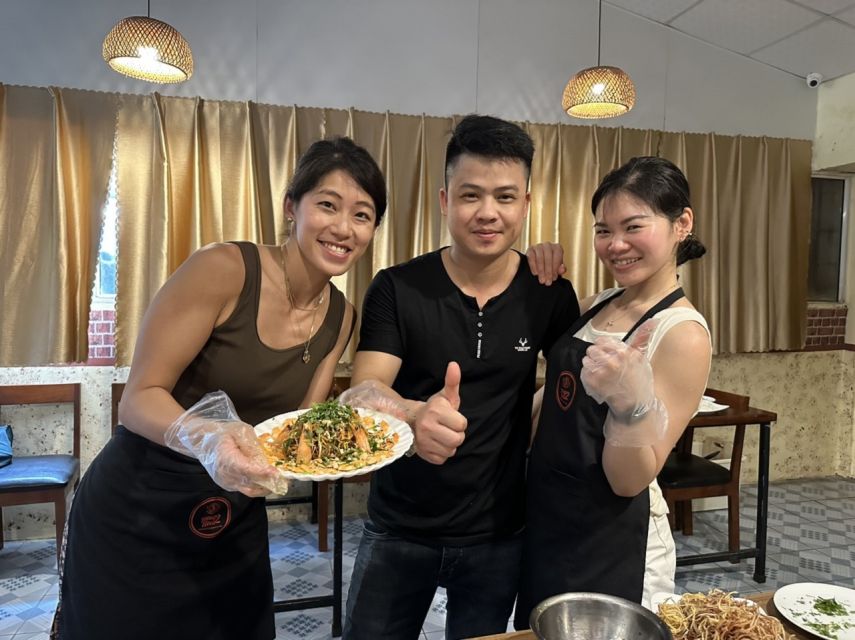
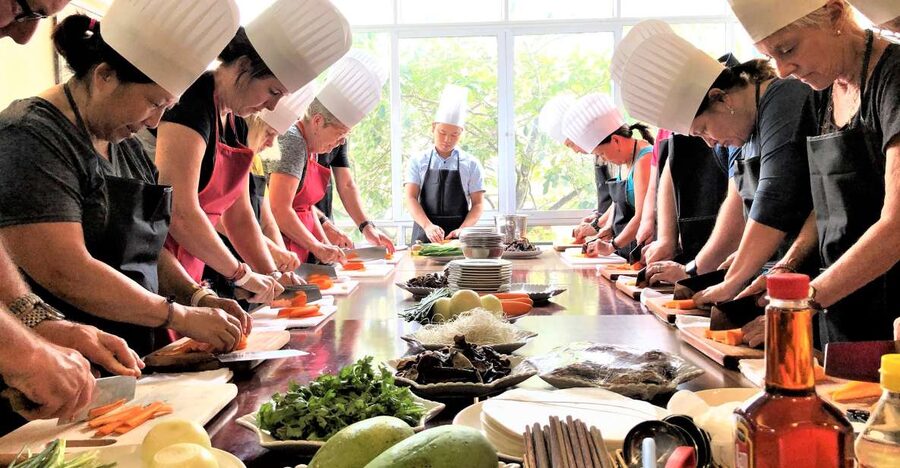
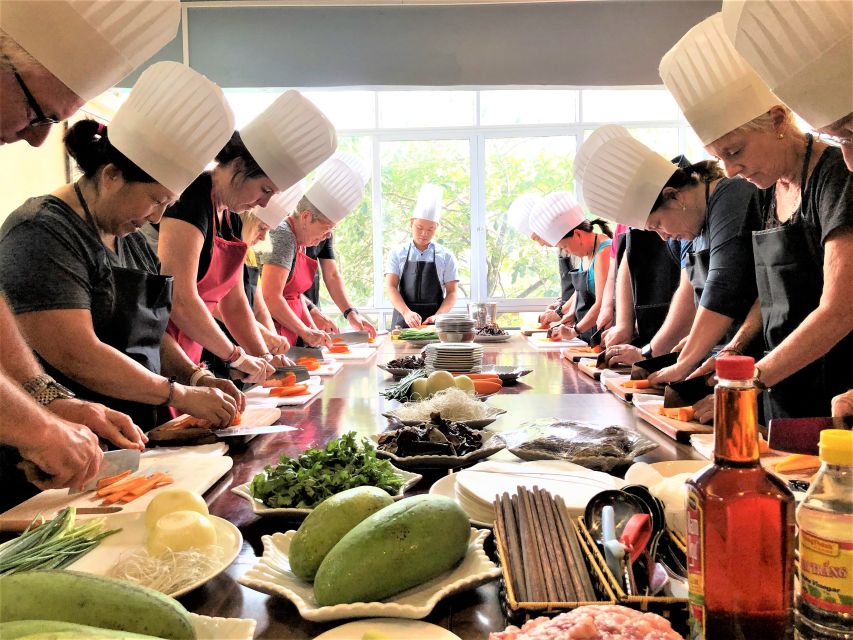
Back at Hoang’s restaurant, you receive a welcome drink and begin the cooking session. The chef demonstrates each stage, then you help prepare and cook the dishes yourself.
The experience is designed for participation. You may chop, mix, roll, season, fry, and assemble the food rather than simply watching a chef work. The exact amount of hands-on work depends on your menu and the class size, but the format is intended to give you a real role in making the meal.
The staff setup can vary. Daisy has led market visits and worked with Chef T, Chef Dragon, or Chef L in different classes. Laura, Kitty, Tun, Chef Thuong, and other hosts have also been mentioned as instructors or guides. The consistent practical advantage is that the guide handles explanations and translation while the chef focuses on the cooking.
That division works well for first-time cooks. You can ask questions about ingredients and local eating habits while receiving step-by-step directions at the stove or preparation table. A family with children aged four and six found the activity workable, although young children will need close supervision around knives, hot pans, and market traffic.
The cooking room has air conditioning, a useful detail in Hanoi’s heat and humidity. Even so, wear clothes that are easy to move in and shoes suitable for standing and walking.
More Market and Cooking Class Tours in Hanoi:
- Hanoi: 5 Local Dishes Cooking Class with Meal & Market Visit
★ 5.0 · 420 reviews - Hanoi Cooking Class and Market Tour in Ancient House
★ 5.0 · 379 reviews - Rose Kitchen Hanoi: Market, Cooking & Culture Tour + Free PickUp
★ 5.0 · 342 reviews - Hanoi: Cooking Class in a Local Villa with Market Tour
★ 4.9 · 320 reviews
Eating the food you prepared
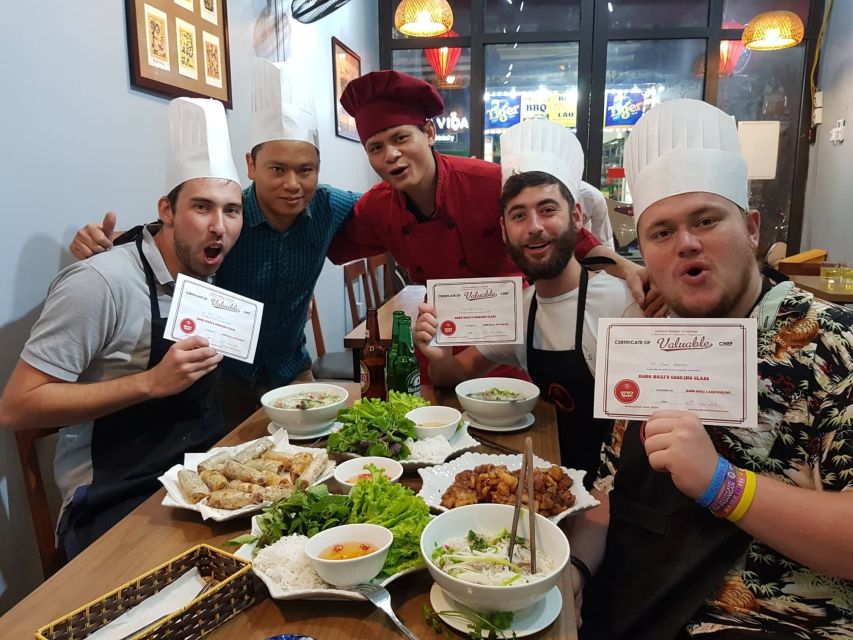
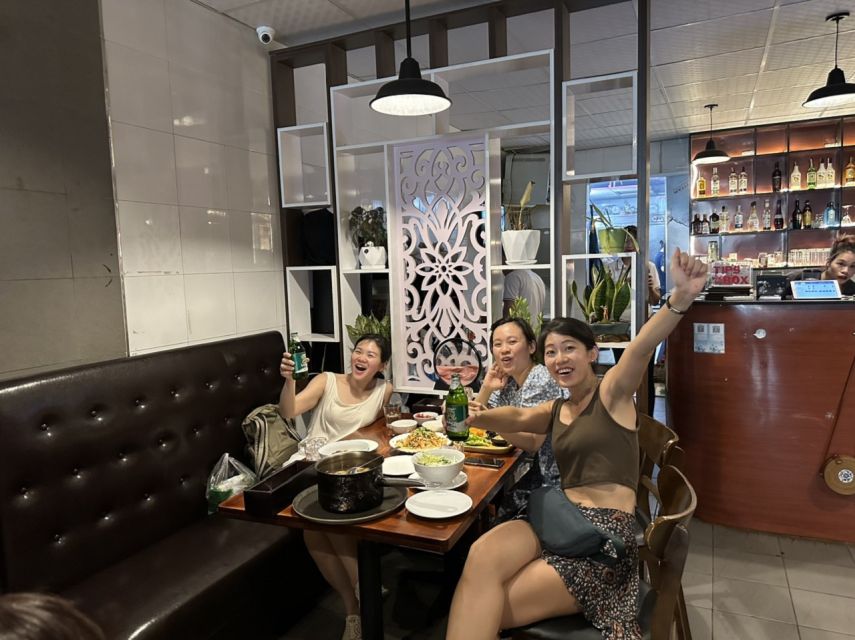
At the end, you sit down at the restaurant and eat the dishes made during class. A soft drink is included, while other drinks cost extra.
The portions can be generous. Some participants found there was more food than they could finish, so arrive hungry but do not assume you need to order another meal afterward. The point is not only to taste the finished food. It is to see how the shopping, preparation, and cooking steps come together on one table.
The meal also lets you compare results across the group. Spring rolls, pho, bun cha, and banh xeo each use different methods, so the final spread can feel varied even when everyone is working from the same menu choices.
If you take a private class, you may have more control over the pace and menu. In a small group, the social side becomes part of the experience. You may share the preparation with other people and meet fellow visitors while learning.
Egg coffee or coconut coffee to finish
The final course is a cup of Vietnamese egg coffee or coconut coffee. This is a fitting ending because it introduces two popular Hanoi-style coffee variations without adding another full cooking task after the meal.
Egg coffee is generally sweet and creamy, while coconut coffee offers a cooler, dessert-like flavor. The exact preparation is not specified, but both are included as part of the class. If you do not drink coffee, ask about the available options before booking rather than assuming a substitute is provided.
You also receive recipes after class. That is one of the most useful inclusions, since Vietnamese cooking depends on a balance of fresh herbs, sauces, heat, and texture that can be hard to remember from a single demonstration. The recipes give you a better chance of recreating the dishes at home.
The chef’s certificate is a pleasant extra. It is not a major reason to book, but it gives the experience a clear finish and makes a nice keepsake.
What the $42 price includes
At $42 per person, the cost covers much more than a basic cooking lesson. You receive a guided market visit, market tastings, ingredients, instruction, the meal, a soft drink, egg or coconut coffee, recipes, and a certificate.
I see the strongest value in the market-to-table format. A standard cooking class might teach you how to prepare a few dishes, but this experience adds a guided introduction to where the ingredients are bought and how they appear before preparation.
The price is also easier to justify if you plan to eat lunch or dinner during the same time period. You are paying for an activity and a meal, rather than adding a cooking class on top of a separate restaurant visit.
There are a few extra costs to remember. Transportation is not included, and additional drinks are separate. Private classes may also have different pricing depending on the booking option, so check the current cost before confirming.
The activity has a 4.8 rating from 192 reviews, which fits the strongest pattern in the feedback: people repeatedly praise the staff, the food, and the combination of the market walk with cooking. The most frequent names are Daisy and the chefs who work alongside her, though staffing may vary by date.
Who will enjoy this class most
I would recommend this class to food-focused visitors who want more than a restaurant meal. It suits couples, solo visitors, families with older children, and small groups who like to learn by doing.
It is particularly useful early in your Hanoi stay. The market visit introduces ingredients you may encounter in restaurants, while the recipes give you a better sense of what goes into familiar dishes. You can then order pho, spring rolls, bun cha, or other foods with more confidence.
Private booking makes sense if you have dietary requirements, want to choose the menu carefully, or prefer a slower pace. A small group is a good choice if you enjoy meeting people and do not mind sharing the cooking space.
This is not the right fit if you want a short, passive demonstration, dislike markets, or have difficulty standing and walking. The class also may not suit babies under one year, and mobility limitations are specifically listed as a concern.
Practical tips for a better experience
Wear light, comfortable clothing and shoes with a good grip. The market portion involves walking, and the kitchen portion involves standing and moving between preparation areas.
Tell the operator about dietary restrictions at booking or before the class begins. Be specific about meat, seafood, shellfish, eggs, and other ingredients you avoid.
If you have a strong preference for a dish, ask about the menu when you book. The class offers a choice of dishes, but the final selection may depend on the group, the private option, and ingredient availability.
Bring an appetite. The meal can be large, and you will also receive a drink and coffee. If you normally eat a very early breakfast, keep it light before a morning class.
The cancellation policy is friendly: you can cancel up to 24 hours ahead for a full refund. You can also reserve now and pay later, which helps if your Hanoi schedule is still changing.
Should you book it?
Book this class if you want a hands-on introduction to Vietnamese food with a real market visit attached. The combination is the main reason to choose it: you see the ingredients, taste something at the market, cook several dishes, eat the result, and leave with recipes.
The strongest guides appear to be the staff who make the market and kitchen feel connected. Daisy is often mentioned by name, along with Laura, Kitty, Chef T, Chef Dragon, and Chef L. Staff can change, but the format remains attractive at $42 because the meal and ingredients are included.
Skip it if you prefer a quick food tour, a formal chef demonstration, or an activity with no walking. For everyone else, this is a practical and good-value way to spend a half day in Hanoi, especially if you want to take home more than photographs.
FAQ
Where does the cooking class start?
Meet at Hoang’s Restaurant and Cooking Class in Hanoi’s Old Quarter. Look for the restaurant with red panels and go inside to meet the staff.
How long does the activity last?
The full experience lasts about 3.5 hours. The cooking class portion is listed as approximately 2.5 hours.
Can I choose which dishes to cook?
Yes. You can generally choose three dishes from a selection of nine Vietnamese dishes. Private classes offer the option to customize the menu.
Are ingredients and the meal included?
Yes. Ingredients for the class, the meal you prepare, a soft drink, and either egg coffee or coconut coffee are included.
Is transportation included?
No. You must make your own way to Hoang’s Restaurant. The activity ends back at the same meeting point.
Can dietary requirements be accommodated?
Dietary requirements should be announced when you book or before the class begins. The class has accommodated vegetarian menus, including fresh rolls, pho, and stir-fried tofu with vegetables.
New market tours around Hanoi
- Hanoi: Vietnamese Cooking Class- Market Tour with Local Chef★ 5.0 · 2 reviews
- Hanoi’s Culinary: Authentic Cooking Class and Local Market★ 4.8 · 5 reviews
- Hanoi Food Adventure: Vietnamese Market Tour & Cooking Class★ 4.8 · 5 reviews
- Hanoi Cooking Class: Market Tour, Free Recipe & Beverages★ 5.0 · 10 reviews
- 2 Day Sapa-Bac Ha Market: Night Train& Homestay-Bus Ha Giang★ 5.0 · 2 reviews
- Weekend Hanoi Night Market & Street Food Tour★ 4.5 · 47 reviews
- Hanoi: Maya Traditional Cooking Class & Market Tour★ 4.9 · 243 reviews
- Hanoi Maya Kitchen: Traditional Cooking Class & Market Tour★ 5.0 · 287 reviews
Hanoi Market Tours, side by side.
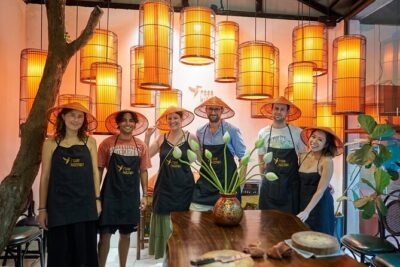
Hanoi Cooking Class: Culture, Local Market & Meaning CSR Impact
Read our review →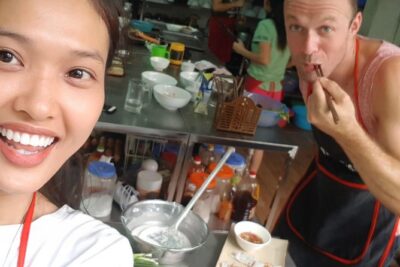
5 Traditional Dishes Hanoi Cooking Class with Market Trip
Read our review →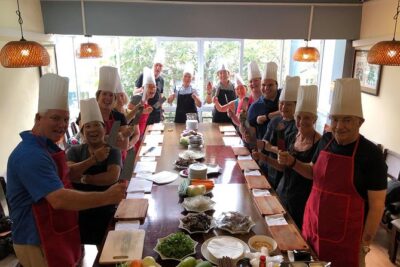
Vietnamese Food Cooking Class in Hanoi with Market Experience
Read our review →
Hanoi: Handcrafted Wood Carving Workshop with Local Artisan
Read our review →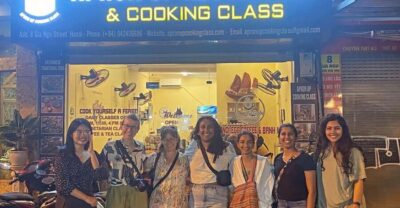
Hanoi: 5 Local Dishes Cooking Class with Meal & Market Visit
Read our review →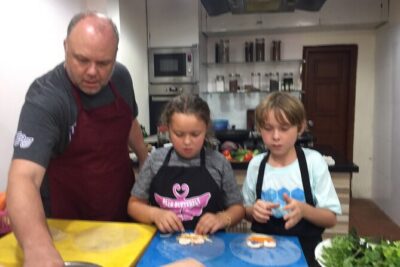
Hanoi Cooking Class and Market Tour in Ancient House
Read our review →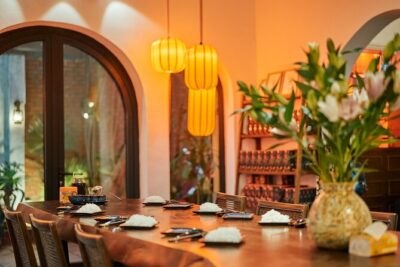
Rose Kitchen Hanoi: Market, Cooking & Culture Tour + Free PickUp
Read our review →