
Review · LIMA
Lima: Historic Center Street Food, Market, and Eateries Tour
Lima’s historic center is best understood with one hand holding a snack. This four-hour walk links grand colonial buildings with the food people actually eat on the street: anticuchos, churros, picarones, tamales, and sandwiches. You’ll also visit Mercado Central and Chinatown, then finish with chilcanos in one of the city’s old casonas.
I like the tour’s mix of food and place. You are not parked in one restaurant for four hours, and the stops take you to small eateries, carts, a market, and a local bar. I also like the guides’ range. Marcos, Aura, Valeria, Sheyla, David, and Manuel are frequently praised for explaining both the dishes and Lima’s past in clear, friendly English. The main consideration is the menu: vegetarians, vegans, and pescatarians should not book, and people with severe gluten or nut allergies are advised to avoid it.
Key points to know before you book
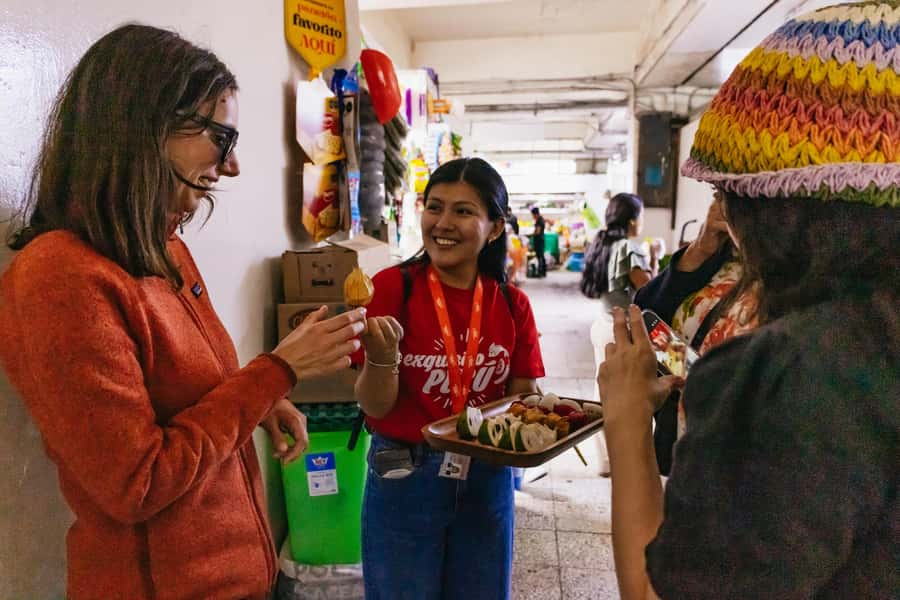
- Eight or more tastings can make this a full meal: Portions vary, but you should arrive hungry and expect to eat generously.
- The route covers Lima’s main central sights: Plaza San Martín, Plaza Mayor, La Merced, San Francisco, the Cathedral, Mercado Central, and Chinatown all fit into the walk.
- Street food is the star: Anticuchos, chicharrón sandwiches, churros, picarones, fruit, and local drinks give you a broad taste of everyday Lima.
- The tour is English only: Shared tours do not provide the guide’s service in several languages at once.
- Desserts receive plenty of attention: If you prefer savory food, ask about portion sharing at the start.
- Comfortable shoes matter: The tour lasts four hours and includes repeated walks between food stops and landmarks.
Why this Lima food walk works so well
At $69 per person, this is not the cheapest way to eat in Lima. It can still be good value if you want a guide, several tastings, a market visit, drinks, and an introduction to the center in one outing.
Buying each snack yourself would cost less, but you would need to know where to go, what to order, and how to judge unfamiliar stalls. Here, the guide handles that work. You get small tastes instead of committing to a full plate, and you hear how food connects with Lima’s economy, neighborhoods, migration, and daily routines.
I see this as an orientation tour as much as a food tour. It helps you get your bearings in the historic center, then gives you names and flavors to seek out later. Several people found it especially useful at the start of a Peru trip because it made the rest of Lima’s food scene easier to understand.
The tour starts at the main door of the Gran Hotel Bolivar, at Jirón de la Unión 958 in Plaza San Martín. It does not include hotel pickup, so you need to reach the meeting point yourself. Leave suitcases and large bags at your hotel. Bring only what you need for a four-hour walk.
More Market Food Tours in Peru:
- Lima Street Food Tour Beyond Netflix
★ 5.0 · 117 reviews - Lima: Food Tour on Local Market
★ 5.0 · 8 reviews - Dubai: Old Town, Creek, Museums, Souks, & Street Food Tour
★ 4.8 · 10,816 reviews
Starting at Gran Hotel Bolivar and Plaza San Martín
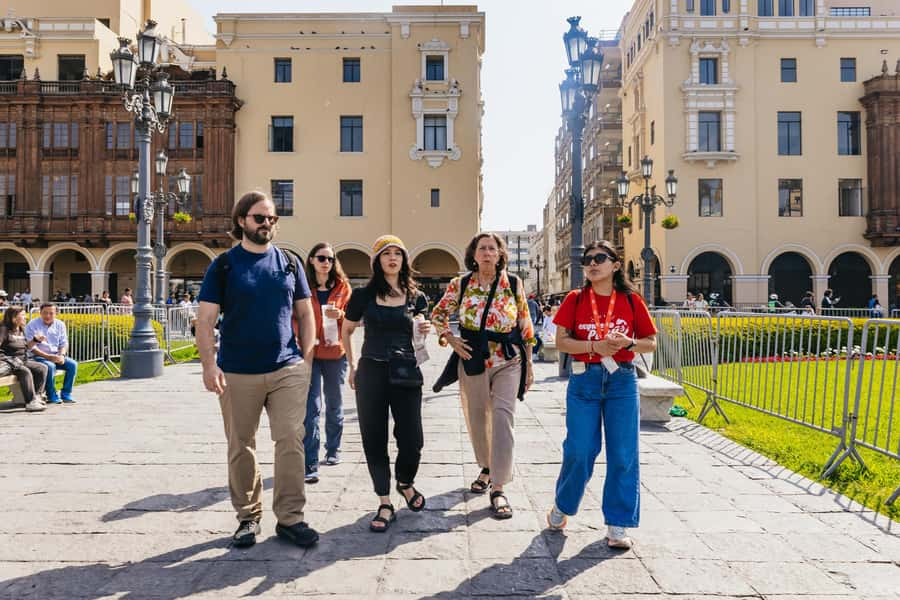
The Gran Hotel Bolivar makes an easy meeting point because it sits directly on Plaza San Martín, one of central Lima’s best-known squares. The itinerary begins with a short photo stop here before the first food stop.
This opening gives your guide a useful chance to explain the city’s central layout and set the tone for the walk. The square is grand and formal, while the food stops ahead are much more ordinary and local. That contrast is part of the appeal.
The pace is active but not a forced march. You walk, stop to eat, pause for explanations, and sit down at several points. One person who took the tour after landing in Lima was concerned about the walking time but found the regular rests made the four hours manageable.
The first restaurant stops and Lima’s street food traditions
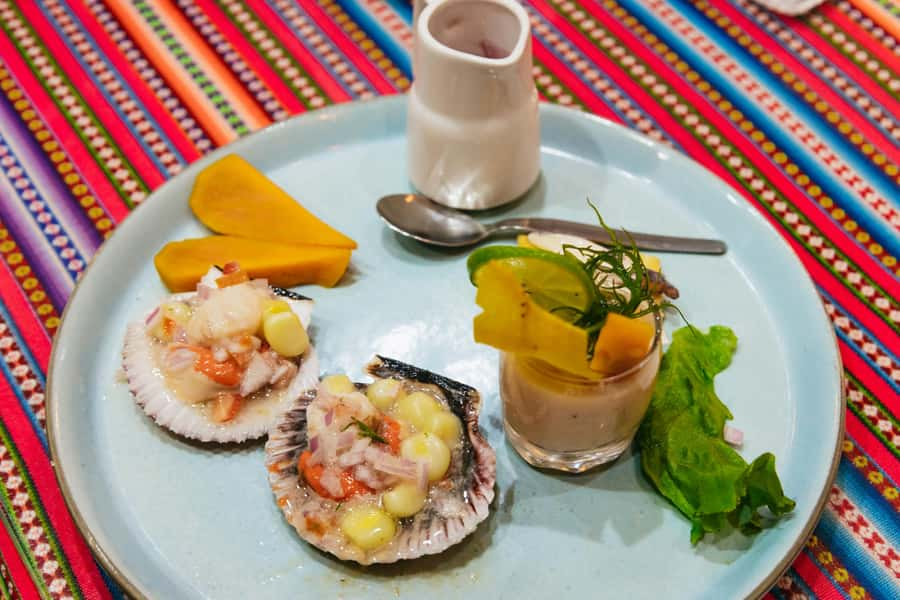
The early tastings take place at local restaurants rather than only at carts. This matters because you get a little more room to sit, listen, and try foods that may be difficult to eat while walking.
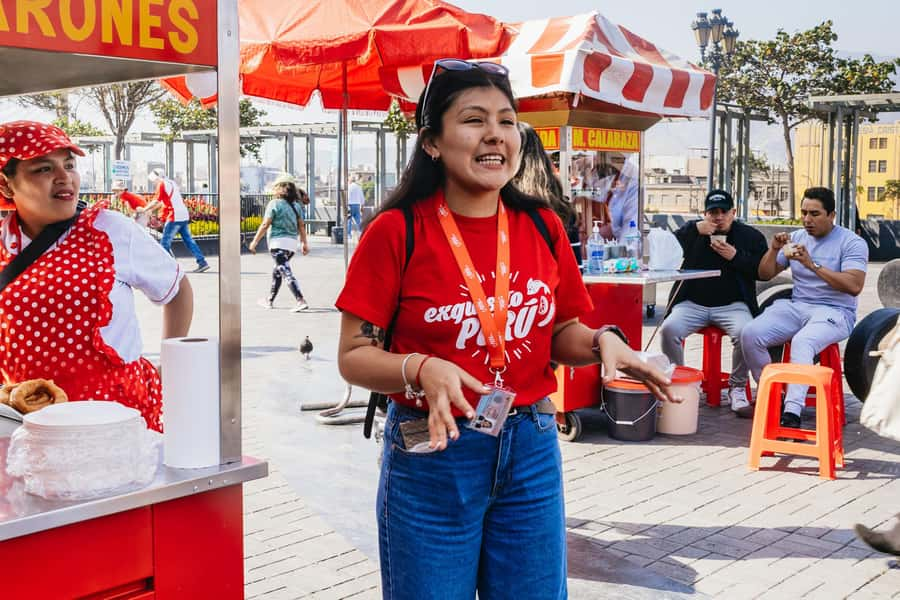
Expect classic Peruvian flavors and quick dishes made for comida al paso, or food eaten on the go. Anticuchos are a major highlight. These grilled skewers have a bold, smoky flavor and were a favorite for several people on the tour. If you are new to Peruvian food, this is one of the stops that quickly shows why Lima’s casual cooking deserves as much attention as its famous restaurants.
You may also try a tamal, a chicharrón sandwich, and other regional snacks. The exact order and portions can vary, so do not treat the posted sequence as a rigid menu. One guide, Manuel, adjusted portions for a small group and added fruit stops when needed. That sort of flexibility is useful when the food arrives faster than expected.
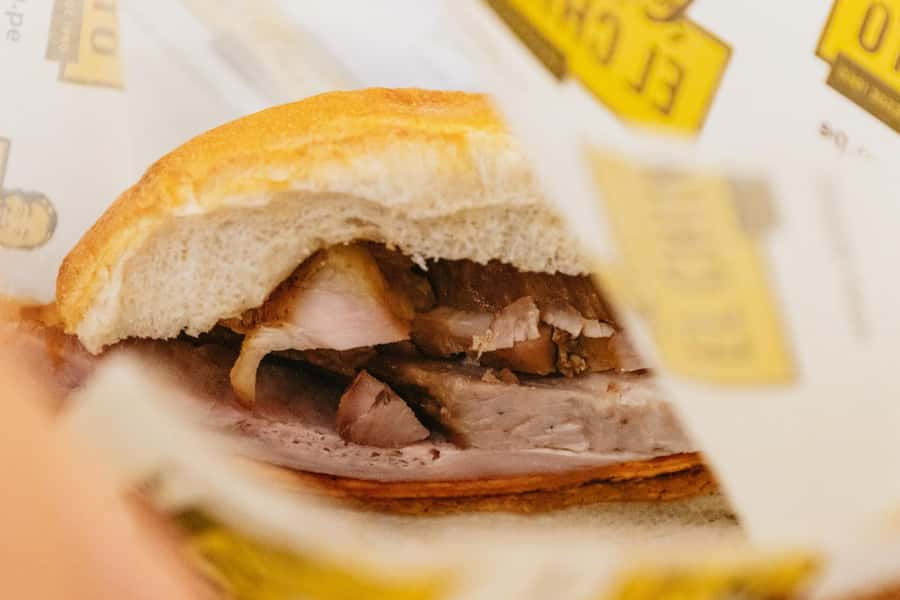
The sandwich de chicharrón from El Chinito received special praise. It is a substantial savory stop, and it helps balance the sweets that appear later. If you are more interested in lunch-style food than desserts, mention that to your guide early.
La Merced, Plaza Mayor, and the colonial center
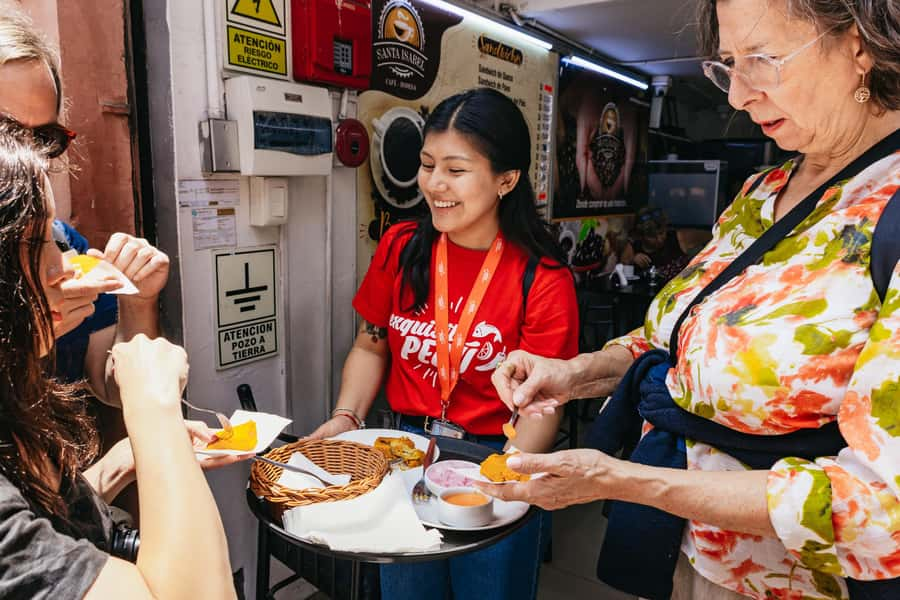
Between tastings, you pass some of Lima’s most important buildings. The stop at Iglesia de La Merced is short, mainly for photographs and explanation, but it helps place the surrounding streets in their colonial setting.
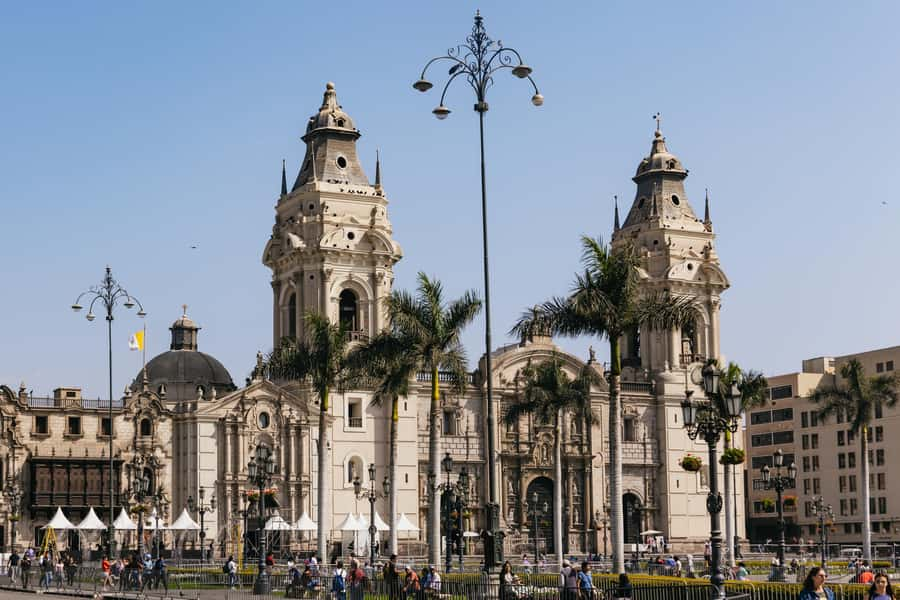
The route then reaches Plaza Mayor, also called Plaza de Armas. This is the symbolic center of Lima, framed by major civic and religious buildings. You see the Government Palace, the Cathedral of Lima, and other architectural landmarks from outside. The tour is not designed as an interior museum visit, so keep your expectations focused on the street-level setting and the guide’s commentary.
I like this structure because food keeps the history grounded. You are not standing through a long lecture in one square. Instead, you hear about a building, walk a few minutes, eat something, and continue. The result is easier to absorb, especially if this is your first afternoon or evening in Lima.
The Cathedral and San Francisco Basilica appear later in the route as additional photo stops. San Francisco is particularly striking from the outside, with its colonial design and strong connection to the old center. The tour gives you a useful first look, but anyone wanting an extended interior visit should plan separate time.
More market history around Peru:
- Private Excursion to Floating Market and Ayutthaya World Heritage
★ 5.0 · 515 reviews - Palermo: Walking Tour of Historic Markets and Monuments
★ 4.9 · 478 reviews - Discover Palermo in 3 hours. Art, history, markets and street food
★ 5.0 · 352 reviews - Private Heritage Walking Tour in Jaisalmer Fort and Old Bazaar
★ 5.0 · 306 reviews
Mercado Central, where the city’s daily food supply comes into view
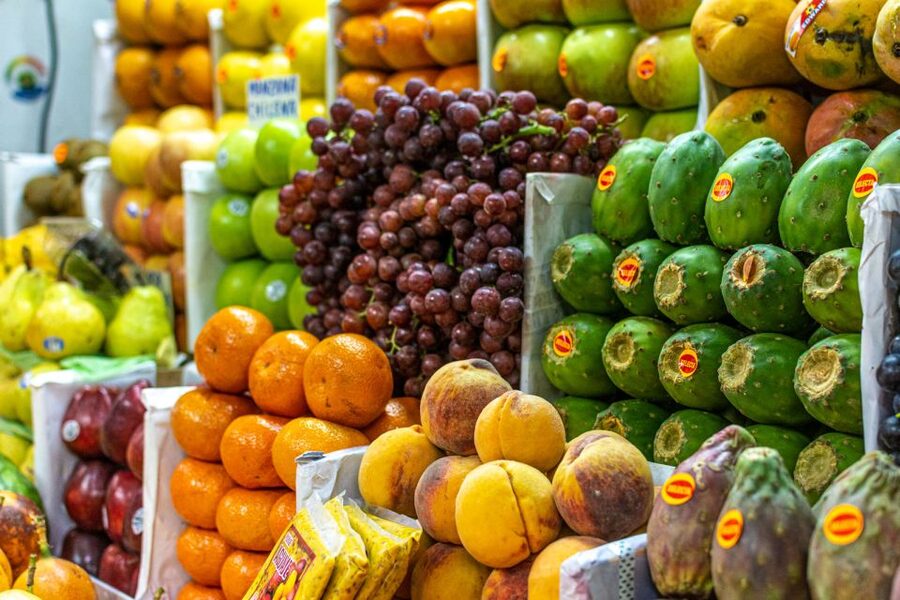
Mercado Central is one of the most useful stops because it shifts the tour away from landmark Lima and toward everyday commerce. You spend about 25 minutes looking through the market, with opportunities to see produce, spices, fruit, and local specialties.
This is not simply a place to collect another snack. The market helps explain how food moves through the city and what people buy for home cooking. Your guide can point out ingredients that may have already appeared in the dishes you tasted.
Market visits can feel crowded and fast-moving, so keep your belongings close and stay near the group. Large bags are not allowed on the tour, which is helpful here. A small bag or pocket for your phone and wallet is the practical choice.
Fruit is part of the food experience, and the market gives you a chance to try flavors you might otherwise overlook. If you have only eaten at restaurants in Peru, this stop adds a more ordinary and useful view of Lima’s food culture.
Chinatown and the Peruvian-Chinese connection
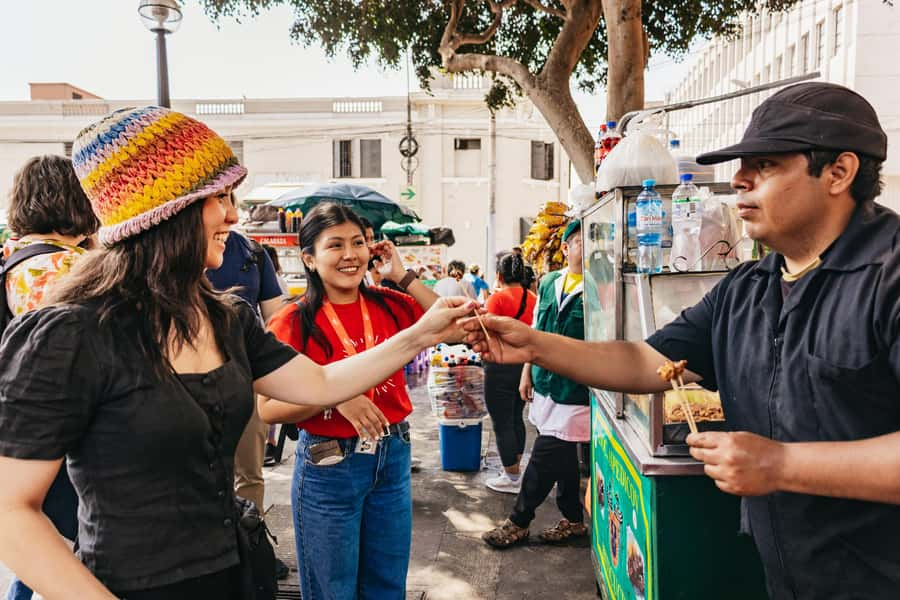
From Mercado Central, the route continues into Barrio Chino. The stop is fairly brief, but it adds an important piece to Lima’s food story.
Peruvian-Chinese cooking, known as chifa, is not just Chinese food served in Peru. It is a local fusion shaped by ingredients, cooking methods, and tastes that developed in Lima. Here you can try street food and see how Chinese influence became part of everyday Peruvian eating.
This section is especially useful if you plan to order chifa later in your trip. The guide can help you recognize the difference between a general Chinese-style dish and the Peruvian version that has become part of local life.
The Chinatown tasting is one of several quick stops, so do not expect a long sit-down meal. It works best as one flavor in a larger sequence.
Anticuchos, chicharrón, and the savory side of the menu
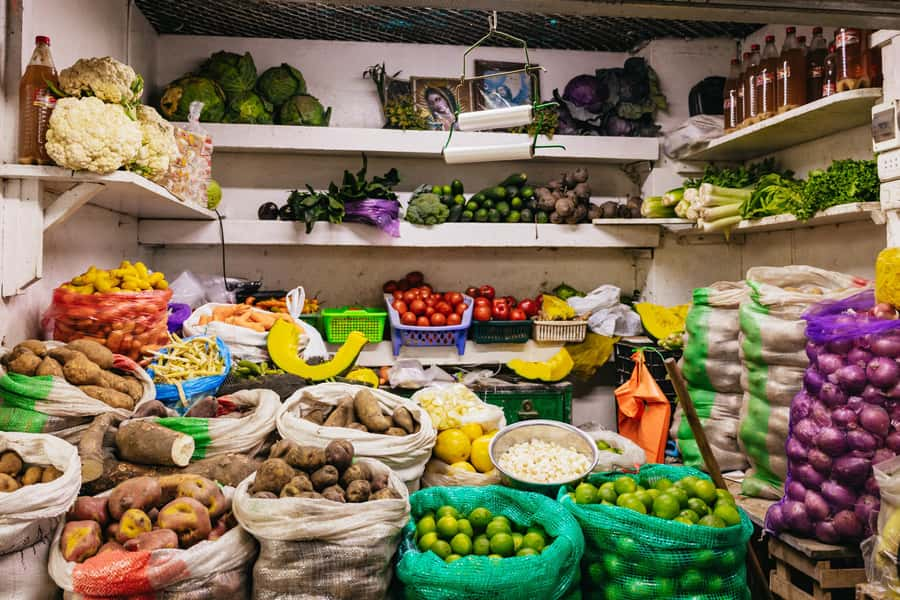
The tour’s strongest savory moments are likely to be the anticuchos and the chicharrón sandwich. Both give you hearty, familiar street food rather than delicate tasting portions.
Anticuchos are especially well suited to this kind of tour. They are portable, strongly seasoned, and tied to Lima’s street-food culture. The chicharrón sandwich gives you a different texture and a fuller bite, with the kind of satisfying weight that can make the later desserts feel like a challenge.
Portions are not always tiny. Several people finished the tour feeling full, and one person said the group had enough food to skip dinner. That is a positive if you want a meal replacement, but it can be too much if you had already eaten.
I would keep breakfast or lunch light if this is your main activity. You can also tell the guide if you need a slower pace or smaller servings. The food is shared as part of a set route, so there may not be a complete substitute for every personal preference.
Churros, picarones, and a dessert-heavy finish
The sweet course is one of the tour’s defining features. You may try creole churros and picarones, Peruvian doughnuts often served with a sweet syrup. A full churro and full picarón can be more filling than you expect.
The churros drew some of the strongest praise, while the picarón gives you a distinctly Peruvian dessert experience. If you have a sweet tooth, this part may be the highlight. If you prefer savory food, it can feel overrepresented.
One useful tip is to ask about sharing a portion before the dessert stops begin. A person on the tour suggested having a full tamal and sharing the churro instead, which shows how the balance can be adjusted in a small group. The guide may be able to help, but the menu cannot always be changed.
The final dessert and street-food stop comes before the tour ends at Alameda Chabuca Granda. This location gives you a clear finish in a different part of the center rather than returning to Plaza San Martín.
Chilcanos in an old Lima casona
The drinks are not an afterthought. The tour includes a drink, and the route finishes with about 30 minutes at a local bar for chilcanos.
A chilcano is a Peruvian cocktail made with pisco and a mixer, and it offers a lighter, more refreshing contrast to the fried and grilled foods. The setting is part of the experience too, since the bar is in one of Lima’s old casonas, or historic mansions.
This final stop gives you time to sit and ask questions. Guides such as Marcos and Aura are often praised for explaining food, architecture, and Peruvian culture in an easygoing way. The stop can also help you decide if chilcanos deserve a place in your evening plans.
Keep in mind that alcohol is included in the experience. If you do not drink, the supplied details do not promise a nonalcoholic alternative, so ask before booking.
The guides make the difference
The guide is central to the value of this tour. Marcos is repeatedly praised for his humor, food knowledge, and explanations of Lima’s architecture and past. Aura is noted for her warmth, patience, and ability to shape the conversation around a group’s interests. Valeria is praised for organization and for explaining the cultural background of each dish.
Other guides named in the feedback include Sheyla, David, Manuel, and Shainy. The exact guide depends on the date, but the pattern is clear: this is not a self-guided tasting route with a person simply pointing at restaurants. The guide is expected to explain what you are eating, why it matters, and how it fits into Peruvian life.
The shared tour is conducted in English only. If you need Spanish or another language, the provider says to book a private tour. Guides will not conduct the same shared tour in several languages at once.
Who should book this Lima tour?
I would choose this tour if you want a broad first taste of Lima and do not feel ready to order unfamiliar street food alone. It suits curious eaters, first-time visitors, couples, and anyone who wants history without spending the day inside museums.
It is also a good choice for travelers with only a short stay in Lima. Four hours gives you a useful route through the center, several dishes, a market, Chinatown, cocktails, and the major exterior sights.
I would skip it if you are vegetarian, vegan, or pescatarian. It is also a poor fit if you have a severe gluten or nut allergy, since the provider warns that some foods may contain traces. Dietary restrictions must be shared at booking, at least 24 hours ahead, but alternatives are not assured.
Should you book the $69 experience?
Book it if you value context as much as food. For $69, you get a local English-speaking guide, a four-hour walking route, food tastings, drinks, the central market, Chinatown, and a first look at Lima’s main historic landmarks. That is a fair package for a visitor who wants the city explained rather than simply sampled.
Do not book it expecting a refined restaurant meal or a quiet architectural tour. You will walk, eat at casual venues, handle unfamiliar flavors, and finish with a generous amount of dessert. The strongest reason to go is the combination of everyday food and central Lima’s landmarks, with guides who can connect the two.
If you arrive hungry, wear comfortable shoes, leave large luggage behind, and accept that the menu leans sweet as well as savory, this is a smart introduction to Lima.
FAQ
Where does the Lima street food tour start?
It starts at the main door of the Gran Hotel Bolivar at Jirón de la Unión 958, in Plaza San Martín, Lima.
Where does the tour finish?
The tour finishes at Alameda Chabuca Granda.
How long does the experience last?
The tour lasts four hours.
Is hotel pickup included?
No. Hotel pickup and drop-off are not included, so you must make your own way to the Gran Hotel Bolivar meeting point.
What language is the tour conducted in?
The shared tour is conducted in English with a live guide. For other languages, the provider recommends booking a private tour.
Can vegetarians or vegans join?
No. The provider says vegetarian, vegan, and pescatarian alternatives cannot be provided for this tour.
Can I bring luggage or a large bag?
No. Luggage and large bags are not allowed. Specific dietary restrictions should be provided at booking, at least 24 hours before the tour, although alternatives cannot be guaranteed.
New market tours around Peru
- Lima: Market Tour and Cooking Class with Pisco Sour★ 5.0 · 3 reviews
- Lima: Peruvian cooking class and tour of Surquillo market★ 5.0 · 2 reviews
- Lima: Food Tour on Local Market★ 5.0 · 8 reviews
- Lima: Market Tour, 35 Fruits Tasting & Cooking Class★ 5.0 · 3 reviews
- Lima Food Experience with local Markets & Barranco Tour★ 5.0 · 2 reviews
- Full Day Lima: Local Market+ CityTour+ Barranco & Miraflores★ 5.0 · 3 reviews
- Cusco: Peruvian Cooking Class & Market Tour★ 4.9 · 19 reviews
- Cusco: Coricancha, Cathedral & San Pedro Market Walking Tour★ 5.0 · 2 reviews
Lima Market Tours, side by side.
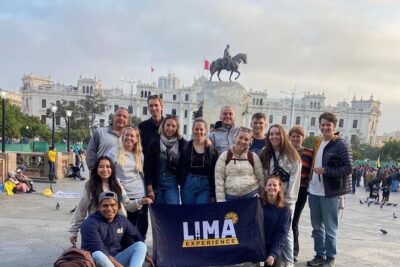
Experience Lima: Taste 12 Snacks and Visit Top Monuments
Read our review →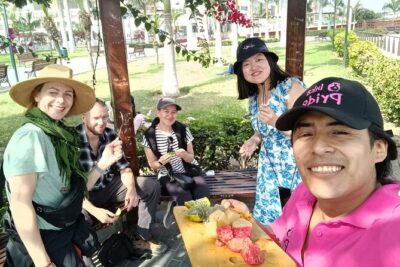
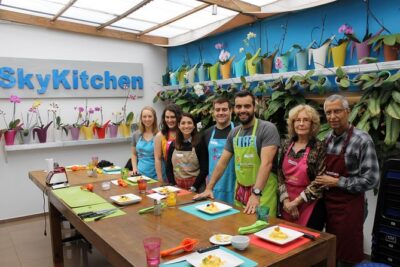
Market Tour, Tasting of 35 Fruits, and 4-Course Peruvian Cooking Class in Lima
Read our review →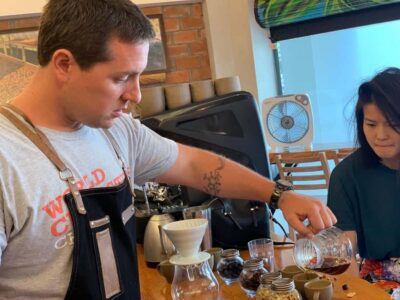
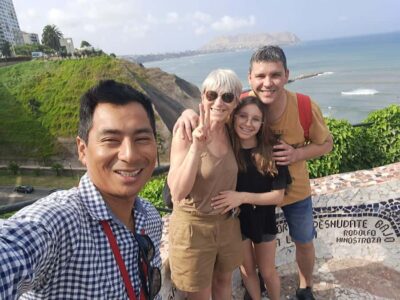
Full Day Lima: Local Market+ CityTour+ Barranco & Miraflores
Read our review →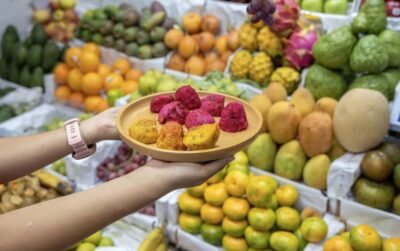
Lima: Market Tour and Cooking Class with Pisco Sour
Read our review →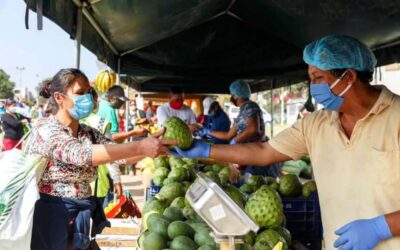
Lima Food Experience with local Markets & Barranco Tour
Read our review →
Lima: Peruvian cooking class and tour of Surquillo market
Read our review →This tour also appears in