
Review · LIMA
Lima: Food Tour on Local Market
Lima’s food culture makes the most sense one bite at a time, and this three-hour walk gives you nine of those bites in quick succession. You move from Barrios Altos to Chinatown and the Central Market, tasting food made by local vendors rather than sitting through a formal restaurant meal.
I like the wide range of flavors, from fresh ceviche and lucuma juice to grilled anticuchos and sweet picarones. I also like the cultural angle: the Chinatown stop explains how Chinese cooking became part of Peruvian food. The main drawback is the pace. Nine tastings plus several neighborhoods can feel full, especially if you arrive after breakfast.
Key points to know
- Nine tastings included: Ceviche, choclo con queso, papa rellena, siu mai, min pao, lucuma, anticuchos, picarones, pan con chicharrón, and more.
- Three central Lima areas: The route links Barrios Altos, Chinatown, and the Central Market.
- Local food vendors: Your snacks are prepared and served by people working in the market and street-food scene.
- English or Spanish guide: Guides explain food, history, and Lima’s cultural mix as you walk.
- Pisco sour costs extra: The final drink at Bolivarsito is optional and not part of the $75 price.
- Come hungry, but not too full: The tour includes many small foods and drinks in three hours.
Nine Peruvian bites in three hours
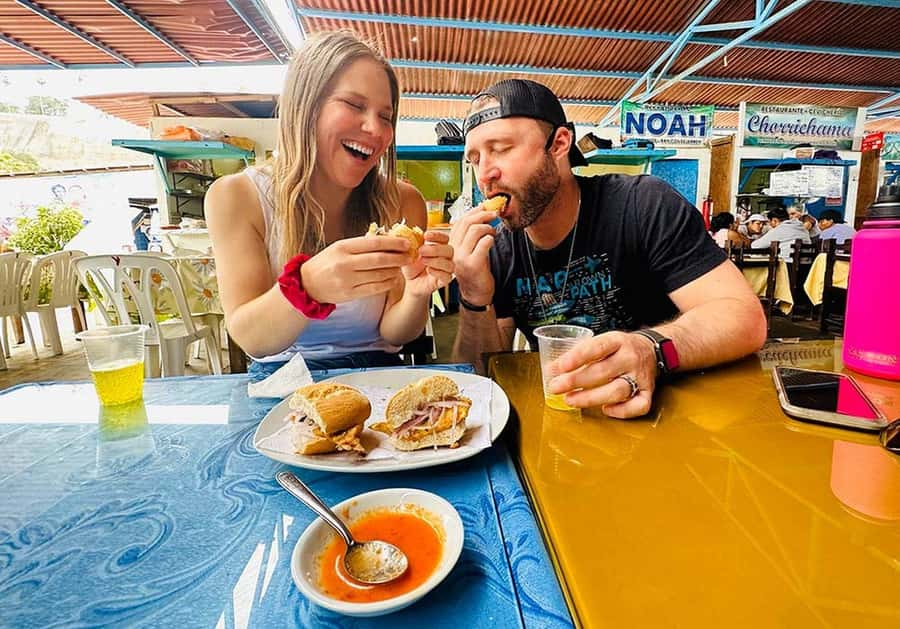
At $75 per person, this is not a cheap snack crawl. It is priced as a guided cultural walk with all food included, and that distinction matters.
You are paying for a route through several parts of central Lima, explanations about Peruvian society, and enough tasting stops to replace a light meal. If you simply want to buy one plate of ceviche or a sandwich, you can spend much less on your own. If you want someone to connect the dishes, neighborhoods, and immigrant influences, the price becomes easier to justify.
The food is served in tasting portions, but the total adds up quickly. You may begin with corn and cheese, move to stuffed potatoes, then eat ceviche, Chinese dumplings, grilled meat, a sweet fritter, a pork sandwich, fruit, and drinks. I would treat this as a late breakfast or early lunch, not as an extra snack between full meals.
More Local and Farmers Market Tours in Peru:
- Cusco: Peruvian Cooking Class, Cocktails & Local Market Tour
★ 4.9 · 512 reviews - Full Day Lima: Local Market+ CityTour+ Barranco & Miraflores
★ 5.0 · 3 reviews - Lima Food Experience with local Markets & Barranco Tour
★ 5.0 · 2 reviews
Starting in Barrios Altos with simple local classics
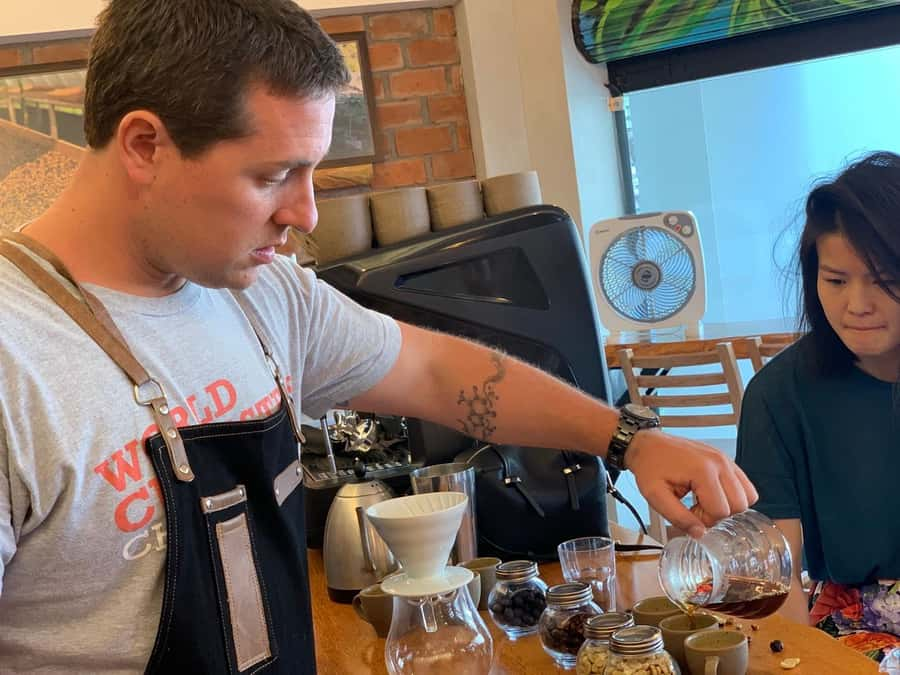
The meeting point is at Jr. Cusco 400. From there, the walk begins through Barrios Altos, an older central Lima district where the first tastes include choclo con queso and papa rellena.
Choclo con queso is a straightforward combination of large-kernel Peruvian corn and cheese. It is a useful first bite because it shows how satisfying Peruvian food can be without elaborate preparation. Papa rellena, a stuffed potato preparation, brings a different texture and more heft.
This opening section is not about ticking off famous attractions. It is about seeing how food fits into ordinary city life. You walk through historic streets while the guide explains the dishes and the district. The route gives you a quick sense of central Lima before the food becomes the main event.
Bring comfortable shoes. The tour is built around walking between stops, and three hours of tasting can feel longer if you are not comfortable on your feet. Transportation is not included, so you need to reach Jr. Cusco 400 on your own.
Ceviche and the taste of Peru’s coast
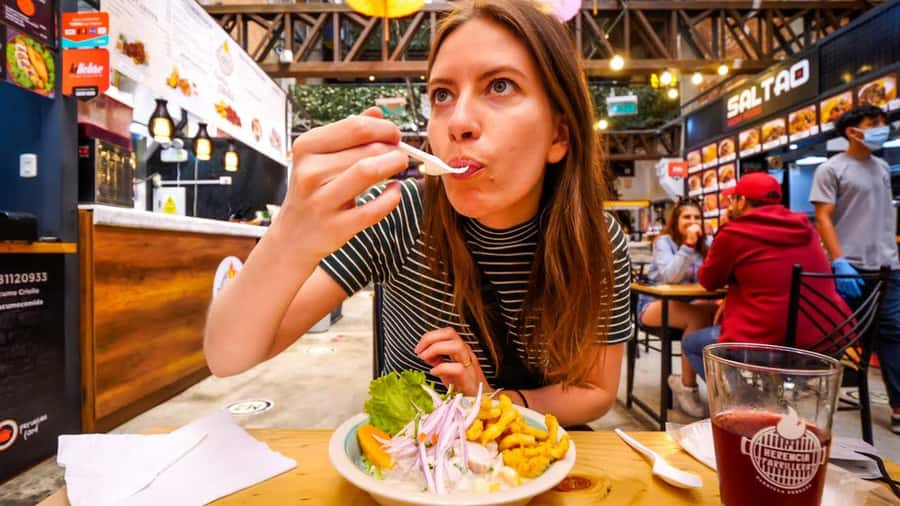
The ceviche stop gives the tour its most famous Peruvian dish. You can expect a fresh, flavorful preparation served during the walk, with the guide explaining its place in local food culture.
Ceviche is often the dish people most want to try in Lima, but context helps. This stop places it alongside corn, potato, meat, fruit, and Chinese-influenced foods instead of presenting it as the whole story of Peruvian cooking. That variety is one of the tour’s strengths.
The practical issue is that ceviche is not ideal for every diet. If you have food allergies, intolerances, or other dietary restrictions, tell the provider when you book. The tour specifically asks for that information in advance, and it is far better to do so before the group reaches the tasting stops.
Chinatown and Peru’s Chinese connection
The Chinatown section gives the walk its clearest cultural focus. You taste siu mai and min pao while learning about Chinese influence on Peruvian society and cuisine.
This is where the tour moves beyond a simple market snack list. Peru’s food culture includes many outside influences, and the Chinatown stop helps you see that fusion in a direct, edible way. The Chinese dishes are not treated as an unrelated detour. They are part of the story of Lima.
I especially like this pairing of explanation and tasting. It is one thing to hear that cultures have mixed in Peru. It is another to eat a Chinese-style bite in central Lima and then continue to Peruvian dishes shaped by that same city’s layered food traditions.
The stop also breaks up the heavier foods. After corn, potato, and ceviche, steamed or filled dumplings offer a different rhythm. You should still pace yourself, since the Central Market section comes next.
More Market Food Tours in Peru:
- Lima: Historic Center Street Food, Market, and Eateries Tour
★ 4.9 · 216 reviews - Lima Street Food Tour Beyond Netflix
★ 5.0 · 117 reviews - Dubai: Old Town, Creek, Museums, Souks, & Street Food Tour
★ 4.8 · 10,816 reviews - Dubai: Old Town, Souks, Street Food, Guided Tour & Abra Ride
★ 4.9 · 7,170 reviews
Central Market: fruit, grills, and sweet fritters
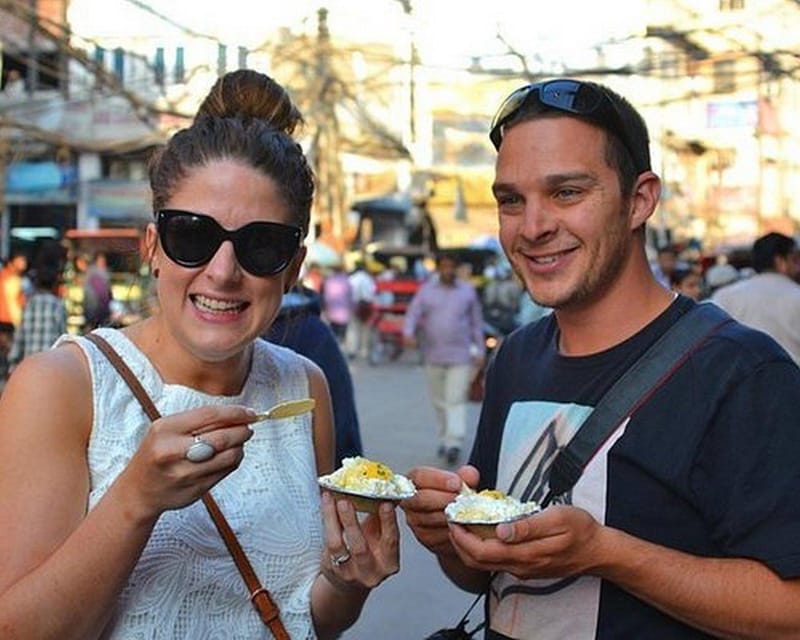
At the Central Market, you get the strongest market experience of the tour. The air, produce, spices, and traditional ingredients give you a sense of how food moves through Lima before it reaches a plate.
The planned tastings include lucuma juice, anticuchos, and picarones. Lucuma is a Peruvian fruit with a distinctive sweet flavor, and tasting it as a juice gives you a simple introduction to an ingredient you may not encounter often outside Peru.
Anticuchos are grilled skewers and one of the city’s well-known street foods. Part of the experience here is helping prepare your own anticuchos, which adds a hands-on element to the stop. It is a small detail, but it makes the tasting more memorable than simply receiving a finished sample.
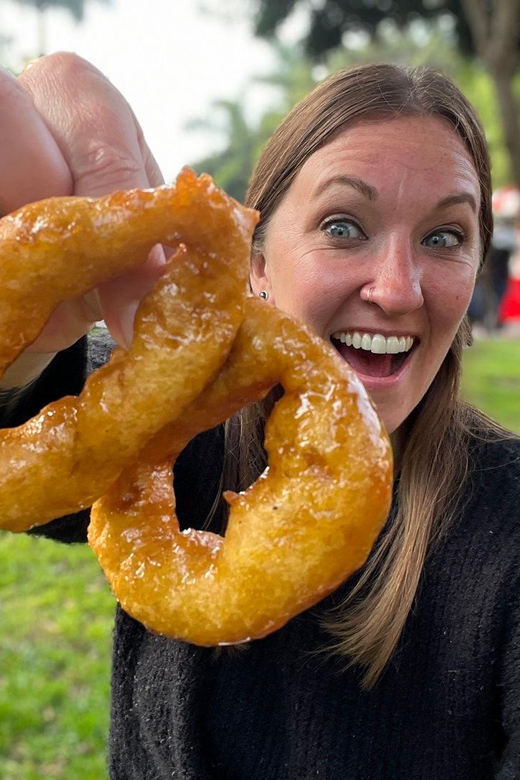
Picarones provide the sweet finish to this part of the route. These traditional fritters are a useful reminder that Peruvian street food is not only savory. The contrast between grilled food and a sweet fried dessert keeps the tasting sequence varied.
The market can be a lot to take in. You may notice strong smells, crowded passages, and plenty of visual activity. That is part of the point, but it may not suit you if you prefer quiet, polished food settings. The tour is designed to show you central Lima as it works, not as a staged dining room.
Pan con chicharrón at Chinitos
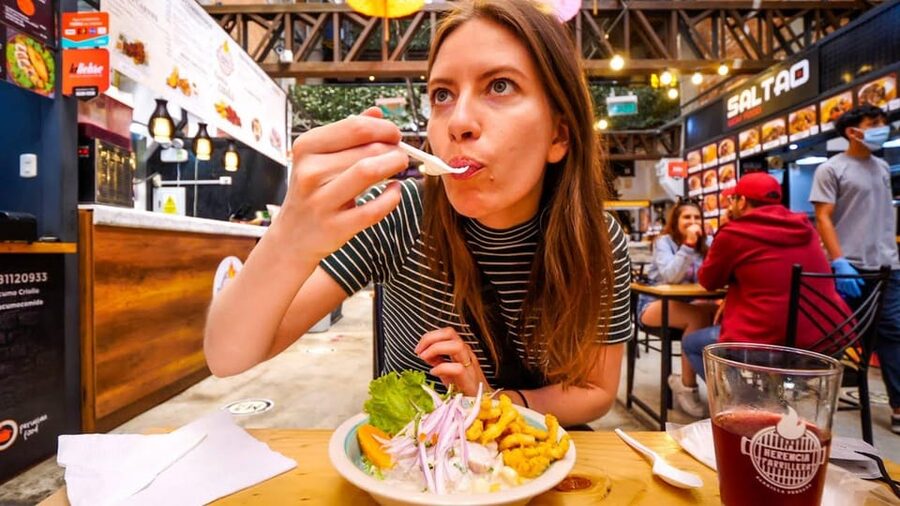
The stop at Chinitos brings another substantial bite: pan con chicharrón, a pork sandwich served with traditional emoliente.
This is one of the more filling moments of the tour. If you have already eaten a large breakfast, you may find yourself choosing between enjoying the food and saving room for the final stop. Follow the advice to avoid eating much beforehand.
Emoliente is a traditional Peruvian drink, and having it with the sandwich adds another piece of local food culture to the meal. The pairing also shows the tour’s practical approach. You are not only trying internationally famous dishes. You are tasting the sort of foods that help explain how people eat in Lima.
Chinitos is also a change of setting after the market. The stop gives you a chance to sit or slow down, depending on how the visit is arranged. Exact seating details are not specified, so I would not book this expecting a long restaurant meal. Think of it as a focused tasting stop within a walking tour.
Ending with fruit, music, and an optional pisco sour
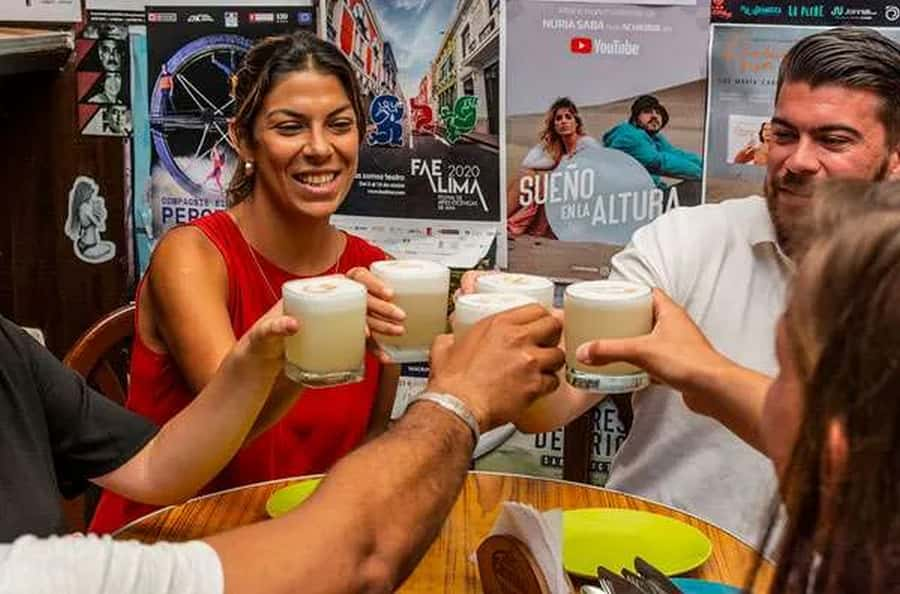
The final stop is Bolivarsito Bar. Here, you can try seasonal exotic fruits and listen to popular Peruvian music while taking in more of the city’s local culture.
The fruit selection depends on the season, so this part is less fixed than the earlier tastings. That is a good reason to keep expectations flexible. You will get a chance to try something fresh after several cooked foods, but the exact fruit is not promised.
A pisco sour is available as an optional tasting, but it is not included in the price. Remember to budget separately if you want one. You can enjoy the tour without it, and the included food and other drinks are still enough to complete the tasting route.
The tour then returns to Jr. Cusco 400. The ending is less about a major landmark than about winding down with fruit and music. That suits the experience, since its focus is Lima’s everyday food culture rather than a formal sightseeing circuit.
What the guides add to the food
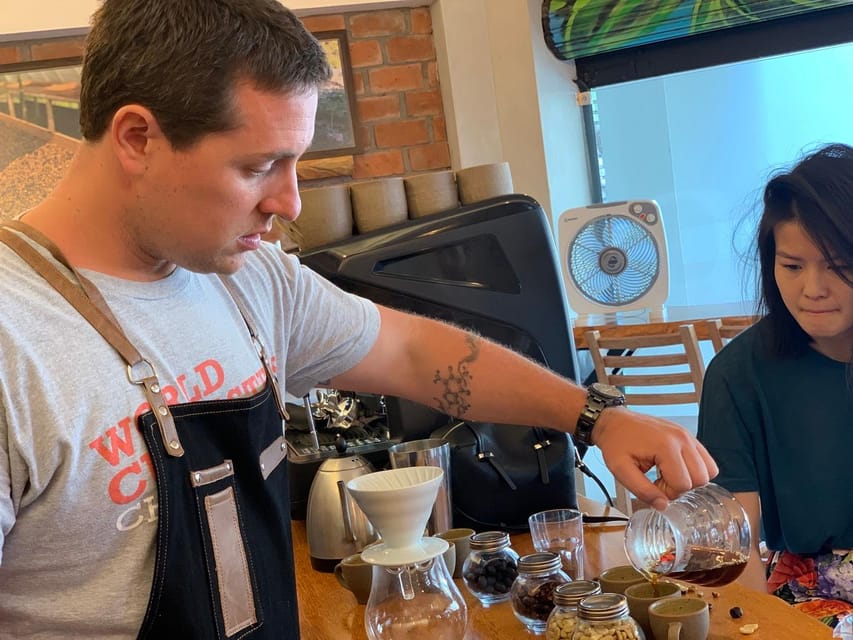
The guide is an important part of the value. The tour is offered in English or Spanish, and the guide explains the food, history, and stories behind the stops as you walk.
One guide named Giovanna has led the experience, and her approach included giving clear explanations while allowing time for photos and video. Another guide was praised for knowing both the food and the stories connected to it, including the contrast between potatoes, fish, fruit, and anticuchos.
That detail matters. A market tour can easily become a procession of samples with no connection between them. Here, the guide is meant to explain why Lima is Peru’s largest city, how Chinese culture influenced local society, and how individual foods fit into the wider picture.
The experience may sometimes operate as a private tour, but you should not assume that will happen every time. The stated format is a guided activity, not a guaranteed private booking. If personal attention is your main reason for booking, check the group arrangement before paying.
Who will get the most from this tour
I would recommend this food walk to you if you are visiting Lima for the first time and want a quick introduction to both the city and its cooking. The route covers enough dishes to help you decide what you want to order later during your stay.
It also suits curious eaters who prefer small portions and variety. You get fish, potatoes, corn, pork, grilled food, fruit, sweets, Chinese-influenced dishes, and traditional drinks in one outing. That is a lot of range for three hours.
Families and mixed groups may appreciate the variety, but picky eaters should check the food details before booking. The tour includes several different styles of food, and not every stop will suit every palate.
I would be more cautious if you want a slow culinary class, a high-end meal, or a sightseeing tour centered on grand architecture. The route is active and food-led. The streets and markets are part of the experience, but the emphasis is on tasting and local context.
The tour is listed as wheelchair accessible, though the supplied details do not explain the exact street conditions or access at every vendor. If you use a wheelchair, confirm the route and stop-by-stop access before booking.
Is $75 a fair price?
The $75 cost includes the certified guide and the food tastings. It does not include transportation or the optional pisco sour.
Compared with eating independently, the price is high. You can buy individual dishes for less, and Lima offers plenty of affordable food. The value comes from combining nine tastings with a guided route through Barrios Altos, Chinatown, and the Central Market.
For me, the strongest value is the variety. Ordering all these foods yourself would take planning, several stops, and a willingness to navigate central Lima without much guidance. The tour handles that sequence and gives you explanations along the way.
The rating is 5 out of 5 from eight reviews, with particular praise for friendly guides, good preparation, cultural explanations, and the range of foods. That is a small sample, so I would treat it as encouraging rather than final proof. Still, the repeated strengths are clear: the guide and the variety are the reasons to book.
Practical advice before you go
Do not eat much beforehand. This is not a token tasting with one or two samples. The food includes enough snacks, drinks, and sweets to fill you up.
Tell the provider about dietary restrictions at booking. This is especially important because the route includes fish, meat, dairy, wheat-based foods, Chinese dishes, fruit, and a range of preparations.
Wear comfortable shoes and arrive ready to walk. The route starts and ends at Jr. Cusco 400, and transfers are not included. Check the available starting times when booking because the activity lasts three hours.
The tour offers free cancellation up to 24 hours before the start, and you can reserve now and pay later. That flexibility is useful if your Lima plans are still changing.
Should you book the Lima Market Food Tour?
Book it if you want a compact, food-first introduction to central Lima and you value explanation as much as eating. The combination of ceviche, anticuchos, picarones, lucuma, Chinese-influenced snacks, and pan con chicharrón gives you a broad first taste of the city.
Skip it if you want a quiet restaurant meal, a focused ceviche class, or the lowest possible food price. You will walk, eat often, and move through busy market areas.
For a first day in Lima, this is a practical choice. It helps you get your bearings through food, shows you more than one neighborhood, and gives you a list of dishes to seek out again. Just arrive hungry, keep the pisco sour budget separate, and leave room for the final fruit stop.
FAQ
How long does the Lima Market Food Tour last?
The tour lasts three hours.
Where does the tour begin and end?
It begins and ends at Jr. Cusco 400.
Which languages are available?
The tour is offered in English and Spanish with a live guide.
What food is included?
Food is included in the tour price. Tastings include dishes and drinks such as ceviche, choclo con queso, papa rellena, siu mai, min pao, lucuma juice, anticuchos, picarones, pan con chicharrón, and emoliente.
Is the pisco sour included?
No. The pisco sour at Bolivarsito Bar is optional and costs extra.
Can I cancel the booking?
Yes. You can cancel up to 24 hours in advance for a full refund. You can also reserve now and pay later.
New market tours around Peru
- Lima: Market Tour and Cooking Class with Pisco Sour★ 5.0 · 3 reviews
- Lima: Peruvian cooking class and tour of Surquillo market★ 5.0 · 2 reviews
- Lima: Market Tour, 35 Fruits Tasting & Cooking Class★ 5.0 · 3 reviews
- Lima Food Experience with local Markets & Barranco Tour★ 5.0 · 2 reviews
- Full Day Lima: Local Market+ CityTour+ Barranco & Miraflores★ 5.0 · 3 reviews
- Cusco: Peruvian Cooking Class & Market Tour★ 4.9 · 19 reviews
- Cusco: Coricancha, Cathedral & San Pedro Market Walking Tour★ 5.0 · 2 reviews
- Cooking class and market tour with a local chef★ 5.0 · 186 reviews
Lima Market Tours, side by side.
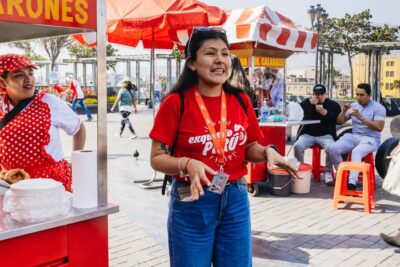
Lima: Historic Center Street Food, Market, and Eateries Tour
Read our review →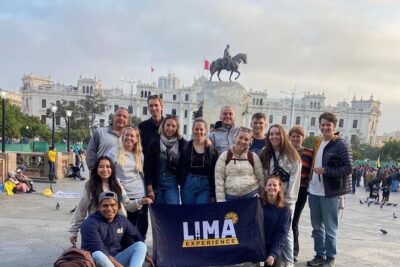
Experience Lima: Taste 12 Snacks and Visit Top Monuments
Read our review →
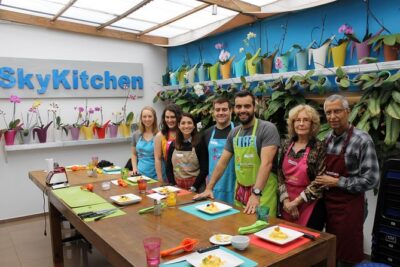
Market Tour, Tasting of 35 Fruits, and 4-Course Peruvian Cooking Class in Lima
Read our review →
Full Day Lima: Local Market+ CityTour+ Barranco & Miraflores
Read our review →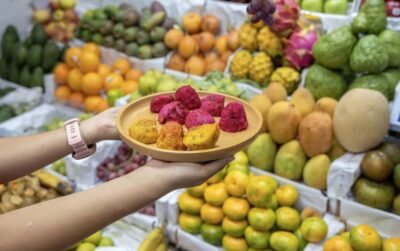
Lima: Market Tour and Cooking Class with Pisco Sour
Read our review →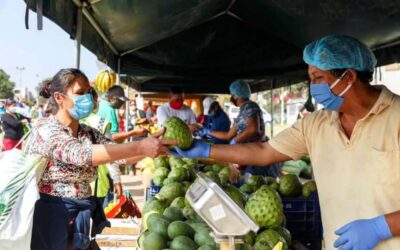
Lima Food Experience with local Markets & Barranco Tour
Read our review →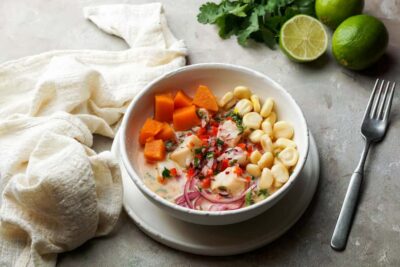
Lima: Peruvian cooking class and tour of Surquillo market
Read our review →This tour also appears in