
Review · PERU
Cooking class and market tour with a local chef
Cusco’s best food lesson may begin before you touch a knife. This market visit introduces you to local fruits, cheeses, potatoes, herbs, and other ingredients, then chef Ronal turns those discoveries into a hands-on meal. You cook, eat, and learn why Peruvian food tastes the way it does.
I like the way the class connects the market to the plate, rather than treating cooking as a stand-alone demonstration. I also like the generous choice of main dish and cocktail, plus the careful handling of allergies, vegetarian diets, and other food needs. One consideration: at $57 per person, it is not Cusco’s cheapest meal, and only one cocktail is included.
Key points at a glance
- San Pedro Market comes first: Taste local fruits and cheeses while learning about the ingredients used in your meal.
- Chef Ronal leads the class: He was born in Cusco and explains both cooking methods and local food traditions.
- You make a full meal: Prepare a shared starter, choose a main course, and mix a pisco cocktail or nonalcoholic drink.
- Ceviche and lomo saltado are the main choices: You can also select vegetarian adaptations when arranged with the chef.
- The class suits beginners: Ronal gives clear guidance on chopping, seasoning, and kitchen technique.
- The meeting point is central: Find the workshop at 264 San Juan de Dios Street, opposite the Aranwa Boutique Hotel.
Why this Cusco cooking class works so well
Many cooking classes give you a recipe and a seat at a counter. This one adds a useful first step: you see the food in its natural setting at San Pedro Market. That matters in Peru, where potatoes, peppers, corn, fruit, herbs, and fish are not just menu items. They are part of daily life and local identity.
Chef Ronal is the main reason the experience feels personal rather than mechanical. He was born in Cusco, speaks English and Spanish, and brings both professional kitchen skills and local knowledge. You can ask about ingredients, market customs, Cusco food, altitude, or the dishes you are preparing.
The class has earned a perfect rating from 186 bookings, and the strongest praise centers on the same features: Ronal’s friendly teaching, the market visit, fresh ingredients, clear instructions, and food that people genuinely enjoyed eating. That consistency is useful when choosing between the many food activities offered in Cusco.
More Market and Cooking Class Tours in Peru:
- Cusco: Peruvian Cooking Class, Cocktails & Local Market Tour
★ 4.9 · 512 reviews - Market Tour, Tasting of 35 Fruits, and 4-Course Peruvian Cooking Class in Lima
★ 5.0 · 86 reviews - Cusco: Peruvian Cooking Class & Market Tour
★ 4.9 · 19 reviews
Finding 264 San Juan de Dios Street
The meeting point is at 264 San Juan de Dios Street, in front of the Aranwa Boutique Hotel. Look for a glass and wooden door across the street from the hotel. The entrance has no advertising, so pay attention to the address rather than waiting for a large tour sign.
Transportation is not included. You need to make your own way there, and the location should be treated as a meeting point rather than a hotel pickup. If you have just arrived in Cusco, allow extra time for the walk and for finding the discreet entrance.
The activity lasts four hours. Starting times vary, so check the available schedule when booking. Morning sessions may offer a calmer market visit, while an afternoon class can work well if you want a later meal. The exact market pace and group size can change, but several sessions have been small enough to feel close to a private lesson.
San Pedro Market: the lesson starts with ingredients
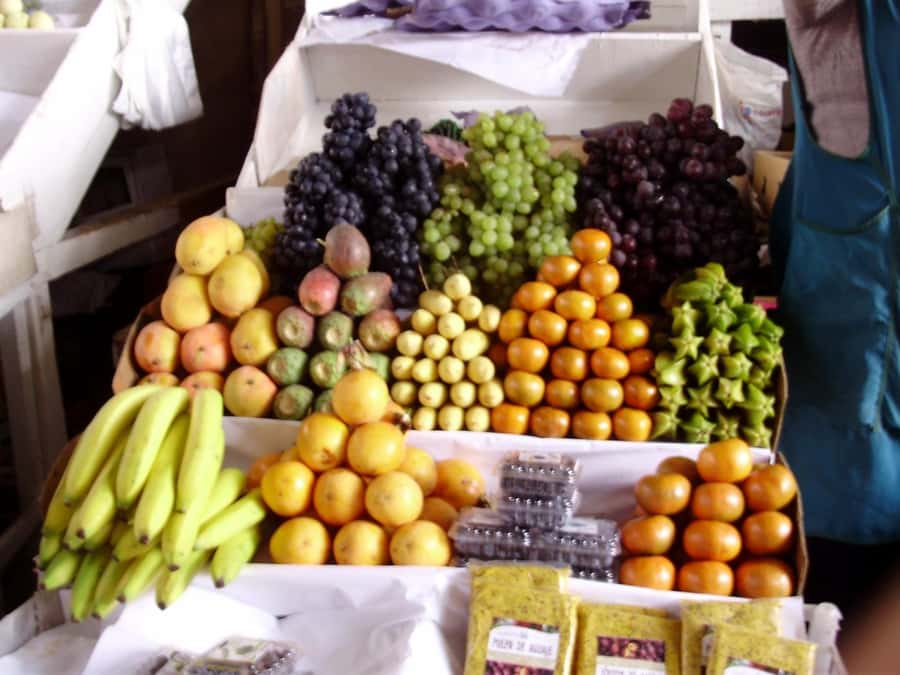
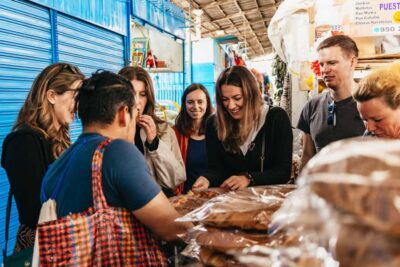
The market tour gives the class its sense of place. You walk through sections selling fruit, vegetables, meat, cheese, herbs, and other local products. Ronal explains what you are seeing and may offer tastes of fresh fruit, bread, or cheese before you return to the kitchen.
For many people, this is the most valuable part of the four hours. You learn what different Peruvian ingredients look like before they are chopped and mixed into a dish. You also get a better feel for how local cooks shop, rather than seeing Cusco only through restaurants aimed at visitors.
The fruit tasting is especially useful. Peru has a huge range of produce, and the market lets you compare flavors and textures that you may otherwise pass without noticing. The tour also puts potatoes into context. Peru is home to thousands of potato varieties, and that fact becomes more meaningful when you see the produce sold locally.
The market is still a working food market, not a polished museum. You may see meat and other animal products that are part of the local diet. The activity specifically warns that some displays may not suit everyone, so this is worth considering if you are sensitive to such sights.
Market conditions also change during the day. A morning visit may feel easier for people who prefer more space and a calmer pace. If you want the liveliest market atmosphere, a later class may offer more activity, but it can also feel more crowded.
What you cook: three Peruvian dishes with different personalities
The cooking menu gives everyone the same starter, then lets you choose a main dish. You make the choices before the class begins, which helps the chef prepare for dietary needs.
More market tours around Peru:
- Pisac Indian Market and Ollantaytambo Fortress with Lunch
★ 4.5 · 395 reviews - Lima: Historic Center Street Food, Market, and Eateries Tour
★ 4.9 · 216 reviews - Belen Market & Floating City 2-3 Hour Private Tour
★ 4.9 · 38 reviews - Lima: Food Tour on Local Market
★ 5.0 · 8 reviews
Rocoto relleno
The starter is rocoto relleno, a traditional stuffed pepper. The filling includes meat, onions, peas, carrots, peanuts, and raisins, topped with local cheese and baked.
Rocoto is known for its heat, so this dish may be more intense than a familiar stuffed pepper. The class format gives you a chance to understand how the filling, cheese, and baking process balance the pepper. Vegetarian adaptations are available, but tell the chef about your needs before cooking begins.
Causa rellena
Causa is a potato cake mixed with yellow chili sauce and filled with avocado, fish tartare, mayonnaise, and spices. It shows off Peru’s potato culture in a cooler, layered preparation.
The listed ingredients include fish and mayonnaise, so you should ask Ronal about substitutions if you avoid seafood, eggs, or dairy. The class has handled vegetarian, dairy-free, gluten-free, and allergy-related requests, but the safest approach is to state your restrictions at booking and again at the start.
Lomo saltado
Lomo saltado is the meat option for the main course. You prepare beef tenderloin with rice, onions, tomatoes, soy sauce, oyster sauce, vinegar, and native potato fries.
This is a useful dish for seeing how Peruvian cooking blends local ingredients with outside influences. The combination of beef, fries, rice, and savory sauce is filling, familiar, and distinctly Peruvian in its final form.
You should note the sauces carefully if you have allergies or avoid seafood, since oyster sauce is part of the standard recipe. The chef can adapt the dish, but ask exactly which replacements will be used.
Ceviche
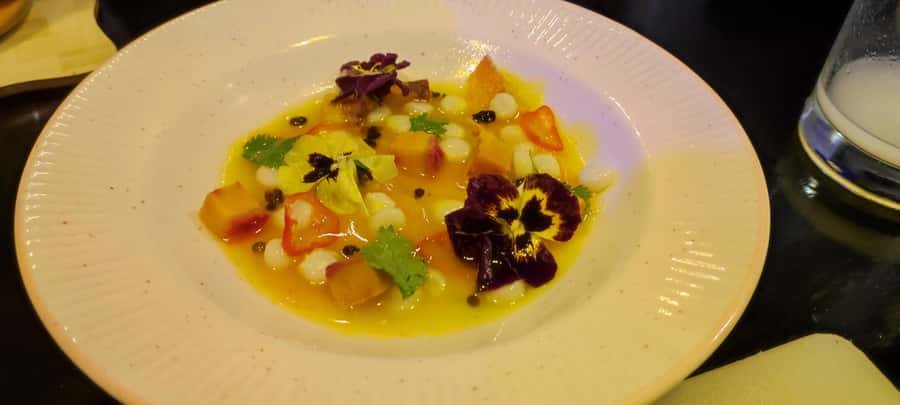
The standard ceviche uses trout, mango, avocado, lime juice, onions, celery, ginger, corn, and sweet potato. It is a good choice if you want a lighter main course with sharp citrus flavor and fresh ingredients.
The trout preparation also makes the class different from a basic restaurant tasting. You see how the fish is combined with lime, herbs, fruit, and vegetables, while the sweet potato and corn provide a softer counterpoint.
Ceviche is not the right choice for everyone. If you avoid raw or lightly cured fish, choose lomo saltado or request a vegetarian version. Vegetarian ceviche has been prepared in the class, so you do not have to miss the technique or the meal.
Choosing your drink: pisco sour, passion fruit, or a mocktail
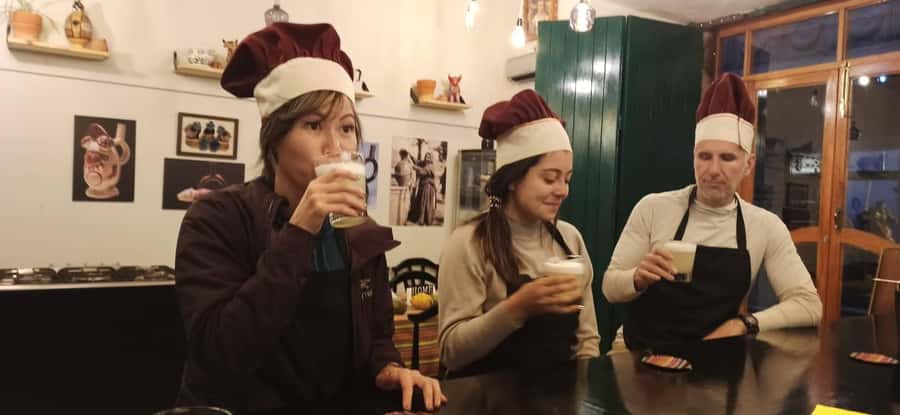
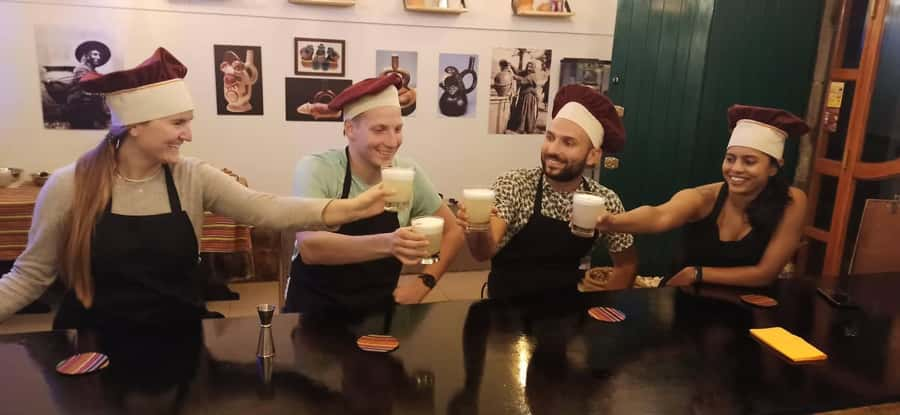
The drink lesson focuses on pisco, Peru’s national spirit made from grapes. You choose one cocktail, either a classic pisco sour with lime, syrup, and egg white, or a passion fruit sour using fresh passion fruit juice.
The pisco sour is a good match for the cooking class because you learn a basic bar technique as well as a kitchen recipe. The passion fruit version gives you a fruitier alternative. If you do not drink alcohol, the chef can prepare a drink with Peruvian fruit and honey.
Only one cocktail is included. That is the clearest value limitation in the package, especially if you compare it with a full restaurant meal that might include several drinks. Still, the drink is part of the instruction, not simply a beverage handed to you, so the inclusion has real value for anyone who wants to recreate it at home.
Alcohol and drugs are not allowed beyond the included cocktail experience. If you do not drink, the nonalcoholic option means you can still take part in the same social moment.
A beginner-friendly kitchen with room for adjustments
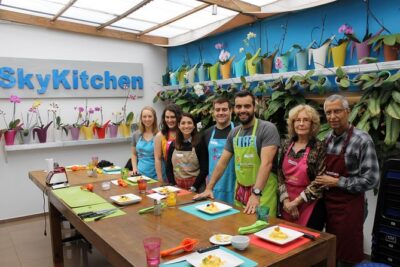
You do not need advanced cooking skills. The class provides aprons, kitchen tools, bar utensils, fresh ingredients, and water. Ronal demonstrates the steps and helps with practical skills such as cutting and seasoning.
The teaching style appears to suit a wide range of ability levels. Beginners get direct help with knife work and basic preparation, while experienced home cooks can still pick up ideas about Peruvian ingredients, sauces, and flavor combinations.
The cooking studio is described as clean and well organized. That is important in a hands-on class, especially when several people are preparing different dishes at the same time. The atmosphere is relaxed, and small groups can make it easy to ask questions or talk with other people at the counter.
The class is also a good social activity for solo visitors. You cook with the group, sit down to eat what you prepared, and have a natural chance to meet people without the forced feeling of a formal group tour.
Dietary needs, altitude, and practical cautions
The class can adapt to vegetarian diets, allergies, gluten intolerance, dairy-free diets, and other restrictions. You should still communicate clearly before the class, since several standard recipes contain meat, fish, mayonnaise, cheese, soy sauce, oyster sauce, peanuts, and egg white.
People with severe allergies should ask detailed questions about shared surfaces and ingredients before booking. The information confirms that adaptations are offered, but it does not promise a separate kitchen or a completely allergen-free environment.
Altitude deserves more attention in Cusco. The class offers natural medicine for altitude sickness and digestive teas if needed, but it is not suitable for people currently suffering from altitude sickness. Do not treat the provided remedies as a substitute for medical advice.
Some people use this class early in their Cusco stay because it is a seated, guided activity with food and conversation rather than a demanding excursion. That can be a sensible plan, but you should still judge your own condition. If you feel unwell at altitude, postpone the activity.
The age information is unusually restrictive and inconsistent, listing several minimum ages from under 2 through under 6, as well as a restriction for people over 70. Children under 1 are also listed as unsuitable. Confirm the current age rules before booking if you are traveling with children or older family members.
Baby strollers and baby carriages are not allowed. Weight limits are also listed at several different figures, including 135, 140, and 150 kilograms. If any of those restrictions apply to you, contact the provider before paying.
Is $57 a fair price?
At $57 per person, this costs more than simply ordering ceviche or lomo saltado at a local restaurant. You are paying for four hours of guided time, a market visit, ingredients, instruction, equipment, an apron, water, a starter, a main dish, and one cocktail or mocktail.
The value is strongest if you care about food and want to understand what you are eating in Cusco. You receive practical recipes, market context, cooking guidance, and a full meal. Recipes can be sent by email afterward, giving you a real chance to prepare the dishes at home.
The value is weaker if you only want a quick meal or a market walk. The session takes four hours, and the meal is something you help prepare rather than something served immediately. You also pay for one drink, not an open bar or a full tasting menu.
I would consider it good value for a first or second day in Cusco if you want a gentle cultural activity and a meal built into the schedule. It is less compelling for someone who dislikes group cooking, cannot eat the standard ingredients, or wants a very low-cost introduction to Peruvian food.
Who should book this class?
I would recommend it most strongly to:
- People who enjoy cooking or want an approachable first lesson
- Solo visitors looking for an easy way to meet others
- Couples and families with older children who can participate safely
- Anyone curious about Peruvian ingredients beyond restaurant menus
- Vegetarians and people with manageable dietary restrictions
- Visitors who want market context along with their meal
You may want to skip it if you have active altitude sickness, serious food allergies that require a fully separate kitchen, discomfort around meat displays, or no interest in spending four hours on food preparation.
The best reason to book is the combination of market, kitchen, and meal. You do not simply hear about Peruvian food. You see the raw ingredients, handle them, prepare them, and taste the finished dishes. That chain makes the experience easier to remember and easier to repeat at home.
Should you book it?
Book this Cusco cooking class if you want more than a restaurant meal and like the idea of meeting the person behind the food. Chef Ronal’s Cusco background, clear teaching, market knowledge, and willingness to adjust dishes give the experience a strong local focus.
Before you reserve, check the start time, confirm your dietary needs, and make sure you can reach 264 San Juan de Dios Street without transportation assistance. At $57, it is a considered purchase, but the market tour, full meal, cocktail lesson, equipment, and recipes make it a sensible choice for food-focused visitors.
FAQ
How long does the Cusco cooking class and market tour last?
The activity lasts four hours.
Where is the meeting point?
Meet at 264 San Juan de Dios Street, opposite the Aranwa Boutique Hotel. The workshop has a glass and wooden door across from the hotel and no advertising on the entrance.
Is transportation included?
No. You need to arrange your own transportation to the meeting point.
Which languages does the chef speak?
The activity is offered in English and Spanish.
What dishes will I prepare?
The starter is rocoto relleno. You then choose between lomo saltado and ceviche for the main dish, with vegetarian adaptations available. Causa rellena is also included in the cooking menu.
Can the class accommodate dietary restrictions?
Yes. Vegetarian options are available, and the dishes can be adapted for allergies, gluten intolerance, dairy-free diets, and other food requirements. Share your needs before the class begins.
Is a drink included?
Yes. The price includes one cocktail or nonalcoholic drink. Cocktail choices include a classic pisco sour and a passion fruit sour, while a fruit and honey drink is available without alcohol.
New market tours around Peru
- Lima: Market Tour and Cooking Class with Pisco Sour★ 5.0 · 3 reviews
- Lima: Peruvian cooking class and tour of Surquillo market★ 5.0 · 2 reviews
- Lima: Food Tour on Local Market★ 5.0 · 8 reviews
- Lima: Market Tour, 35 Fruits Tasting & Cooking Class★ 5.0 · 3 reviews
- Lima Food Experience with local Markets & Barranco Tour★ 5.0 · 2 reviews
- Full Day Lima: Local Market+ CityTour+ Barranco & Miraflores★ 5.0 · 3 reviews
- Cusco: Peruvian Cooking Class & Market Tour★ 4.9 · 19 reviews
- Cusco: Coricancha, Cathedral & San Pedro Market Walking Tour★ 5.0 · 2 reviews
Peru Market Tours, side by side.
Cusco: Peruvian Cooking Class, Cocktails & Local Market Tour
Read our review →
Pisac Indian Market and Ollantaytambo Fortress with Lunch
Read our review →
Lima: Historic Center Street Food, Market, and Eateries Tour
Read our review →
Experience Lima: Taste 12 Snacks and Visit Top Monuments
Read our review →
Market Tour, Tasting of 35 Fruits, and 4-Course Peruvian Cooking Class in Lima
Read our review →
Belen Market & Floating City 2-3 Hour Private Tour
Read our review →
This tour also appears in