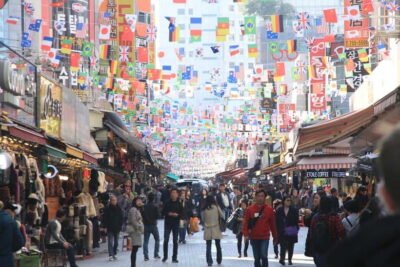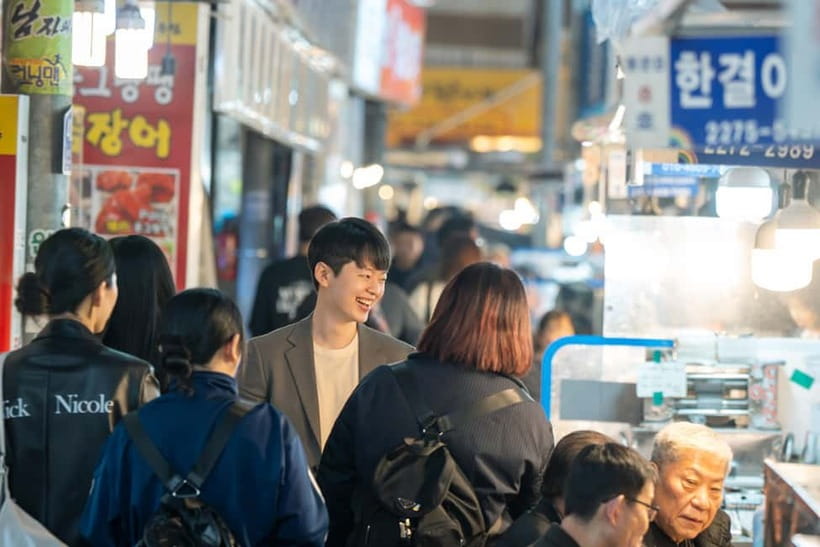
Review · SEOUL
Seoul: Gwangjang Market Vegan & Vegetarian Food Tour
Gwangjang Market can be a tricky place for plant-based diners. Meat and seafood appear in many dishes, and shared cooking areas make ingredient questions important. This tour solves that problem while still giving you the pleasure of eating in one of Seoul’s best-known food markets. Jungho checks the ingredients and handles the Korean ordering, so you can focus on the food and the market’s lively pace.
I especially like the range: you get 11-plus tastings, including meals, noodles, snacks, sweets, and drinks. I also like the personal touch behind the route. Jungho first built it for his vegetarian family, then tested stalls and recipes until he found places serving genuinely plant-based Korean food. The main caution is cross-contact. The dishes contain no meat, fish, eggs, dairy, or honey, but this is still a working market with shared cooking spaces.
Key points to know before you book
- Jungho’s ingredient checks: Your guide translates, orders, and confirms what goes into each dish.
- More than a snack crawl: Expect 11-plus tastings, with filling meals, noodle bowls, sweets, and Korean drinks.
- A small group of up to eight: The size allows for shared tables, questions, and easier movement through the market.
- A practical lesson in Korean food culture: You learn what dishes represent, how locals order, and what to watch for when eating plant-based in Seoul.
- A covered market route: Gwangjang is partly covered, with some stops in indoor restaurants, though conditions can still be busy and warm.
- Important allergy limits: The tour is not suitable for severe allergies, nut allergies, gluten intolerance, or strict gluten-free diets.
Why Gwangjang Market works so well for this tour

Gwangjang Market is not a themed food hall built for sightseers. It is a traditional working market, with stalls selling food and other everyday goods. That matters because the tour puts you in the middle of ordinary Korean market life rather than separating you from it.
The trade-off is that the food environment is not designed around vegan diners. Meat dishes may be cooked at the same stalls, and shared utensils or cooking surfaces can create mild cross-contact. If you need absolute separation because of a serious allergy, this is not the right experience. If you are vegan or vegetarian and mainly want reliable ingredient checks, the guide’s help is valuable.
You meet outside Exit 8 of Jongno 5-ga station. This is a practical meeting point because you do not have to search through the market for the guide. Look for the guide beside the station exit, and check the activity photos before you go so you can recognize him.
From there, the tour runs for two hours and returns to the same station. There is no hotel pickup or drop-off, so you need to make your own way to Jongno 5-ga. The route itself is on foot, with food stops along the market lanes and at several indoor restaurants.
More Market Food Tours in Seoul
- Seoul Street Food Market Tour
★ 5.0 · 1,226 reviews - Seoul: Night Market Food Tour with Local Guide
★ 4.9 · 943 reviews - Seoul: Palace, Temple and Market Guided Foodie Tour at Night
★ 4.9 · 750 reviews
Jungho turns ingredient checks into part of the experience
The biggest help here is not simply finding vegan food. It is knowing what you can trust. Korean dishes often use small amounts of fish sauce, anchovy stock, meat broth, egg, dairy, or honey. Those ingredients may not be obvious from a dish’s name or appearance.
Jungho handles the questions in Korean and confirms the ingredients before you eat. That saves you from trying to explain dietary restrictions at each busy stall, and it removes much of the guesswork that can make a market visit tiring.
He also explains the story behind the food. You learn not only what is in a dish, but how it fits into Korean eating habits and market culture. That extra context gives the tastings more meaning. A bowl of noodles becomes a chance to understand how Korean meals are assembled, while a snack or drink offers a small window into local habits.
The guide’s personality is part of the appeal. Feedback about Jungho consistently highlights his energy, care, humor, and attention to detail. He is described as someone who answers food and culture questions readily, keeps the group moving, and makes the two hours feel personal rather than scripted.
What you eat during the two-hour route
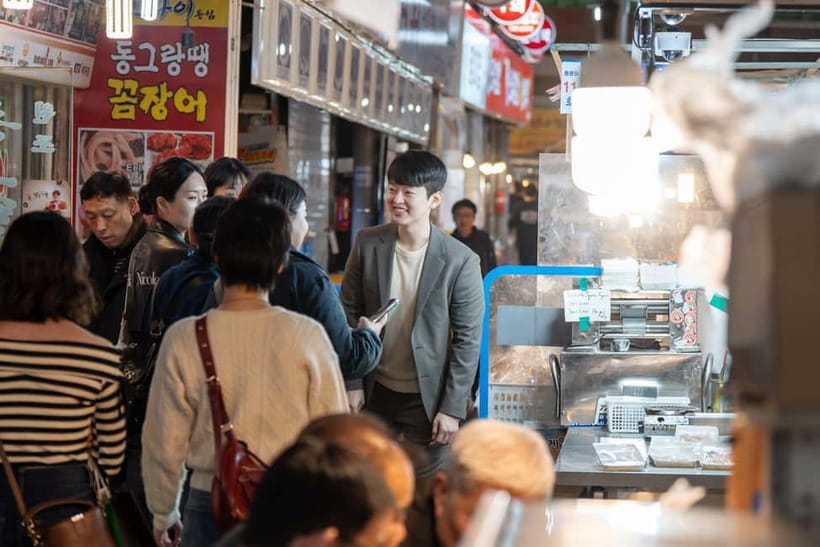
The exact food lineup is not listed in advance, which is normal for a market tour and allows the guide to work with current stall availability. You are promised more than 11 vegetarian and fully vegan tastings, all covered in the price.
The selection is designed to feel like a proper progression rather than a handful of tiny samples. Expect a mix of hearty traditional food, satisfying noodle bowls, savory street snacks, desserts, and Korean drinks. That range is important. A tour focused only on snacks could leave you hungry, while a meal-only route might miss the fun of market food. This one aims to give you both.
Some dishes are naturally vegan in their original form, while others are prepared as plant-based versions of Korean classics. The point is not to eat a separate substitute menu far from Korean food culture. You get food that local diners recognize, served in places where people actually eat.
The tastings also show how much variety Korean food can offer without meat or seafood. You might move from a filling dish to noodles, then to something crisp, sweet, or refreshing. Because drinks are included, you get a fuller sense of the meal rather than paying extra each time something is poured.
Do not expect a sit-down restaurant meal lasting two hours. This is a walking food tour, and seating may vary from stall to stall. The group sometimes uses indoor restaurants, which helps in cold weather, but you should still wear comfortable shoes and be ready to eat at a few different stops.
A closer look at the market stops
The first section of the route gets you oriented. Gwangjang’s lanes can be confusing, especially if you are trying to read signs, compare dishes, and check ingredients at the same time. Your guide leads you directly to suitable stops rather than asking you to wander and hope.
That efficiency is one of the tour’s practical strengths. You spend your limited time tasting and learning instead of standing at stalls while trying to work out what is safe. The guide’s existing relationships with food sellers also help the group move through the market without repeating the same explanations at every stop.
The meal stops provide the substance. Traditional Korean food often arrives in several small elements, and a plant-based version may depend on the stock, seasoning, or topping as much as the main ingredient. This is where ingredient checking matters most. A dish that looks vegetarian may not be vegan once the broth or sauce is considered.
The snack stops bring a different rhythm. Market food is not always meant to be eaten in a formal order, and moving from savory bites to sweets and drinks gives you a better feel for how the market works. You are not just sitting down for one carefully plated dish. You are sampling the food culture of a public market.
The indoor stops are useful in winter or during unpleasant weather. Gwangjang is partly covered, so you are not exposed the whole time, but it remains a working market with open sections and crowded walkways. If you are sensitive to noise, tight spaces, or food smells, expect plenty of sensory activity.
More Market Food Tours in South Korea
- Seoul: Guided Food & Market Tour with 8+ Tastings
★ 4.9 · 342 reviews - Seoul Night Palace & Market Food Tour with Vehicle
★ 5.0 · 275 reviews - Seoul: Namdaemun Market Food Tour
★ 4.9 · 34 reviews - Seoul: Gwangjang Market Netflix Food Tour
★ 4.7 · 31 reviews
What the tour teaches you about ordering in Seoul
A useful part of the experience continues after the final bite. Jungho gives practical tips on finding vegan food elsewhere in Seoul, where plant-based choices may not always be clearly marked.
You learn to ask better questions and to look beyond a dish’s name. That is especially useful because Korean menus may not spell out every ingredient, and a seemingly simple dish can contain seafood stock or egg. The tour gives you a working vocabulary and a better sense of what to check.
You also learn local dining etiquette and how to eat market food in a way that feels natural. These details can be small, but they help you feel less like an outsider standing in front of a crowded stall. The guide can explain the traditions tied to each dish and the role food plays in market life.
This educational side makes the experience useful even if you are not vegan. A meat-eating companion can enjoy the Korean food and culture, while you get the added security of plant-based ingredient checks. Several people who joined with no special diet found the food and cultural explanation worthwhile.
Is $89 a fair price?
At $89 per person, this is not the cheapest way to eat at Gwangjang Market. You are paying more than the cost of buying one or two snacks independently. The value comes from what is included and from the difficulty of finding the same range of food on your own.
The price covers every tasting and drink, the English-speaking guide, ordering, translation, ingredient checks, and the full two-hour walk. You are not handed a list of stalls and left to make separate purchases. For a vegan visitor unfamiliar with Seoul, that can prevent wasted time and food that is unsuitable.
The small group also matters. With a maximum of eight people, the guide can keep track of dietary needs and answer questions without shouting across a large crowd. Seating is easier to manage, and the experience feels more like eating with a local guide than joining a large procession.
I would see the price as fair for a visitor who wants a ready-made introduction to Korean food without the stress of decoding every menu. It is less compelling for a confident Seoul diner who already speaks Korean, knows Gwangjang well, and is happy to research every ingredient independently.
Weather, comfort, and practical details
Gwangjang is partly covered, and some stops take place indoors. That makes the tour workable in colder weather, although you should not assume the entire route is inside. Wear shoes suitable for walking and clothing that lets you stay comfortable in a busy market.
The two-hour duration is well judged for a food walk. It is long enough for 11-plus tastes and cultural explanations without turning into an all-day commitment. Since the tour begins and ends at Jongno 5-ga station, it is easy to fit into a day of sightseeing in central Seoul.
A separate entrance helps the group get into the market efficiently. The exact starting time varies, so check availability when booking. You can cancel up to 24 hours ahead for a full refund, and the reserve-now, pay-later option gives you some flexibility while planning your Seoul schedule.
The experience is offered in English. It is a small-group activity rather than a private tour, with up to eight participants. No hotel transportation is included.
Who should book this food tour?
This is best for vegans and vegetarians who want Korean food rather than a generic plant-based meal. It is also a strong choice for first-time visitors who are uneasy about ordering in Korean or unsure which sauces and broths contain animal products.
You will get the most from it if you enjoy asking questions, trying several kinds of food, and learning the background of everyday dishes. The route is not only about filling your stomach. It is also about understanding how Korean market food is made, served, and shared.
Mixed-diet groups can book it too. The food is designed to be satisfying for people without dietary restrictions, and the cultural side gives meat-eaters a reason to join. The main limitation is for people with serious allergies or strict gluten-free needs. Shared cooking spaces mean the tour cannot promise a fully isolated preparation area.
Should you book the Gwangjang vegan food tour?
Book it if you want to eat Korean market food with the hard work handled for you. The combination of 11-plus tastings, ingredient checks, drinks, and a small group gives you more than a simple introduction to vegan Seoul dining.
I would especially recommend it early in your visit. The ordering tips can help you find suitable food later, and the market setting gives you a useful first look at Korean dining culture. Book elsewhere if you need strict allergy control, a gluten-free kitchen, or a private meal with complete control over preparation.
For most plant-based visitors, the $89 price buys confidence as much as food. You get to explore Gwangjang Market freely, without spending the whole evening wondering what is safe to eat.
FAQ
Where does the tour meet?
The meeting point is outside Exit 8 of Jongno 5-ga station. The guide waits beside the exit, and you can use the activity photos to help identify him.
How long does the experience last?
The tour lasts two hours. It begins at Jongno 5-ga station, continues through Gwangjang Market, and returns to the same station.
How many people can join?
The group is limited to a maximum of eight participants.
Is the tour conducted in English?
Yes. The tour includes a fluent English-speaking guide.
Is all the food vegan?
All tastings are free of meat, fish, eggs, dairy, and honey. The experience is designed to provide vegetarian and fully vegan versions of Korean dishes.
How much food is included?
The price includes more than 11 food and drink tastings. The selection includes meals, noodle dishes, snacks, desserts, and Korean beverages.
Does the tour include drinks?
Yes. Drinks are included along with all food tastings.
Is hotel pickup included?
No. You need to travel to Jongno 5-ga station on your own, and hotel pickup and drop-off are not included.
Is the tour safe for severe allergies or nut allergies?
No. The tour is not suitable for people with food allergies or nut allergies because Gwangjang is a working market with shared cooking areas and possible cross-contact.
Can people with gluten intolerance join?
The tour is not suitable for people with gluten intolerance or those who require a strict gluten-free diet.
More plant-based stalls around Seoul
- Jaipur Market Tour & Vegetarian Rajasthani Home Cooking Class
★ 5.0 · 113 reviews - Busan Tailored Korean cooking class (Vegan OK)with market tour
★ 5.0 · 66 reviews - Seville Vegan Tapas Food and Market Walking Tour
★ 5.0 · 40 reviews - Hoi An : Vegan Cooking Class – Market & Coconut Basket Boat
★ 5.0 · 4 reviews
New market tours around Seoul
- Seoul: The Biggest Sea-food Noryangjin Market Tour★ 4.3 · 30 reviews
- Seoul: Sokcho beach, market, hot spring and Seorak Cable Car★ 4.8 · 5 reviews
- Seoul: Gyeongbokgung Palace Tour & Lunch at Authentic Market★ 4.5 · 2 reviews
- Seoul: Mt.Seorak(+CableCar Option)+Sokcho Fish Market&Beach★ 4.5 · 9 reviews
- Seoul: Namdaemun Market Food Tour★ 4.9 · 34 reviews
- Seoul: Guided Street Food Tour at Namdaemun Market★ 5.0 · 10 reviews
- Seoul Gwangjang Market Foody Walking Tour★ 4.1 · 7 reviews
- Seoul Day Tour: Gyeongbok Palace, Bukchon, Gwangjang Market★ 4.7 · 7 reviews
Seoul Market Tours, side by side.
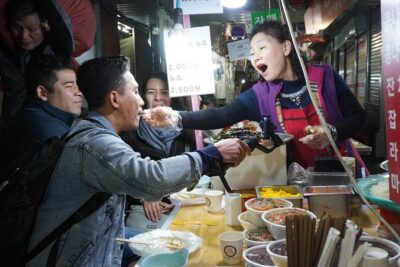
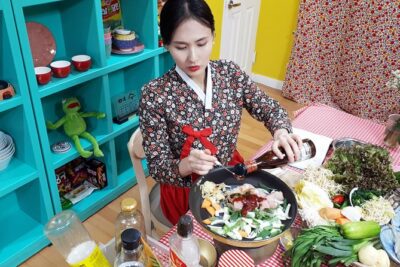
Local Home Korean Cooking Class & Market Adventure in Seoul
Read our review →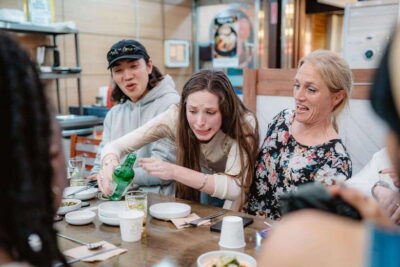
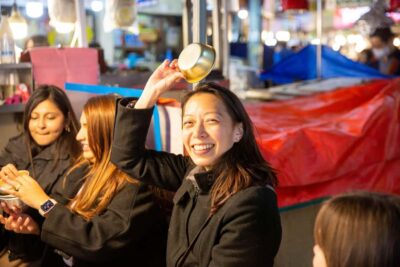
Seoul: Palace, Temple and Market Guided Foodie Tour at Night
Read our review →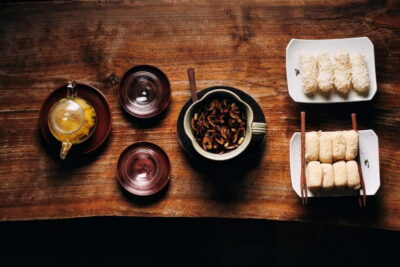
Seoul: Guided Food & Market Tour with 8+ Tastings
Read our review →
Seoul: Nighttime Tour of Palace, Market, Naksan Park & More
Read our review →
Seoul: Gyeongbok Palace, N Tower, & Local Market City Tour
Read our review →