Review · DA NANG
5 traditional dishes Da Nang cooking class with market trip
Da Nang’s food scene makes the most sense when you see the ingredients first. This four-hour class begins at Bắc Mỹ An Market, where you shop for produce before returning to the kitchen to prepare five Central Vietnamese dishes. The market stop gives the cooking a useful local setting instead of treating each recipe as an isolated demonstration.
I like the well-rounded menu, which moves from soup and a crisp pancake to a fresh roll, salad, and dessert. I also like the practical finish: you eat what you make, receive a recipe book and certificate, and can chat with instructors such as Blue, Bora, or Chi about local life. The main consideration is that some preparation may be shared, especially the soup, and larger groups can mean less individual plating time.
Key points to know before booking
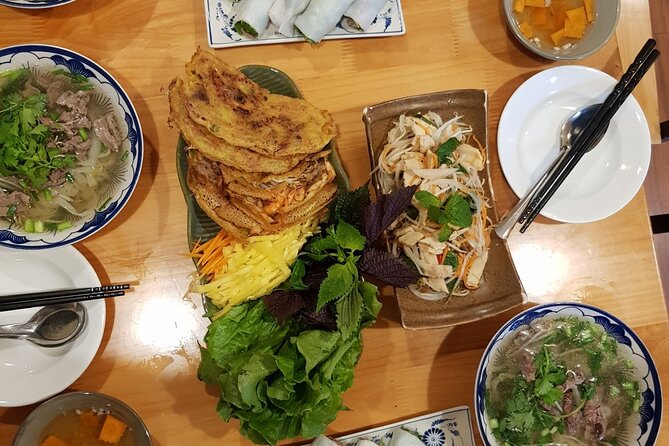
- Five Central Vietnamese dishes: Prepare bún bò Huế, bánh xèo, tam hữu fresh rolls, young jackfruit salad, and Da Nang avocado ice cream, with a vegetarian version available.
- Bắc Mỹ An Market first: Shop for ingredients and learn what local produce looks like before cooking.
- Four hours from start to finish: The class begins and ends at 07 Nguyễn Bá Lân Street in Bắc Mỹ An.
- Friendly teaching style: Blue, Bora, and Chi are named instructors associated with the class, with patient guidance suited to beginners and families.
- Hands-on, but not always fully individual: Some dishes may be made as shared recipes, and a maximum of 30 people is possible.
- Good extras for the price: Lunch or dinner, tea or coffee, cooking tools, fruit, rice vodka, a recipe book, and a certificate are included.
Starting with a market trip in Bắc Mỹ An
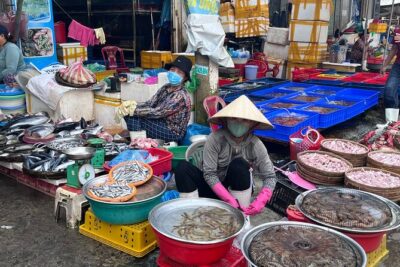
You meet at 07 Nguyễn Bá Lân Street, about 10 minutes before the start. The class is in Bắc Mỹ An, in Da Nang’s Ngũ Hành Sơn district, and the market stop is at Chợ Bắc Mỹ An.
This is not a market visit added just to fill time. You go there to find the ingredients needed for the class, which gives the shopping a clear purpose. You can see the produce before it is washed, chopped, measured, and arranged in a kitchen. That simple change in order helps you understand Vietnamese cooking better.
The market also gives you a look at the everyday food trade in Da Nang. You learn about local products and the role they play in the five dishes. Exact market activities can vary with the class, but the plan is to shop for the ingredients and hear the stories behind the recipes.
I particularly like this part for anyone who has already eaten Vietnamese food but has not yet learned how its ingredients come together. It is easy to remember a plate of bánh xèo. It is more useful to see the ingredients, then prepare the dish yourself.
Bring comfortable shoes and keep your belongings secure in the ordinary way you would at any food market. The tour information does not promise hotel pickup, so you should plan to reach the meeting point on your own. Public transportation is nearby, and the activity returns to the same address at the end.
More Market and Cooking Class Tours in Vietnam
- Hanoi Cooking Class: Culture, Local Market & Meaning CSR Impact
★ 5.0 · 5,147 reviews - 5 Traditional Dishes Hanoi Cooking Class with Market Trip
★ 5.0 · 4,890 reviews - Cooking Class Hoi An:Local Market, Basket Boat, Fishing & Cooking
★ 5.0 · 3,660 reviews
Five dishes that cover the Central Vietnamese table
The menu is the heart of the class. It is broad without being random, and each dish shows a different cooking method or style of eating.
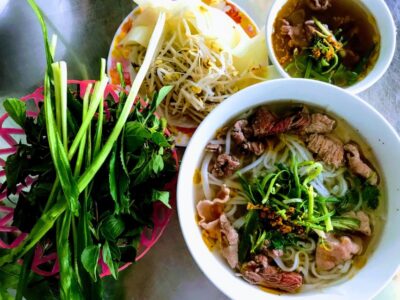
Bún bò Huế
This beef noodle soup is associated with Huế, the former imperial capital not far north of Da Nang. It gives the class a chance to work with a broth-based dish rather than focusing only on quick street food.
The preparation can be a group recipe. That matters if you want to personally handle every part of every dish. You may help prepare and season the soup, but the final pot can be shared across the class. Even so, learning the structure of a proper noodle soup is useful because broth, noodles, herbs, and toppings need to work together.
Bánh xèo
Bánh xèo is the dish many people will remember most clearly from the cooking session. It is a crisp Vietnamese pancake, and the class focuses on getting it properly browned and crunchy.
This is a good lesson in heat, timing, and batter. A soft pancake can be edible, but the point is the contrast between the crisp shell and the filling. The instructors are praised for explaining the process patiently, which helps beginners avoid treating the pancake like a Western omelet.
If crisp texture matters to you, pay close attention during the demonstration and ask questions as you cook. Small changes in pan heat and batter handling can affect the result.
Same city, another market:
- Hoi An Cooking Class(Market,BasketBoat Crabfishing&Cooking Class)
★ 5.0 · 3,386 reviews - From Hoi An: Market Tour, Basket Boat Ride and Cooking Class
★ 4.8 · 2,208 reviews - Can Tho: Floating Market & Mekong’s Legacy( About 6 Pax)
★ 5.0 · 1,438 reviews - Hoi An Cooking Class(Local market,Basket Boat,Fishing & Cooking)
★ 5.0 · 1,323 reviews
Tam hữu fresh roll
The tam hữu fresh roll adds a cool, lighter course to a menu that also includes soup and a fried pancake. You work with rice paper and fresh ingredients, then roll them into a serving that needs to hold together.
Rice paper rolls are simple to describe and less simple to wrap neatly. The class is a useful place to learn the right amount of filling and how tightly to roll. The technique takes a little care. One previous participant found this dish less successful, with a roll that fell apart and lacked flavor, so you should expect a learning exercise rather than perfect restaurant presentation every time.
Young jackfruit salad
Young jackfruit salad shows a side of Vietnamese cooking that many first-time visitors may not know. It is not a standard lettuce salad. The young fruit provides the base, with seasoning and other ingredients bringing the dish together.
This course also helps explain why the market visit matters. Ingredients that may seem unfamiliar on a restaurant menu become easier to understand once you have seen them in their raw form. The salad gives the class a fresh, textured dish to balance the heavier soup and pancake.
Da Nang avocado ice cream
The final dish is Da Nang avocado ice cream, an unusual way to finish a Vietnamese meal. Avocado is usually treated as a savory ingredient in many parts of the world, but in Vietnam it can appear in sweet preparations.
The dessert makes the menu feel local rather than generic. You are not simply learning a familiar Western cake or fruit plate. You are seeing how a common ingredient can take on a different role in Da Nang.
Vegetarians can request an adjusted version of the menu. The class description says the menu can be adapted to dietary needs, but you should communicate those needs when booking or before the class begins so the kitchen has time to plan.
A practical, friendly cooking lesson
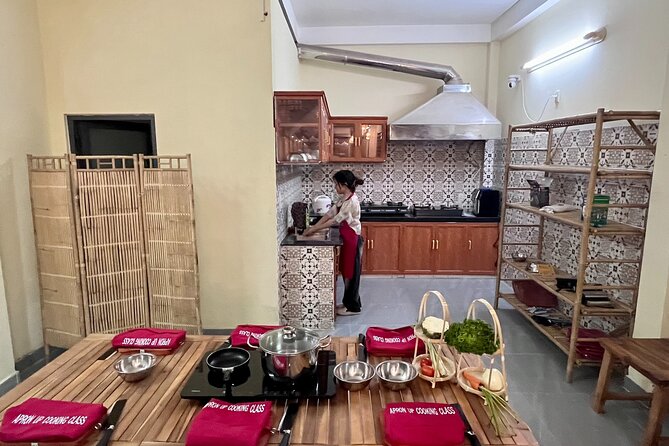
After the market, you return to the cooking school and begin the kitchen work. Cooking tools are included, and the class provides the needed ingredients bought during the market visit.
The instructors demonstrate the recipes and guide you through the techniques. Blue is described as young, friendly, and easy to connect with. Bora is also named as an instructor, and Chi is praised for clear demonstrations and patient teaching. Since instructors may vary by date, do not book expecting one particular person unless the provider confirms it.
The teaching style suits a broad range of ability. You do not need to arrive as a confident cook. The class has also worked well for families, with patient instruction for children around 10 and 13 years old. Still, this is a shared class, not a private chef lesson. You may be cooking beside other people at different skill levels.
The listed maximum is 30 people. Some sessions may be much smaller, including a reported group of six, but the size can vary. A small group gives you more space to ask questions and receive direct help. A full group may feel more crowded, and you may share some preparation or plating.
That distinction is important. If you want to make and plate five completely separate dishes by yourself, this may not be the ideal format. If you want instruction, good food, local context, and the chance to meet people while cooking, the shared format works well.
Eating what you prepared
The best part of a cooking class comes after the heat, chopping, and rolling. You sit down to eat the meal made during the session, along with fruit. Coffee or tea is included, and rice vodka is also offered.
The meal gives you a chance to compare your work across the five recipes. You can see how the spicy, savory, crisp, fresh, and sweet elements fit together. It also makes the class feel like a complete food experience rather than a short lesson followed by a quick goodbye.
You can chat with the instructor about local life while eating. This informal time matters because recipes rarely tell the whole story. You can ask about the dishes, the ingredients, and the way food fits into daily life in Central Vietnam.
The menu is substantial enough to count as lunch or dinner. The exact serving process may depend on group size and kitchen routine. Since at least one dish can be prepared collectively, your final meal may include food made by several people rather than only the portion you handled.
What the $39 price really covers
At $39 per person, the class offers more than a basic cooking demonstration. The price includes the market visit, cooking tools, the meal, coffee or tea, fruit, rice vodka, a recipe book, and a certificate.
The recipe book is useful value if you want to repeat the dishes at home. A cooking class can be enjoyable for one afternoon, but written instructions give it a longer life. The certificate is more of a souvenir, while the recipes are the practical takeaway.
The market trip also adds value. You are paying for access to a local food setting and an instructor who can explain what you are seeing, not just for ingredients and kitchen time. The four-hour length gives enough room for shopping, preparation, cooking, and eating without reducing the experience to a rushed demonstration.
For families, the price can make sense because the class combines an activity, a meal, and a cultural lesson. For a solo visitor, it also offers a structured way to meet others. If you dislike group cooking or want complete control over every dish, the value is less clear.
Timing, meeting point, and small practical details
You should arrive at 07 Nguyễn Bá Lân Street about 10 minutes before the scheduled start. The class begins and ends there, so you do not need to arrange a second pickup point after the meal.
The activity lasts about four hours. That is a useful half-day plan in Da Nang, especially if you want to keep the rest of the day open. The class includes a market visit first, so allow enough time to get to Bắc Mỹ An without arriving at the last minute.
A mobile ticket is accepted. Confirmation is provided when you book, and service animals are allowed. The activity is near public transportation, though transportation to the meeting point is not listed as part of the experience.
Free cancellation is available if you cancel at least 24 hours before the start time. Cancellations inside that window are not refunded, and changes are not accepted within 24 hours. The class also requires a minimum number of people, so a cancellation by the operator may lead to another date, another experience, or a full refund.
Who will enjoy this class most
I would choose this class if you want to connect a meal with the place where its ingredients are bought. The market visit, Central Vietnamese menu, and time with the instructor give the cooking a stronger local setting than a standard kitchen lesson.
It is a good fit for:
- First-time visitors who want an introduction to Vietnamese food
- Beginners who prefer patient demonstrations
- Families with older children
- Couples and solo visitors who enjoy shared activities
- Anyone hoping to recreate Vietnamese dishes at home
- Vegetarians who arrange menu changes ahead of time
You may want to choose something else if you need a private class, dislike group work, or want to prepare every dish entirely on your own. The maximum group size is 30, and some cooking and plating may be shared.
Should you book the Da Nang cooking class?
Yes, if you want a practical food activity with a real market visit and a menu that reaches beyond the usual spring roll lesson. The strongest features are the trip to Bắc Mỹ An Market, the five-dish spread, the friendly teaching style, and the recipe book you take home.
Keep your expectations realistic about the format. This is a join-in class, not a private culinary workshop, and a larger session may limit individual attention. But at $39, the combination of market shopping, cooking instruction, a full meal, local conversation, and take-home recipes is a solid value.
Book it if you want to understand Da Nang through its food, not just eat it at the table.
FAQ
Where does the Da Nang cooking class begin?
The class begins at 07 Nguyễn Bá Lân, Bắc Mỹ An, Ngũ Hành Sơn, Da Nang 550000, Vietnam. You should arrive about 10 minutes before the start.
How long does the cooking class last?
The experience lasts approximately four hours, including the market visit, cooking, and meal.
Which market does the class visit?
The class visits Chợ Bắc Mỹ An, a nearby market where you learn about local produce and shop for ingredients.
Which dishes will I cook?
The menu includes bún bò Huế, bánh xèo, tam hữu fresh rolls, young jackfruit salad, and Da Nang avocado ice cream. A vegetarian version is available.
Is the class suitable for vegetarians?
Yes. The menu can be adjusted for vegetarians and other dietary needs. You should communicate your requirements when booking or before the class.
Are food and cooking equipment included?
Yes. Cooking tools, lunch or dinner, coffee or tea, fruit, and rice vodka are included.
What is the cancellation policy?
You can cancel for a full refund up to 24 hours before the start time. Cancellations or changes made within 24 hours are not accepted for a refund.
New market tours around Vietnam
- Sapa Night Market Experience – BBQ, Hotpot & Black Chicken★ 4.7 · 4 reviews
- Free E-Sim Saigon Foodie Market Tour★ 4.5 · 2 reviews
- Ho Chi Minh City: History Museum and Ben Thanh Market Tour★ 3.9 · 4 reviews
- From Saigon: Private Tour to Cai Rang Floating Market 1 Day★ 4.7 · 6 reviews
- Rural Cycle, Market Tour, Basket Boat & Organic Farm Cooking★ 5.0 · 64 reviews
- Saigon: Floating Market and Food Tasting Tour by Scooter★ 5.0 · 2 reviews
- Private Half Day Tour – Cái Răng Floating Market★ 5.0 · 24 reviews
- Private Cai Rang Floating Market & My Tho Boat tour 1 Day★ 5.0 · 5 reviews
Da Nang Market Tours, side by side.
5 Dishes Cooking Class with Market Trip in Da Nang
Read our review →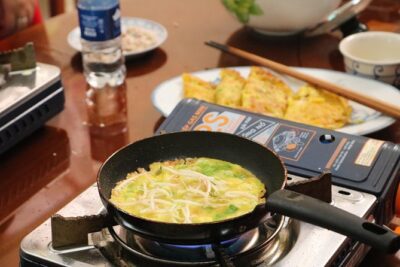
Da Nang Cooking Class with Coffee Tasting and Market Visit
Read our review →
Hoi An Night Market with Hoi an walking Tour , Colourful Lanterns, Boat Ride
Read our review →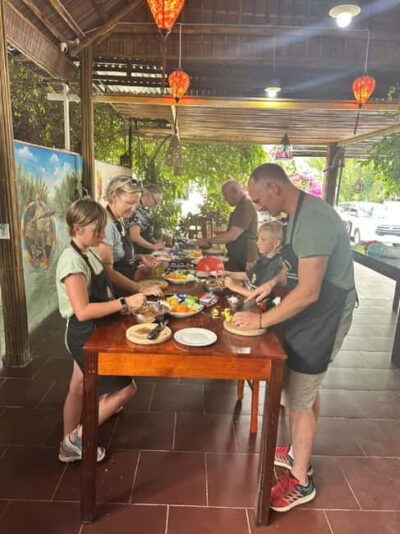
Market Tour, Basket Boat Ride & Cooking Class by Hangcoconut
Read our review →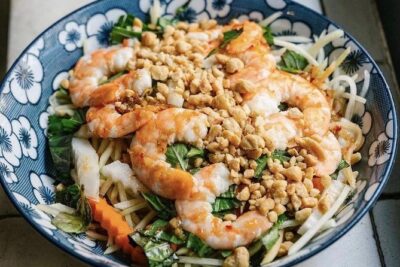
Home Cooking Class: Market, Garden and cooking 4 dishes
Read our review →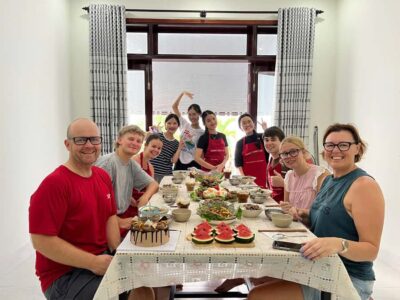
Da Nang: Making 5 Vietnamese dishes with Local Market Trip
Read our review →
From Da Nang: Hoi An Old Town Tour, Night Market & Boat Ride
Read our review →