

Review · DUBAI
Authentic Old Dubai, Souks, Tastings & local boat Guided Tour
Dubai’s polished towers tell only half of the story. This Old Dubai walking tour takes you through Al Seef, Al Fahidi, the creek, and Deira’s famous souks, with a traditional abra ride and several tastings along the way. In about two and a half hours, you get a useful introduction to the city before its oil wealth and skyscrapers changed everything.
I like the mix of history and hands-on stops. You are not just looking at old buildings. You taste spices, tea or coffee, chocolate, and local treats, then cross the creek as people have done for generations. I also like the small-group format, limited to 20 people, and the price of $27.81, which is fair for a guided walk with a boat ride and included tastings.
The main drawback is pace. There is a lot packed into 150 minutes, and the route includes plenty of walking in heat, narrow lanes, and crowded shopping areas. If you want long browsing time in every souk, this tour may feel hurried.
What makes this Old Dubai tour worthwhile
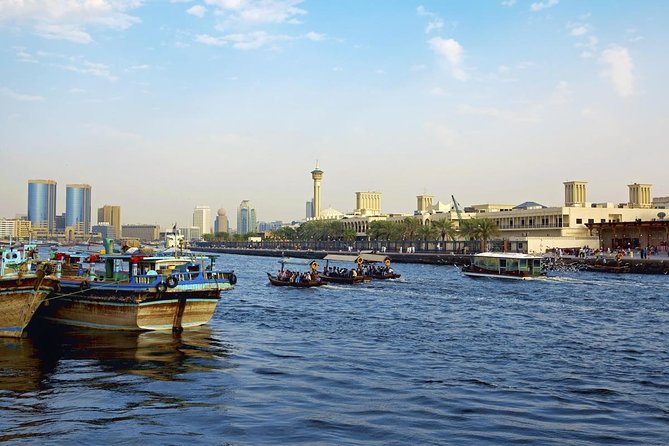
- A traditional abra crossing: You travel from Bur Dubai toward Deira on a wooden creek boat, one of the most memorable parts of the route.
- Food built into the walk: Expect chocolate, dates or other local treats, traditional tea or coffee, and a sensory spice stop at Baba’s Cave.
- Two very different historic districts: Al Seef offers restored waterfront architecture and modern cafes, while Al Fahidi presents older lanes and traditional homes.
- Three major shopping areas: The route includes the Old Souk, Spice Souk, and Gold Souk, giving you a quick look at Dubai’s trading culture.
- A guide-led introduction: Guides named Anis, Heichem, Mustafa, Cindy, Cyn, and Ahmed have led this experience, though your assigned guide can vary.
- Good value for a short visit: At $27.81, the tour combines guiding, tastings, and the creek crossing without taking up a full day.
Start at Al Seef, where old Dubai gets a modern polish
The meeting point is Arabian Tea House Restaurant & Cafe in the Al Fahidi area. That location is useful because it puts you near one of Dubai’s most attractive old districts, though you should allow enough time to find the exact cafe and meet your guide.
The first stop is Souk Al Seef, a waterfront development designed around traditional-looking lanes, palm-lined paths, cafes, shops, and restaurants. It is not an untouched old market. Think of it as a modern destination that borrows the look and feel of an older Arabian neighborhood.
That distinction matters. Al Seef is easy to walk, photogenic, and comfortable for getting your bearings. It also gives your guide a natural place to explain how Dubai’s creek supported fishing, trade, and settlement before the city became a global business center.
The scheduled visit here is only about 15 minutes. I would not expect time for a full meal, serious shopping, or a long coffee break. Instead, use this opening section to notice the contrast between the restored facades and the sleek city beyond the creek.
More Market Food Tours in Dubai
- Dubai: Old Town, Creek, Museums, Souks, & Street Food Tour
★ 4.8 · 10,816 reviews - Dubai: Old Town, Souks, Street Food, Guided Tour & Abra Ride
★ 4.9 · 7,170 reviews - Dubai Aladdin Tour: Souks, Creek, Old Dubai and Tastings
★ 5.0 · 3,755 reviews
Al Fahidi rewards slow eyes
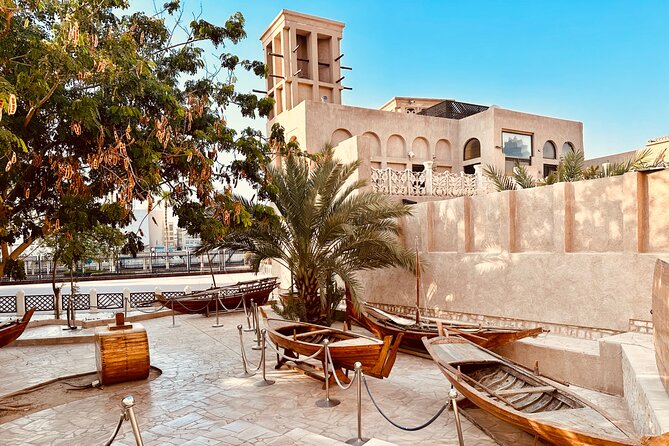
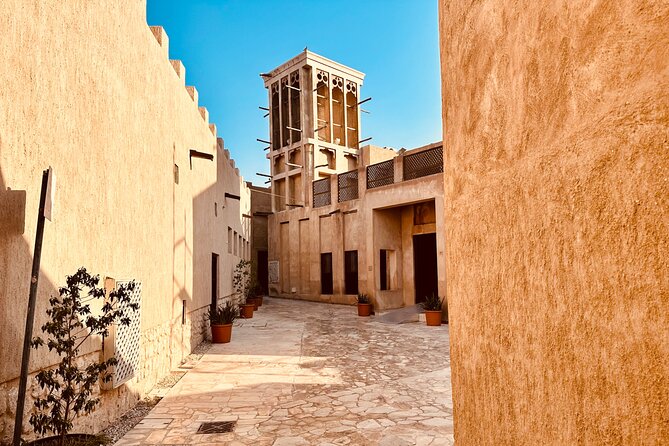
From Al Seef, the route moves into the Al Fahidi Historical Neighbourhood, also known as Bastakiya. The lanes are narrow, the buildings are low, and the atmosphere changes quickly from waterfront promenade to old residential quarter.
You will see traditional houses, art galleries, cafes, and small shops. The tour includes two stops in this area, one of about 10 minutes and another of about 15 minutes. That gives you a short but useful look at how local homes were arranged before modern apartments and office towers reshaped Dubai.
Look up as you walk. The most distinctive features are the wind towers and shaded passages. The old buildings were designed to make hot weather more manageable, and the tight lanes offer relief from direct sun. Your guide’s explanation is important here because the architecture can otherwise seem like a series of attractive walls without much context.
This is also where the guide can give you a sense of the city’s transformation. The strongest part of the experience is not a single monument. It is the shift from traditional homes and courtyards to the modern Dubai you see elsewhere.
Guides named Anis, Heichem, Mustafa, Cindy, Cyn, and Ahmed have been associated with this experience. The strongest feedback centers on guides who answer questions, include everyone in the group, and explain both old customs and modern Dubai. Anis is noted for speaking English and French, while other guides have helped groups with several languages. Do keep in mind that the actual guide depends on the date and assignment.
Baba’s Cave turns spices into a lesson
Baba’s Cave is one of the more unusual stops. It is described as a place to learn about the history of spices through a sensory experience, with samples and explanations rather than a simple pass through a shop.
This stop lasts about 25 minutes, making it one of the longer sections of the tour. That is a good use of time. Spices are easier to understand when you can smell and taste them, and the stop gives the tour a practical connection to the trading role of Dubai Creek.
Expect this to be interactive. The exact samples can vary, but the experience includes local treats, chocolate, traditional tea or coffee, and spices. One family particularly enjoyed dates covered in chocolate, which made an unfamiliar food more approachable for children. The tasting element also helps break up the walking.
You should still keep your expectations sensible. This is not a full meal, and the tour does not promise a fixed menu. If you have allergies or dietary limits, ask your guide before tasting anything.
Dubai Creek and the abra crossing
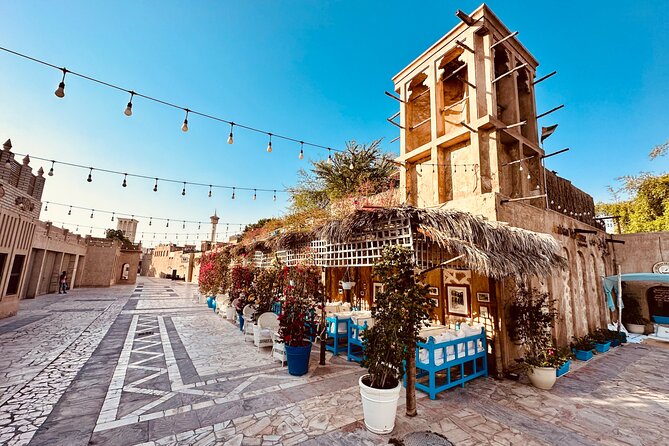
The creek is the geographical link between Bur Dubai and Deira, and it is the point where the tour feels most connected to Dubai’s trading past. From the water, you can see old-style markets, heritage buildings, and museums along the banks.
The creek stop itself is listed at about five minutes, followed by the Bur Dubai Abra Station. The station is a working transport point for traditional wooden abra boats. Your crossing is brief, but it is more than a photo opportunity. It shows how the two sides of the creek remain connected by a simple public boat.
A traditional abra is open and exposed. Keep your belongings secure and be ready for heat and sun. The ride is one of the tour’s highlights, but it is not a long cruise with narration. The value comes from using a familiar local form of transport while moving between the two historic sides of Dubai.
The route description places the Al Fahidi Fort in this part of the experience. The fort dates to the late 18th century and was later renovated as the Dubai Museum. The supplied schedule does not give a separate visit length or promise museum entry, so treat it as an exterior or passing landmark unless your guide says otherwise.
Same city, another market:
- Dubai: Frame Tickets, Creek, Souks & Blue Mosque Guided Tour
★ 4.8 · 5,980 reviews - Dubai: Half-Day City Tour with Blue Mosque, Creek, and Souks
★ 4.8 · 3,059 reviews - Dubai Half-Day City Tour with Visit to Dubai Gold Souk
★ 4.0 · 1,741 reviews - Dubai: Old Town, Souks, Street Food, Guided Tour & Abra Ride
★ 5.0 · 1,664 reviews
The Old Souk is for atmosphere, not a long shopping session
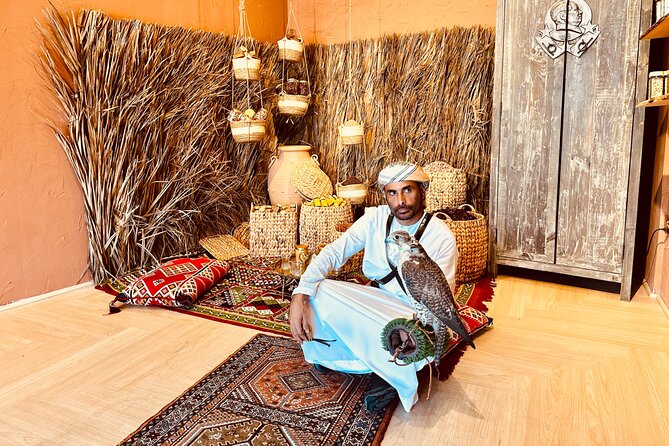
After the crossing, you reach the Old Souk. This is a compact stop, listed at about five minutes, so you should not plan to browse every stall or bargain at length here.
The souk gives you a first taste of the market experience before the larger Spice and Gold Souks. You may see textiles, souvenirs, clothing, and small gifts, but the exact stalls and stock can change. The guide’s role is especially useful because a market can feel confusing when every shop seems to offer similar goods.
Some shopkeepers may encourage you to enter or buy. That is normal in this part of Dubai, but you do not need to purchase anything. If you show interest, be prepared to bargain. A firm, polite no is enough if you want to keep walking.
The Spice Souk uses scent as its calling card
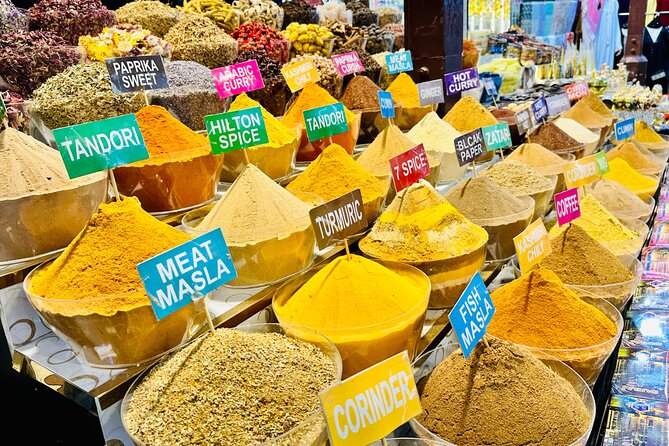
The Spice Souk in Deira is scheduled for about 10 minutes. It is short, but it adds another layer to the tasting stop at Baba’s Cave. Here, you see the market setting where spices, herbs, dried ingredients, and traditional cooking products are displayed for sale.
The lanes can be crowded, and shopkeepers may approach you. This is not a quiet museum visit. If you want a particular spice or gift, ask the guide for help with quality, price, and bargaining. If you are simply looking, keep moving and avoid lingering in front of a shop unless you are ready for a sales pitch.
I would treat this section as an introduction rather than a shopping expedition. The earlier tasting gives you context, and the souk shows how that subject appears in daily commerce. Together, the two stops make more sense than either one alone.
The Gold Souk provides the biggest visual finish
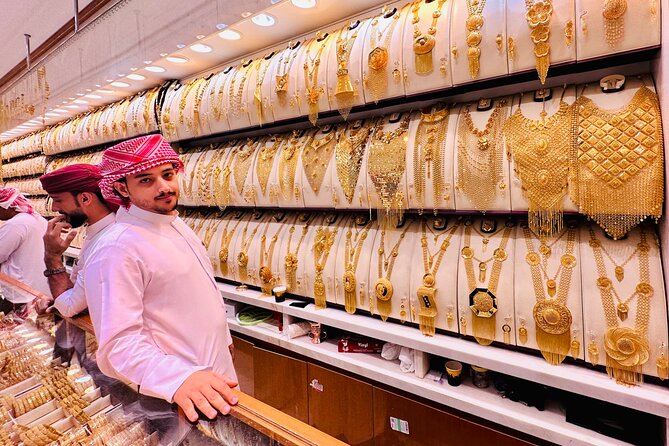
The Gold Souk receives the longest scheduled stop, about 30 minutes. That tells you something about the route. This is the main shopping district visit, and it is where you will have the best chance to pause and look closely.
The market displays gold, silver, precious stones, traditional designs, and modern jewelry. Some pieces are elaborate and oversized, including novelty displays such as gold football boots and a cricket ball. Even if you have no interest in buying jewelry, the craftsmanship and scale make this a memorable stop.
If you do shop, compare several stores and ask questions before agreeing to a price. Bargaining is part of the experience, but you should stay within your own comfort level. The tour gives you an introduction to the market, not personal shopping representation, so you remain responsible for checking prices and purchases.
The 30-minute allocation is enough to see the main lanes and consider a purchase. It is not enough for a major custom jewelry decision with long negotiations. If buying gold is a central goal, you may want to return on your own after the tour.
Walking, heat, and group size matter
The tour lasts about two hours and 30 minutes, but the schedule contains many short stops. You will walk through lanes, waterfront areas, market passages, and transport points. The route is manageable for most participants, yet it is not a relaxed cafe tour.
Wear comfortable shoes and light clothing suited to Dubai’s heat. Bring water, especially if you are visiting during a hot part of the year. The tour requires good weather, and the operator may offer another date or a full refund if conditions cause cancellation.
A group can include up to 20 people. That is small enough to keep the guide nearby, but it is not a private walk. If you want to ask many questions, stay close and speak up during transitions. The most useful guide feedback centers on people who repeat explanations, include different language groups, and keep the tour moving.
The meeting point is near public transportation, and the activity ends back at the meeting point according to the supplied details. Confirm the return arrangement with your guide, since the route itself includes the creek crossing and Deira markets.
How the $27.81 price compares with the experience
At $27.81 per person, I consider this good value if you want a guided first look at Old Dubai. You receive a licensed guide, a structured route, the abra crossing, and several tasting elements. You also avoid having to work out the order of Al Fahidi, the creek, and the Deira markets yourself.
The price is less compelling if you mainly want free time to shop. The Old Souk and Spice Souk stops are brief, and the Gold Souk gets only about 30 minutes. You are paying for orientation and explanation, not a full shopping day.
I especially like the value for a first visit, a short Dubai stopover, or a family that wants several different experiences in one outing. Children may respond well to the boat ride, unusual gold displays, and chocolate-covered dates. People seeking a quiet, slow architectural walk may find the market sections noisy and sales-focused.
Free cancellation is available up to 24 hours before the start time for a full refund. Changes or cancellations inside that window are not accepted for a refund.
Who should book this Old Dubai walk
I would choose this tour if you want:
- A short introduction to Dubai’s older neighborhoods
- A guide to explain the city’s shift from creek trading to global business
- A traditional boat ride without booking a separate cruise
- Tastings that make spices and local foods easier to understand
- A clear route through Al Fahidi, the Old Souk, Spice Souk, and Gold Souk
- A family-friendly outing with several changes of scene
- Help finding your way through the markets and understanding bargaining
I would look elsewhere if you want extensive time for shopping, a private guide guaranteed by name, or a full museum visit. The guide names associated with the experience include Anis, Heichem, Mustafa, Cindy, Cyn, and Ahmed, but the assigned guide varies.
Should you book it?
Yes, if you want an efficient and affordable introduction to Old Dubai. The best parts are the Al Fahidi lanes, the sensory spice stop, the abra crossing, and the chance to see the Gold Souk with enough context to make sense of it.
Book with realistic expectations. You will walk a lot, face sales pitches, and move quickly between stops. At $27.81, though, the combination of guiding, tastings, markets, and creek transport makes this a sensible choice for a first afternoon in the older side of the city.
FAQ
How long does the Old Dubai tour last?
The experience lasts approximately two hours and 30 minutes.
Where does the tour begin?
It begins at Arabian Tea House Restaurant & Cafe in Al Fahidi, near the Bastakiya area and opposite the Musalla Post Office.
Does the tour include an abra boat ride?
Yes. The route includes the Bur Dubai Abra Station and a traditional boat crossing on Dubai Creek.
Which souks are included?
The tour visits the Old Souk, Dubai Spice Souk, and Dubai Gold Souk.
Are food and drink tastings included?
Yes. The experience includes chocolate tastings, traditional tea or coffee, local treats, and a sensory spice experience at Baba’s Cave.
Can I cancel for a full refund?
Yes, if you cancel at least 24 hours before the experience start time. Cancellations or changes made within 24 hours are not refunded.
New market tours around Dubai
- Walking Tour in Dubai. Souks, museums, Local Food Testing★ 5.0 · 11 reviews
- Old Dubai Historic Guided Tour: Creek, Street Food & Souks★ 4.9 · 156 reviews
- Old Dubai Guided Tour With Photographer: Souks & Street Food★ 4.9 · 74 reviews
- Old Dubai Heritage Tour: Souks, Mosques & more hidden gems!★ 4.3 · 72 reviews
- Dubai Tour: Haritage Walking Guide, Gold & Spice Souq, Creek★ 4.5 · 11 reviews
- Dubai:Private Frame Entry, Mosque, Souks, Tastings& transfer★ 4.8 · 9 reviews
- Dubai: Discover Dubai Old Town, Souks, Museum & Street Food★ 4.9 · 25 reviews
- Dubai.Discover Old town,Markets,street food,Abra &Museums★ 4.9 · 181 reviews
Dubai Market Tours, side by side.
Dubai: Old Town, Creek, Museums, Souks, & Street Food Tour
Read our review →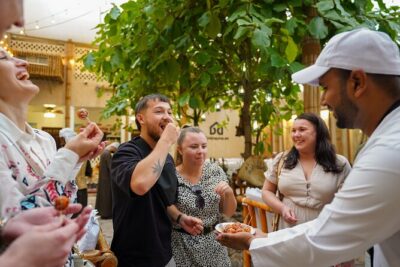
Dubai: Old Town, Souks, Street Food, Guided Tour & Abra Ride
Read our review →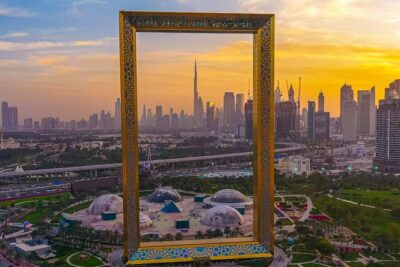
Dubai: Frame Tickets, Creek, Souks & Blue Mosque Guided Tour
Read our review →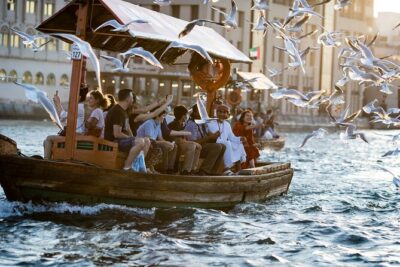
Dubai Aladdin Tour: Souks, Creek, Old Dubai and Tastings
Read our review →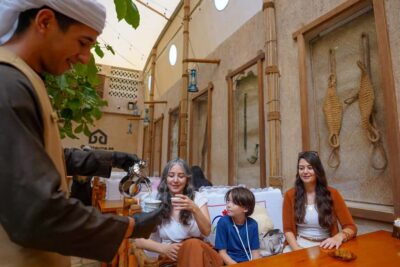
Dubai: Half-Day City Tour with Blue Mosque, Creek, and Souks
Read our review →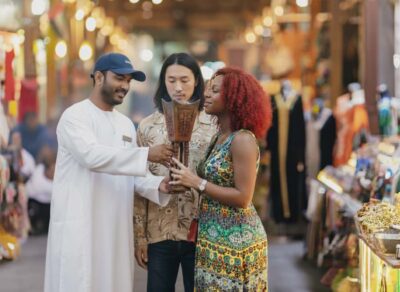
Dubai: Old Town, Street Food, Creek, Souks, & Emirati House
Read our review →
Dubai City Tour: Old & New Dubai Abra Ride, Palm Island, Souks
Read our review →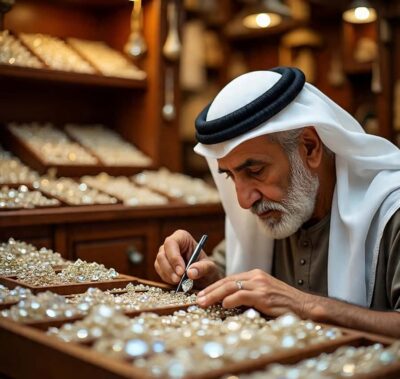
Dubai: Authentic Old Town, Souks, Tastings & Abra Boat Tour
Read our review →This tour also appears in