
Review · SEOUL
Dongmyo Flea Market Vintage Vibes Local Guided Tour
Dongmyo Flea Market is the sort of place where a 2,000 KRW shirt, an old camera, or a dusty record can turn into the best souvenir of your Seoul trip. The market spreads around Dongmyo Shrine in a maze of blankets, tables, stalls, and small shops. A local guide helps you make sense of it before the piles start to look alike.
I like the hand-marked market map, which gives you a plan without taking away the fun of wandering. I also like the practical help with bargaining and local shopping customs, especially if you are not used to buying from open-air stalls.
The main drawback is the setting itself: Dongmyo can be crowded, messy, and visually overwhelming. This is not a polished shopping district, and you need comfortable shoes, cash, patience, and a willingness to search.
Key points at a glance
- Vintage prices can be very low: Clothes may begin around 2,000 KRW, while leather jackets are often about 50,000 to 60,000 KRW.
- SuYeon leads the market hunt: The guide helps you find stalls and items you might pass without noticing.
- The market covers more than clothing: Look for LPs, analog cameras, retro toys, shoes, accessories, and odd antiques.
- The tour adds local context: Dongmyo grew from a 1960s secondhand bazaar tied to military surplus and household goods.
- You finish at a café: A small snack is included, while your drink and any dinner afterward are extra.
- It suits independent shoppers: Solo visitors can get friendly guidance without being pushed through a standard sightseeing route.
Why Dongmyo feels different from central Seoul shopping
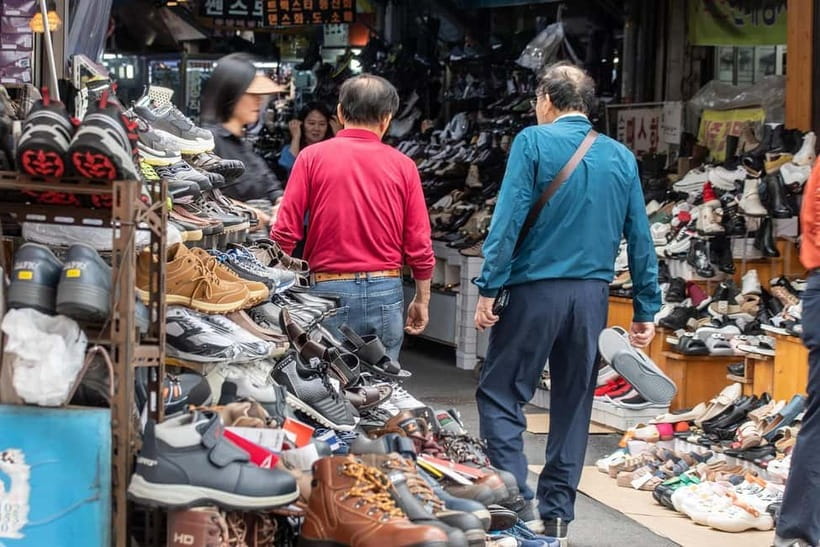
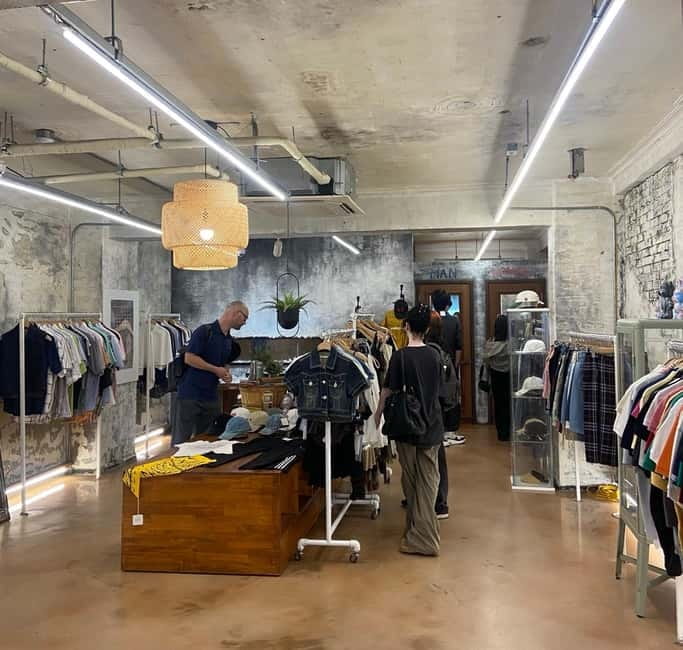
Many Seoul shopping areas are tidy, bright, and built around current trends. Dongmyo offers something rougher and older. Here, clothing may hang from makeshift racks, records may sit in dusty stacks, and small objects can appear with little explanation.
That disorder is part of the appeal. You are not simply browsing a collection of selected souvenirs. You are sorting through things that have been gathered, traded, stored, and passed along. The market has the feel of a large outdoor attic, with enough odd corners to keep the search interesting.
The market first took shape in the 1960s as a secondhand bazaar near Dongmyo Shrine. Military surplus and household goods helped form its early character. Today, older collectors and younger shoppers share the same narrow paths, giving the place a useful window into several generations of Korean style.
I would not come here expecting a single grand object or a guaranteed designer bargain. The fun is in the uncertainty. You may find a record from an artist who is hard to find back home, a jacket with a great cut, or a toy that takes you straight back to another decade.
More Flower and Flea Market Tours in Seoul:
- Bangkok: Night Bike Tour with Temples & Flower Market Visit
★ 4.8 · 751 reviews - Bangkok: Night Bike Tour with Temples & Flower Market Visit
★ 5.0 · 223 reviews - Jaipur Tuk-Tuk Tour with Flower Market Visit
★ 5.0 · 124 reviews
Meeting outside Dongmyo Station Exit 5
The tour begins outside Exit 5 at Dongmyo Station. That meeting point matters because the market is large enough to feel confusing from the start. Going in alone is possible, but you may spend your first stretch simply trying to work out where the useful stalls are.
You receive a market map at the beginning. It marks shopping areas and gives you a basic plan for moving through the market. The map should be especially useful if you want to return later on your own, since you will have a better sense of how the different sections connect.
Your guide also covers Korean shopping tips before the hunt begins. This is where you can learn how to approach a stall, when bargaining makes sense, and how to handle a purchase without making the exchange uncomfortable.
Bring cash. Personal purchases are not included, and the whole point of the outing is to give you time to buy something if the right item appears. Keep your money secure, since the market can be crowded.
Searching the clothing and accessory stalls
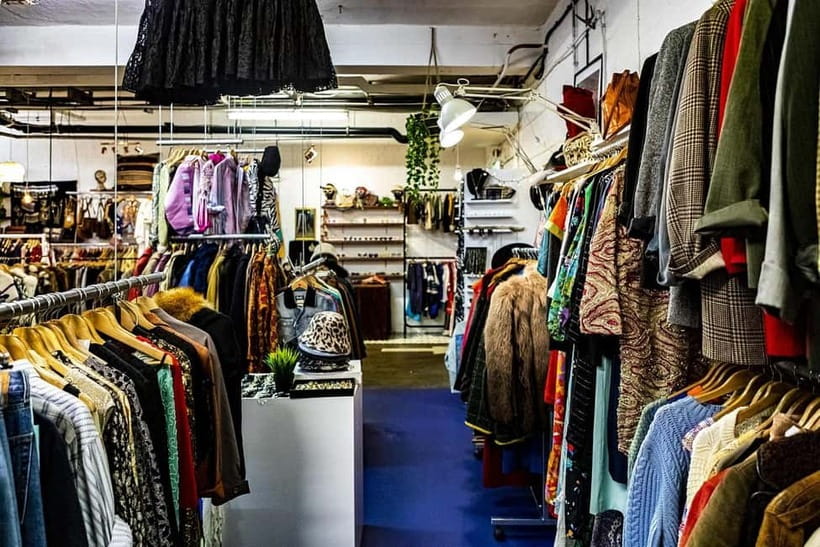
Clothing is one of the strongest reasons to book this outing. Prices can start at about 2,000 KRW, which makes it possible to browse without treating every item as a major financial decision. Leather jackets may cost around 50,000 to 60,000 KRW, and designer pieces can appear at much lower prices than their original retail cost.
That does not mean every item is a bargain. You still need to inspect condition, sizing, fabric, and signs of wear. A guide can help you focus your attention, but the final choice is yours. Take your time before handing over cash.
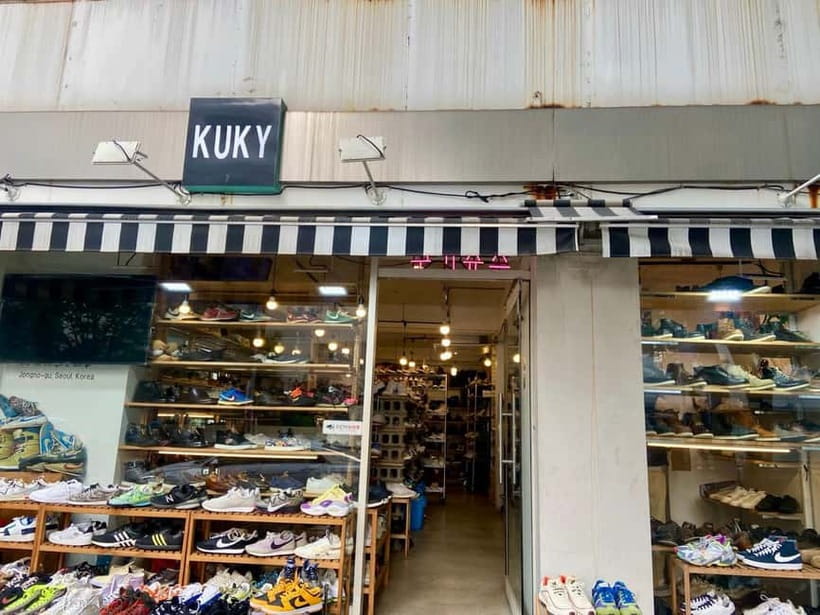
The best part is the range. You might find retro fashion, shoes, belts, jewelry, or accessories that no longer appear in ordinary chain stores. A guide who knows the area can point you toward stalls that are easy to miss when you are distracted by the first rack in front of you.
SuYeon is the named guide associated with this experience, and the tour is designed to feel more like shopping with a local friend than following a rigid sightseeing script. That style works well for solo visitors, particularly if you enjoy secondhand shopping but do not want to spend your entire afternoon guessing where to start.
Old cameras, vinyl, toys, and the pleasure of the odd find
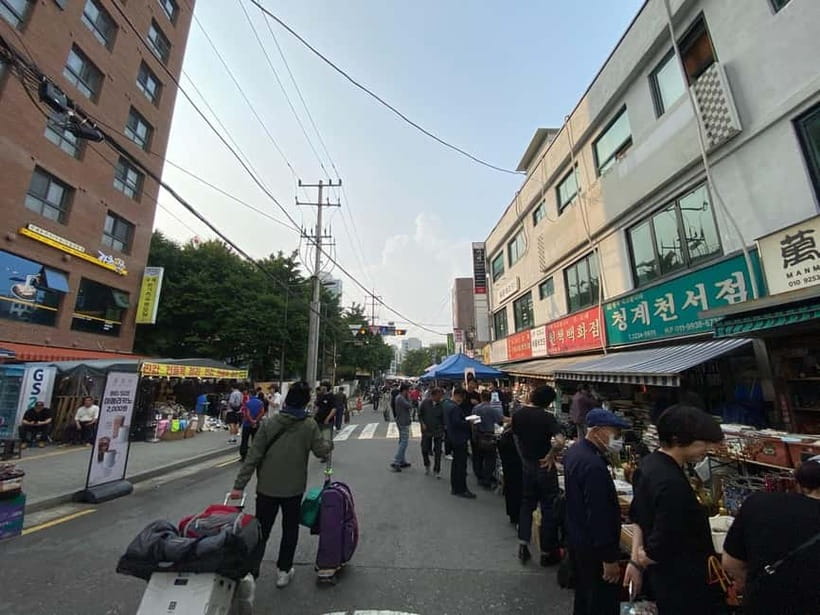
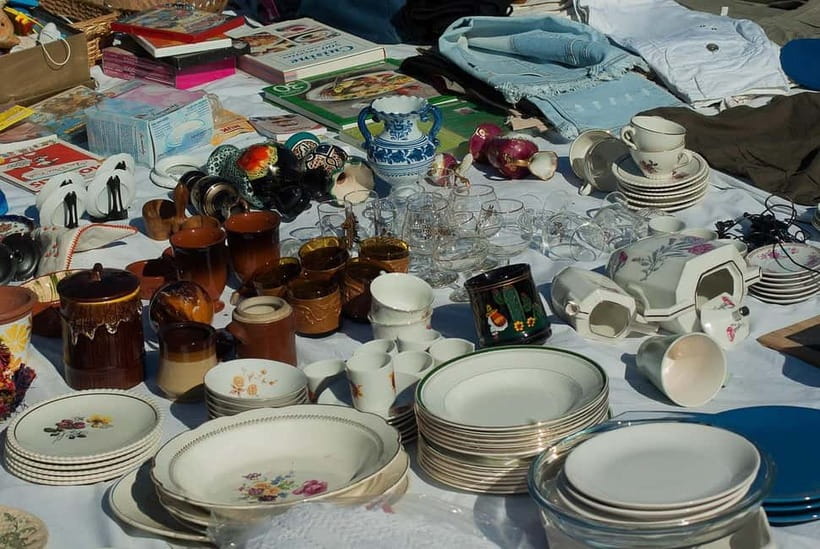
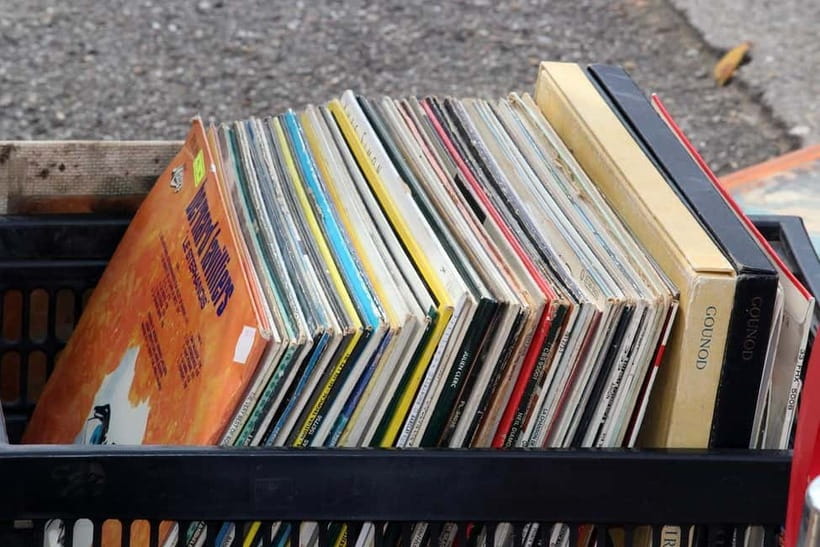
Dongmyo is not just a clothing market. The market can also lead you to analog cameras, dusty LPs, retro toys, and unusual household objects. These sections give the outing more character than a standard vintage fashion walk.
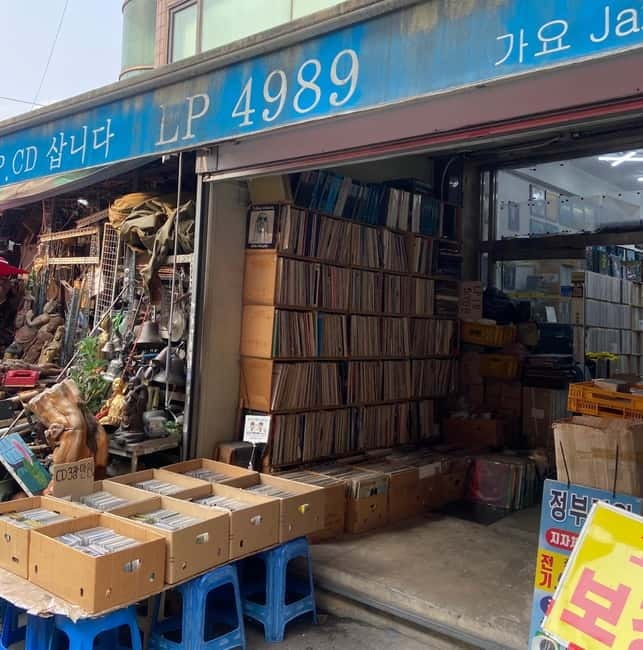
Records are a good example. You might find something familiar, or you might come across Korean music and other releases that are difficult to locate in your home country. Condition can vary, so anyone buying vinyl should look carefully rather than assuming an old sleeve means a playable record.
The cameras and toys are equally appealing for browsing, even if you do not plan to buy. They show how much the market has changed over time. One table may suggest post-war practical goods, while another reflects 1990s pop culture or a younger interest in retro style.
I like this part of the experience because it rewards curiosity rather than a shopping list. You do not need to be a serious collector. You only need to enjoy the question of who once owned an object and why it ended up here.
More guided market mornings around Seoul:
- Seoul: Night Market Food Tour with Local Guide
★ 4.9 · 943 reviews - Seoul: Palace, Temple and Market Guided Foodie Tour at Night
★ 4.9 · 750 reviews - Seoul: Guided Food & Market Tour with 8+ Tastings
★ 4.9 · 342 reviews - Seoul: Guided Street Food Tour at Namdaemun Market
★ 5.0 · 10 reviews
Bargaining without making it awkward
Bargaining is part of the experience, but it should not be treated like a contest. Your guide explains how to approach it in a way that fits Korean shopping customs. That kind of advice is worth having, since an aggressive style can make a simple purchase uncomfortable.
The market is a good place to practice because many items have flexible prices, while others may be fixed. Start politely, listen to the seller, and know when to accept the price or walk away. You do not need to bargain over every small purchase to get value from the tour.
The guide’s role is not to shop for you. It is to help you understand the setting, notice possibilities, and handle the exchange with more confidence. That distinction matters. You still make the decisions, and you still need to judge whether an item is worth the asking price.
The advice can also help you avoid a common mistake: buying something only because it is cheap. A 2,000 KRW shirt is not a bargain if you will never wear it. Look for a useful souvenir, a good story, or an item that genuinely fits your taste.
The market’s story around Dongmyo Shrine
Dongmyo is more than a place to shop. Its setting around the shrine helps explain why the market developed here and why the area has kept its unusual mix of old and new.
The bazaar began in the 1960s, when people traded secondhand goods, military surplus, and household items. Over time, it grew into the open-air market you see today. The market’s history is not presented as a formal museum display. You learn it while moving through the stalls and seeing how different types of goods sit side by side.
That connection between history and shopping gives the experience its strongest sense of place. You are not looking at an artificial collection built for tourists. You are in an active market where practical trading and personal style continue to overlap.
The market also reflects changing ideas about fashion. Older shoppers may be looking for useful goods or familiar styles, while younger shoppers search for pieces that fit current vintage trends. The result is a meeting point between memory and fashion rather than a single fixed era.
Returning to the café with your finds
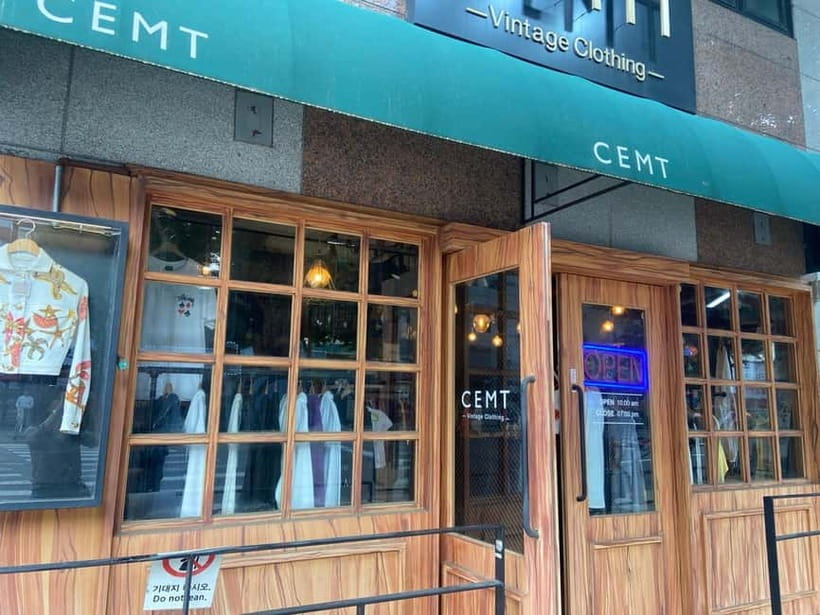
After the market hunt, the activity returns to the meeting point and includes a small snack experience at a café. You can share what you found, compare stories, and take a few nostalgic photos with other people who enjoy vintage shopping.
A drink at the café is not included, so plan to pay separately if you want one. Dinner is also outside the tour. This is not a full meal stop, but the café break gives the outing a pleasant ending and a chance to slow down after the market’s noise and close quarters.
This final stop is particularly useful if you are traveling alone. The market can be social without being easy for solo shoppers to navigate, and the café gives you a natural place to talk about your finds. It also makes the experience feel less like a purchase-focused errand.
You also receive tips for exploring nearby Euljiro, another Seoul area associated with retro style and creative energy. Those suggestions can help you continue the day, though transportation and any further spending are your responsibility.
What the $50 price gets you
At $50 per person, this is not the cheapest way to visit Dongmyo. You can enter the market without paying for a tour, and the merchandise is only as expensive as what you choose to buy.
The value comes from guidance rather than admission. You receive a map, local shopping advice, bargaining help, market history, a guided search, and a small snack. The guide may help you find useful areas faster and reduce the chance that you walk past the kinds of stalls you came to see.
For a serious vintage shopper, that can justify the price. You are paying for orientation and company in a market that can be hard to read at first. For someone who enjoys wandering alone and has plenty of time, the cost may feel less necessary.
I would also remember that the $50 does not cover personal purchases, transportation to or from Dongmyo, a café drink, or dinner. Set aside extra cash for the items you hope to buy. The tour price gives you access to the experience, not a shopping allowance.
Who should book this experience
I would recommend the tour to:
- Solo visitors who want a relaxed local activity with some social contact
- People who enjoy secondhand clothes, vinyl, cameras, toys, and antiques
- Shoppers who are unsure how to bargain in Korea
- Repeat visitors looking for a side of Seoul beyond cafés, K-pop shops, and major sights
- Anyone who likes finding unusual souvenirs with a story
It may be less suitable if you dislike crowds, dust, narrow paths, or uncertain prices. You should also think twice if you want a polished retail experience with clear labels, fitting rooms, and predictable stock.
The experience is offered in English, French, and Korean. That gives you a practical choice of language, although you should select the option that best matches your needs when booking.
Wear comfortable shoes and clothes. Bring water and sunglasses, and expect to walk and stand while looking through stalls. The market can be crowded, so keep your belongings close and avoid bringing more than you need.
Should you book the Dongmyo market tour?
Book it if the idea of finding a worn leather jacket, unusual record, old camera, or strange little object sounds better than visiting another polished shopping street. The named guide SuYeon adds local direction, and the map and bargaining advice make a chaotic market easier to enjoy.
Skip it if you want guaranteed purchases, a quiet setting, or a fixed sightseeing route. Dongmyo rewards patience and curiosity, not speed.
For most people who want an offbeat Seoul afternoon, I think the $50 price is reasonable when you value local help and shared stories. Just arrive ready to search, carry cash, and accept that the best find may be the thing you never planned to buy.
FAQ
Where does the Dongmyo Flea Market tour begin?
The tour begins outside Exit 5 at Dongmyo Station in Seoul.
Where does the tour end?
The activity ends back at the meeting point.
What languages are available?
The experience is available in English, French, and Korean.
Is a market map included?
Yes. You receive a market map with shopping guidance.
Does the guide teach bargaining?
Yes. Bargaining tips and Korean shopping tips are included.
What can I look for at Dongmyo Flea Market?
You can look for vintage clothing, shoes, leather jackets, designer pieces, LPs, analog cameras, retro toys, antiques, and accessories.
How much can clothing cost?
Clothing can start at about 2,000 KRW. Leather jackets are listed at around 50,000 to 60,000 KRW.
Are purchases included in the tour price?
No. You pay separately for any personal purchases.
Is food or a café drink included?
A small snack experience is included. A café drink and dinner afterward are not included.
What should I bring?
Bring comfortable shoes, sunglasses, water, comfortable clothes, and cash for purchases.
New market tours around Seoul
- Seoul: The Biggest Sea-food Noryangjin Market Tour★ 4.3 · 30 reviews
- Seoul: Sokcho beach, market, hot spring and Seorak Cable Car★ 4.8 · 5 reviews
- Seoul: Gyeongbokgung Palace Tour & Lunch at Authentic Market★ 4.5 · 2 reviews
- Seoul: Mt.Seorak(+CableCar Option)+Sokcho Fish Market&Beach★ 4.5 · 9 reviews
- Seoul: Namdaemun Market Food Tour★ 4.9 · 34 reviews
- Seoul: Guided Street Food Tour at Namdaemun Market★ 5.0 · 10 reviews
- Seoul: Gwangjang Market Vegan & Vegetarian Food Tour★ 5.0 · 16 reviews
- Seoul Gwangjang Market Foody Walking Tour★ 4.1 · 7 reviews
Seoul Market Tours, side by side.
Local Home Korean Cooking Class & Market Adventure in Seoul
Read our review →
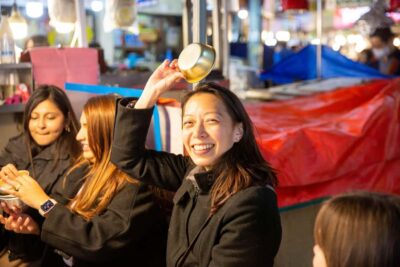
Seoul: Palace, Temple and Market Guided Foodie Tour at Night
Read our review →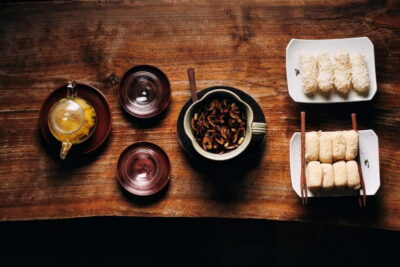
Seoul: Guided Food & Market Tour with 8+ Tastings
Read our review →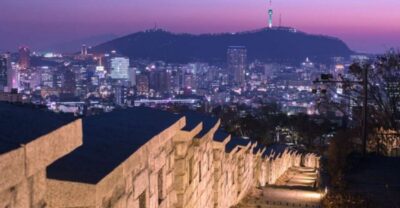
Seoul: Nighttime Tour of Palace, Market, Naksan Park & More
Read our review →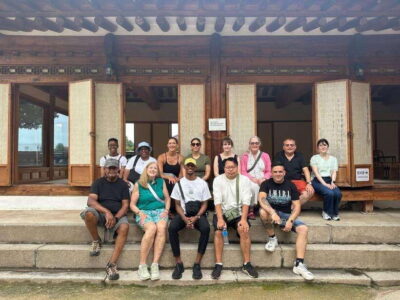
Seoul: Gyeongbok Palace, N Tower, & Local Market City Tour
Read our review →
This tour also appears in