
Review · DUBAI
Dubai Old Town, Creek, Abra boat, Souks Guided walking Tour
Dubai’s modern skyline gets all the attention, but this three-hour walk through Old Dubai shows you the city before the towers and luxury malls. You’ll pass coral-and-shell houses in Al Fahidi, cross Dubai Creek by abra, and finish among the spice and gold shops of Deira.
I like the small traditional touches, especially the Arabic coffee, samosa, fresh juice, and camel milk chocolate. I also like that the guide helps explain the souks rather than simply dropping you into the sales pitches. One drawback is the pace: you cover several districts in three hours, so this is an introduction, not a slow, detailed museum day.
Key points at a glance
- Coral-and-shell homes: See more than 55 traditional houses in the Al Fahidi district.
- A real abra crossing: Ride the small wooden boat across Dubai Creek to reach Deira’s old markets.
- Useful souk guidance: The guide can help you handle the persistent gold and spice sellers, a particular help for first-time visitors.
- Tastes along the way: Arabic coffee, tea, bottled water, fresh juice, samosa, and camel milk chocolate are included.
- Several historic stops: Visit the Coins Museum, a traditional village, Al Fahidi Fort, and Al Seef.
- French-language option: Guide Walid is a French-speaking option, with tours also offered in English and Arabic.
Why Old Dubai Makes a Better Starting Point

Dubai is easy to admire from above, but harder to understand from its glass towers. This tour gives you a practical way to see the older city in one outing, linking Al Seef, Al Fahidi, Dubai Creek, and the Deira souks.
You begin outside Al Seef Heritage Hotel Dubai, Curio Collection by Hilton. A taxi is the simplest way to reach the meeting point. The nearest metro stop is Sharaf DG on the Green Line, though you’ll need to make your own way from the station to the starting point.
The tour is led in English or Arabic, and a French-speaking guide named Walid is available for French-language tours. That matters if you want more than directions and photo stops. Old Dubai makes more sense when someone explains how people lived, traded, traveled, and built homes before the city became a global business center.
More Market Walking Tours in Dubai
- Historic Old Dubai & Souk Small Group Walking Tour
★ 5.0 · 156 reviews - Dubai Souks, Food & Culture Walking Tour
★ 5.0 · 132 reviews - Private Old Dubai Walking Tour: Forts, Souks, and Boats
★ 5.0 · 116 reviews
Al Seef and Al Fahidi: Dubai Before the Towers
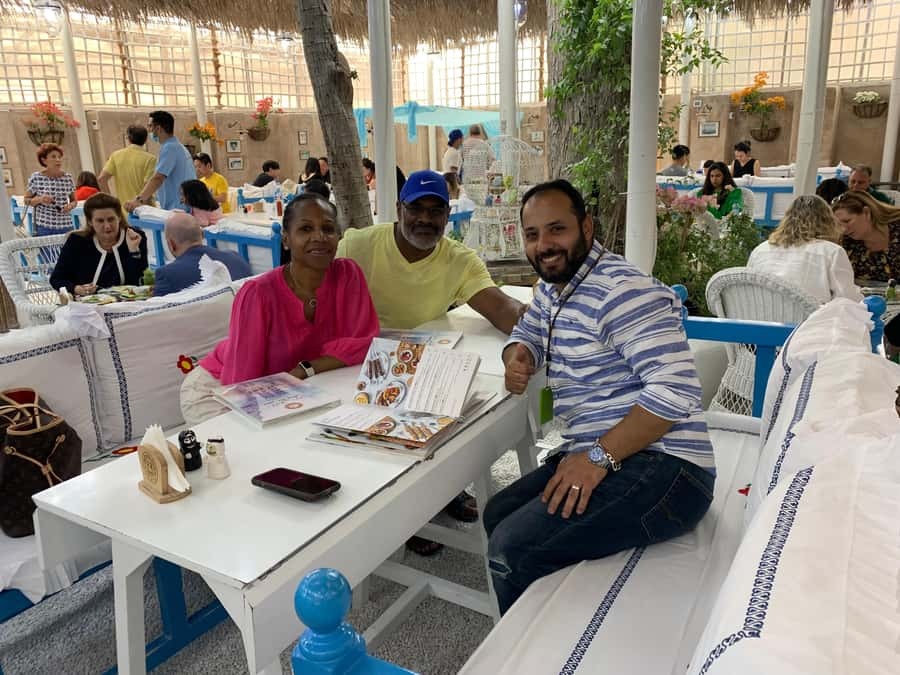
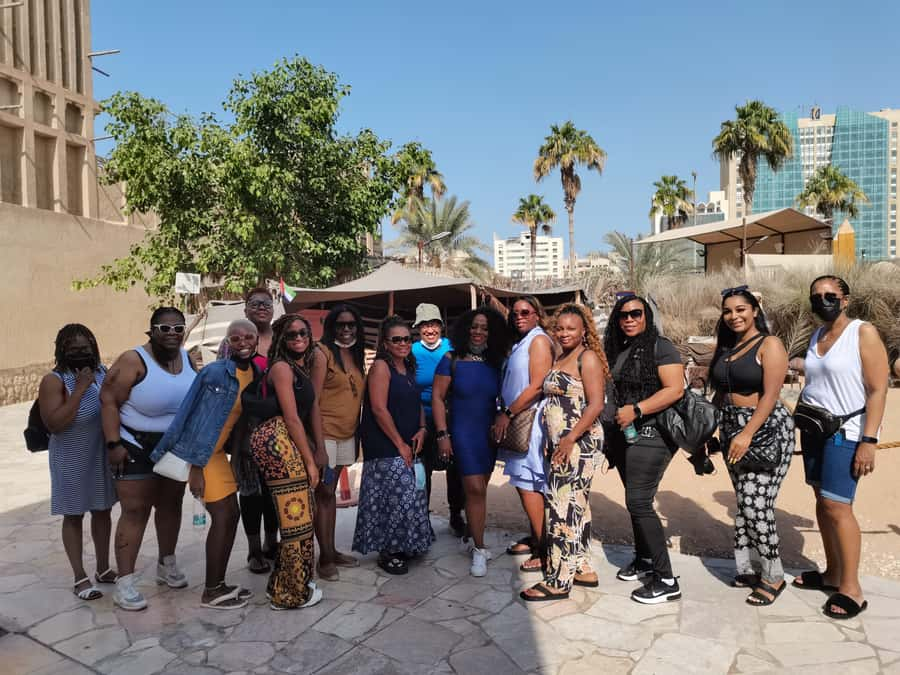
The first section takes you through Al Seef, followed by about 30 minutes in Al Fahidi Historical Neighborhood. Al Seef gives you a convenient introduction to the old creekfront setting, while Al Fahidi provides the stronger historical experience.
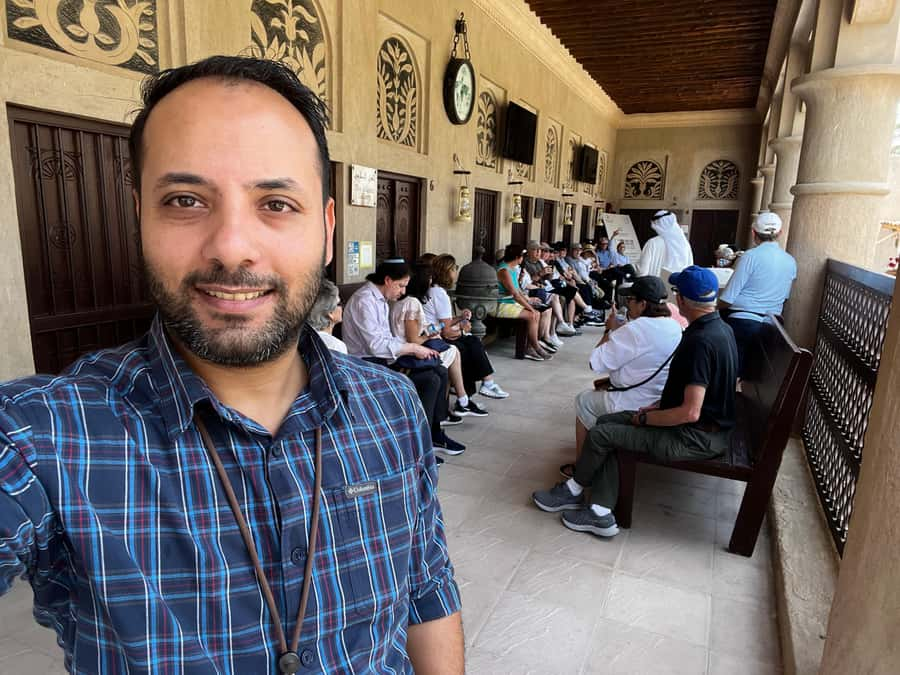
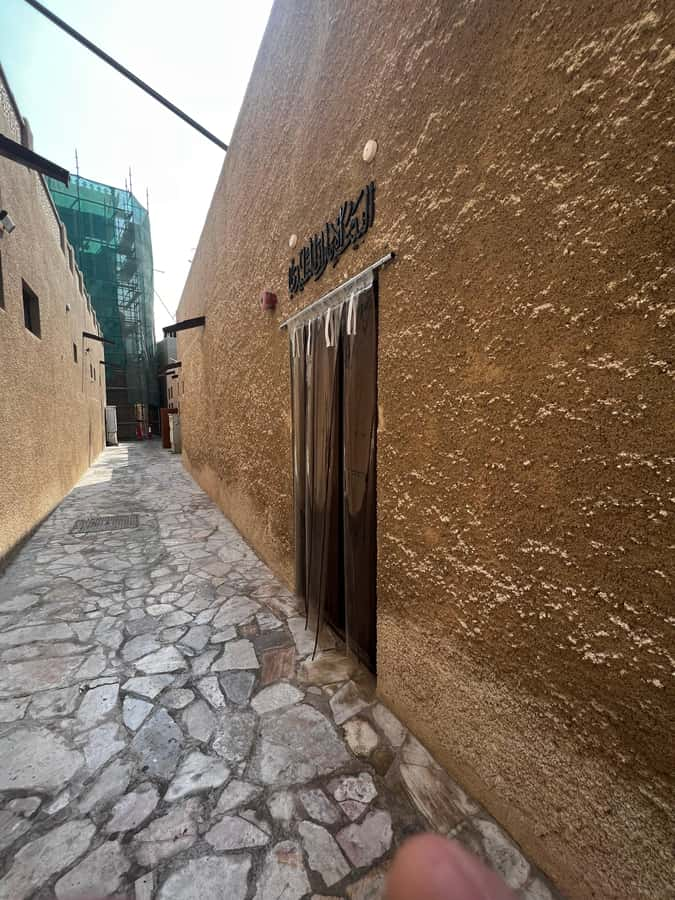
The Al Fahidi district, also called Al Bastakia, preserves the feel of Dubai from the mid-nineteenth century through the 1970s. Its narrow paths and traditional buildings offer a sharp contrast with the newer city across the water.
The most interesting detail is the construction. More than 55 houses were built with coral and seashells, materials suited to the local setting and climate. You’ll also hear about Bedouin life in the Arabian Peninsula, along with local customs, traditions, and the daily life of Old Dubai.
I’d pay attention to the guide’s explanations here rather than rushing toward the next stop. This is where the tour gives you context for everything that follows. The creek, souks, boats, and old buildings were not separate attractions. They were connected parts of a working town.
The main limitation is that 30 minutes passes quickly. You’ll get a clear introduction to the district, but not an exhaustive look at every courtyard, gallery, or historic building. If Al Fahidi is your main reason for visiting, plan to return on your own.
Coins Museum and the Traditional Village
The Coins Museum is scheduled for about 20 minutes. It offers a look at different eras through the ancient coins of Arabia and Dubai, giving you a compact way to understand how trade and money changed over time.
This stop adds substance to the walking route. You aren’t only looking at restored buildings or shopping streets. You’re also seeing objects tied to commerce, regional connections, and the economic life of the area.
After the museum, the tour continues to a traditional village for another guided stop. The supplied details do not specify every exhibit inside the village, so expect an overview rather than a specialist visit. The value is in connecting the village setting with the earlier discussion of Bedouin life and Old Dubai customs.
Al Fahidi Fort follows as a ten-minute photo stop. Keep your expectations in check: this is a short exterior-focused pause, not a long fort tour. Still, it breaks up the walk and gives you a useful landmark for pictures.
Coffee, Samosa, and Small Local Details
Several refreshments are included: Arabic coffee or tea, bottled water, fresh juice, a samosa, and camel milk chocolate. These are modest additions, but they help the tour feel connected to local food traditions instead of being only a history lecture.
The Arabic coffee is the most meaningful of the group. You’ll get a chance to taste it in the way Emiratis traditionally drink it, with the guide providing context about the custom. The samosa and juice are useful during a warm walk, while camel milk chocolate is a light novelty rather than a full food stop.
Food is not included beyond these listed tastings, so don’t treat the tour as lunch. The tour description also lists food as not included, which means you should plan another meal if you are hungry or have dietary needs.
The desert heat can make a difference, especially during the walking portions. One particularly practical strength of the guiding is route management in hot weather. Megan from the United States specifically praised guide support in finding shaded areas and keeping two teenagers interested in the history. That suggests the experience can work well for families, though the guide’s style may vary by date and language.
Same city, another market:
- Dubai: Old Town, Creek, Museums, Souks, & Street Food Tour
★ 4.8 · 10,816 reviews - Dubai: Old Town, Souks, Street Food, Guided Tour & Abra Ride
★ 4.9 · 7,170 reviews - Dubai: Frame Tickets, Creek, Souks & Blue Mosque Guided Tour
★ 4.8 · 5,980 reviews - Dubai Aladdin Tour: Souks, Creek, Old Dubai and Tastings
★ 5.0 · 3,755 reviews
Crossing Dubai Creek by Abra
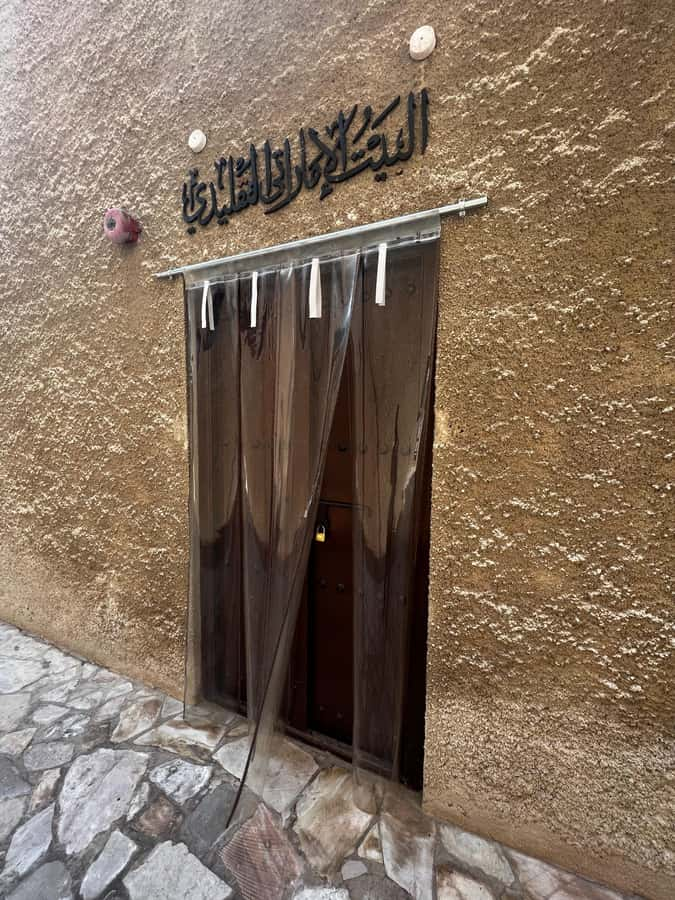
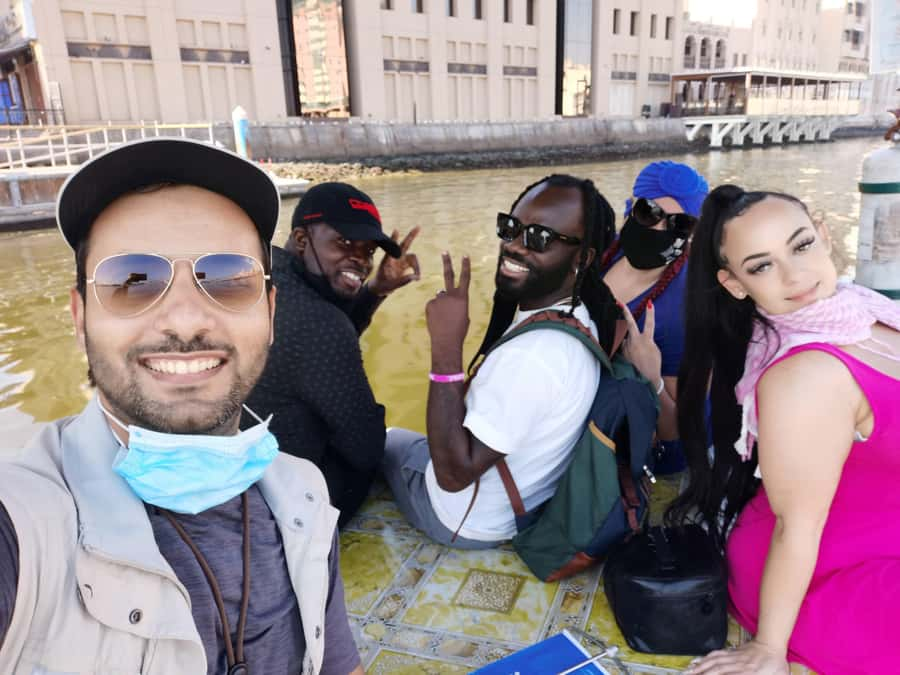
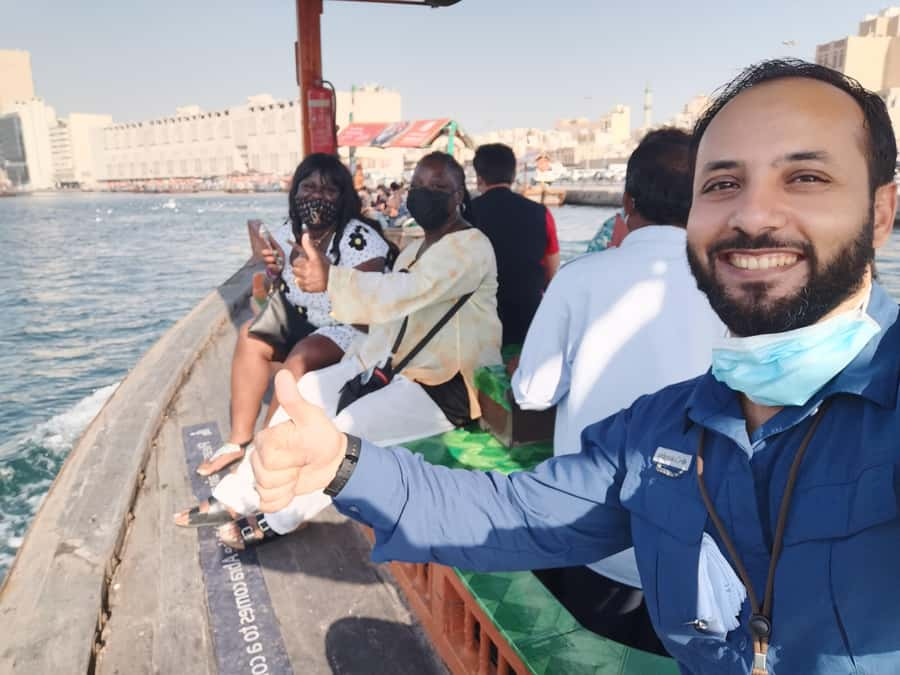
From Bur Dubai, you board an abra, the small traditional boat used to cross Dubai Creek. The ride itself lasts about five minutes, but it is one of the tour’s most memorable transitions.
You leave the historic lanes of Bur Dubai and reach Deira, the older commercial district on the other side of the water. Along the way, you pass the wall of Old Dubai and get a brief view of the creek as a working route rather than a decorative waterfront.
The abra ride is short, so don’t expect a sightseeing cruise. Its value comes from the setting and the connection between the two halves of the tour. You’re using a traditional form of transport to reach the markets that helped make Dubai an important trading center.
The boat can also be a welcome pause after walking through Al Fahidi. Keep your belongings close and leave large bags behind. Luggage and large bags are not allowed on the tour, and the overall route is not suitable for people with mobility impairments.
Spice Souk: Smells, Sales, and Narrow Lanes
On the Deira side, the tour takes you through the Spice Souk. You’ll walk among small shops and narrow passageways lined with spices from around the world.
This is a sensory stop, with colorful displays and strong aromas competing for your attention. The guide can explain what you’re seeing and help separate genuine interest from the sales pressure that often comes with a market visit.
The itinerary includes both a general walk through the spice market and a later guided visit with time for shopping. That gives you a chance to look around first before deciding if you want to buy something.
You should expect shopkeepers to approach you. This is normal for the area, but it can feel intense if you prefer quiet browsing. Megan’s experience is useful here: the guide helped with negotiating at the Gold Souk, a service that can make the market feel less overwhelming, especially if you are unfamiliar with local prices or sales tactics.
Don’t assume every spice or packaged item is included in the tour price. Shopping is your own expense, and the guide’s role is to help you understand the setting rather than supply free products.
Textile Souk and the Walk Toward Gold
The route includes a short walk through the textile markets, connecting the creek crossing and the gold area. This part is less clearly timed than the main stops, but it helps you see another side of Old Dubai’s trading culture.
The textile shops add variety after the museum and Spice Souk. You’ll find yourself moving from historic buildings to working commercial lanes, which is part of the appeal. This is not a polished theme park version of the past. It is a busy market district where people still sell goods.
As with the other souks, you may encounter persistent offers and requests to enter shops. If you want to buy fabric, clothing, spices, or souvenirs, ask questions and compare prices before agreeing to anything. The guide can help, but you remain responsible for your purchases.
Gold Souk: A Short Look at Dubai’s Jewelry Trade
The Deira Gold Souk is the final major market stop. Its narrow streets contain small stores filled mainly with Arabic and Indian-style gold jewelry, including traditional forms and elaborate designs.
Even if you have no plans to shop, the display of jewelry makes this a worthwhile cultural stop. Gold is presented openly and in large quantities, creating a very different shopping scene from the modern malls.
The tour allows about 15 minutes for the Gold Souk, so this is a quick introduction. You may have enough time to see the main stretch and ask the guide a few questions, but not enough for a serious purchase comparison.
If you are considering buying gold, tell the guide early. Help with negotiating was one of the most useful details from Megan’s experience, and the guide may be able to explain how to approach the sellers. Still, the tour should not be treated as a guarantee of the best price or a personal shopping service.
Is Three Hours Enough for $27?
At $27 per person, the tour offers good value if you want a guided orientation to Old Dubai. The price includes the guide, entry fees for the heritage sites and museums, refreshments, the abra ride, and visits to both the Spice and Gold Souks.
Paying separately for each small piece would be inconvenient, and the guide adds value by connecting the stops. You get history, transport, market access, and food samples in one short outing.
The tradeoff is depth. Three hours is enough to understand the shape of Old Dubai, but not enough to linger at every site or shop. You’ll move at a steady pace, and the tour works best as a first look that helps you decide where to return later.
The route also involves considerable walking and is not suitable for people with mobility impairments. Wear comfortable shoes, bring only a small personal bag, and carry water even though bottled water is provided.
Who Will Enjoy This Tour Most?
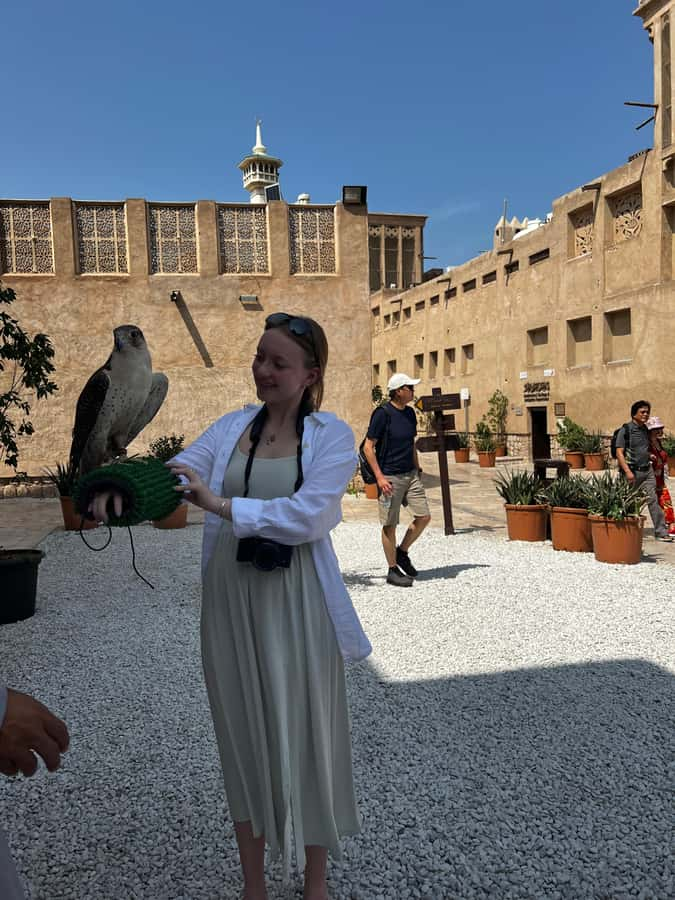
I’d recommend this experience to first-time Dubai visitors who want something beyond skyscrapers, malls, and observation decks. It is especially useful if you have only a short stay and want to combine several Old Dubai sights in one morning or afternoon.
Families may also like the mix of short stops, boat transport, snacks, and market scenes. Megan’s experience with teenagers is encouraging: the guide kept them engaged and looked for shade during the hot parts of the route.
This tour also suits anyone who wants help handling the souks. The markets can be confusing and sales-focused, so having a guide nearby gives you a clearer sense of where you are and how to respond.
You may want a different plan if you dislike shopping pressure, need a slower pace, or want long visits inside museums. Independent visitors who already know Al Fahidi and Deira may find the route too introductory.
Should You Book It?
Book this tour if you want a compact, guided introduction to Old Dubai with an abra crossing, traditional neighborhoods, museum stops, refreshments, and both major Deira souks. The $27 price is fair for the number of included elements, particularly the guide and heritage entry fees.
I would be more cautious if you have mobility limitations, dislike walking in heat, or want a quiet historical tour without shopping areas. For everyone else, it is a practical way to see the old city first, then return later to the places that deserve more time.
The strongest reason to book is the human guidance. A good guide can explain the coral-and-shell houses, make the Coins Museum meaningful, find shade, and help you manage the gold sellers. If Walid is leading your French-language tour, that is an added benefit for French speakers.
FAQ
Where does the Dubai Old Town tour start?
The meeting point is outside Al Seef Heritage Hotel Dubai, Curio Collection by Hilton.
How long does the tour last?
The experience lasts three hours.
What languages are available?
The tour is offered in Arabic and English. A French-speaking guide named Walid is also available for French-language tours.
How much does the tour cost?
The listed price is $27 per person.
Is the abra boat ride included?
Yes. The traditional boat ride across Dubai Creek is included.
What food and drinks are included?
The tour includes Arabic coffee or tea, bottled water, fresh juice, a samosa, and camel milk chocolate. Other food is not included.
Which markets does the tour visit?
The route includes the Dubai Spice Souk, the Dubai Gold Souk, and a walk through the textile markets.
Can I bring luggage or a large bag?
No. Luggage and large bags are not allowed.
Is the tour suitable for people with mobility impairments?
No. The experience is not suitable for people with mobility impairments because it includes walking through historic districts and souks.
New market tours around Dubai
- Walking Tour in Dubai. Souks, museums, Local Food Testing★ 5.0 · 11 reviews
- Old Dubai Historic Guided Tour: Creek, Street Food & Souks★ 4.9 · 156 reviews
- Old Dubai Guided Tour With Photographer: Souks & Street Food★ 4.9 · 74 reviews
- Old Dubai Heritage Tour: Souks, Mosques & more hidden gems!★ 4.3 · 72 reviews
- Dubai Tour: Haritage Walking Guide, Gold & Spice Souq, Creek★ 4.5 · 11 reviews
- Dubai:Private Frame Entry, Mosque, Souks, Tastings& transfer★ 4.8 · 9 reviews
- Dubai: Discover Dubai Old Town, Souks, Museum & Street Food★ 4.9 · 25 reviews
- Dubai.Discover Old town,Markets,street food,Abra &Museums★ 4.9 · 181 reviews
Dubai Market Tours, side by side.
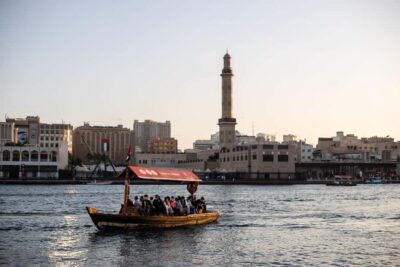
Dubai: Old Town, Creek, Museums, Souks, & Street Food Tour
Read our review →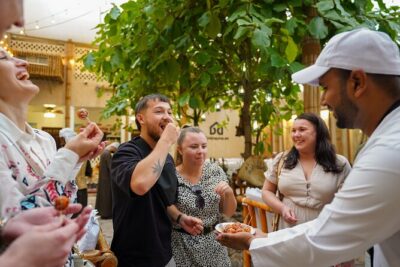
Dubai: Old Town, Souks, Street Food, Guided Tour & Abra Ride
Read our review →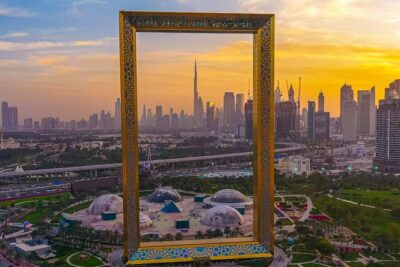
Dubai: Frame Tickets, Creek, Souks & Blue Mosque Guided Tour
Read our review →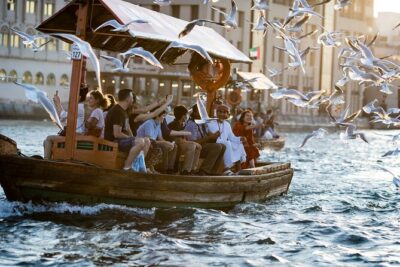
Dubai Aladdin Tour: Souks, Creek, Old Dubai and Tastings
Read our review →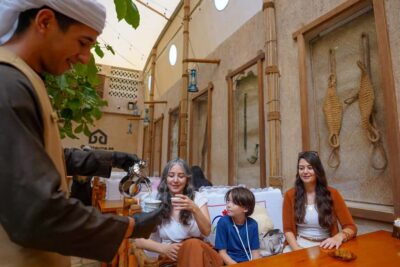
Dubai: Half-Day City Tour with Blue Mosque, Creek, and Souks
Read our review →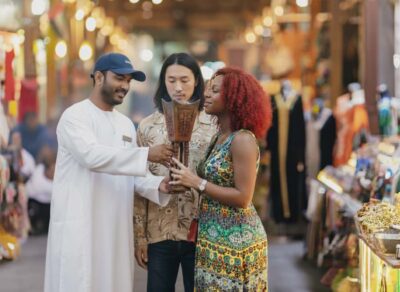
Dubai: Old Town, Street Food, Creek, Souks, & Emirati House
Read our review →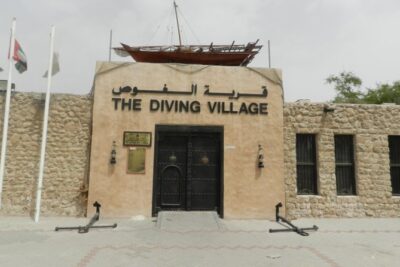
Dubai City Tour: Old & New Dubai Abra Ride, Palm Island, Souks
Read our review →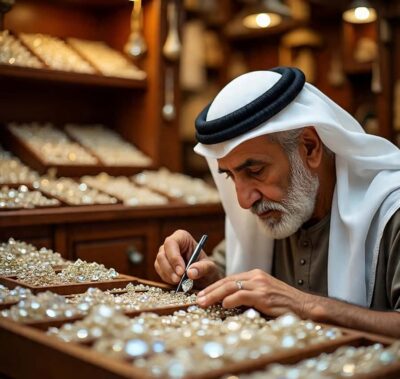
Dubai: Authentic Old Town, Souks, Tastings & Abra Boat Tour
Read our review →This tour also appears in