
Review · CAMBODIA
Kampot Countryside include Pepper farm,Kep crab market beach
Kampot’s countryside is best understood one working stop at a time: salt fields, pepper vines, a cave temple, a man-made lake, and the seafood stalls of Kep. I like that this private tuk-tuk tour gives you a full day outside town without forcing you into a large group, and I like the mix of food, farming, history, and sea air.
The price is also fair at $50 per group of up to two, especially with entrance fees, water, fresh coconut, pepper tastings, transport, and a guide included. The main drawback is the long day in an open tuk-tuk, with heat, dust, 203 steps at the cave, and lunch or seafood paid separately.
Key points to know before booking
- Salt production comes first, with a guided visit to a working facility outside Kampot.
- Phnom Chhngok requires 203 steps, but rewards the climb with a seventh-century cave temple and broad views.
- Brateak Krola Lake has a painful Khmer Rouge-era past, having been built with forced labor.
- Kampot pepper gets proper attention, including a guided plantation visit and peppercorn testing.
- Kep adds seafood and beach time, but your meal, sunglasses, and sunscreen are not included.
- The tour is private and English-speaking, with hotel pickup available within three kilometers of the meeting point.
Why Kampot’s countryside works as a full-day outing
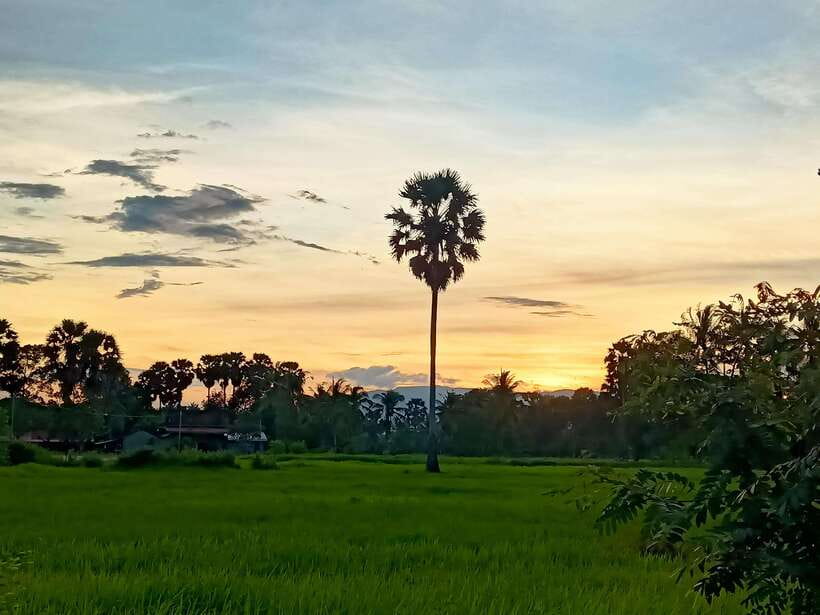
Kampot is pleasant to explore at a slow pace, but the most interesting sights sit beyond the town center. This tour links several of them in one day, using a tuk-tuk and a private guide rather than leaving you to arrange separate rides.
You begin in or near Krong Kampot, normally at the meeting point opposite Epic Art Cafe. Pickup and drop-off can also be arranged at your hotel or restaurant if it is within three kilometers of the meeting point. That small radius matters, so check your address before paying.
The route has several tuk-tuk sections of roughly 15, 25, 25, 15, 45, and 40 minutes. In practical terms, you should expect plenty of time on the road. That is part of the appeal, since you see more of rural Kampot, but it also means you need water, sun protection, and a willingness to spend much of the day outdoors.
I would choose this outing when I wanted a broad introduction to the province rather than a single focused activity. You get agriculture, religious history, difficult modern history, local food, and a swim or rest by the sea in one trip.
More farm stalls around Cambodia:
- Kampot: Tuk Tuk Trip to Pepper Farm, Kep, Crab Market & More
★ 4.9 · 143 reviews - KAMPOT TRAVEL-Pepper farm. Cave.Secret lake-Crab market & Salt…
★ 5.0 · 87 reviews - Kampot Pepper Farm, Salt Fields, Crab Market from Phnom Penh
★ 4.8 · 21 reviews
Salt fields and the work behind Kampot’s flavor
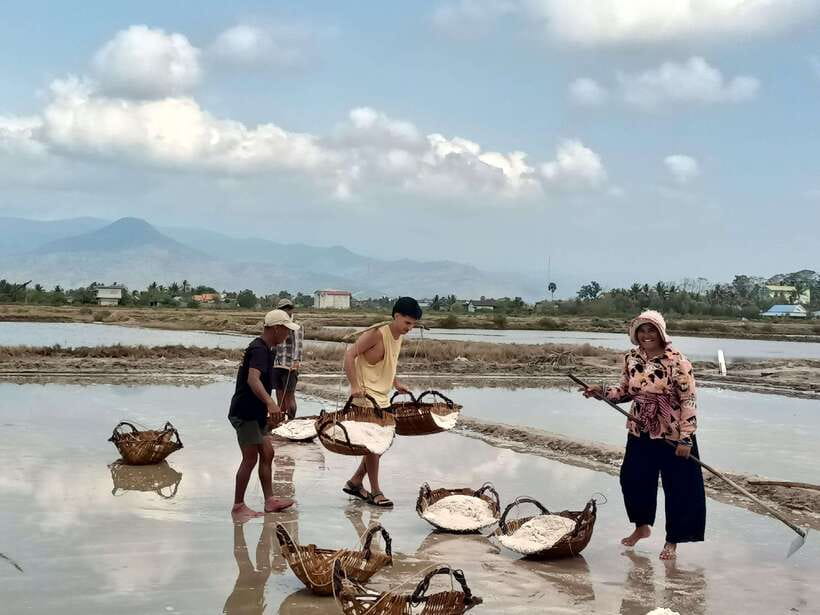
The first major stop is a salt-producing facility on the outskirts of Kampot. A guide explains why salt matters to the local economy and walks you through the main steps of production.
This is not just a quick photo stop. The value comes from seeing a basic kitchen ingredient as a local industry, shaped by the land and climate around Kampot. The factory visit gives the day a useful start because it introduces you to work that is easy to miss when you only visit restaurants and tourist sights.
You should expect a working facility rather than a polished museum. Conditions may be hot and bright, so bring sunglasses and sunscreen. Neither is included, and both are sensible for a day that also includes open roads, a cave climb, and time at the beach.
The guide’s explanations can also make a difference here. One highly praised driver-guide took time to explain the stops through a translator when communication was difficult. If your English is limited, tell the guide early and ask for explanations at a slower pace.
Climbing 203 steps to Phnom Chhngok
Phnom Chhngok is the most distinctive historical stop on the route. Reaching the entrance means climbing 203 steps, so this is not a stop where you simply step out of the tuk-tuk and stroll inside.
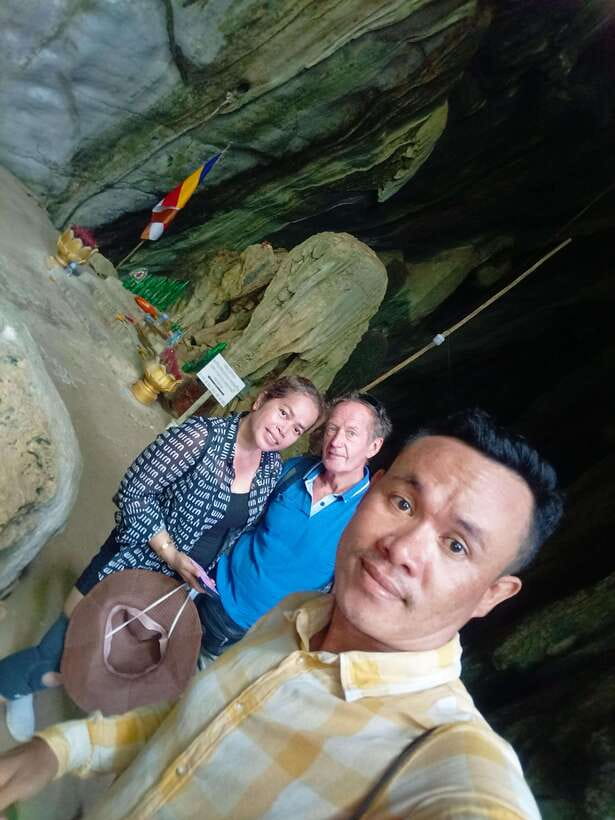
The effort leads to a cave temple with a remarkable seventh-century brick shrine from the Funan era. It is dedicated to Shiva and sits inside the cave’s main chamber. The setting makes the visit memorable: ancient brickwork, rock walls, and an entrance with views across the surrounding area.
I would wear firm shoes and take the climb at your own pace. The tour is not suitable for children under two, pregnant women, people over 80, or people with high blood pressure. The stated limits also exclude people over 200 pounds, or 91 kilograms, so check these restrictions honestly before booking.
The cave is important for more than its age. It shows how early religious architecture was adapted to a natural setting, rather than presented in a separate monument complex. You get a close look at a small brick temple, then step back outside for views that connect the shrine to the countryside around it.
This stop may be the hardest part of the day for anyone with mobility or fitness concerns. If you are comfortable with stairs but do not want to rush, tell your guide. The tour is private, so there is no large group pushing you along.
Brateak Krola Lake and a difficult chapter
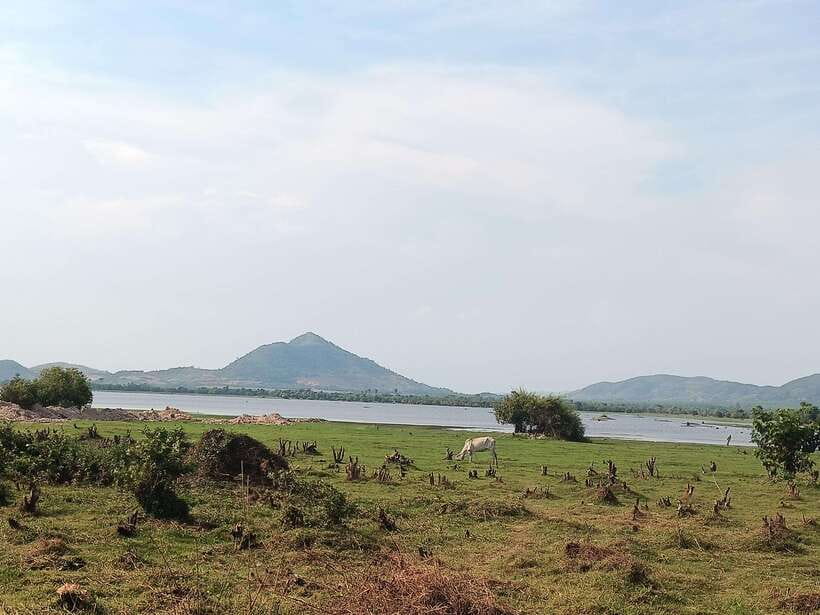
Brateak Krola Lake is an artificial lake built during the Khmer Rouge period using forced labor. It is a quiet place, but its calm appearance should not hide the human cost behind its construction.
A stop here adds needed context to the day. The salt fields and pepper farm show present-day work and commerce. The lake asks you to think about how Cambodia’s recent past still shapes ordinary places. Your guide can help explain what you are seeing, though the supplied tour details do not promise a long formal history talk.
I appreciate the inclusion of this stop because it keeps the tour from becoming a string of attractive views and food samples. It gives the countryside a human dimension. At the same time, you should not expect a museum, memorial center, or extensive exhibit. The value lies in the setting and the explanation you receive on site.
More market tours around Cambodia:
- Phnom Penh’s Morning Market and Street Art Tour by Tuk tuk
★ 5.0 · 128 reviews - Phnom Penh Morning Market & Food Tour by Tuktuk – Includes All Food & Drinks!
★ 5.0 · 99 reviews - Battambang: Cooking Class and Market Touring
★ 4.8 · 80 reviews - Siem Reap: Morning Bike Tours with Local Market & Lunch
★ 5.0 · 52 reviews
A close look at Kampot pepper
The pepper plantation is likely to be one of the day’s most satisfying stops, especially if you enjoy food and want to understand why Kampot pepper is so well known. You receive a guided introduction to the farm, learn about production, and taste peppercorns grown there.
The tasting is more useful than a quick purchase at a market because it gives you a point of comparison. You can pay attention to aroma, heat, and flavor while the guide explains how the pepper is produced. The tour does not specify how many pepper varieties or products are included, so keep expectations practical: this is a plantation visit with tasting, not a full cooking class.
Plan enough time here. One private outing spent about two hours at the pepper farm, with guide Phalla patiently explaining the process. Phalla may not be the guide assigned to every departure, but you can ask the provider about guide availability if a particular guide matters to you.
The private format helps at this stop. You can ask why certain peppercorns taste different, how the farm works, or what makes the local product distinct. A larger group often turns a farm visit into a short walk and a shop stop. Here, you have a better chance to set the pace, although the exact amount of time depends on the day’s schedule and your guide.
Kep crab market, seafood, and beach time
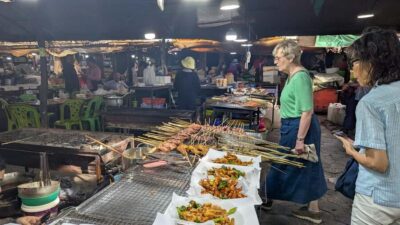
The final major section takes you toward Kep, where you can eat seafood or lunch at the crab market. Food is not included, so bring cash and expect to pay for whatever you order.
This is a good place to make the tour your own. You can focus on a seafood meal, walk around the market, or keep the stop shorter and spend more time by the water. The tour also allows time to swim or relax on the beach before returning to Kampot.
The wording of the experience leaves the exact meal choice open, which is helpful if you have a strong preference. It also means you should not assume a set lunch is waiting for you. Ask your guide about timing and food options once you arrive, and keep enough cash for lunch and any seafood you choose.
A private trip is useful here because people want different things. One person may want to eat immediately, while another may prefer a walk or swim. The day ends with time in Kep and a return to Kampot, so do not treat the beach as a rushed ten-minute photo stop.
You will want sunscreen and sunglasses at this stage. Neither is supplied, and the beach can make the sun feel stronger after a full day outside. Bring a change of clothes if you plan to swim, though the tour information does not list changing facilities.
What the tuk-tuk ride means for your day
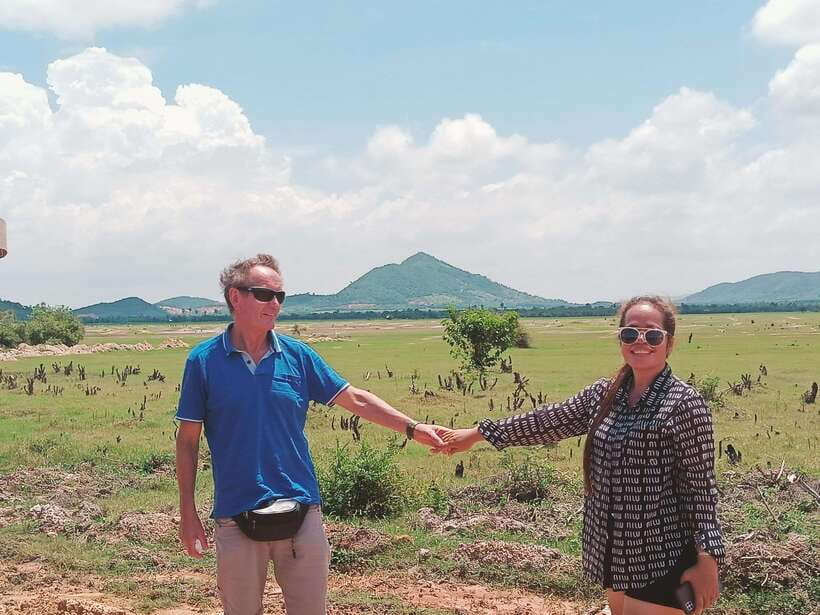
The tour uses a tuk-tuk for the transfers. That gives you a more open view of the countryside than a closed vehicle, and it suits the short rural roads between stops. You can see more of the route and feel the change from Kampot town to farms, caves, and the coast.
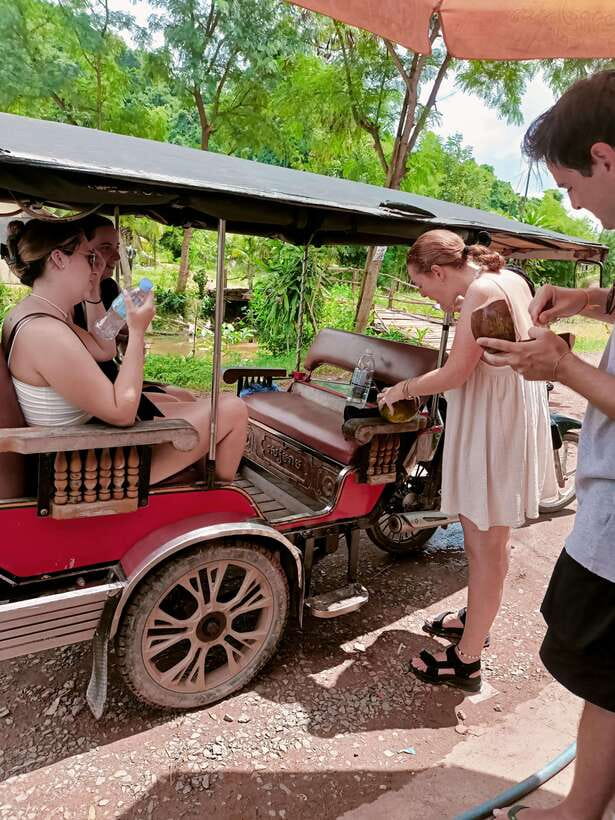
The trade-off is exposure to heat, wind, road dust, and rain if weather changes. You should bring cash, water, sunscreen, and sunglasses. One bottle of water and a fresh coconut are included, but I would not rely on those alone for eight hours outdoors.
The overall duration is eight hours. Starting times vary, so check availability before booking. With several road sections and five main types of stop, the day can feel full without being frantic, but it is not a gentle half-day outing.
The guide speaks English. The experience is private, which is especially helpful if you need repeated explanations or want to adjust the pace. A driver-guide described in the feedback was praised for being professional, patient, and willing to explain each stop carefully through a translator when needed. That suggests the human side of the tour can be a real strength, but the exact guide is not guaranteed unless confirmed.
What is included, and where you spend extra
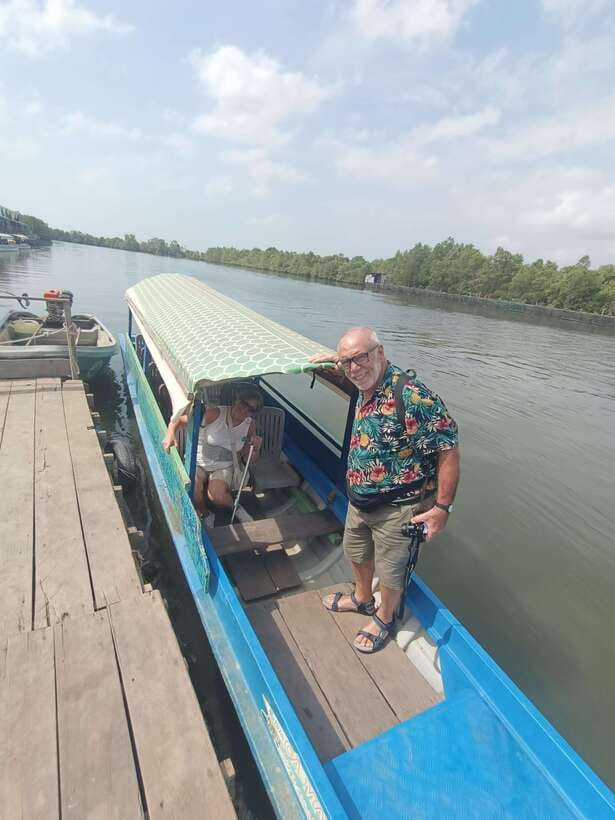
At $50 per private group of up to two, this tour offers good value for couples or two friends. The price covers transport, an English-speaking guide, entrance fees, water, a fresh coconut, and the pepper tour with tasting.
The group price matters. A solo guest pays the same group rate, while two people can split it. For a private day covering Kampot and Kep, that keeps the cost reasonable, particularly when compared with arranging separate transport to the cave, plantation, lake, salt facility, and coast.
You should budget separately for:
- Lunch or seafood at Kep crab market
- Sunscreen and sunglasses
- Any purchases at the pepper farm or market
- Other personal spending
Bring cash, as it is specifically requested. The tour does not include food, so do not leave Kampot assuming every meal cost is covered.
Free cancellation is available up to 24 hours before departure for a full refund. You can also reserve now and pay later, which helps if your schedule in Kampot is still changing.
Who should book this Kampot day tour?
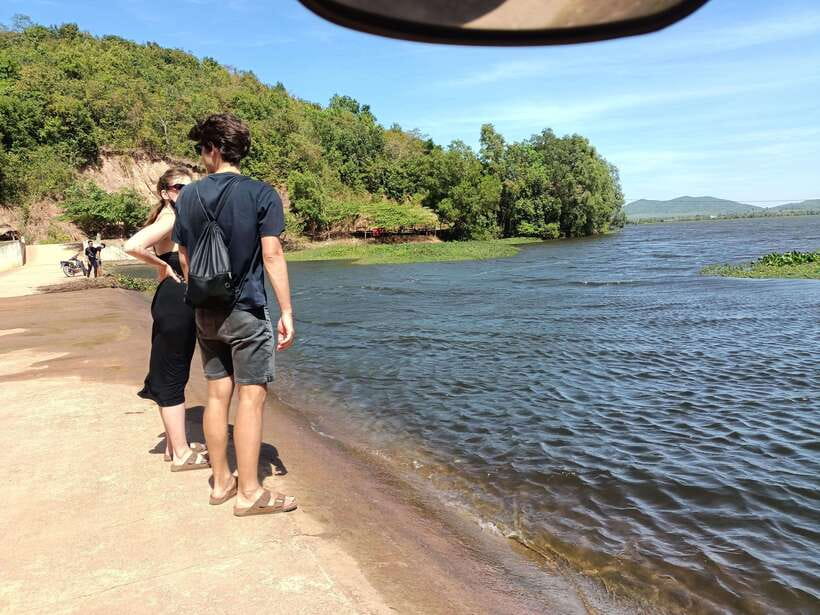
I would recommend it to couples, friends, and solo visitors who want to see several parts of Kampot Province without planning a complicated route. It suits you especially well if food, farming, and local history interest you as much as temples and beaches.
The tour also works for people who value a private guide. You can ask questions, slow down at the pepper farm, and spend your time in Kep according to your interests. The guide’s patience and ability to explain through a translator may be useful if your English is limited.
I would think twice if you dislike long tuk-tuk rides, intense sun, stairs, or flexible meal arrangements. The cave requires 203 steps, lunch is not included, and the day is long. The stated restrictions also make this unsuitable for children under two, pregnant women, people with high blood pressure, people over 80, and people over 200 pounds or 91 kilograms.
Should you book it?
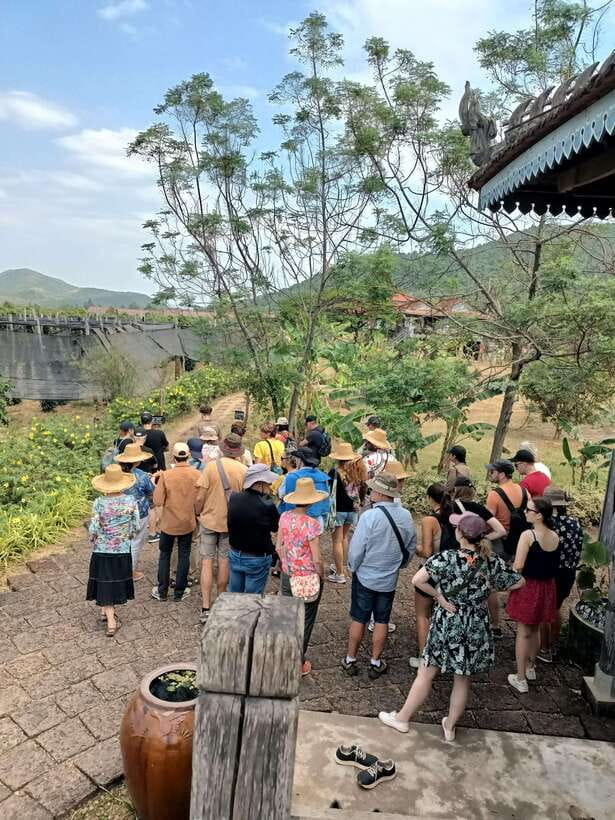
Book this tour if you want the broadest useful introduction to the area in one day. The strongest combination is the pepper plantation, Phnom Chhngok cave temple, and Kep beach and seafood stop, with the salt facility and Brateak Krola Lake adding local context.
Skip it if you want a slow beach day, a specialist food tour, or a short temple visit without physical effort. For most active visitors staying in Kampot, the $50 private group price is sensible, and the chance to see both the countryside and Kep makes the long day worthwhile. Bring cash, water, sun protection, and comfortable shoes, then let the guide help shape the pace.
FAQ
How long does the Kampot countryside tour last?
The tour lasts eight hours, including the countryside stops, transport between locations, time in Kep, and the return to Kampot.
What is the price of the tour?
The price is $50 per private group of up to two people.
Is hotel pickup available?
Pickup and drop-off can be arranged from a hotel or restaurant within three kilometers of the meeting point. The normal meeting point is opposite Epic Art Cafe.
What language does the guide speak?
The live tour guide speaks English.
Is the tour private?
Yes. The experience is arranged as a private group.
Is lunch included?
No. Food is not included, so you pay separately for lunch or seafood at Kep crab market.
What does the tour include?
The tour includes entrance fees, a bottle of water, a fresh coconut, the pepper plantation visit and tasting, transport, and a guided tour.
How many steps lead to Phnom Chhngok cave temple?
There are 203 steps to the entrance of Phnom Chhngok cave temple.
Can I swim during the tour?
Yes. The Kep portion includes time to swim or relax on the beach before returning to Kampot.
What should I bring?
Bring cash. Sunglasses and sunscreen are also useful, but they are not included. Comfortable footwear is sensible for the 203-step climb.
New market tours around Cambodia
- Phnom Penh: Morning Foodie, Market Walking & Street Art Tour★ 5.0 · 3 reviews
- Siem Reap Morning Market & Food Tour by Tuk Tuk★ 5.0 · 2 reviews
- Siem Reap Khmer Cooking Class and Local Market Tour★ 4.1 · 4 reviews
- Siem Reap: Morning Cooking Class & Market Tour★ 5.0 · 7 reviews
- Siem Reap: FREE Market & Local Temple Tour★ 4.8 · 3 reviews
- Siem Reap Cambodian Buddhist Water Blessing and Local Market★ 4.8 · 3 reviews
- Siem Reap Cambodian Buddhist Water Blessing and Local Market★ 4.8 · 11 reviews
- Siem Reap: Angkor Wat Sunrise and Market Tour by Jeep★ 5.0 · 5 reviews
Cambodia Market Tours, side by side.
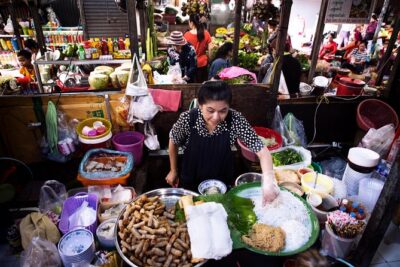
Phnom Penh’s Morning Market and Street Art Tour by Tuk tuk
Read our review →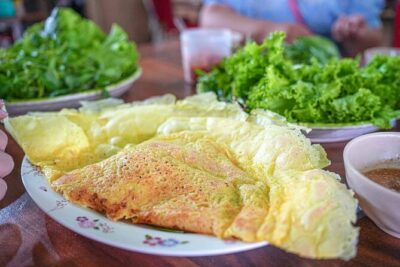
Phnom Penh Morning Market & Food Tour by Tuktuk – Includes All Food & Drinks!
Read our review →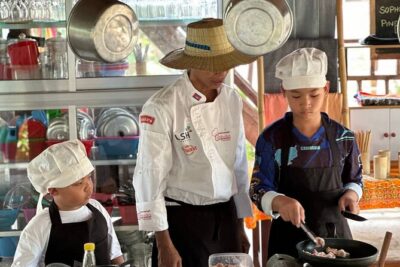
Kampot Pepper & Kep/Crab Market Tours: Salt, Secret lake
Read our review →
3-Hour Siem Reap Guided Cooking Class and Market with Pick up
Read our review →
Kampot Pepper Farm, Salt Fields, Crab Market from Phnom Penh
Read our review →
Morning Cooking Class and Market Tour in Siem Reap
Read our review →This tour also appears in