
Review · KYOTO
Kyoto: Nishiki Market Tea Ceremony with Koto Performance
The unusual strength of this Kyoto activity is its pairing of hands-on matcha making with live koto music. Host Yurika guides you through the tea customs, then plays several pieces on the traditional Japanese harp. It feels more personal than a quick demonstration, yet it fits neatly into a busy day near Nishiki Market.
I like the calm setting and the clear instruction, especially for anyone who has never prepared matcha. I also like that the music is part of the main experience rather than an optional add-on. The main consideration is space: you remove your shoes, and large bags or suitcases will be awkward in the small studio.
Key points to know before you book
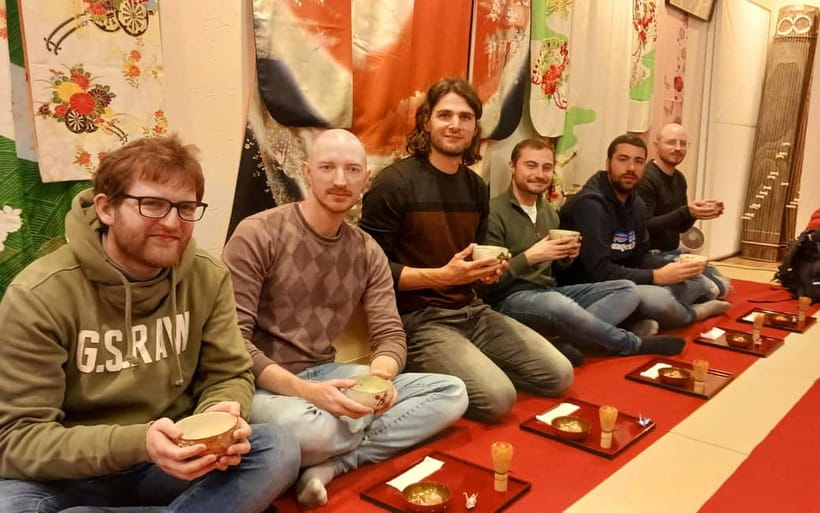
- Two cultural experiences in one hour: Learn tea etiquette and matcha preparation, then hear live koto music.
- A personal host: Yurika leads the session in English or Japanese and explains the meaning behind the movements.
- Small group setting: The experience is limited to eight people, with some sessions feeling especially intimate.
- Central Kyoto location: KOTOLILY KYOTO is near Nishiki Market, next to KINMATA Restaurant and across from Hotel GOCO stay.
- Optional kimono photos: You can pay extra on-site to wear a kimono and have photos and videos taken.
- Extra koto lesson available: Ask about trying the instrument after the tea ceremony for an additional fee.
A quiet hour beside Nishiki Market
Kyoto can be a noisy, fast-moving place, particularly around Nishiki Market and the shopping streets nearby. This one-hour activity gives you a useful pause without sending you far from the action.
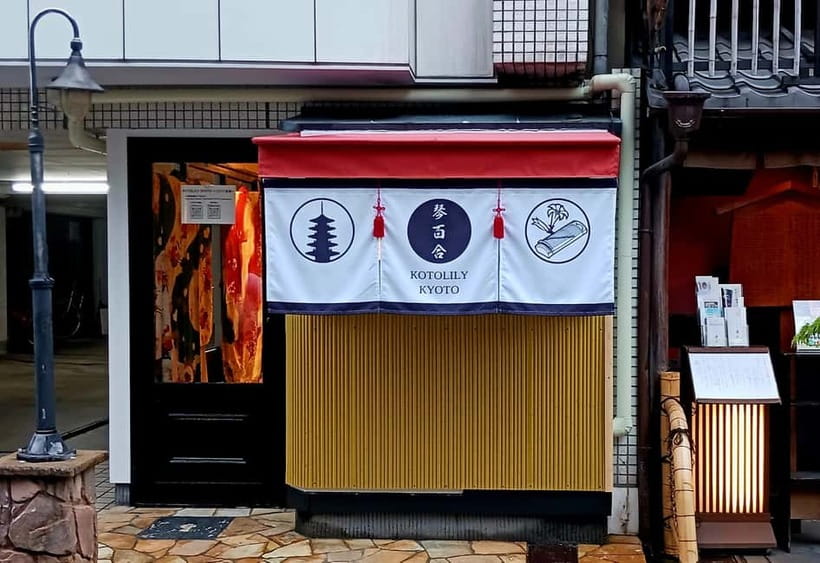
KOTOLILY KYOTO is in central Kyoto, next to KINMATA Restaurant and opposite Hotel GOCO stay. The meeting point is the shop itself, not the hotel. That detail matters because the surrounding streets have plenty of signs and storefronts, but you need to go inside KOTOLILY KYOTO rather than wait outside.
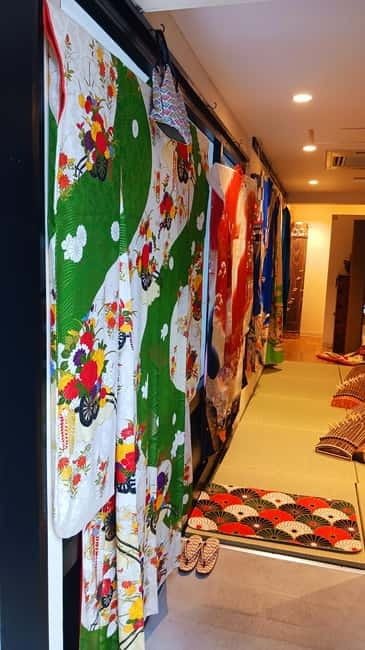
The studio has kimonos displayed along the walls, creating a distinctly Japanese setting without requiring a full-day dress-up package. The space is small, so I would leave large shopping bags, backpacks, and luggage at your hotel or in storage if possible. You will also take off your shoes, so comfortable socks are a sensible choice.
This location works well in poor weather. You can combine the activity with Nishiki Market before or afterward, and nearby shopping makes it easy to build the session into a half-day in central Kyoto.
More market tours around Kyoto:
- Nishiki Market Brunch Walking Tour (7 Tastings + Brunch)
★ 5.0 · 1,355 reviews - Kyoto Nishiki Market Food and Culture Walking Tour
★ 5.0 · 412 reviews - Kyoto: Local Food Tasting Tour at the Nishiki Market
★ 4.7 · 135 reviews
What happens when you arrive
The experience is limited to eight people, although the compact room can make the group feel smaller. You sit close enough to see the tea tools and koto clearly, and the setting encourages questions rather than a distant stage-show feeling.
The host introduces the structure of the session and explains the role of tea in Japanese customs. The emphasis is not simply on drinking matcha. You learn why particular actions matter, how the tea is prepared, and how sweets fit into the sequence.
English instruction is available, and the feedback about communication is especially strong. Yurika is described as warm, lively, and easy to understand, with a good sense of humor that helps first-time participants relax. That is useful because tea etiquette can seem intimidating when you do not know which movement comes next.
You do not need to arrive with specialist knowledge or prior experience. Comfortable clothing is recommended, and the standard activity includes the tea ceremony, matcha preparation, tea sweets, and the koto performance.
Making your own matcha, from water to whisk
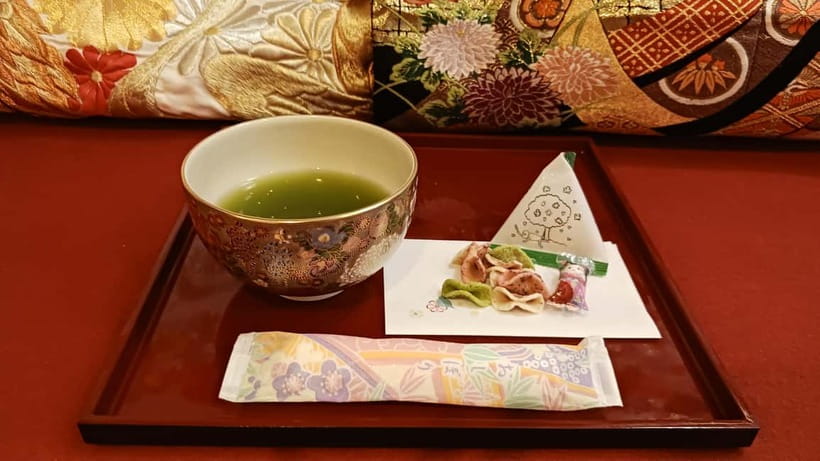
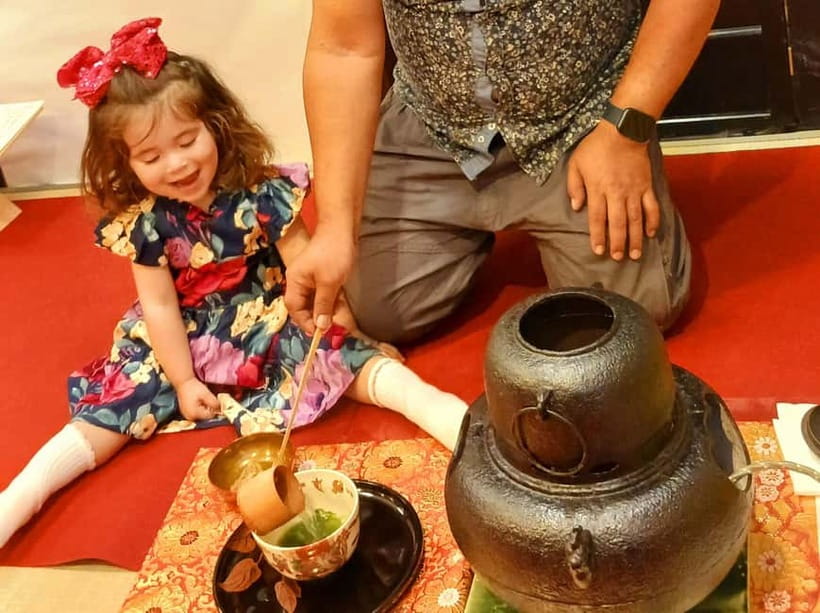
The most active part of the session is preparing your own tea. Under guidance, you add the ingredients, pour in the water, and whisk the matcha until it becomes creamy and smoother to drink.
This is a small task, but it changes the experience. You are not simply watching a professional prepare a bowl while you sit quietly. You take part in the process and see how whisking affects the texture and bitterness.
The instruction is aimed at making the tea approachable. Participants who normally find matcha too bitter have been shown how to prepare and enjoy it more comfortably. You also learn about green tea and the customs surrounding its presentation.
The sweets are served with the matcha, providing a pleasant contrast to the tea. They are not a meal, and lunch is not included, so plan to eat separately at Nishiki Market or elsewhere in Kyoto. Think of the food here as a traditional accompaniment, not a tasting tour.
The session may include more than one type of green tea, depending on the presentation. The important point is that you are involved in making the drink rather than receiving a finished cup.
Why the tea etiquette matters
A short tea activity cannot reproduce every layer of a formal tea school, and this is not advertised as a long ceremonial lesson. Its value is that it gives you a readable introduction to the ideas behind the ritual.
The ceremony asks you to slow down, pay attention, and treat simple actions with care. The host explains the steps instead of expecting you to copy them without context. That makes the experience accessible for visitors who want cultural background, not just a photo opportunity.
You may notice that the session is relaxed rather than severe. That is a plus for most people. You can ask questions, make your tea yourself, and enjoy the ceremony without worrying about getting every gesture perfect on the first attempt.
I would choose this activity if you want a first look at tea culture during a packed Kyoto itinerary. If you already study tea ceremony in depth, you may find the one-hour format introductory. For most visitors, though, the balance of explanation and participation is the right length.
Same city, another market:
- Kyoto: Nishiki Market and Depachika Food Tour with a Local
★ 4.7 · 76 reviews - Kyoto: Nishiki Market Tour with a Local Foodie & Tastings
★ 4.5 · 67 reviews - Nishiki Market Food Tour with Cooking Class
★ 4.9 · 42 reviews - Golden Pavilion, Nijo Castle, & Nishiki Market Half day tour
★ 5.0 · 29 reviews
The koto performance is more than background music
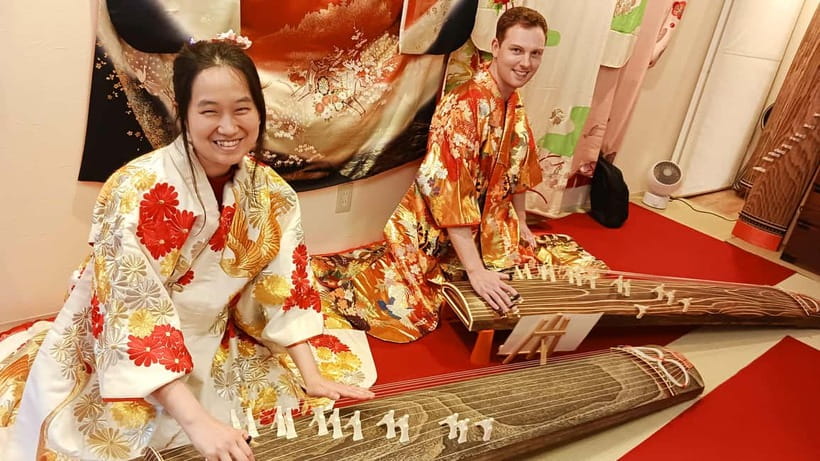
The live koto performance gives this activity its special character. The koto is a traditional Japanese string instrument often described in English as a Japanese harp, though its long body and playing style are distinct.
Yurika performs before and after the tea ceremony. The music is not just a short sound sample while everyone takes photos. The session can include several complete pieces, along with an explanation of the instrument and its place in Japanese music.
This changes the mood of the activity. The tea preparation is tactile and instructional, while the performance gives you time to sit back and listen. Several accounts describe the music as soothing, moving, and particularly beautiful when paired with the tea and sweets.
The musical section is also a good reason to choose this experience over a basic matcha workshop. You receive both a cultural lesson and a live performance for the standard price. If you have an interest in traditional music, ask about the optional koto-playing lesson after the main session. It costs extra, but it lets you try the instrument rather than only watch.
The lesson is not included, so do not assume it forms part of the one-hour booking. You can ask the staff about the price and availability on-site after the tea ceremony.
Kimono photos: a worthwhile extra for some
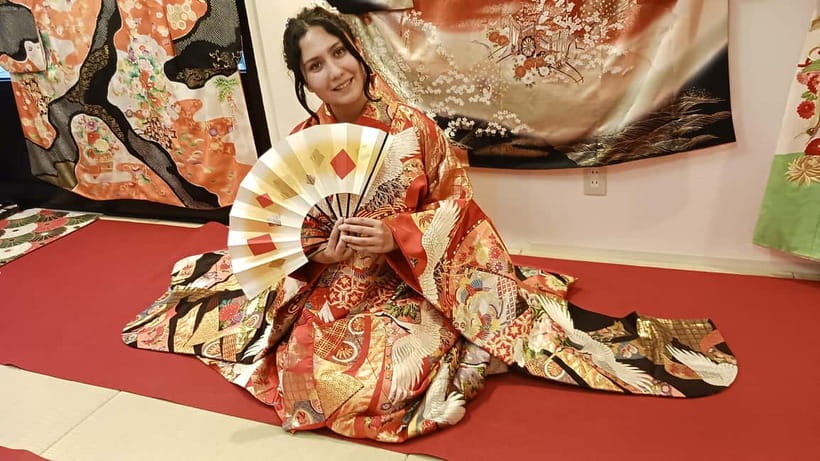
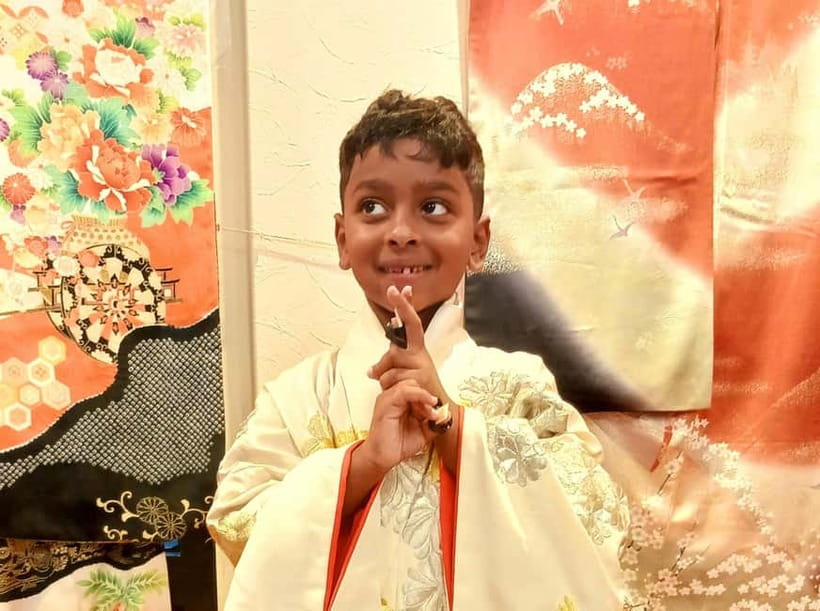
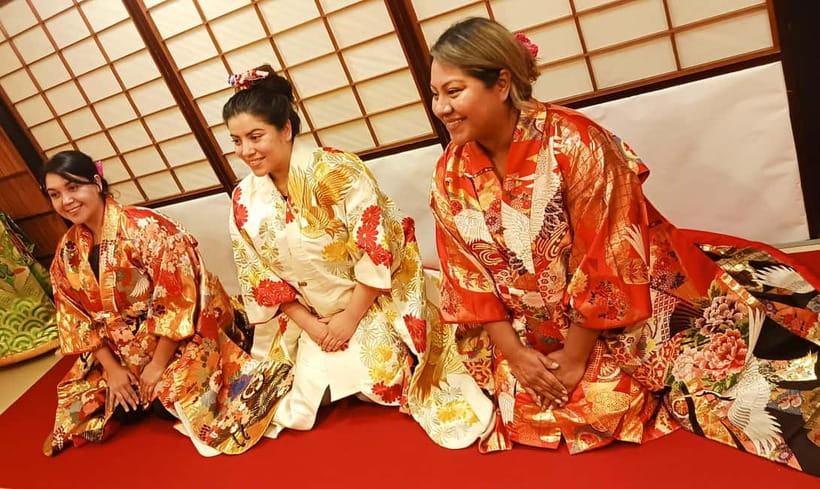
Kimonos are displayed in the studio, and you can pay an additional fee to wear one for photos and videos. Traditional hair accessories may also be available as part of the photo option.
This add-on appeals most to couples, families, and anyone who wants a keepsake from Kyoto without booking a separate full-day kimono rental. It also gives you a chance to see the studio transformed into a more formal photo setting.
There is one practical limitation: the kimono option is not included in the base price. The standard activity centers on tea and music, and the extra fee is arranged at the location. Ask the staff for details after the ceremony.
You should also clarify the timing if wearing a kimono during the tea itself matters to you. The supplied information makes clear that kimono dressing and photos are an optional on-site addition, and some people have specifically wished they could enjoy the tea while dressed in the kimono rather than wearing it mainly for photos afterward.
That does not make the add-on poor value. It simply means you should treat it as a separate photo experience, not as part of the basic tea ceremony.
The price and what you receive
At $56 per person, this is not the cheapest way to drink matcha in Kyoto. You can find tea elsewhere for much less. The question is what you are paying for beyond the bowl of tea.
The price includes a guided tea ceremony, hands-on matcha preparation, sweets, and live koto music. It also includes an English or Japanese instructor and a small group capped at eight people.
I think the value is strongest when you want several cultural elements in one booking. A basic tea tasting might last less time and offer less explanation. A separate traditional music performance could cost more or require another reservation. Here, the tea and music are designed to work together.
The price is less attractive if you only want a quick matcha drink or if you are mainly interested in wearing a kimono. The kimono photo session and koto lesson cost extra, and meals and transport are not included.
For a central Kyoto activity that fits into one hour, the package is fairly priced, especially for couples or families who want a shared cultural experience without committing to a long formal ceremony.
Who will enjoy this most
I would recommend it to first-time visitors who want an easy introduction to Japanese tea customs. You receive enough explanation to understand the ritual, but you are not expected to sit through a lengthy lecture.
It is also a good choice for:
- Couples seeking a calm shared activity
- Families with children aged eight or older
- People interested in Japanese music
- Visitors staying near central Kyoto
- Anyone who wants an indoor activity close to Nishiki Market
- People who prefer participating to simply watching
The activity is not suitable for children under eight. It is also not suitable for wheelchair users, according to the supplied access information. People with food allergies should not book it, since tea sweets are included and the experience does not offer allergy guidance.
The small room may be uncomfortable if you are carrying large luggage. Keep your belongings light and expect to remove your shoes.
Planning it around Nishiki Market
The central location makes scheduling straightforward. You can visit Nishiki Market before the tea ceremony, then step into the quieter studio for an hour. You can also reverse the order and use the market afterward for lunch or snacks, since the tea sweets do not replace a meal.
The activity is close to shopping areas, so it works well on a rainy day when outdoor sightseeing is less appealing. You do not need to build in transportation time to a distant temple or suburb.
Give yourself enough time to find the shop, especially if you are walking through a crowded shopping district. Look for KOTOLILY KYOTO, next to KINMATA Restaurant and opposite Hotel GOCO stay. Do not wait at the hotel, since it is only a landmark for finding the shop.
The booking lasts one hour, with starting times depending on availability. Free cancellation is available up to 24 hours in advance for a full refund, and you can reserve now and pay later. Those terms are useful if your Kyoto schedule is still shifting.
What to bring and how to behave in the room
Bring a camera if you want photos of the setting, the tea tools, or the koto. Flash photography is not allowed, so use the available room light and ask before taking close-up images of the host or other participants.
Wear comfortable clothes. You will sit for the ceremony, remove your shoes, and may have limited room for bulky layers or large bags. Clean socks are worth considering, particularly if you are not used to removing shoes indoors.
The experience is designed to be calm and respectful. You can ask questions, but listen during the music and follow the host’s directions during the tea preparation. The best photos usually come after you understand the rhythm of the session, rather than interrupting the ceremony with a camera.
My verdict: book it for the combination
Book this experience if you want more than a cup of matcha and less than a full formal tea-school course. The combination of making your own tea, learning the meaning behind the etiquette, and hearing Yurika play the koto gives the hour real substance.
The setting is central, the group is small, and the indoor location is useful in bad weather. The main drawbacks are the compact room, the extra charge for kimono photos and koto lessons, and the lack of wheelchair access or allergy suitability.
For most visitors, I would choose the standard tea and music experience first. Add the kimono photos if you want a polished souvenir, or ask about the koto lesson if music is your main interest. It is a particularly good fit for a couple or family looking for one peaceful hour between Kyoto’s markets, shops, and temples.
FAQ
Where does the Kyoto tea ceremony take place?
It takes place at KOTOLILY KYOTO in central Kyoto. The shop is next to KINMATA Restaurant and opposite Hotel GOCO stay. Go inside the shop rather than waiting at the hotel.
How long does the experience last?
The tea ceremony and koto experience last one hour. Check the available starting times when booking.
What does the $56 price include?
The price includes the tea ceremony, matcha preparation, tea sweets, and a live koto performance.
Is transportation included?
No. Transportation to and from KOTOLILY KYOTO is not included.
Is the experience available in English?
Yes. The instructor speaks English and Japanese.
How many people can join the session?
The activity is limited to eight participants.
Can I wear a kimono?
Yes. You can arrange a kimono session with photos and videos for an additional fee at the location. Ask the staff for assistance after the tea ceremony.
Can I try playing the koto?
Yes. A koto-playing lesson is available for an additional fee on-site. Ask about it after the tea ceremony.
Can I cancel for a refund?
You can cancel up to 24 hours in advance for a full refund. Reserve now and pay later is also available.
New market tours around Kyoto
- Taste of Nishiki Market Walking Food Tour with Local guide★ 5.0 · 17 reviews
- Nishiki Market Food Tour with Cooking Class★ 4.9 · 42 reviews
- Kyoto: Wholesale Fish Market Walking Tour★ 5.0 · 2 reviews
- Golden Pavilion, Nijo Castle, & Nishiki Market Half day tour★ 5.0 · 29 reviews
- Kyoto: Nishiki Market Tour with a Local Foodie & Tastings★ 4.5 · 67 reviews
- Kyoto: Nishiki Market Food Tour with Local Guide★ 4.6 · 5 reviews
- Kyoto: Enjoy Sushi & Market Tour! Best for Family & Couple!★ 4.8 · 20 reviews
- Kyoto: Nishiki Market and Depachika Food Tour with a Local★ 4.7 · 76 reviews
Kyoto Market Tours, side by side.
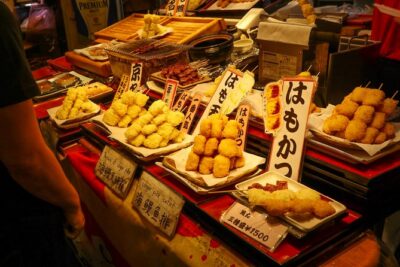
Nishiki Market Brunch Walking Tour (7 Tastings + Brunch)
Read our review →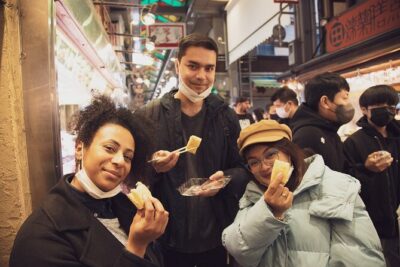
Kyoto Nishiki Market Food and Culture Walking Tour
Read our review →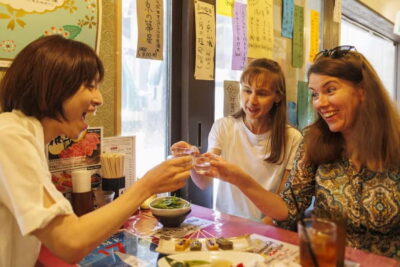
Kyoto: Local Food Tasting Tour at the Nishiki Market
Read our review →
Kyoto: Nishiki Market Tour with a Local Foodie & Tastings
Read our review →
Golden Pavilion, Nijo Castle, & Nishiki Market Half day tour
Read our review →
Kyoto: Enjoy Sushi & Market Tour! Best for Family & Couple!
Read our review →This tour also appears in