
Review · AUSTRALIA
Melbourne Flavors: Queen Victoria Market Food Tour
Melbourne’s food story is easiest to understand one bite at a time, and Queen Victoria Market is the right place to begin. This 150-minute small-group tour takes you through Australia’s largest open-air market before the day gets busy, pairing tastings with stories about immigration, local traders, and the market’s changing identity.
I like the personal scale, with no more than 12 people, and I like the way the guides connect you with stallholders they clearly know. Tristan is often praised for his calm, warm approach, while Anna brings strong detail about the market’s buildings, traders, and past. The main drawback is the $176 price, which is a lot if you only want a quick snack and a look around.
Key points at a glance
- Early access to Queen Victoria Market: Start before the largest crowds arrive, when it is easier to hear your guide and speak with vendors.
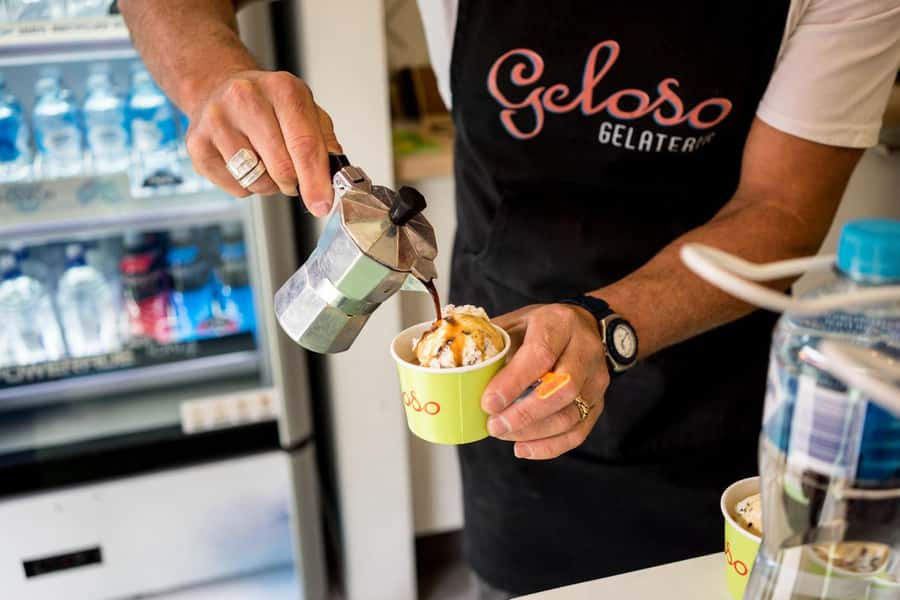
- A true multicultural tasting route: Samples may include hot doughnuts, cheese, charcuterie, sorbet, coffee, and unusual bites such as kangaroo or squid ink salami.
- Guides with local relationships: Tristan and Anna are especially noted for friendly exchanges with stallholders and useful market advice.
- Easy walking: The route covers about 1 kilometer and suits most fitness levels.
- Small and flexible: The maximum group size is 12, and the guide can adapt the pace and discussion to the group.
- Good first-day activity: You finish with practical ideas about what to buy and where to return during your Melbourne stay.
Starting at the Multicultural Hub on Elizabeth Street
The meeting point is outside the Multicultural Hub at 506 Elizabeth Street, Melbourne. From there, your guide leads you toward Queen Victoria Market, so you begin with a short orientation before the food stops start.
That starting point fits the subject well. Melbourne’s food culture was shaped by people arriving from many parts of the world, and the tour uses the market to explain that story in practical terms. Instead of presenting immigration as a dry timeline, your guide links it to the produce, spices, breads, cheeses, meats, and prepared food sold around you.
You should arrive ready to walk and eat at an unhurried pace. Comfortable shoes matter more than smart clothes. The route is about 1 kilometer, but you will be standing at stalls, stopping for explanations, and moving through market aisles rather than walking straight from point A to point B.
More Market Food Tours in Australia:
- Queen Victoria Market Ultimate Foodie Tour
★ 5.0 · 295 reviews - Queen Victoria Market: ‘Flavours of Australia’ Food Tour
★ 5.0 · 9 reviews - Adelaide Central Markets: Food Walking Tour
★ 4.7 · 9 reviews
Queen Victoria Market before the crowds
The timing is one of the strongest parts of the experience. Queen Victoria Market can become a difficult place to navigate once shoppers and sightseers fill the aisles. Starting early gives you more room to listen, ask questions, and watch traders prepare for the day.
Your guide shows you how the market works rather than simply pointing out famous stalls. You can expect fresh produce, specialty foods, spices, bakery items, and ready-to-eat treats to form the backdrop for the walk. The exact tasting sequence can vary, which is useful because market stock and vendor availability change.
I would not treat this as a formal lecture. The best part is the conversation between guide, vendor, and group. Tristan is repeatedly singled out for his rapport with stallholders, and Anna is praised for explaining details you might miss on your own, including the design of the market buildings and the backgrounds of traders.
That local connection gives the tour some warmth. You are not only handed a sample and moved along. You get a little context about who sells it, how it fits the market, and why it matters to Melbourne’s food scene.
What you may taste along the route
The tastings are designed to show range rather than provide one large meal. You might try local specialties beside foods brought to Melbourne through different immigrant communities. The point is comparison: sweet and savory, familiar and unusual, fresh produce and prepared food.
Past tastings have included:
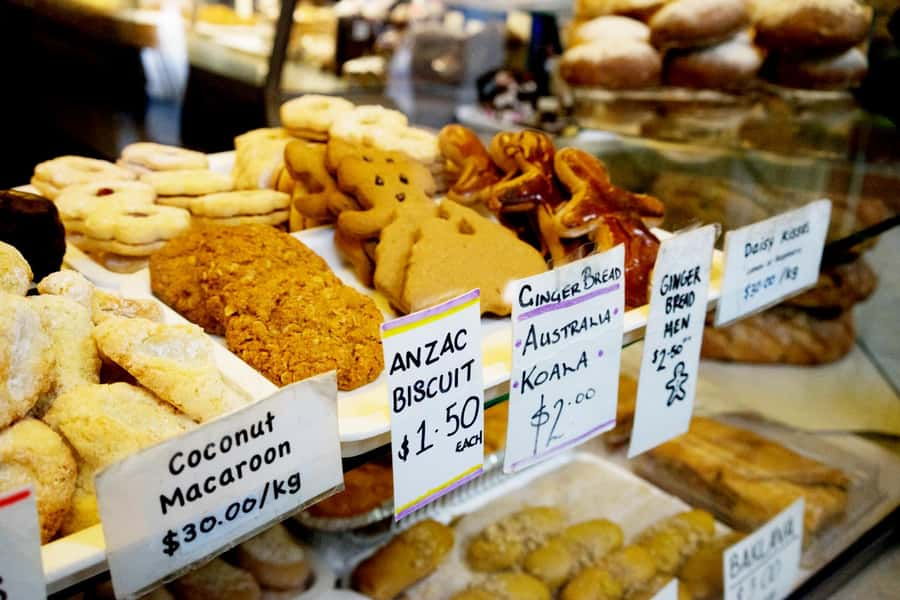
- Hot doughnuts
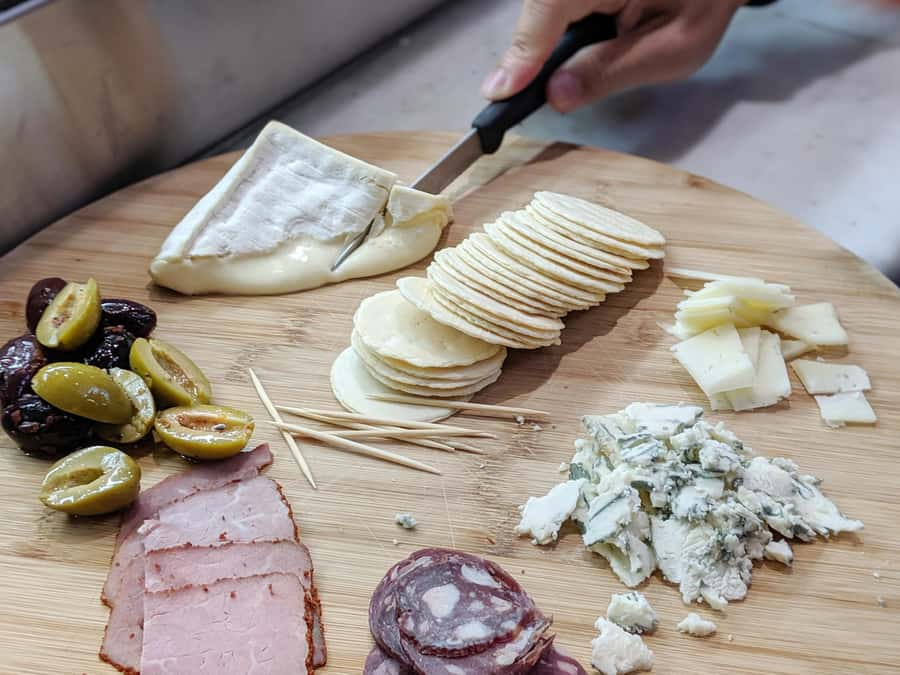
- Cheese and charcuterie
- Sorbet
- Melbourne coffee, including the famous Melbourne Magic
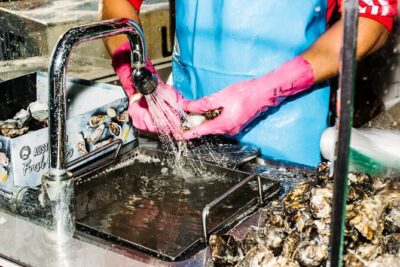
- Seafood, including an oyster on one customized tour
- Kangaroo
- Squid ink salami
- Spices, honey, breads, and other market products
Do not assume every item listed will appear on your departure. The supplied details indicate that tastings can change, and guides may adjust the route or samples. That is normal for a working market, not a weakness. It keeps the experience tied to what is fresh and available that day.
The quantity also deserves a clear explanation. This is a tasting tour, not a guaranteed full lunch. You receive multiple samples, and the range can be generous, but you may still want another meal afterward, especially if you have a large appetite.
Coffee is included, which matters in Melbourne. A Melbourne Magic is a local coffee style, and one participant specifically remembered it alongside the food samples. If coffee is not your thing, the tour still has plenty of other stops, but the coffee helps explain why Melbourne’s café culture has such a strong place in its identity.
The stories behind Melbourne’s food culture
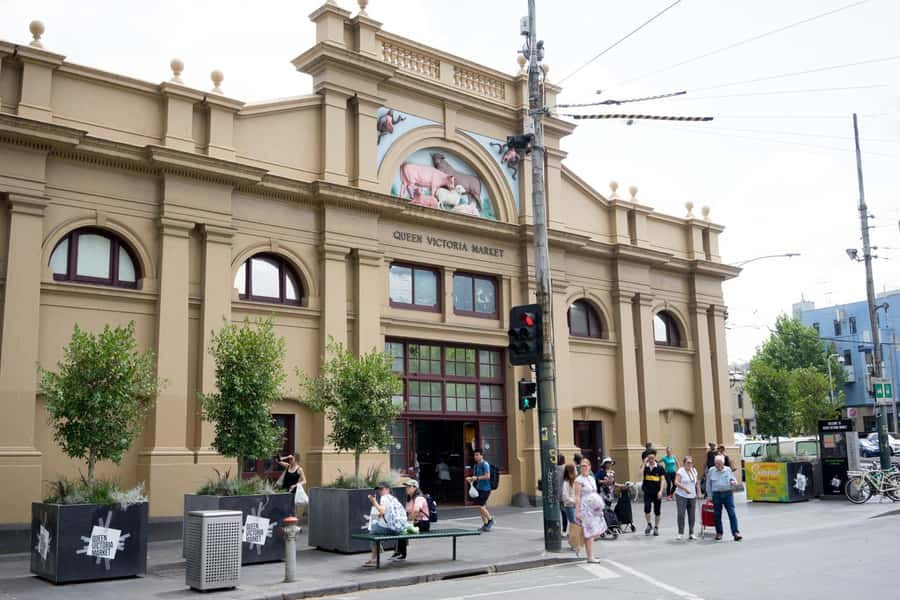
The tour’s most useful feature is the link between food and migration. Melbourne’s market is not just a place to buy ingredients. It is a meeting point where cooking traditions, family businesses, imported flavors, and Australian produce sit close together.
Your guide explains how waves of immigration helped shape the city’s food habits. You may learn why certain products are sold at the market, how traders serve different communities, and how a stall can reflect a family or cultural tradition.
The historical side goes beyond dates. Guides have discussed the market’s age, design, and the challenges of preserving it as a working landmark. That gives you a better way to look at the buildings and stalls. You begin to notice the tension between keeping an old market useful and allowing it to change with Melbourne.
This is especially valuable if you have visited the market before. Several people who already knew Queen Victoria Market still found the background and vendor stories worthwhile. I would book the tour early in your stay, then return later with a shopping list and a better sense of where to browse.
More market tours around Australia:
- Adelaide Central Market Discovery Tour
★ 5.0 · 203 reviews - Sunshine Coast Hinterland and Noosa Day Trip from Brisbane Incl Eumundi Markets
★ 4.5 · 189 reviews - Eumundi Markets Bus Transfer: Mooloolaba Sunshine Coast & Noosa
★ 5.0 · 84 reviews - Adelaide: Central Market Morning Tour
★ 4.8 · 53 reviews
Meeting the vendors, not just sampling their products
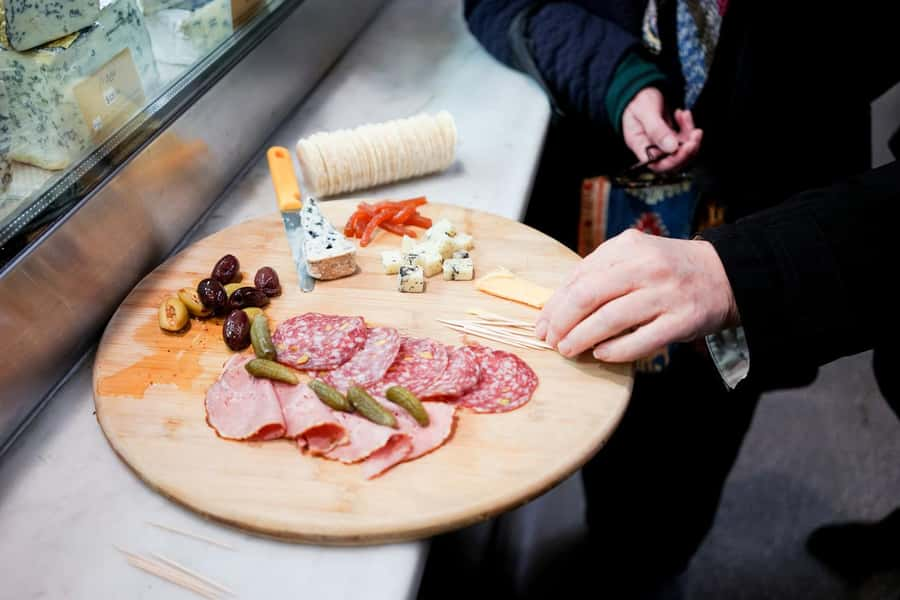
Many food tours can feel like a line of handouts. This one is stronger when the guide’s relationships with stallholders come into play.
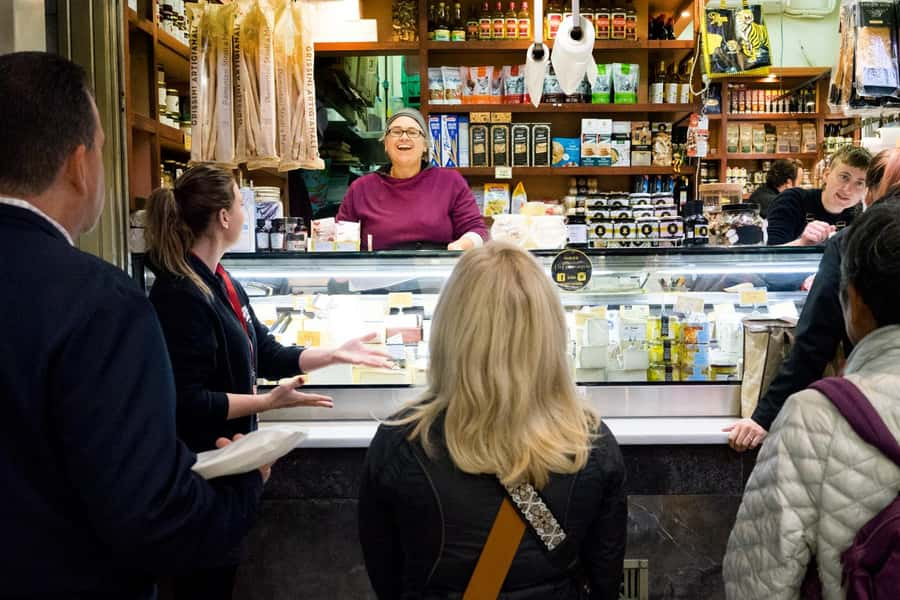
Tristan is described as having an easy rapport with the vendors, and that changes the mood at each stop. You can hear more about the product, ask questions, and see the exchange between a guide and people who work there every day. Anna is also praised for making the stops interactive and for sharing behind-the-scenes details.
That does not mean every vendor will give a long presentation. The market is a workplace, and the stalls may be busy. The value is in having someone who knows where to pause, what to ask, and which products are worth your attention.
You should also expect useful buying advice. The tour can point you toward foods to purchase later, and several people found it helpful for planning a return visit. If you are staying in an apartment or want edible gifts, bring a note on what you hope to buy and ask your guide for suggestions.
A relaxed route with room for personal questions
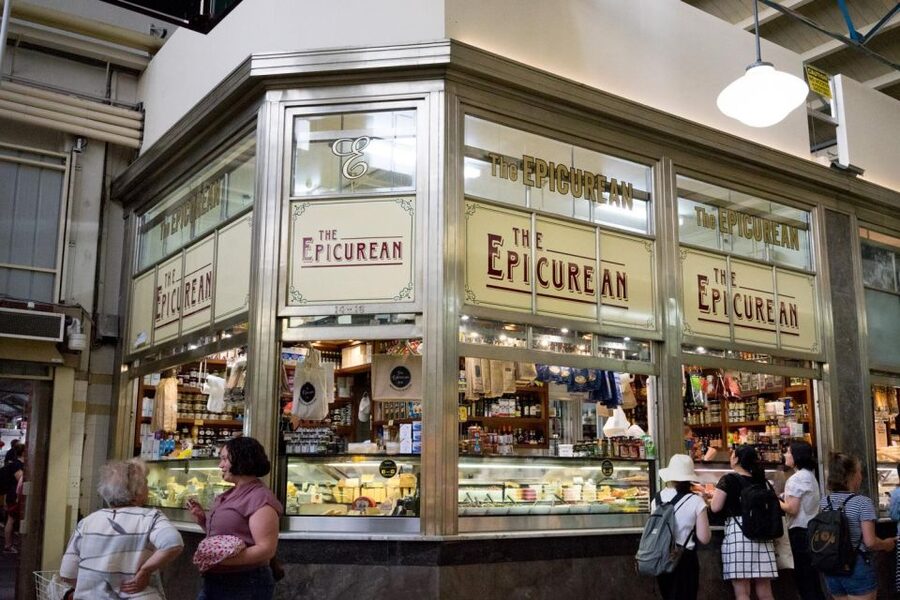
The walking is easy, but the tour is not rushed. The advertised duration is 150 minutes, while the market portion is described as about two hours. In practice, you should allow the full two and a half hours, especially if the group spends extra time talking with vendors.
A maximum of 12 people keeps the experience more manageable than a large coach-style walk. It is easier to hear, and the guide has a better chance to answer individual questions. The experience can also run with a very small number of participants. One solo participant reported that the tour went ahead with only one person, which suggests useful flexibility, though you should not assume every departure will be private in practice.
The booking information also describes the group as private. Taken with the maximum of 12, that points to a small, personal format rather than a mass-market outing. Confirm the exact arrangement when booking if having a fully private group is important to you.
Guides have tailored the walk to individual interests in the past. One guide adjusted the tour for a family and made sure a participant received a particular food experience that was not originally planned. That sort of flexibility is a nice benefit, but it depends on timing, availability, and the guide.
Is $176 a fair price?
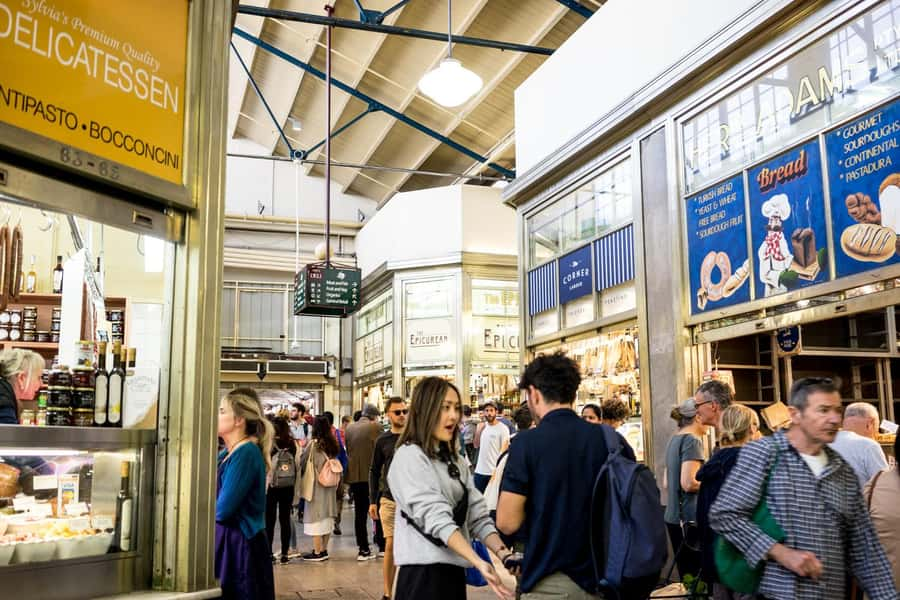
At $176 per person, this is not the cheapest way to see Queen Victoria Market. You can enter the market on your own, browse freely, and buy food directly for far less.
The price makes more sense if you value the guide’s interpretation and the tasting range. You are paying for two and a half hours of local context, an English-speaking guide, multiple samples, coffee, access to vendor conversations, and the convenience of learning where to return. A small group also costs more than a self-guided wander.
The food alone should not be your only measure of value. If you expect a full meal, unlimited samples, or expensive portions at every stop, the tour may disappoint. If you want to understand how the market fits Melbourne’s wider food culture, and you enjoy talking with traders rather than simply taking photos, the cost is easier to justify.
I see the best value for first-time visitors, solo travelers, couples, and food-focused families who plan to spend more time in Melbourne. It is also useful for people who have been to the market before but never understood its layout, history, or best buying spots.
Families, dietary needs, and access
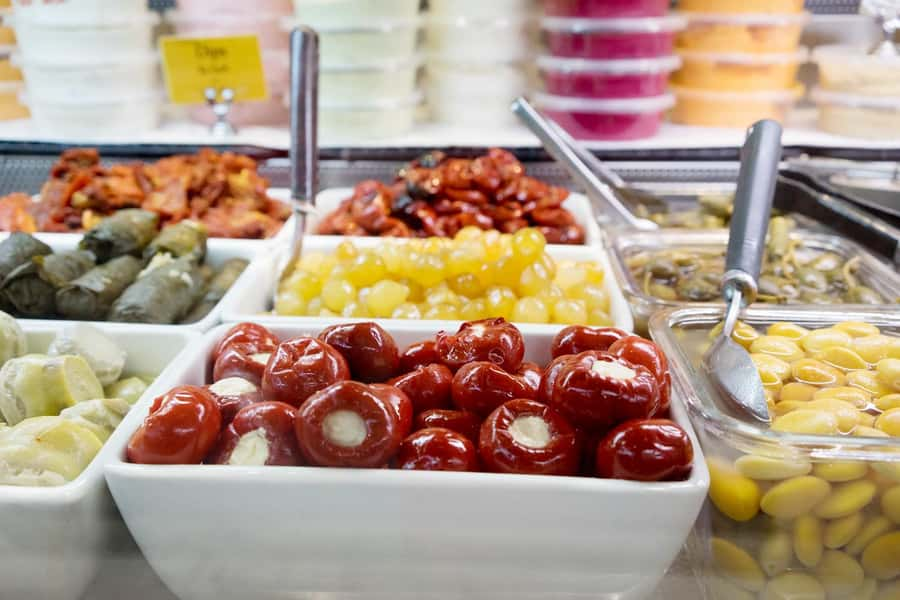
Children under six can join at no charge, and the tour is described as kid-friendly. The short walking distance helps, while the variety of samples gives older children a chance to try unfamiliar foods. A 13-year-old participant enjoyed tasting the different offerings, but younger children may not want every sample, so do not count on the tastings as a complete children’s meal.
Vegetarian, vegan, and gluten-free requests can be accommodated when you provide advance notice. That is important because market tastings can include bread, dairy, meat, and other ingredients. Ask before booking if you have a serious allergy, and tell the operator early so the guide can plan safely.
Accessibility may vary in parts of the market. The provider says some areas have limitations and asks you to communicate in advance so the experience can be adjusted. The route is easy in distance, but market surfaces, stall layouts, and crowd levels can still affect access.
Weather, clothing, and timing
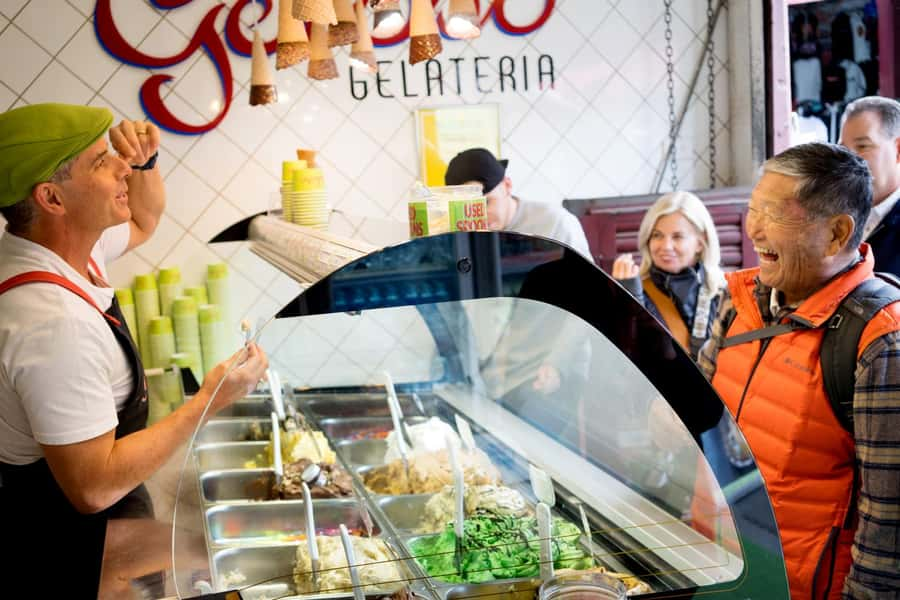
The tour runs in all weather. Bring layers, comfortable clothes, and shoes that can handle standing and walking. Melbourne weather can change during the day, and the open-air market is not a place to rely on a single light layer.
An early start is a benefit, but it may not suit someone who wants a slow morning. Check the available departure time before booking, then leave space afterward if you want to shop. The tour ends at Queen Victoria Market, so you can continue exploring without retracing your steps.
Rain will not automatically cancel the experience. Bring suitable protection and accept that the market may feel different in wet weather. The food and stories remain the focus, but photos and browsing are easier on a dry day.
What the strongest feedback tells me
The praise is unusually consistent around the guides. Tristan is often described as calm, personable, enthusiastic, and well prepared. He answers questions directly and is willing to check a detail later rather than pretend to know everything. Anna receives similar praise for her warmth, market history, and ability to explain details people usually overlook.
The next strong point is the vendor interaction. The tour works best when you see the guide greeting stallholders, asking about products, and creating a natural exchange. That makes the samples feel connected to real people and working businesses.
The food itself is another clear strength, especially the variety. Cheese, doughnuts, coffee, seafood, unusual meats, salami, sorbet, breads, honey, and spices create a broad introduction rather than a narrow specialty tour.
The one caution is time. At roughly 150 minutes, this is not a quick stop between major sights. One participant felt it took more than three hours and suggested allowing plenty of time. Even if your official duration is 150 minutes, avoid scheduling a tight appointment immediately afterward.
Should you book Melbourne Flavors?
Book it if you want a guided introduction to Queen Victoria Market, care about Melbourne’s multicultural food story, and would like several tastings without planning the route yourself. I would especially recommend it near the start of your stay, when the buying tips can shape the rest of your food plans.
Skip it if you prefer wandering alone, want a full sit-down meal, or have only a narrow window for the market. At $176, the tour earns its price through access, explanation, and personal contact, not through the volume of food alone.
For most food-minded visitors, the combination of early access, a small group, vendor relationships, and a broad tasting route makes this a strong way to meet Queen Victoria Market. Just wear good shoes, mention dietary needs in advance, and keep enough time afterward to return to the stalls that catch your eye.
FAQ
Where does the Queen Victoria Market food tour start?
It starts outside the Multicultural Hub at 506 Elizabeth Street, Melbourne VIC 3000.
Where does the tour finish?
The tour finishes at Queen Victoria Market.
How long does the experience last?
The stated duration is 150 minutes. The market portion is described as about two hours, so allow the full two and a half hours.
How much walking is involved?
The tour covers about 1 kilometer and is described as easy for all fitness levels.
What food and drinks are included?
Food tastings of local and multicultural specialties and famous Melbourne coffee are included. Past tastings have included doughnuts, cheese, charcuterie, sorbet, seafood, kangaroo, squid ink salami, breads, honey, and spices, but the exact selection may vary.
Can children join the tour?
Yes. Children under six are welcome at no charge, and the tour is described as kid-friendly.
Can the tour accommodate dietary requirements?
Vegetarian, vegan, and gluten-free requests can be accommodated when you notify the provider in advance.
What happens if it rains?
The tour operates in all weather. Bring layers and suitable clothing for the conditions.
Is cancellation available?
You can cancel up to 24 hours in advance for a full refund. A reserve-now, pay-later option is also available.
New market tours around Australia
- Sydney Harbour & Fish Market Sightseeing Cruise★ 4.5 · 4 reviews
- Sydney Fish Market: Tide to Table Seafood Tour with Drink★ 5.0 · 2 reviews
- Sydney Fish Market Discovery Tour★ 4.2 · 10 reviews
- Sydney: Fish Market Food Tour★ 5.0 · 2 reviews
- Sydney Fish Market Behind the Scenes Tour★ 5.0 · 10 reviews
- South Melbourne Market Foodie Tour★ 5.0 · 2 reviews
- Queen Victoria Market: ‘Flavours of Australia’ Food Tour★ 5.0 · 9 reviews
- Brisbane: Eumundi Markets, Noosa Gems & Afternoon Cruise★ 5.0 · 3 reviews
Australia Market Tours, side by side.
Sunshine Coast Hinterland and Noosa Day Trip from Brisbane Incl Eumundi Markets
Read our review →
Eumundi Markets Bus Transfer: Mooloolaba Sunshine Coast & Noosa
Read our review →
Adelaide: Central Market Early Risers Breakfast Tour
Read our review →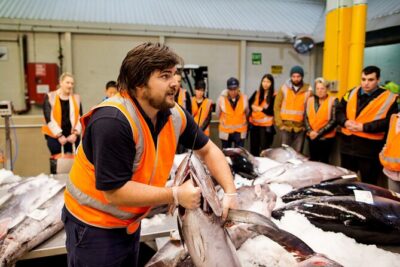
This tour also appears in