
Review · AUSTRALIA
Sydney Fish Market Discovery Tour
Sydney Fish Market is more than a place to buy prawns. On this one-hour walk, you see the Dutch auction stands, the working wharves, and the people who move seafood from boat to counter. The guide explains what makes this industry tick, with the new market building providing a striking setting.
I like the practical seafood advice, especially learning how to choose seasonal and sustainable fish. I also like the close look at oyster shucking, a small working demonstration that helps turn a familiar food counter into a place with real skill behind it.
The main drawback is value. At $35 per person, this is not a bargain if you expect a full meal or a long visit. Food and drinks cost extra, and the tour lasts only 60 minutes, so think of it as an introduction rather than a complete market day.
Key points to know before you go

- The Dutch auction is the star attraction: You stand in the auction area while your guide explains how seafood is bought and sold.
- The working wharves add context: You see commercial docks and different fishing vessels, linking the retail counters with the boats that supply them.
- Seafood advice is useful beyond the tour: You learn how seasonality, sustainability, and freshness affect what you buy.
- Oyster shucking happens up close: Expert shuckers demonstrate the work in real time.
- The new building is part of the story: The guide points out its design features while explaining the market’s next chapter.
- Plan to eat separately: Food and drinks are not included, which matters when judging the $35 price.
What the Sydney Fish Market tour actually gives you

This is a guided orientation to one of Sydney’s best-known food sites. You meet an English-speaking Seafood Educator at the Information Hub on the ground level, on the side of the building closest to the city.
From there, the tour follows the market site and returns to the same location at 1 Bridge Road. The route takes about an hour and covers both the public market areas and working parts of the operation.
I see the value in having a guide here. You can walk through the retailers on your own, but the auction stands, wharves, fishing vessels, and market history are easier to understand when someone explains how they connect.
The tour also gives you a way to look past the display counters. Instead of seeing only seafood on ice, you learn about the path from ocean to plate and the work involved in getting seafood into shops and restaurants.
More Fish Market Tours around Australia:
- Sydney Fish Market Behind the Scenes Tour
★ 5.0 · 10 reviews - Sydney Harbour & Fish Market Sightseeing Cruise
★ 4.5 · 4 reviews - Sydney Fish Market: Tide to Table Seafood Tour with Drink
★ 5.0 · 2 reviews
Starting at the Information Hub
The meeting point is simple once you know what to look for. Go to the Information Hub on the ground level, on the side of the building closest to the city.
Allow enough time to find this spot without rushing. The tour begins and ends at 1 Bridge Road, and there is no transport included, so you need to make your own way to the market.
Closed-toe shoes are required. That is a sensible rule for a working seafood centre, even though the tour itself is only an hour. Pets and smoking are not allowed.
The meeting point also makes the tour easy to fit into a larger visit. You can take the guided walk first, then return to the retailers afterward for food shopping or a meal. Since no food or drink is included, this order gives you a chance to decide what you want to eat after learning more about the market.
The auction stands and the Dutch method
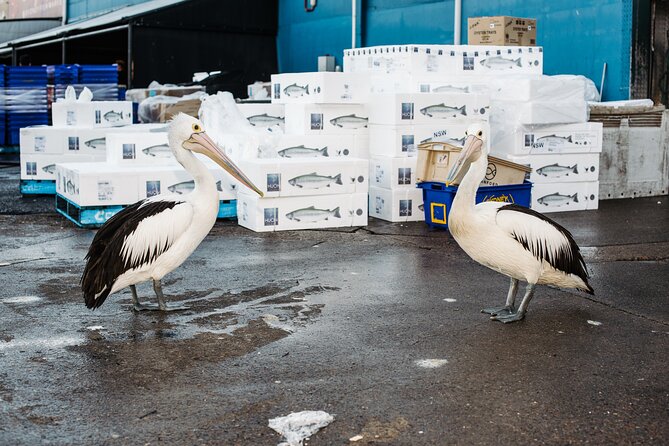
The auction stands are one of the most distinctive parts of the walk. Your Seafood Educator explains how the Dutch auction operates, giving you a better sense of the business side of seafood.
This matters because the auction is not just a curious market tradition. It helps explain how price, supply, timing, and demand shape what eventually appears at the counters.
You should not expect to take part in the auction or buy seafood directly through it. The useful part is watching the setting and hearing how the system works. For anyone interested in food production, trade, or the link between fishing and retail, this is likely the tour’s strongest section.
It also helps you understand why prices can change. The tour does not promise a lecture on every species or market rate, but it gives you a framework for thinking about seafood as a commercial product, not simply a dish on a menu.
Commercial wharves and fishing vessels
The route also reaches the commercial wharves. Here, the market feels more connected to the sea and less like a food hall.
You see different types of fishing vessels and hear about the working side of the industry. The exact vessels you encounter may vary, but the point is clear: the market depends on boats, crews, landing areas, handling, and timing long before seafood reaches a retailer.
This is a useful part of the tour if you want a more grounded understanding of Sydney’s seafood trade. The wharves show that the market is a working business, not just a sightseeing stop.
The practical limitation is time. With only 60 minutes, the guide has to cover the wharves, auction stands, building, retailers, history, and seafood advice at a brisk pace. You get a broad view rather than a long look at any one part.
More market tours around Australia:
- Queen Victoria Market Ultimate Foodie Tour
★ 5.0 · 295 reviews - Adelaide Central Market Discovery Tour
★ 5.0 · 203 reviews - Sunshine Coast Hinterland and Noosa Day Trip from Brisbane Incl Eumundi Markets
★ 4.5 · 189 reviews - Eumundi Markets Bus Transfer: Mooloolaba Sunshine Coast & Noosa
★ 5.0 · 84 reviews
The new building and the market’s past
The guide discusses the new building’s design features as you walk through the site. Architecture may not be your main reason for booking a seafood tour, but it gives the visit another layer.
You learn how the new seafood hub is designed and hear about the market’s history and future. That helps place the current market in context. The building is not just a backdrop for the retailers. It is part of the market’s continuing story.
I especially like this combination of old and new. You get the working traditions of auctions, fishmongers, wharves, and oyster shucking alongside a newer public building designed to welcome visitors.
Do not expect a long historical walking tour. The history is one part of a wider introduction. If you want dates, detailed architecture, or an extended account of Sydney’s seafood trade, the hour may feel brief. If you want a clear explanation while moving through the market, the balance works better.
Learning how to buy better seafood
The most useful takeaway may be the seafood guidance. Your educator explains how to pick seasonal and sustainable seafood, which gives you advice you can use after leaving Sydney.
Seasonality matters because availability and quality change through the year. Sustainability matters because the method and source of seafood affect the wider industry. The tour does not turn you into a fishmonger in an hour, but it helps you ask better questions and make more informed choices.
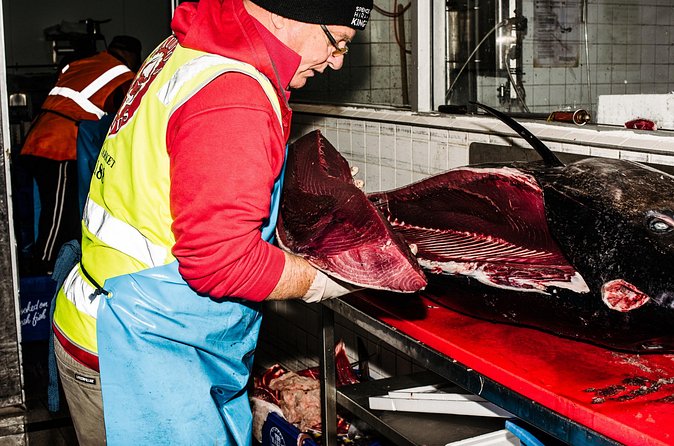
You also learn what it means to be a fishmonger. That is more useful than simply memorizing names of fish. A fishmonger works at the point where product knowledge, handling, presentation, and customer advice meet.
This section is likely to appeal to people who enjoy food markets but want more than a quick walk past the counters. It is also useful for families and first-time visitors who want an easy introduction to seafood without committing to a longer cooking class or food tour.
Oyster shucking in real time
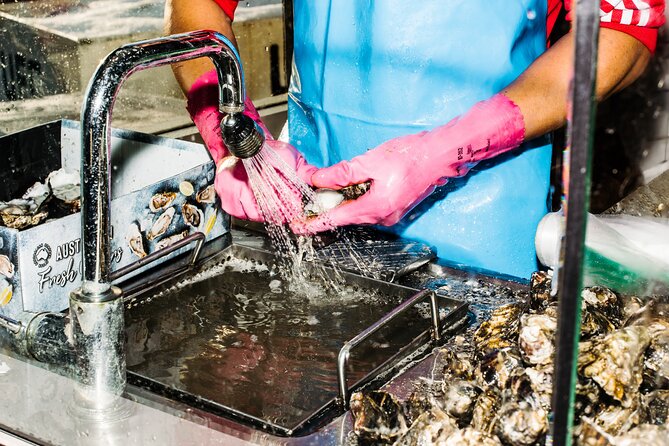
Oysters are shucked by experts during the tour, close enough for you to see the work as it happens. This is a small feature, but it gives the visit a hands-on feel without asking you to handle anything yourself.
Shucking looks simple until you watch someone do it properly. The demonstration shows the care and control needed to open an oyster without damaging the shell or the meat.
One recent participant also praised the food they were able to try, but you should not assume that a tasting or meal is part of every booking. The official inclusions list covers the 60-minute guided tour only, and food and drinks are specifically excluded.
That distinction matters. If you are booking because you want lunch, add your own market meal to the plan. The tour can lead naturally into eating, but it does not include a fish and chip finish.
How the $35 price measures up
The price is $35 per person. I consider that fair for a focused introduction if you care about how the market works and want access to the working story behind the retail displays.
The price is less attractive if you mainly want to browse, eat, and take photographs. You can visit the market without paying for a guided walk, and the tour does not include transport, food, or drinks.
The best value comes from the explanation. You are paying for an educator who brings together the auction, fishing vessels, wharves, market history, building design, seafood buying, and oyster shucking in one short route.
The weaker value comes from the short duration. One hour goes quickly, especially if the guide covers several parts of the market. A fish and chip meal is not included, so budget separately if you want a complete food stop.
Feedback on the experience is generally positive, with a rating of 4.2 from 10 reviews. Praise focuses on the interesting market information, the food selection, and the guide’s skill. Michael, one guide named in the feedback, was singled out for his passion and strong understanding of seafood and the market.
At the same time, one person felt the tour was overpriced because no meal was included. I think that is a fair warning. Book for the guided access and useful context, not for a discounted lunch.
Who will get the most from this hour
I would recommend the tour to first-time visitors who want a clear introduction before exploring the market on their own. It also suits people who enjoy food systems, fishing, architecture, and local industry.
Families may like the mix of boats, auctions, seafood displays, and oyster shucking. The hour is short enough to fit around other Sydney plans, though younger children may get more from the visible market activity than from the business explanation.
Seafood fans should find the seasonal and sustainable buying advice useful. If you already know the market well, the tour may feel basic unless the auction and fishing industry are new subjects for you.
This is also a good option for visitors who prefer a guide over reading signs or wandering without a plan. The route gives you a starting point, and you can return to the retailers afterward with a better idea of what you are seeing.
The experience is wheelchair accessible, which makes it suitable for many visitors with mobility needs. You still need closed-toe shoes, and you should arrange your own transport to and from the market.
Practical planning for the visit
Book this as a one-hour activity, not as an all-day tour. The itinerary begins at 1 Bridge Road, visits the Sydney Fish Market, and returns to the same location.
The guide speaks English, and the tour is conducted in English. If you need another language, this experience does not list one.
Because food and drinks are not included, plan your meal before or after the walk. The market’s food selection is one reason to spend extra time on site, but you pay for anything you eat separately.
The flexible booking terms are useful if your Sydney plans may change. You can cancel up to 24 hours ahead for a full refund, and you can reserve now and pay later. Check the available starting times when booking, since the tour runs at set times rather than whenever you arrive.
Should you book the Sydney Fish Market Discovery Tour?
Book it if you want to understand the market behind the seafood counters. The auction stands, commercial wharves, fishing vessels, and oyster shucking give the hour enough variety, while the advice on seasonal and sustainable seafood adds practical value.
Skip it if you only want a meal or a quick browse. At $35, the tour makes the most sense when you value explanation and access to the working side of the market. Plan to buy your own food afterward, and you will have a fuller visit.
FAQ
Where does the Sydney Fish Market tour start?
Meet your guide at the Information Hub on the ground level, on the side of the building closest to the city.
How long does the tour last?
The guided tour lasts 60 minutes, or one hour.
Where does the tour finish?
The tour returns to 1 Bridge Road, the same location listed as the starting point.
What is included in the price?
The price includes a one-hour tour hosted by an experienced Seafood Educator.
Are food and drinks included?
No. Food and drinks are not included in the tour price.
What language is the tour conducted in?
The live tour guide speaks English, and English is the listed tour language.
Is the tour wheelchair accessible?
Yes. The activity is listed as wheelchair accessible.
What should I bring, and what is not allowed?
Bring closed-toe shoes. Pets and smoking are not allowed.
New market tours around Australia
- Sydney Harbour & Fish Market Sightseeing Cruise★ 4.5 · 4 reviews
- Sydney Fish Market: Tide to Table Seafood Tour with Drink★ 5.0 · 2 reviews
- Sydney: Fish Market Food Tour★ 5.0 · 2 reviews
- Sydney Fish Market Behind the Scenes Tour★ 5.0 · 10 reviews
- South Melbourne Market Foodie Tour★ 5.0 · 2 reviews
- Queen Victoria Market: ‘Flavours of Australia’ Food Tour★ 5.0 · 9 reviews
- Melbourne Flavors: Queen Victoria Market Food Tour★ 4.8 · 63 reviews
- Brisbane: Eumundi Markets, Noosa Gems & Afternoon Cruise★ 5.0 · 3 reviews
Australia Market Tours, side by side.



Sunshine Coast Hinterland and Noosa Day Trip from Brisbane Incl Eumundi Markets
Read our review →
Eumundi Markets Bus Transfer: Mooloolaba Sunshine Coast & Noosa
Read our review →
Melbourne Flavors: Queen Victoria Market Food Tour
Read our review →
Adelaide: Central Market Early Risers Breakfast Tour
Read our review →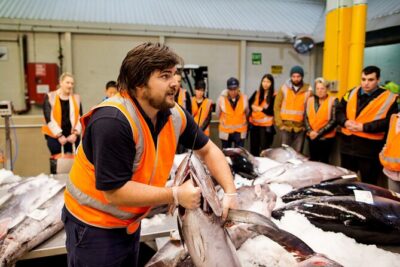
This tour also appears in