Review · CHINA
Old Guangzhou Backstreet Alley Local Market Walking Private Tour
The best part of this Guangzhou tour is its look at ordinary city life. You move through old residential lanes, food markets, public parks, and shopping streets, seeing people play shuttlecock, practice Mahjong, sing Cantonese opera, and shop for daily needs. Guide Damon can shape the day around your interests, rather than marching you through a fixed script.
I like the private format and the use of public transport. You get one-on-one help, a chance to ask questions, and a more local way to move around Guangzhou. I also like the mix of polished sites and rough-edged market streets. The main drawback is the $180 per-person price, which is easier to justify for a small group than for one person, and hotel drop-off, food, and any paid admissions are extra.
Key Points
- Old Guangzhou beyond the headline sights: Walk through Qilou buildings, residential lanes, parks, markets, and local shopping streets.
- A flexible private day: The tour lasts about 3 to 10 hours, so Damon or another local guide can adjust the pace and focus.
- Public transport included: Metro and bus costs are covered, giving you a practical look at how people get around the city.
- Cantonese culture in daily life: Look for opera singing, traditional instruments, Mahjong, dancing, and shuttlecock games.
- Six contrasting stops: The route links Yong Qing Fang, Lychee Bay, Shangxiajiu, Qingping Medicine Market, and other old Guangzhou sites.
- Best for curious small groups: Hotel pickup and a private guide make this useful for couples, families, and friends who want personal attention.
Old Guangzhou Begins in the Back Lanes
This is not a greatest-hits tour built around grand monuments. It is a day of small scenes: a wooden sliding door, a vegetable stall, a Cantonese opera melody drifting across a park, or people gathering for a game in the open air.
That focus gives the tour its character. Guangzhou can feel like a huge modern city, but its older districts still show how homes, shops, markets, and public spaces fit together. Your guide helps connect those pieces, explaining the customs and local history as you walk.
The experience is private, and only your group takes part. That matters here because the route involves narrow streets, public transport, and stops where you may want to pause or ask questions. If you are interested in architecture, food culture, local routines, or Cantonese traditions, you can ask for more time in those areas.
Damon is one named guide associated with this experience. His approach is described as flexible, with the ability to tailor the day to your interests. He also has experience with larger groups, so the format can work for a couple, a family, or a bigger party traveling together.
More Local and Farmers Market Tours in China
- Half-Day Chengdu Cooking Class with a Local Market Visit
★ 5.0 · 465 reviews - Half-Day steamed Buns Cooking Class with a Local Market Visit
★ 5.0 · 26 reviews - Half-Day Professional Mapo Tofu Cooking with a Local Market Visit
★ 5.0 · 19 reviews
Yong Qing Fang and the Art of Gentle Renewal

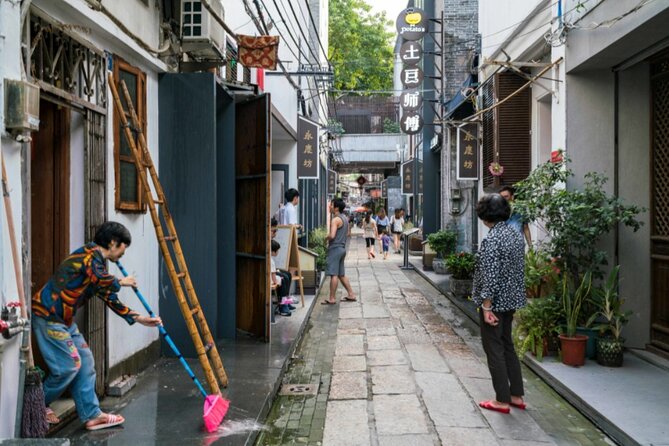
The first stop, Yong Qing Fang, shows how Guangzhou has updated an old neighborhood without wiping away its earlier character. The area is an example of what is described as micro modification: adding new shops and younger energy while keeping the shape and feel of the older residential district.
You get about an hour here. That is enough time to notice the contrast between preserved buildings and newer commercial activity. It is a useful starting point because it raises a question you will see throughout the day: how can an old neighborhood remain part of modern Guangzhou?
The area is not purely residential anymore. Commercial culture is part of the experience, and some visitors may find it more polished than the market streets later in the route. Still, Yong Qing Fang helps you understand the city’s approach to older districts before you enter less formal parts of the neighborhood.
Your guide can point out the details that are easy to miss when walking alone. Look at the building fronts, the way businesses use the older structures, and the shifts between public shopping areas and quieter lanes.
Qilou Buildings in XiGuan MinSuGuan
At XiGuan MinSuGuan, the focus turns to traditional Cantonese architecture. You walk into a local neighborhood to see Qilou buildings, a style known for covered walkways and upper floors built above the street.
These buildings once belonged to wealthy families, and their large wooden sliding doors give the area a sense of an earlier social order. They are not just pretty façades. They show how homes, shops, shade, and foot traffic worked together in a dense urban district.
The stop lasts about 30 minutes, so expect a short architectural walk rather than a full museum visit. That is enough for a clear introduction, but you may want to ask your guide to spend more time here if old buildings are your main interest.
This is also one of the places where a private tour has an advantage. You can ask about the people who once lived in these homes, the purpose of the doors, or the changes brought by modern city life. The experience is strongest when you treat the neighborhood as a living place, not simply a row of old buildings.
Lychee Bay Park and Everyday Cantonese Culture
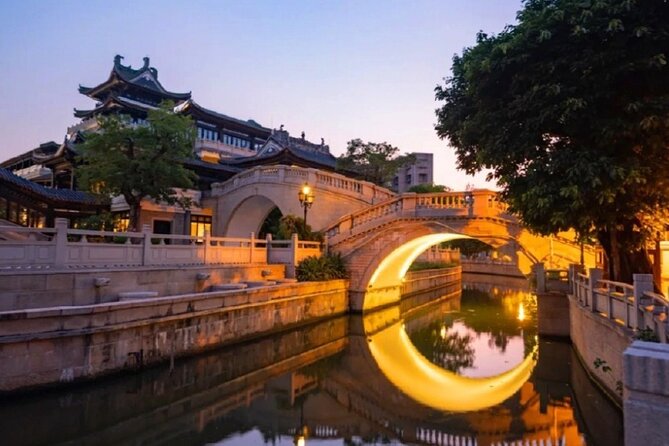
Lychee Bay Scenic Area offers a change of pace. After walking through streets and buildings, you reach a public park with bridges, pavilions, and water views.
The park is used by local people for leisure. You might see residents playing traditional instruments, singing Cantonese opera, or taking part in other familiar activities. These moments are central to the tour because they show culture as something people practice, not just something placed behind glass.
You have around 30 minutes here. The stop is short, but the setting gives you a chance to slow down and watch. If music and local customs interest you, tell your guide. The private format makes it easier to linger when something catches your attention.
The park should not be treated as a major sightseeing attraction on its own. Its value comes from the people using it and the way it fits into neighborhood life. The bridges and pavilions add atmosphere, but the real point is seeing how public space works in old Guangzhou.
Same city, another market:
- Mini Group Xian Day Tour to Terracotta Army, City Wall, Pagoda and Muslim Bazaar
★ 5.0 · 1,320 reviews - Shanghai Day Tour to Zhujiajiao Water Town, Yu Garden, Bazaar, Bund
★ 5.0 · 162 reviews - Organic Chinese Dumpling Class with Market Walk
★ 5.0 · 88 reviews - Flavors of Beijing: Eat Like A Real Chinese
★ 5.0 · 78 reviews
Cantonese Opera Behind the Costumes
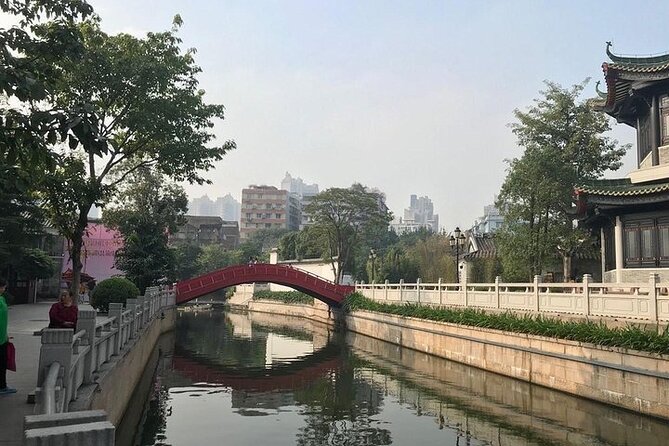
The Cantonese Opera Art Museum gives the tour a more organized look at one of the region’s defining art forms. You learn about costumes, facial makeup, traditional instruments, and martial arts connected with Cantonese opera.
This stop also lasts about 30 minutes. That is enough to see the main displays and get the basic structure of the art form, though it is not a long study session. If you have already seen Cantonese opera, you may find the museum familiar. If you are new to it, the stop gives useful context for the singing and music you may encounter in local parks.
The museum is set within an attractive area, so the visit combines displays with a pleasant walk. Ask your guide to explain how the costumes and painted faces help identify characters, if that subject interests you.
The value here is the link between formal culture and daily life. Earlier, you may see people singing or playing instruments in a park. Here, you can place those sounds and movements within a broader Cantonese tradition.
Shangxiajiu Pedestrian Street Without the Tourist Script
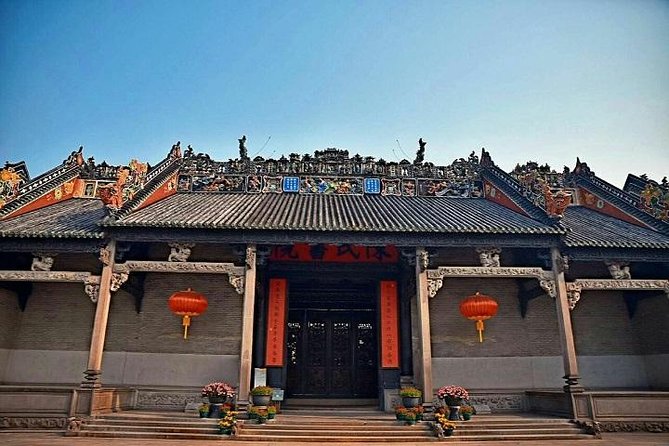
Shangxiajiu Pedestrian Street brings you into one of old Guangzhou’s main shopping zones. The street is popular with local people and lined with shops and vendors selling clothing, shoes, jewelry, snacks, and other goods.
You spend about an hour here. It is a practical place to observe how people shop, eat, and move through a commercial street. Look up at the Chinese-style decoration, then compare it with the stores and street activity at ground level.
This stop may feel less quiet than the residential lanes, and it is not a place for solitude. If you want a calm historical walk, the street could be a little much. If you want to see ordinary retail life and sample the energy of a local shopping area, it earns its place on the route.
Food is not included, but you may buy local snacks if you wish. Your guide can help you navigate the choices, though the cost is yours and your guide’s if you decide to eat together. That arrangement is worth remembering when you plan your budget.
Qingping Medicine Market and the Daily Grocery Run
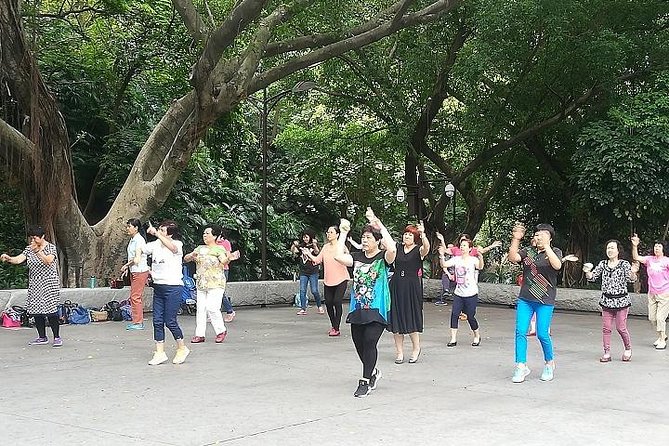
Qingping Medicine Market is the most market-focused part of the experience. The stop includes a local grocery and vegetable market, where you can watch people buying ingredients for daily meals, followed by the medicine market with its herbs and spices.
This is where the tour moves furthest from standard sightseeing. You are not simply looking at old buildings. You are seeing the goods people handle, sell, and use in everyday life.
The market visit lasts about 30 minutes, which gives you an introduction rather than a full exploration. The displays may be unfamiliar, and the market can be more interesting if you ask your guide about what you are seeing instead of trying to identify everything alone.
The medicine market also brings up an important point about travel in Guangzhou: some parts of local life are easy to misunderstand without context. Your English-speaking guide can explain the role of the products and help you observe respectfully. You should not assume that every item is intended for visitors or for casual purchase.
Why Public Transport Is Part of the Experience
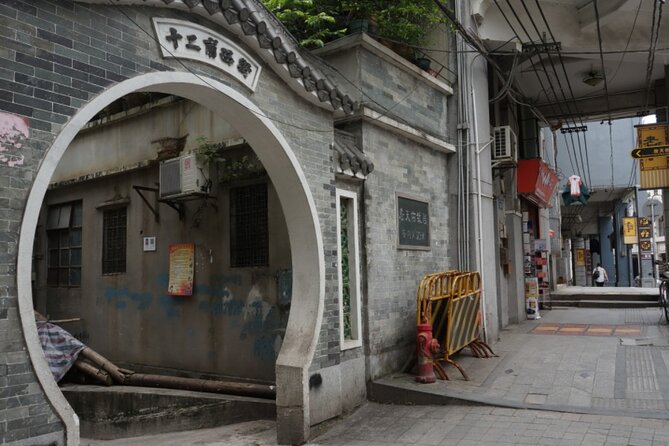
Metro and bus costs are included, and your guide helps you move around using public transport. That is more than a cost-saving detail. It gives you a practical view of Guangzhou between the stops.
A private vehicle would make the day more sealed off from the city. Using buses and the metro means you see the transitions between neighborhoods, deal with the same transport system used by local people, and get a better sense of the city’s scale.
The tradeoff is comfort and control. Public transport takes longer than a private car in some situations, and the day includes walking, transfers, and time spent getting from one district to another. If you have mobility concerns, ask about the route before booking, since the available information only says most people can participate.
Hotel pickup is included. Hotel drop-off is not, so plan to finish the day independently. The pickup makes the start easy, but the end requires a little more attention to where you want to go next.
What $180 Per Person Really Buys
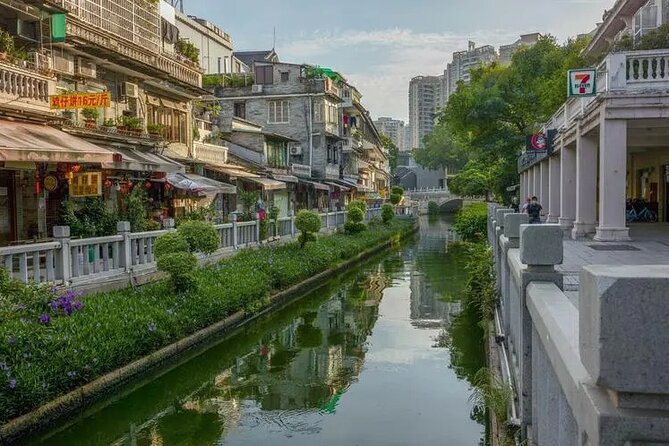
At $180 per person, this is not a budget walking tour. The price makes the most sense when you value private guiding and personal attention more than simply checking off sights.
You are paying for a full escort by an English-speaking local guide, hotel pickup, and public transport costs. The private format also lets you shape the experience around architecture, markets, Cantonese culture, or daily life. For a group that wants a custom day without joining strangers, that can be fair value.
The value is weaker for a solo visitor who wants only a short orientation. The listed duration ranges from about 3 to 10 hours, and the six stops add up to roughly four hours before transport, meals, and extra time are considered. A short version may suit a tight schedule, while a longer day gives the guide room to slow down and follow your interests.
Admission tickets, if any are needed, are extra. Food and snacks are extra for both you and the guide if you choose to eat together. There is also no hotel drop-off. Add those costs before deciding if the total fits your plans.
The tour is often booked about 25 days ahead, so booking early is sensible if your dates are fixed. Confirmation is sent within 48 hours, subject to availability. The cancellation policy is strict: the booking is non-refundable and cannot be changed for any reason.
Who Will Get the Most From This Walk
I would choose this tour if you have already seen Guangzhou’s major sights, or if you prefer neighborhoods and markets to large landmark visits. It is also a good fit if you want a guide who can explain what you are seeing as you go.
Couples and small groups will get the strongest value from the private price. Families may appreciate hotel pickup and the ability to adjust the pace, though the walking and public transport make this less suited to anyone who needs a fully vehicle-based outing.
The tour also suits visitors with a clear interest in Cantonese culture. The combination of Qilou architecture, opera, public parks, shopping streets, and medicine markets gives you several ways into the city.
I would think twice if you want a tightly timed sightseeing circuit, a luxury vehicle, or all meals and admissions included. This is a flexible neighborhood day, not a polished package with every expense covered.
Should You Book This Guangzhou Tour?
Book it if you want to see Guangzhou through its streets, shops, parks, and markets, and if you value having Damon or another English-speaking guide adjust the day to your interests. The strongest moments are likely to come from the small details: a local opera performance in a park, a traditional doorway, or the activity inside a market.
Skip it if $180 per person feels high for a walking and public transport experience, especially if you are traveling alone. Also skip it if you prefer famous attractions and a fixed schedule. For curious couples, families, and friends who want a private look at old Guangzhou, this offers a useful and personal way to spend three to ten hours.
FAQ
Where does the Old Guangzhou tour take place?
The experience takes place in Guangzhou, China, with visits to old neighborhoods, markets, parks, shopping streets, and cultural sites.
How long does the tour last?
The tour lasts approximately 3 to 10 hours, depending on the version of the day and how the private experience is arranged.
Is this a private tour?
Yes. Only your group participates, and the tour is led by a local English-speaking guide.
Is hotel pickup included?
Yes. Hotel pickup is included, but hotel drop-off is not included.
Are metro and bus costs included?
Yes. Public transportation costs, including metro and bus tickets, are included.
Are food and admission tickets included?
No. Local food and snacks are optional and cost extra. Tourist attraction admission tickets, if needed for you and the guide, are also extra.
Can the tour be canceled or changed?
No. The experience is non-refundable and cannot be changed for any reason after booking.
More Private Market Tours around China
- Private Beijing Markets Tour with Tea Tasting at Hongqiao Pearl Market
★ 5.0 · 18 reviews - 6-Hour Private Beijing Tour: Flower and Fish Market, Panjiayuan Antique Market and 798 Art Zone
★ 5.0 · 7 reviews - Shanghai: Jing’an Temple, Yu Garden, and Bazaar Private Tour
★ 5.0 · 3 reviews - Cairo 8 Hour Private Tour of Pyramids, Egyptian Museum and Bazaar
★ 5.0 · 2,931 reviews
More Market Walking Tours in China
- Organic Xiao Long Bao Soup Dumpling Class & Market Walk
★ 5.0 · 62 reviews - Hong Kong Market Walking Tour & Chinese Cooking Class
★ 5.0 · 24 reviews - Bangkok: City Highlights Temple and Market Walking Tour
★ 4.5 · 3,990 reviews - Tokyo Tsukiji Fish Market Food and Culture Walking Tour
★ 5.0 · 3,184 reviews
New market tours around China
- Shanghai: Jing’an Temple, Yu Garden, and Bazaar Private Tour★ 5.0 · 3 reviews
- Xi’an: Terracotta Army, Lunch, City Wall, Pagoda, Bazaar★ 5.0 · 72 reviews
- Local Market Shopping Guide★ 4.8 · 4 reviews
- Hangzhou Insider Mini-Hike: TCM, Hill Views and Wet Market★ 5.0 · 3 reviews
- Chengdu: Cooking Class with Fresh Market Half Day Experience★ 5.0 · 42 reviews
- Beijing Market Tour with 10-course Family Feast★ 5.0 · 3 reviews
- Beijing: Vegan Home Cooking & Local Market Tour with Sanxia★ 4.8 · 4 reviews
- Beijing: Dumpling-Making Class with wet Market visit★ 5.0 · 9 reviews
China Market Tours, side by side.
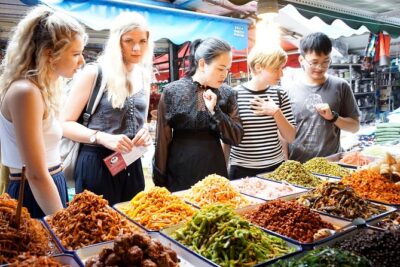
Half-Day Chengdu Cooking Class with a Local Market Visit
Read our review →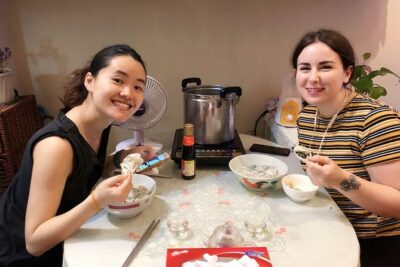
Organic Chinese Dumpling Class with Market Walk
Read our review →
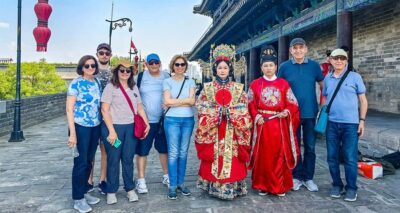
Xi’an: Terracotta Army, Lunch, City Wall, Pagoda, Bazaar
Read our review →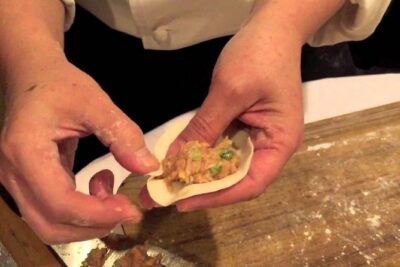
Organic Xiao Long Bao Soup Dumpling Class & Market Walk
Read our review →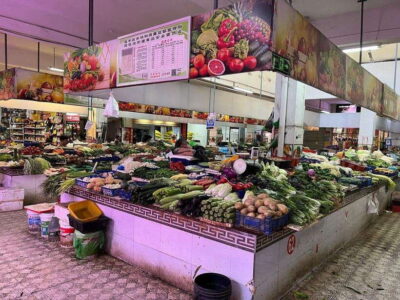
Chengdu: Cooking Class with Fresh Market Half Day Experience
Read our review →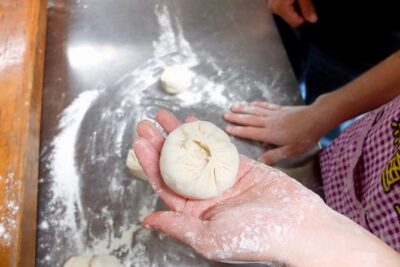
Half-Day steamed Buns Cooking Class with a Local Market Visit
Read our review →