
Review · TEL AVIV
Tel Aviv: Carmel Market Food Tasting Tour “Shuk Hacarmel”
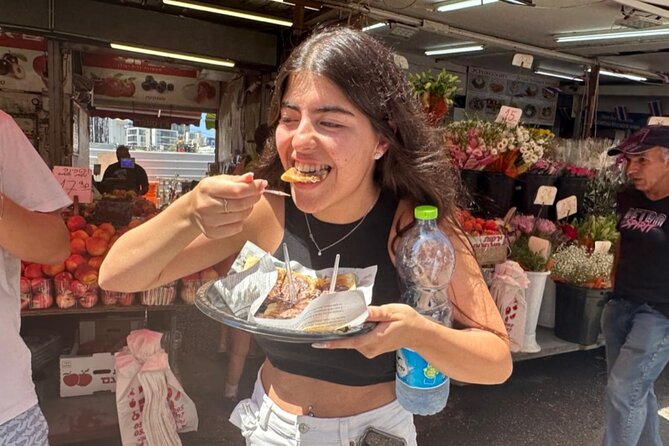
Carmel Market is at its best when you stop treating it as a place to shop and start tasting your way through it. This tour takes you past family-run stalls, bakeries, spice counters and small food stands, with a strong Yemenite thread running through the menu. You may see an older vendor stretching pita-like dough over a pillow, hear music from the market’s central lanes, and eat lunch one bite at a time.
I especially like the generous food portion, which is meant to replace a substantial lunch, and the chance to learn directly from vendors who have worked here for generations. I also like the compact route, about ¾ mile, which gives you a good introduction without turning the market into an exhausting march.
The main caution is timing. The experience is advertised as 90 minutes, yet some bookings have lasted closer to an hour, and the included information also mentions 2.5 hours. If you want a long, carefully paced food crawl with drinks and fruit, this may feel light. If you want a quick introduction to Carmel Market, that shorter pace may suit you.
Key Points at a Glance
- Yemenite flavors lead the way: Expect malawach, a shredded beef pita sandwich and other foods shaped by Jewish communities from Yemen and the wider Middle East.
- Lunch-sized tastings: The samples are intended to add up to a substantial lunch, not just a few nibbles.
- A short market route: The walk covers about 1.2 kilometers through Carmel Market’s crowded lanes.
- Generational vendors: Your guide introduces you to family-run stalls and explains how the market helped Tel Aviv grow.
- English guidance with a personal touch: Alina has received especially strong praise, though the guide may vary by date.
- Timing needs attention: The stated duration is 90 minutes, but some past departures have run shorter, while another description lists 2.5 hours.
Starting at Poli House and Allenby Street
You meet on the corner outside the Poli House hotel, where Allenby Street meets Carmel Market. This is a practical meeting point because the market begins right there, with no long transfer or separate entrance to find.
I would arrive a little early. Carmel Market has plenty to distract you, and the corner can feel busy with pedestrians, shopfronts and market traffic. You will want to confirm the guide before buying food on your own, since the tasting stops are part of the tour price.
The route is not designed as a formal museum visit. It is a walk through working market lanes, where food, clothing, household goods and small shops share the same space. The first part may include stalls selling inexpensive goods and everyday items before the route turns toward the market’s main food area. That change is part of the experience: Carmel is not a polished food hall, but a real neighborhood market with many kinds of trade packed together.
The short route also makes this a reasonable first activity after arriving in Tel Aviv. You get an introduction to the city’s food culture without committing half a day. At the same time, you should not expect every corner of the market to receive a long explanation. The focus stays on eating, local stories and the atmosphere around the stalls.
More Market Food Tours in the world:
- Dubai: Old Town, Creek, Museums, Souks, & Street Food Tour
★ 4.8 · 10,816 reviews - Dubai: Old Town, Souks, Street Food, Guided Tour & Abra Ride
★ 4.9 · 7,170 reviews - Dubai Aladdin Tour: Souks, Creek, Old Dubai and Tastings
★ 5.0 · 3,755 reviews
Why Carmel Market Matters to Tel Aviv Food
Carmel Market reflects the way Israeli food developed from many traditions at once. The tour connects dishes and ingredients to Jewish communities from North Africa, the Middle East and Europe, while also showing how Mediterranean produce and local market habits shape what people eat today.
That context matters because the food can look simple at first. A piece of bread, a spoonful of hummus or a plate of falafel may not seem unusual on its own. Your guide helps explain why these foods became such a familiar part of daily life and how migration shaped the country’s cooking.
The market also gives you a sense of Tel Aviv’s growth. It began as a place for trade and daily shopping, but it now sits in a city known for restaurants, nightlife and a strong café culture. Here, you see the older commercial side of Tel Aviv alongside newer food businesses and young shoppers.
I like this approach more than a tour that only lists dishes. You learn that food is tied to family, migration, religion, work and neighborhood life. The history portion is most useful when it stays connected to what you are holding or eating.
One caution: if you already know a lot about Jewish and Middle Eastern history, some of the general explanations may feel basic. One booking described the historical discussion as similar to material learned in school. The food and vendor contact may be the stronger part for an experienced visitor.
The First Tastes: Bread, Malawach and Market Staples
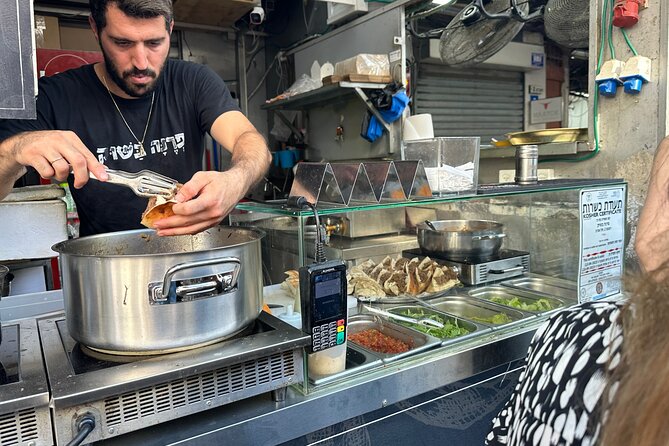
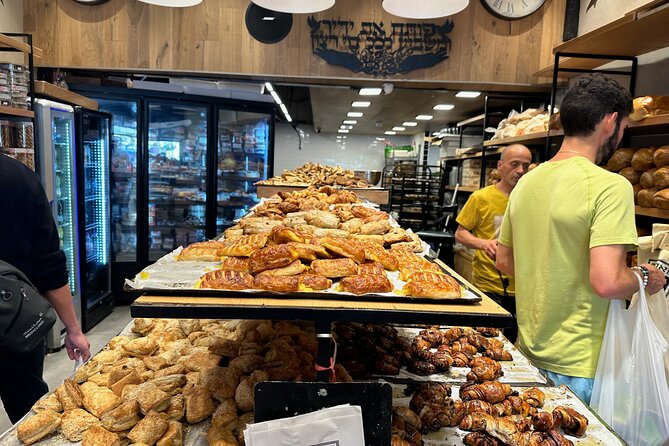
The tasting route includes malawach, one of the clearest signs of the tour’s Yemenite angle. Malawach is a layered, pan-fried bread that can be served in sandwich form. On this tour, it appears as a malawach sandwich, giving you a filling introduction to the texture and flavor of Yemenite cooking.
The sandwich is not a tiny sample. The tastings together are intended to equal a substantial lunch, so pace yourself. It is easy to eat quickly in a market, especially when the food arrives hot and the next stall is close by, but you may find the later stops harder if you finish every portion at once.
You may also taste freshly baked bread and a shredded beef sandwich in pita. These stops show two sides of market food: bread as a central ingredient and meat served in a fast, practical format. The pita is familiar to many people, but the seasoning, fillings and setting give it a stronger sense of place than a standard restaurant version.
The bread focus is both a strength and a possible weakness. Several tastings are bread-based, which makes the meal filling but less varied than some food-market tours. If you are hoping for fruit, drinks or a wide range of light vegetable dishes, you may find the selection narrow.
Still, these foods make sense for a walking lunch. They are portable, substantial and easy to serve in a crowded market. You are not sitting through a long meal. You are eating the way a market encourages you to eat, in small pauses between stalls.
Falafel, Hummus, Sabich and Syrian Olives
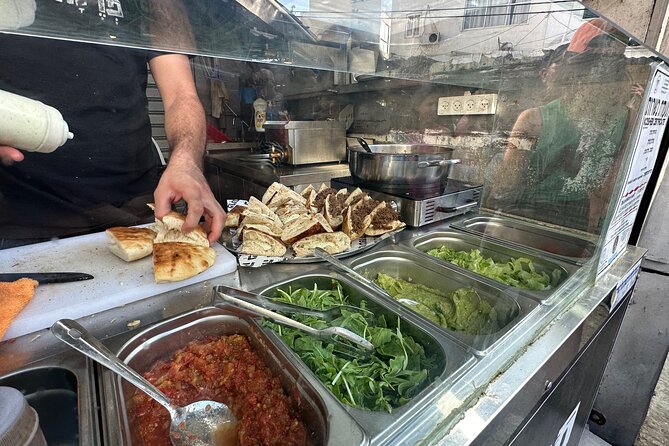
The middle portion brings in some of the foods most visitors associate with Israeli and Middle Eastern eating. Fresh falafel, creamy hummus and sabich are listed among the stops, along with Syrian olives and other market ingredients.
Falafel gives the tour a familiar reference point, but freshness matters. A crisp exterior and soft center can tell you more about a stall than a long lecture can. Hummus offers a different texture and pace, especially when eaten with bread or pita. Together, these dishes help you compare fried, creamy and stuffed foods within one short route.
Sabich is especially useful for understanding how Israeli street food combines different influences. It is usually built around eggplant and other fillings, and here it appears as part of a broader introduction to local food rather than as an isolated restaurant dish. The tour’s Yemenite focus is joined by flavors connected to other Jewish communities and Middle Eastern traditions.
The olives and spices add welcome relief from the heavier sandwiches and breads. Carmel Market is a good place to notice ingredients before they become prepared food. Fragrant spices, pickled items, olives and baked goods show you the building blocks of the cuisine.
I would not expect a tasting menu with exact portions or a printed list of every ingredient. This is a live market walk, and the precise order may depend on the stalls, the guide and the day. The appeal is the setting and the contact with vendors, not a formal restaurant-style progression.
More market tours around the world:
- Bangkok: Damnoen Saduak Market and Maeklong Railway Market
★ 4.5 · 26,723 reviews - The Old Siam: Damnoen Saduak and Maeklong Railway Market
★ 4.5 · 10,992 reviews - Bangkok: Train Market & Floating Market with Boat Ride
★ 4.7 · 9,547 reviews - From Bangkok: Ayutthaya & Ayothaya Floating Market Day Trip
★ 4.7 · 6,084 reviews
Sweet Stops with Halva and Baklava
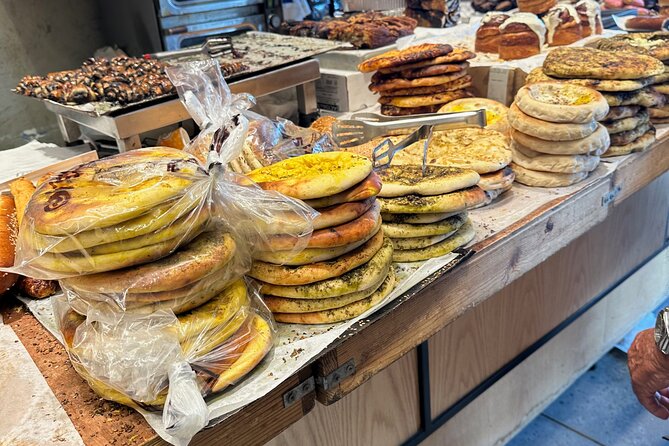
The tour finishes with Middle Eastern-style sweets such as halva and baklava. These are small but important parts of the experience because they shift the meal from savory street food to the market’s dessert traditions.
Halva is dense, crumbly and sesame-based, while baklava brings layers of pastry and sweetness. Both are better shared slowly than swallowed between stops. If you have already eaten malawach, pita, falafel and meat, a modest sweet ending may be all you need.
The dessert stop also gives you time to notice the market as a shopping place. You might see displays of sweets, spices, breads and other goods that make Carmel feel less like a row of restaurants and more like a working food center.
One limitation is that the tasting list does not promise fresh fruit or a drink. A past booking found the food good but noted that all four tastings were bread-based and that no drink or fruit was included. Bring water, especially in hot weather, and plan to buy something extra if you want coffee, juice or a cold beverage.
Meeting Vendors and Seeing Market Life
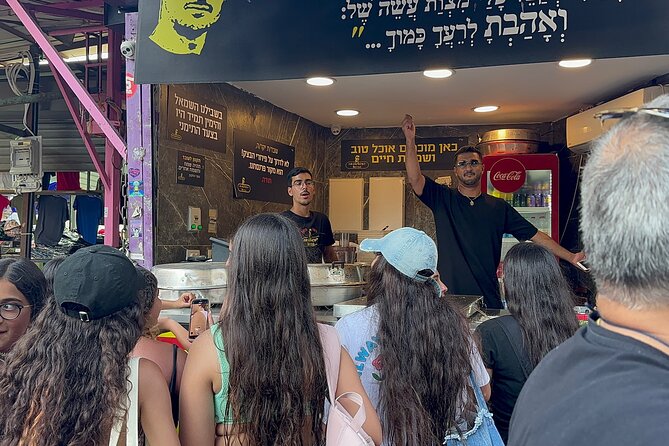
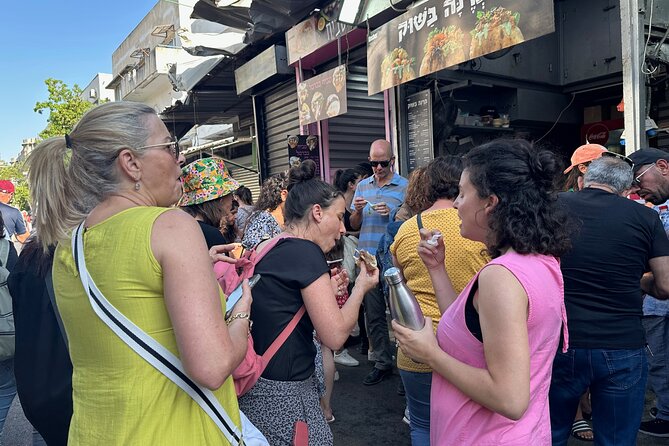
The most memorable part may be the people rather than any one dish. The guide introduces you to vendors who have operated in Carmel Market for generations, adding a human scale to the food.
That kind of contact can make a short tour feel more personal. Instead of hearing only about Israeli cuisine in general, you see how food is sold, prepared and discussed in one particular place. You may watch market workers handle dough, arrange produce or serve prepared food while the guide explains what you are seeing.
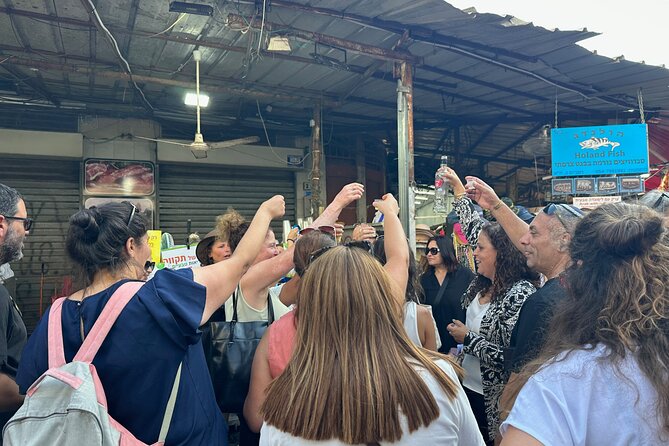
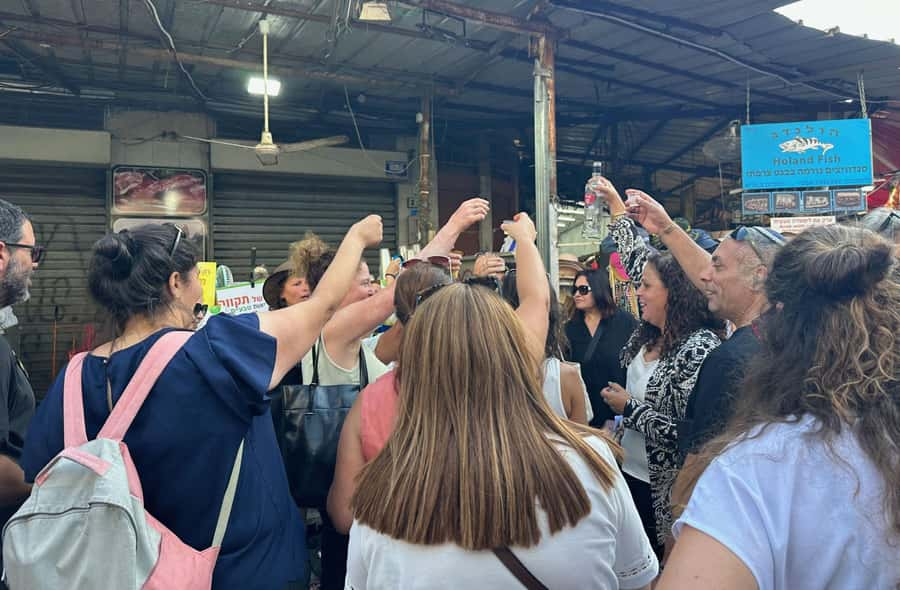
The atmosphere changes as you move through the alleys. Some sections are packed with inexpensive goods and everyday merchandise. Farther in, you find more food counters, bakeries, spices and prepared dishes. At the center, music, dancing, eating and drinking can create a lively public scene, especially at busy times.
The tour also includes photos taken by the guide. These can be sent to you through WhatsApp or Dropbox. That is a useful extra for people who prefer to enjoy the walk without constantly taking out a phone, though you should be comfortable with the guide photographing the experience.
Private groups are available, while the standard maximum is 15 people. A small or private group should make it easier to hear explanations and approach stalls, but the market itself remains a public place. Even with a private booking, you will not have the lanes to yourself.
How Much Food and How Much Time?
At $63 per person, this tour needs to function as more than a snack walk to feel worthwhile. The strongest value comes when you treat the tastings as lunch and make use of the guide’s local context. You are paying for food, a licensed English-speaking guide, access to family-run vendors and an organized introduction to a market that can be confusing on your own.
The 1.2-kilometer route is manageable for most people who can walk through uneven, crowded market lanes. It is short enough to leave time for your own shopping or another Tel Aviv activity afterward.
The timing is less clear. The main duration is listed as 90 minutes, but one part of the information says 2.5 hours. Several bookings finished in less than two hours, and two accounts put the experience at about one hour. I would plan your day around a 90-minute tour, but avoid scheduling a tight connection or timed attraction immediately afterward.
This matters because a food tour can feel very different at 60 minutes and 150 minutes. At an hour, it is a compact orientation with lunch. At two and a half hours, you would expect more conversation, more stops and more time with vendors. Ask for clarification when booking if the length is important to you.
Who Will Enjoy This Carmel Market Walk?
I would recommend it most to first-time visitors who want an easy introduction to Tel Aviv’s market food. The route gives you a useful starting point for returning on your own, since you will recognize dishes, ingredients and parts of the market afterward.
It also suits people who prefer a substantial meal to a string of tiny samples. The malawach, pita, falafel and other tastings can add up quickly. You may not need a separate lunch, but you should not arrive extremely hungry if you want to pace yourself.
Families can join, but children and infants must be accompanied by at least one paying adult. Infants from 0 to 1 year old are free, though they do not receive food samples.
I would think twice if you use a wheelchair or have a mobility impairment. The experience is not recommended for wheelchair users or people with mobility limitations, and the crowded market lanes can make movement difficult.
It is also less suitable for anyone looking for a highly polished culinary tour. The market is noisy, crowded and practical. The food is served in a working commercial setting, not a quiet dining room. That is part of the appeal, but it also means the experience depends on the pace of the market and the guide.
Wear comfortable shoes, a sun hat and sunscreen, and carry water. The tour runs rain or shine, so bring suitable clothing if the forecast is poor.
My Verdict: A Good Short Introduction, with Timing Caveats
I would book this tour if I wanted a filling first taste of Carmel Market, especially if malawach and Yemenite-influenced food appealed to me. The strongest points are the substantial lunch-sized tastings, the family-run vendors and the chance to see how many Jewish and Middle Eastern food traditions meet in one market.
The atmosphere may be just as memorable as the menu. Music, dancing, baking and the sight of vendors working by hand can give you a sharper sense of Tel Aviv than a standard restaurant meal. Alina has been singled out for warmth and for introducing familiar visitors to foods they had not tried before, although you should not assume she will be your guide on every date.
I would not book it expecting a long two-and-a-half-hour food expedition, a drink with every course or a wide range of fruit and vegetables. The duration appears inconsistent, and some departures have been short. At $63, the value is strongest when you count the tastings as lunch and appreciate the guide’s explanation of the market.
For a first visit, this is a sensible choice. For a repeat visitor who already knows Carmel Market, choose it only if you want the Yemenite food angle and vendor stories. Otherwise, you may prefer to spend the money on your own gradual tasting walk.
FAQ
Where does the Carmel Market food tour meet?
Meet outside the Poli House hotel, at the corner where Allenby Street meets Carmel Market.
How long does the tour last?
The main activity information lists a 90-minute duration. Another description mentions 2.5 hours, while some past departures have lasted about one hour or less than two hours. Plan for 90 minutes and confirm the timing when booking.
What food is included?
Tastings can include malawach sandwiches, shredded beef in pita, falafel, hummus, sabich, Syrian olives, freshly baked bread, halva and baklava. The tastings are intended to equal a substantial lunch.
Is a drink included?
No drink is specifically included in the stated food tastings. Bring water or plan to make an additional purchase.
What language is the tour conducted in?
The live tour is conducted in English by a licensed local guide.
How far do you walk?
The route covers about ¾ mile, or 1.2 kilometers, through Carmel Market.
Is the tour suitable for wheelchair users?
No. The activity is not recommended for wheelchair users or people with mobility impairments.
New market tours around the world
- Tel Aviv: 2-Hour Carmel Market Tour in English with Lunch★ 4.8 · 23 reviews
- Tel Aviv: Carmel Market & Neighborhood Guided Walking Tour★ 4.7 · 3 reviews
- Tel Aviv: 2-Hour Jaffa Flea Market Tour with Tastings★ 4.9 · 8 reviews
- Tel Aviv: 2-Hour Levinsky Market Tour with Full Lunch★ 4.7 · 10 reviews
- Tbilisi 2 Parks: Turtle Lake & Dedaena Park with Flea Market★ 5.0 · 3 reviews
- Tbilisi: Street Food & Sightseeing Tour with Local Markets★ 5.0 · 8 reviews
- Teguise: Market and César Manrique Foundation Tour★ 4.3 · 39 reviews
- Ottawa: Taste of the ByWard Market Food Tour★ 4.9 · 50 reviews
Tel Aviv Market Tours, side by side.
Tel Aviv: Carmel Market & Tel Aviv Tour with Tastings
Read our review →
Tel Aviv: 2-Hour Carmel Market Tour in English with Lunch
Read our review →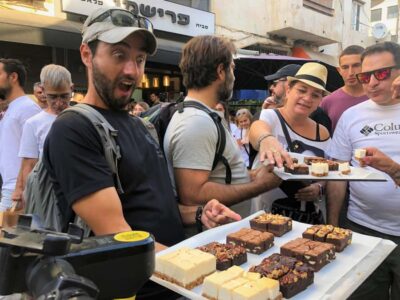
Tel Aviv: 2-Hour Levinsky Market Tour with Full Lunch
Read our review →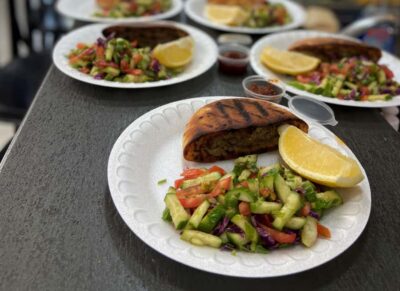
Tel Aviv: 2-Hour Jaffa Flea Market Tour with Tastings
Read our review →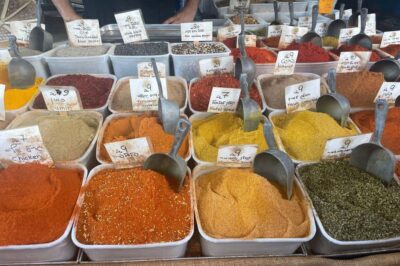
Tel Aviv: Carmel Market & Neighborhood Guided Walking Tour
Read our review →
Market Mosaic: A Gastronomic Exploration of Carmel Treasures
Read our review →This tour also appears in