
Review · TEL AVIV
Tel Aviv: Carmel Market & Neighborhood Guided Walking Tour
Carmel Market is Tel Aviv at its most direct: piles of produce, warm bakeries, spices, narrow lanes, and vendors calling out from every side. This 90-minute walk gives you a useful way into the market’s food and people, then carries on to the Yemenite Quarter and Nachalat Binyamin.
I like the immigrant food history, especially the story behind dishes such as malawach and sabich. I also like the chance to stop and buy local products with help from the guide, including translation when needed. The tradeoff is simple: food is not included unless you pay for the tasting option, and the market can feel crowded and warm under the Tel Aviv sun.
Key points
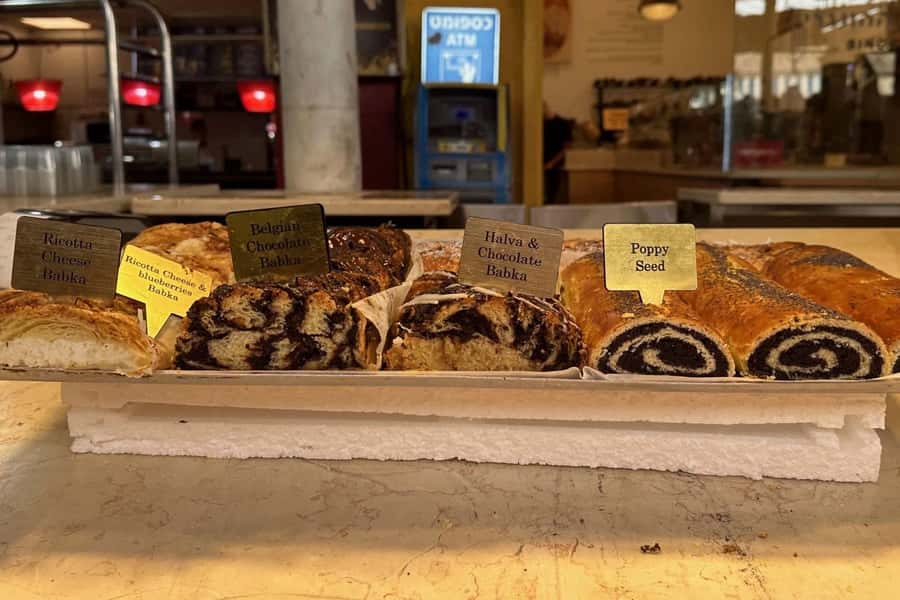
- Carmel Market setting: Walk through Tel Aviv’s largest open-air market, with produce, spices, bakeries, street food, and small shops.
- Yemenite food connections: Learn how Jewish immigrants helped shape local dishes such as malawach and sabich.
- Bauhaus and neighborhood streets: See pastel-colored buildings and the architectural character around the market.
- Nachalat Binyamin stop: Continue to a nearby district known for street art and local crafts.
- Optional food tasting: Add tastings that amount to roughly a lunch portion, rather than buying every bite yourself.
- Small-group format: The group can reach 15 people, and the route covers about 1 kilometer on foot.
Carmel Market is the best place to start
The walk begins outside the Poli House hotel, at the corner where Allenby Street meets Carmel Market. This is a practical meeting point because the market is immediately in front of you. You do not spend the first part of the tour riding across town or waiting for a museum entrance.
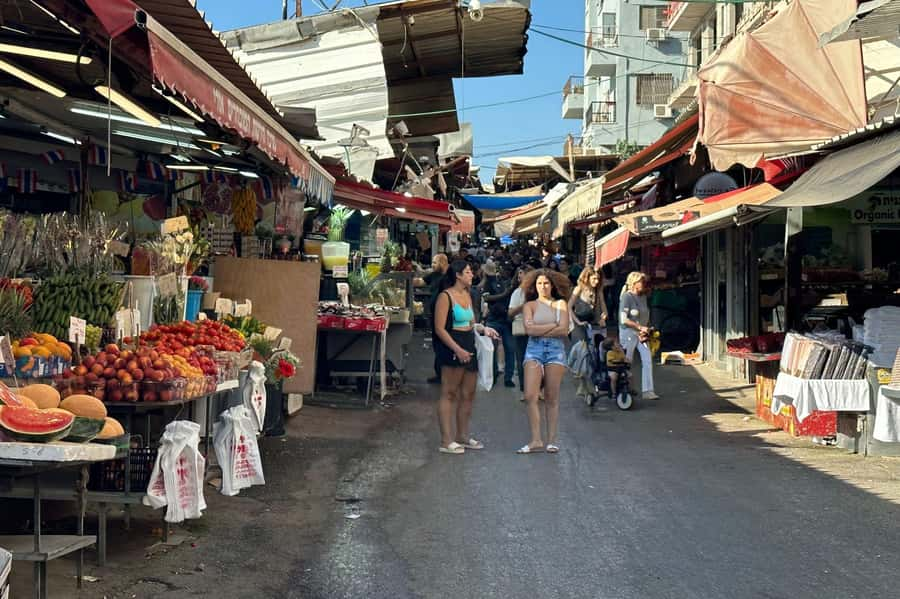
Carmel Market, or Shuk HaCarmel, is the largest open-air market in central Tel Aviv. It is not a polished food hall. You will see ordinary daily commerce: fresh produce, spices, baked goods, prepared dishes, shops, and street vendors sharing a tight corridor.
That makes a guide useful. Without context, a market can become a blur of colorful stalls and unfamiliar foods. Your guide can explain what you are seeing, how the market developed, and which products connect to the people who settled in Tel Aviv.
The market is also a good place to learn how Tel Aviv works as a modern city with older layers underneath. Its food does not come from one tradition. It reflects the many Jewish immigrant communities that brought cooking methods, family recipes, and preferred ingredients from different parts of the world.
You should expect a walking tour rather than a long series of formal stops. The route covers about 1 kilometer, but the narrow market lanes can make the pace feel active. Wear shoes that are comfortable on uneven pavement, and keep water, a hat, and sunscreen close at hand.
More Market Walking Tours in the world:
- Bangkok: City Highlights Temple and Market Walking Tour
★ 4.5 · 3,990 reviews - Tokyo Tsukiji Fish Market Food and Culture Walking Tour
★ 5.0 · 3,184 reviews - Marrakech: Ben Youssef, Secret Garden, & Souks Walking Tour
★ 4.6 · 2,802 reviews
Food stories behind malawach and sabich
The strongest part of the tour is its focus on food as a record of migration. You learn how immigrant communities affected what people eat in Tel Aviv, not just how to identify a spice or pastry.
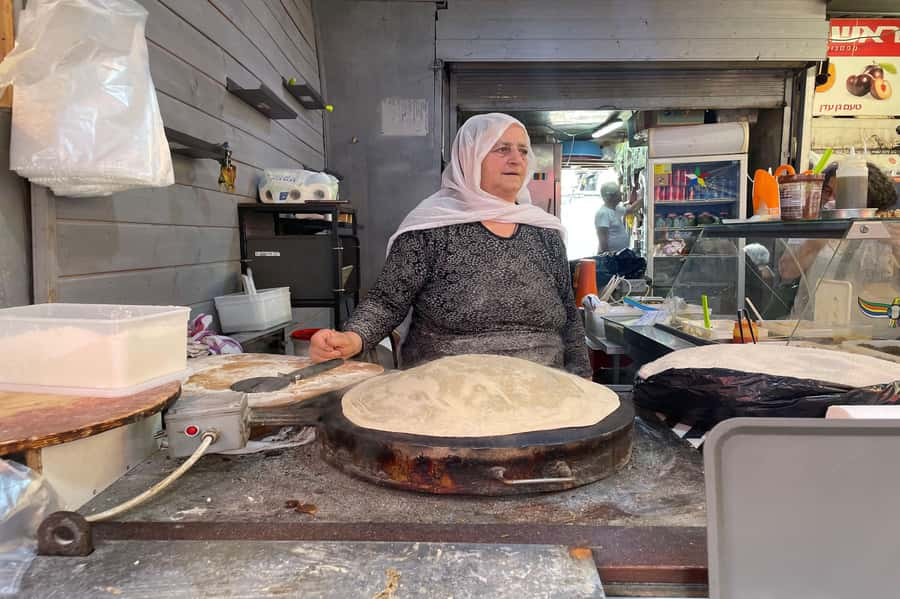
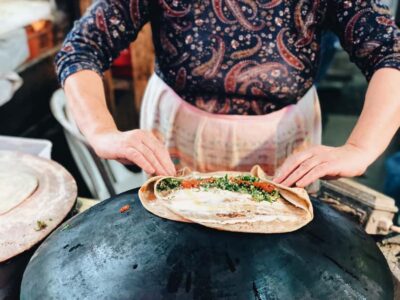
Malawach is one of the useful examples. This Yemenite Jewish flatbread is known for its layered, pastry-like texture and is often served with accompaniments such as tomato and egg. Sabich offers another window into immigrant cooking, combining fried eggplant with egg and other fillings in a pita-based dish.
The point is not simply to memorize dish names. A good explanation connects food to movement, adaptation, and daily life. Recipes change when people settle in a new place. Ingredients become easier or harder to find, cooking traditions meet local habits, and food sold on the street can become part of a city’s shared identity.
The tour’s Yemenite connection gives the market a clear theme. You are not only looking at what is on sale. You are learning how a particular community helped shape the surrounding neighborhood and the wider food culture of Tel Aviv.
If you choose the tasting upgrade, the food is described as equivalent to a lunch portion. That can make the added cost worthwhile if you want the guide to select and explain several items rather than making separate purchases. If you prefer to choose your own food, the basic tour leaves you free to buy products as you go.
Keep in mind that the standard price does not include food or drinks. You can purchase both during the walk, and the guide can help with translations when needed. That is especially handy when you want to ask what an unfamiliar product contains or how it is normally eaten.
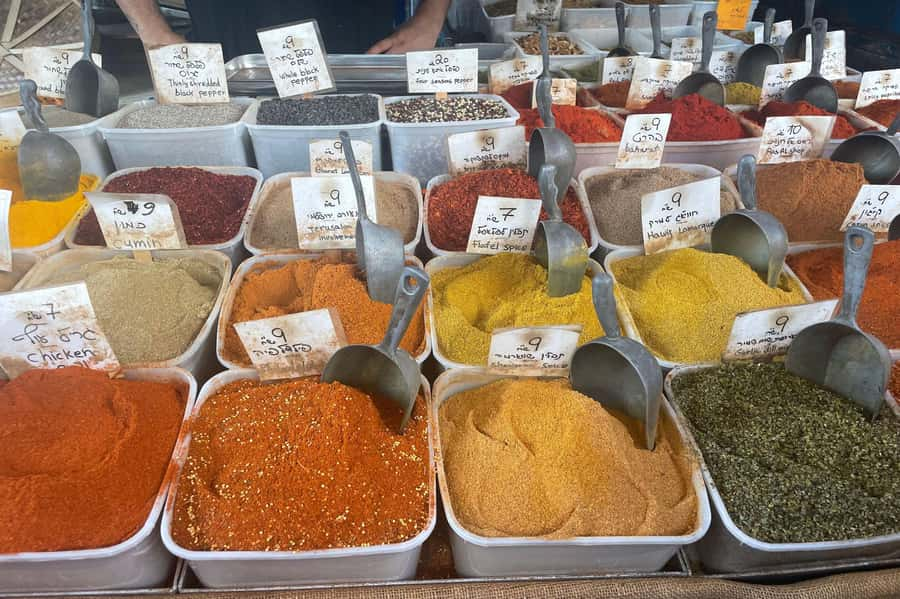
Spices, produce, bakeries, and everyday shopping
Carmel Market is at its best when you slow down enough to look closely. You might see broad displays of fruit and vegetables, colorful spices, baked goods, prepared dishes, and products meant for local kitchens rather than souvenir shelves.
Your guide can give these sights a practical frame. You learn what belongs to ordinary shopping in Tel Aviv and what reflects the market’s many cultural influences. The experience is less about rushing from one famous stall to the next and more about understanding how a market serves the city.
This is also where the free shopping time matters. You have an opportunity to buy local products after hearing what they are, rather than trying to guess from a label. The guide may also translate during a purchase, which helps if you want more than a quick souvenir.
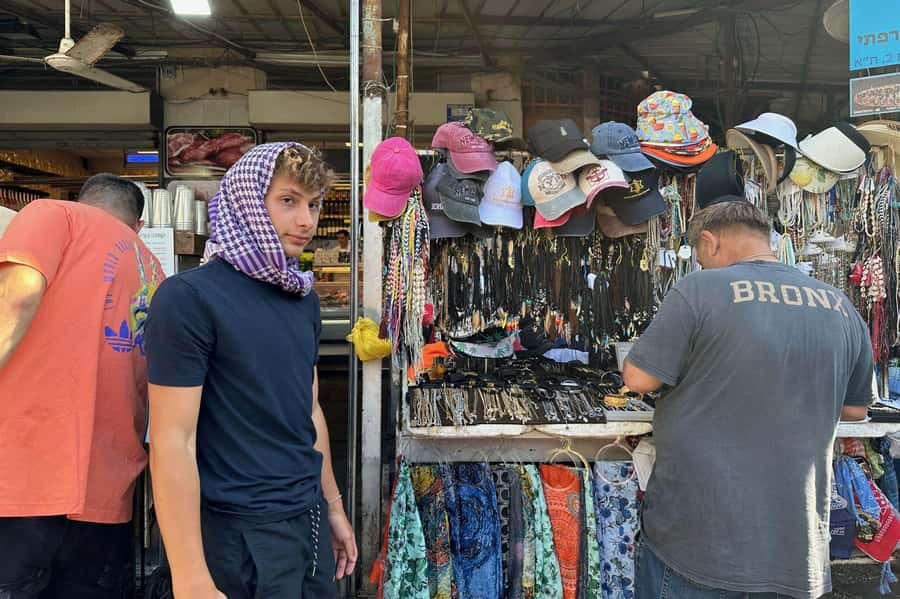
The market is not a quiet place. Narrow passageways, vendors, shoppers, and displays create a close, busy setting. That energy is part of the appeal, but it can be tiring if you want a calm architectural walk. You should also expect the tour to run in rain or shine, so check the weather and dress for the conditions.
Do not arrive expecting an indoor attraction with a fixed route and neat viewing platforms. Carmel Market is a working market. Stalls may change, crowds may affect the pace, and the most interesting detail may be a simple local product rather than a landmark.
From the market to the Yemenite Quarter
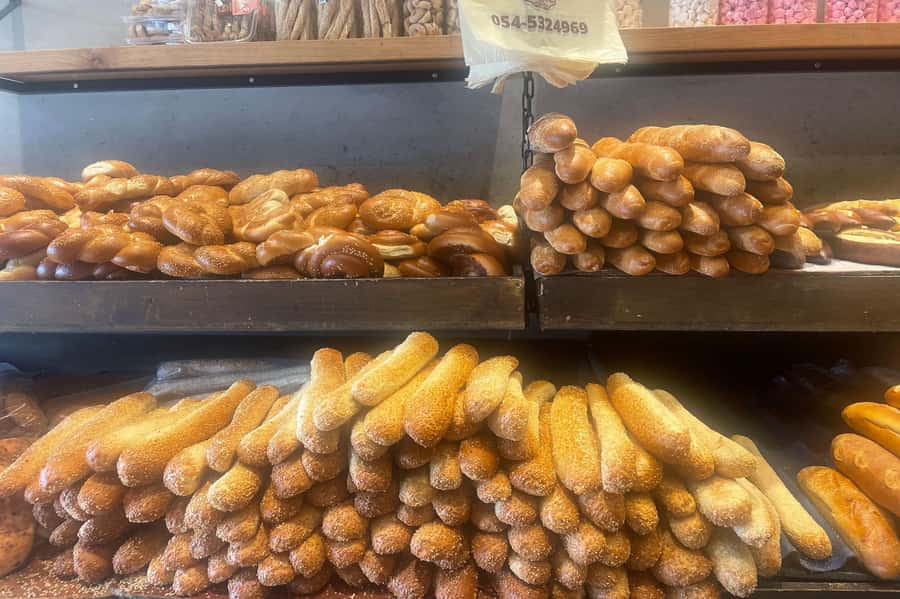
The walk also explores the neighborhood around Carmel Market, including cobblestone streets and pastel-colored buildings associated with the Yemenite Quarter. This change of setting gives the tour more range than a market-only visit.
The market shows Tel Aviv through commerce and food. The nearby streets show how people lived around that commerce. The smaller roads and older buildings offer a contrast with the city’s modern image.
The Yemenite connection is important because it helps explain why this part of Tel Aviv has a distinct character. The tour places food, migration, architecture, and ordinary neighborhood life in the same story.
You will hear about the history of the area while walking past the buildings, rather than sitting through a long indoor lecture. That keeps the information tied to what you can see. Look for the pastel colors, older street details, and the way the market presses against residential streets.
The architectural portion includes Bauhaus, a major part of Tel Aviv’s built identity. The tour does not promise a specialist architecture lecture, but your guide can point out the style and explain how it fits into the city’s development.
For readers interested in design, this is a useful bonus. You see how a food market, an immigrant neighborhood, and Tel Aviv’s modern architectural story sit close together. For readers mainly focused on eating, the buildings provide a welcome change from the stalls.
More guided market mornings around the world:
- Dubai: Old Town, Souks, Street Food, Guided Tour & Abra Ride
★ 4.9 · 7,170 reviews - Dubai: Frame Tickets, Creek, Souks & Blue Mosque Guided Tour
★ 4.8 · 5,980 reviews - Chef Guided Food Tour of Pike Place Market
★ 5.0 · 3,733 reviews - Marrakech: Colorful Medina Souks Guided Walking Tour
★ 4.7 · 2,470 reviews
Nachalat Binyamin adds art and local crafts
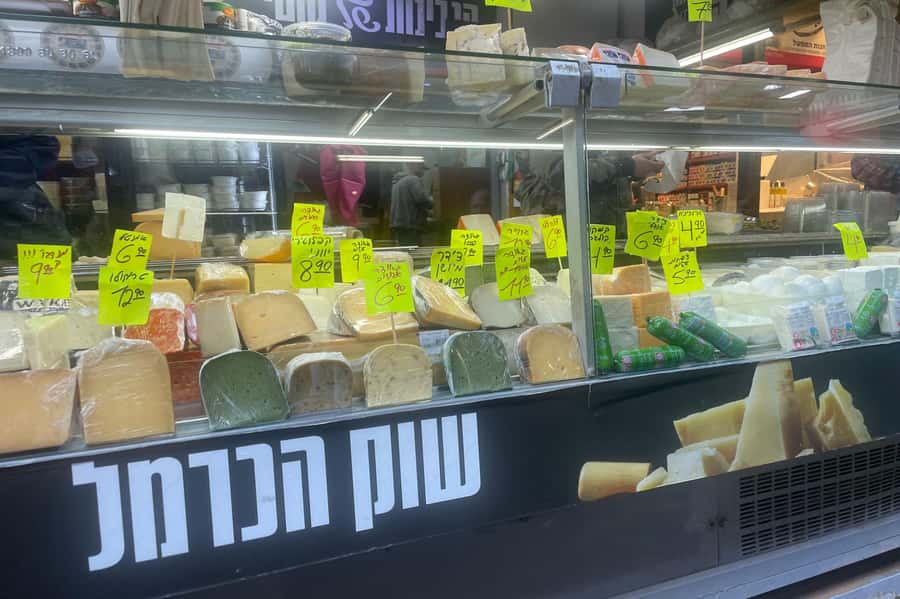
The route continues toward Nachalat Binyamin, a district known for street art and local crafts. This gives you another view of Tel Aviv’s public life after the intensity of Carmel Market.
The contrast is clear. Carmel is centered on food and shopping for daily needs. Nachalat Binyamin adds handmade work, visual art, and a more creative street setting. The two areas are close enough to fit into a 90-minute walk, yet they offer different reasons to stop and look.
This part may appeal most if you want a sense of the city beyond major sights. You are not being taken to a remote attraction. Instead, the guide shows how a central neighborhood uses its streets for trade, art, and local activity.
The exact time spent in each area can vary. A crowded market, questions from the group, and shopping stops can all affect the pace. That is not a flaw, but you should not treat the tour as a strict checklist with equal time at every point.
What the guide adds to the walk
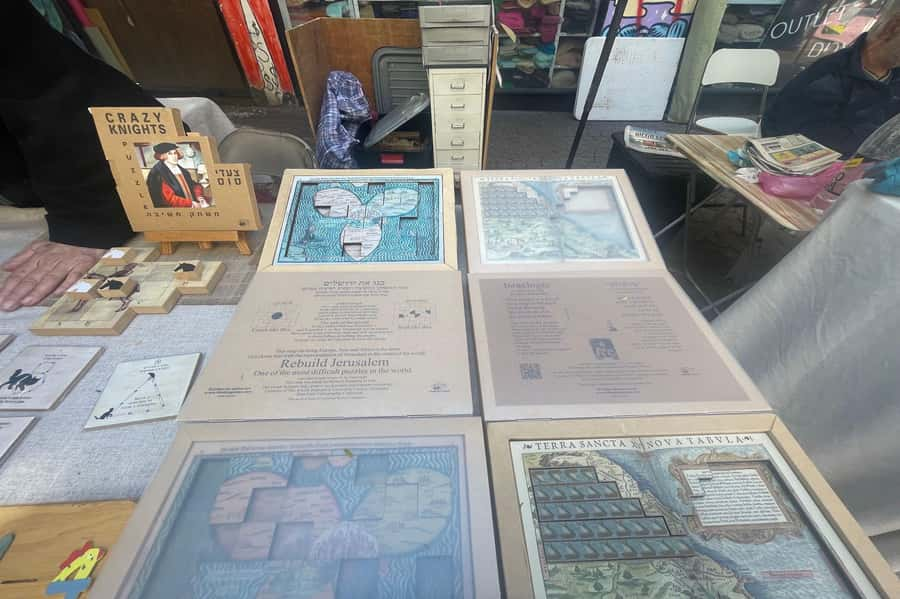
The guide is the main reason to book this instead of simply walking through Carmel Market on your own. A solo visit lets you browse, but it may not explain why particular foods matter or how immigrant communities shaped the area.
The guide also helps you make practical choices. You have time to purchase local products, and translation assistance is available if needed. That can make the market feel less intimidating, especially if you are unfamiliar with the language or unsure how to approach a vendor.
Guide Katya is specifically noted for making the visit lively and closely connected to Israeli history. If she leads your group, expect an approach that links market sights with the country’s past rather than treating the walk as a simple food sample route.
The tour is offered in English and can include up to 15 people. That is small enough for a guide to manage a walking conversation, though it is not a private tour. If you want the most personal exchange, ask questions early and stay close enough to hear in the market’s noisy lanes.
Is the $39 price good value?
At $39 per person, the basic tour is reasonably priced if you want context, neighborhood history, and help navigating the market. You are paying for a 90-minute live guide, not for a large meal or a long list of admissions.
The value improves for a first visit. A guide can point out foods you might otherwise miss, explain the connection between the Yemenite community and the area, and give you a clearer sense of how Carmel fits into Tel Aviv.
The price is lower per person when two or more people book together, which makes it more appealing for couples, friends, and families. The tasting upgrade changes the calculation. Since the food is described as equal to a lunch portion, it may replace a separate midday meal, but the food cost is not part of the standard booking.
If you already know Carmel Market well, or if you prefer to wander without a schedule, you may find the basic walk less necessary. You can still visit the market on your own. The tour earns its price through interpretation, food guidance, and neighborhood connections.
Timing, comfort, and who should book
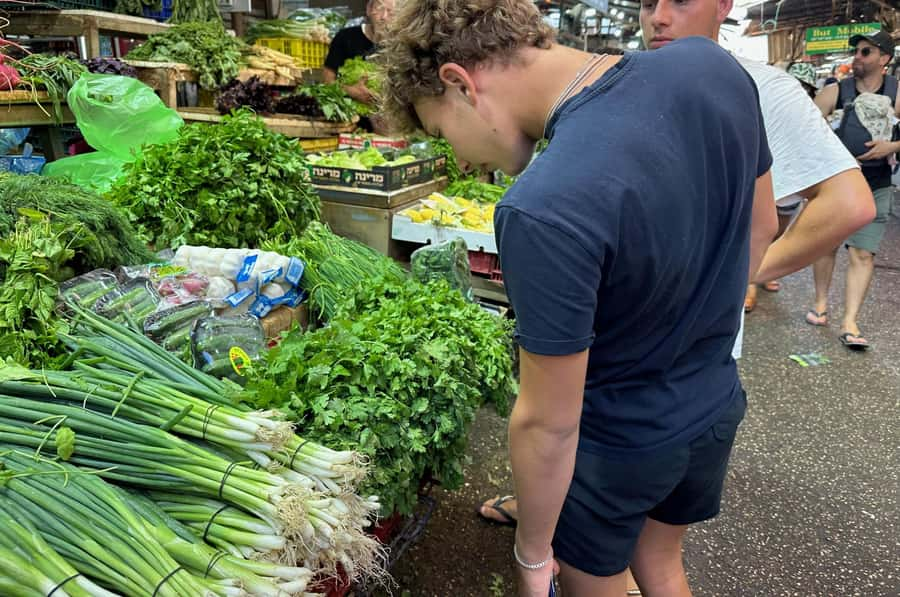
Ninety minutes is a sensible length for this route. You get a focused look at the market and nearby districts without committing half a day. The short distance, about 1 kilometer, makes the tour manageable for many people, but the surface, heat, crowds, and standing can still be tiring.
Bring comfortable shoes, a hat, sunscreen, and water. The tour runs in all weather, so rain protection may also be sensible when the forecast looks uncertain.
People with mobility issues need an active companion. Children and infants must be accompanied by at least one paying adult, and infants aged 0 to 1 are free. The route is not described as fully accessible, so anyone with mobility concerns should consider the cobblestones, narrow market lanes, and changing crowd conditions.
I would recommend this walk to:
- First-time visitors who want an introduction to central Tel Aviv
- People interested in food and migration history
- Anyone curious about Yemenite cooking and local market life
- Visitors who want a short activity near Carmel Market
- Shoppers who would like translation help and product advice
- Families and couples who prefer a guided walk to an unplanned market visit
I would be more cautious if you dislike crowds, heat, street noise, or flexible pacing. The market is the point of the experience, so those conditions cannot be removed.
Should you book the Carmel Market walk?
Book it if you want Carmel Market to make sense, not just look colorful. The best reasons are the immigrant food stories, the Yemenite connection, the move into Nachalat Binyamin, and the practical help with buying local products.
Choose the tasting option if you want food to form the center of the visit and a lunch-sized portion sounds useful. Choose the basic walk if you prefer to decide what to eat and shop for yourself.
At $39, this is a fair short introduction to one of Tel Aviv’s most characterful areas. It will not replace a full food tour or a dedicated architecture walk, but it combines both subjects with neighborhood history in a compact route. For a first or second day in Tel Aviv, that makes it a smart way to get your bearings.
FAQ
How long is the Carmel Market walking tour?
The tour lasts 90 minutes.
How far does the tour cover?
The route covers about 1 kilometer, or 0.6 miles.
Where does the tour meet?
Meet outside the Poli House hotel, on the corner at the junction of Carmel Market and Allenby Street.
What language is the tour offered in?
The live guided tour is offered in English.
Is food included in the tour price?
Food is not included in the standard option. You can purchase food and drinks during the walk, or choose the food tasting upgrade.
How much food comes with the tasting upgrade?
The tastings are equivalent to a lunch portion.
What should I bring?
Bring comfortable shoes, a hat, sunscreen, and water. The tour runs rain or shine.
What is the maximum group size?
The maximum group size is 15 people.
New market tours around the world
- Tel Aviv: 2-Hour Carmel Market Tour in English with Lunch★ 4.8 · 23 reviews
- Tel Aviv: 2-Hour Jaffa Flea Market Tour with Tastings★ 4.9 · 8 reviews
- Tel Aviv: Carmel Market Food Tasting Tour “Shuk Hacarmel”★ 4.0 · 8 reviews
- Tel Aviv: 2-Hour Levinsky Market Tour with Full Lunch★ 4.7 · 10 reviews
- Tbilisi 2 Parks: Turtle Lake & Dedaena Park with Flea Market★ 5.0 · 3 reviews
- Tbilisi: Street Food & Sightseeing Tour with Local Markets★ 5.0 · 8 reviews
- Teguise: Market and César Manrique Foundation Tour★ 4.3 · 39 reviews
- Ottawa: Taste of the ByWard Market Food Tour★ 4.9 · 50 reviews
Tel Aviv Market Tours, side by side.
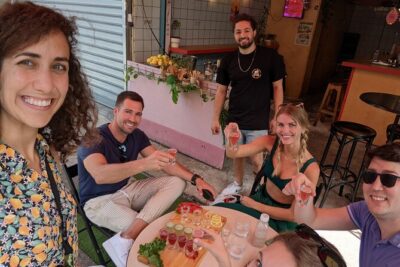
Tel Aviv: Carmel Market & Tel Aviv Tour with Tastings
Read our review →
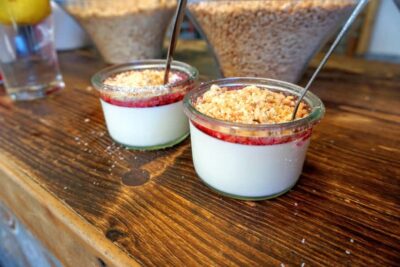
Tel Aviv: 2-Hour Carmel Market Tour in English with Lunch
Read our review →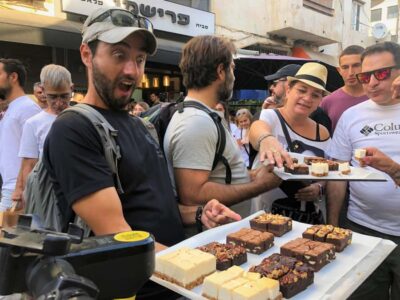
Tel Aviv: 2-Hour Levinsky Market Tour with Full Lunch
Read our review →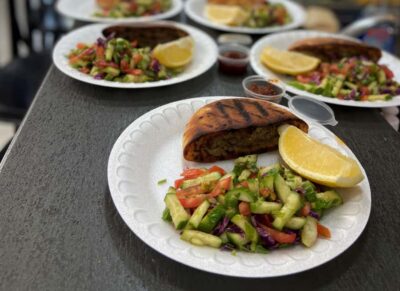
Tel Aviv: 2-Hour Jaffa Flea Market Tour with Tastings
Read our review →
Tel Aviv: Carmel Market Food Tasting Tour “Shuk Hacarmel”
Read our review →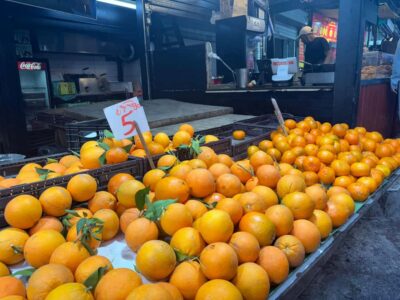
Market Mosaic: A Gastronomic Exploration of Carmel Treasures
Read our review →This tour also appears in