
Review · ACCRA
Accra Street Food Tour: Makola Market Tour With Full Lunch
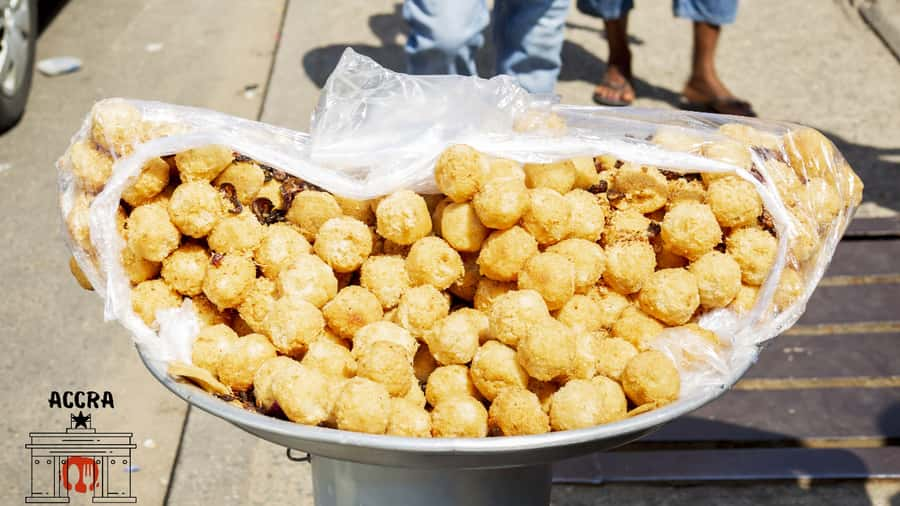
Makola Market is best understood with your appetite switched on. This three-hour Accra food walk takes you through one of the city’s main trading areas, stopping for at least eight snacks and drinks before settling into a full Ghanaian lunch. You are not just handed a plate and sent on your way. The guide leads you from stop to stop, explains unfamiliar food, and keeps the group together through the market.
I like two things right away: the tasting route gives you a broad first look at local food, and the small group limit of eight people should make it easier to ask questions or adjust portions. I also like that lunch comes after the samples, so you get both quick market tastes and a proper sit-down meal. The main caution is the walking pace and guide quality. Some visits have been praised for friendly help from guides such as Stephen Ofori, while others found the explanations too brief and the tour shorter than three hours.
Key points at a glance
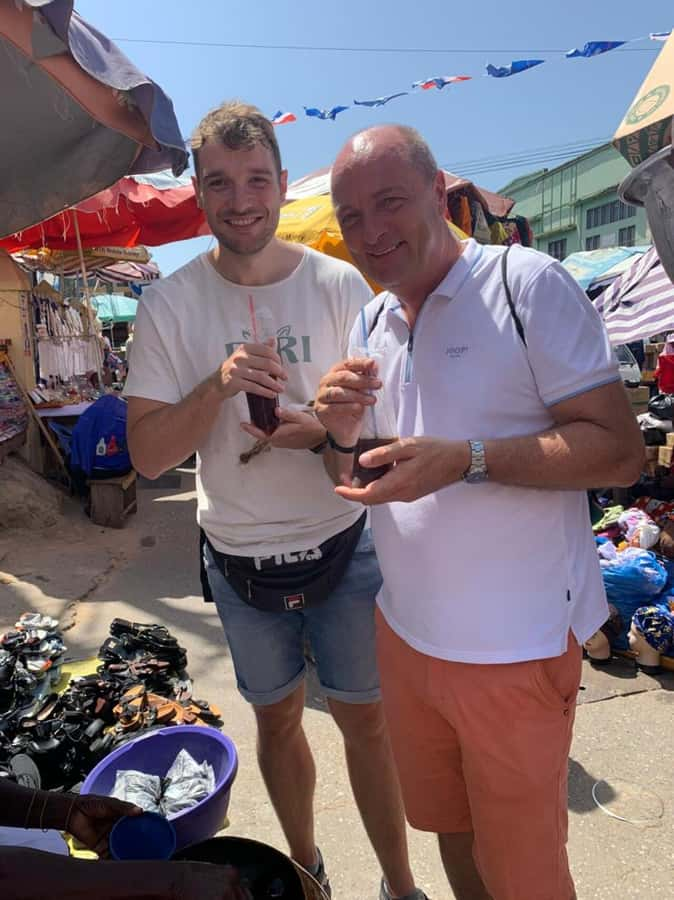
- Eight or more food stops: Sample local snacks and drinks before lunch, with water included.
- Makola Market on foot: The route is guided through the market, with plenty of walking and short stretches between stops.
- Full Ghanaian lunch: Unfamiliar dishes are explained before you eat at a local restaurant.
- Small group format: The maximum group size is eight participants, which suits visitors who want a more personal outing.
- Guide-dependent experience: Stephen Ofori is named in one especially positive account, but the amount of market and food information can vary.
- $74 per person: The fee covers samples, drinks, guide service, photos on your devices, and lunch, but not hotel pickup or drop-off.
Why Makola Market works as a food tour setting
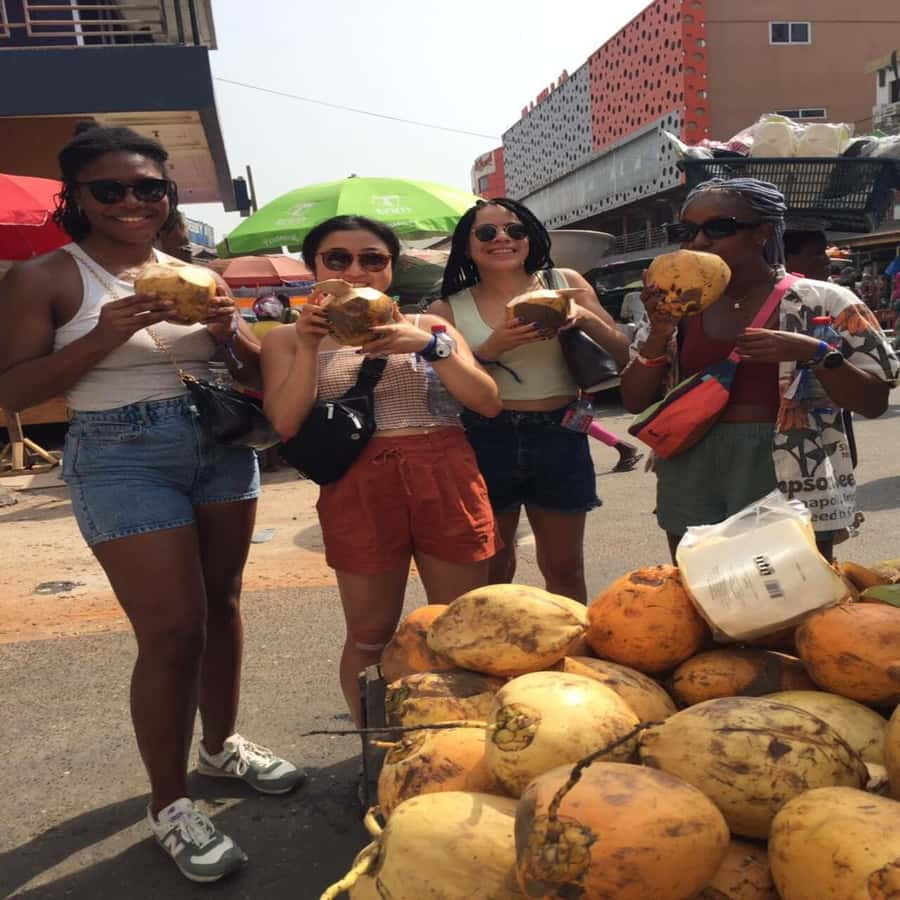
Food is one of the quickest ways to get a feel for a place, and Makola gives this tour a useful setting. You are moving through a working market rather than a purpose-built attraction. That matters because the food appears in the same kind of surroundings where people shop, trade, and eat locally.
The market portion lasts about one hour. That is enough time for a series of tastings, though it is not a long market orientation. You should expect a focused food route, not a detailed tour of every section or a full lesson in Accra’s commercial past.
I like the format because small tastes make it easier to try foods you might not order on your own. At each stop, you receive a standard portion, but you can eat less if something does not suit you. That is useful when eight or more samples are followed by lunch. Come hungry, but do not treat the standard serving as an obligation.
The guide leads you through the market, and the tour includes photos taken on your own phone or camera. That is a small but practical touch. You can concentrate on the food and surroundings instead of asking someone in your group to keep taking pictures.
More Market Food Tours in the world:
- Dubai: Old Town, Creek, Museums, Souks, & Street Food Tour
★ 4.8 · 10,816 reviews - Dubai: Old Town, Souks, Street Food, Guided Tour & Abra Ride
★ 4.9 · 7,170 reviews - Dubai Aladdin Tour: Souks, Creek, Old Dubai and Tastings
★ 5.0 · 3,755 reviews
Starting at Ghana School of Law
The meeting point is the entrance gate at the Ghana School of Law. You need to check in with the guide when you arrive. Look for a yellow shirt carrying the Accra Food Tour logo.
This is a meeting-point tour, not a hotel pickup service. You need to arrange your own way to the starting point and your own return after the finish. The tour ends at Mayford Locals & Cocktail, so you should allow for the fact that you finish somewhere different from where you began.
The practical preparation is simple. Wear comfortable casual shoes, use sunscreen, and bring an umbrella if rain is forecast. The tour operates in wet weather, and the short stretches between food stops are on foot. This is not the time for stiff dress shoes or anything that rubs after an hour of walking.
Eight or more tastes through Makola

The first hour is built around food and drink samples. The exact dishes are not specified in advance, which is part of the appeal and part of the uncertainty. You will be introduced to at least eight places to sample something, with water provided along the way.
The guide also explains how the food and drink are eaten locally. That context is important. A snack can seem unfamiliar when you see it alone, but a short explanation about when it is eaten, how it is handled, or what usually goes with it can make the difference between simply tasting it and understanding its place in daily life.
This is where the guide matters most. One account praises Stephen Ofori for making the food and culture easy to understand. Other visits had a thinner explanation of both the market and the samples. If you want a food lesson with lots of background, ask questions as you go and say clearly that you want more detail.
The route may feel quick. One account describes moving almost at a run through the market and finishing in about two hours rather than the advertised three. Other accounts describe guides waiting during traffic and adapting to food choices. That mixed picture suggests you should confirm the pace at the start. Tell the guide if you need a little more time at a stall or want an explanation before moving on.
Why the small group size matters
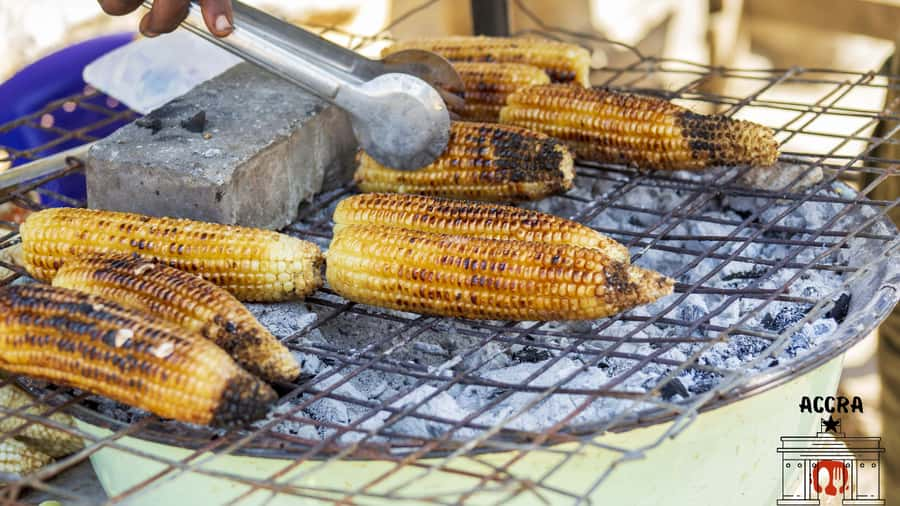
With no more than eight participants, the guide should be able to see the whole group and keep the food stops manageable. A small group also makes it easier to mention allergies, preferences, or a desire to eat smaller portions.
Still, the supplied details do not promise dietary substitutions or allergy handling. You should raise any food concern with the operator before booking rather than assume the route can be changed.
The small group also affects the feel of the market walk. A large crowd can make a market visit awkward, especially when you are stopping to taste food. A maximum of eight people is a sensible size for staying together and giving the guide room to pass samples around.
The trade-off is that the tour depends heavily on one guide. A warm, attentive guide can turn a quick route into a useful introduction to Ghanaian food. A rushed guide can reduce it to a series of bites with little explanation. That is the most important variable in the experience.
More market mornings with lunch around the world:
- Cooking Class and Lunch at a Tuscan Farmhouse with Local Market Tour from Florence
★ 5.0 · 4,831 reviews - Paris Cooking Class and Lunch with Wine plus Market Visit Option
★ 5.0 · 1,024 reviews - Cairo: Private Pyramids, Museum & Bazaar Tour with Lunch
★ 4.6 · 744 reviews - Durres/Golem: Kruja Castle & Bazaar with Traditional Lunch
★ 5.0 · 632 reviews
A full local lunch after the samples
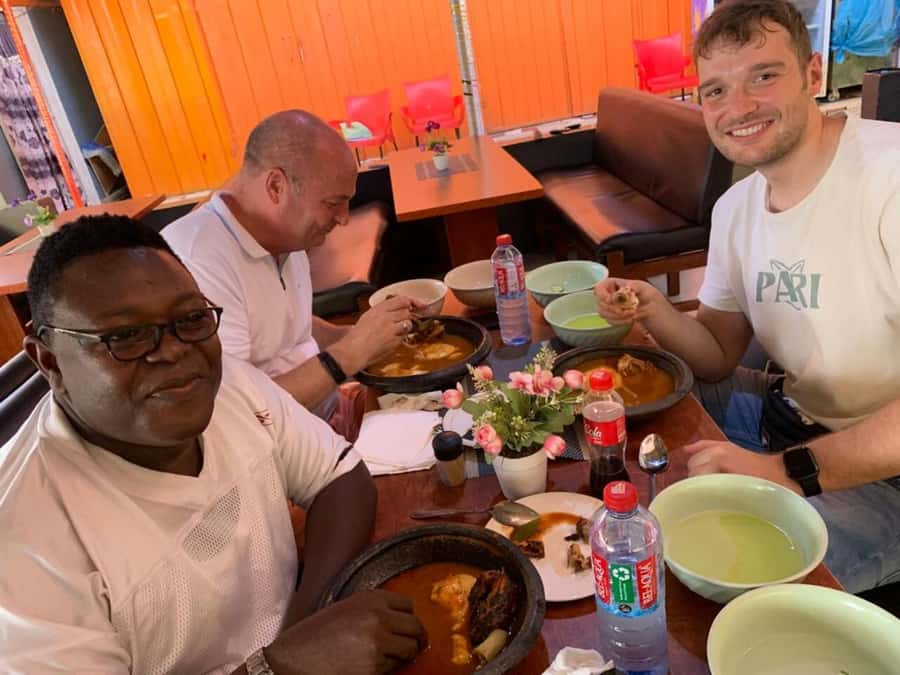
After the market, you go to a local restaurant for a full lunch. This part is scheduled for about two hours, giving you time to sit down, eat properly, and ask about dishes that seemed unfamiliar earlier.
I like this two-part meal design. The market samples show range, while the restaurant meal gives you a more complete taste of local food. You are not expected to recognize everything on the menu. The guide explains unfamiliar dishes, which helps if you are trying Ghanaian food for the first time.
The lunch may not suit every palate. One account found the restaurant food less appealing, while other visits praised the food overall. That is a normal risk with a set local menu: personal taste, texture, spice, and unfamiliar ingredients all play a role. The activity description says the guide can explain dishes, but it does not promise a choice of every item or a restaurant change.
You should think of lunch as part of the cultural experience, not a controlled restaurant tasting. If you have strong food preferences, ask what flexibility is possible before you pay. The route includes plenty of food, so you should not book this expecting a light snack walk.
The pace, timing, and amount of food
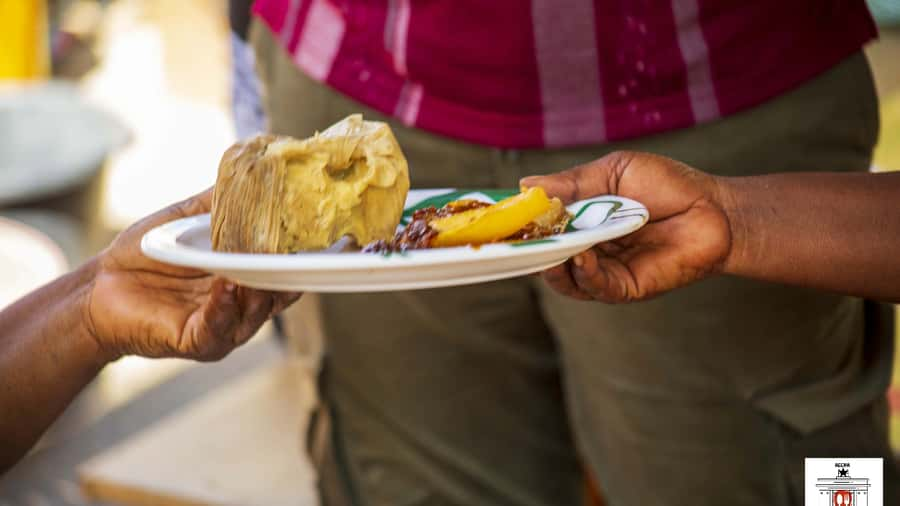
The stated duration is three hours, with roughly one hour for market tasting and two hours for lunch. In practice, allow your schedule enough room for a full three-hour outing. The experience includes many food stops, movement through a market, and a sit-down meal, so it is not designed for a tight connection or a rushed afternoon.
The amount of food is generous by design. You get standard portions at the sample stops, then lunch, and water is provided. You can choose to eat less at any stop, which is sensible. A light breakfast, or no breakfast, is recommended so you can enjoy the whole route without feeling overfull.
You should also expect a lot of walking. The tour is not suitable for people with mobility impairments, and pregnant women are listed as unsuitable for the activity. Those restrictions fit the format: market paths can be demanding, the group keeps moving, and there is no promise of a seated break during the tasting hour.
The tour operates rain or shine. A small umbrella is useful if rain is forecast, especially for the walking sections between stops. Sunscreen matters too, even though much of the activity takes place around market stalls and indoor restaurant space.
What $74 buys you
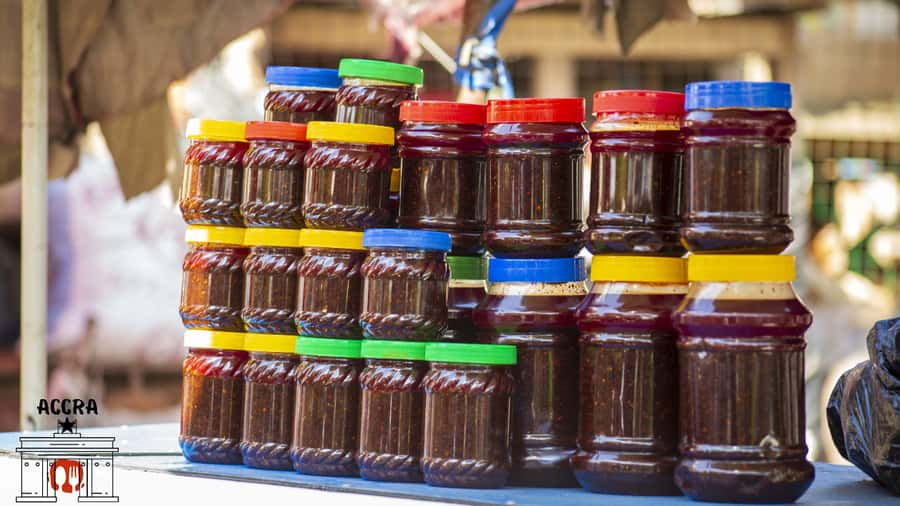
At $74 per person, the price is not simply for an hour of guided walking. It covers the guide, food samples, drink samples, water, a full lunch, and photos taken on your personal device. The small group limit adds value if you prefer conversation over a large organized outing.
The price does not include hotel pickup or drop-off. You need to factor in your own transport to the Ghana School of Law and from Mayford Locals & Cocktail. The separate start and finish points are easy to overlook when comparing this with a hotel-based food tour.
I see the value most clearly if you would otherwise spend time guessing what to order or trying to find Makola Market’s food stops alone. You pay for a planned route, introductions to several tastes, an included meal, and help with unfamiliar dishes.
The value is weaker if you mainly want an in-depth market history tour. The available information and direct accounts indicate that the amount of explanation can vary. It is better suited to someone who wants a guided food introduction with some cultural context than to someone seeking a detailed lecture about Accra’s past.
English guidance and the guide you get
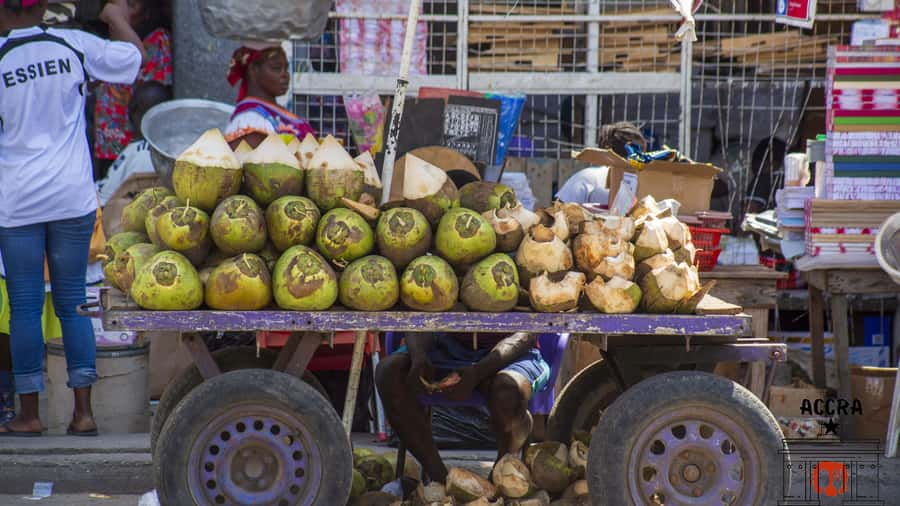
The tour is conducted in English. Guides wear the yellow Accra Food Tour shirt, which should make the meeting point easier to identify.
Stephen Ofori is specifically praised for explaining the food and culture and making the outing enjoyable. Another account names Steven and describes a rushed route with very little market explanation. The difference may reflect guide assignment, timing, or simply different expectations, but it is worth noting.
I would set your expectations this way: the guide should get you safely through the market, introduce the food, explain lunch dishes, and help with photos. If you want more background, ask early. Questions about ingredients, local eating habits, and the market can encourage a slower, more informative route.
The strongest positive accounts also point to friendly help, patience in traffic, and flexibility with food choices. Those are useful qualities in a walking food tour. You want a guide who notices when the group needs a pause, not one who treats the route like a race.
Who should book this food walk
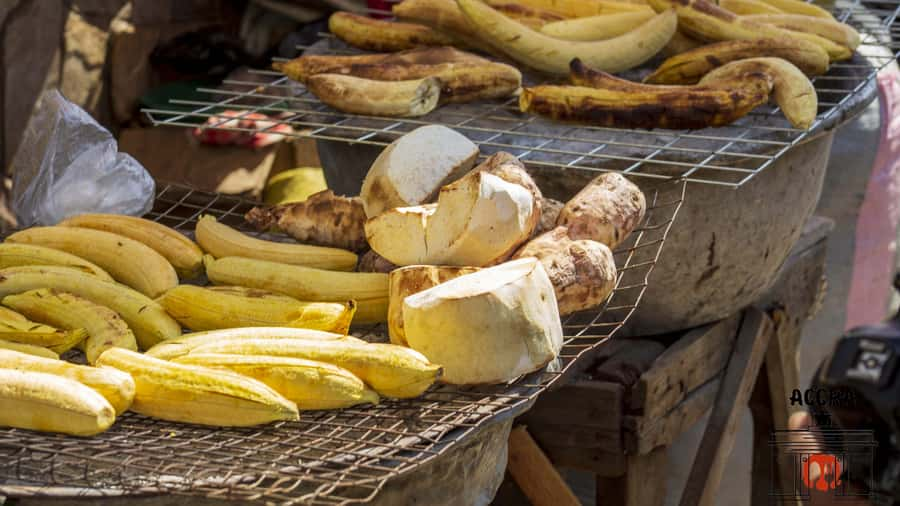
I would recommend it to a first-time visitor who wants a concentrated introduction to Ghanaian snacks and a full local meal. It suits people who like trying several small portions, do not mind an uncertain menu, and want a guide to explain food before they order or eat it.
It is also a good match for solo visitors and couples who prefer a small group. The limit of eight people gives you a better chance to speak with the guide than a large bus-style outing.
I would be more cautious if you need a slow pace, have mobility limitations, are pregnant, or dislike eating a substantial amount in one sitting. It may also disappoint you if your main goal is detailed market history. The food is the center of the experience, and the quality of explanation depends on the guide.
Before booking, confirm the cancellation terms. The activity details give two different messages, one says you can cancel up to 24 hours in advance for a full refund, while another says the tour is non-refundable. The reserve-now, pay-later option is also shown, but you should check the final terms at checkout.
Should you book the Makola Market food tour?
Book it if you want a lot of Ghanaian food in a short, guided outing, especially if you are happy to walk and let the menu surprise you. The combination of eight or more tastes, a full local lunch, water, and a small English-speaking group gives the $74 price a reasonable basis.
I would not book it for a leisurely, detailed market seminar or a carefully controlled fine-dining meal. The best approach is to arrive hungry, wear good shoes, ask questions, and make clear that you prefer explanations over speed. With the right guide, this can be a practical and tasty first look at Accra’s everyday food culture.
FAQ
Where does the tour start?
It starts at the entrance gate of the Ghana School of Law. You must check in with the guide when you arrive.
How do I identify the guide?
The guide wears a yellow T-shirt with the Accra Food Tour logo.
Where does the tour finish?
The tour finishes at Mayford Locals & Cocktail.
How long does the tour last?
The stated duration is three hours. The planned schedule allows about one hour for market tastings and two hours for lunch.
How many food samples are included?
You will visit at least eight places to sample snacks and drinks. Standard portions are provided, and you may choose to eat less.
Is lunch included?
Yes. A full lunch at a local restaurant is included, and the guide explains unfamiliar dishes.
Is water provided?
Yes. Water is provided during the experience.
Is hotel pickup included?
No. Hotel pickup and drop-off are not included. You need to arrange your own transport to the meeting point and after the tour.
What should I bring?
Bring comfortable shoes and sunscreen. An umbrella may be useful if rain is forecast because the tour operates rain or shine.
Is the tour suitable for people with mobility impairments?
No. The activity is not suitable for people with mobility impairments, and pregnant women are also listed as unsuitable.
New market tours around the world
- Tel Aviv: 2-Hour Carmel Market Tour in English with Lunch★ 4.8 · 23 reviews
- Tel Aviv: Carmel Market & Neighborhood Guided Walking Tour★ 4.7 · 3 reviews
- Tel Aviv: 2-Hour Jaffa Flea Market Tour with Tastings★ 4.9 · 8 reviews
- Tel Aviv: Carmel Market Food Tasting Tour “Shuk Hacarmel”★ 4.0 · 8 reviews
- Tel Aviv: 2-Hour Levinsky Market Tour with Full Lunch★ 4.7 · 10 reviews
- Tbilisi 2 Parks: Turtle Lake & Dedaena Park with Flea Market★ 5.0 · 3 reviews
- Tbilisi: Street Food & Sightseeing Tour with Local Markets★ 5.0 · 8 reviews
- Teguise: Market and César Manrique Foundation Tour★ 4.3 · 39 reviews
Market Tours, side by side.
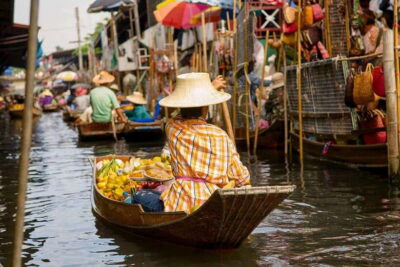
Bangkok: Damnoen Saduak Market and Maeklong Railway Market
Read our review →
The Old Siam: Damnoen Saduak and Maeklong Railway Market
Read our review →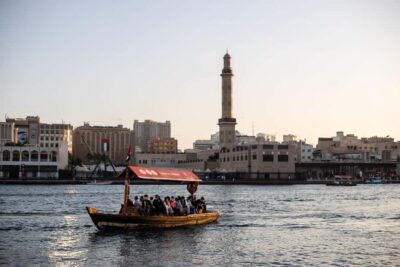
Dubai: Old Town, Creek, Museums, Souks, & Street Food Tour
Read our review →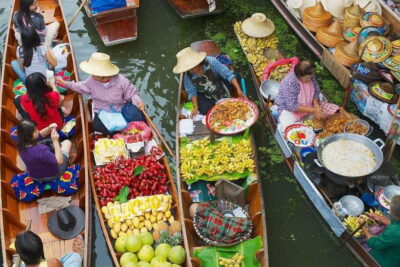
Bangkok: Train Market & Floating Market with Boat Ride
Read our review →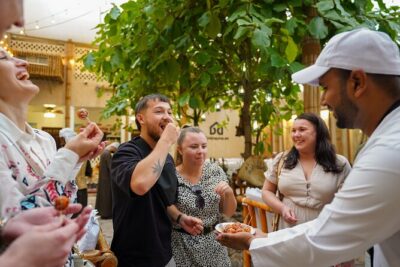
Dubai: Old Town, Souks, Street Food, Guided Tour & Abra Ride
Read our review →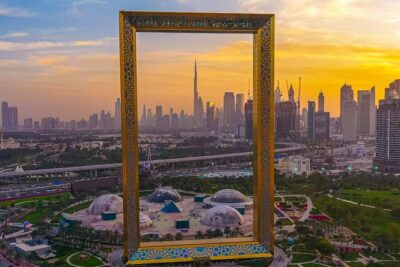
Dubai: Frame Tickets, Creek, Souks & Blue Mosque Guided Tour
Read our review →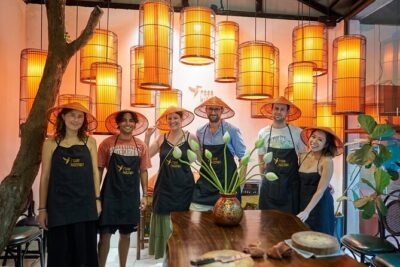
Hanoi Cooking Class: Culture, Local Market & Meaning CSR Impact
Read our review →
Marrakech: Bahia Palace, Saadian Tombs, Souk and Medina Tour
Read our review →This tour also appears in