
Review · LEKKI
Lagos, Nigeria: Nigerian Cooking Class and Market Visit
The best part of this Lagos experience happens before the cooking begins. With home-cook Aisha, you visit a local market in the Oniru beach neighborhood, learn how Nigerians shop for food, practice bargaining, and choose ingredients before heading to her kitchen.
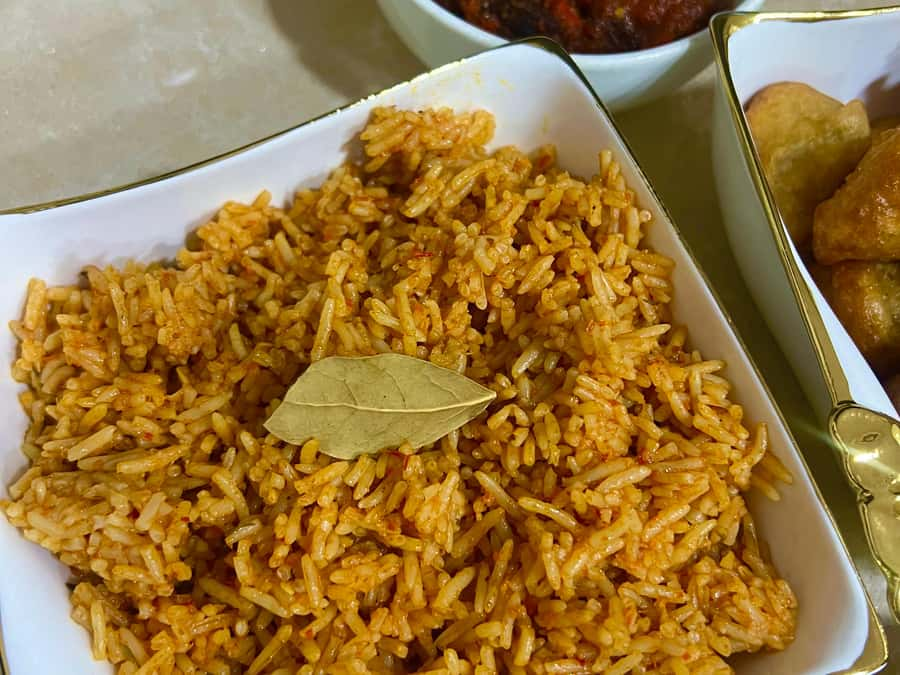
I like the small private format, which gives you real time at the stove instead of a quick demonstration from the back of a crowded room. I also like the useful take-home package: your Adire tie-dye apron, a PDF recipe book, and the skills to make dishes such as jollof rice, egusi, puff puff, and fufu at home.
The main consideration is the five-hour schedule and the market setting. Expect heat, noise, crowds, and active participation, not a polished restaurant lesson. You must also show an international passport or copy because the class takes place in Aisha’s home.
Key points to know before booking
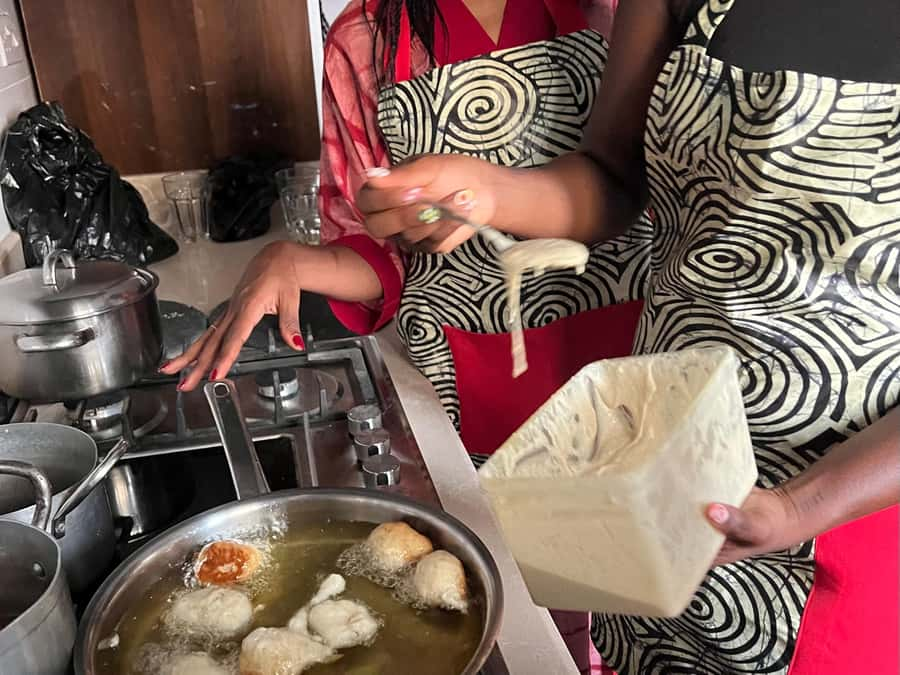
- Aisha leads a private, hands-on class for one or two people, with English instruction.
- The market visit comes first, with ingredient shopping, spice guidance, fresh meat selection, and bargaining.
- The menu covers Nigerian staples, including jollof rice, stew, egusi, fufu, puff puff, meat pie, and peppersoup.
- You take home an Adire apron and PDF recipe book, along with the food prepared during the class.
- The $175 price covers a group of up to two, making the cost easier to justify when shared.
- Passport identification is required, and the experience is not suitable for children under 13.
Starting at the Oniru market
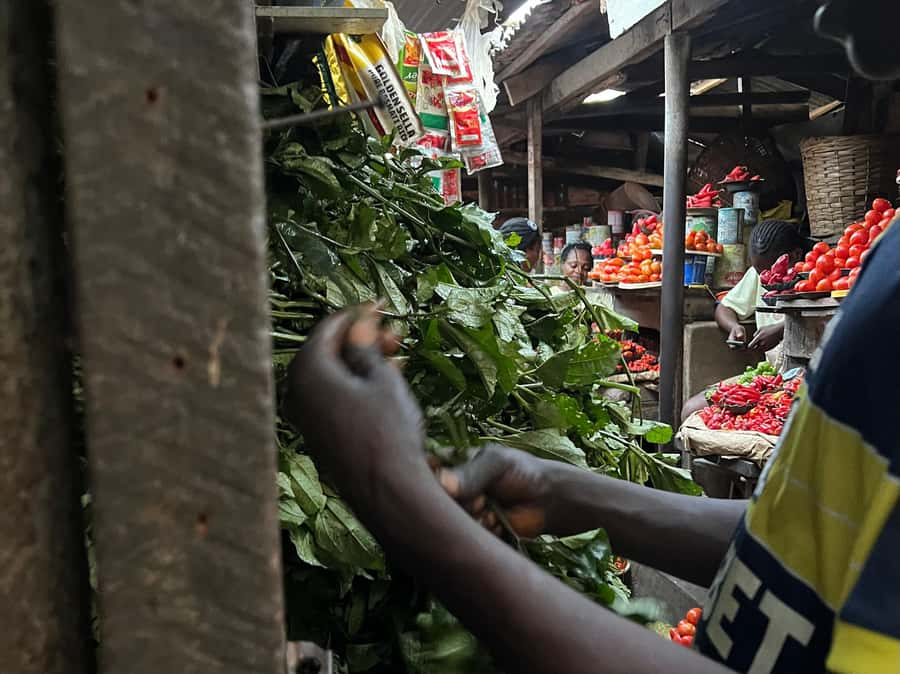
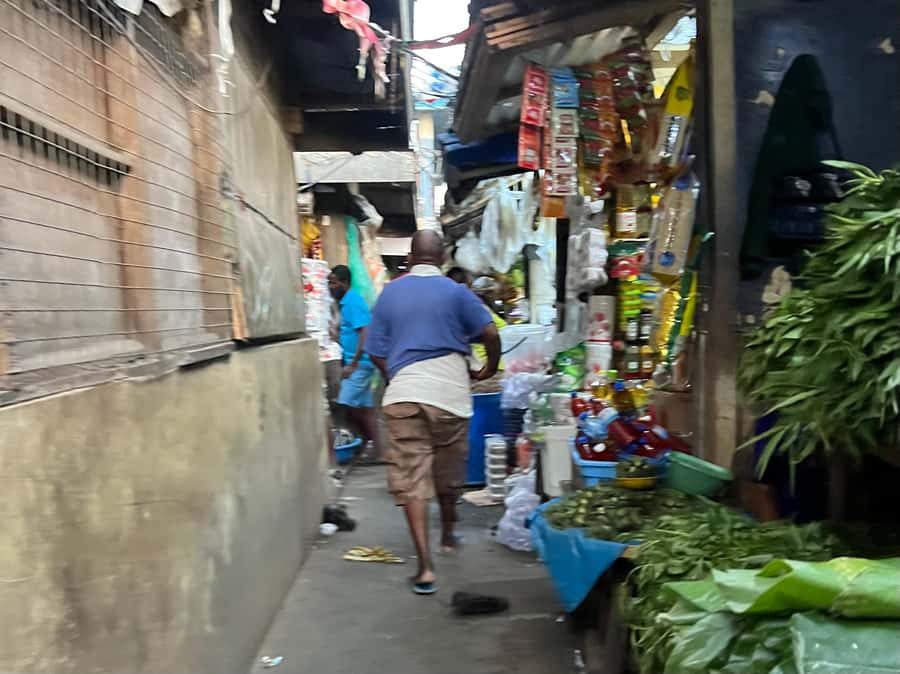
This is not a cooking lesson that begins with a printed recipe and a tidy row of measured ingredients. Your first stop is a local market in Oniru, described as a beach neighborhood, where Aisha helps you shop for the food you will later prepare.
That matters because Nigerian cooking depends on choosing ingredients well. You get to see the raw materials before they become familiar dishes, and you can ask why one pepper, spice, meat, or vegetable is chosen over another. The market gives the food a setting and a social context.
Expect an active scene. You may deal with close-packed stalls, plenty of movement, sun, and the ordinary noise of daily shopping. The point is not simply to look around. You will take part in selecting ingredients, and the description specifically includes learning how to barter.
Keep your phone secure while taking photos. The practical packing list is sensible: comfortable shoes, a sun hat, sunscreen, and water. A second mention of a hat appears in the supplied details, which tells you the sun is worth taking seriously.
The market portion may be the strongest choice for anyone who wants more than a recipe. You see how food enters everyday life before you return to the kitchen. If you prefer a quiet, air-conditioned activity with no crowds or outdoor walking, this part may feel demanding.
More Market and Cooking Class Tours in the world:
- Hanoi Cooking Class: Culture, Local Market & Meaning CSR Impact
★ 5.0 · 5,147 reviews - 5 Traditional Dishes Hanoi Cooking Class with Market Trip
★ 5.0 · 4,890 reviews - Cooking Class and Lunch at a Tuscan Farmhouse with Local Market Tour from Florence
★ 5.0 · 4,831 reviews
Learning Nigerian spices and ingredients
Aisha introduces you to the spices used in Nigerian cuisine and helps you choose fresh meat. That step can be more useful than simply receiving a spice list, because you can connect the smell, color, shape, and texture of an ingredient with the finished dish.
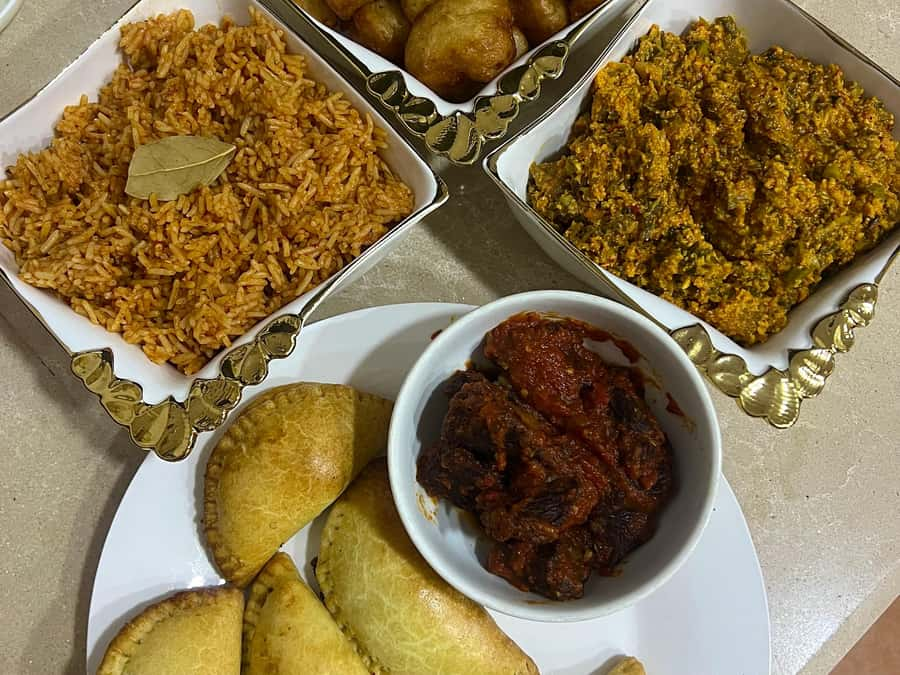
The exact menu can include several Nigerian favorites: jollof rice, stew, egusi, fufu, puff puff, meat pie, and peppersoup. The wording suggests that the dishes made may vary, so do not assume you will prepare every item during one five-hour session. Ask Aisha about the day’s menu if you have strong preferences.
The range is appealing. Jollof rice gives you a famous one-pot rice dish, egusi introduces a soup made with ground melon seeds, and fufu teaches you about the soft starches served with soups and stews. Puff puff and meat pie add a snack and pastry element, while peppersoup brings a different use of spices and broth.
You also gain a better sense of how Nigerian food balances heat, seasoning, texture, and slow preparation. The lesson is aimed at home cooking, so the goal is not just to produce lunch once. Aisha explains methods meant to work in your own kitchen after you leave Nigeria.
Cooking with Aisha in a home kitchen
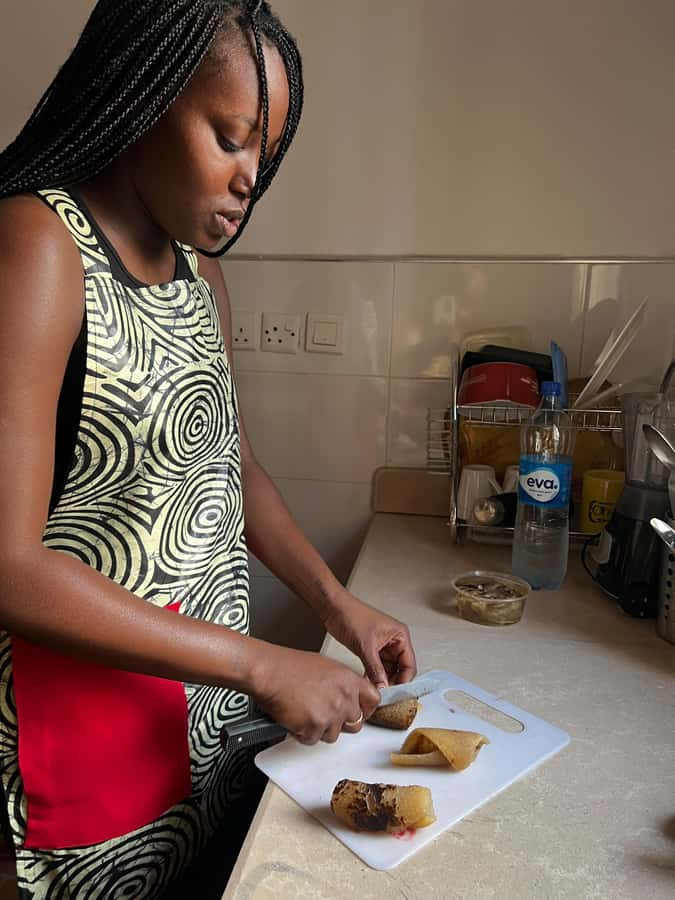
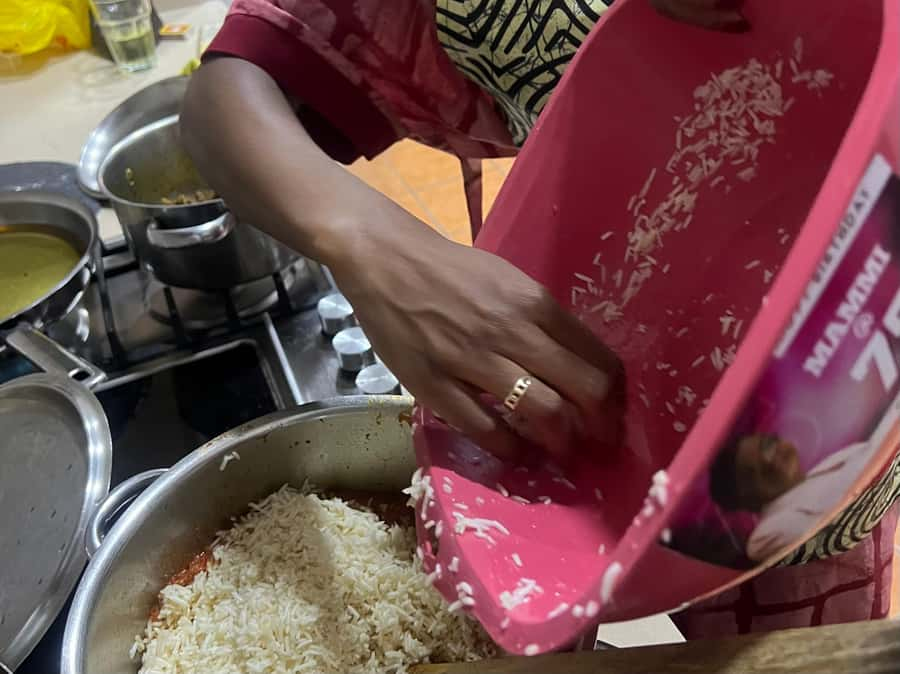
Back at Aisha’s kitchen, the class becomes hands-on. You are guided through the preparation step by step, with room to do the work rather than watch a chef perform it for you.
That format suits beginners. Feedback about the class repeatedly highlights Aisha’s patience, and that quality matters when you are handling unfamiliar ingredients or trying to judge the right texture for a dish. The cooking is designed to make complex recipes feel manageable.
A private class also lets you ask direct questions. If you want to know how to adjust spice, how to prepare an ingredient, or how to repeat a technique at home, you should have a better chance to get a clear answer than in a large group.
The tradeoff is that this is still a working home kitchen, not a professional cooking school with a full teaching station for every person. You should expect to share the space and follow Aisha’s direction. The setting is part of the personal nature of the experience, but it may not suit someone seeking a formal culinary course.
Aisha’s role is central. She is presented as a home-cook who enjoys eating, cooking, and teaching Nigerian food. Her approach combines practical instruction with cultural explanation, so the class is about how the food is made and why it matters.
The dishes you are likely to remember
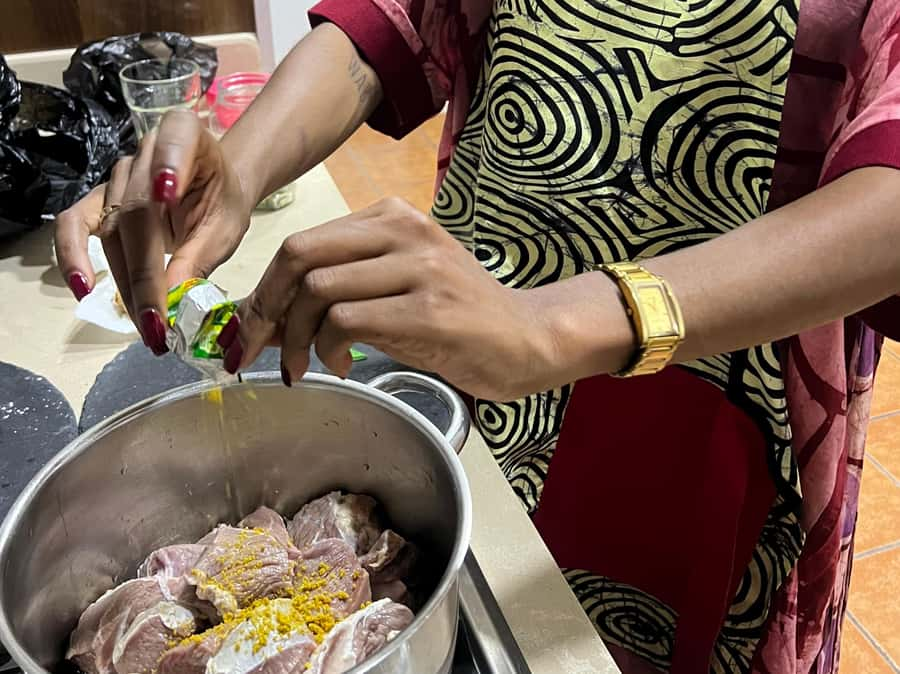
Jollof rice is the obvious draw for many people. It is one of the best-known Nigerian dishes outside the country, and learning to prepare it yourself gives you a useful reference point when you encounter it elsewhere.
Egusi provides a different lesson. Its ingredients and texture may be new to many first-time visitors, and preparing it alongside a starch such as fufu shows how Nigerian meals are often built around eating soup or stew with a soft accompaniment.
Puff puff is a good change of pace. The sweet fried dough is approachable, fun to prepare, and easy to picture making again at home. Meat pie adds another familiar-looking item with a distinctly Nigerian treatment.
Peppersoup rounds out the list with a dish centered on broth and spice. Stew also appears among the possible dishes, giving you a foundation that can be used with rice and other foods.
Because the class is five hours long, you should have time for explanation, preparation, cooking, and eating or packing the finished food. Still, five hours can pass quickly when a market visit is included, so do not expect a complete survey of Nigerian cuisine.
More market tours around the world:
- Bangkok: Damnoen Saduak Market and Maeklong Railway Market
★ 4.5 · 26,723 reviews - The Old Siam: Damnoen Saduak and Maeklong Railway Market
★ 4.5 · 10,992 reviews - Dubai: Old Town, Creek, Museums, Souks, & Street Food Tour
★ 4.8 · 10,816 reviews - Bangkok: Train Market & Floating Market with Boat Ride
★ 4.7 · 9,547 reviews
What makes the cultural side worthwhile
The market and kitchen work together. The market shows you the ingredients and the shopping habits; the kitchen shows you how those ingredients become a meal.
I like this structure because it avoids treating Nigerian food as a list of exotic dishes. You see the decisions behind the cooking: what to buy, how to choose it, how to season it, and how to use it in a familiar home setting.
The experience also gives you a chance to ask about Nigerian food culture in a natural way. Questions arise from what you are holding and cooking, rather than from a formal lecture. That makes the cultural education practical.
It is especially useful if you have eaten Nigerian food before and want to understand it better. It also works for someone who knows little about the cuisine but wants a direct introduction through food rather than a museum or sightseeing tour.
Do not expect a broad guided tour of Lagos. The cultural focus is food, shopping, and home cooking. If your main goal is to see major landmarks, this is not the right activity.
The $175 price for one or two people
The listed price is $175 per group of up to two people. That means the value looks different for a solo participant than for a pair sharing the booking.
For two people, the cost works out to $87.50 each before any additional booking charges. You receive five hours of private instruction, a market visit, ingredients, cooked food to take home, an Adire apron, and a PDF recipe book. For a couple or two friends who want focused instruction, that is a more reasonable calculation than comparing it with a short group demonstration.
For one person, you are paying the full group price, but you also receive the most direct version of the class. You are not splitting attention with a large group, and the intimate setting may be worth the extra cost if food is a major part of your Lagos trip.
The value depends on your priorities. If you want a cheap meal, this is too expensive. If you want market access, a private teacher, Nigerian cooking skills, and useful keepsakes, the price is easier to defend.
The food itself is not the only product. You are paying for instruction and context, then taking the knowledge home. The PDF recipe book helps turn the day into something you can repeat, while the apron is a practical reminder of the class rather than a generic souvenir.
The Adire apron and recipe book
The locally made Adire apron is one of the nicest details. Adire is a Nigerian tie-dye textile tradition, and receiving an apron made in that style connects the cooking activity with local craft.
You use the apron during the class, then take it home. That makes it more useful than a decorative item that sits in a suitcase. It also gives you something physical to associate with the recipes after the trip.
The PDF recipe book is the more important take-home item for most people. Cooking unfamiliar food once is not enough to build confidence, especially when ingredients and measurements may look different at home.
The book includes measurements and instructions for the dishes made in class. Save it in more than one place before leaving, especially if you plan to cook Nigerian food after your trip.
Who will get the most from this class
This experience is a good match for you if you:
- Enjoy cooking or want an introduction to Nigerian food.
- Prefer private instruction to a large group.
- Want to meet a local home-cook in a personal setting.
- Are comfortable walking through a busy market.
- Like learning through ingredients, preparation, and conversation.
- Want recipes and a useful souvenir to take home.
It may be less suitable if you dislike heat, crowds, bargaining, or hands-on work. The class is also not designed for children under 13, according to the supplied restrictions, so families with younger children should choose another activity.
The class is wheelchair accessible, which is helpful, but the market environment can still involve crowding and movement. If you use a wheelchair or have specific mobility needs, confirm the practical details with the provider before booking, since the experience includes a market visit and a home kitchen.
Timing, identification, and what to bring
The activity lasts five hours, with starting times available according to the date you choose. Plan the rest of your day with room to spare. A market visit followed by cooking is not the kind of outing you want to squeeze between two fixed appointments.
English is the teaching language. The group is private, and the activity is intended for one or two people.
Because the cooking takes place in Aisha’s home, you must present an international passport for identification. A copy is accepted, which is useful if you prefer to keep the original document secured elsewhere.
Bring comfortable shoes, sunscreen, water, and a sun hat or other hat. Smoking is not allowed, including indoors, and alcohol and drugs are prohibited.
The cancellation policy is practical: you can cancel up to 24 hours before the activity for a full refund. You can also reserve now and pay later, which helps if your Lagos schedule is still changing.
What past participants found strongest
The most consistent praise concerns Aisha’s manner and the success of the food. She is described as welcoming, patient, and enthusiastic about Nigerian cooking, which is important in a class where you may need help at several stages.
The dishes most clearly praised are jollof rice, puff puff, and egusi soup. The cooking is not only presented as enjoyable, but as food that turns out well and tastes good.
That combination matters. A friendly teacher can make a class pleasant, but useful recipes and successful results are what make it worth repeating at home. The available feedback gives this class a perfect rating from two verified bookings, though that is a small sample, so you should treat it as encouraging rather than final proof for every type of participant.
Should you book the Nigerian cooking class?
Book it if you want a personal, food-centered way to understand Lagos and you are happy to spend five hours shopping, cooking, asking questions, and eating what you make. The private format, patient instruction, market visit, Adire apron, and recipe book give the experience more substance than a standard cooking demonstration.
Think twice if you want a quick activity, a sightseeing tour, or a polished restaurant setting. The market may be hot and hectic, the class takes place in a private home, and the full price is easiest to justify when shared by two people.
For food lovers, curious first-time visitors, and anyone hoping to recreate Nigerian dishes at home, this is a strong choice. Bring water, protect your phone in the market, and arrive ready to work.
FAQ
How long does the Nigerian cooking class last?
The activity lasts five hours, including the market visit and cooking class.
Where does the market visit take place?
The market visit takes place in the Oniru beach neighborhood in Lagos.
Who teaches the cooking class?
Aisha, a home-cook who teaches Nigerian food and cooking, leads the experience.
What language is used during the class?
The class is conducted in English.
How many people can join the private group?
The price covers a private group of up to two people.
What dishes may be prepared?
Possible dishes include jollof rice, stew, egusi, fufu, puff puff, meat pie, and peppersoup. The exact dishes made during your class may vary.
Do I receive anything to take home?
Yes. You can take home the food prepared during the class, a locally made Adire apron, and a PDF recipe book with measurements and instructions.
Do I need to bring identification?
Yes. Since the class takes place in Aisha’s home, you must present an international passport for identification. A copy is accepted.
Is the activity wheelchair accessible?
Yes, the activity is listed as wheelchair accessible.
Can I cancel or pay later?
You can cancel up to 24 hours in advance for a full refund. You can also reserve your place and pay later.
New market tours around the world
- Tel Aviv: 2-Hour Carmel Market Tour in English with Lunch★ 4.8 · 23 reviews
- Tel Aviv: Carmel Market & Neighborhood Guided Walking Tour★ 4.7 · 3 reviews
- Tel Aviv: 2-Hour Jaffa Flea Market Tour with Tastings★ 4.9 · 8 reviews
- Tel Aviv: Carmel Market Food Tasting Tour “Shuk Hacarmel”★ 4.0 · 8 reviews
- Tel Aviv: 2-Hour Levinsky Market Tour with Full Lunch★ 4.7 · 10 reviews
- Tbilisi 2 Parks: Turtle Lake & Dedaena Park with Flea Market★ 5.0 · 3 reviews
- Tbilisi: Street Food & Sightseeing Tour with Local Markets★ 5.0 · 8 reviews
- Teguise: Market and César Manrique Foundation Tour★ 4.3 · 39 reviews
Market Tours, side by side.

Bangkok: Damnoen Saduak Market and Maeklong Railway Market
Read our review →
The Old Siam: Damnoen Saduak and Maeklong Railway Market
Read our review →
Dubai: Old Town, Creek, Museums, Souks, & Street Food Tour
Read our review →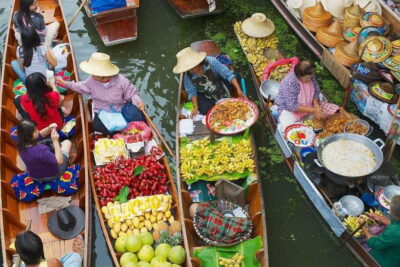
Bangkok: Train Market & Floating Market with Boat Ride
Read our review →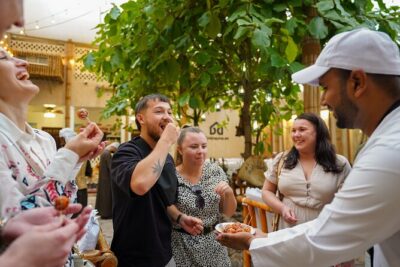
Dubai: Old Town, Souks, Street Food, Guided Tour & Abra Ride
Read our review →
Dubai: Frame Tickets, Creek, Souks & Blue Mosque Guided Tour
Read our review →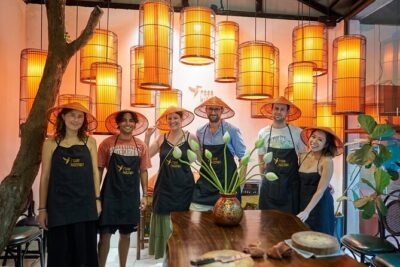
Hanoi Cooking Class: Culture, Local Market & Meaning CSR Impact
Read our review →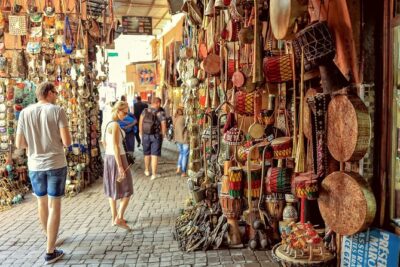
Marrakech: Bahia Palace, Saadian Tombs, Souk and Medina Tour
Read our review →This tour also appears in