
Review · COLOMBIA
Medellín Multi-sensory Tour in the market, +15 Exotic Fruits
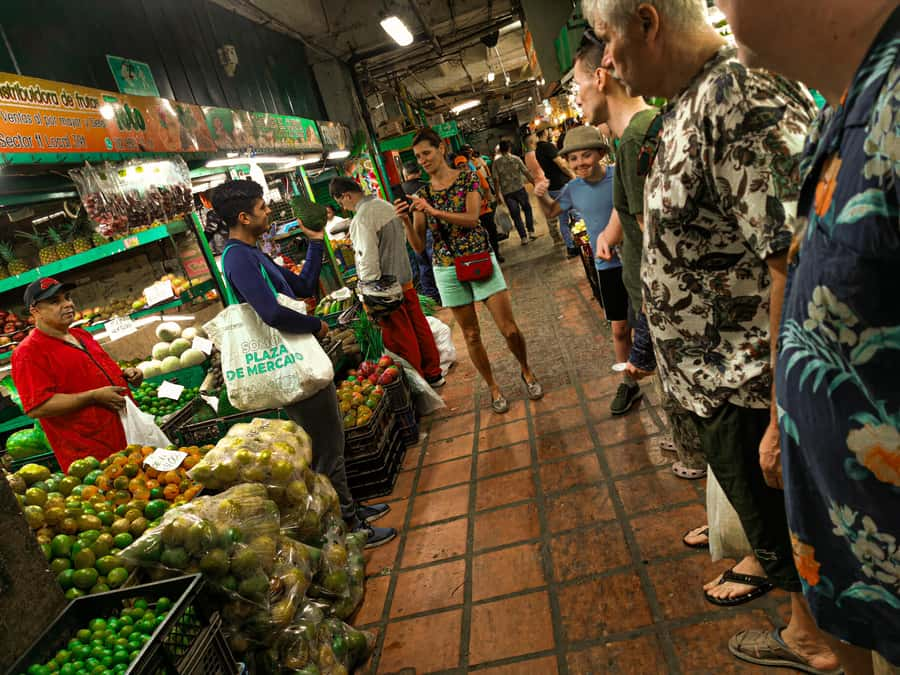
The best part of this Medellín tour is simple: you eat your way through Plaza Minorista José María Villa while learning how the city’s main market really works. Expect fruit you may never have seen before, friendly traders, and a guide who knows which stalls to visit.
I like the small groups of eight or fewer, which make it easier to ask questions and speak with sellers. I also like the personal market connection. Sergio, one of the guides, grew up around the plaza, and his family has worked there for years. The main drawback is that this is not a sightseeing tour with major monuments. It is noisy, crowded, and food-focused, and people with food allergies should not book it.
Key points
- Taste 15 to 20 seasonal fruits, with some groups trying more than 20 depending on the harvest.
- Meet longtime market traders through guides who have close ties to the plaza.
- Learn how Medellín’s central market operates, including its role in the local economy.
- Try fruit in different ways, including with lime, salt, condensed milk, and fresh juice.
- Spend 2.5 hours on foot inside and around Plaza Minorista José María Villa.
- Join an English or Spanish tour with no more than eight people.
Why Plaza Minorista makes a better food lesson than a restaurant
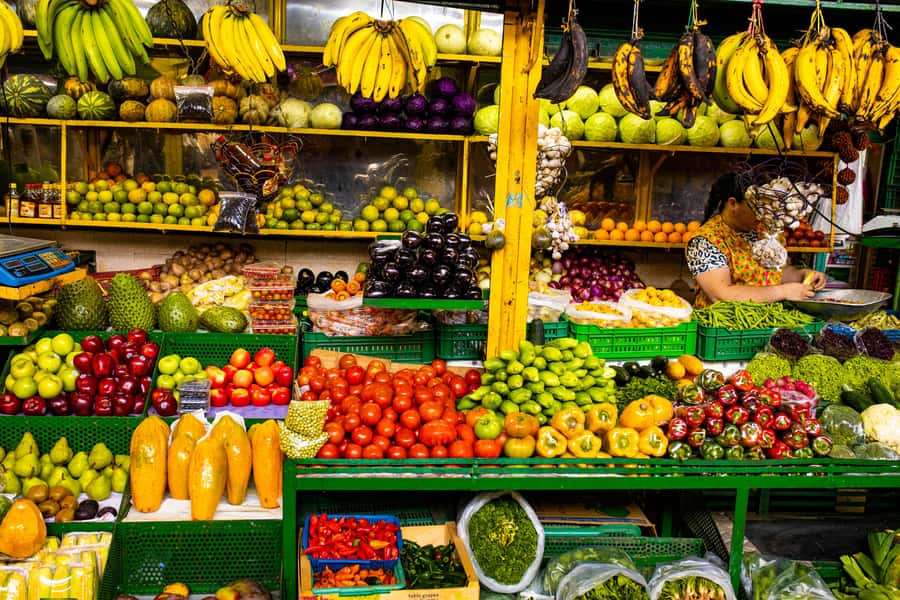
Plaza Minorista José María Villa has served as an economic center of Medellín since 1984. It is not arranged for sightseeing. It is a working market where produce changes hands, vendors call out to customers, and local shopping happens around you.
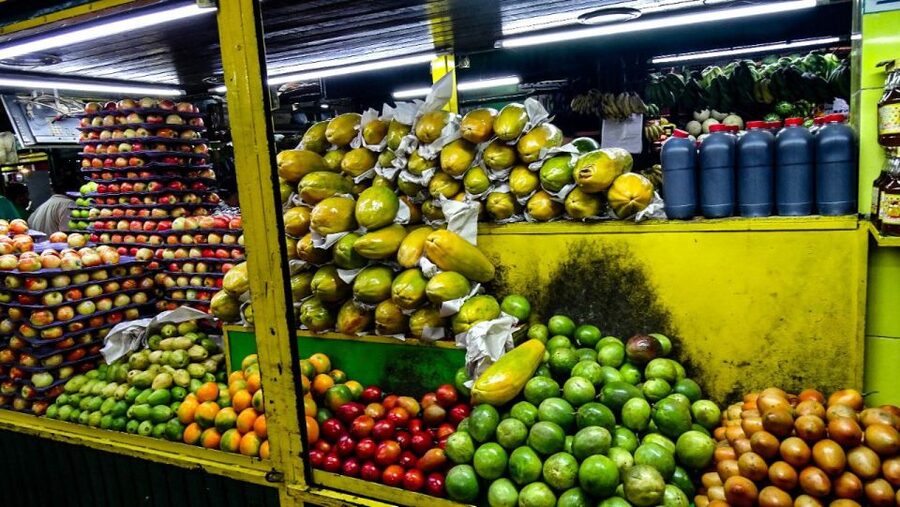
That is exactly why I like this experience. You are not just handed a plate of cut fruit in a polished tasting room. You see mountains of guanábanas, pitahayas, guavas, mangoes, lulo, and granadilla in their working setting. The fruit is connected to sellers, suppliers, family businesses, and the daily rhythm of the city.
The tour describes itself as 80 percent flavor and 20 percent history. That is a fair guide to the balance. You will spend much more time tasting than listening to a formal lecture, but the history gives the food meaning. You learn why the market matters, how it supports small producers, and why it remains a symbol of community strength.
The experience is especially useful early in a Colombia trip. Once you know what lulo, granadilla, or pitahaya looks like, you can spot it again in juice bars, cafés, and other markets. Several guests have left with a fruit list so they could remember the names and continue trying them during the rest of their stay.
More market tours around the world:
- Bangkok: Damnoen Saduak Market and Maeklong Railway Market
★ 4.5 · 26,723 reviews - The Old Siam: Damnoen Saduak and Maeklong Railway Market
★ 4.5 · 10,992 reviews - Dubai: Old Town, Creek, Museums, Souks, & Street Food Tour
★ 4.8 · 10,816 reviews
Meeting at Puerta 1 and getting oriented
Your meeting point is the main entrance, Puerta 1, marked P1. This detail matters because Plaza Minorista has several entrances, and arriving at the wrong door can waste time in a large, confusing building.
Look for the guide holding a purple umbrella. That is the clearest identifying sign provided for the meeting point. You should arrive in comfortable shoes, bring a passport or ID card, or a copy, and avoid sandals or flip-flops.
The route from the metro toward the market may feel uncomfortable in places because of homeless people along the way. Use ordinary city awareness and go directly to Puerta 1 rather than wandering around looking for another entrance.
The tour begins with a short safety briefing of about 10 minutes. This is practical rather than dramatic. You learn how the walk will work and how to move through a busy market without getting in the way of vendors or shoppers.
The first tasting route through Medellín’s produce aisles
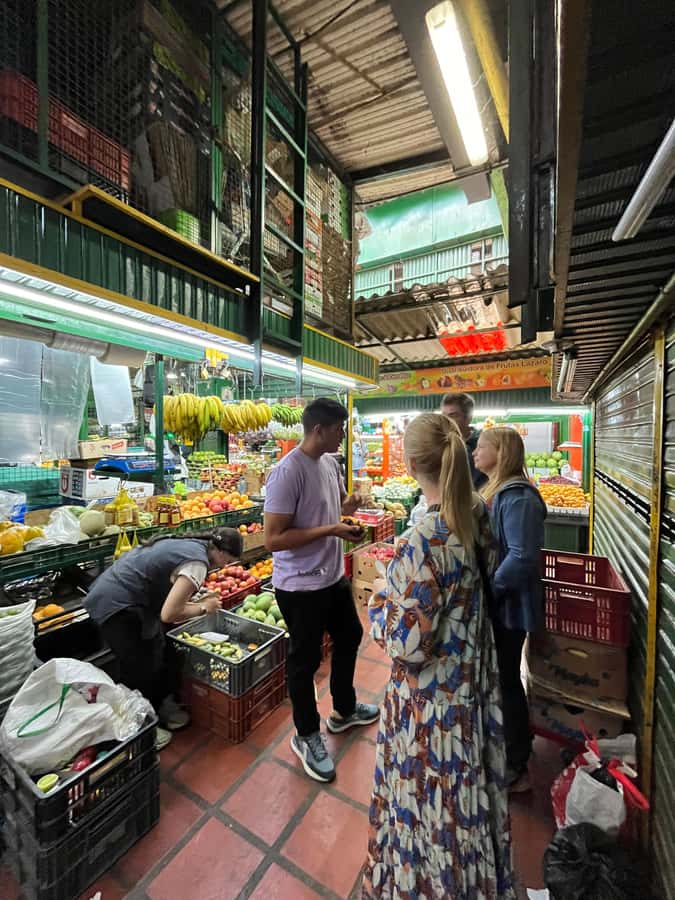
After the introduction, you walk for about five minutes to the first tasting area. The initial stop combines photographs, market views, and fruit sampling. It also gives you time to get used to the setting before the tasting pace picks up.
You may see mangoes, lulo, granadilla, pitahaya, guava, and guanábana, along with other fruits chosen according to the season. The exact selection changes. That is important because the tour promises a range of 15 to 20 varieties, but several groups have tried more than 20, with some reaching 30 or even 31 fruits.
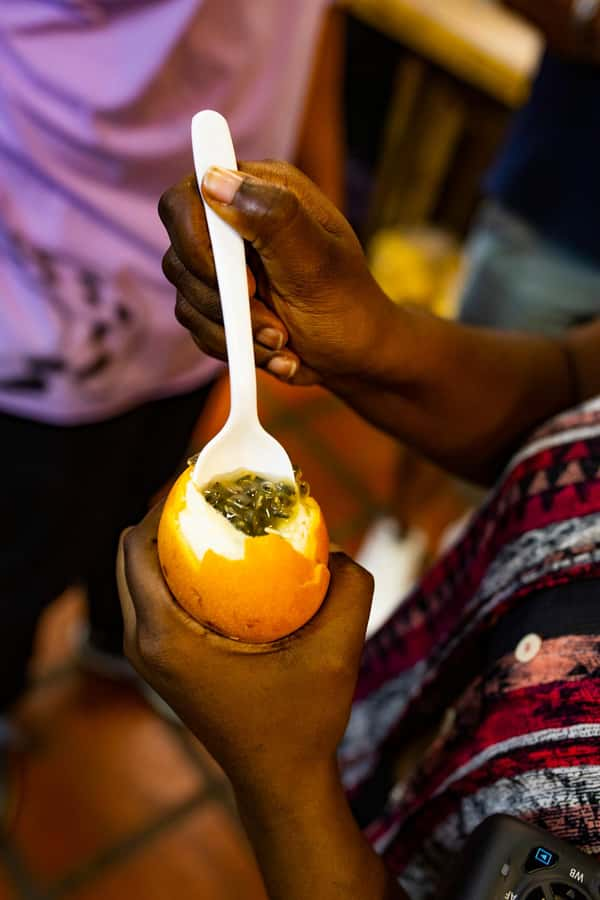
You will not simply taste everything in one standard format. Some fruit may be served plain so you can notice its texture and flavor. Other pieces may be paired with lime and salt, or with condensed milk. These small additions help show how Colombians enjoy the same fruit in different ways.
The first stop is also where the market begins to feel less like a maze. Your guide points out stalls and explains what you are seeing. Guides such as Sergio have worked in or around the market and know many of the sellers by name. That connection changes the experience. You can ask a question, watch a vendor prepare something, and hear a story that would be hard to get while walking alone.
Meeting the traders behind the stalls

The second tasting section comes after another short five-minute walk. Here, the focus shifts toward the people who keep the market running.
The traders are not treated as background scenery. Your guide introduces you to longtime sellers and helps you understand the work behind the fruit. You may hear about sourcing, seasonal supply, and how the stalls fit into the wider market system. The tour’s strongest quality is this access to everyday relationships rather than a rehearsed presentation.
Sergio has been praised for knowing the vendors and for sharing his own family connection to the market. His father has worked there for more than 20 years, and Sergio also worked there himself. That background helps explain why guests often feel comfortable returning to the market independently afterward.
Other guides connected with the experience include Laura, Adriana, Cheche, Daniel, and Salome. The guide you receive depends on the date, but the format remains the same: a local guide leads the walk, translates the setting, and manages the tastings.
If you want to buy fruit for later, ask your guide for help. The guide may be able to point you toward good choices and help you understand what is ripe. Purchases are not included in the $36 price, so keep that separate from the tour cost.
Same city, another market:
- Bangkok: Train Market & Floating Market with Boat Ride
★ 4.7 · 9,547 reviews - Dubai: Old Town, Souks, Street Food, Guided Tour & Abra Ride
★ 4.9 · 7,170 reviews - From Bangkok: Ayutthaya & Ayothaya Floating Market Day Trip
★ 4.7 · 6,084 reviews - Dubai: Frame Tickets, Creek, Souks & Blue Mosque Guided Tour
★ 4.8 · 5,980 reviews
Four tasting stops, with short breaks between them
The itinerary is divided into four tasting and market sections, each lasting about 30 minutes. Five-minute walks connect them. This structure works well because the market is large, and a single long stop at one stall would give you only a narrow view.
The first section introduces the market and begins the fruit tasting. The second brings you closer to vendors and sourcing. The third adds another round of fruit, market stories, and time to pause. The fourth brings the route back toward the starting point and usually includes a final tasting and a chance to ask questions.
The breaks matter. Fifteen to 20 fruit varieties can be a lot to eat in one sitting, especially when some are served with toppings or followed by juice. I would eat only a light breakfast, not arrive completely full. At the same time, skipping food entirely may not suit everyone, since the tour lasts 150 minutes and takes place on foot.
A personal spoon, napkins, cleaning items, and fruit-cleaning supplies are included. These details are modest but useful in a working market. You do not need to bring tasting equipment, and the cleaning supplies make the food process feel more organized.
Water is not included. Bring your own bottle, especially if you do not usually drink much juice or eat large amounts of fruit in warm weather.
What the fruit tasting is really like
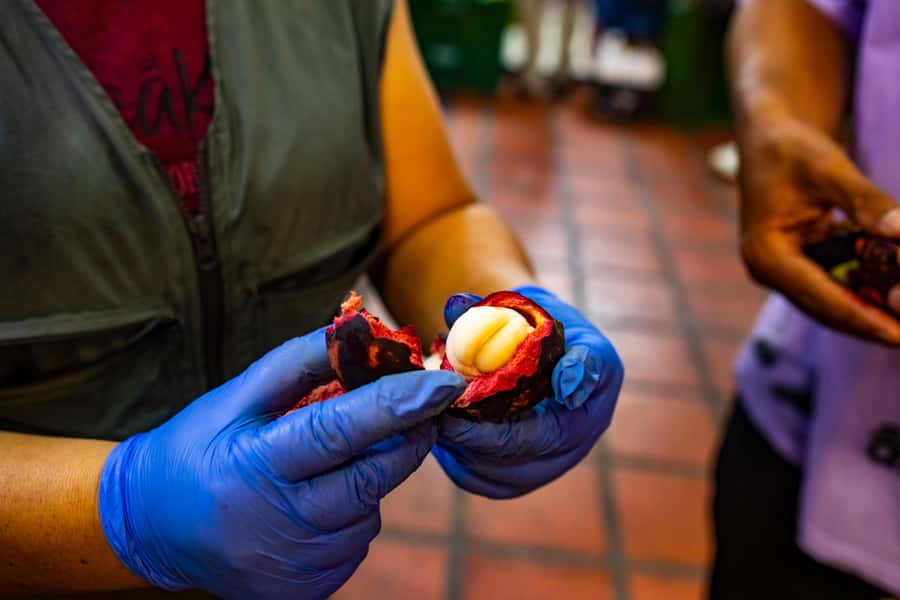
The appeal is not just the number of fruits. It is the chance to compare textures and flavors that rarely appear together outside tropical regions.
Mangoes may be familiar, but lulo has a sharper, more unusual character. Granadilla offers a different texture, while guanábana and pitahaya bring their own look and feel. The point is not to memorize a list. It is to notice how wide Colombia’s fruit culture is and how different each item can be.
You may taste around 15 to 20 varieties as advertised, though seasonal supply can change the selection. Past groups have tried 18, 19, 20, 23, 24, 25, and even 30 or more. Treat those higher numbers as a possible bonus, not a promise.
At the end, you receive fruit juice. The juice gives you a more familiar way to enjoy some of the flavors after tasting them one by one. Some guides may let you choose the juice, but the confirmed inclusion is a fruit juice rather than a guaranteed menu of choices.
This is a generous amount of food for a two-and-a-half-hour walk. If you are mainly interested in photography or architecture, you may find the tasting pace too dominant. If you enjoy trying unfamiliar food, the balance is much better.
The personal guide makes the market easier to read
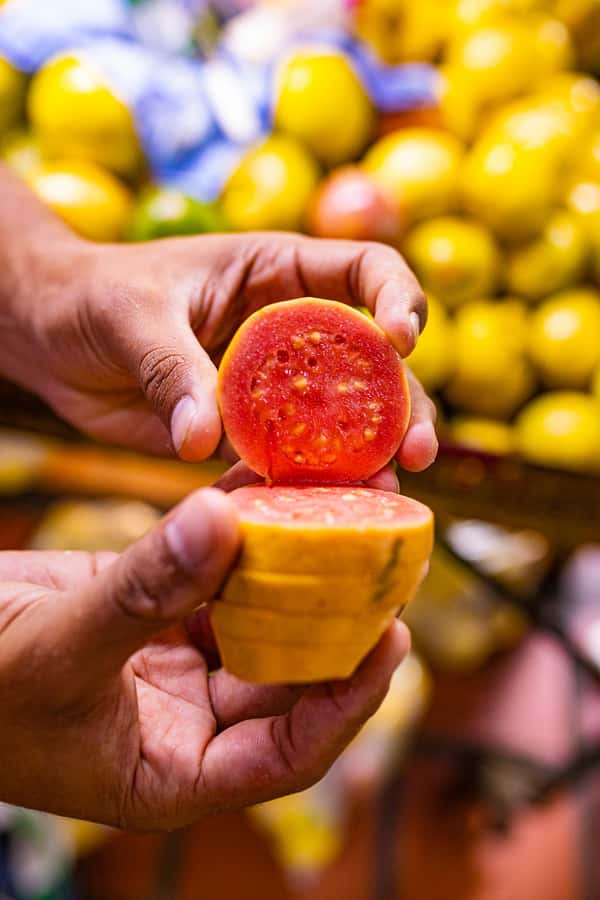
A large food market can be hard to understand on your own. You see produce everywhere, but you may not know what to ask, which stalls welcome questions, or how to tell one fruit from another.
A guide gives the visit a clear path. Sergio, in particular, is known for combining fruit information with stories about Medellín and his own connection to the plaza. Guests have described him as warm, humorous, and willing to answer questions beyond the scheduled tasting.
That personal touch is the difference between wandering through a market and making sense of it. You learn why a stall is placed where it is, how sellers interact, and how the market supports producers and families. The tour also helps you return on your own later, which adds value beyond the 150 minutes.
The small-group limit is eight people. That is a strong choice for this setting. A large group would block aisles, make conversations with traders harder, and turn the tasting into a queue. With fewer people, you have a better chance to hear the guide and ask for help choosing fruit.
Is $36 good value?
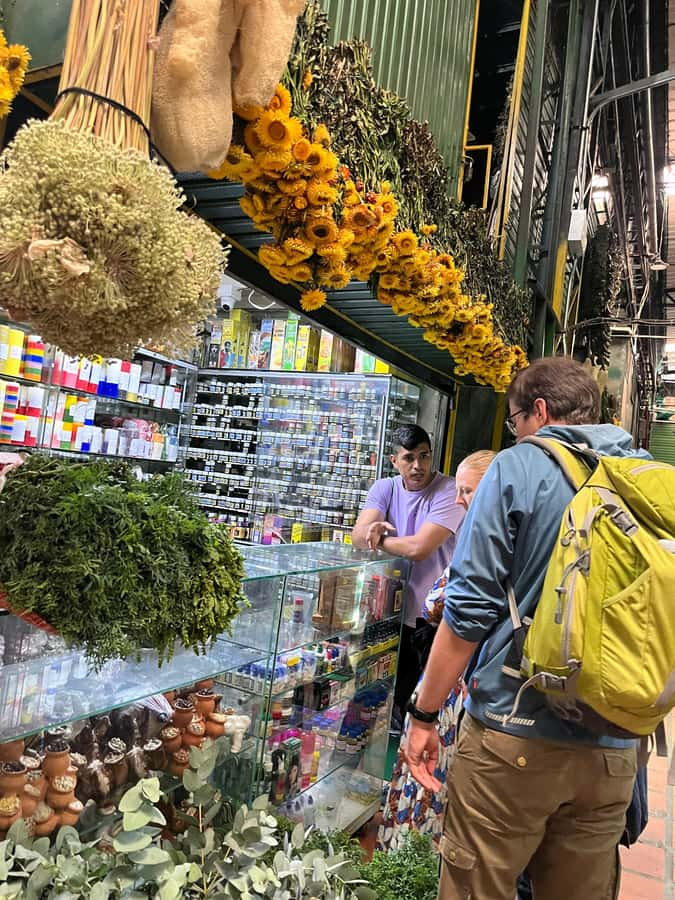
At $36 per person, the tour is not the cheapest way to buy fruit in Medellín. If you only want to eat mangoes or drink juice, go to a market stall and spend much less.
The value comes from the combination of food, guidance, access, and context. Your price covers a walking tour, a guide, 15 to 20 fruit varieties according to the harvest, juice, a personal spoon, napkins, hand-cleaning items, and fruit-cleaning supplies. It also gives you a planned route through a market that can be difficult to read alone.
I think the price is fair for food-focused visitors who would otherwise miss the less obvious parts of Plaza Minorista. The value is strongest if your guide has a close connection with the sellers, since that can lead to better explanations and a more natural exchange at the stalls.
The price is less compelling for independent shoppers who already feel comfortable in Spanish and know the market. You are paying for interpretation and access, not simply for the fruit itself.
Who should book this experience
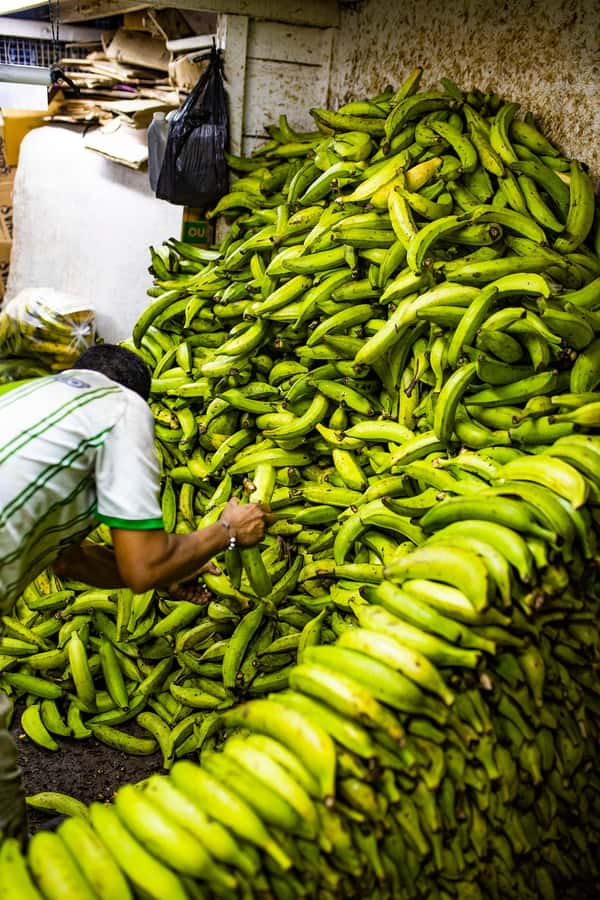
I would recommend it to food lovers, first-time visitors to Medellín, and anyone curious about daily life beyond the city’s main tourist districts. It also suits responsible travelers who want some of their spending to support small producers and local sellers in the plaza.
It works for solo visitors because the group is small and the guide provides structure. It also suits families with older children who are willing to try unfamiliar food, though the market setting may be intense for anyone who dislikes crowds, noise, or strong smells.
People with food allergies should not book this activity. The tasting includes many fruits, and the tour is not described as suitable for allergy management. You should also be comfortable walking for about 150 minutes and wearing closed, comfortable shoes.
English and Spanish tours are available. If you want detailed explanations about fruit names, preparation, and market customs, choose the language in which you can ask questions easily.
Practical details before you go
The tour lasts 150 minutes and takes place in the morning, when the market is at its most active. Exact starting times depend on availability, so check the schedule before booking.
Bring your passport or ID card, or a copy, and wear comfortable shoes. Sandals and flip-flops are not allowed. Water is not included, so carry some with you.
Cancellation is free up to 24 hours before the activity for a full refund. You can also reserve now and pay later, which helps if your Medellín plans are still shifting.
The experience is operated by Andariegos C13. Its other local tours include Comuna 13, and some people combine the two during their stay. The market tour makes a useful first step because it gives you a local food vocabulary and a better feel for Medellín before you explore other neighborhoods.
Should you book the Medellín exotic fruit market tour?
Book it if you want to eat unfamiliar Colombian fruit in the place where it is sold, learn from a guide with market ties, and meet the people behind the stalls. The strongest reasons are the small group, the personal connections, and the chance to taste far more than you would likely order on your own.
Skip it if you have food allergies, dislike market crowds, or want a tour centered on landmarks and history. For everyone else, $36 buys more than a fruit sampler. It gives you a practical introduction to one of Medellín’s working centers, with enough flavor to keep your breakfast conversation going for the rest of the trip.
FAQ
Where does the tour meet?
Meet at the main entrance of Plaza Minorista José María Villa, specifically Puerta 1, marked P1.
How will I identify the guide?
The guide will be waiting at the meeting point with a purple umbrella.
How long does the experience last?
The activity lasts 150 minutes, or two and a half hours.
How many people can join the group?
The group is limited to eight participants.
Which languages are available?
The tour is available in English and Spanish.
How many fruits will I taste?
The tour includes 15 to 20 fruit varieties according to the harvest season. Some groups have tasted more than 20, but that larger number is not guaranteed.
Is fruit juice included?
Yes. Fruit juice is included in the experience.
Is water included?
No. You need to bring your own water.
What should I wear?
Wear comfortable shoes. Sandals and flip-flops are not allowed.
Can I book if I have food allergies?
No. The experience is not suitable for people with food allergies.
Can I cancel the booking?
Yes. You can cancel up to 24 hours in advance for a full refund. You can also reserve now and pay later.
New market tours around the world
- Tel Aviv: 2-Hour Carmel Market Tour in English with Lunch★ 4.8 · 23 reviews
- Tel Aviv: Carmel Market & Neighborhood Guided Walking Tour★ 4.7 · 3 reviews
- Tel Aviv: 2-Hour Jaffa Flea Market Tour with Tastings★ 4.9 · 8 reviews
- Tel Aviv: Carmel Market Food Tasting Tour “Shuk Hacarmel”★ 4.0 · 8 reviews
- Tel Aviv: 2-Hour Levinsky Market Tour with Full Lunch★ 4.7 · 10 reviews
- Teguise: Market and César Manrique Foundation Tour★ 4.3 · 39 reviews
- Tbilisi 2 Parks: Turtle Lake & Dedaena Park with Flea Market★ 5.0 · 3 reviews
- Tbilisi: Street Food & Sightseeing Tour with Local Markets★ 5.0 · 8 reviews
Colombia Market Tours, side by side.

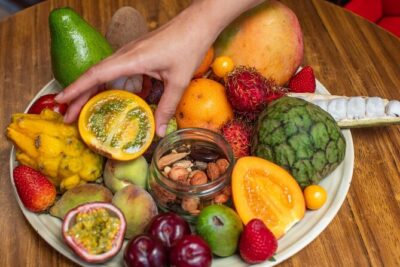
PALOQUEMAO MARKET FOOD TOUR. EXOTIC FRUIT. LOCAL SNACKS. /Min 2 pax
Read our review →
Shared Tour of Colombian Exotic Fruit at Paloquemao Market
Read our review →
Cartagena Bazurto Market: Authentic Food & Culture Tour
Read our review →

Cartagena: Bazurto Market & La Popa Convent Tour with Lunch
Read our review →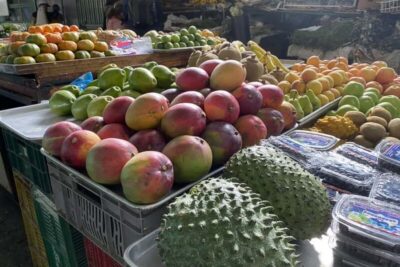
This tour also appears in