
Review · SEOUL
North Korean Border+Real battleship+submarine & Market Tour
The most striking part of this day is the chance to look across the Imjin River and see North Korean villages with your own eyes. At Odusan Unification Observatory, telescopes point toward a country that is close in distance but far removed in everyday life. It is a quiet, serious stop, made more powerful by the ordinary scenes you may spot across the water.
I like the pairing of the observatory with Seoul Battleship Park. The first stop gives you political and human context, while the second lets you walk through real naval vessels, including a large destroyer and a submarine. I also like that lunch and a traditional market are built into the day, so the experience is not only about military sites.
The main consideration is that this is a full day built around several different interests. If you want a slow market visit or a long museum session, the schedule may feel brisk. Monday is not available, and the tour requires a booking for at least two people, even though a reservation for two can be used by one person.
Key points at a glance
- See North Korea across the Imjin River: Use observatory telescopes to look toward villages and daily life on the other side of the border.
- Learn what division means today: Exhibitions explain the separation of North and South Korea and efforts toward reunification.
- Eat where local life happens: A Korean lunch and time at a traditional market add food and street-level culture to the day.
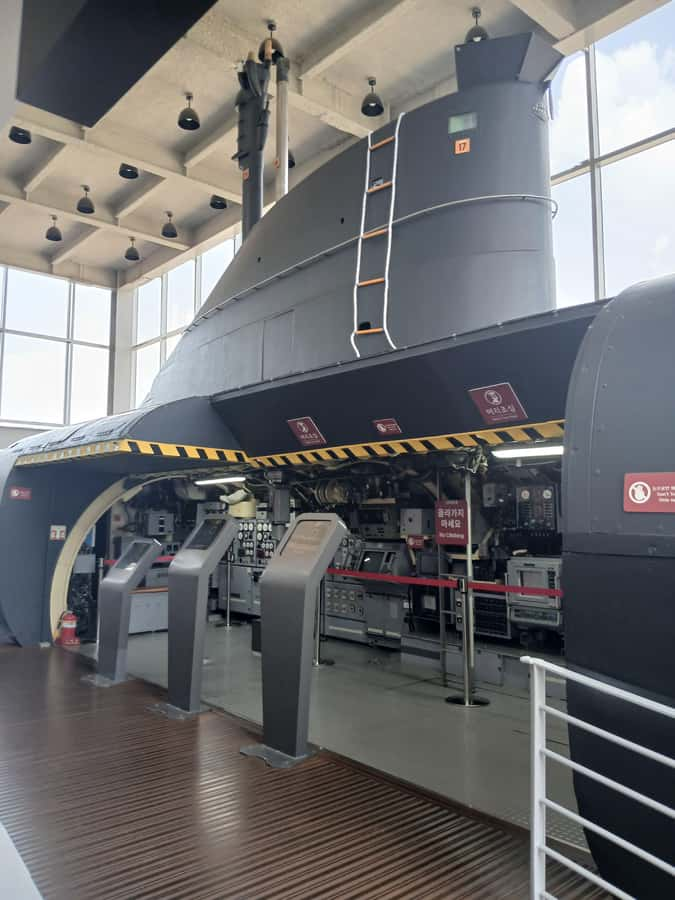
- Board genuine naval vessels: Walk through a retired destroyer and a real submarine at Seoul Battleship Park.
- Keep transport simple: Hotel pickup and drop-off from Seoul, admission, parking, lunch, drinks, and an English-speaking guide are included.
- Consider the practical limits: The tour is unavailable on Mondays and needs a minimum booking of two people.
Why the border stop feels different from a normal viewpoint
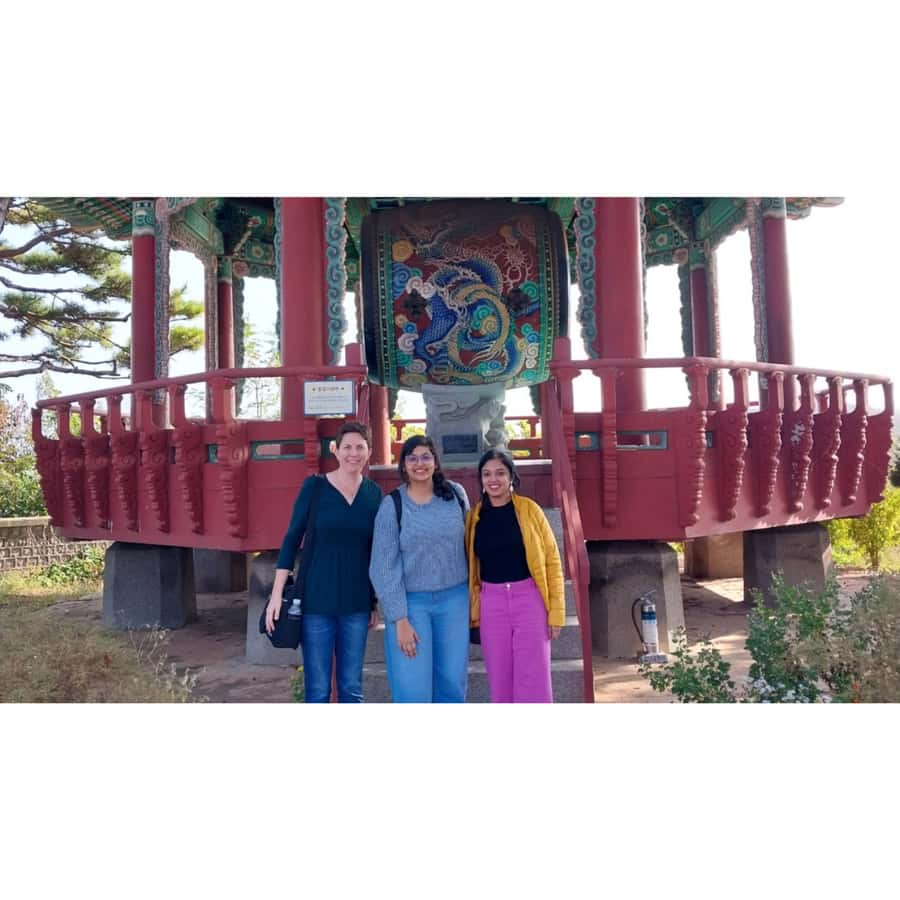
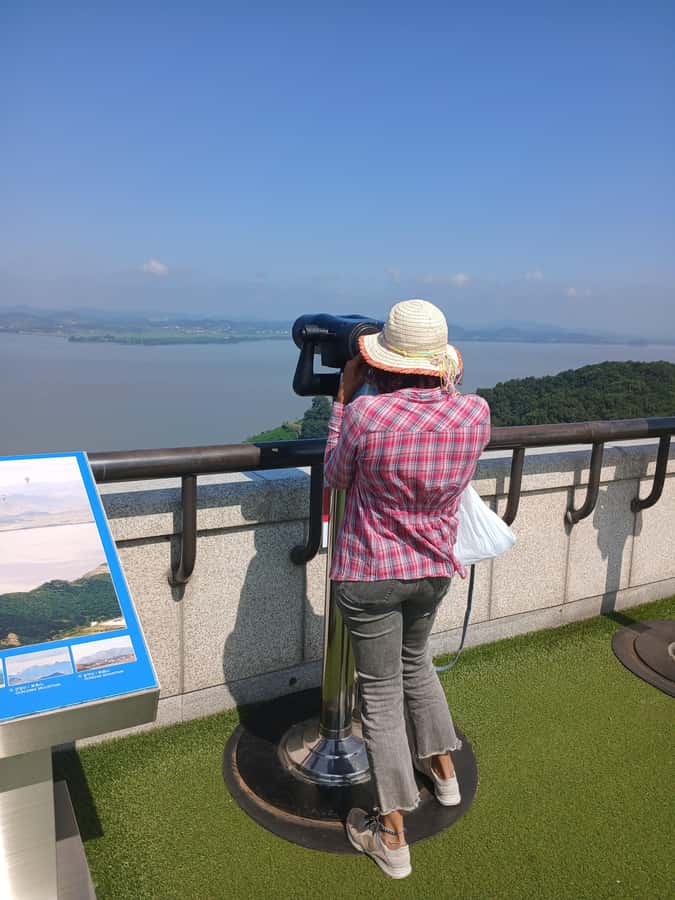
Odusan Unification Observatory sits at the northern edge of South Korea, near the border and across the Imjin River from North Korea. This is not a distant political exhibit with a map behind glass. You look across real water toward real villages, using telescopes that bring the far shore closer.
That physical closeness is the point. The border is not presented as an abstract line on a classroom map. You can see homes, fields, and signs of daily life in a place that remains difficult for most people to visit. The view can feel calm, even ordinary, which makes the larger political reality harder to ignore.
The observatory also gives you room to think about the Korean peninsula beyond military headlines. Exhibitions cover the division of Korea and attempts at reunification. You will learn about the relationship between North and South Korea while standing in a location where the separation is visible rather than theoretical.
I would allow yourself time to look through the telescopes more than once. Your first glance may be about finding North Korea. After that, you can pay attention to the scale of the river, the position of the villages, and how close the two sides appear. The experience is strongest when you slow down for a few minutes instead of treating the observatory as a quick photo stop.
The emotional tone is restrained. This is not a theatrical attraction, and that works in its favor. The atmosphere is serious without needing dramatic effects. Your guide can help explain what you are seeing and place the view within the wider story of North and South Korean relations.
More market tours around Seoul:
- Seoul Street Food Market Tour
★ 5.0 · 1,226 reviews - Local Home Korean Cooking Class & Market Adventure in Seoul
★ 5.0 · 1,024 reviews - Seoul: Night Market Food Tour with Local Guide
★ 4.9 · 943 reviews
What you see through the observatory telescopes
The supplied details do not promise a particular level of visibility on every day, so weather and viewing conditions matter. On a clear day, you can look across the Imjin River toward North Korean villages. The telescopes are especially useful because they turn a broad view into something more focused.
You should not expect a border crossing or close contact with North Korean residents. The value lies in observation from a safe viewpoint. You are seeing across a divided region, not entering a restricted zone.
That distinction matters when you set expectations. The observatory is not an amusement park and does not offer a fast sequence of attractions. Its strength is the chance to connect a major political issue with a specific place. If you enjoy current affairs, modern Korean history, or thoughtful sightseeing, this stop will likely be the day’s most meaningful section.
If you are mainly looking for dramatic scenery, the view may feel understated. The river and distant villages do not create a nonstop spectacle. Yet the plainness is part of the lesson. What you see may look like a normal rural setting, while the border gives every detail extra weight.
A Korean lunch and time in a traditional market
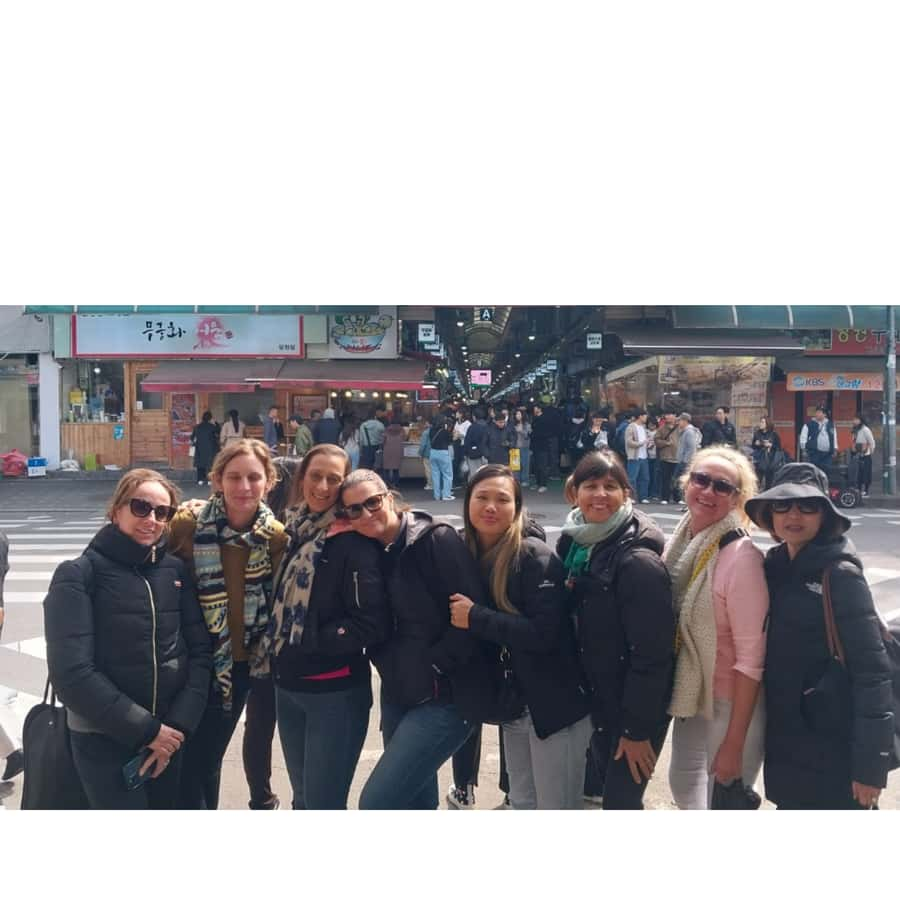
After the observatory, the tour moves into a more familiar part of Korean daily life: food. Lunch is included, along with drinks, so you do not need to budget separately for the main meal. The exact restaurant and menu are not specified, but the food stop is paired with time at a traditional Korean market.
That pairing makes sense. You get a proper meal, then a chance to walk through a place where shopping and eating are part of the local routine. The market adds color and flavor without requiring you to plan a separate food tour.
A previous guest specifically enjoyed gimbap and tteokbokki during the market stop. Those dishes are useful reference points if you want to know what kind of food may catch your attention. Gimbap offers neat rolls of rice and fillings, while tteokbokki is known for chewy rice cakes in a spicy sauce. The tour information does not guarantee either dish, but the market is a good setting for finding familiar Korean favorites.
I like this middle section because it breaks up the heavier border material. After concentrating on division and reunification, you can eat, walk, and watch ordinary local activity. You are not only studying Korea through military and political sites. You are also seeing how the country functions in daily life.
Keep your expectations practical. This is a market visit within a larger day, not a long, independent shopping session. You will have time to explore, but the group must continue to the next stop. If you see something you want to eat or buy, act promptly rather than assuming you can return later.
Walking aboard the destroyer at Seoul Battleship Park
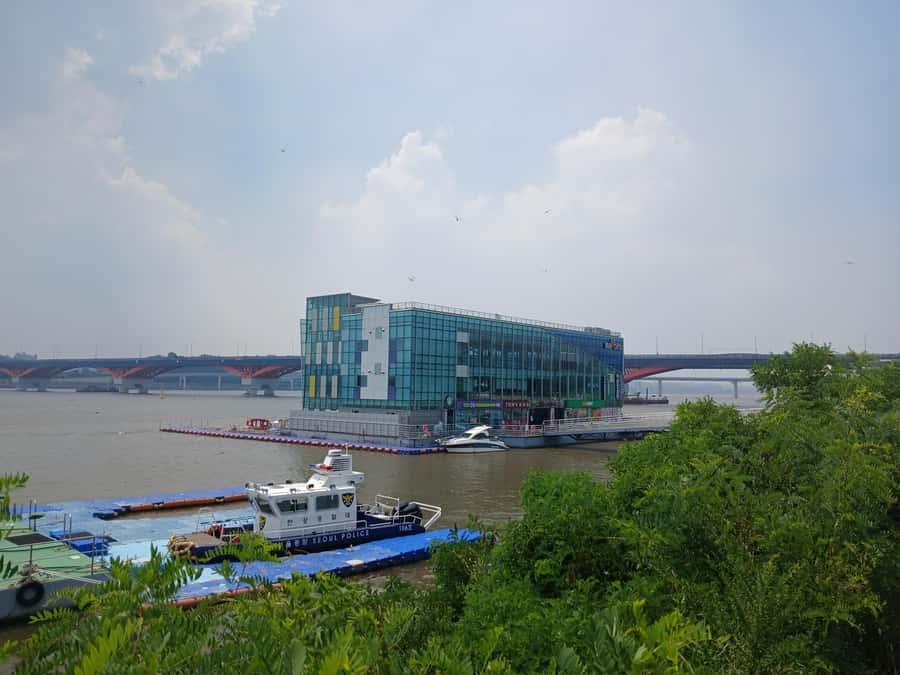
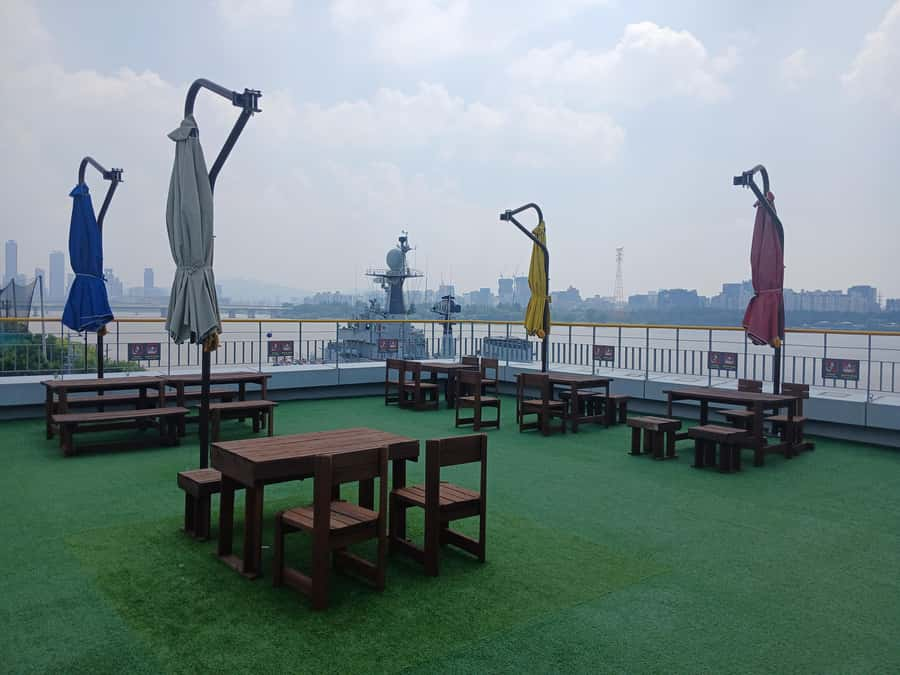
Seoul Battleship Park sits along the Han River and changes the mood again. Here, military history becomes physical. Instead of only reading about naval power, you can board a retired destroyer and see the scale of the vessel from the inside.
A large warship is difficult to understand from a photograph. Once you are beside it, the size becomes clear. You can walk through parts of the vessel and view naval equipment up close. The experience gives you a better sense of the spaces used by the people who served aboard ships like this.
The park also covers South Korea’s naval history through exhibits and interactive displays. That makes it more than a photo opportunity. You can connect the vessel itself with the country’s coastal defense and modern military story.
The destroyer is likely to appeal most to visitors who enjoy engineering, ships, military subjects, or hands-on museums. Children and teenagers may also find the scale more engaging than a standard indoor display, though the tour is not described as a children’s program.
Because the park lies beside the Han River, the setting adds a pleasant contrast to the enclosed spaces of the vessels. The river views give you a chance to reset between exhibits. The park has also been used as a filming location for Running Man and The Iron Squad, which may add interest if you know those programs.
Same city, another market:
- Seoul: Palace, Temple and Market Guided Foodie Tour at Night
★ 4.9 · 750 reviews - Seoul: Korean Cooking Class at a Local Home and Market Tour
★ 5.0 · 348 reviews - Seoul: Guided Food & Market Tour with 8+ Tastings
★ 4.9 · 342 reviews - Seoul Night Palace & Market Food Tour with Vehicle
★ 5.0 · 275 reviews
Inside a real submarine
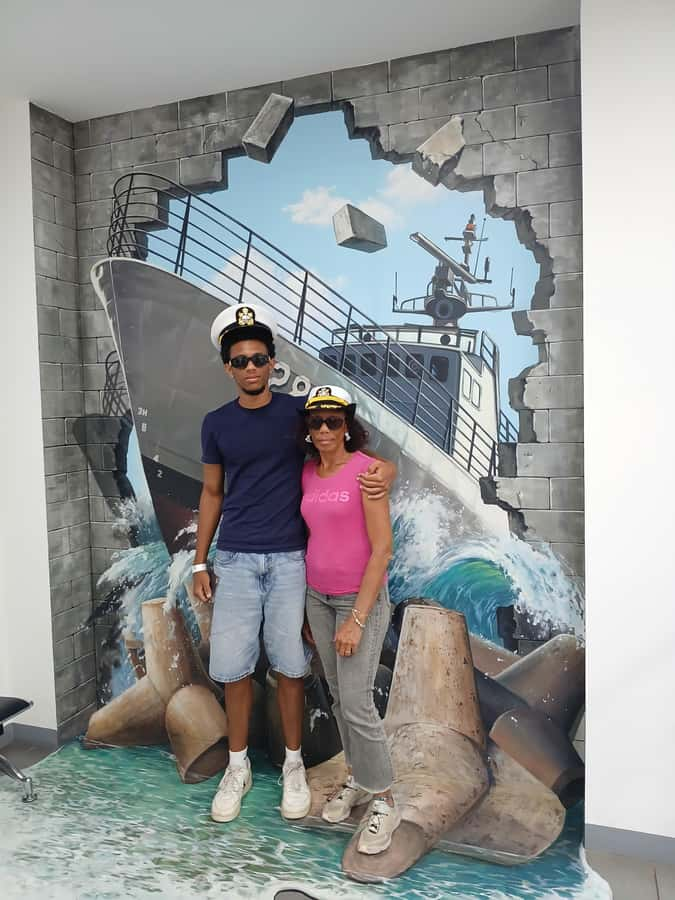
The submarine is the most unusual part of the park. You can walk inside a genuine submarine rather than viewing one from a distance. The narrow interior gives you a direct sense of how different submarine life is from the open spaces of a destroyer.
Expect tight passageways and compact rooms. The tour information does not list every interior section, so I would treat the submarine as a hands-on look at naval design rather than a guaranteed tour of every compartment.
The contrast between the two vessels is valuable. On the destroyer, you notice height, length, and open deck areas. Inside the submarine, the focus shifts to confined space and efficient use of every section. Seeing both on the same visit helps explain that naval vessels are built for very different purposes.
This stop also keeps the day from becoming too abstract. At the observatory, the military and political story is viewed from a distance. At the park, you can touch the physical side of that story through steel, equipment, corridors, and working spaces.
What the $95 price includes
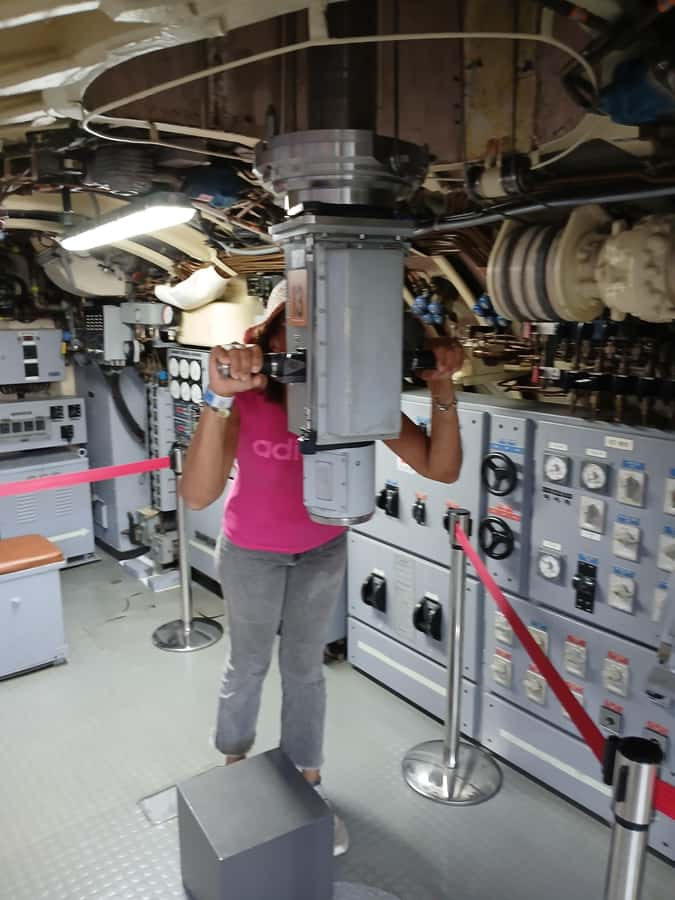
At $95 per person, the price needs to be judged as a package rather than as admission to one attraction. You receive hotel pickup and drop-off, an English-speaking guide, lunch, drinks, admission fees, and parking. Those inclusions remove several small costs that can quietly add up during a day outside central Seoul.
The transport is a major part of the value. Odusan Unification Observatory is near the northern edge of South Korea, while Seoul Battleship Park is along the Han River. Organizing both stops independently would mean arranging transport, checking opening days, paying separate admissions, and working out where to eat.
You are also paying for interpretation. The border stop has more meaning when someone explains the division of Korea and reunification efforts. At the naval park, guidance can help connect the ships and exhibitions with South Korea’s naval story.
The price may feel less attractive if you only want to visit the battleship park or only want a border viewpoint. It makes more sense if you want all three pieces: the observatory, Korean food and market time, and the naval vessels. Since lunch and drinks are included, you can make a clearer estimate of your actual spending before booking.
The minimum booking is two people. A reservation paid for two can be used by one person, but that means a solo visitor effectively pays the two-person minimum. This is important if you are traveling alone and comparing the cost with a private visit or a different group tour.
Pickup, guiding, and the shape of the day
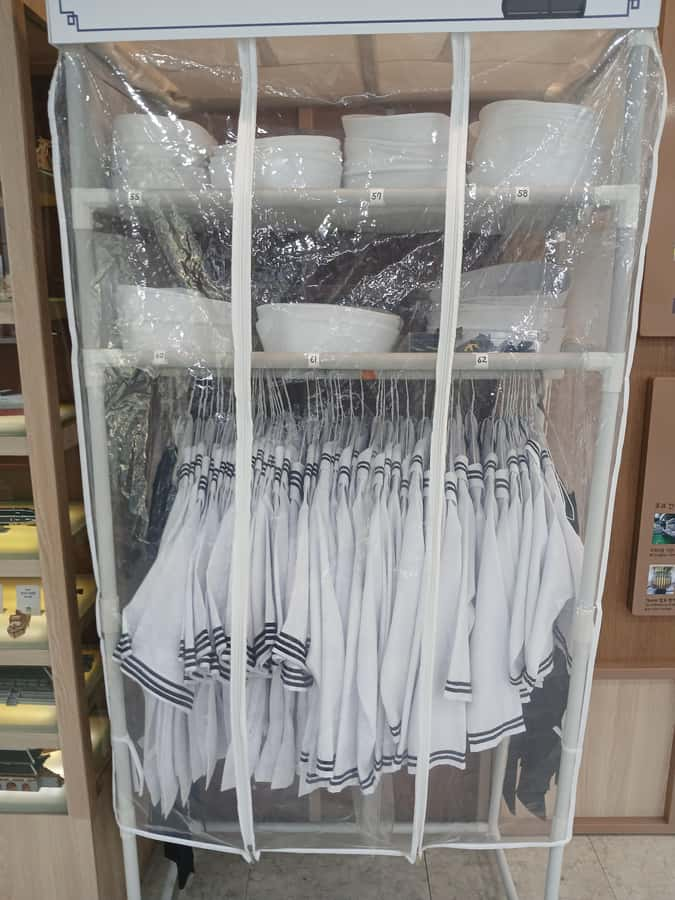
The experience begins with pickup at your Seoul hotel and ends with a return to your hotel. That arrangement is helpful for a day that reaches the northern edge of the country and includes several stops. You do not need to find the observatory, market, or battleship park on your own.
The guide speaks English. No individual guide name is provided, but the guide’s role is central to the day, especially at the observatory. You will want clear explanations there, since the meaning of the view depends on context as much as distance.
The schedule includes several distinct activities, so expect changes of pace. The observatory asks for attention and reflection. Lunch and the market are more casual. The battleship park is active and hands-on. That variety is a strength, but it also means the tour is not designed for spending a long, unhurried stretch at one site.
Wear something suitable for walking through a market and boarding ships. The information provided does not list accessibility details, so you should ask the operator directly if stairs, narrow ship interiors, or walking distances are a concern.
The tour is offered in English and is closed on Mondays. Cancellation is available up to 24 hours in advance for a full refund, and you can reserve now and pay later, which helps if your Seoul plans are still taking shape.
Who should book this experience
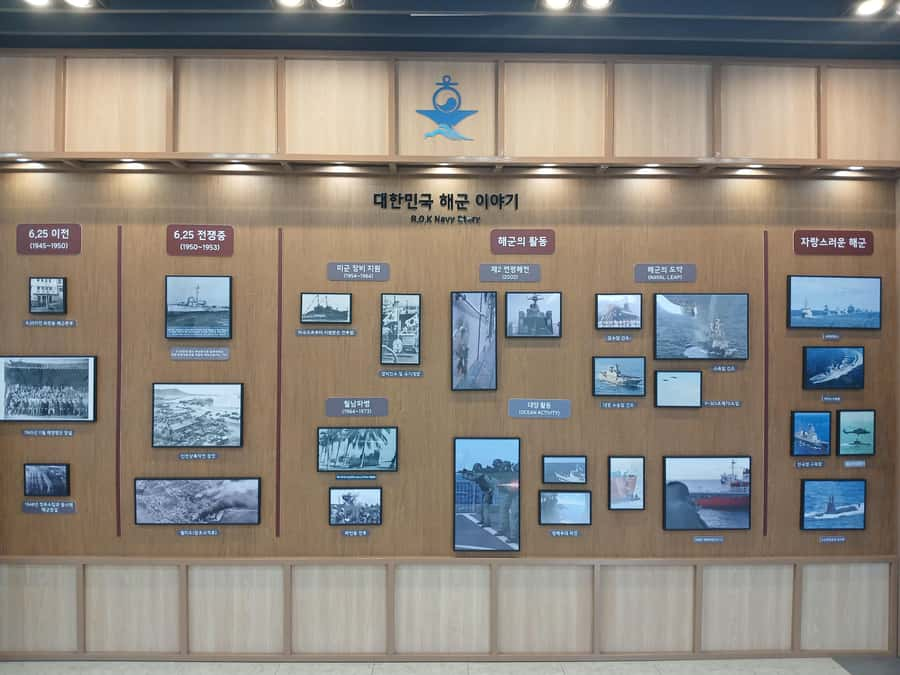
I would choose this tour if you want a broad look at modern South Korea in one day. It combines national division, everyday food culture, and naval history without asking you to arrange separate transport.
It is especially well suited to:
- People curious about North and South Korean relations
- Visitors who want to see North Korean villages from a legal public viewpoint
- Military and naval history fans
- First-time visitors who want hotel transport and included admission
- Food lovers who enjoy market walks and Korean dishes
- Fans of Running Man or The Iron Squad who recognize the battleship park
You may want a different plan if your main goal is a long shopping session, a quiet museum day, or a highly flexible private itinerary. The market visit is one part of a larger route, and the day includes several fixed stops.
Should you book the North Korean Border and Battleship Tour?
Book it if you want variety with a clear historical thread. The observatory provides the strongest sense of place, the market adds ordinary Korean life, and the destroyer and submarine make naval history physical and memorable.
The best reason to choose this tour is the combination. Many excursions offer a border viewpoint, while others focus on Seoul attractions. This one links a view toward North Korea with Korean food and actual military vessels, all with hotel transportation and an English guide.
Skip it if you are unwilling to pay the two-person minimum, cannot travel on a day other than Monday, or prefer to control every minute yourself. For most visitors who want a practical, information-filled day beyond the usual Seoul route, the $95 price is reasonable, particularly because lunch, drinks, admissions, parking, and hotel transfers are included.
FAQ
Where does the tour visit?
The tour visits Odusan Unification Observatory, a traditional Korean market, and Seoul Battleship Park along the Han River.
Can I see North Korea on this tour?
Yes. From Odusan Unification Observatory, you can use telescopes to view North Korean villages across the Imjin River.
What can I see at Odusan Unification Observatory?
You can view North Korea across the river and explore exhibitions about the division of Korea and efforts toward reunification.
Is lunch included?
Yes. Lunch and drinks are included in the tour price.
What is included in the $95 price?
The price includes hotel pickup and drop-off, an English-speaking guide, lunch, drinks, admission fees, and parking.
Can I board the ships at Seoul Battleship Park?
Yes. The experience includes boarding a large retired naval destroyer and walking inside a real submarine.
Is the tour available on Mondays?
No. The tour is closed on Mondays.
Can one person book the tour?
The minimum booking is two people. A reservation paid for two people can be used by one person.
New market tours around Seoul
- Seoul: The Biggest Sea-food Noryangjin Market Tour★ 4.3 · 30 reviews
- Seoul: Sokcho beach, market, hot spring and Seorak Cable Car★ 4.8 · 5 reviews
- Seoul: Gyeongbokgung Palace Tour & Lunch at Authentic Market★ 4.5 · 2 reviews
- Seoul: Mt.Seorak(+CableCar Option)+Sokcho Fish Market&Beach★ 4.5 · 9 reviews
- Seoul: Namdaemun Market Food Tour★ 4.9 · 34 reviews
- Seoul: Gwangjang Market Vegan & Vegetarian Food Tour★ 5.0 · 16 reviews
- Seoul Gwangjang Market Foody Walking Tour★ 4.1 · 7 reviews
- Seoul: Guided Street Food Tour at Namdaemun Market★ 5.0 · 10 reviews
Seoul Market Tours, side by side.


Local Home Korean Cooking Class & Market Adventure in Seoul
Read our review →

Seoul: Palace, Temple and Market Guided Foodie Tour at Night
Read our review →
Seoul: Guided Food & Market Tour with 8+ Tastings
Read our review →
Seoul: Nighttime Tour of Palace, Market, Naksan Park & More
Read our review →
Seoul: Gyeongbok Palace, N Tower, & Local Market City Tour
Read our review →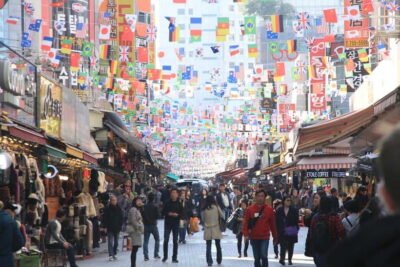
This tour also appears in