
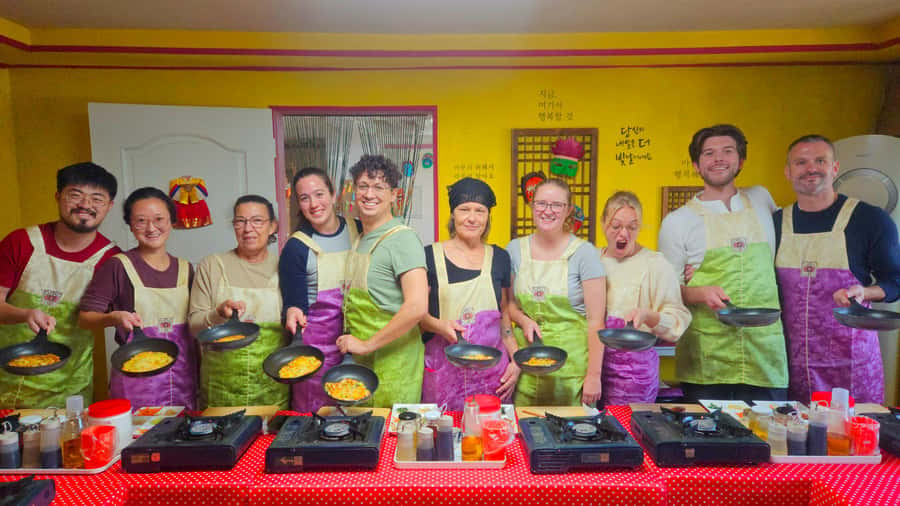
Review · SEOUL
Seoul: Korean Cooking Class at a Local Home and Market Tour
The best part of this Seoul cooking class happens before you pick up a knife. You walk through a less touristy local market, taste street food, and shop for ingredients with an English-speaking Korean host. Then you head to a local home and cook four familiar dishes from scratch.
I like the market-to-table format, which gives the food a clear setting instead of treating Korean cooking as a set of disconnected recipes. I also like the warm, social finish: a Hanjeongsik meal with more than 10 side dishes, fruit, rice wine, and the food you prepared yourself.
The main thing to consider is the setting. There is no hotel pickup, and the local home has no elevator, so you need to reach Mangwon Station on your own and manage the stairs. The class is also best for people who enjoy group conversation as much as cooking.
Key points
- Mangwon market first: Shop for class ingredients and sample Korean street food in a local market.
- Four dishes in one class: Make bibimbap, dakgalbi, haemul-pajeon, and doenjang-jjigae.
- Hosts with personality: Sarah, Sara, and Junghee are named as possible hosts, with strong English and an easy, humorous teaching style.
- A full Korean meal: Finish with Hanjeongsik, more than 10 side dishes, rice, seasonal fruit, and rice wine.
- Small-group setting: The group is limited to 10 people, giving you room to cook and ask questions.
- Cultural extras: Learn useful Korean phrases and try on a Tal mask associated with Korean heritage festivals.
Starting at Mangwon Station
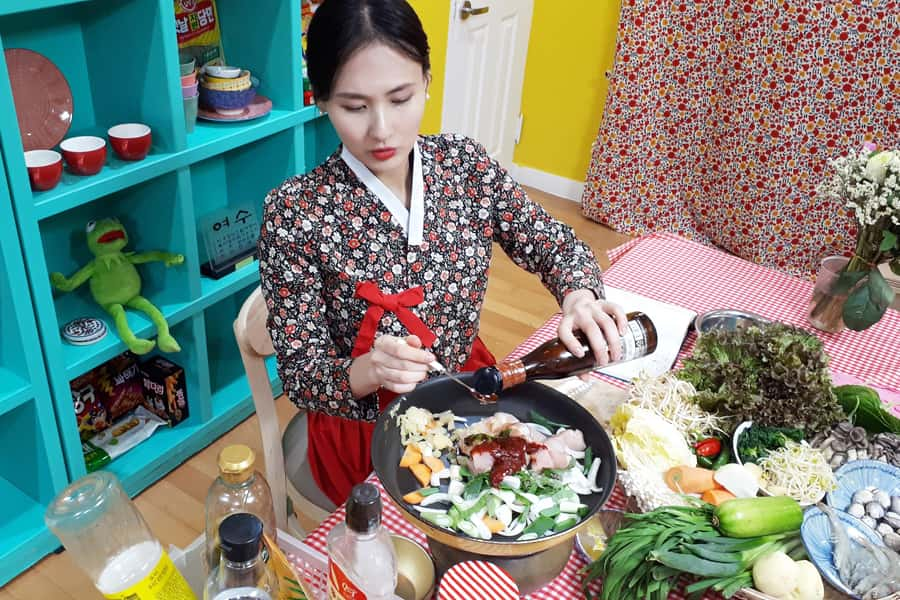
Your meeting point is outside exit 2 at Mangwon Station. From there, the class moves into the Mangwon area and its local market, so allow enough time to find the station and meeting point without rushing.
There is no hotel pickup or drop-off. That is a small inconvenience, but it also keeps the activity tied to an ordinary Seoul neighborhood rather than a hotel district or a purpose-built cooking studio. At the end of the 3.5-hour session, you return to the same meeting point.
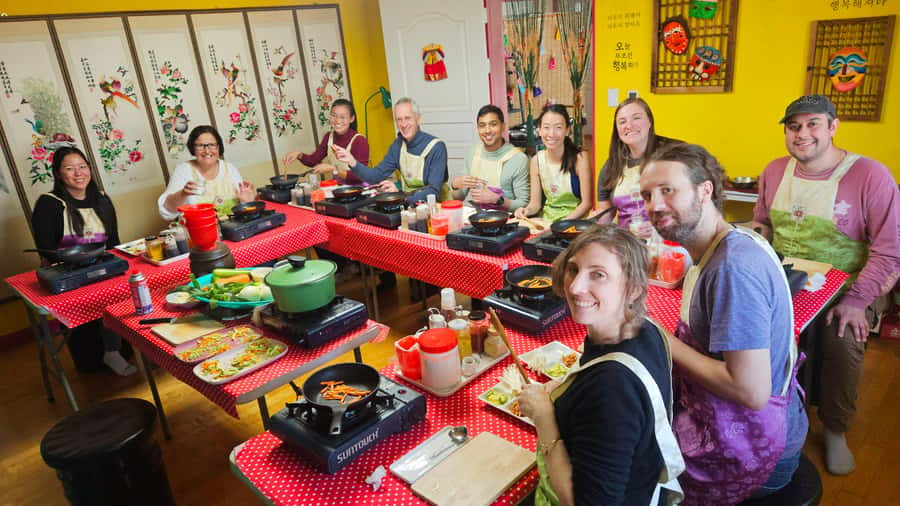
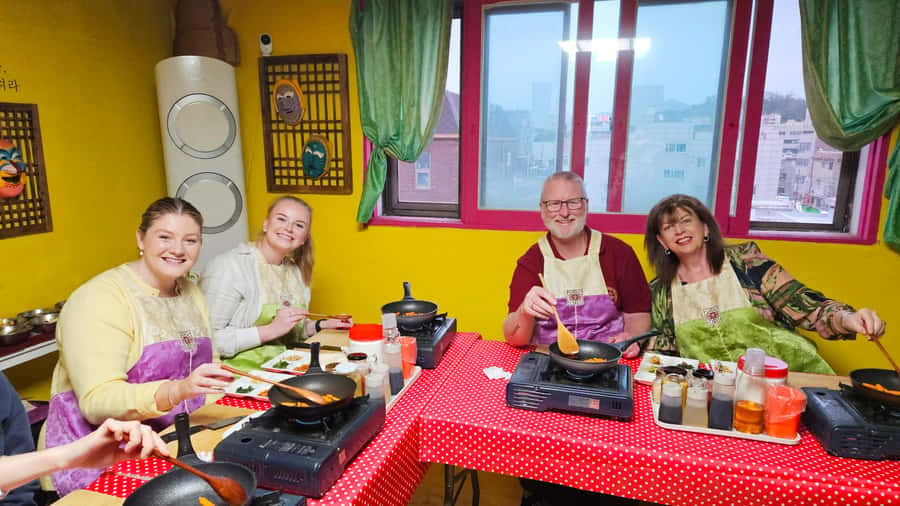
The group is limited to 10 people. That size matters in a hands-on class. You are not simply watching a chef work at the front of a room, and the host can give individual help when you are chopping, mixing, or trying to flip a pancake.
Hosts may include Sarah, Sara, or Junghee. The names vary in the information provided, but the teaching style is consistent: English and Korean instruction, a friendly approach, clear explanations, and plenty of interaction. Several hosts are praised for including every person in the group, which is useful if you arrive alone.
More Market and Cooking Class Tours in Seoul:
- Local Home Korean Cooking Class & Market Adventure in Seoul
★ 5.0 · 1,024 reviews - Seoul: Authentic Korean Cooking Class and Market Tour
★ 5.0 · 6 reviews - Hanoi Cooking Class: Culture, Local Market & Meaning CSR Impact
★ 5.0 · 5,147 reviews
Shopping through Mangwon Market
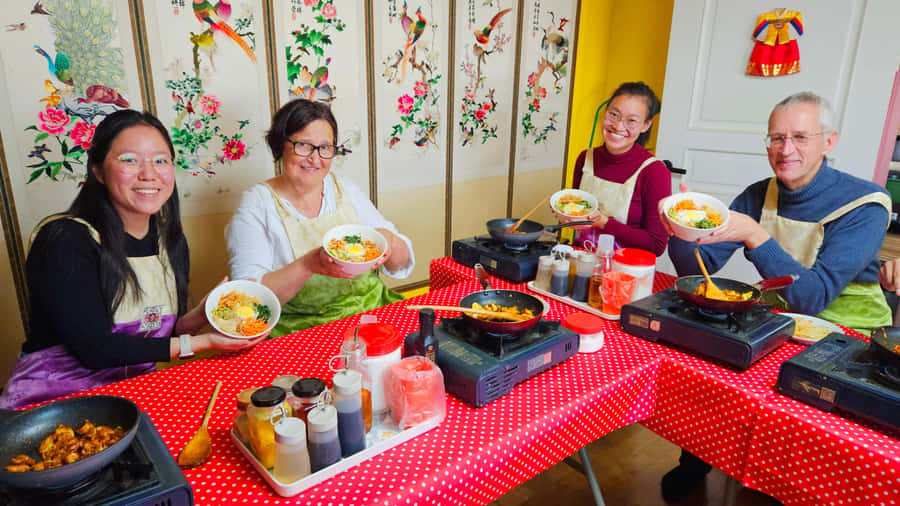
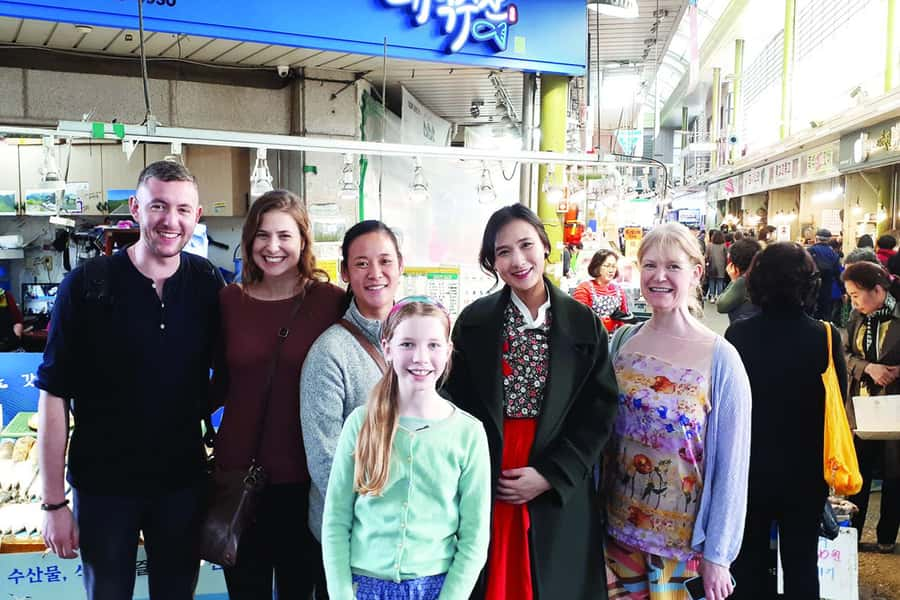
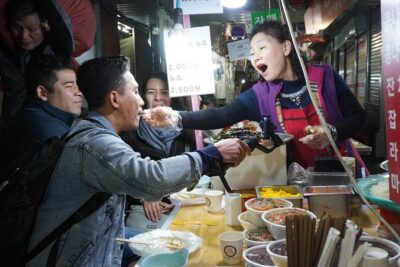
The first part of the experience is a walk through a traditional market. You look for the ingredients needed for class while your host explains what you are seeing and how the items fit into Korean cooking.
This is more useful than a standard market photo stop. You get context for ingredients before they appear on your cutting board. You also see how shopping, prepared food, and home cooking connect in daily life.
The market is described as popular but less touristy than Seoul’s best-known food markets. That means you should expect a local setting rather than a polished attraction. The appeal is the chance to notice ordinary Korean food culture, with a host pointing out items you might otherwise pass without understanding.
Street-food tastings are included. The exact samples can vary, but the point is to try food as it is sold in the market, not only as part of a sit-down meal. Come ready to taste, but do not fill up here. You still have four dishes and a substantial meal ahead.
The market walk also gives you a practical introduction to Korean food vocabulary. You will learn a few Korean phrases during the experience, and the market provides a natural place to hear ingredient names and food-related terms.
Moving from market stalls to a local home
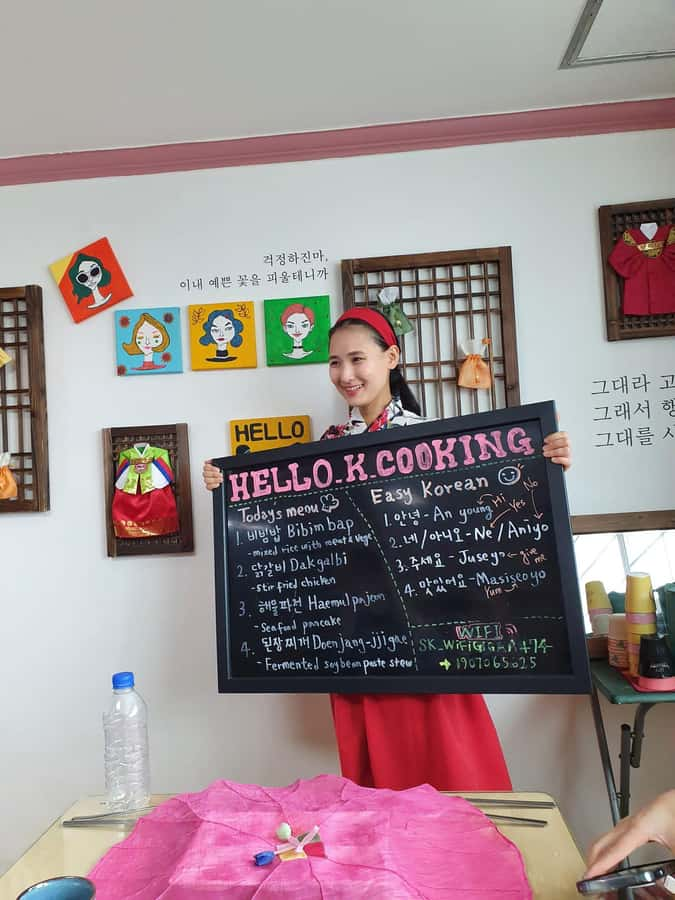
After the market, you go to the venue for the cooking class, a local home. A welcome tea or drink is provided while the host introduces the class and teaches a few Korean phrases.
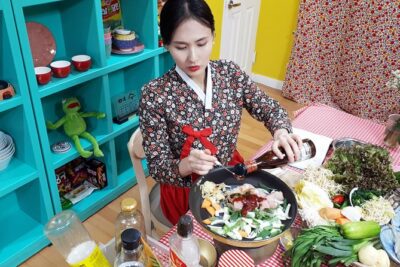
The home setting is one of the most distinctive parts of the activity. It gives the meal a personal frame and makes the class feel closer to being invited into someone’s kitchen than attending a formal demonstration. The hosts are described as warm, energetic, and comfortable sharing parts of Korean food and home life.
You should know the practical limitation: there is no elevator to the local home. If stairs are difficult for you, contact the provider before booking. The available information does not give a floor number or a detailed accessibility assessment, so do not assume the venue is suitable for every mobility level.
The class includes ingredients and equipment, so you do not need to bring cooking supplies. Photo and video service is also included, along with recipes. One useful detail is that recipes may be sent through WhatsApp after the class. If you prefer a printed keepsake, ask about that in advance, since a paper cookbook is not listed as included.
Four dishes, four different Korean techniques
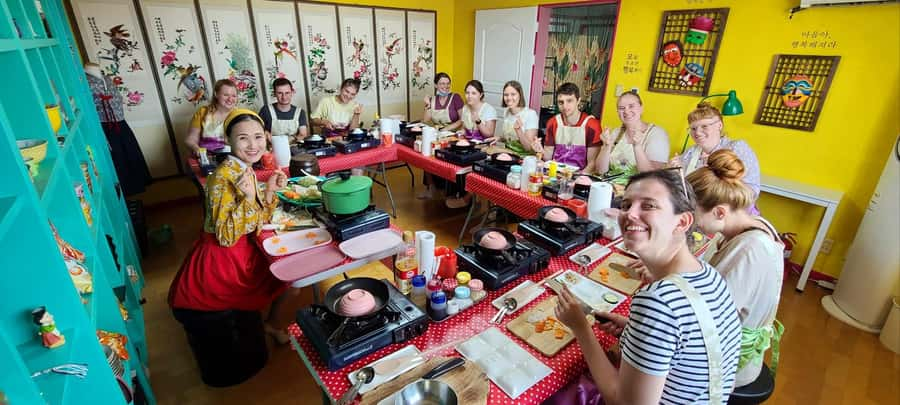
The class covers four dishes. This is a generous amount for 3.5 hours, so the emphasis is practical rather than slow and highly technical. You will work through the main steps with guidance from the chef-host.
Bibimbap is mixed rice topped with meat and vegetables. It introduces the basic idea of combining separate prepared components into one bowl. You will see how the ingredients are arranged and then mixed before eating.
Dakgalbi is stir-fried chicken. This brings heat, seasoning, and pan cooking into the lesson. It is a useful dish to learn because it shows how a Korean meal can combine a strong sauce with meat and vegetables in one shared preparation.
Haemul-pajeon is a seafood and green onion pancake. This is likely to be the most playful part of the class. Several people specifically enjoyed flipping the pancakes, and the activity gives you a clear hands-on task rather than another recipe to watch from a distance.
Doenjang-jjigae is a stew made with fermented soybean paste. It introduces a core Korean flavor and shows how a simple pot of stew fits alongside rice, meat, pancakes, and side dishes.
You should not expect to become a Korean chef in one afternoon. You will, however, leave with four recipes, a better sense of seasoning, and a clearer idea of how Korean dishes work together at the table. The class suits beginners particularly well. The hosts explain each stage in detail, and no advanced cooking experience is required in the information provided.
More market tours around Seoul:
- Seoul Street Food Market Tour
★ 5.0 · 1,226 reviews - Seoul: Night Market Food Tour with Local Guide
★ 4.9 · 943 reviews - Seoul: Palace, Temple and Market Guided Foodie Tour at Night
★ 4.9 · 750 reviews - Seoul: Guided Food & Market Tour with 8+ Tastings
★ 4.9 · 342 reviews
The Hanjeongsik meal at the end
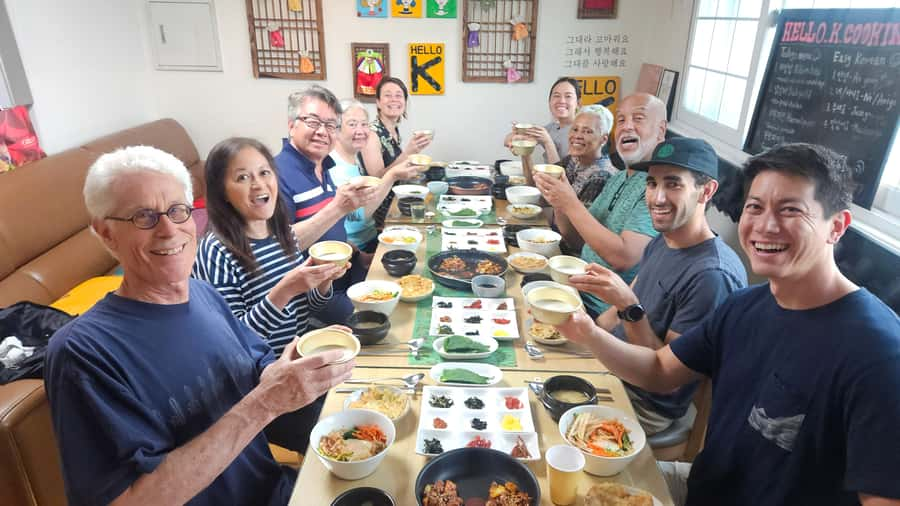
After cooking, you sit down to eat. Your four dishes are served with rice, more than 10 side dishes, seasonal fruit, and rice wine as part of a Hanjeongsik-style meal.
Hanjeongsik is a traditional Korean course meal built around many dishes served together. The side dishes are important here. They show that Korean meals are not usually defined by one large plate alone, but by the relationship between rice, soup or stew, main dishes, and small accompanying portions.
This finish adds real value to the class. You do not cook four dishes and then rush away after tasting one spoonful of each. You share a proper meal and can compare the food you prepared with the host’s side dishes and table arrangement.
Rice wine is included, along with water. If you do not drink alcohol, water is available, but the supplied information does not specify an alternative to rice wine. If you have dietary restrictions or allergies, contact the local host before the activity. Do not wait until you arrive, since the class depends on advance ingredient planning.
The meal also creates time for conversation. The hosts are praised for their humor, energy, and ability to help an international group relax. If you are traveling alone, this social element may be just as valuable as the recipes.
Tal masks and Korean cultural touches
The experience includes the chance to try on an artful Tal mask. Tal masks are associated with Korean heritage festivals, so this adds a small cultural element beyond food.
It is not the main event, and you should not book the class expecting a full mask-making workshop or a performance. Think of it as a short, visual connection to Korean festival culture during a food-focused afternoon.
The Korean phrases, welcome drink, market walk, mask, and home meal work best together. Each piece is brief, but each gives you another way to understand the meal you are preparing.
What the $98 price covers
At $98 per person, this is not a budget meal. The price makes more sense when you count the experience as several activities in one: a guided market visit, street-food samples, a small-group cooking class, all ingredients and equipment, a large meal, drinks, recipes, and photo or video service.
You are also paying for the host’s time and cultural explanation. A cheaper restaurant meal would feed you, but it would not show you how the ingredients are selected, how the dishes are prepared, or how they fit into a Korean table.
The value depends on your interests. If you only want to eat Korean food, $98 is a high price for lunch. If you want a social activity, practical recipes, market context, and a meal in a local home, the cost is easier to justify.
The class is especially good value for a couple, family, or small group that wants one planned activity with plenty of food. It can also work well for solo participants because the group is capped at 10 and the hosts make a point of involving everyone.
Timing, comfort, and who should book
The activity lasts 3.5 hours. That is long enough to feel substantial without taking an entire day away from Seoul sightseeing. Still, the schedule includes walking, market tasting, cooking, eating, and conversation, so you should not book it immediately before a tight appointment.
Wear comfortable clothes and shoes suitable for walking and kitchen work. The provided information does not specify an apron or a dress code, so avoid anything you would worry about around food or cooking surfaces.
This experience suits you best if:
- You like learning by doing rather than watching a demonstration.
- You want Korean food explained in English.
- You enjoy markets and neighborhood experiences.
- You are comfortable eating in a group.
- You want recipes you can try at home.
- You have no problem with stairs to the local home.
It may be less suitable if you want a quiet private class, dislike group meals, have serious food allergies that cannot be planned for in advance, or need step-free access.
The class is not only for confident cooks. The hosts explain the steps clearly, and the cooking is divided into manageable tasks. At the same time, experienced home cooks may find the cultural setting and market visit more rewarding than the basic knife and mixing instruction.
A practical verdict on the cooking class
I would book this if I wanted one Seoul activity that combined food, local shopping, conversation, and a meal I could recreate at home. The market visit gives the class a sense of place, while the Hanjeongsik finish makes the afternoon feel like a proper Korean food experience rather than a short lesson.
Book it with two cautions in mind. First, arrange your own route to Mangwon Station and check the stairs at the local home if mobility is a concern. Second, contact the host before booking if you have allergies or dietary restrictions.
For most people, the strongest reason to choose this class is the balance between instruction and hospitality. You cook four recognizable Korean dishes, taste food at the market, meet a host such as Sarah, Sara, or Junghee, and sit down to a broad Korean meal. If that sounds more appealing than simply ordering bibimbap in a restaurant, this is a solid use of an afternoon in Seoul.
FAQ
Where does the cooking class begin?
Meet your guide outside Mangwon Station at exit 2.
Where does the activity end?
The activity ends back at the meeting point near Mangwon Station.
How long does the experience last?
The cooking class and market tour last 3.5 hours.
What dishes will I prepare?
You will prepare bibimbap, dakgalbi, haemul-pajeon, and doenjang-jjigae.
Is a market visit included?
Yes. The experience includes a tour of a traditional local market, shopping for class ingredients, and street-food samples.
What food and drinks are included?
The activity includes a welcome tea, the meal you prepare, Korean side dishes, rice, seasonal fruit, rice wine, and water.
Is hotel pickup provided?
No. You are responsible for getting to and from the meeting point.
How many people are in the group?
The group is limited to 10 participants.
What languages are spoken?
The instructors speak English and Korean.
Is the local home accessible by elevator?
No. There is no elevator to the local home. Contact the local host before booking if you have mobility concerns.
Can dietary restrictions or allergies be accommodated?
You should contact the local host before the activity to discuss dietary restrictions and allergies.
Are recipes provided?
Yes. Recipes are included, and they may be sent through WhatsApp after the class.
New market tours around Seoul
- Seoul: The Biggest Sea-food Noryangjin Market Tour★ 4.3 · 30 reviews
- Seoul: Sokcho beach, market, hot spring and Seorak Cable Car★ 4.8 · 5 reviews
- Seoul: Gyeongbokgung Palace Tour & Lunch at Authentic Market★ 4.5 · 2 reviews
- Seoul: Mt.Seorak(+CableCar Option)+Sokcho Fish Market&Beach★ 4.5 · 9 reviews
- Seoul: Namdaemun Market Food Tour★ 4.9 · 34 reviews
- Seoul: Guided Street Food Tour at Namdaemun Market★ 5.0 · 10 reviews
- Seoul: Gwangjang Market Vegan & Vegetarian Food Tour★ 5.0 · 16 reviews
- Seoul Gwangjang Market Foody Walking Tour★ 4.1 · 7 reviews
Seoul Market Tours, side by side.
Local Home Korean Cooking Class & Market Adventure in Seoul
Read our review →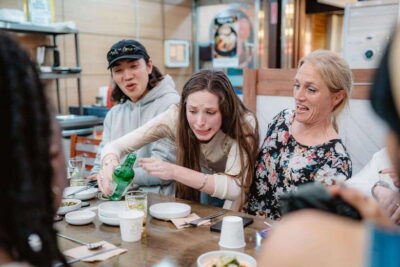
Seoul: Palace, Temple and Market Guided Foodie Tour at Night
Read our review →
Seoul: Guided Food & Market Tour with 8+ Tastings
Read our review →
Seoul: Nighttime Tour of Palace, Market, Naksan Park & More
Read our review →
Seoul: Gyeongbok Palace, N Tower, & Local Market City Tour
Read our review →
This tour also appears in