Review · RIYADH
Riyadh: Al-Diriyah, Al-Masmak, Souq Al-Zal, & Boulevard Tour
Riyadh’s story makes the most sense when you see its old and new sides together. This tour moves from the mudbrick lanes of Al-Diriyah, birthplace of the First Saudi State, to the polished entertainment zones of Boulevard Riyadh City.
I like the clear historical arc, from Al-Masmak Palace and Souq Al-Zal to modern Riyadh. I also like the personal touch: guides Ibrahim and Ramez have been praised for strong care, history knowledge, and letting you set the pace.
The main drawback is simple: this is a walking-heavy day. It is not suitable for wheelchair users, children under six, people over 70, or those with altitude sickness.
Key points to know before booking
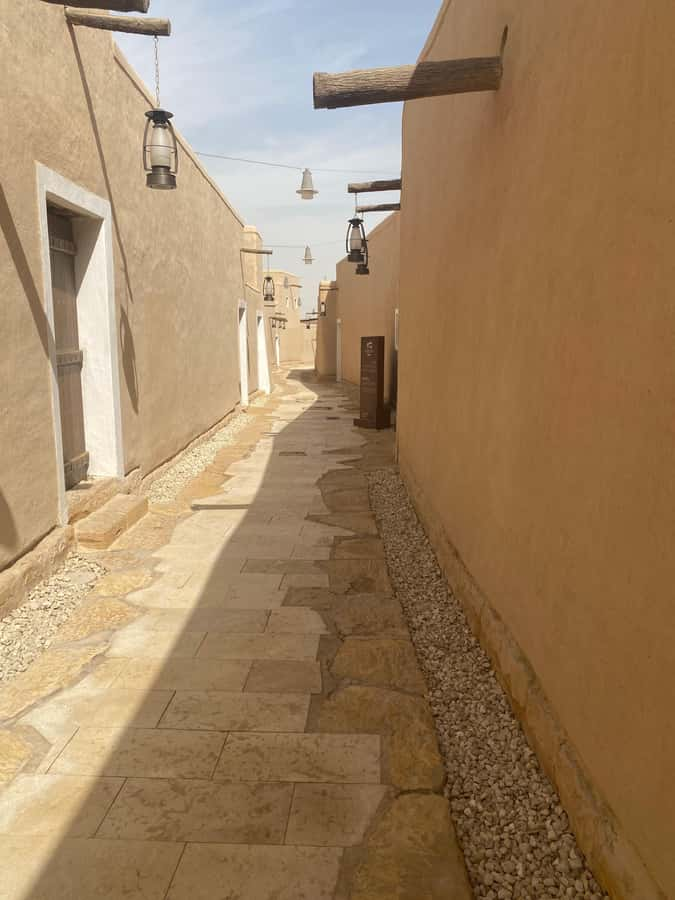
- Al-Diriyah puts Saudi history in place: Walk through At-Turaif District, with mudbrick walls, restored palaces, watchtowers, and narrow streets.
- Bujairi Terrace adds a modern pause: Enjoy dining choices and views toward the historic quarter.
- Al-Masmak Palace explains the 1902 turning point: Its fortress walls, wooden gate, and museum connect the city to the formation of modern Saudi Arabia.
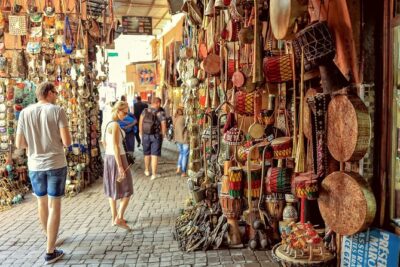
- Souq Al-Zal is the shopping stop: Look for carpets, brassware, pottery, clothing, oud, and Arabian perfumes.
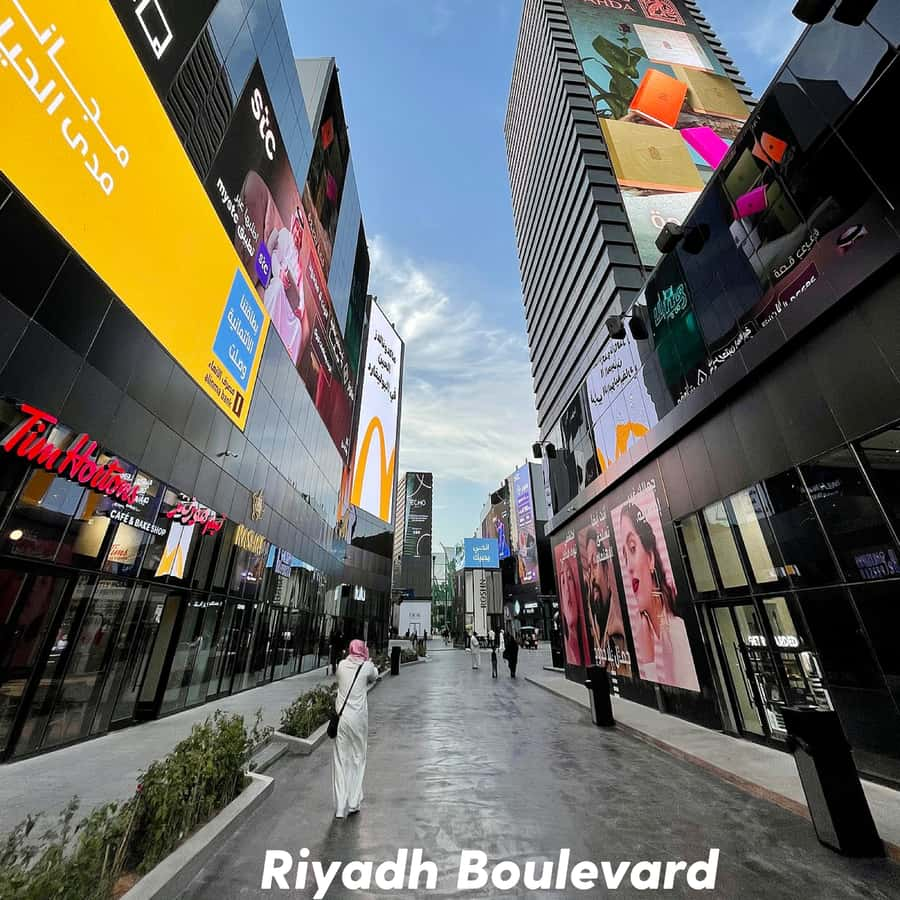
- Boulevard Riyadh City changes the mood: The final stop brings themed zones, food, and live entertainment.
- The guides matter: Ibrahim has been praised for his historical explanations and generosity, while Ramez has been praised for flexibility and careful attention to the group.
Four Riyadh stops that tell one large story
At $204 per person, this is not a bargain-priced sightseeing ride. You are paying for a guided visit to four major places, entrance to the listed sites and museums, cultural performances and workshops at Al-Diriyah, and access to Boulevard Riyadh City’s themed zones.
The value depends on how much structure you want. If you are visiting Riyadh for the first time, putting these stops together saves you from planning separate visits across the city. You also get a guide to explain what you are seeing, which matters most at historical sites where the buildings alone cannot tell the whole story.
The itinerary has a useful rhythm. You begin with Saudi Arabia’s roots, move into a historic market, then finish with the city’s present-day entertainment culture. That makes the tour feel less like a string of unrelated attractions and more like a short lesson in how Riyadh changed.
The exact duration, transportation arrangements, and group size are not provided, so ask about those details before paying. The amount of walking is clear, however. Wear shoes you can use comfortably for several hours and check the weather before leaving.
More market tours around the world:
- Bangkok: Damnoen Saduak Market and Maeklong Railway Market
★ 4.5 · 26,723 reviews - The Old Siam: Damnoen Saduak and Maeklong Railway Market
★ 4.5 · 10,992 reviews - Dubai: Old Town, Creek, Museums, Souks, & Street Food Tour
★ 4.8 · 10,816 reviews
Al-Diriyah and the mudbrick heart of Saudi Arabia
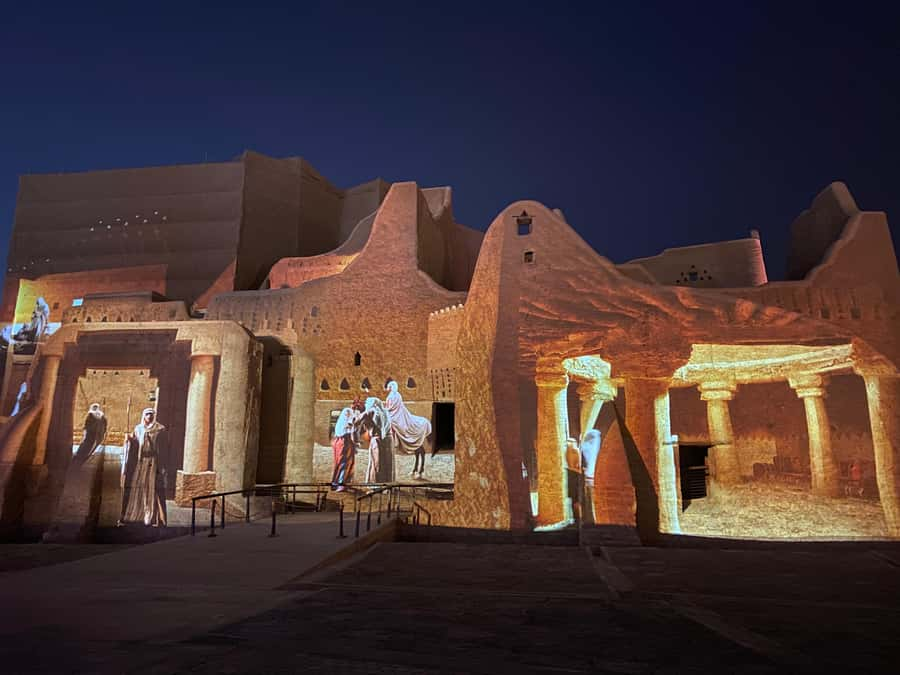
Al-Diriyah is the most important historical stop on the route. It was the birthplace of the First Saudi State, and the At-Turaif District is now a UNESCO World Heritage Site.
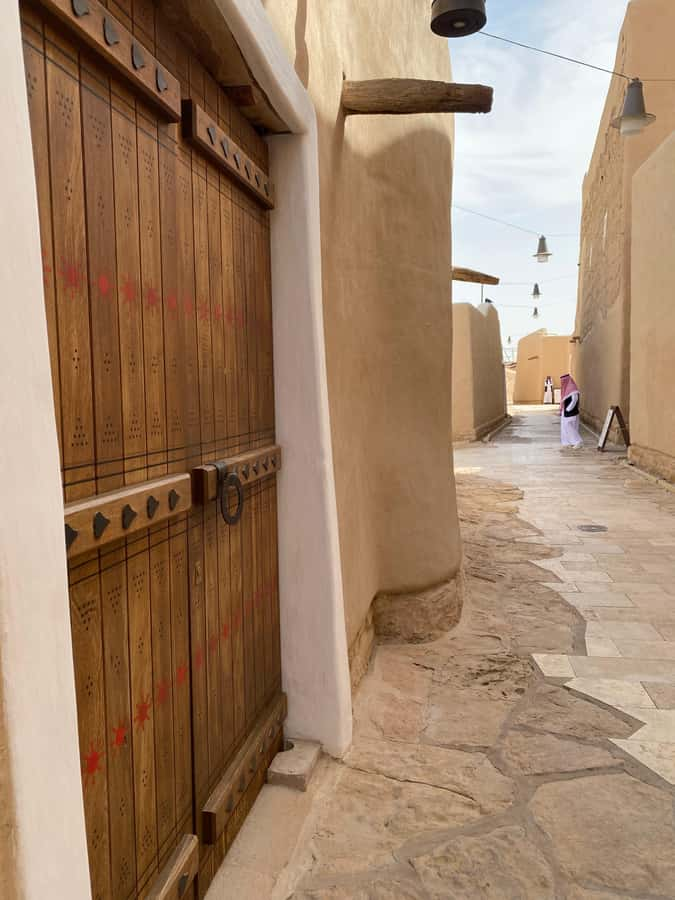
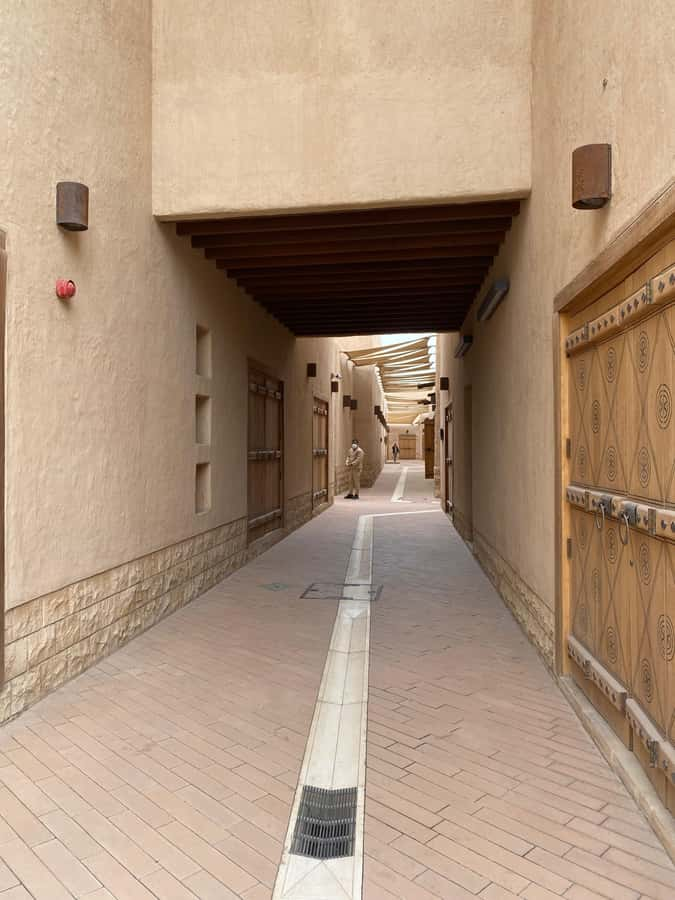
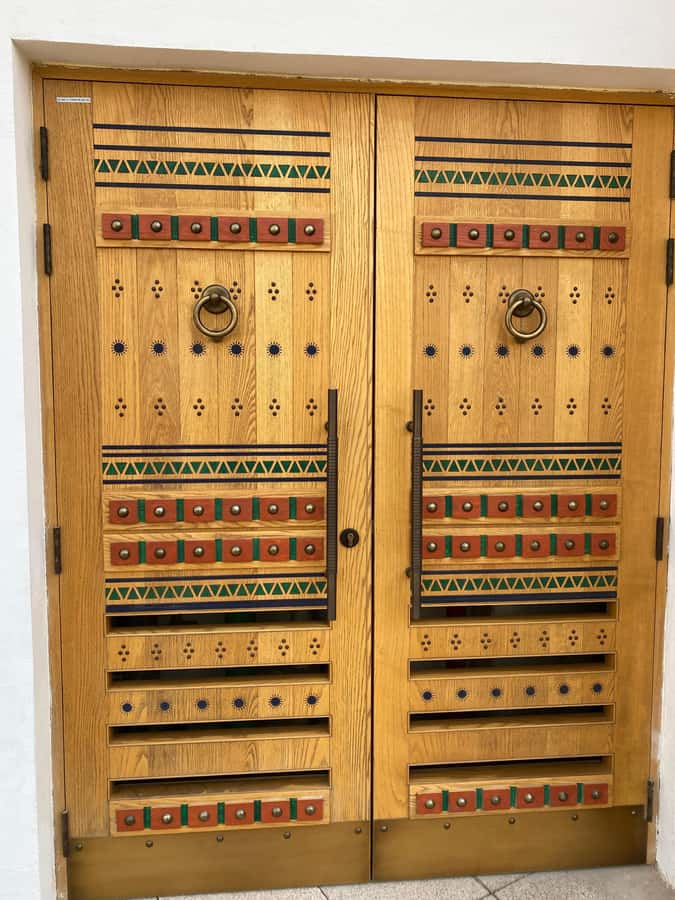
The setting is made from the materials that shaped old Najdi architecture: mudbrick walls, wooden details, enclosed courtyards, narrow lanes, and tall defensive structures. As you walk, you will see restored palaces and buildings that give the district a strong sense of place. This is not a museum room with history sealed behind glass. The streets and structures form the lesson.
Your guide can help you read the district properly. Look for the way the buildings are arranged, the heavy walls, and the use of towers and enclosed spaces. Without context, you might simply see attractive earth-colored architecture. With an explanation, the district becomes a record of settlement, power, defense, and daily life.
The walking here is also the first major physical test of the outing. Historic districts rarely offer the same smooth, level paths as a modern mall. The supplied information does not give a route length or surface details, so pace yourself and tell the guide early if you need a slower walk.
Bujairi Terrace adds a different view
Bujairi Terrace gives you a more current side of Al-Diriyah. It has dining options and broad views toward the historic district, making it a useful pause after the older quarter.
I like this contrast. You can look from a contemporary public space toward restored mudbrick buildings and see the old and new Riyadh in one frame. It also gives you a chance to rest, though the tour does not state whether food or drinks are included. Plan to cover personal purchases yourself.
Cultural performances and workshops may be part of the Al-Diriyah visit. Some require advance booking, so ask what is scheduled for your date. These activities can add meaning to the architecture, but they should not be treated as guaranteed unless confirmed ahead of time.
Al-Masmak Palace and the 1902 turning point
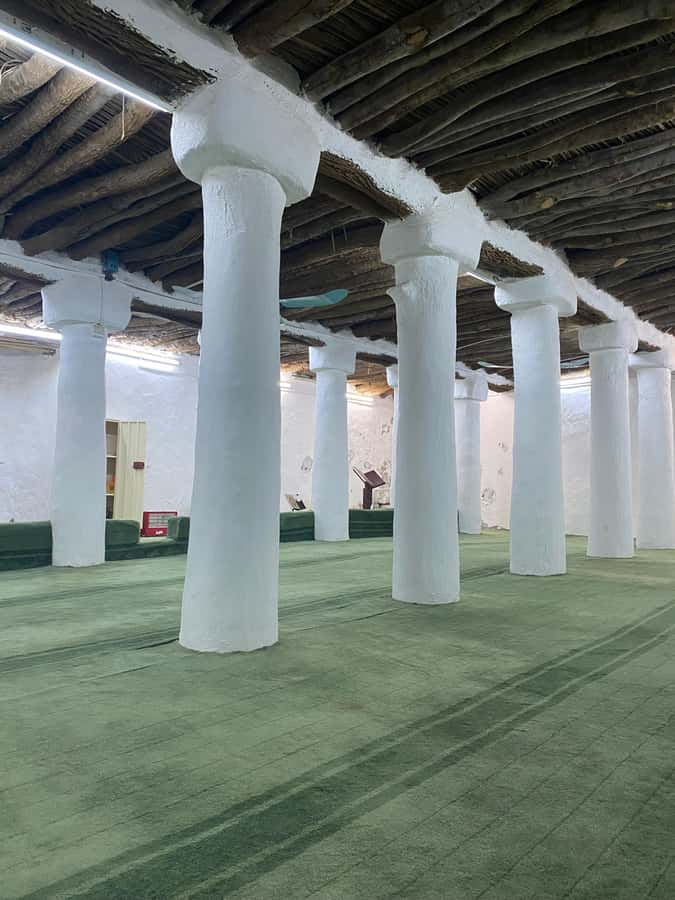
The next major history lesson comes at Al-Masmak Historical Palace, a 19th-century mudbrick fortress in central Riyadh.
Its thick walls, watchtowers, and wooden gate give it the feel of a defensive stronghold rather than a decorative royal residence. The palace is closely tied to the 1902 battle led by King Abdulaziz, an event that played a major part in Saudi Arabia’s formation.
Inside, the museum gives you more background. This is where a guide adds real value. A good explanation can connect the rooms, objects, and fortress design to the larger political story instead of leaving you to guess what each display means.
Pay attention to the entrance and the defensive features. The wooden gate and towers are not just picturesque details. They show how practical the building had to be in its original setting. The palace also helps you understand why Riyadh matters in the country’s political history.
This stop is compact compared with an enormous national museum, but that is part of its appeal. You get one focused site and one clear story. If you prefer long museum visits with many galleries, the palace may feel brief. If you want a readable introduction to Riyadh’s past, it works well.
Same city, another market:
- Bangkok: Train Market & Floating Market with Boat Ride
★ 4.7 · 9,547 reviews - Dubai: Old Town, Souks, Street Food, Guided Tour & Abra Ride
★ 4.9 · 7,170 reviews - From Bangkok: Ayutthaya & Ayothaya Floating Market Day Trip
★ 4.7 · 6,084 reviews - Dubai: Frame Tickets, Creek, Souks & Blue Mosque Guided Tour
★ 4.8 · 5,980 reviews
Souq Al-Zal, where shopping becomes part of the lesson
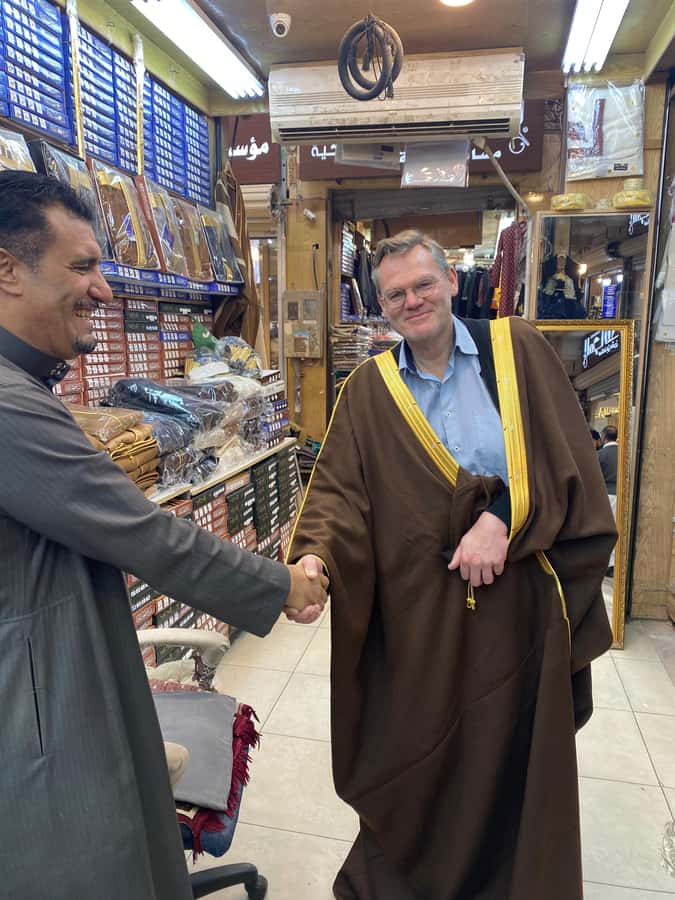
Souq Al-Zal is one of Riyadh’s oldest markets and gives the tour its strongest traditional shopping stop.
The stalls carry goods such as woven carpets, brassware, pottery, abayas, thobes, shemaghs, oud, and traditional Arabian perfumes. This is a good place to browse slowly rather than rush from one display to the next. You can see materials, colors, clothing, and household objects that connect to Saudi customs in a direct way.
If you want to buy something, set a budget before you arrive. Personal expenses are not included, and the tour does not state that shopping assistance or purchases are part of the price. Ask about an item’s material, use, and care before handing over your money.
Souq Al-Zal may be the least predictable stop. A historic market is not arranged like a modern retail center, and the experience will depend on which stalls are open and what catches your eye. That is also the point. You get a more ordinary commercial setting than at a polished heritage attraction.
The clothing section can be useful if you want to understand local dress. You may see abayas, thobes, and shemaghs, while the perfume stalls offer oud and other Arabian scents. If you are sensitive to strong smells, spend less time in the perfume area and let your guide know.
Boulevard Riyadh City and the modern finish
The final stop changes the subject completely. Boulevard Riyadh City is a large entertainment hub with themed zones, live performances, and many food choices.
After the mudbrick districts and old market, this part of the tour shows how Riyadh presents itself today. It is designed for leisure, dining, events, and spectacle. You can explore the themed areas, watch performances, and choose from the culinary options available during your visit.
Access to the themed zones is included, but food and personal purchases are not. The tour also does not promise a specific performance, so ask what will be happening on your date if live entertainment is important to you.
I like ending here because it prevents the tour from presenting Riyadh as only a historic city. You see a place that values its past while also building large spaces for current entertainment. The mood is likely to be louder and more crowded than at the heritage sites, so this may be the most tiring stop if you have already been walking all day.
The final stop also gives you more freedom than the historical visits. At Al-Diriyah and Al-Masmak, you are there to learn and observe. At Boulevard Riyadh City, you can choose how to spend your time among the zones, performances, and food options.
How much the guide affects the experience
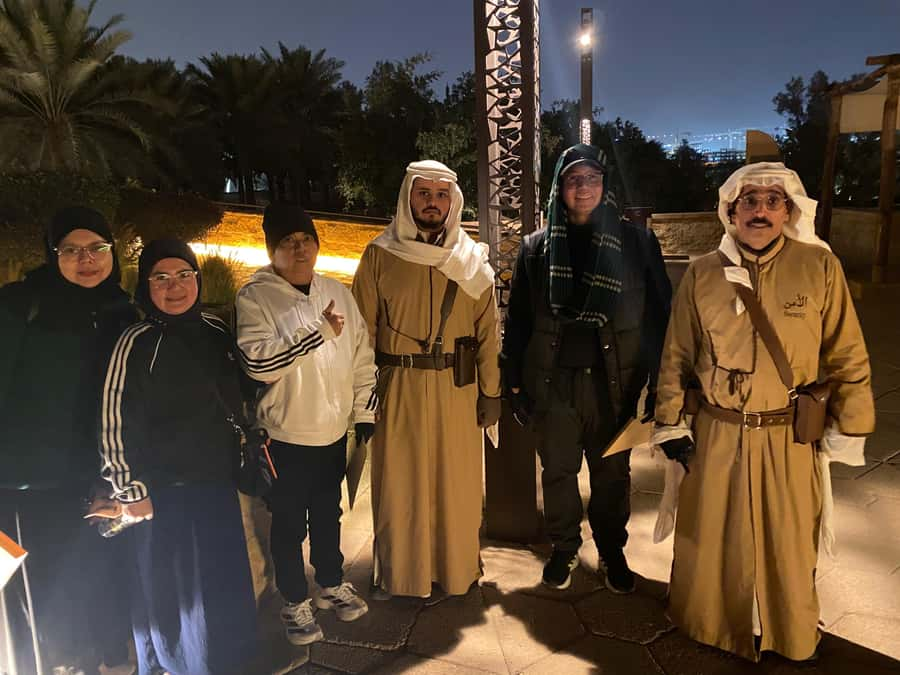
The guide is an important part of this tour because the stops cover a lot of ground, both physically and historically.
I would want a guide who can explain the difference between Al-Diriyah’s role as the birthplace of the First Saudi State and Al-Masmak’s connection to the 1902 campaign. I would also want practical help at Souq Al-Zal and clear directions through Boulevard Riyadh City.
Ibrahim has been praised for his strong care, generous attitude, and explanations covering history, culture, and finance. Ramez has been praised for looking after the group and allowing people to set the pace. Those details matter on a tour with substantial walking and several very different stops.
You may not have either guide specifically, so confirm the guide arrangement if that is important to you. Arabic and English are listed as the available languages.
The flexible pacing is especially useful. Some people will want more time at the palace museum. Others will prefer browsing the souq or moving quickly through the entertainment district. A guide willing to adjust can make the day feel far less rigid.
Walking, weather, and who should book
This is not a sit-back-and-watch-the-city tour. You should expect a significant amount of walking at Al-Diriyah, Al-Masmak, Souq Al-Zal, and Boulevard Riyadh City.
Comfortable walking shoes are essential. Check the weather forecast and dress appropriately. Respect local customs at the historical sites and during cultural performances. The supplied details do not specify a clothing checklist, so use conservative, culturally respectful clothing and ask the operator if you need more guidance.
The tour is not suitable for wheelchair users, and it is not recommended for people over 70 or those with altitude sickness. Children under six cannot join. These limits are worth taking seriously, especially because the route combines outdoor heritage areas, market walking, and a large modern entertainment venue.
This outing suits first-time visitors who want a broad introduction to Riyadh in one day or one organized experience. It also suits people who want a guide rather than a self-guided history walk. It may be less suitable if you prefer slow museum study, independent shopping, or a short activity with little walking.
The tour is available to reserve with payment later, which gives you some planning flexibility. You can cancel up to 24 hours in advance for a full refund, according to the supplied terms. Still, confirm the start time, duration, meeting point, transport, and any advance booking needed for performances or workshops before you finalize the reservation.
Is the $204 price fair?
The price is easiest to justify if you plan to visit all four places anyway. Admission to the listed sites and museums, access to Boulevard Riyadh City’s themed zones, a guide, and cultural activities at Al-Diriyah are included.
The cost is harder to justify if you mainly want to see Al-Diriyah and Al-Masmak from the outside. In that case, you are paying for convenience, explanation, and the combined route rather than for one single attraction.
Because transportation and duration are not specified, ask what the $204 covers beyond the stated inclusions. Food, shopping, and personal expenses are excluded. If you plan to buy perfume, clothing, pottery, or a carpet, keep that spending separate from the tour budget.
For a visitor with limited time, the price can make sense. You get Riyadh’s old quarter, a major fortress, an established market, and a modern entertainment center without having to arrange each visit yourself. For an independent visitor comfortable handling transport and research, the value may feel less strong.
Should you book this Riyadh tour?
Book it if you want a guided introduction to Riyadh’s past and present, value having the main sites arranged together, and can handle a full day of walking. The combination of At-Turaif, Al-Masmak, Souq Al-Zal, and Boulevard Riyadh City gives you a much broader picture than a heritage-only tour.
I would be especially interested if this were my first visit and I wanted context quickly. The strongest reasons to book are the clear historical sequence, the traditional market, and the guides’ reported care and flexibility.
Skip it if you need wheelchair access, want a low-effort outing, or prefer to spend hours at one site. Also confirm the practical details before booking, especially transport, duration, group size, and the schedule for performances and workshops.
FAQ
What does the Riyadh tour include?
The tour includes guided visits to Al-Diriyah, Al-Masmak Historical Palace, Souq Al-Zal, and Boulevard Riyadh City. It also includes a guide, admission to all listed sites and museums, cultural performances and workshops at Al-Diriyah, and access to the themed zones at Boulevard Riyadh City.
Is food included in the tour price?
No. Personal expenses are not included, so you should expect to pay separately for food, shopping, and other personal purchases.
Which languages are available?
The listed tour languages are Arabic and English.
Is the tour suitable for children?
Children under six are not permitted on this tour.
Is the tour wheelchair accessible?
No. The experience is not suitable for wheelchair users and includes a significant amount of walking.
Can I cancel the booking for a refund?
You can cancel up to 24 hours in advance for a full refund. The tour also allows you to reserve and pay later, according to the supplied booking information.
New market tours around the world
- Tel Aviv: 2-Hour Carmel Market Tour in English with Lunch★ 4.8 · 23 reviews
- Tel Aviv: Carmel Market & Neighborhood Guided Walking Tour★ 4.7 · 3 reviews
- Tel Aviv: 2-Hour Jaffa Flea Market Tour with Tastings★ 4.9 · 8 reviews
- Tel Aviv: Carmel Market Food Tasting Tour “Shuk Hacarmel”★ 4.0 · 8 reviews
- Tel Aviv: 2-Hour Levinsky Market Tour with Full Lunch★ 4.7 · 10 reviews
- Tbilisi 2 Parks: Turtle Lake & Dedaena Park with Flea Market★ 5.0 · 3 reviews
- Tbilisi: Street Food & Sightseeing Tour with Local Markets★ 5.0 · 8 reviews
- Teguise: Market and César Manrique Foundation Tour★ 4.3 · 39 reviews
Market Tours, side by side.
Bangkok: Damnoen Saduak Market and Maeklong Railway Market
Read our review →
The Old Siam: Damnoen Saduak and Maeklong Railway Market
Read our review →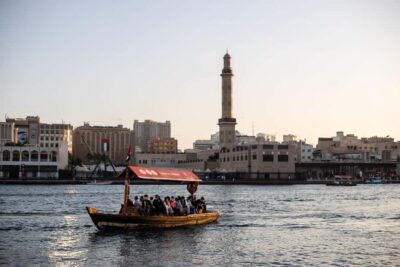
Dubai: Old Town, Creek, Museums, Souks, & Street Food Tour
Read our review →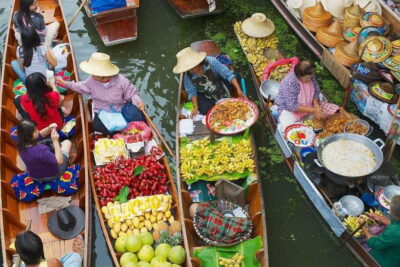
Bangkok: Train Market & Floating Market with Boat Ride
Read our review →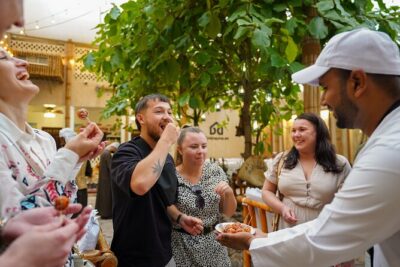
Dubai: Old Town, Souks, Street Food, Guided Tour & Abra Ride
Read our review →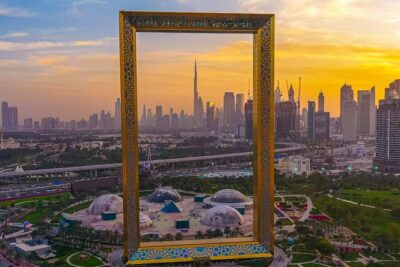
Dubai: Frame Tickets, Creek, Souks & Blue Mosque Guided Tour
Read our review →
Hanoi Cooking Class: Culture, Local Market & Meaning CSR Impact
Read our review →