
Review · COLOMBIA
Shared Tour Cali’s Local Food at Alameda Market
Cali’s Alameda Market is where food tells the story of the Valle del Cauca. You’ll move from fresh produce and unusual fruits to homemade sweets, Pacific dishes, and a toast of viche, while a local guide explains why these foods matter. I like the focus on real market life and the chance to taste things you might miss on a restaurant menu.
I also like the useful local advice. The guide can point you toward places for lunch, coffee, and souvenirs, and guides such as Fernando bring an easy, good-humored touch to the walk. The main drawback is the physical side: you may walk about 8 kilometers, and the crowded market is not suitable for wheelchair users or people with food allergies.
Key points at a glance
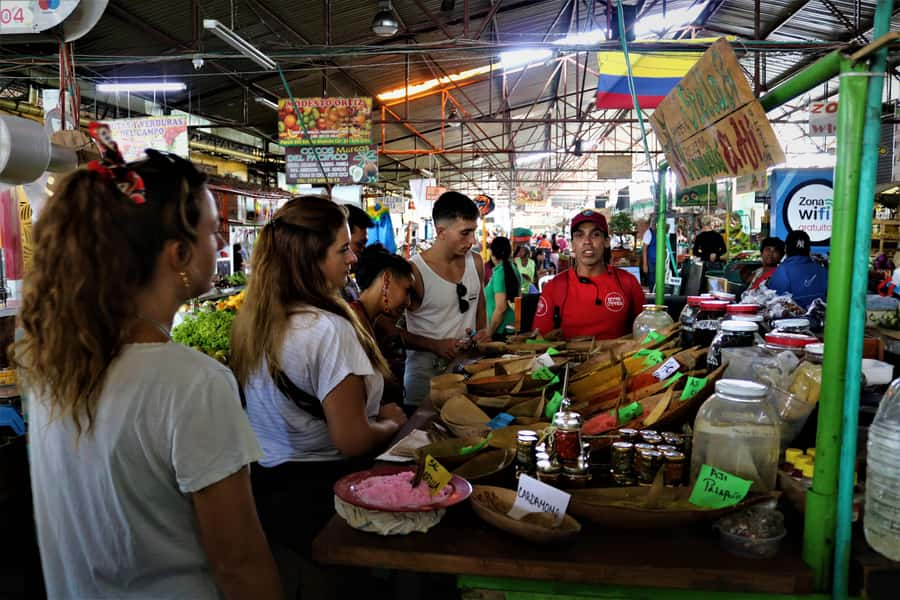
- Alameda Market is the heart of the tour: You see food stalls alongside household goods, clothing, crafts, and everyday commerce.
- Taste Valle del Cauca specialties: Expect opportunities to try champús, cucas, Pacific food, unusual fruit juices, and viche.
- The food has a story: The guide connects Afro-Colombian preparations, European influences, ancestral ingredients, and local techniques.
- Bring spending money for samples: Food and drinks are not included, with the full tasting cost estimated at up to 40,000 COP.
- Prepare for a long walk: The route covers about 8 kilometers, with stops to rest and eat.
- English-language guidance: The shared tour meets under Beyond Colombia’s red umbrellas at Parque Alameda.
Why Alameda Market is a smart first taste of Cali
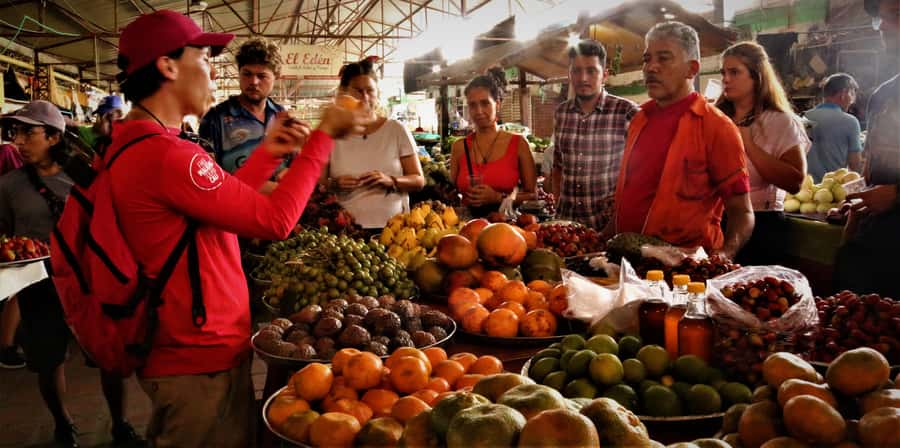
I like food tours that explain more than what is on the plate. This one uses Alameda Market to show how cooking, trade, family customs, geography, and daily survival meet in one place.
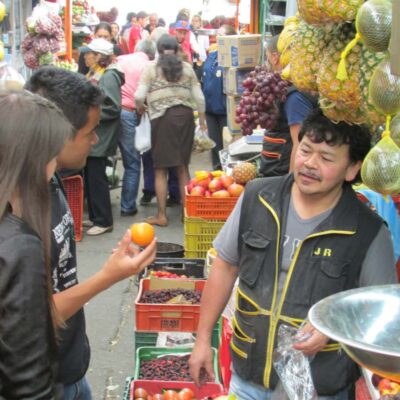
The market is not presented as a polished food hall. It is a working center where vendors sell produce, prepared food, clothing, crafts, household goods, and other necessities. That gives you a better sense of how local commerce functions than a restaurant meal alone.
Valle del Cauca has a broad mix of climates and communities, and the tour links that variety to the food. You hear about ingredients from different parts of the region, the influence of Afro-Colombian traditions, European flavors, and the methods passed down through families.
That context gives ordinary-looking foods more meaning. A drink, sweet, or masa preparation can point to migration, farming, celebration, and the practical use of what grows nearby. You are not simply checking off dishes. You are learning how food expresses local identity.
More market tours around the world:
- Bangkok: Damnoen Saduak Market and Maeklong Railway Market
★ 4.5 · 26,723 reviews - The Old Siam: Damnoen Saduak and Maeklong Railway Market
★ 4.5 · 10,992 reviews - Dubai: Old Town, Creek, Museums, Souks, & Street Food Tour
★ 4.8 · 10,816 reviews
Meeting at Parque Alameda
The meeting point is Parque Alameda, where you look for Beyond Colombia’s red umbrellas. This is a useful starting place because the park leads directly into the market area and gives the group a clear place to gather.
The tour is shared, not private. That keeps the $13 price low and gives you a chance to meet other people, but the pace and attention will depend partly on the group. If you want a private food guide focused only on your tastes, this is not that kind of outing.
The experience is offered in English. Guides are local, and Fernando is one name attached to the tour. His role goes beyond ordering food. You can expect jokes, explanations, and help understanding unfamiliar ingredients and preparations.
Arrive ready to walk. Transportation to the meeting point is not included, and there is no vehicle used during the tour. You travel on foot through the market and nearby areas, with pauses to eat and rest.
The first lesson: food as family knowledge
Early in the walk, the guide sets out the origins of regional gastronomy. This is one of the strongest parts of the experience because it gives you a framework for everything you taste afterward.
You’ll hear about local ingredients, old techniques, and preparations that remain useful in family kitchens. The emphasis is not only on famous dishes. It also covers how cooks make practical use of available food, how recipes move between communities, and how cultural groups shape one another’s cooking.
The tour pays particular attention to Afro-Colombian food traditions and their place in Valle del Cauca. European influence is included as part of the larger story, rather than as the only outside influence that matters.
For you, this means the tasting stops do not feel random. When you try something sweet, salty, oily, spicy, or particularly hearty, you have some sense of why it belongs in the region’s food culture.
Sampling champús, cucas, and homemade flavors
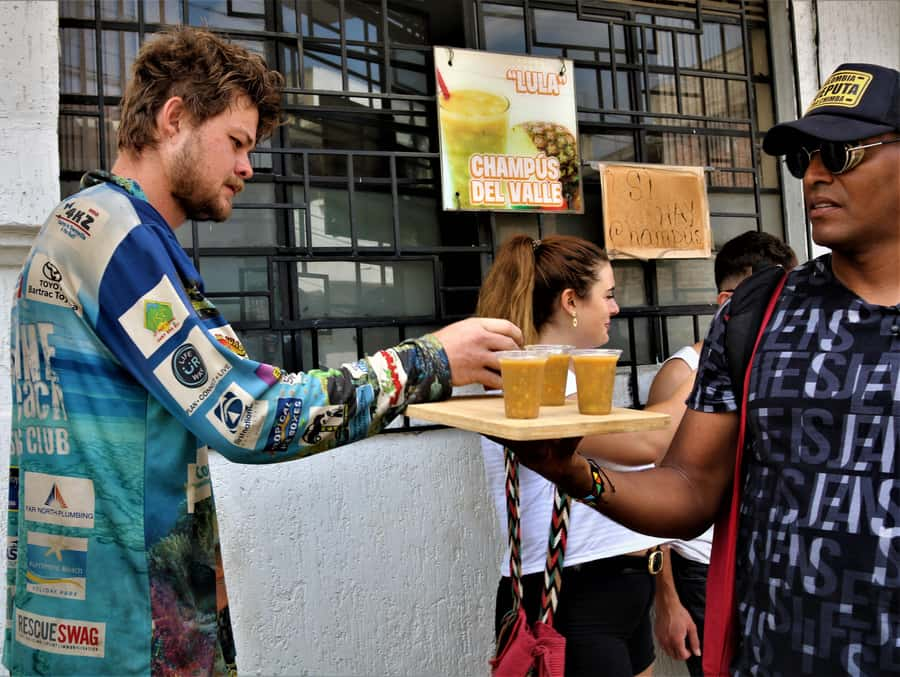
The tour includes visits to authentic places inside Alameda Market where you can try homemade food prepared by local women from Cali. Champús and cucas are specifically highlighted.
Champús is a traditional drink with a sweet and textured character. Cucas are local cookies or sweets associated with the region. The exact samples can depend on availability, so you should arrive with an open mind rather than a fixed menu in your head.
These are useful foods to try early in your stay because they are tied to home cooking and local custom. They also give you a quick introduction to the contrast that defines the regional table: sweet beside salty, refreshing drinks beside substantial food, and familiar ingredients in combinations you may not expect.
The important point is that the guide helps explain what you are tasting. If you simply bought an unfamiliar drink at a stall, you might not know its place in local life or how people usually enjoy it.
Same city, another market:
- Bangkok: Train Market & Floating Market with Boat Ride
★ 4.7 · 9,547 reviews - Dubai: Old Town, Souks, Street Food, Guided Tour & Abra Ride
★ 4.9 · 7,170 reviews - From Bangkok: Ayutthaya & Ayothaya Floating Market Day Trip
★ 4.7 · 6,084 reviews - Dubai: Frame Tickets, Creek, Souks & Blue Mosque Guided Tour
★ 4.8 · 5,980 reviews
Fruit, juices, and the taste of the region
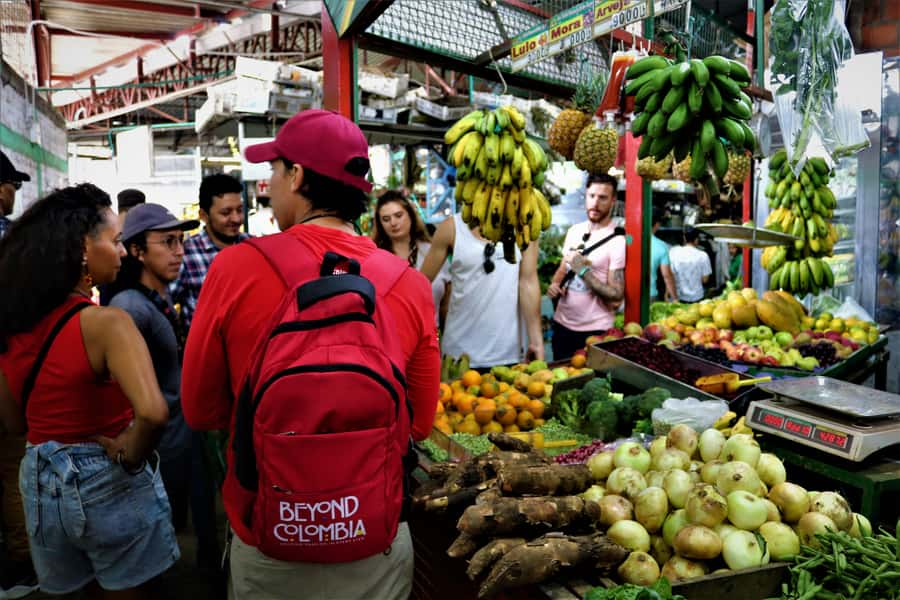
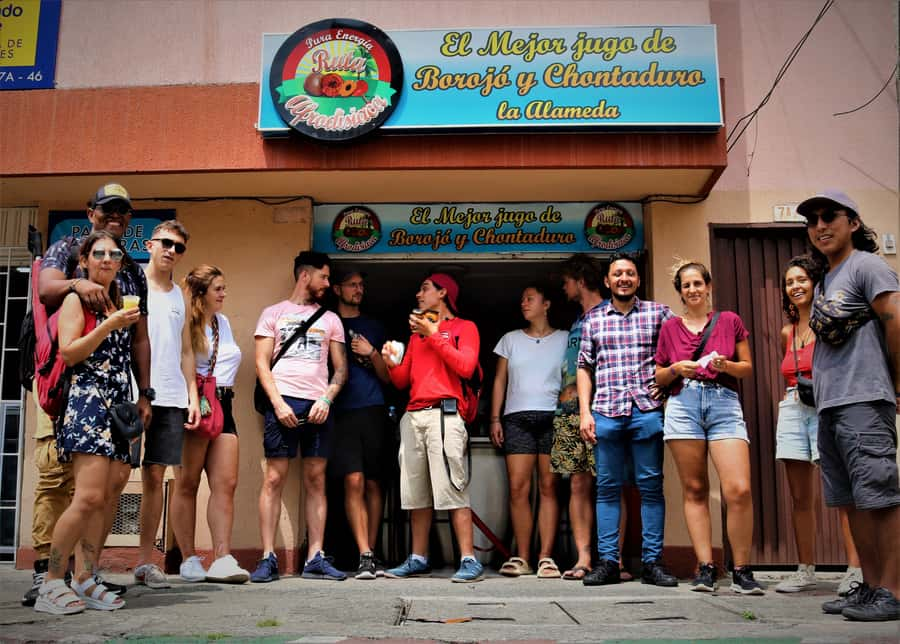
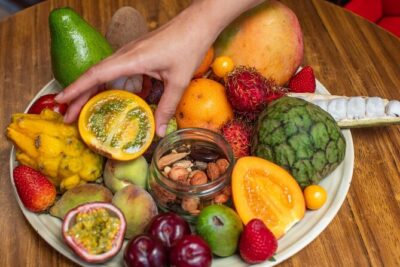
Valle del Cauca is known for unusual fruit and fruit drinks, including borojó. If you have only tried standard tropical juices, this part of the walk can be a surprise.
Borojó is associated with a strong, distinctive flavor, and it is one example of the biological variety behind the region’s drinks. The tour uses fruit to connect the market to the geography of Valle del Cauca, showing how local food depends on what can be grown and traded across the area.
You may find new textures and combinations here rather than a neat list of familiar flavors. The experience specifically asks you to bring an open mind, and that is good advice. Food tours work best when you let the guide explain first and decide second.
Drinks are extra, so you can control how much you spend. If you want to taste widely, the estimated total for trying everything is up to 40,000 COP. You can also be selective instead of paying for every sample.
Pacific food and a taste of viche
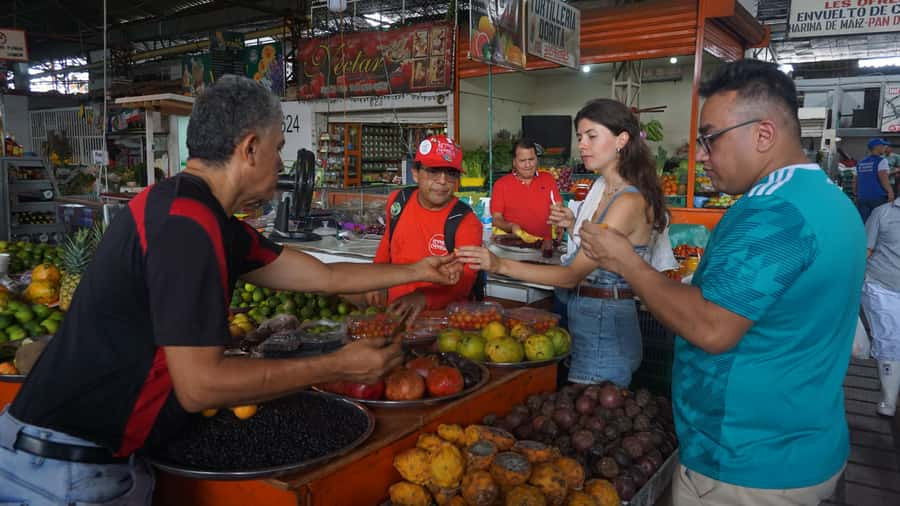
A major feature is traditional food from Colombia’s Pacific region. The guide discusses the ingredients and techniques that shape Pacific cooking, then gives you a chance to taste some of those flavors in the market.
The tour also includes a toast with viche, a local alcoholic drink. Viche is closely tied to the Pacific and adds a spirited finish to the food story. It is not simply a generic liquor tasting. The drink is presented as part of regional culture and tradition.
If you do not drink alcohol, tell the guide and skip it. The experience is suitable for vegetarians, but the information provided does not promise a separate vegetarian tasting menu, so explain your needs at the start.
People with food allergies should think twice before booking. The tour is specifically listed as unsuitable for people with allergies, likely because samples may come from small market vendors and ingredient control can be limited. That is an important safety point, not a minor footnote.
What the market reveals beyond food
Alameda Market is valuable because it shows the food system in motion. You see vendors selling more than meals and ingredients. Clothing, crafts, household goods, and other products share the same space.
That mix helps you understand the market as a source of economic survival. It is a place where people buy daily necessities, sell family products, and maintain social ties. The food stalls are part of a wider local economy.
I find this more useful than visiting only a stylish restaurant designed for outsiders. You get closer to the routines of Cali life, including the noise, crowds, changing smells, and practical transactions that make a market function.
The trade-off is comfort. Crowded areas require attention to your belongings. Local advice uses the Colombian phrase no dar papaya, meaning do not make it easy for someone to take advantage of you. Keep your phone and wallet secure, especially when stopping to taste food or take photos.
About the walking distance and pace
The walk is listed as about 8 kilometers, which is a serious distance for a food tour. You are not sitting down for a long meal and then riding between stops. You walk through the market and surrounding areas, with rest stops along the way.
Wear comfortable shoes, light clothing, and sun protection. A hat, water, biodegradable sunscreen, and insect repellent are recommended. Rain is also possible, so bring an umbrella or rainproof coat.
The stated duration is 150 minutes, while the description also calls it approximately three hours. Allow at least three hours in your schedule, since food stops, group pace, and market conditions can affect the finish time.
This combination suits you if you enjoy walking and want a broad introduction to Cali. It is less suitable if you have limited mobility, need frequent private seating, or prefer a slow restaurant-based tasting.
What you pay, and what the price means
At $13 per person, the tour offers good value if you want orientation as well as food. The fee covers the English-speaking Beyond Colombia guide, market visits, explanations of regional gastronomy, and suggestions for places to eat, buy coffee, and find souvenirs later.
The food and drinks are extra. You may spend up to 40,000 COP if you try everything, but you decide how much to sample. That arrangement is useful for vegetarians, light eaters, and anyone who wants to avoid foods that do not appeal.
There is no hotel pickup, local transportation, entrance charge, or private guide included. In this case, that keeps the structure clear: meet at the park, walk with the group, buy samples as you go, and finish with a better understanding of where to eat on your own.
The recommendations after the tasting may be worth nearly as much as the food. If you plan to stay in Cali for a few days, use the guide to mark down shops for coffee, souvenirs, and lunch. You can then return independently and spend according to your own appetite.
Who will get the most from this tour
I would choose this experience if you are visiting Cali for the first time and want a quick introduction to local food without committing to an expensive private outing.
It is a strong match for:
- Curious eaters who enjoy unfamiliar fruits and traditional drinks
- Vegetarians looking for local food guidance
- People interested in Afro-Colombian and regional cooking
- Visitors who want practical market and restaurant suggestions
- Walkers who can handle about 8 kilometers
- Anyone who prefers a shared tour and a low starting price
I would look elsewhere if you have serious allergies, use a wheelchair, dislike crowded markets, or want a guaranteed list of dishes. The menu depends on what is available from local vendors, and the walking route is part of the experience.
The group format also means the guide cannot tailor every explanation to one person. Still, an English-speaking local guide such as Fernando can make unfamiliar food easier to approach, and the warm, humorous tone praised in the feedback is a real asset for a shared outing.
Practical advice before you go
Bring cash for food, even though the tour price is paid separately. The maximum suggested tasting cost is 40,000 COP, but you do not need to buy every item.
Eat lightly before meeting. You will be walking and sampling, so a large meal beforehand may leave you too full to try the regional specialties.
Wear shoes that can handle a long city walk. Add a hat and water for sunny weather, plus an umbrella or rain jacket because conditions can change.
Keep your belongings close. The market is crowded, and stopping to photograph food can distract you from your phone or bag.
You can cancel up to 24 hours before the tour for a full refund, and you can reserve without paying immediately. One practical caution is that a cancellation close to the start time has occurred in the past, so avoid placing an essential same-day plan directly after the tour.
Should you book the Alameda Market food tour?
Book it if you want Cali explained through its food, not just a list of restaurant dishes. The modest price, English guidance, local market setting, and optional spending make it a sensible first-day activity.
The best reason to go is the combination of tasting and context. Champús, cucas, borojó, Pacific preparations, and viche become more meaningful when you learn about the people, places, and techniques behind them.
Skip it if 8 kilometers sounds tiring, if you need strict allergy control, or if you prefer private dining and a fixed menu. For everyone else, this is a practical way to get your bearings, try flavors you may not find alone, and leave with a useful list of places to explore next.
FAQ
Where does the tour meet?
Meet at Parque Alameda under the red umbrellas marked Beyond Colombia.
How long does the tour last?
The activity is listed as 150 minutes, or about two and a half hours. The description also says approximately three hours, so allow extra time.
Is the tour conducted in English?
Yes. The tour has a live English-speaking guide.
Is food included in the tour price?
No. Food, drinks, and souvenirs are extra. The total cost can reach about 40,000 COP if you try everything.
What foods and drinks might I try?
The experience highlights champús, cucas, Pacific food, unusual fruit juices such as borojó, and viche. It also discusses regional specialties including tamal valluno, pandebono, and manjar.
Is the tour suitable for vegetarians?
Yes. It is listed as suitable for vegetarians.
Can people with food allergies join?
No. The activity is listed as unsuitable for people with food allergies.
How far will I walk?
You should expect to walk about 8 kilometers, with stops to rest and eat.
What should I bring?
Bring comfortable shoes, water, a sun hat, biodegradable sunscreen, insect repellent, and an umbrella or rainproof coat. Keep your belongings secure in crowded areas.
New market tours around the world
- Tel Aviv: 2-Hour Carmel Market Tour in English with Lunch★ 4.8 · 23 reviews
- Tel Aviv: Carmel Market & Neighborhood Guided Walking Tour★ 4.7 · 3 reviews
- Tel Aviv: 2-Hour Jaffa Flea Market Tour with Tastings★ 4.9 · 8 reviews
- Tel Aviv: Carmel Market Food Tasting Tour “Shuk Hacarmel”★ 4.0 · 8 reviews
- Tel Aviv: 2-Hour Levinsky Market Tour with Full Lunch★ 4.7 · 10 reviews
- Tbilisi 2 Parks: Turtle Lake & Dedaena Park with Flea Market★ 5.0 · 3 reviews
- Tbilisi: Street Food & Sightseeing Tour with Local Markets★ 5.0 · 8 reviews
- Teguise: Market and César Manrique Foundation Tour★ 4.3 · 39 reviews
Colombia Market Tours, side by side.
Medellín Multi-sensory Tour in the market, +15 Exotic Fruits
Read our review →
PALOQUEMAO MARKET FOOD TOUR. EXOTIC FRUIT. LOCAL SNACKS. /Min 2 pax
Read our review →
Shared Tour of Colombian Exotic Fruit at Paloquemao Market
Read our review →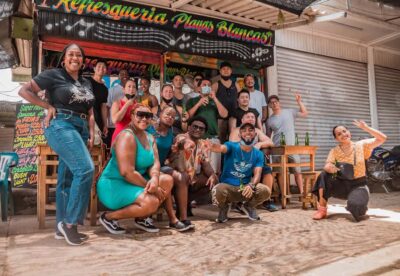
Cartagena Bazurto Market: Authentic Food & Culture Tour
Read our review →
Cartagena: Bazurto Market & La Popa Convent Tour with Lunch
Read our review →
This tour also appears in