Review · BUCHAREST
Taste Bucharest: A Food Lover’s Tour of Markets & Neighbourhoods
Bucharest’s best food stories often begin away from the polished center, and this tour takes you there. You walk from the National Theatre through old neighborhoods, ride a tram toward Obor Market, and eat the sort of Romanian food you are unlikely to assemble on your own. The food matters, but so do the streets, churches, markets, and Communist-era contrasts along the way.
I like the small group of no more than 12 people, which gives guides such as Angelica, Mihaela, Bogdan, Julian, and Andreea room to answer questions and adjust the pace. I also like the mix of cold village-style foods, sizzling mici, local drinks, and a Wallachian doughnut, rather than one long restaurant meal.
The main consideration is that this is an active, history-heavy walk. You cover about 6 kilometers, use public transport, and may spend more time on architecture and Bucharest’s past than expected. The food is generous, but it may lean toward cheeses, spreads, cured meats, and sausages rather than hot dishes such as soup or cabbage rolls.
Key points at a glance
- Obor Market is the food center of the day: Expect produce, deli goods, traditional snacks, and a taste of everyday Bucharest.
- The route covers about 6 kilometers on foot: Add a short tram ride, and wear comfortable shoes.
- Tastings are substantial: Cheese, zacusca, bean spread, fish roe, sausages, smoked bacon, cracklings, vegetables, mici, beer, tuica, and dessert may all appear.
- The history comes before and between the food stops: The National Theatre, Batiștei Street, the Armenian Quarter, and Communist-era Bucharest all get attention.
- A maximum of 12 people keeps it personal: Private departures or small groups are available.
- The $102.79 price includes food and listed drinks: You pay extra only for personal purchases, added food or drinks, and a tip for the guide.
Bucharest food with a side of street history
This is not a restaurant crawl in the usual sense. You are moving through Bucharest on foot and by tram, with food stops woven into a story about architecture, politics, neighborhoods, and daily life.
The route begins at the National Theatre Ion Luca Caragiale. Here, you learn about the theater’s place in the Romanian Revolution and the street fighting that shaped the city. That opening gives the tour a useful frame: Bucharest is not just a city of grand facades and old churches. Its recent past is still visible in the streets.
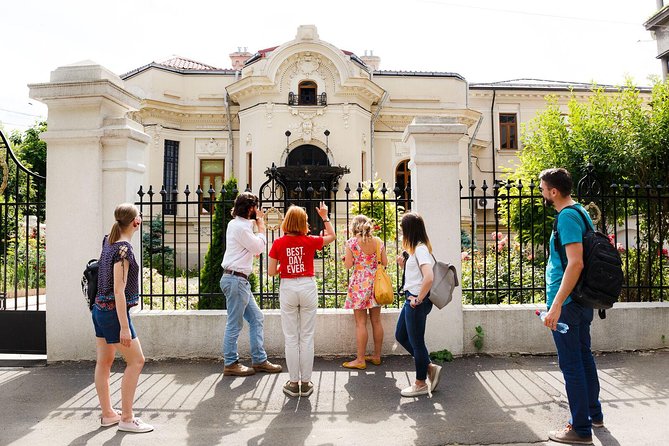
From there, you walk toward Strada Batiștei, once home to the old American embassy. The focus is on 19th-century Neo-Romanian architecture and the street’s historical importance. You will not simply pass buildings without context. Guides such as Julian and Bogdan have been praised for explaining how the city changed, while Angelica and Andreea are known for mixing history with easy conversation.
That balance is important. If you want only food, the opening section may feel long. If you like understanding a city before eating its specialties, the first hour gives the meal more meaning.
More market tours around the world:
- Bangkok: Damnoen Saduak Market and Maeklong Railway Market
★ 4.5 · 26,723 reviews - The Old Siam: Damnoen Saduak and Maeklong Railway Market
★ 4.5 · 10,992 reviews - Dubai: Old Town, Creek, Museums, Souks, & Street Food Tour
★ 4.8 · 10,816 reviews
Batiștei Church and Bucharest’s Armenian Quarter
The stop at Batiștei Church adds a quieter architectural note. You learn about the church’s place in Romanian Orthodox heritage and see how religious buildings fit into the older city.
The route then reaches the Armenian Church and the Armenian Quarter. This is one of the more distinctive parts of the walk because it shifts your attention from major landmarks to streets shaped by different communities and building traditions. You also visit Bucharest’s oldest documented house, an unusual detail that gives this section a clear sense of place.
I like this part because it helps you see Bucharest as a collection of neighborhoods rather than one central tourist zone. You get old architecture, religious history, and local streets before the day turns toward the market.
The tradeoff is time. Around an hour is given to the Armenian Quarter, and the history does not disappear just because lunch is approaching. The tour is best for you if buildings, political change, and local identity interest you as much as eating.
The tram ride to Obor Market
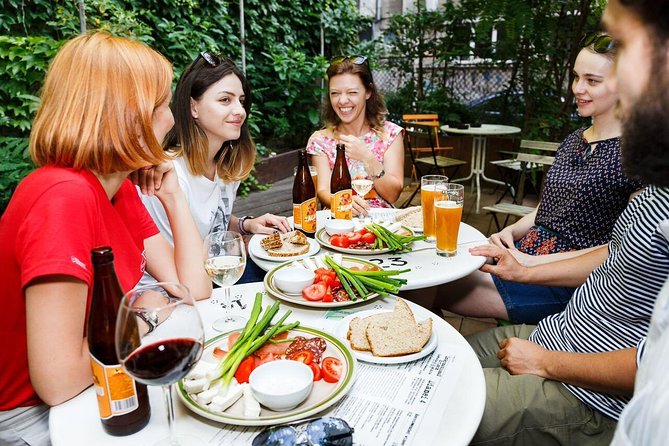
The ride along Calea Moșilor is a practical part of the tour, not a sightseeing ride added for decoration. You board public transport and move from the older central districts into Communist-era Bucharest, heading toward Obor.
This change of scenery is one of the tour’s strongest ideas. A private vehicle could get you to the market faster, but the tram shows you how Bucharest connects its historic core with its everyday neighborhoods. You see the city in motion and get a better sense of its scale.
The public transport portion also means the tour is not entirely controlled or polished. You should expect an ordinary city ride, not a private transfer. Bring a little patience, stay with the group, and keep your phone and wallet secure as you would on any busy urban route.
Obor Market is the real centerpiece
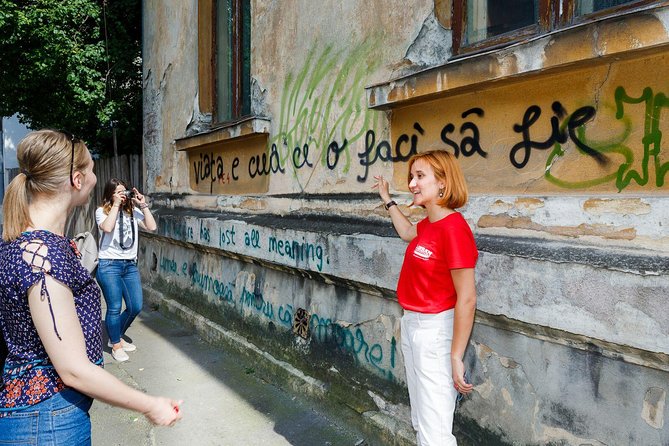
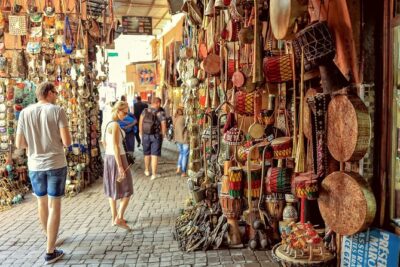
Obor Market is where the tour’s food focus comes fully into view. It is a large, active market filled with produce, home goods, deli items, and traditional foods. The colors and smells are part of the experience, but the most useful feature is the guide’s help in making sense of what you see.
You may inspect seasonal fruit and vegetables, traditional market goods, and local ingredients that are hard to identify if you are alone. One guide even bought fresh produce to add to the next tasting, a small detail that shows how the market can become part of the meal rather than just a place to look around.
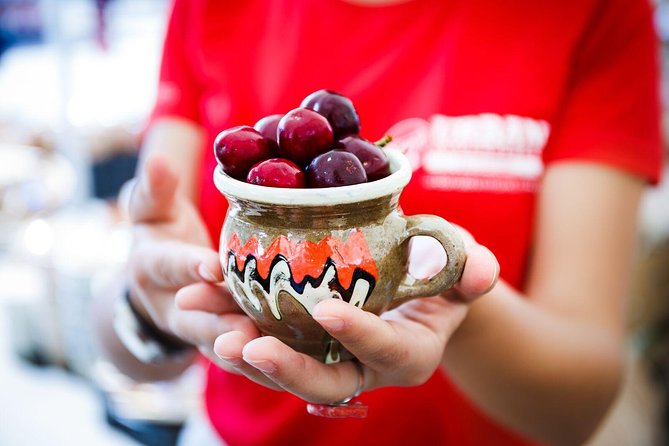
The food portion commonly includes a peasant platter with aubergine dip, zacusca, whipped beans, fish roe, telemea and burduf cheeses, sausages, smoked bacon, cracklings, red onions, tomatoes, and toast. You may also try cow, sheep, and goat cheeses, along with seasonal items such as wild strawberries, wild garlic, spicy pickles, watermelon, or grapes.
That is a broad spread, and it gives you a useful introduction to Romanian pantry food. You taste salty, smoky, sour, creamy, and fresh elements side by side. The variety is a strength, especially if you want to learn how Romanian meals are built from preserved meats, dairy, vegetables, spreads, and bread.
Food availability changes with the season and the day. You should not expect every item listed above on every departure. The provider may adjust both the route and the food based on what is fresh and accessible.
Same city, another market:
- Bangkok: Train Market & Floating Market with Boat Ride
★ 4.7 · 9,547 reviews - Dubai: Old Town, Souks, Street Food, Guided Tour & Abra Ride
★ 4.9 · 7,170 reviews - From Bangkok: Ayutthaya & Ayothaya Floating Market Day Trip
★ 4.7 · 6,084 reviews - Dubai: Frame Tickets, Creek, Souks & Blue Mosque Guided Tour
★ 4.8 · 5,980 reviews
Mici, beer, tuica, and a sweet finish
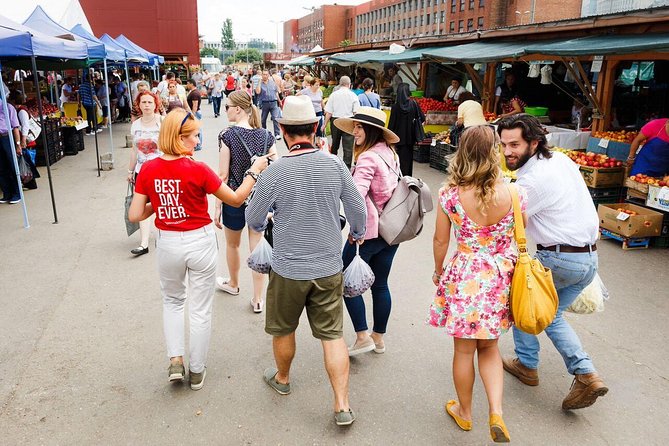
The famous hot bite is mici, Romanian skinless grilled sausage served with mustard. This is one of the most anticipated tastings on the route, and the setting matters. You eat it near Obor, where the market atmosphere and popular sausage stands give the dish a stronger local feel than a formal restaurant would.
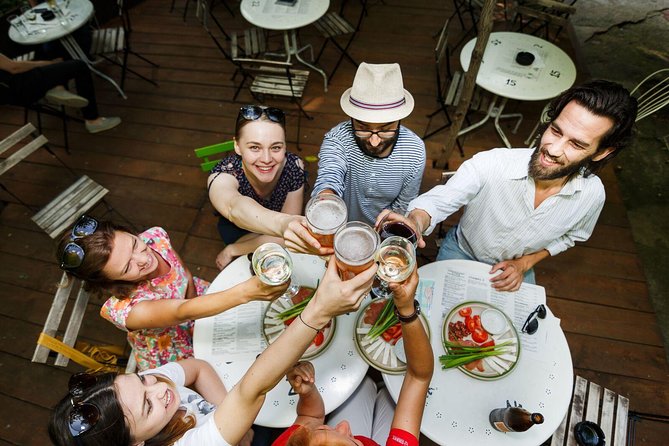
The drink selection usually includes a shot of tuica, Romania’s fruit brandy, plus up to three beers. Non-alcoholic choices include soft drinks, coffee, or tea. Some departures feature Romanian craft beer, while others may offer different local beer options depending on availability.
The tuica is a small but useful introduction to Romanian drinking culture. If you do not drink alcohol, tell the guide in advance and use the non-alcoholic alternatives. The tour includes food and listed drinks, but extra purchases are your responsibility.
The final sweet is often a Wallachian doughnut. It is a simple ending, but a good one after salty meats and cheeses. Several guides have made this last stop memorable, and Elena in particular is praised for making the doughnut stop a highlight.
What the food is, and what it is not
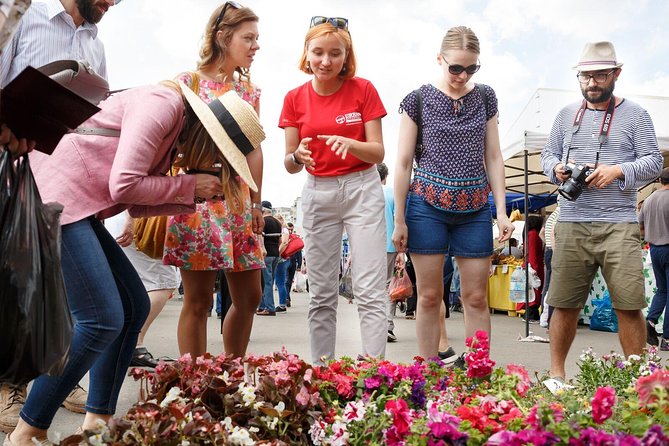
You should book this tour expecting a generous tasting menu, not a sit-down survey of every famous Romanian dish. The focus is on market food and regional staples, with plenty of cold items and informal bites.
That means you may not receive cabbage rolls, soup, or a full hot meal. The hot sausage stop helps, but much of the earlier tasting centers on cheeses, cured meats, dips, vegetables, and bread. If your ideal food tour means several cooked dishes served at a table, this may not meet your expectations.
If you like sampling many small portions and learning what each item is, the format works well. Guides explain the dishes as you eat, and the market setting gives the food a clear connection to local shopping habits.
The quantity is another plus. One solo participant found the food so plentiful that some of it had to be declined. You may want a light breakfast, but do not arrive starving if you plan to enjoy every sample at a comfortable pace.
The guides make the difference
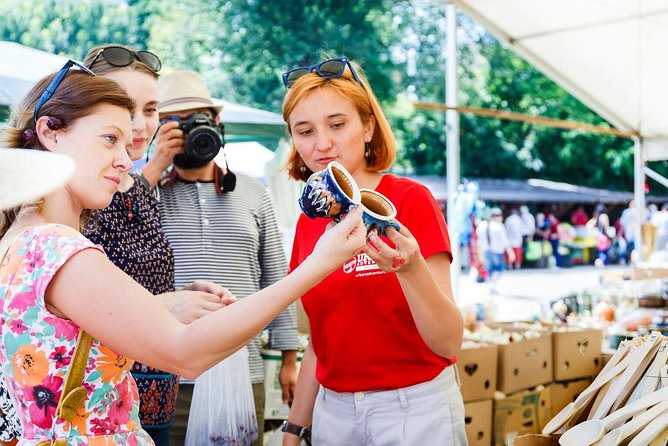
Guide quality matters on a tour that spends five hours moving between food, architecture, transport, and history. The named guides associated with this experience include Angelica, Mihaela, Bogdan, Julian, Alex, Elena, and Andreea.
Their styles vary. Angelica is described as warm, attentive, and good at explaining each dish while keeping the history flowing. Mihaela is noted for local pride, humor, and personal knowledge of neighborhoods and markets. Bogdan is praised for clear English and strong explanations of Romanian culture.
Julian brings humor and energy, while Alex has been especially good at practical market help, including finding small tuica cups and arranging a smooth visit to the mici stop. Andreea is a useful choice for anyone who wants plenty of city background and practical suggestions for the rest of a Romania trip.
Because the group is capped at 12, you have a better chance of asking questions than on a large coach tour. Some departures may be much smaller, even a private-feeling experience if only one or a few people book. That can mean extra attention, though the length and subject matter may also shift with the guide and group.
Price, pace, and practical value
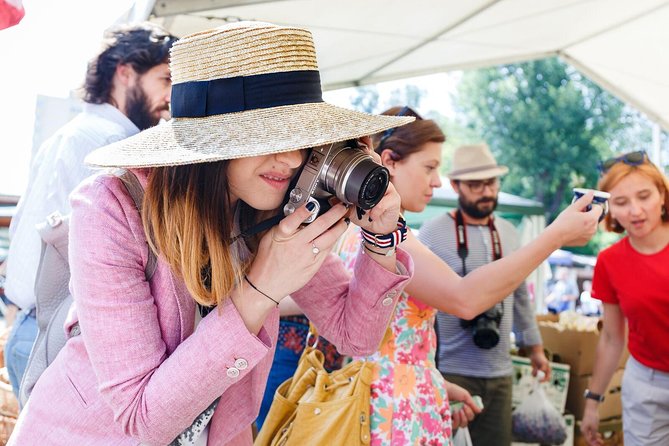
At $102.79 per person, this is not the cheapest way to eat in Bucharest. It is also more than a simple market walk. The price covers roughly five hours, a small group, all scheduled food samples, Romanian beer or alternatives, tuica, coffee or tea, and transport during the route.
I see the value in the combination. You are paying for access to several parts of Bucharest, explanations you would not get from a menu, help navigating Obor Market, and a substantial sequence of tastings. If you were to buy similar food and drinks yourself, the cost would be lower, but you would lose the guide, the neighborhood connections, and the structure of the day.
The pace is active. Six kilometers on foot is a serious walk, especially when paired with standing at market stalls and using public transport. Comfortable shoes are essential. Most people can participate, but this is not a good pick if you need a slow, seated food experience.
The meeting point is outside the Ion Luca Caragiale National Theatre at Bulevardul Nicolae Bălcescu 2. The tour ends at Saint George Square near Unirea Square, so you finish in a useful central area rather than returning to the starting point.
Tell the operator about allergies, vegetarian or vegan needs, gluten intolerance, or other dietary restrictions at least 24 hours ahead. They will try to help, but choices may be limited because the food depends on the market and the day.
Who should book this Bucharest food tour?
I would choose this for a first visit to Bucharest, especially if you have only a short stay and want food, history, and neighborhood context in one outing. It is also a good fit if you enjoy public transport, local markets, informal eateries, and asking a guide how people actually shop and eat.
It suits curious eaters more than picky ones. You should be comfortable with strong flavors, cured meats, dairy, fish roe, brandy, and food that changes with the season. Non-drinkers can join, but make your preference clear in advance.
Families and older participants should consider the walking distance and the five-hour duration. Most people can take part, but the route is not designed as a short, seated tasting.
Should you book it?
Book it if you want Romanian food tied to real neighborhoods, not just a restaurant meal. The combination of Obor Market, the Armenian Quarter, local sausages, seasonal produce, a tram ride, and guides who can explain both food and history gives the experience a clear purpose.
Skip it if you mainly want hot Romanian classics such as soup and cabbage rolls, or if you prefer a relaxed tasting in one location. For everyone else, the 4.9 rating from 689 ratings and 98 percent recommendation reflect what the tour does best: it gives you a generous, personal introduction to Bucharest through the streets where people live and shop.
FAQ
How long does the Bucharest food tour last?
The experience lasts approximately five hours.
How much walking is involved?
You walk about 6 kilometers during the tour and also use Bucharest public transport, including a short tram ride.
Where does the tour begin?
It begins at the Ion Luca Caragiale National Theatre, Bulevardul Nicolae Bălcescu 2, Bucharest.
Where does the tour end?
The tour ends at Saint George Square near Unirea Square in Bucharest.
What food might I taste?
Possible tastings include aubergine dip, zacusca, whipped beans, fish roe, telemea and burduf cheeses, cow, sheep and goat cheeses, sausages, smoked bacon, cracklings, seasonal produce, mici with mustard, and a Wallachian doughnut.
What drinks are included?
You can usually expect a shot of tuica and up to three beers. Soft drinks, coffee, or tea are available as non-alcoholic alternatives.
Are food and drinks included in the price?
All scheduled food and drink samples are included. Additional food and drinks are not included.
Can dietary restrictions be accommodated?
Notify the provider at least 24 hours in advance about allergies, sensitivities, vegetarian or vegan needs, or gluten intolerance. The provider will try to accommodate you, but choices may be limited.
How large is the group?
The maximum group size is 12 people. The experience may also be offered as a private tour.
New market tours around the world
- Tel Aviv: 2-Hour Carmel Market Tour in English with Lunch★ 4.8 · 23 reviews
- Tel Aviv: Carmel Market & Neighborhood Guided Walking Tour★ 4.7 · 3 reviews
- Tel Aviv: 2-Hour Jaffa Flea Market Tour with Tastings★ 4.9 · 8 reviews
- Tel Aviv: Carmel Market Food Tasting Tour “Shuk Hacarmel”★ 4.0 · 8 reviews
- Tel Aviv: 2-Hour Levinsky Market Tour with Full Lunch★ 4.7 · 10 reviews
- Tbilisi 2 Parks: Turtle Lake & Dedaena Park with Flea Market★ 5.0 · 3 reviews
- Tbilisi: Street Food & Sightseeing Tour with Local Markets★ 5.0 · 8 reviews
- Teguise: Market and César Manrique Foundation Tour★ 4.3 · 39 reviews
Market Tours, side by side.

Bangkok: Damnoen Saduak Market and Maeklong Railway Market
Read our review →
The Old Siam: Damnoen Saduak and Maeklong Railway Market
Read our review →
Dubai: Old Town, Creek, Museums, Souks, & Street Food Tour
Read our review →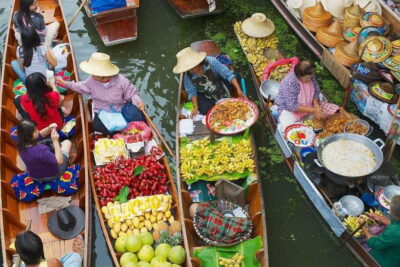
Bangkok: Train Market & Floating Market with Boat Ride
Read our review →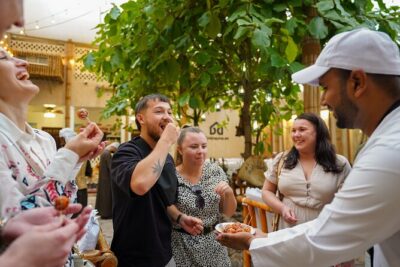
Dubai: Old Town, Souks, Street Food, Guided Tour & Abra Ride
Read our review →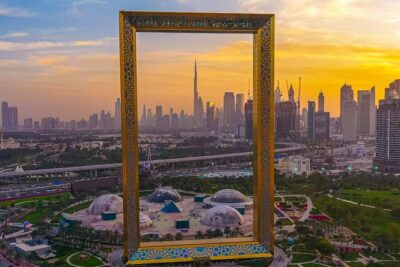
Dubai: Frame Tickets, Creek, Souks & Blue Mosque Guided Tour
Read our review →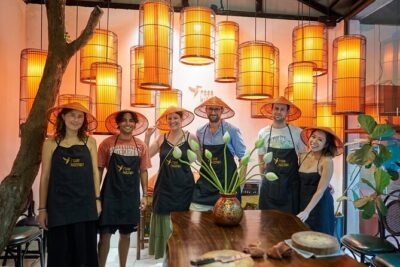
Hanoi Cooking Class: Culture, Local Market & Meaning CSR Impact
Read our review →