
Review · KATHMANDU
Best Nepali Cooking Class in Thamel with Local Market Trip
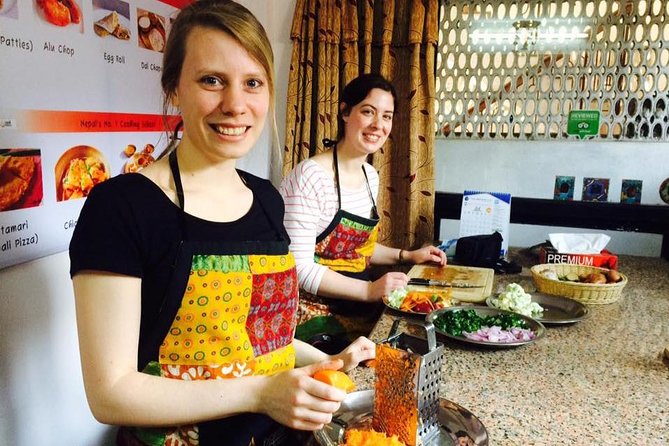
Nepali food makes more sense once you have handled its ingredients. This three-hour experience takes you from a local market to the kitchen, where you help prepare a meal with Nepali cooks rather than simply watching a demonstration. The small-group limit is eight, though one session had four people and already felt tight.
I like the market shopping and the fact that all ingredients are included, so the $30 price covers more than a cooking lesson. You also eat what you prepare and take recipes home, giving the class value after your Kathmandu trip ends.
The main consideration is the compact kitchen. This can feel lively and hands-on, but it may also feel cramped or rushed if the group is full. If you want a formal lesson with lots of individual instruction, this may be less suitable.
Key points to know before booking
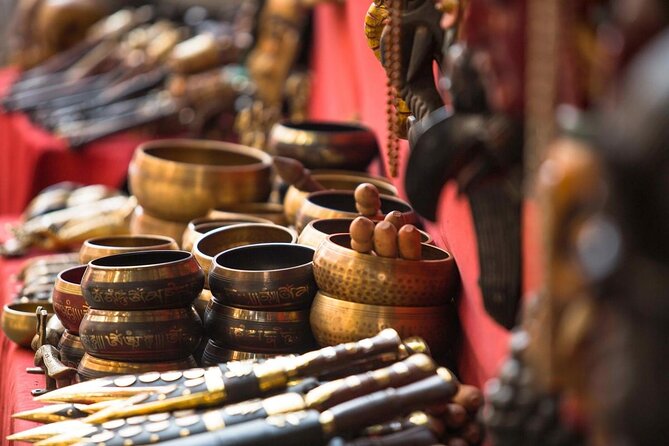
- Market first, kitchen second: You begin by learning about ingredients and helping shop for fresh items at a local market.
- Small group, limited space: The maximum is eight people, but the kitchen may feel crowded even with fewer participants.
- A meal is part of the experience: Food, snacks, and the meal you prepare are included in the price.
- Recipes go home with you: You get practical notes to help recreate the dishes after Nepal.
- Dietary requests are possible: Vegetarian and vegan options are available when requested in advance.
- Easy central setting: The activity takes place in Kathmandu and is near public transportation, but private transport is not included.
A Kathmandu food lesson that begins at the market
The best part of this experience is the link between shopping and cooking. You are not handed a fixed set of ingredients with no explanation. Instead, the class typically begins with an introduction to local ingredients, spices, and cooking methods, followed by a visit to an outdoor market or grocery store to gather what is needed.
That market stop gives the food a daily-life context. You see what the cooks actually use rather than treating Nepali cuisine as a list of restaurant dishes. The market visit is also a useful way to notice ingredients you might otherwise pass without understanding.
The exact dishes are not specified, so you should not book this expecting one particular recipe. The menu may determine what you prepare on the day. The useful point is the process: you learn about the ingredients, help buy them, then use them in the kitchen.
The market portion is listed as part of the cooking experience, not as a separate shopping tour. It is short enough to keep the activity focused, but important enough to make the class feel connected to Kathmandu life.
More Local and Farmers Market Tours in the world:
- Hanoi Cooking Class: Culture, Local Market & Meaning CSR Impact
★ 5.0 · 5,147 reviews - Cooking Class and Lunch at a Tuscan Farmhouse with Local Market Tour from Florence
★ 5.0 · 4,831 reviews - Chef Guided Food Tour of Pike Place Market
★ 5.0 · 3,733 reviews
What happens at the Nepal Cooking School
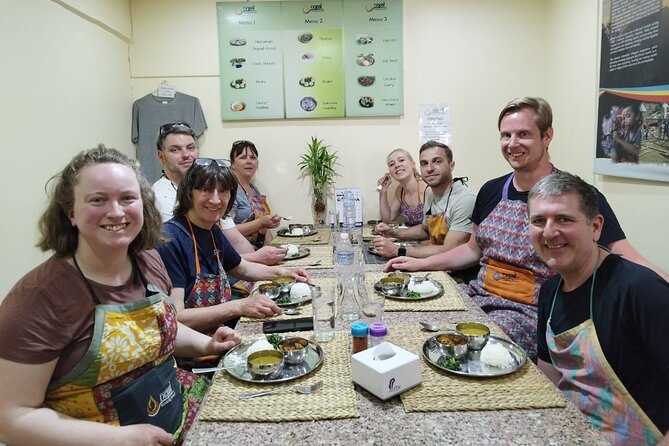
The activity begins at the Nepal Cooking School in Kathmandu. The first portion is scheduled for about 30 minutes and is described as an introduction to local ingredients, spices, and cooking techniques. You may also visit a market or grocery store during this opening stage to purchase fresh produce and other supplies.
From there, you move into the cooking session. The details of the menu are not provided, but the class is intended to be hands-on. You will work with the cooks rather than simply sit and take notes, which makes the experience more useful if you want to learn basic methods you can repeat at home.
The setting is a small kitchen. That has two sides. A compact space can make it easier to watch what is happening and meet the other people in the group. At the same time, room may be limited for chopping, mixing, and moving around. One four-person session already felt short on space, so a group close to the maximum of eight may require patience.
I would approach this as a friendly practical lesson, not a polished culinary course. The experience is built around preparing food together and having fun. You may get plenty of direct participation, but the pace can feel fast if several people need access to the same work area.
The meal, snacks, and recipes included for $30
At $30 per person, the value is good if you plan to eat a full meal and want more than a demonstration. The price includes ingredients, market shopping, snacks, and the food you prepare. The inclusions also list breakfast, lunch, and dinner, though you should treat that as a description of the available food inclusions rather than assume you will receive three separate meals during a three-hour class.
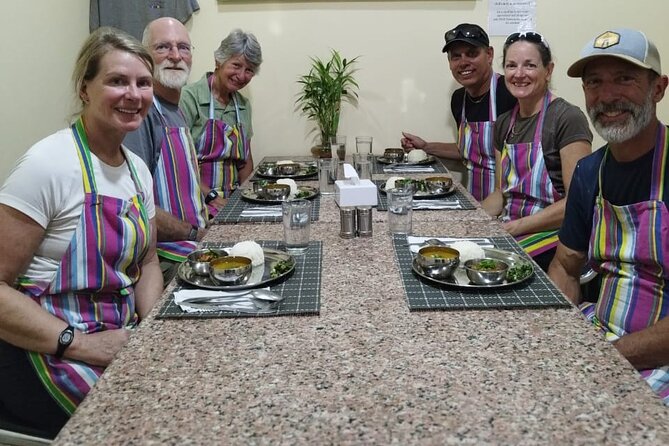
The meal matters because it turns the lesson into a complete activity. You are not paying separately for lunch after spending the morning cooking. You prepare the food, sit down to eat your work, and leave with recipes that can be used later.
The class is also a sensible choice for people watching their daily spending in Kathmandu. A restaurant meal alone may cost less or more depending on where you eat, but it will not include market time, instruction, or recipes. Here, the value comes from combining food with a cultural activity.
The menu itself is not listed, so exact value depends partly on what is prepared that day. If you have strong dietary needs, request a vegetarian or vegan option before the class. Those choices are available on request, not automatically guaranteed without advance notice.
Why the market stop adds more than a photo opportunity
A cooking class can feel disconnected from the place you are visiting if the ingredients appear from nowhere. This experience avoids that problem by placing market shopping at the front of the activity.
You can ask about unfamiliar produce, spices, and cooking tools as they come up. Even if the market stop is brief, it helps you understand that Nepali food is based on ordinary purchases and household techniques, not just restaurant presentation.
The market also gives you a chance to meet local cooks in a natural setting. The point is not only to collect ingredients. It is to see how a meal begins, how the cooks choose what they need, and how those items change once they reach the kitchen.
Do keep expectations in check. The available information does not promise a guided market tour with long explanations at every stall. Think of it as a practical shopping visit tied to the meal. That is more useful for a cooking class, but less suitable if your main interest is market photography or a full food history tour.
More Market and Cooking Class Tours in the world:
- 5 Traditional Dishes Hanoi Cooking Class with Market Trip
★ 5.0 · 4,890 reviews - Chiang Mai: Cooking Class, Market & Thai Herbs Garden Tour
★ 4.9 · 4,824 reviews - Chiang Mai: Authentic Cooking Class with Market & Farm Visit
★ 4.9 · 4,546 reviews - Barcelona: Paella Cooking Experience & Boqueria Market Tour
★ 4.8 · 3,661 reviews
Hands-on cooking in a small group
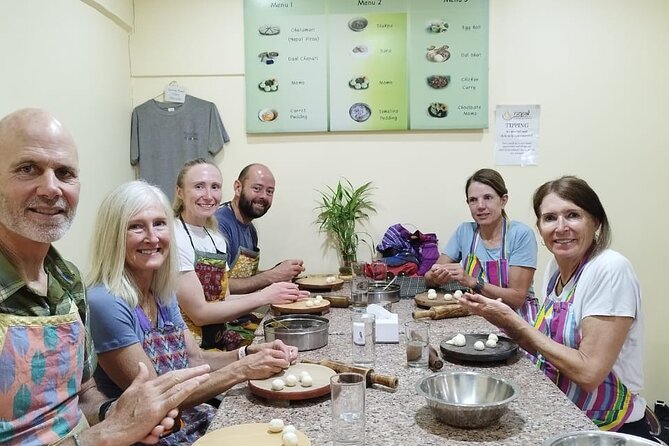
The group limit is eight people, which is modest by tour standards. A small group usually makes it easier to take part, ask questions, and meet other people who enjoy local food. The experience is also a social one, with local cooks and fellow participants sharing the work and the meal.
The kitchen size is the key factor. A four-person group found the room tight, so you should expect close quarters rather than individual workstations. You may need to take turns or share preparation space. That is not necessarily a problem, but it changes the feel of the class.
I would recommend this format to you if you enjoy active group experiences and do not mind a little kitchen bustle. You will probably get more from it if you are willing to pitch in, communicate with the other participants, and accept that not every step will receive a long explanation.
If you prefer a quiet lesson with one instructor focused only on you, look carefully at the group limit and the comments about the small room. The experience can be fun and generous without being highly structured.
Vegetarian and vegan options
Vegetarian and vegan choices are available on request. This is useful in Nepal, where plant-based meals are common, but you still need to communicate your needs before arriving. The information does not specify the exact dishes or how dietary substitutions are handled.
If you eat meat but have allergies or other restrictions, the available details only confirm vegetarian and vegan options. Contact the provider before booking if you need more specific ingredient information. Do not assume every allergy can be accommodated simply because meat-free choices are available.
The class is likely to work best when everyone knows the menu plan ahead of time. That gives the cooks a chance to prepare the right ingredients and helps prevent confusion once the group starts working.
Timing, transport, and the practical details
The activity lasts about three hours. That is enough time for a market stop, kitchen work, and eating, while still leaving part of your day free for Kathmandu sightseeing. The listed starting point is the Nepal Cooking School, and the first segment is about 30 minutes.
Pickup is offered in the tour information, but private transportation is not included. Those details can seem contradictory, so confirm the pickup arrangement when you book. Do not assume a private vehicle is part of the $30 price.
The activity is near public transportation, which makes it easier to reach without arranging a car. The exact meeting instructions should arrive with your booking confirmation. Confirmation is provided at the time of booking.
Most people can participate, according to the supplied activity details. Still, the compact kitchen means you should be comfortable standing, moving around shared work areas, and taking part in basic food preparation.
The experience is booked an average of 13 days in advance. That is a useful sign that you should not leave it until the last moment, particularly if you are visiting during a busy period or want a particular date.
How this compares with a formal cooking course
This experience is better understood as a social Nepali food workshop than a professional cooking school. The strongest features are its market connection, hands-on format, local cooks, and generous food inclusions.
You may learn plenty, but the structure appears informal. One session felt more like putting ingredients together than receiving a full lesson, and the pace could feel stressful in the small kitchen. That does not cancel the value of the experience. It simply means you should book it for participation and cultural contact, not for advanced culinary training.
I like that distinction because it helps you choose honestly. If you want to spend a few hours cooking, meet locals, eat well, and take home recipes, this fits. If you want detailed knife instruction, private coaching, or a carefully staged professional kitchen, you may be disappointed.
Who should book this Kathmandu cooking experience?
This is a good match for you if you want an activity that brings together food, people, and everyday Kathmandu life. Solo visitors can meet other participants, couples can share a practical experience, and families with older children may appreciate the hands-on format if everyone is comfortable in a small kitchen.
It also suits anyone who likes to learn by doing. You will get more from chopping, mixing, and helping than from standing back. Come hungry, since the meal and snacks are part of the experience.
You may want to choose another activity if you need a completely private setting, have strict accessibility requirements that were not addressed in the available details, or want a predictable menu. The tour does not provide enough information to promise a specific dish list or a spacious cooking area.
The high rating of 4.9 from 26 ratings and the 100 percent recommendation figure point to a strong overall experience, but the practical limitation remains the kitchen size. Use those numbers as encouragement, not as a reason to ignore the format.
Should you book it?
Book this class if you want a three-hour, food-focused Kathmandu experience with market shopping, local cooks, a shared meal, and recipes to take home. At $30, the combination is fairly priced, especially since ingredients and food are included.
Before paying, request your vegetarian or vegan option if needed and confirm how pickup works. Go in expecting a friendly, hands-on session in a compact kitchen rather than a formal culinary school. If that sounds like your kind of afternoon, this is an easy way to connect Nepali food with daily life.
Free cancellation is available if you cancel at least 24 hours before the start time. Cancellations or changes made within 24 hours are not accepted for a refund.
FAQ
How much does the Nepali cooking class cost?
The price is $30 per person.
How long does the experience last?
The cooking experience lasts approximately three hours.
What is included in the price?
Ingredients, market shopping, snacks, and the food prepared during the experience are included. The inclusions also list breakfast, lunch, and dinner.
Are vegetarian and vegan options available?
Yes. Vegetarian and vegan options are available on request.
How many people can join the class?
The maximum group size is eight people.
Is transportation included?
Private transportation is not included. Pickup is offered, and the activity is near public transportation, so confirm the pickup details when booking.
What is the cancellation policy?
You can cancel for a full refund if you cancel at least 24 hours before the experience start time. Cancellations or changes made less than 24 hours before the start time are not accepted and are not refunded.
New market tours around the world
- Tel Aviv: 2-Hour Carmel Market Tour in English with Lunch★ 4.8 · 23 reviews
- Tel Aviv: Carmel Market & Neighborhood Guided Walking Tour★ 4.7 · 3 reviews
- Tel Aviv: 2-Hour Jaffa Flea Market Tour with Tastings★ 4.9 · 8 reviews
- Tel Aviv: Carmel Market Food Tasting Tour “Shuk Hacarmel”★ 4.0 · 8 reviews
- Tel Aviv: 2-Hour Levinsky Market Tour with Full Lunch★ 4.7 · 10 reviews
- Tbilisi 2 Parks: Turtle Lake & Dedaena Park with Flea Market★ 5.0 · 3 reviews
- Tbilisi: Street Food & Sightseeing Tour with Local Markets★ 5.0 · 8 reviews
- Teguise: Market and César Manrique Foundation Tour★ 4.3 · 39 reviews
Kathmandu Market Tours, side by side.
Oldest Local Market Walking Tour With Living Goddess Kumari
Read our review →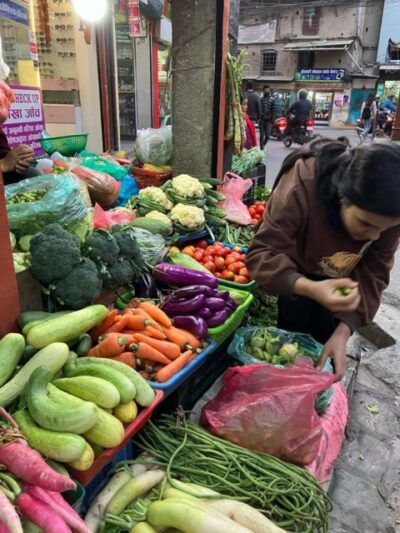
Half Day Cooking Class in Thamel with Local Market Visit
Read our review →
From Bazaar to Hippie Hub: Ason & Freak Street in Kathmandu
Read our review →This tour also appears in