Review · THAILAND
Chiang Rai: Night Walking Tour – Local Market & Food Tasting
Chiang Rai is at its most atmospheric after sunset, when the Blue Temple glows in sapphire tones and Wat Huay Pla Kang’s great white Guanyin looks over the city. This four-hour outing then shifts from temple calm to fresh markets, street food, and the Chiang Rai Night Bazaar.
I like the mix of beautiful sights and ordinary local life, and I like having a private guide to explain what you are seeing and help with unfamiliar snacks. Guides Bank and Poppy have been praised for clear English, good communication, temple explanations, photos, and careful driving. The main drawback is the pace: with two temple visits and two food stops, you will spend much of the evening moving between places rather than lingering at one market.
Key points to know before booking
- The Blue Temple after dark: Wat Rong Suea Ten is especially striking when its sapphire colors and unusual design are lit at night.
- A towering Guanyin statue: Wat Huay Pla Kang offers a peaceful temple visit and a memorable view of the huge white Goddess of Mercy.
- Fresh market food first: You visit a place used by local residents buying food for the evening, not just a market aimed at sightseeing.
- Northern Thai tasting: Snacks, street food, seasonal fruit, and unusual items such as silkworm may be offered.
- Private attention: The small group is limited to nine people, with hotel pickup in Mueang Chiang Rai and an English-speaking guide.
- Easy planning: The price is $64 per person, with free cancellation up to 24 hours before the tour and a reserve-now, pay-later option.
Two temples, two very different moods
The evening begins with pickup at your hotel lobby in Mueang Chiang Rai. Your guide drives you to Wat Huay Pla Kang, then to Wat Rong Suea Ten, known as the Blue Temple. The order listed for the experience places Huay Pla Kang first, with about an hour there and roughly 105 minutes at the Blue Temple, though driving time and actual pacing can affect the schedule.
That variety is one of the tour’s best features. You are not seeing two similar temple compounds and then calling it a night. One stop focuses on a large statue and a calm hilltop setting. The other is more theatrical, with intense blue color and a strong nighttime presence.
More Local and Farmers Market Tours in Thailand
- Phuket: Half Day Easy Thai Cooking Class & Local Market Tour
★ 4.9 · 725 reviews - Chiang Mai: Evening Cooking Class and Local Market Visit
★ 4.9 · 648 reviews - Evening Cooking Class in Organic Farm with Local Market Tour
★ 5.0 · 394 reviews
Wat Huay Pla Kang and the white Guanyin
Wat Huay Pla Kang is known for its enormous white statue of Guanyin, the Goddess of Mercy. The figure rises above the surrounding area and gives the visit a grand first impression, especially under evening lighting.
Your guide can explain the Buddhist meaning of the site and the role of Guanyin in the temple’s religious setting. Poppy, one of the guides associated with this experience, was specifically praised for giving a proper introduction to Buddhism. That kind of explanation matters here, since the scale of the statue can easily become a quick photo stop without context.
The temple is also the quieter part of the evening. After dark, the white statue and lit structures create a peaceful mood rather than the sensory rush you get later at the markets. I would use this stop to slow down, listen to the guide, and take in the views instead of treating it as a checklist attraction.
You should dress properly for both temples. Bring long pants or a long skirt, and choose shoes you can walk in comfortably. Temple photography is allowed, but you need to be respectful in religious areas. That means keeping your voice down and following any local instructions about where to stand or what to photograph.
Wat Rong Suea Ten, the Blue Temple
The Blue Temple is the visual highlight for many people on this tour. Its Thai name is Wat Rong Suea Ten, and it is known for vivid sapphire interiors and a mystical feel that becomes even stronger after sunset.
The blue color is not a small decorative detail. It shapes the whole visit, from the temple surfaces to the interior atmosphere. Good lighting brings out the contrast between the deep blue tones and the brighter religious images inside. Your guide can help explain the meaning of the temple and its Buddhist imagery, rather than leaving you to guess at the details.
The visit is scheduled for about 105 minutes, which gives you more time here than at Huay Pla Kang. That longer stop may appeal to anyone who enjoys photography, temple design, or learning about northern Thai religious art. If you prefer a quick look at each sight, it may feel generous. The tour is not built around rushing through several famous landmarks.
The timing also works well for photographs. Evening light removes the harsh midday sun, while the artificial lighting gives the building a different character. Still, night photography can be tricky, so bring a phone or camera you are comfortable using in lower light.
From sacred spaces to the fresh market
After the temples, the tour changes tone. You visit a fresh market where local residents buy ingredients and food for the evening. This is a useful stop because it shows how people shop for daily meals, rather than presenting only the polished side of Chiang Rai’s food culture.
The fresh market may be your first chance to see unfamiliar produce, prepared foods, and regional ingredients up close. Your guide can help identify what you are looking at and explain how certain items fit into local eating habits. You are not expected to recognize every dish or know what to order on your own.
The food portion is listed at about 30 minutes, although the full evening includes time at the night markets as well. Bring a small amount of cash for personal purchases. The included tastings cover traditional snacks and street food, but anything extra you buy is your responsibility.
This is also the point where you should keep an open mind. Northern Thai food can include flavors and textures that are new to many visitors. One tasting included silkworm, an experience that may appeal to adventurous eaters but will not suit everyone. You can decide how far you want to go. There is no need to force yourself to try something simply because it is unfamiliar.
More Market Food Tours in Thailand
- Chiang Mai: Evening Local Street Food Market Tour
★ 4.8 · 604 reviews - From Bangkok: Maeklong Railway and Floating Market Food Tour
★ 4.9 · 224 reviews - Takua Pa: Food Market, Tsunami Museum, Temple, & Old Town
★ 4.9 · 165 reviews - Fresh Local Market Tour – Food tour in Chiang Mai
★ 5.0 · 113 reviews
Chiang Rai Night Bazaar and local snacks
The final food-focused part takes you to Chiang Rai Night Bazaar and other local night-market areas. These markets serve several purposes at once. Families shop for dinner, small vendors sell snacks and crafts, and people gather as part of their regular evening routine.
You can expect traditional northern Thai snacks, freshly prepared street food, and seasonal tropical fruit. Some items may be hard to find outside the region, which gives the tasting a real sense of place. The guide can help you choose, explain ingredients, and make the experience less awkward if you do not know how a dish is normally eaten.
The market is not only about eating. Handmade crafts and regional products are also sold, so you may find small gifts or useful souvenirs. I would keep purchases modest unless you have already set aside extra cash. The tour price includes the stated food tastings, not personal expenses.
The market stop is a good reason to choose a private or small-group format. With no more than nine participants, the guide has a better chance of answering questions and keeping the group together. A private guide also makes it easier to spend a little more time on food if that is your priority, though the evening still has a fixed four-hour limit.
You may also see monks collecting offerings and families shopping for dinner. These ordinary scenes are valuable because they place the temples and food in the setting of daily life. You are not simply being shown Chiang Rai’s famous buildings. You are also seeing how the city functions after dark.
Why the private guide matters
The guide is the thread holding the evening together. Without one, you could visit the temples and markets, but you would miss much of the meaning behind them and might struggle to decide what to taste.
Bank received especially strong praise for organization, communication, photography help, fluent English, and safe driving. One evening included a clean car, a smooth hotel pickup, explanations delivered with enthusiasm, and a comfortable return drive. Poppy was also praised for explaining temple meanings and Buddhist ideas clearly.
Guide quality can vary from one departure to another, and the named guides are examples rather than a guarantee for your date. Still, the role itself is important. Ask questions as you go. A private guide is most useful when you treat the tour as a conversation, not just transport between stops.
Hotel pickup is included at your lobby in Mueang Chiang Rai. That removes the need to find a taxi at night and makes the experience simpler after you have been eating and walking. Alcohol is not allowed in the vehicle, and sharp objects, baby strollers, non-folding wheelchairs, and several types of mobility equipment are not permitted.
Is $64 a fair price?
At $64 per person, this is not the cheapest way to visit a temple or market in Chiang Rai. You are paying for a four-hour guided outing, hotel pickup, transport, temple visits, food tastings, and the convenience of having someone explain what you see.
The value is strongest if you want several pieces handled at once. You do not need to arrange evening transport, work out which foods to try, or research the religious background of the temples. For a first evening in Chiang Rai, that can save time and reduce guesswork.
The value is weaker if you already have transport, prefer to explore markets independently, or mainly want a long dinner. This is an active sightseeing evening, not a relaxed restaurant meal. You will visit multiple places and follow a planned route.
The reserve-now, pay-later option helps if your schedule is still changing. You can also cancel up to 24 hours before the start for a full refund. Check the available starting times when booking, since the experience lasts four hours and is designed for evening visits.
Who will enjoy this evening most?
I would recommend this tour to first-time visitors who want a clear introduction to Chiang Rai after dark. It suits people who enjoy a blend of temples, food, photography, and local street life without having to organize each part themselves.
It is also a good fit for couples, families with older children, and small groups who value direct access to a guide. The small-group limit keeps the experience more personal than a large bus tour.
Food-curious visitors will get the most from the market stops. You may try snacks or ingredients you would not confidently order alone, including unusual choices such as silkworm. If you are a cautious eater, the guide can still help you understand the options, but the food portion may be less rewarding if you want only familiar dishes.
The evening requires walking and is not suitable for wheelchair users, people with heart problems, babies under one year, people over 95, or anyone over 309 pounds, or 140 kilograms. The supplied information also lists altitude sickness as a restriction, although this is a Chiang Rai city outing rather than a high-altitude trek. Wear comfortable walking shoes and bring temple-appropriate clothing.
Should you book the Chiang Rai night tour?
Book it if you want temple lighting, local food, and a guide-led evening in one compact outing. The Blue Temple and Guanyin statue provide the visual highlights, while the fresh market and Night Bazaar give the experience more everyday character.
Skip it if you prefer to spend the whole night eating at your own pace or if you dislike unfamiliar foods. You should also look elsewhere if you need wheelchair access or a fully flexible schedule.
For most first visits, $64 is reasonable because the guide, transport, cultural explanation, and tastings are bundled together. Bring cash, wear long pants or a long skirt, and arrive ready to ask questions. The best part of this evening is not simply seeing Chiang Rai lit up. It is moving from its sacred spaces into the places where local people shop, eat, and spend time after sunset.
FAQ
How long does the Chiang Rai night tour last?
The experience lasts four hours, including hotel pickup in Mueang Chiang Rai, visits to both temples, market stops, food tasting, and the return journey.
Which temples are included?
The tour visits Wat Huay Pla Kang and Wat Rong Suea Ten, also called the Blue Temple.
Is hotel pickup included?
Yes. Pickup is included from your hotel lobby in Mueang Chiang Rai, with the pickup arranged for the appropriate start time.
Is food included in the price?
Traditional snacks and street food tastings are included. Personal expenses, including extra purchases at the markets, are not included.
What language does the guide speak?
The live guide speaks English. The group is limited to nine participants.
Can I cancel the tour if my plans change?
Yes. You can cancel up to 24 hours in advance for a full refund. A reserve-now, pay-later option is also available.
More Market Walking Tours in Thailand
- Bangkok: City Highlights Temple and Market Walking Tour
★ 4.5 · 3,990 reviews - Chiang Mai: Local Food and Markets Guided Walking Tour
★ 4.3 · 175 reviews - Hua Hin: Thai Street Food & Market Walking Tour
★ 4.9 · 8 reviews - Tokyo Tsukiji Fish Market Food and Culture Walking Tour
★ 5.0 · 3,184 reviews
New market tours around Thailand
- Longtail Boat Adventure to the Local Weekend Floating Market★ 5.0 · 12 reviews
- Sathon: Hands-on Thai Cooking Class & Market Tour in Bangkok★ 5.0 · 19 reviews
- Private Unseen Mangrove Forest and Floating & Railway Market★ 5.0 · 2 reviews
- Private Tour from Bangkok: Railway & Floating Markets★ 4.9 · 11 reviews
- From Bangkok: Floating Market & Ayutthaya Private Day Trip★ 5.0 · 42 reviews
- Private Floating & Train Market + DRAGON Temple + Thai Cafe★ 4.9 · 13 reviews
- Phuket: Thai Cooking Class with Market Tour★ 5.0 · 2 reviews
- Phuket: Half Day Thai Cooking Experience with Market Tour★ 5.0 · 11 reviews
Thailand Market Tours, side by side.
Bangkok: Damnoen Saduak Market and Maeklong Railway Market
Read our review →
The Old Siam: Damnoen Saduak and Maeklong Railway Market
Read our review →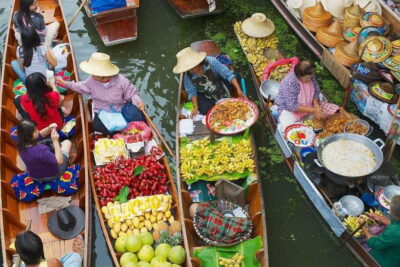
Bangkok: Train Market & Floating Market with Boat Ride
Read our review →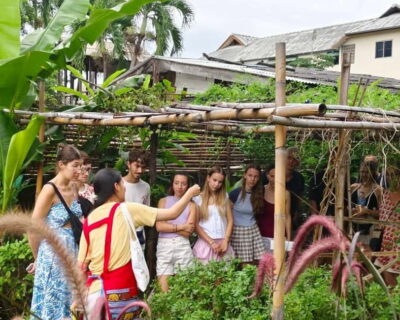
Chiang Mai: Cooking Class, Market & Thai Herbs Garden Tour
Read our review →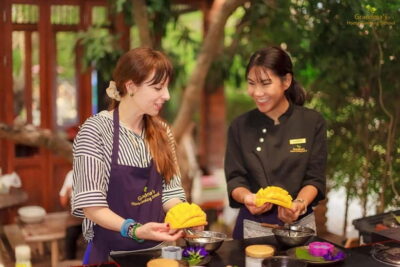
Chiang Mai: Authentic Cooking Class with Market & Farm Visit
Read our review →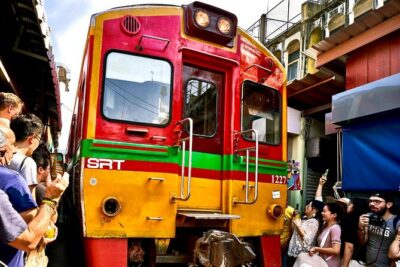
Bangkok: Floating Market and Train Market Experience
Read our review →
Half-Day Railway Market and Floating Market Tour in Thailand
Read our review →