
Review · CHIANG MAI
Chiang Mai: Local Food and Markets Guided Walking Tour
Chiang Mai’s food culture makes most sense on foot, one small bite at a time. This 150-minute market walk links steamed rice dumplings, dinosaur-shaped fried dough, mango sticky rice, and Hakka-style noodles with the flower stalls and shopping lanes around Warorot Market.
I like the way the guide handles the ordering, explains local customs, and takes you to places you might pass without noticing. I also like the flexible start times, plus the chance to see Ton Lamyai Flower Market and Warorot Market in one short outing.
The main catch is that food is not included in the $48 price. The final 2:30 pm start can also feel rushed because some food shops close early, so I would choose a morning departure if you want the listed stops.
Key points to know before you book
- Four distinct food stops: Try khao kriab pak moh, pa thong ko, mango sticky rice, and Hakka-style noodles.
- Markets are part of the experience: You walk through Ton Lamyai Flower Market and Warorot Market, not just from restaurant to restaurant.
- Guides make the difference: Guides such as Koi, Nom, Patty, Banana, Nancy, and Pim have been praised for explaining food, customs, and the city in clear English.
- Food costs extra: Bring cash and expect to pay at each stall or restaurant.
- Morning is the smart choice: Early departures give you the best chance of following the full food route.
- Expect a proper walk: One reported route covered about 2.5 miles, with some fast-paced sections between stops.
Why this short food walk works in Chiang Mai
A good food tour should do more than hand you a plate. It should show you how a city eats, where people shop, and why certain snacks matter. This Chiang Mai route does that in a compact stretch around the Ping River markets.
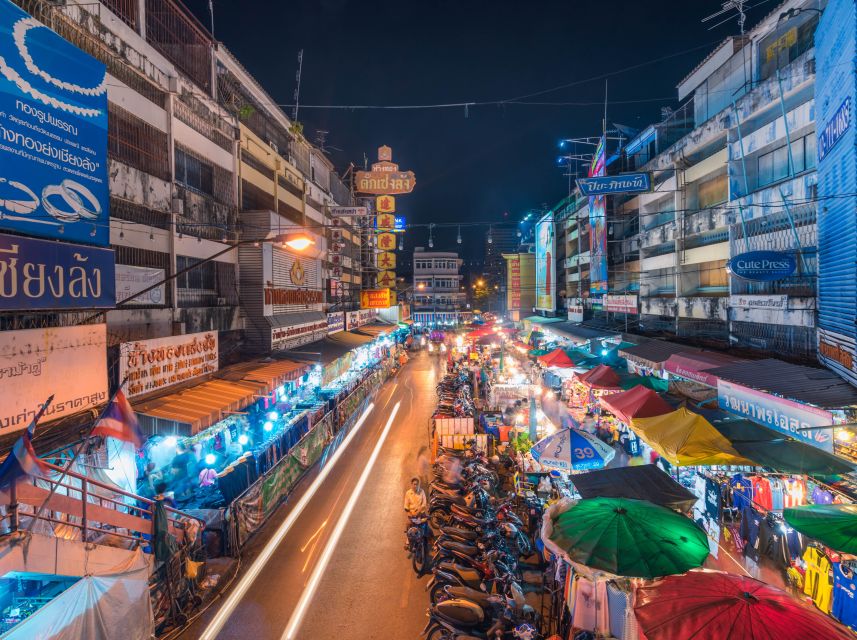
You meet your TripGuru guide at Chansom Memorial Bridge, also called Khua Khaek, opposite Ton Lamyai Flower Market. From there, the route moves through food stalls, market lanes, and small local eateries before finishing at Ton Lam Yai Market.
That route gives you a useful first look at Chiang Mai beyond the old city walls. You see flowers, produce, clothing, packaged snacks, Chinese-influenced food, and everyday shopping all mixed together. It feels less like a parade of famous sights and more like a guided introduction to local routines.
The tour has a rating of 4.3 from 175 ratings, and the strongest praise centers on the guides. Koi, Nom, Patty, Banana, Nancy, Pim, Koi, Sunny, Lana, and others are repeatedly described as friendly, helpful, and good at adjusting the pace or food choices. That matters here because the food stalls can be crowded, unfamiliar, or difficult to order from if you cannot read Thai.
More Market Walking Tours in Chiang Mai:
- Bangkok: City Highlights Temple and Market Walking Tour
★ 4.5 · 3,990 reviews - Tokyo Tsukiji Fish Market Food and Culture Walking Tour
★ 5.0 · 3,184 reviews - Marrakech: Ben Youssef, Secret Garden, & Souks Walking Tour
★ 4.6 · 2,802 reviews
Khao Kriab Pak Moh at Lung Khajohn Wat Ket
The first food stop is Lung Khajohn Wat Ket, known for khao kriab pak moh. These are sweet steamed rice skin dumplings, usually filled with peanuts.
This is a gentle opening dish. The soft rice wrapper has a different texture from the fried snacks that come later, and the peanut filling gives it a sweet, nutty finish. Your guide can help explain how it is eaten and what makes it different from the better-known Thai sweets found in tourist restaurants.
Starting with a small snack is also practical. You get a taste without filling up too soon, which is important because the route has several more stops. If you arrive after a large breakfast, you may regret it by the time the noodle course appears.
The opening stall can be busy. One guide has been known to pre-order for the group when the first stop is crowded, a small but useful touch when you are trying to keep a short walking tour moving.
Ton Lamyai Flower Market adds color and local rhythm
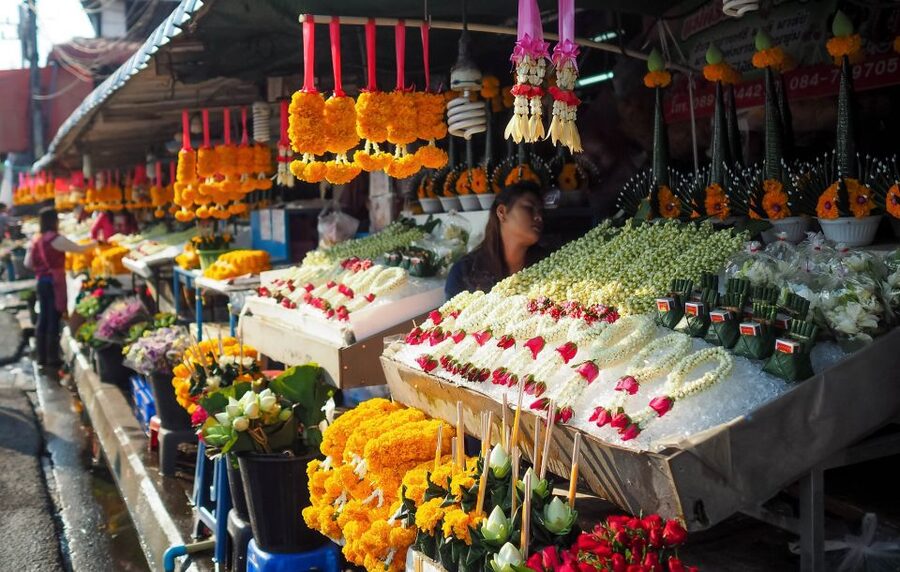
After the first tasting, you pass through Ton Lamyai Flower Market. The flowers are not just a backdrop for photographs. They show another side of the market district, where local buying and selling continues alongside the food trade.
You may see cut flowers, herbs, and market goods as you walk. The tour description specifically highlights the chance to brighten your day with fresh flowers, and the market provides a welcome change after the first food stop.
This section also gives your guide room to explain how the markets fit together. Several guides have added comments about nearby buildings, local customs, and the way people shop. You are not getting a formal city tour, but the walk can provide a useful bit of context between bites.
Bring a camera if you enjoy market scenes, but keep your hands free when possible. The walk includes food, purchases, and some busy areas. One guide even helped carry shopping bags, which is handy if you buy snacks or flowers along the way.
Go Neng and the famous dinosaur-shaped dough
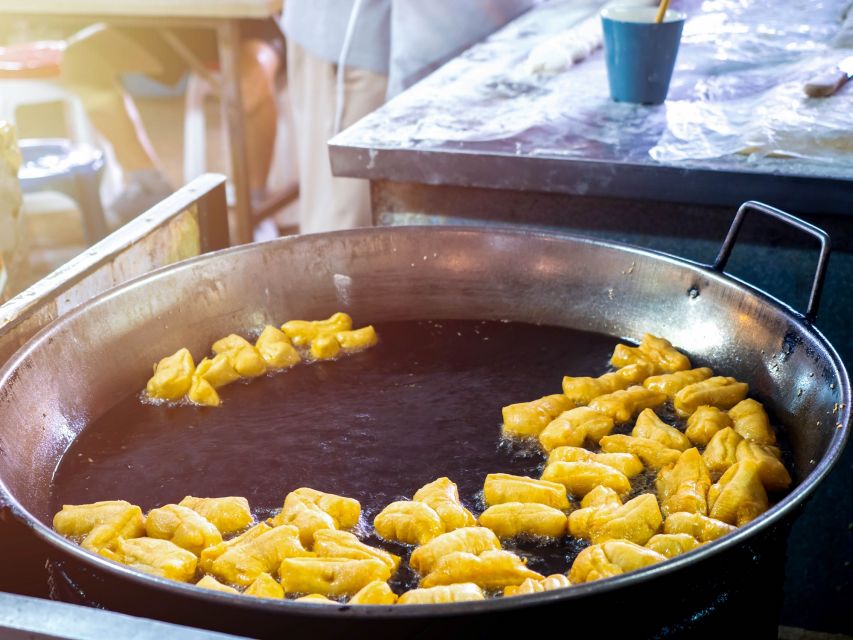
Go Neng is the playful stop. Here you try pa thong ko, Chinese-style deep-fried dough that comes in odd shapes. Some pieces look like small dinosaurs, which explains the dish’s nickname in many food conversations.
The shape is part of the fun, but the important point is that pa thong ko is a familiar local snack, not a novelty made only for visitors. You get to try a popular fried breakfast or snack food in the setting where locals buy it.
This stop may appeal to children, and one guide was praised for staying patient and flexible with a picky five-year-old. Still, the tour is not designed as a children’s food program, so families should be ready for a walking pace and several different flavors.
The dough is fried, so it can feel heavy if you have already eaten a full breakfast. That is another reason to leave room before the tour. I would treat each food stop as a tasting, not a challenge to finish a full meal at every location.
More guided market mornings around Chiang Mai:
- Dubai: Old Town, Souks, Street Food, Guided Tour & Abra Ride
★ 4.9 · 7,170 reviews - Dubai: Frame Tickets, Creek, Souks & Blue Mosque Guided Tour
★ 4.8 · 5,980 reviews - Chef Guided Food Tour of Pike Place Market
★ 5.0 · 3,733 reviews - Marrakech: Colorful Medina Souks Guided Walking Tour
★ 4.7 · 2,470 reviews
Warorot Market is the heart of the walk
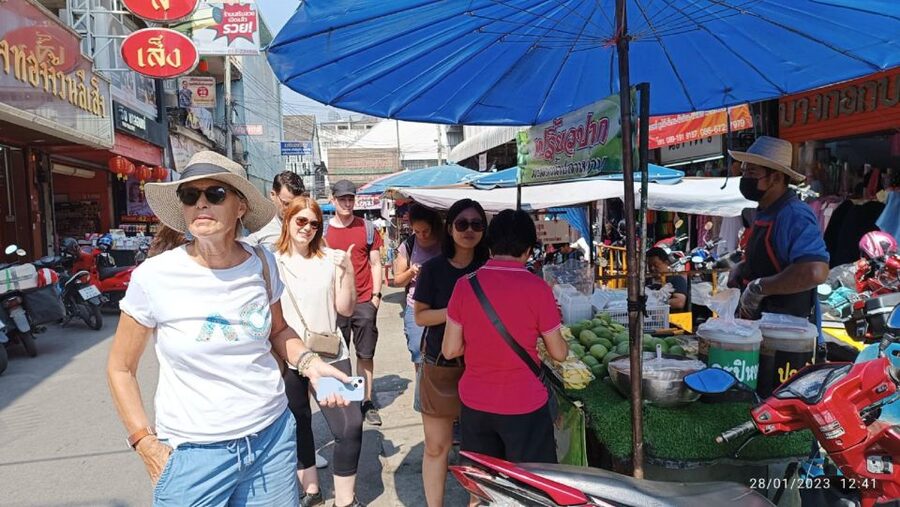
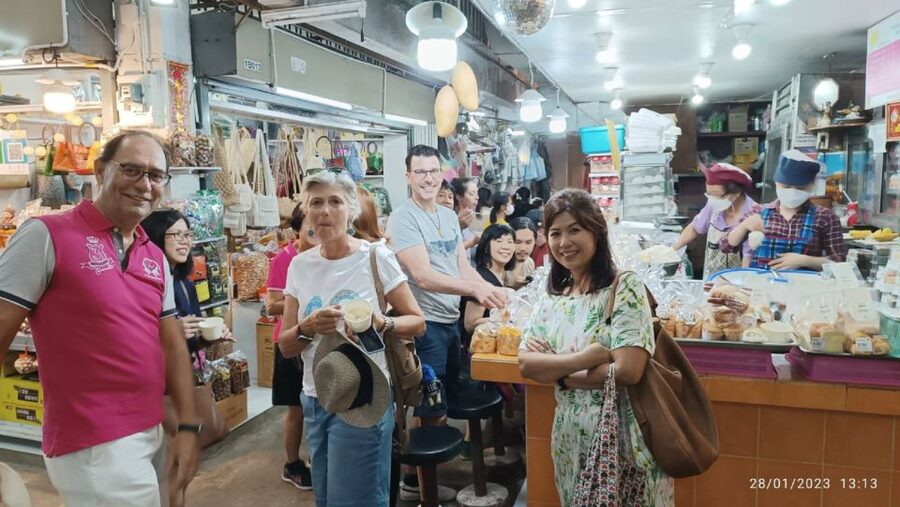
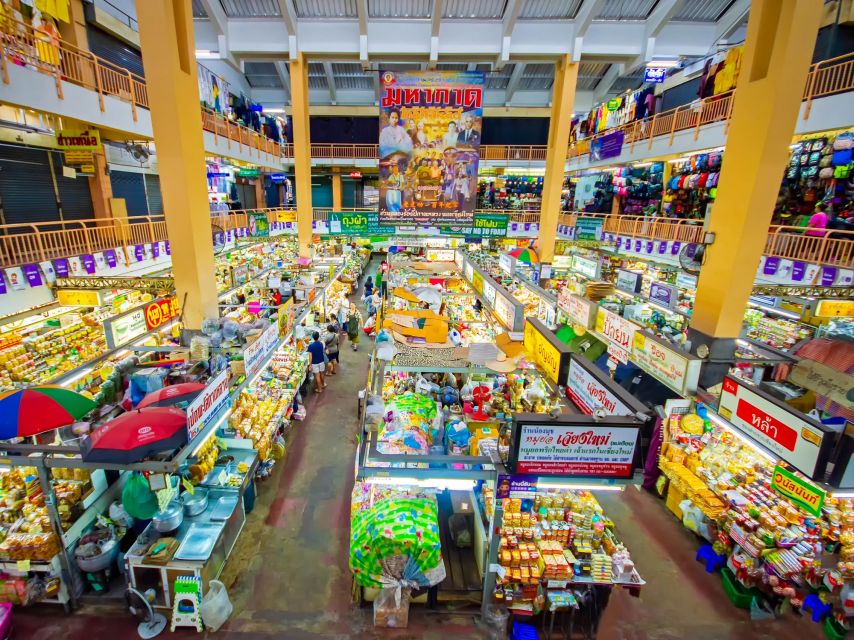
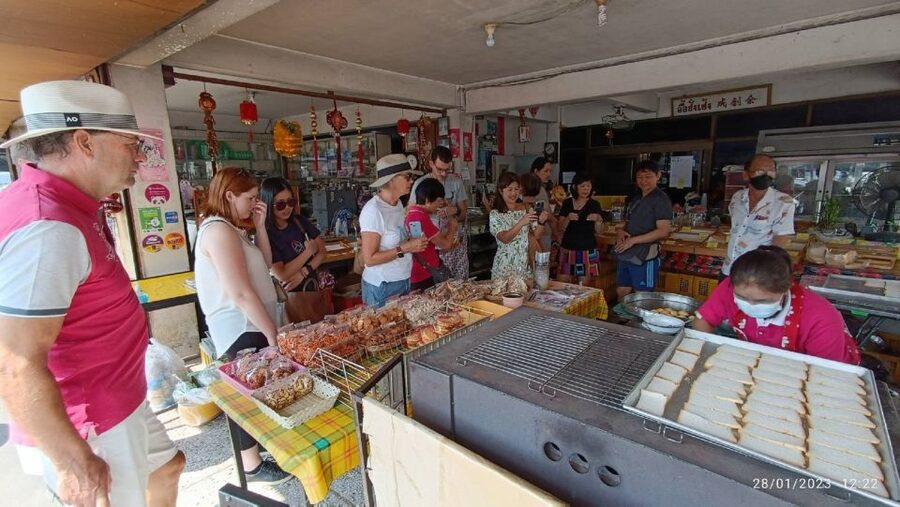
Warorot Market is the largest and most varied part of the route. You find snacks, produce, clothes, and other goods here, with several layers of shopping packed into a small area.
This is where having a local guide pays off. You can follow the stalls without worrying about getting lost, and the guide can point out foods you might not recognize. Several guides have helped order food, found seats, answered questions, and suggested places to eat later in the trip.
The market also gives you a better sense of the Chinese influence on Chiang Mai food. That connection becomes clearer with the later Hakka-style noodle dish, but you can begin to notice it in the snacks and market products here.
Do not expect a quiet stroll. The route can be fast, and one person described it as a short hike with several stops. Wear comfortable shoes, keep sunscreen and water in mind, and allow time to pause if you want to look closely at the stalls.
Mango sticky rice makes the sweet course
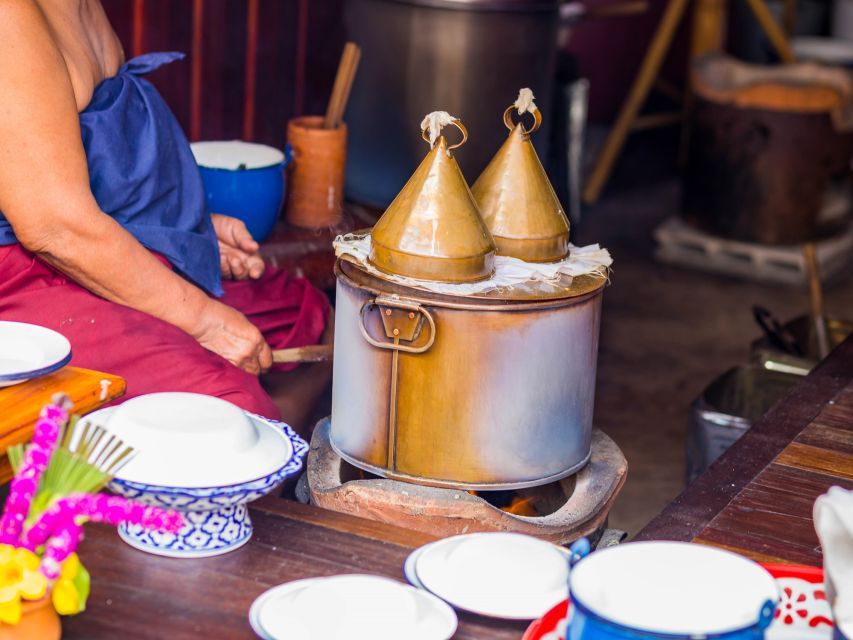
Inside or around Warorot Market, the guide takes you to a stall selling mango sticky rice. The dish is familiar across Thailand, but a market stop gives you a chance to eat it where people shop for everyday food.
The combination is simple: sweet mango, sticky rice, and coconut-based sauce. It provides a clear contrast with the savory dishes and fried dough. For many people, this will be the easiest food on the route to recognize, while the earlier dumplings and final noodle dish may be newer.
The timing is worth noting. Mango sticky rice appears before the final savory stop, so you are not ending with dessert. The route is built around discovery rather than the usual starter, main course, dessert order. If you prefer a conventional meal sequence, this may feel slightly odd, but it keeps the walk moving through different stalls.
Food portions and availability can change. The guide may adjust the choices if a stall is sold out, too crowded, or closed. That flexibility has helped keep the tour running during holidays and other busy periods.
Thana Ocha finishes with Hakka-style noodles
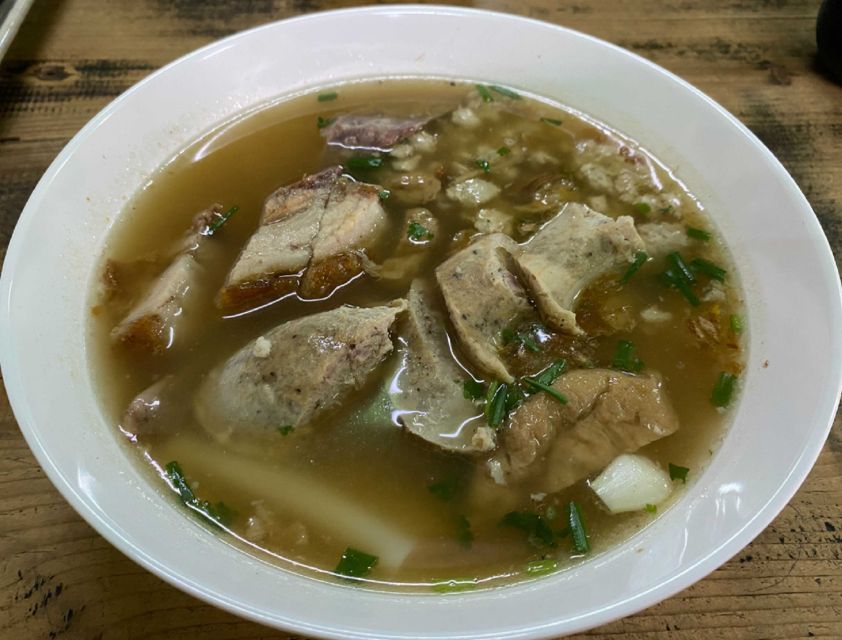
The final stop is Thana Ocha, where you try Hakka-style noodles with stuffed tofu, fish sausage, and wontons. This is the most substantial dish of the route and the point where many people finally feel full.
The noodle bowl brings together several textures and flavors in one meal. The stuffed tofu and fish sausage also give you something beyond the standard noodle soup you may find elsewhere in Thailand.
The Chinese connection is especially clear here. Chiang Mai food is shaped by more than one tradition, and this stop helps you see that local eating is not limited to one simple idea of Thai cuisine.
If noodles are your main reason for booking, check the departure time carefully. The food shops named on the route tend to close by early afternoon. With a 2:30 pm start, your guide may switch to other street food stalls. That can still produce a good meal, but you may not visit every named stop.
The guides are the real strength
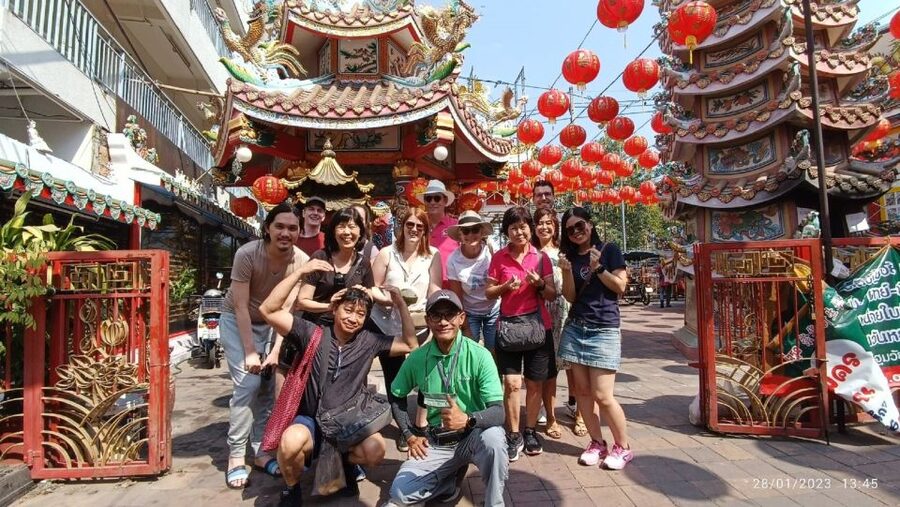
The food matters, but the guide determines how much you get from it. The best guides on this route do three jobs at once: they explain the food, handle the practical ordering, and connect the stalls to local customs.
Koi has been praised for explaining spices and preparation, ordering food, finding seats, and offering recommendations for the rest of a Chiang Mai stay. Nom has been described as attentive and hospitable, while Patty has been praised for clear explanations and a friendly manner.
Banana has helped explain how different cultures shaped local food traditions. Nancy has been noted for making the market route easy to follow. Sunny has added food and cultural information while helping with photographs. These details suggest that the guide’s role is more active than simply leading you from one address to the next.
Guide quality can vary from person to person, of course. Some people want plenty of explanation, while others prefer to eat and walk. One account found the commentary too brief, and another felt the tour moved quickly. If you want a long, detailed food lecture at every stop, this may feel light. If you want easy access to local food without doing the research yourself, it should fit well.
Price, food costs, and overall value
The listed price is $48 per person, with food and tastings paid separately. That makes the total cost higher than the advertised rate, though each individual snack is generally inexpensive.
I see the value in the guiding rather than the amount of food alone. You are paying for access, translation, ordering help, local explanations, and a route that combines several markets and eateries in 150 minutes. If you already feel comfortable ordering in Chiang Mai and know Warorot Market well, you may prefer to explore on your own.
For a first day in town, the calculation looks better. You can learn what different foods are called, find places you may want to return to, and get your bearings around the market district without spending hours planning.
Bring cash in small amounts. Paying separately at each stop is a minor nuisance, especially if you are managing a family or a group. Still, keeping food separate lets you choose how much to eat and avoids paying for tastings you do not want.
The tour is GSTC-certified and includes carbon emissions offset credits. That does not change the food itself, but it gives the experience a lower-impact structure than a vehicle-based food outing.
Timing, walking, and who should book
Choose a morning time if you want the best chance of visiting Lung Khajohn Wat Ket, Go Neng, Warorot Market, the mango sticky rice stall, and Thana Ocha. The later 2:30 pm option can work, but restaurant hours may force a changed route and a quicker pace.
You should arrive at Chansom Memorial Bridge 10 minutes early. The guide carries a TripGuru sign, and traffic can make the trip to the meeting point slower than a navigation app suggests. The guide can wait only 10 minutes after the scheduled time.
This tour suits people who enjoy trying small portions, walking through markets, and asking questions as they go. It is especially useful at the start of a Chiang Mai stay, when you want food ideas for the days ahead.
It is not a good fit for vegans, since no vegan option is available. It is also not suitable for people with mobility impairments, pregnant women, or people with heart or respiratory problems. Comfortable shoes, a hat, sunscreen, sunglasses, insect repellent, a camera, and cash are sensible choices.
Should you book this Chiang Mai food tour?
I would book it if you want a short, guided introduction to Chiang Mai food and prefer local stalls to a polished restaurant meal. The combination of market shopping, flowers, Chinese-influenced snacks, and noodle soup gives you more than a simple tasting route.
Book a morning slot, arrive hungry but not stuffed, and budget extra for food. If you want a longer food tour with more stops and more time at each dish, look for a bigger experience. If you want an easy first taste of the city with a guide who can order, explain, and adjust the route, this is a sensible choice.
FAQ
How long does the Chiang Mai food tour last?
The tour lasts 150 minutes, or two and a half hours.
What is the tour price?
The listed price is $48 per person.
Is food included in the tour price?
No. Food and tasting expenses are not included, so bring cash to pay at the stalls and restaurants.
Where does the tour meet?
Meet at Chansom Memorial Bridge, also called Khua Khaek, opposite Ton Lamyai Flower Market.
Where does the tour finish?
The listed finishing point is Ton Lam Yai Market.
What languages does the guide speak?
Guides operate in English and Thai.
What foods can I try?
Possible tastings include Hakka-style noodles, mango sticky rice, pa thong ko deep-fried dough, and khao kriab pak moh steamed rice skin dumplings.
Is there a vegan option?
No vegan option is available.
Is a morning departure recommended?
Yes. Morning departures are recommended if you want the named food stops, since many restaurants close by early afternoon. The 2:30 pm start may use alternative street food stalls.
Can I cancel the booking?
You can cancel up to 24 hours in advance for a full refund. The booking also offers a reserve-now, pay-later option.
New market tours around Chiang Mai
- Chiang Mai: Half Day Morning Cooking Class with Market Tour★ 4.9 · 10 reviews
- Half-Day Cooking Class with Market Tour★ 5.0 · 163 reviews
- Chiang Mai: Half Day Cooking Class at Organic Farm★ 4.8 · 96 reviews
- Full Day Thai Cooking Class in Organic Farm and Market★ 5.0 · 3 reviews
- Chiang Mai: Traditional Thai-Akha Cooking Class& Market Tour★ 5.0 · 25 reviews
- Chiang Mai: Traditional Thai Cooking Class with Market Tour★ 4.8 · 137 reviews
- Chiang Mai: Morning Cooking Class with Market Visit★ 4.9 · 81 reviews
- Chiang Mai Light: Tuk Tuk Night Tour with Temples & Markets★ 5.0 · 7 reviews
Chiang Mai Market Tours, side by side.
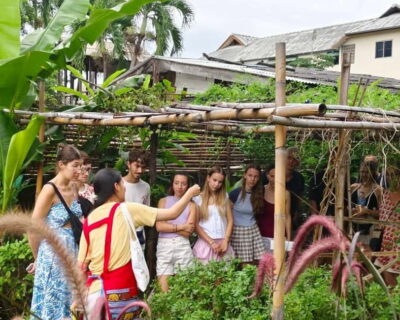
Chiang Mai: Cooking Class, Market & Thai Herbs Garden Tour
Read our review →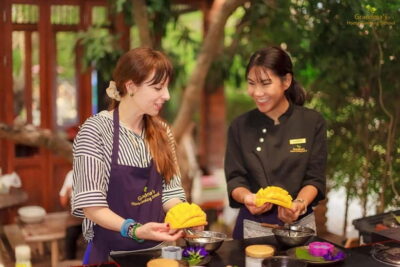
Chiang Mai: Authentic Cooking Class with Market & Farm Visit
Read our review →
Chiang Mai: Cooking Class with Market and Pickup
Read our review →
Chiang Mai: Evening Cooking Class and Local Market Visit
Read our review →
Chiang Mai: Evening Local Street Food Market Tour
Read our review →
Chiang Mai: Kalare Night Bazaar Boxing Stadium Muay Thai
Read our review →
Evening Cooking Class in Organic Farm with Local Market Tour
Read our review →
Chiang Mai: Elephants, Sticky Waterfalls, Market and Temple
Read our review →This tour also appears in