Review · CHIANG MAI
Chiang Mai: Cooking Class with Market and Pickup
Thai cooking makes more sense when you see the ingredients before they reach the wok. This Chiang Mai class begins at a local fresh market, where your guide introduces Thai herbs, vegetables, and the many varieties of eggplant that can look rather mysterious at first glance.
I like the choice of dishes and the fact that you cook at your own station, rather than watching one chef do all the work. I also like the practical finish: mango sticky rice, a digital recipe book, and photos give you something useful to take home.
The main consideration is the amount of food. You may cook three or four dishes, so arrive hungry, especially for the morning class. The class is also not designed for children under five or people over 95.
Key points to know before booking
- A real market introduction: Learn about Thai herbs, vegetables, and spices before cooking with them.
- Your own cooking setup: Each person receives a station, wok, and utensils for hands-on practice.
- Choose your menu: Options include soups, stir-fries, curries, pad Thai, and mango sticky rice.
- Small class size: Groups are limited to 10 people, which gives the instructor room to help.
- Hotel transport included: Pickup and drop-off are part of the package, with a request to wait in your lobby 30 minutes before the start.
- Useful value at $25: Ingredients, cooking instruction, transport, dessert, a digital cookbook, and activity photos are included.
Starting at the market, where Thai cooking begins
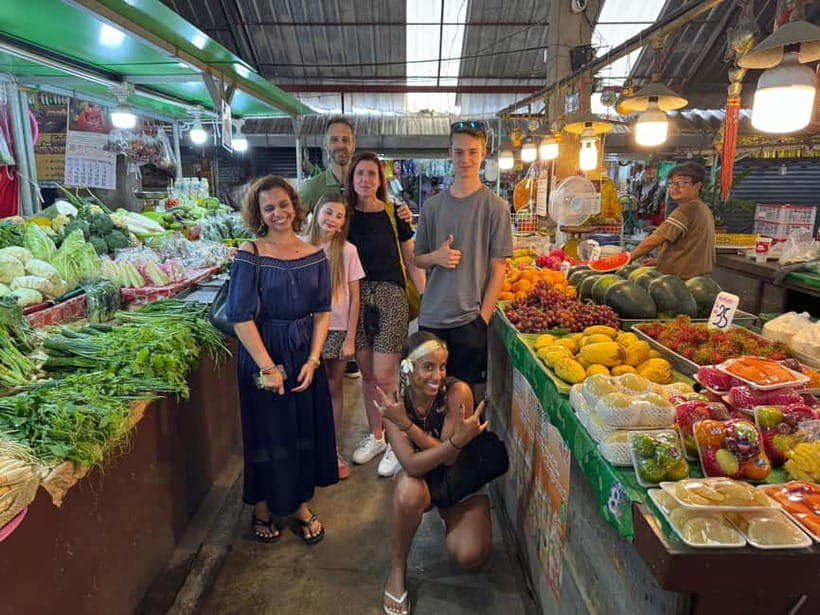
The experience starts with hotel pickup in Chiang Mai Province. You are asked to wait in your hotel lobby 30 minutes before the class begins, so keep your phone nearby and allow a little time for the vehicle to arrive and gather other class members.
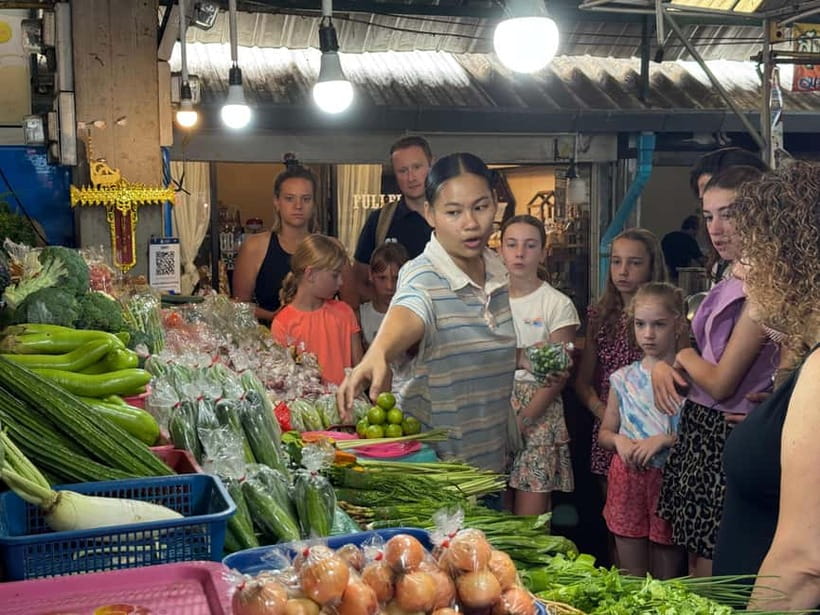
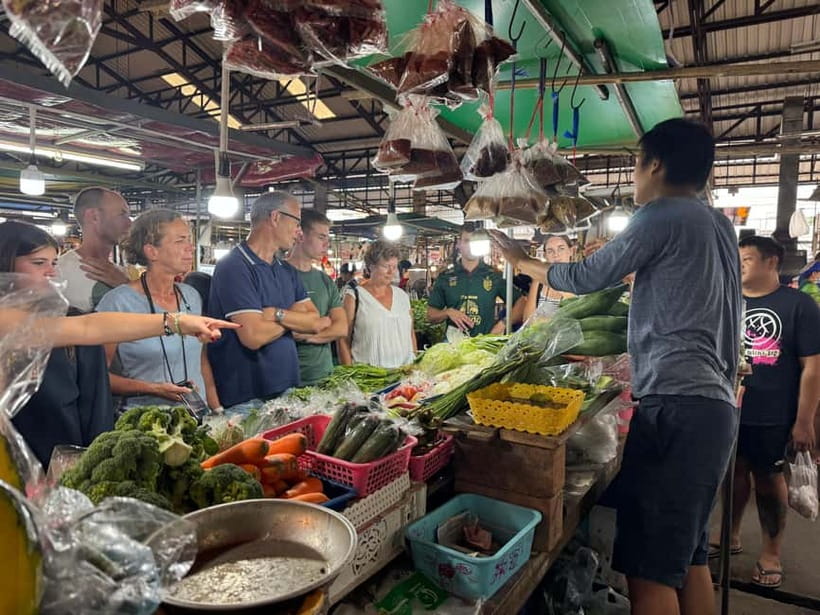
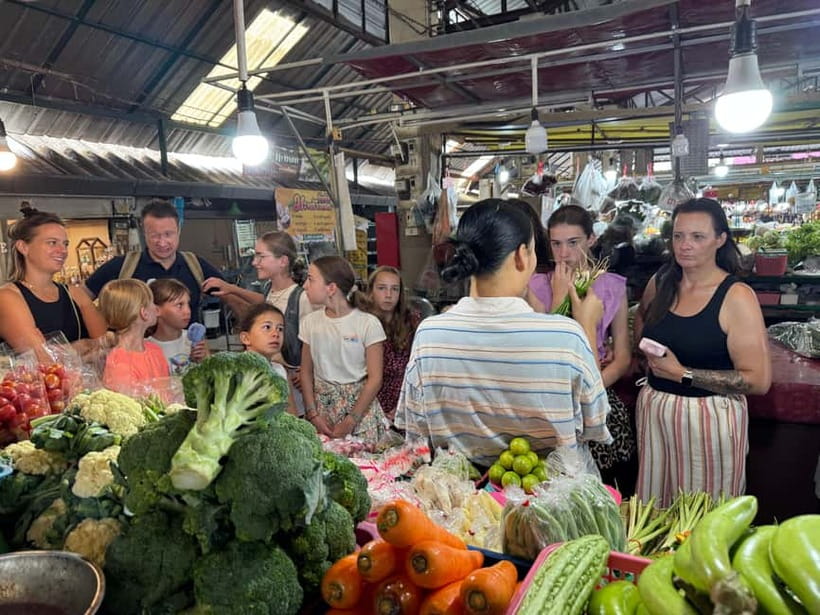
The first stop is a local fresh market. This is more than a quick shopping trip. Your guide uses the stalls to explain the herbs and vegetables that give Thai food its particular smell and flavor. You can expect to see ingredients used in soups, curry pastes, stir-fries, and other dishes on the menu.
This part matters because Thai recipes often list ingredients that are easy to confuse at home. Seeing the produce in its fresh form helps you understand what you are buying later. One especially memorable point from the class is the range of eggplant varieties. Thai eggplants can differ in size, color, and texture, and the market visit gives you a clearer idea of why a recipe calls for one type rather than another.
The market is also where the class feels most connected to daily life in Chiang Mai. You are not simply handed a tray of premeasured ingredients and told to cook. You first see the raw materials and learn a little about how they fit into Thai food.
There is one practical limit. The market visit is an introduction, not a full food tour. You should book it for the cooking lesson, with the market as a useful and interesting opening section.
More Market and Cooking Class Tours in Thailand
- Chiang Mai: Cooking Class, Market & Thai Herbs Garden Tour
★ 4.9 · 4,824 reviews - Chiang Mai: Authentic Cooking Class with Market & Farm Visit
★ 4.9 · 4,546 reviews - Chiang Mai: Evening Cooking Class and Local Market Visit
★ 4.9 · 648 reviews
Returning to Daddy’s Kitchen
After the market, you return to Daddy’s Kitchen for a welcome drink and snack. The class takes place in a Thai family home atmosphere, which gives it a friendlier feel than a large demonstration kitchen.
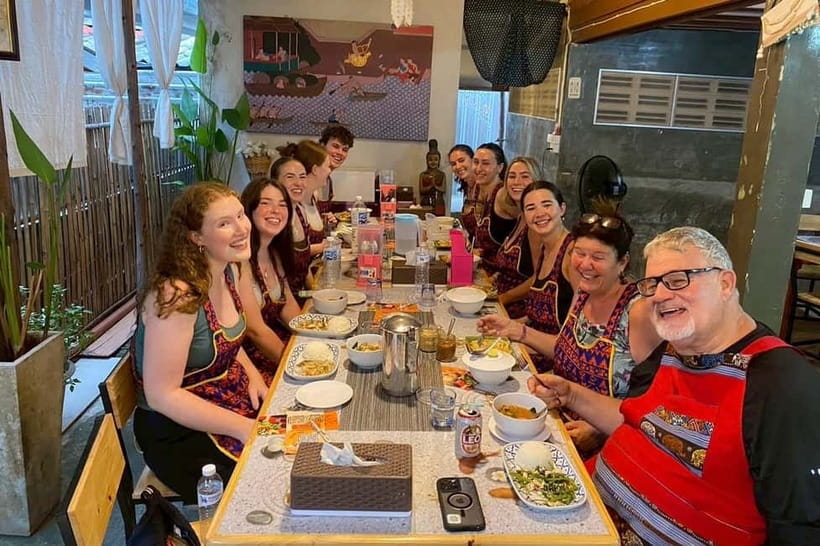
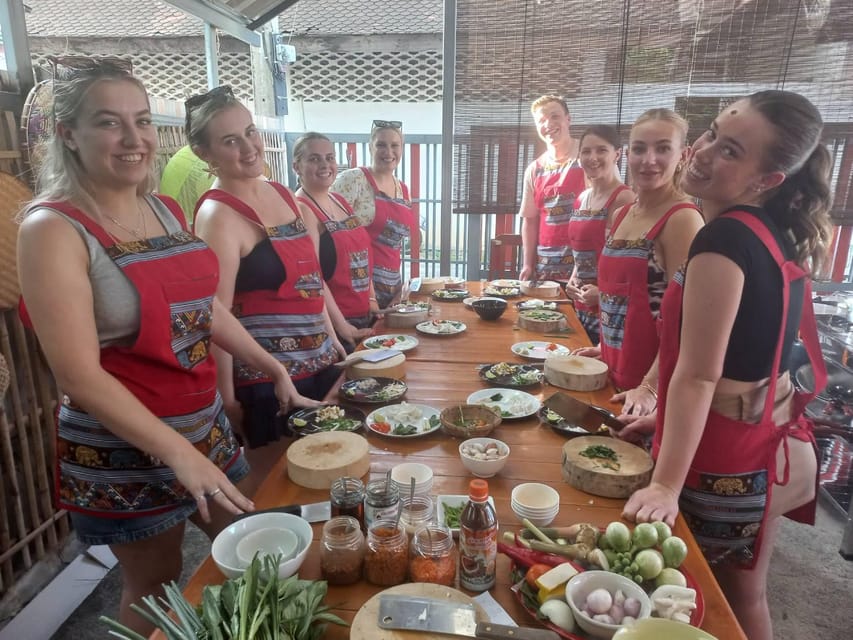
The group limit is 10 people. That is a sensible size for this kind of class. You can watch the chef, ask questions, and get help without being lost in a crowd. The instructors use English, and the guides named in class feedback include Cha-em, New, Wave, Tu, Emy, Kimmy, Toey, Flook, and Poppy.
The personality of the instructor is a big part of the experience. Cha-em is repeatedly described as funny, lively, and good at making beginners feel relaxed. New is noted for keeping the cooking organized and entertaining. Wave is praised for explaining ingredients at the market and making the lesson enjoyable. Tu, Emy, Kimmy, Toey, Flook, and Poppy are also mentioned as engaging hosts.
That range of names suggests that your exact guide may vary by date and session. The important point is that the class depends on a teacher who can explain, demonstrate, and keep several woks moving at once. English is the stated teaching language.
Cooking at your own wok
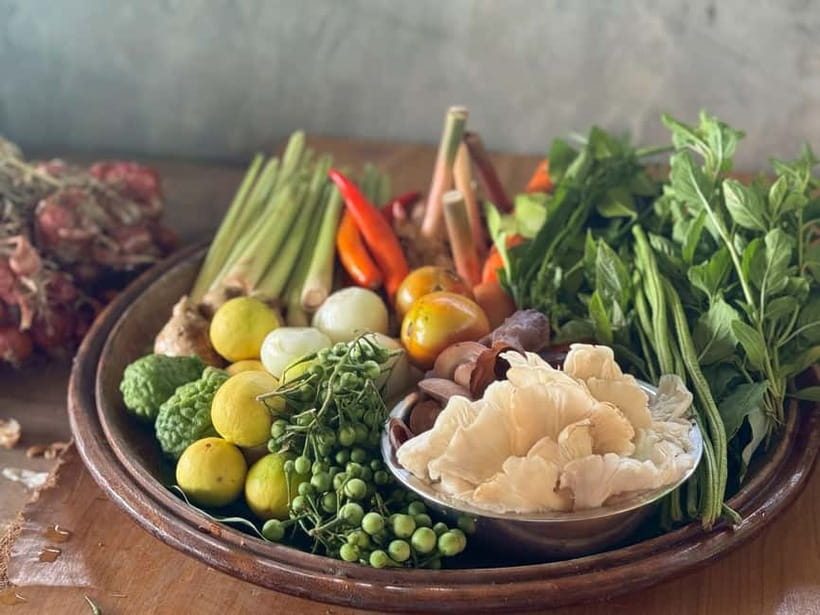
The strongest feature is the hands-on setup. Each person receives a cooking station, wok, and utensils. You are not just watching a chef prepare a dish while you take notes. You chop, measure, stir, and cook your own food under instruction.
This works well for complete beginners. Several people arrive with little or no cooking experience, yet the process is broken into simple steps. The instructors explain timing and quantities, then keep an eye on the group as each person cooks.
The class also suits people who already cook. You can pay attention to details such as the order in which ingredients go into the wok, how curry paste is built, and how Thai flavors are balanced. The lesson is not aimed only at professional technique. It is about learning recipes you can reasonably repeat at home.
The ingredients are described as fresh, and all ingredients are included in the price. Some preparation is done in advance, which keeps the class moving. That is useful because a three-hour cooking session can become slow if every participant has to prepare every small item from scratch.
The tradeoff is that this is a guided group class, not a private lesson. You will have your own station, but the instructor must keep everyone working at roughly the same pace. If you want a long discussion about one particular dish, you may need to ask during a quieter moment.
Choosing soups, stir-fries, and curries
Menu choice is one of the best reasons to book this class. You are not locked into one identical meal for everyone. The available choices include three soups, three stir-fries, and four curries, with participants selecting what they want to make.
The exact options can vary, but the class may include dishes such as pad Thai, curry, soup, and mango sticky rice. One useful detail is that you can often choose different dishes from your partner. That lets two people sample more of the menu instead of preparing the same food twice.
The curry section includes making the curry paste. This gives you a better sense of how the dish gets its flavor, rather than treating the paste as a mysterious ready-made ingredient. The lesson also helps show why Thai cooking can taste complex even when the cooking steps are fairly direct.
Expect to cook several dishes. Depending on the session and your selections, you may prepare four dishes, while a couple can make seven dishes between them by choosing different items. That is a lot of food for one class.
For that reason, I would not eat a large meal beforehand. People in the morning session have found that breakfast can be a mistake because the first dishes arrive around 10:30. The evening session works well if you want to make your own dinner, but either time can leave you very full.
More Market and Cooking Class Tours in Chiang Mai:
- Evening Cooking Class in Organic Farm with Local Market Tour
★ 5.0 · 394 reviews - Half-Day Cooking Class with Market Tour
★ 5.0 · 163 reviews - Chiang Mai: Traditional Thai Cooking Class with Market Tour
★ 4.8 · 137 reviews - Chiang Mai: Half Day Cooking Class at Organic Farm
★ 4.8 · 96 reviews
What the meal is like
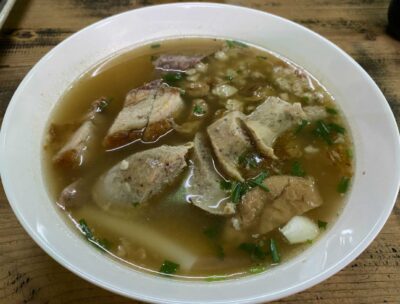
The class is designed around eating what you cook. You prepare the dishes, then taste them as part of the session. The food is presented as simple, clean, and full of flavor, with pad Thai receiving especially strong praise from people who had already tried plenty of Thai food in Thailand.
Your results will depend partly on how carefully you follow the instructions. The chef helps with measurements, timing, and technique, but you are still the person holding the wok. That is part of the fun. A dish that looks intimidating on a restaurant menu becomes easier to understand once you have cooked it yourself.
The menu gives you a good spread of Thai cooking styles. Soups show how herbs and spices build a broth. Stir-fries focus on heat, timing, and quick cooking. Curries bring in paste, coconut-based flavors, and a different pace. The variety makes the meal more useful than a class devoted to one recipe.
Dessert is mango sticky rice. It is included, and the class teaches it as part of the full meal. The dessert has received a more mixed response than the savory dishes, so do not book this only for the final course. The main value is the range of dishes you cook yourself.
You should also expect enough food to count as a full meal. If you have plans soon afterward, leave room in your schedule and do not arrange an immediate activity that requires a lot of energy.
A useful souvenir: recipes and photos

At the end, you receive a digital recipe e-book in PDF form. This is more useful than a paper menu that gets bent in your luggage. You can save it to your phone, tablet, or computer and try the dishes again at home.
The recipe book includes the dishes taught in the class, so choosing several menu items can pay off later. If you cook with a partner and select different recipes, you may leave with a wider collection than you would get from a fixed menu.
Photos of the activities are also provided. They give you a record of the market visit, the cooking stations, and the group session. The photos are a small extra, but they add value to a class that is meant to be both a meal and a memory of Chiang Mai.
The digital format has one minor downside: you need to save the files if you want easy access later. It is not the same as carrying home a printed cookbook, but it is lighter and easier to store.
Is $25 a good value?
At $25 per person, this is a strong package for a 210-minute activity. The fee includes hotel pickup and drop-off, the market visit, instruction, every ingredient, your station and wok, mango sticky rice, the digital recipe book, and activity photos.
Transport alone adds convenience. Chiang Mai has many cooking schools, but you do not need to arrange your own ride to the kitchen. Just wait in the lobby 30 minutes before the class begins and confirm that your hotel is covered by the pickup service.
The small group size also matters. A class limited to 10 people gives you a better chance to receive help with knife work, curry paste, and wok timing. The published transport score is 90 percent perfect, while the overall activity rating is 4.9 from 1,365 ratings, which fits the package’s strong practical value.
Alcohol is not included, though alcoholic drinks are available to purchase. Alcohol and drugs are not allowed as part of the activity. The class is about cooking and eating, not a drinking session.
Free cancellation is available up to 24 hours before the start for a full refund. You can also reserve now and pay later, which is handy if your Chiang Mai schedule is still changing.
Who should book this class?
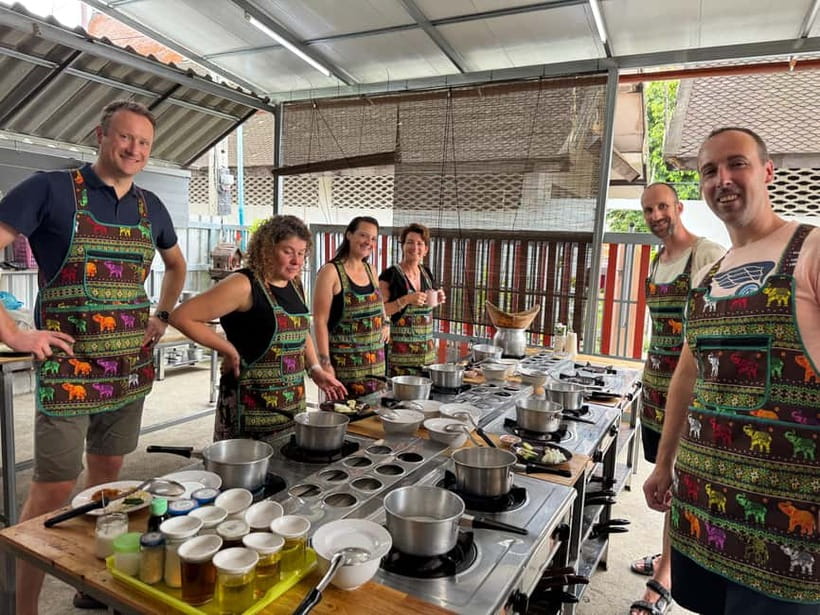
I would recommend it most strongly to first-time visitors who want food to be part of their Chiang Mai experience. The market visit gives you context, and the cooking station gives you a real task rather than a passive demonstration.
It is also a good choice for couples and friends. The ability to choose different dishes means you can share food and compare results. Solo participants can join the small group and still have their own station, rather than being assigned to watch from the side.
Families with older children may enjoy the format, especially if the children already like cooking. The stated age restriction excludes children under five. The upper limit is people over 95, so check those rules before booking for a multigenerational group.
You do not need cooking skills. The class is built for beginners, but experienced home cooks can still pick up useful details about Thai ingredients and curry preparation.
I would hesitate only if you dislike group activities, do not want to eat a large meal, or are looking for a highly specialized lesson focused on one dish. The broad menu and cheerful instruction are the point here.
Small details that make the choice easier
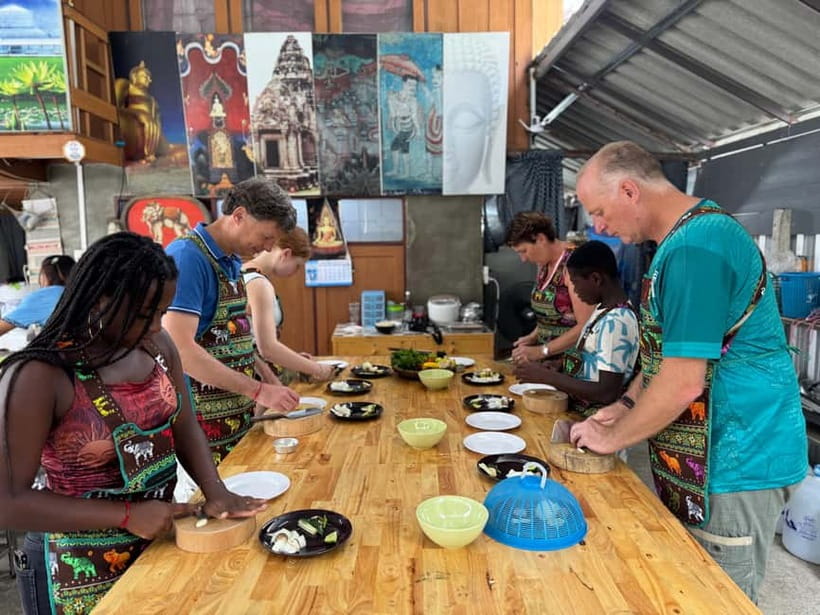
Choose the evening session if you like the idea of cooking your own dinner. It lets the class function as both an activity and a meal.
Choose the morning session if you want the rest of the day free, but skip a heavy breakfast. Your first dishes may arrive around 10:30, and the class can include four dishes.
Keep your menu choices in mind before you arrive, but do not worry about being an expert. The instructor will explain the ingredients and method. If you are cooking with someone else, selecting different dishes gives you more variety.
Wear something comfortable for cooking and expect to spend much of the class standing at your station. The supplied information does not state an apron is included, so ask the provider if that matters to you. One person specifically wished an apron had been included as a keepsake.
Should you book Chiang Mai Daddy’s Kitchen?
Book it if you want a friendly, practical introduction to Thai food at a low price. The market adds local context, the individual wok stations keep you involved, and the menu choice makes the meal feel personal rather than fixed.
You should also book with an appetite. Four dishes, plus mango sticky rice, can be more than you expect. If you want a relaxed activity with plenty to eat, a small group, hotel transport, and recipes you can try later, this is an easy choice at $25.
FAQ
How long does the Chiang Mai cooking class last?
The activity lasts 210 minutes, or three and a half hours. This includes hotel pickup and drop-off, the market visit, cooking instruction, and the meal.
Is hotel pickup and drop-off included?
Yes. Hotel pickup and drop-off are included. You should wait in your hotel lobby 30 minutes before the class starts.
How many people are in the group?
The class is limited to 10 participants, making it a small-group activity.
What language is the class taught in?
The instructor teaches in English.
Do I need cooking experience?
No. The class is suitable for skilled cooks and complete beginners. The teaching uses a hands-on approach and explains the cooking steps as you work.
What is included in the $25 price?
The price includes hotel transport, the hands-on class, ingredients, your cooking station, mango sticky rice, a digital recipe e-book, and photos of the activities. Alcoholic drinks are not included, though they can be purchased.
Can I cancel or pay later?
You can cancel up to 24 hours before the activity for a full refund. Reserve now and pay later is also available.
New market tours around Chiang Mai
- Chiang Mai: Half Day Morning Cooking Class with Market Tour★ 4.9 · 10 reviews
- Half-Day Cooking Class with Market Tour★ 5.0 · 163 reviews
- Chiang Mai: Half Day Cooking Class at Organic Farm★ 4.8 · 96 reviews
- Full Day Thai Cooking Class in Organic Farm and Market★ 5.0 · 3 reviews
- Chiang Mai: Traditional Thai-Akha Cooking Class& Market Tour★ 5.0 · 25 reviews
- Chiang Mai: Traditional Thai Cooking Class with Market Tour★ 4.8 · 137 reviews
- Chiang Mai: Morning Cooking Class with Market Visit★ 4.9 · 81 reviews
- Chiang Mai Light: Tuk Tuk Night Tour with Temples & Markets★ 5.0 · 7 reviews
Chiang Mai Market Tours, side by side.
Chiang Mai: Cooking Class, Market & Thai Herbs Garden Tour
Read our review →
Chiang Mai: Authentic Cooking Class with Market & Farm Visit
Read our review →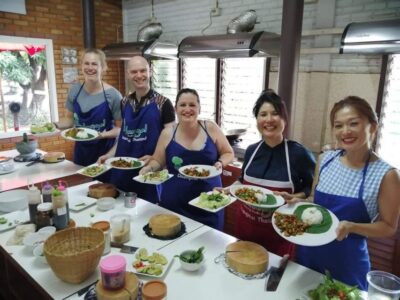
Chiang Mai: Evening Cooking Class and Local Market Visit
Read our review →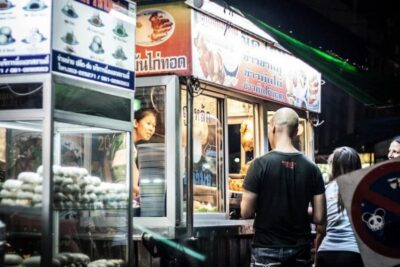
Chiang Mai: Evening Local Street Food Market Tour
Read our review →
Chiang Mai: Kalare Night Bazaar Boxing Stadium Muay Thai
Read our review →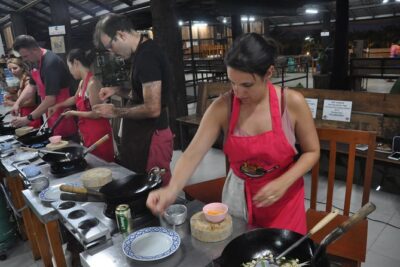
Evening Cooking Class in Organic Farm with Local Market Tour
Read our review →
Chiang Mai: Elephants, Sticky Waterfalls, Market and Temple
Read our review →