Review · CHIANG MAI
Chiang Mai: Evening Cooking Class and Local Market Visit
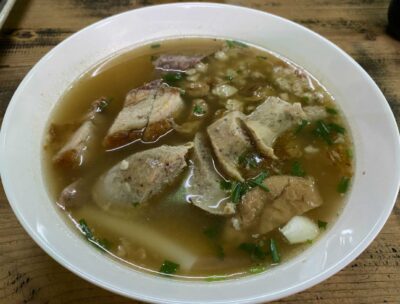
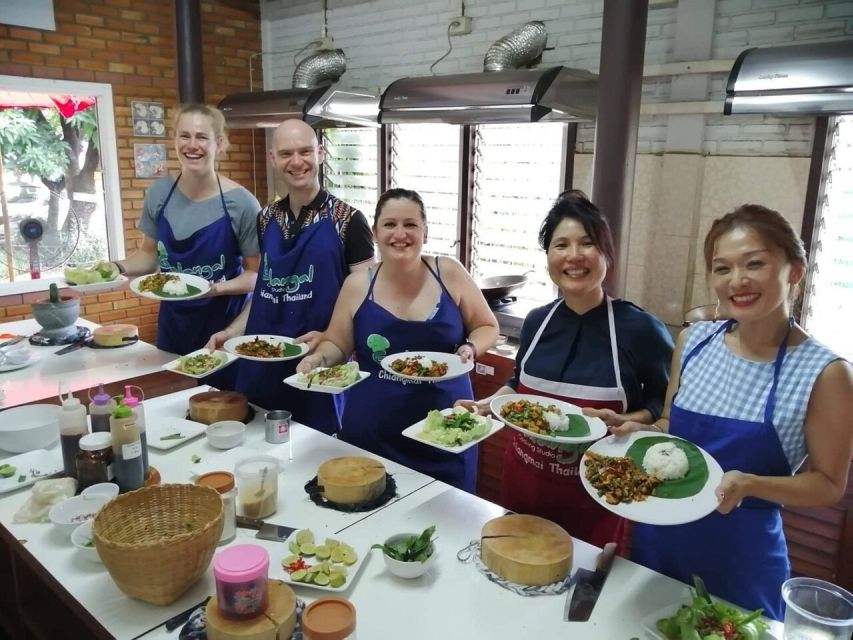
The best part of this Chiang Mai evening is that you do not simply watch someone cook. You choose ingredients, make curry paste, and prepare four Thai dishes before sitting down to eat. The local market and organic garden give the class a useful sense of place, too.
I like the freedom to choose your menu, especially if you want to learn khao soi, green curry, or pad Thai rather than a fixed set of recipes. I also like the friendly, hands-on teaching, with instructors such as New and Aoy adjusting dishes for vegetarian, vegan, halal, gluten-free, and allergy needs.
The main thing to consider is the pickup window. Hotel collection takes place from about 3:15 to 3:45 p.m., and evening traffic can cause delays. Pickup also covers only central parts of Chiang Mai, so you may need to make your own way to the school if your hotel falls outside the service area.
Key points at a glance
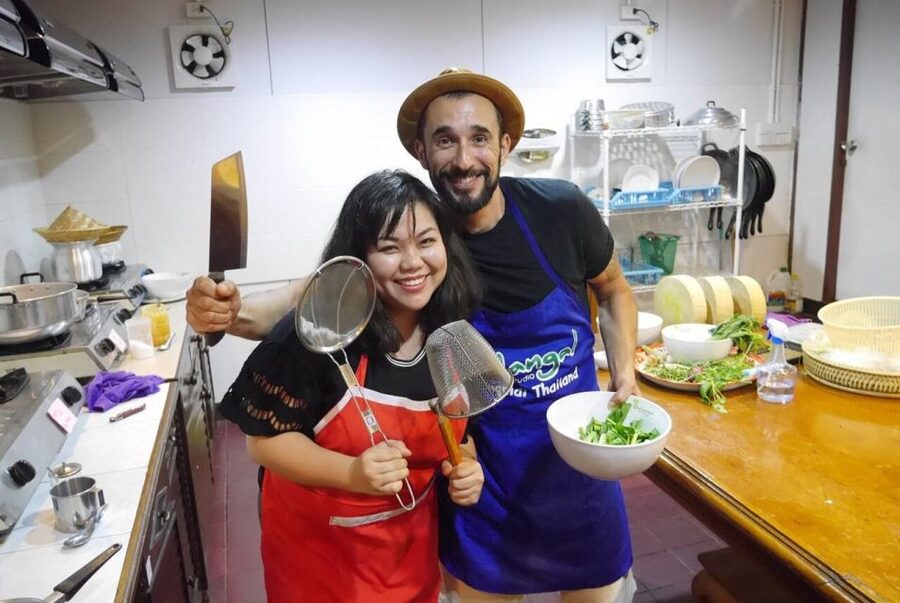
- Choose four dishes yourself: Pick one stir-fry, soup, appetizer, and curry from a useful menu of Thai classics.
- Start with a local market: Learn about the vegetables, herbs, and other ingredients before cooking with them.
- Make curry paste from scratch: This is one of the most rewarding parts of the class and gives the food a fresher taste.
- Learn in an air-conditioned room: The indoor kitchen and dining room make the five-hour evening easier in Chiang Mai’s heat.
- Expect plenty of food: Four dishes per person is a lot, so arrive hungry and plan a light lunch.
- Take the recipes home: The included PDF lets you try the dishes again after your trip.
A five-hour Thai cooking evening in Chiang Mai
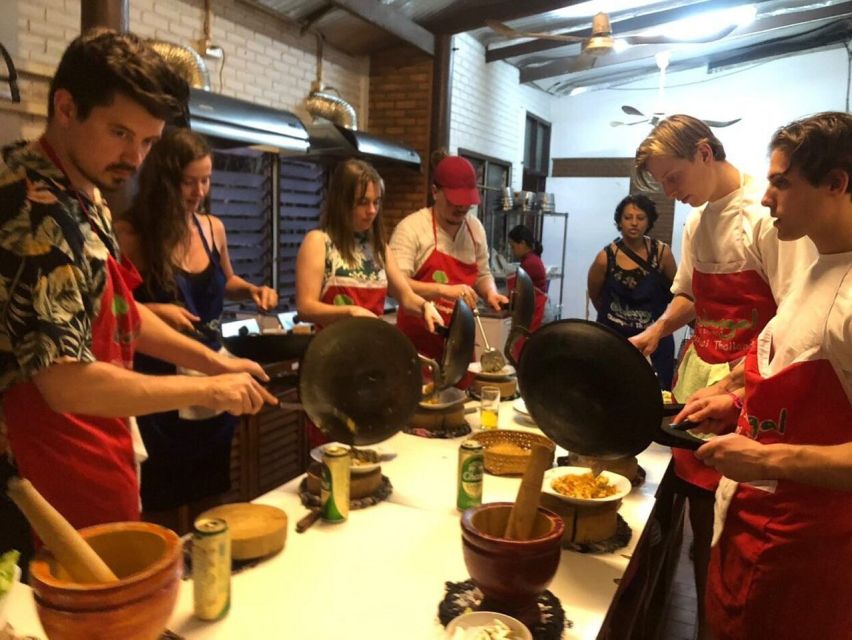
At $28 per person, this is a strong value for a five-hour activity that includes hotel pickup and drop-off, a market visit, an organic garden stop, all ingredients, equipment, drinks, instruction, and recipes.
The price is especially fair if you want more than a quick demonstration. You cook your own dishes, eat them afterward, and leave with recipes you can use at home. Some cooking classes cost more while offering less food or a shorter session.
The class is designed for a group of about 10 to 12 people, though smaller bookings can finish earlier. A small group may feel more personal, while a larger group gives you more people to meet over dinner. The schedule for a full group generally runs from about 4 p.m. to 8:30 p.m.
I would allow the full five hours when planning your evening. The activity is not a rushed class squeezed between sightseeing stops. It is dinner, a lesson, and a social evening in one.
More Local and Farmers Market Tours in Thailand
- Evening Cooking Class in Organic Farm with Local Market Tour
★ 5.0 · 394 reviews - Fresh Local Market Tour – Food tour in Chiang Mai
★ 5.0 · 113 reviews - Phuket: Half Day Easy Thai Cooking Class & Local Market Tour
★ 4.9 · 725 reviews
Hotel pickup, traffic, and the ride to class
Pickup is included from hotels in Chiang Mai’s Old City, Santitham, and parts of Huay Kaew Road between Kad Suan Kaew and Maya Shopping Mall. Service also reaches some addresses around Nimmanhaemin Road, Sirimongkrajan Road, Wat Ket Road, Chang Phueak, Chang Khlan, and Chang Moi.
The word some matters here. Several of these areas are large, and not every street is covered. The operator checks your accommodation address and tells you if it falls outside the service zone. If it does, you receive the school or market address and make your own way there.
Wait in your hotel lobby 5 to 10 minutes before the scheduled pickup. The driver may arrive before 3:45 p.m., and the vehicle will wait no longer than five minutes after the agreed time. Chiang Mai’s evening traffic and the number of pickup points can affect the schedule, so keep your afternoon flexible.
The transport is usually by a local red truck, a familiar Chiang Mai sight. It is practical rather than luxurious, but it saves you the trouble of arranging a ride across town. Infant seats are available for the pickup service.
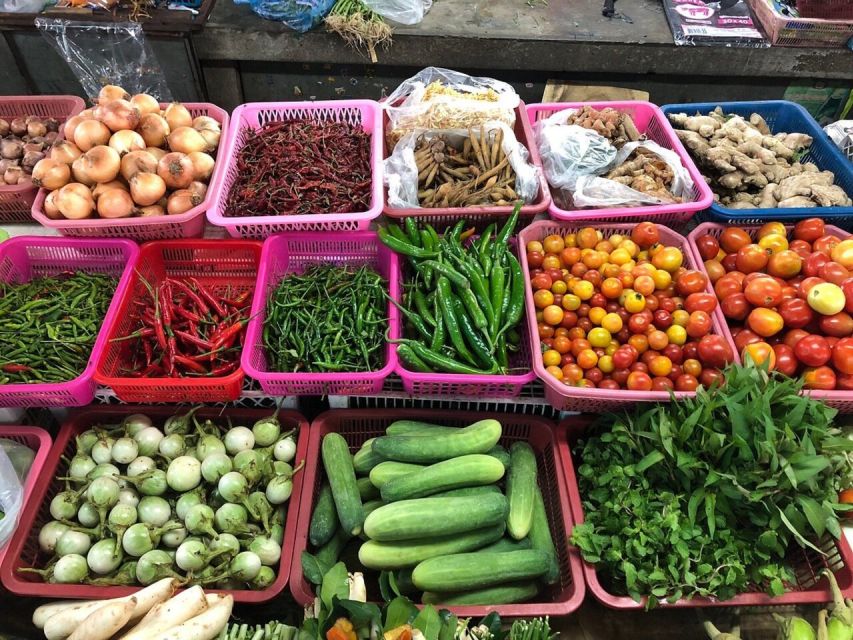
Seeing ingredients at a local market
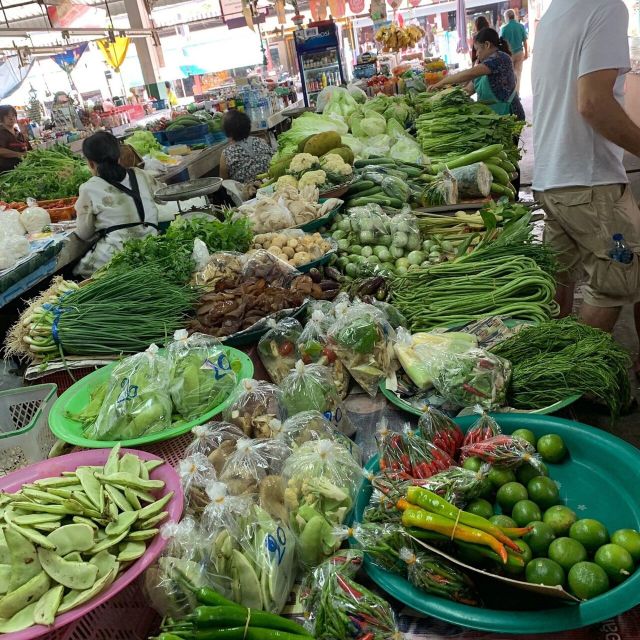
The first useful stop is a local market. The visit depends on interest and timing, but the purpose is clear: to connect the dishes on your menu with the fresh ingredients used in Thai kitchens.
Your instructor explains the vegetables, herbs, and other products that go into the recipes. You may have time to walk around and look at the stalls before heading to the cooking school. This is not a long market tour built around sightseeing. Think of it as a short food lesson that makes the later cooking easier to understand.
That small amount of context matters. Thai recipes often rely on a balance of hot, sour, salty, sweet, and creamy flavors. Seeing the raw ingredients first helps you understand why the finished dish tastes the way it does.
The market visit can also be useful if you plan to cook at home. You get a clearer idea of what galangal, basil, chilies, vegetables, and other Thai staples look like before they are chopped and mixed into a recipe.
A walk through the organic garden
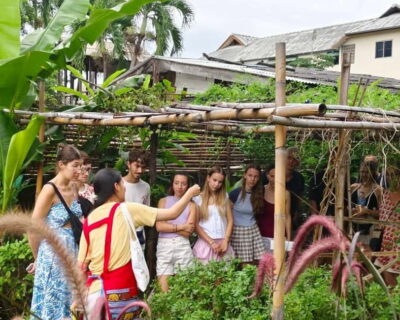
You also visit an organic garden and stroll among the herbs and vegetables cultivated in Thailand. It is a modest stop, but it adds a useful link between the market and the kitchen.
I like this part because it turns unfamiliar ingredients into real plants rather than names on a menu. It is also a quieter change of pace before the indoor cooking session.
Do not expect a full farm tour. The garden visit is one part of a larger evening, not the central attraction. Its value comes from seeing how some of the ingredients are grown and learning which herbs and vegetables are common in Thai cooking.
More Market and Cooking Class Tours in Thailand
- Chiang Mai: Cooking Class, Market & Thai Herbs Garden Tour
★ 4.9 · 4,824 reviews - Chiang Mai: Authentic Cooking Class with Market & Farm Visit
★ 4.9 · 4,546 reviews - Chiang Mai: Cooking Class with Market and Pickup
★ 4.9 · 1,365 reviews - Half-Day Cooking Class with Market Tour
★ 5.0 · 163 reviews
Choosing your four Thai dishes
At the school, you choose one dish from each category. The current options give you plenty of room to shape the class around your interests.
For a stir-fry, you can choose pad Thai, pad see ew, chicken with cashew nuts, or minced chicken with holy basil. The stir-fry section is a good fit if you want a familiar Thai dish that is easy to repeat at home.
The soup choices include tom yum kung, tom kha kai, vegetarian or vegan tom kha, and tom zap kai. These let you choose between hot and sour flavors, coconut milk, seafood, chicken, or a plant-based version.
For an appetizer, options include som tam, spring rolls, larb kai, and glass noodle salad. Som tam gives you a fresh and punchy salad, while spring rolls offer a more familiar hands-on preparation.
The curry section covers some of Thailand’s best-known dishes. You can choose Massaman curry, green curry, Panang curry, khao soi, red curry, yellow curry, or dry red curry. Khao soi is a particularly good choice in Chiang Mai, since it is the city’s famous curry noodle dish.
The class also teaches curry paste making. The curry paste is prepared from the basic ingredients rather than opened from a jar, giving you one of the most useful skills to take home.
The description refers to five Thai preparations, including a stir-fry, soup, appetizer, curry, and curry paste. In practical terms, you should expect to select and eat four main dishes, with curry paste made as part of the curry lesson. Individual menu choices can vary with dietary needs and the class setup.
Cooking with New, Aoy, and the teaching team
The instructors are a major part of the experience. New appears often as the lead teacher, while Aoy and Oi also teach classes. You can expect English-language instruction, clear demonstrations, and help at each cooking station.
The teaching style is friendly and attentive rather than formal. New is noted for remembering students’ names and keeping the group moving without making beginners feel rushed. That matters when four dishes are being prepared in one evening.
You do not need to be an experienced cook. The recipes are broken into manageable steps, and the instructors explain the role of each ingredient as you work. If you are already comfortable in a kitchen, you can focus more on seasoning, curry paste, and technique.
The class can also be adapted for dietary restrictions. Vegetarian, vegan, halal, and gluten-free participants are accepted, and substitutions can be arranged for allergies or dislikes. Tell the school about your needs when booking and repeat them to the instructor at the start.
Eating what you made
After the cooking, you sit down in the dining room and eat the dishes together. This is where the class pays off: you can taste the balance of flavors immediately, then ask questions while the ingredients and methods are still fresh in your mind.
The food portions are generous. Several people have found that four dishes leave them very full, so arrive with an empty stomach. Thai dinner often begins around 4 or 5 p.m., which makes this early evening meal fit local habits.
If you cannot finish everything, leftovers may be packed for you to take away. That is a useful bonus, especially if you are staying in an apartment or have a refrigerator at your hotel.
The dining room is air-conditioned, as is the indoor kitchen. That makes a real difference during hot or humid weather and keeps the cooking more comfortable than an open-air setup.
What you take home besides a full stomach
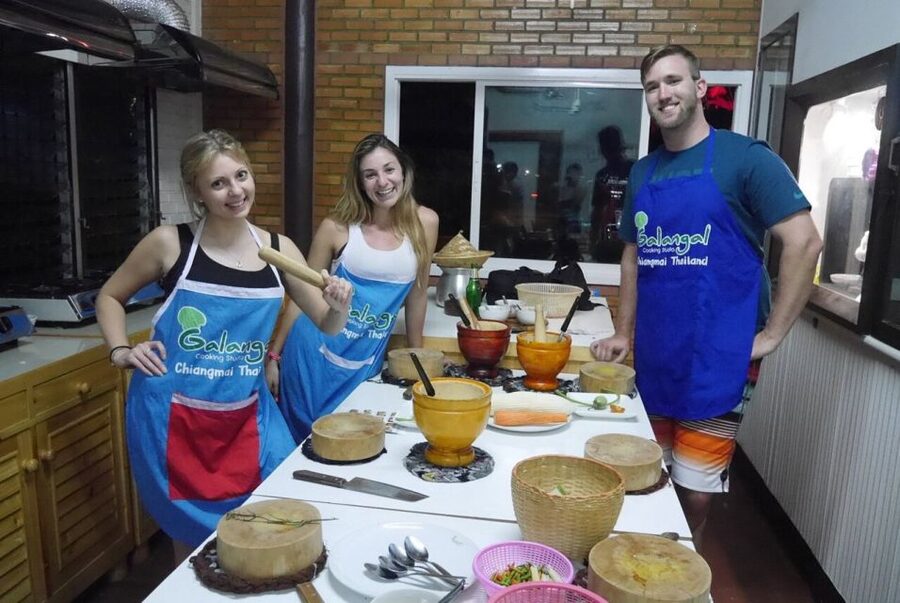
You receive cooking instructions and a PDF recipe book. The recipes are the lasting value of the class, since you can try the dishes again for friends or family after returning home.
The lesson also gives you practical confidence. You learn how ingredients are handled, how curry paste is built, and how several common Thai dishes are assembled. The recipes are not presented as a mystery reserved for restaurant kitchens.
Water, tea, and coffee are included. All cooking equipment and ingredients are supplied, so you only need to bring personal medication and arrive ready to work.
Smoking indoors is not allowed, and alcohol and drugs are prohibited. The school is near public transportation, and the activity is wheelchair and stroller accessible.
Who will enjoy this class most
This is a good choice for first-time cooking students, couples, families, and solo visitors who like meeting other people over a meal. Children can take part, and the class has worked well for families with preteens and teenagers.
It is also a practical pick for anyone who wants to learn a specific Chiang Mai dish. Choose khao soi if you want a strong local connection, or pick pad Thai if you want a recipe that is easy to recognize and share at home.
Vegetarians and people with food allergies should find the flexible menu helpful. The instructors have made substitutions for seafood allergies and vegetarian diets, but you should not leave dietary information until the last minute.
You may want to skip this class if you dislike group activities, do not enjoy eating a large meal, or want a long, specialist market tour. The market and garden visits are useful introductions, but the main event is cooking.
Altitude sickness is listed as an unsuitable condition, although altitude is not normally the main concern in Chiang Mai. If that warning applies to you, check with the operator before booking.
Is the $28 price worth it?
For the cost of a casual meal, you receive a five-hour experience with four dishes, ingredients, equipment, drinks, transport, and recipes. I consider that excellent value if you are interested in Thai food and will use the recipes later.
The value is not just the amount of food. You also avoid having to arrange transport, shop for unfamiliar ingredients, and work out the cooking steps on your own. The market and garden make the lesson feel connected to Chiang Mai rather than like a generic restaurant demonstration.
The only cost-related point to watch is the observer fee. An adult who attends without cooking pays 500 baht, while an observing child aged 6 to 12 pays 350 baht. Anyone who wants to watch should factor that into the budget.
Free cancellation is available up to 24 hours before the activity, and you can reserve now and pay later. Those terms are useful if your Chiang Mai plans are still changing.
Should you book the Galangal Cooking Studio class?
Book it if you want an active evening, a generous meal, and recipes you can actually repeat at home. The menu choice, curry paste lesson, careful dietary adjustments, and friendly instruction give it more substance than a simple cooking demonstration.
I would especially recommend it for first-time visitors who want a gentle introduction to Thai ingredients and for anyone keen to learn khao soi or green curry. Just confirm that your hotel is inside the pickup area, wait in the lobby on time, and skip a heavy lunch.
If you prefer a small private lesson, a long market excursion, or a late-night dinner, this may not be your best fit. For most food-minded visitors staying in central Chiang Mai, though, $28 buys a useful, filling, and hands-on evening.
FAQ
How long does the cooking class last?
The activity lasts about five hours. A full group of 10 to 12 people or more generally uses the 4 p.m. to 8:30 p.m. schedule, while smaller groups may finish earlier.
What time is hotel pickup?
Pickup takes place between about 3:15 and 3:45 p.m. You should wait in your hotel lobby 5 to 10 minutes before the scheduled time.
Which areas of Chiang Mai have hotel pickup?
Pickup is offered from hotels in the Old City, Santitham, and parts of Huay Kaew Road between Kad Suan Kaew and Maya Shopping Mall. Some addresses around Nimmanhaemin Road, Sirimongkrajan Road, Wat Ket Road, Chang Phueak, Chang Khlan, and Chang Moi are also covered.
What happens if my hotel is outside the pickup area?
The operator will tell you if your accommodation is not covered. You can then arrange your own transport to the cooking school or market and receive the relevant address and arrival information.
How many dishes will I cook?
You choose one dish from each of four categories: stir-fried food, soup, appetizer, and curry. Curry paste is also prepared as part of the curry lesson.
Can I choose vegetarian or vegan dishes?
Yes. Vegetarian and vegan options are available, including vegetarian or vegan tom kha. Halal and gluten-free requirements can also be accommodated.
Is the class suitable for people with allergies?
The class can adjust ingredients for allergies and other food restrictions. Provide your requirements when booking and discuss them with the instructor before cooking.
Is the cooking school wheelchair accessible?
Yes. The activity is wheelchair and stroller accessible, and the school is near public transportation.
What is included in the price?
The price includes hotel pickup and drop-off within the service area, a market visit depending on interest, the cooking lesson, ingredients, equipment, water, tea, coffee, cooking instructions, and a PDF recipe book. Observer fees are extra.
More Market and Cooking Class Tours in Chiang Mai
- Chiang Mai: Traditional Thai Cooking Class with Market Tour
★ 4.8 · 137 reviews - Chiang Mai: Half Day Cooking Class at Organic Farm
★ 4.8 · 96 reviews - Chiang Mai: Morning Cooking Class with Market Visit
★ 4.9 · 81 reviews - Chiang Mai: Traditional Thai-Akha Cooking Class& Market Tour
★ 5.0 · 25 reviews
More Local and Farmers Market Tours in Chiang Mai
- Hanoi Cooking Class: Culture, Local Market & Meaning CSR Impact
★ 5.0 · 5,147 reviews - Cooking Class and Lunch at a Tuscan Farmhouse with Local Market Tour from Florence
★ 5.0 · 4,831 reviews - Chef Guided Food Tour of Pike Place Market
★ 5.0 · 3,733 reviews - Cooking Class Hoi An:Local Market, Basket Boat, Fishing & Cooking
★ 5.0 · 3,660 reviews
New market tours around Chiang Mai
- Chiang Mai: Half Day Morning Cooking Class with Market Tour★ 4.9 · 10 reviews
- Half-Day Cooking Class with Market Tour★ 5.0 · 163 reviews
- Chiang Mai: Half Day Cooking Class at Organic Farm★ 4.8 · 96 reviews
- Full Day Thai Cooking Class in Organic Farm and Market★ 5.0 · 3 reviews
- Chiang Mai: Traditional Thai-Akha Cooking Class& Market Tour★ 5.0 · 25 reviews
- Chiang Mai: Traditional Thai Cooking Class with Market Tour★ 4.8 · 137 reviews
- Chiang Mai: Morning Cooking Class with Market Visit★ 4.9 · 81 reviews
- Chiang Mai Light: Tuk Tuk Night Tour with Temples & Markets★ 5.0 · 7 reviews
Chiang Mai Market Tours, side by side.
Chiang Mai: Cooking Class, Market & Thai Herbs Garden Tour
Read our review →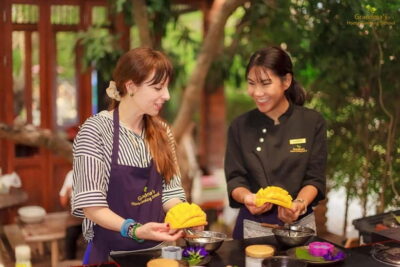
Chiang Mai: Authentic Cooking Class with Market & Farm Visit
Read our review →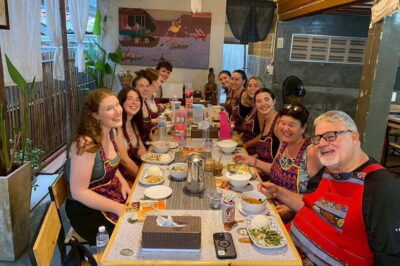
Chiang Mai: Cooking Class with Market and Pickup
Read our review →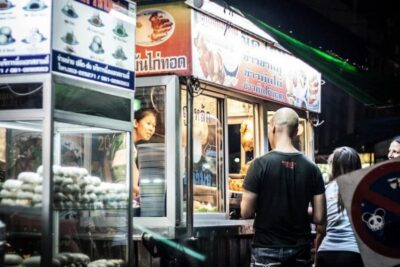
Chiang Mai: Evening Local Street Food Market Tour
Read our review →
Chiang Mai: Kalare Night Bazaar Boxing Stadium Muay Thai
Read our review →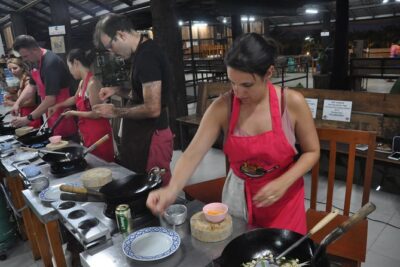
Evening Cooking Class in Organic Farm with Local Market Tour
Read our review →
Chiang Mai: Elephants, Sticky Waterfalls, Market and Temple
Read our review →