
Review · PERU
Cusco: Peruvian Cooking Class & Market Tour
San Pedro Market gives this Cusco cooking class its best hook: you do not begin with a recipe sheet, but with a walk among the produce and ingredients that shape Peruvian food. I like the market visit because it gives your lunch a clear local setting, and I like the hands-on format, which lets you prepare dishes instead of simply watching a chef work. The main thing to check is the drink arrangement, since alcoholic drinks are listed as an extra even though the experience includes a pisco explanation and tasting.
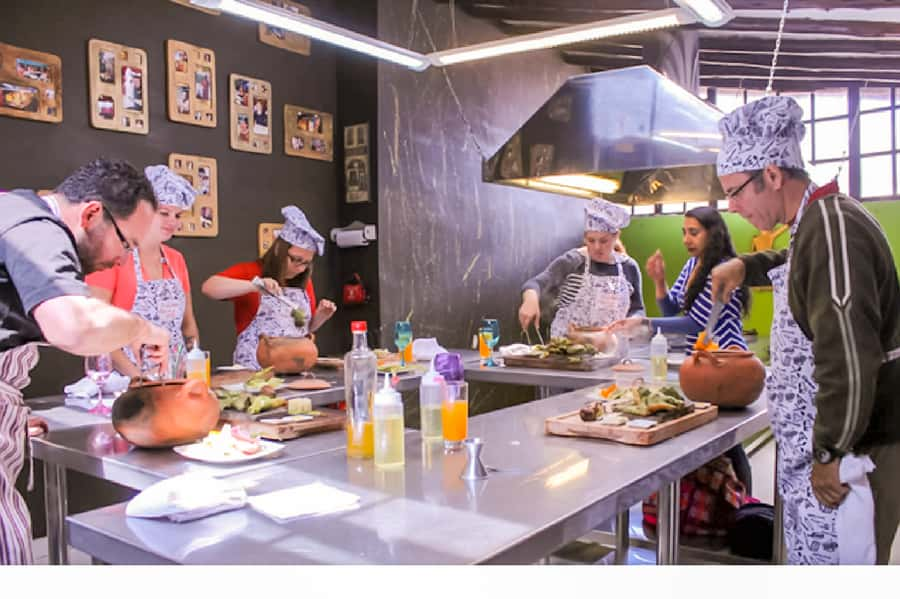
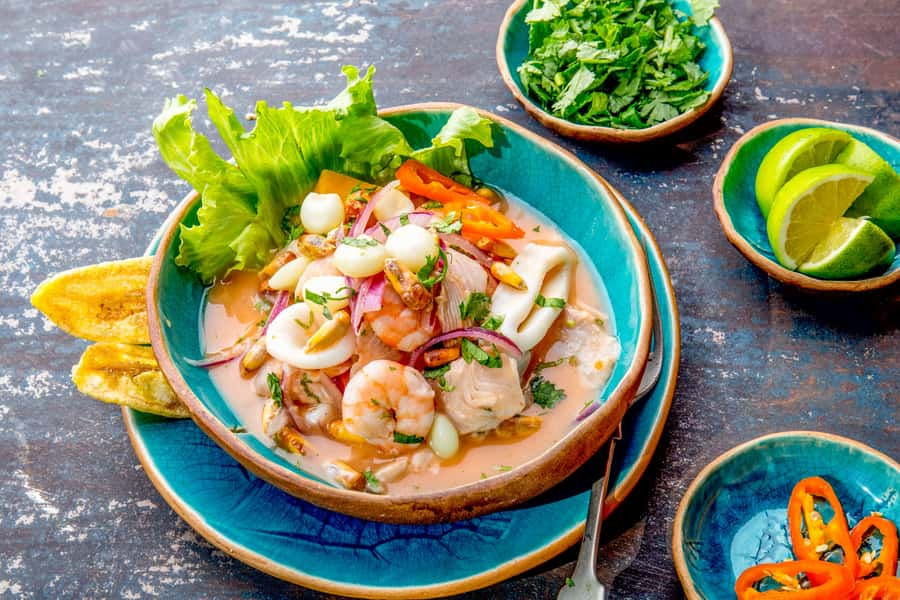
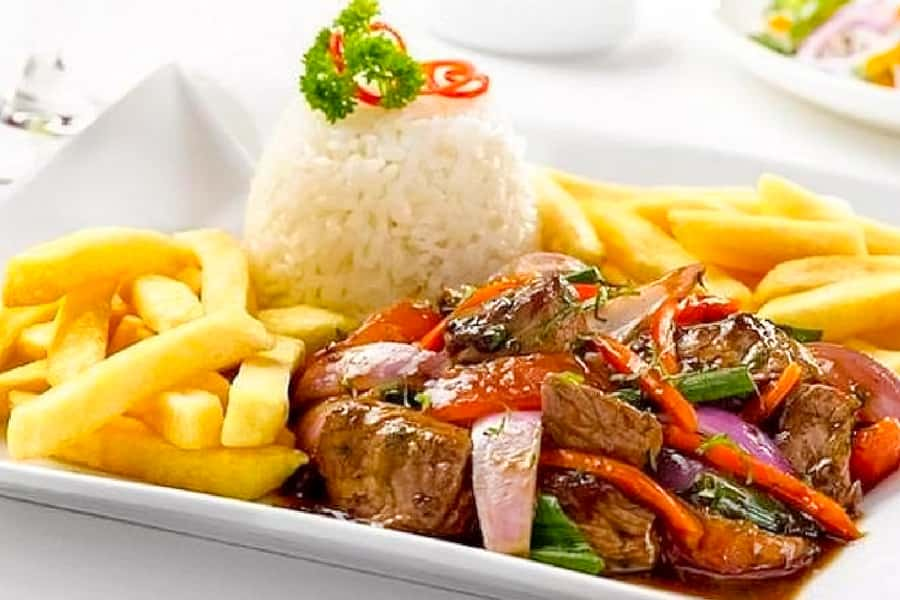
The class is bilingual in English and Spanish, lasts about four hours, and returns to the same meeting point. Chef Ronald receives especially warm praise for making the session relaxed, clear, and enjoyable. You will choose from a traditional menu built around ceviche, Chilcano soup, lomo saltado, and ají de gallina.
Key points to know before booking
- San Pedro Market comes first: Plan on about 45 to 60 minutes among local fruits and cooking ingredients before the class begins.
- You cook a full Peruvian meal: The menu includes ceviche and Chilcano soup as an appetizer choice, with lomo saltado or ají de gallina as a main course.
- Chef Ronald leads the class: His relaxed teaching style is a useful reason to choose this experience if you want guidance without a stiff classroom feel.
- Pisco gets its own lesson: You learn about Peruvian grape varieties and different qualities before the cooking starts.
- Lunch is part of the price: At $65 per person, the value depends on how much you want the market visit, instruction, meal, and cooking equipment in one outing.
- The meeting point is simple: Wait by the fountain in the square, then return there when the activity ends.
Starting at San Pedro Market in Cusco
The experience begins at the water fountain in the square. From there, you head into San Pedro Market for a guided walk lasting approximately 45 minutes to one hour. The exact timing differs slightly in the available details, so I would allow the full hour when planning the rest of your day.
This opening matters. Peruvian cooking makes more sense when you see the ingredients before they reach the cutting board. You can expect the guide to point out local fruits and other items that will later appear in the class. It is a practical introduction, not just a quick photo stop.
San Pedro Market is also a useful place to see daily food shopping in Cusco. The point here is not to rush through every aisle or turn the market into a sightseeing checklist. Instead, you get a short, food-focused orientation before returning to the restaurant and cooking school.
Wear comfortable clothes and bring a camera if you like taking food and market photographs. Smoking and pets are not allowed during the activity. Since the market walk involves moving through a public market, keep your belongings close and avoid bringing anything you would not want to carry for several hours.
More Market and Cooking Class Tours in Peru:
- Cusco: Peruvian Cooking Class, Cocktails & Local Market Tour
★ 4.9 · 512 reviews - Cooking class and market tour with a local chef
★ 5.0 · 186 reviews - Market Tour, Tasting of 35 Fruits, and 4-Course Peruvian Cooking Class in Lima
★ 5.0 · 86 reviews
Why the market visit improves the cooking class
A cooking class can feel disconnected from the place where its ingredients are grown and sold. This one avoids that problem by putting the market at the front of the schedule. You see the produce first, then learn how it fits into a Peruvian meal.
That sequence is particularly helpful if you are unfamiliar with Peruvian food. Ceviche, lomo saltado, ají de gallina, and Chilcano soup each represent a different side of the country’s cooking. The market visit gives you a chance to ask what you are seeing before the chef explains how to use it.
I also like the scale of the market stop. At roughly an hour, it is long enough to add context without taking over the whole outing. If you want a long, free-form market tour, this class will feel brief. If you want food culture tied directly to a meal, the timing makes sense.
The activity is listed as wheelchair accessible. That is useful information when comparing options, though you may still want to confirm the exact meeting route and class setup before booking if you have specific mobility needs.
A pisco lesson before the knives come out
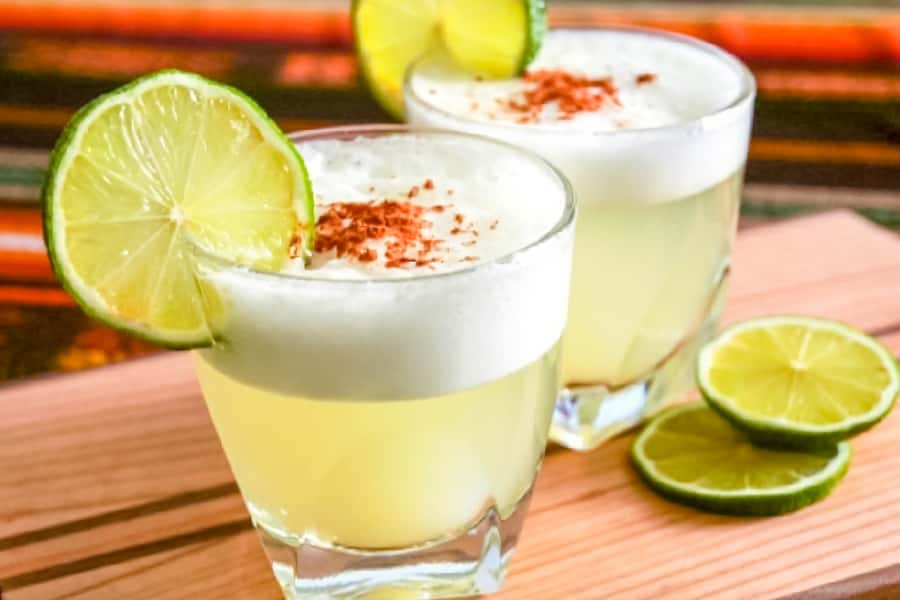
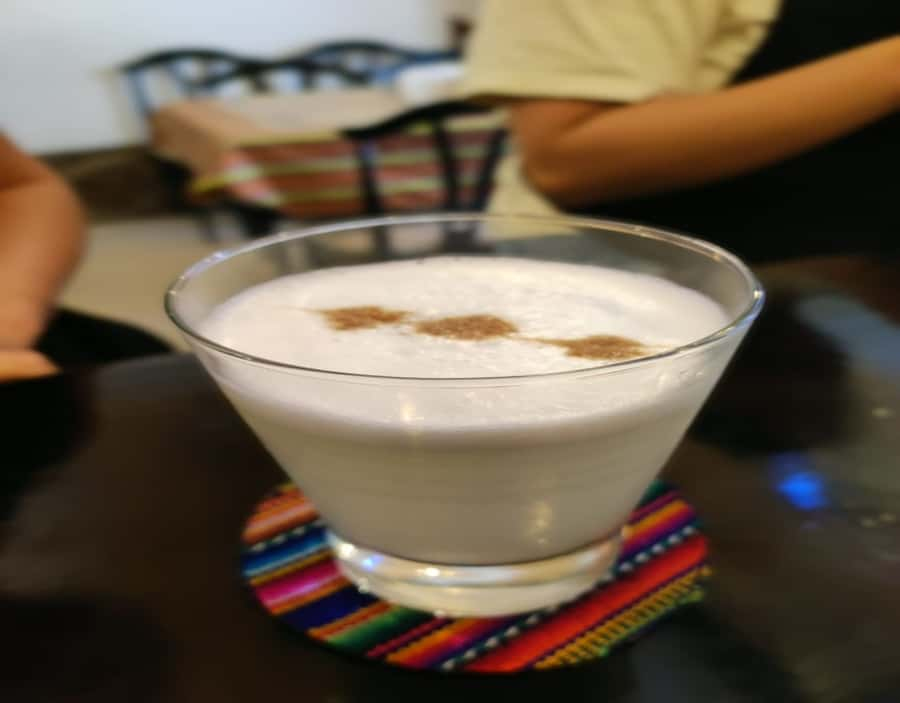
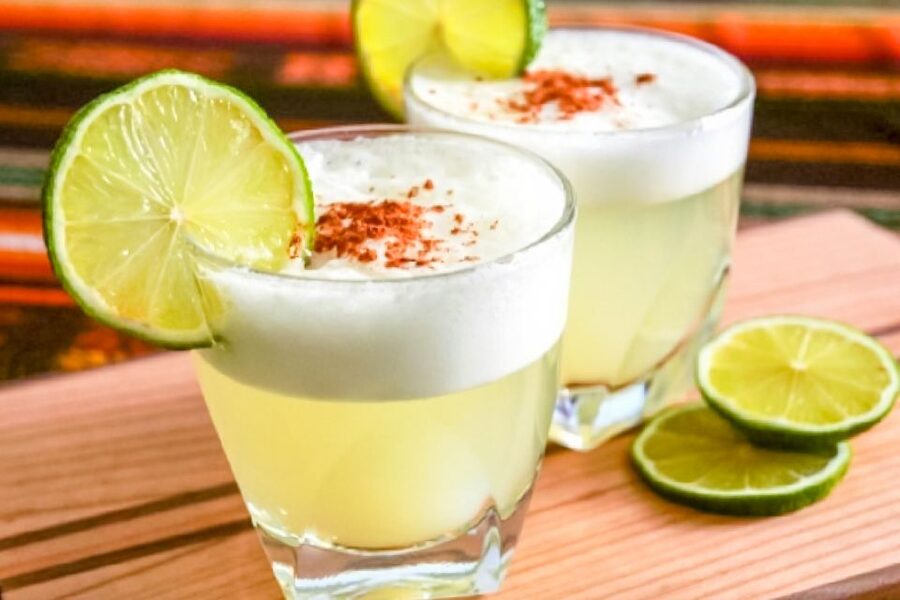
Back at the restaurant, the class turns to pisco, Peru’s best-known spirit. You receive an explanation of pisco grapes and the differences in quality among the spirit’s varieties, followed by a tasting and a toast.
This is a smart bridge between the market walk and the cooking lesson. Pisco is not treated as an afterthought. You get a little background on what you are drinking before you begin preparing lunch.
There is one point to clarify before you pay. The experience description includes Pisco Sours and a pisco tasting, but alcoholic drinks are also listed under items not included. Extra orders cost more as well. I would ask the provider exactly what tasting or drink is covered by the $65 price and what must be purchased separately.
That small check can prevent an awkward surprise at the table. It does not take away from the pisco lesson, but the wording suggests that not every alcoholic drink is included.
Choosing between ceviche, soup, and two classic mains
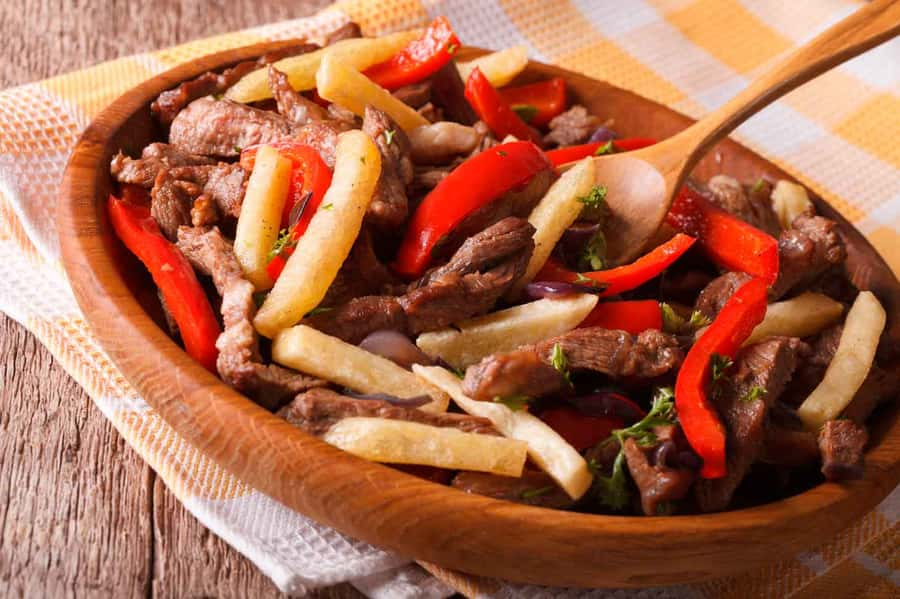
The cooking section is led by an experienced chef in English and Spanish. You choose from a menu that includes an appetizer of ceviche and Chilcano soup, along with a main course of lomo saltado or ají de gallina.
The selection gives you a good range of Peruvian flavors. Ceviche is the fresh, bright choice, while Chilcano soup offers something warm and comforting. For the main course, lomo saltado is a familiar option for anyone who enjoys stir-fried meat, and ají de gallina brings a creamy, chile-based style to the table.
The provided information does not specify exactly how the choices are divided among participants, so ask how the menu works when you arrive. You may be selecting one dish, working as a group, or preparing several items together. That detail matters if you have dietary restrictions or a strong preference for one recipe.
The class is designed to be informative and entertaining rather than formal. Chef Ronald receives particular praise for making the afternoon relaxed and well prepared. That style suits people who want to learn by doing, but who do not want a long technical lecture.
You should expect to use the cooking equipment provided by the school. The experience is not simply a demonstration followed by a meal. You take part in preparing the food, then sit down to eat what you have made.
More market tours around Peru:
- Pisac Indian Market and Ollantaytambo Fortress with Lunch
★ 4.5 · 395 reviews - Lima: Historic Center Street Food, Market, and Eateries Tour
★ 4.9 · 216 reviews - Belen Market & Floating City 2-3 Hour Private Tour
★ 4.9 · 38 reviews - Lima: Food Tour on Local Market
★ 5.0 · 8 reviews
Lunch tastes better when you made it yourself
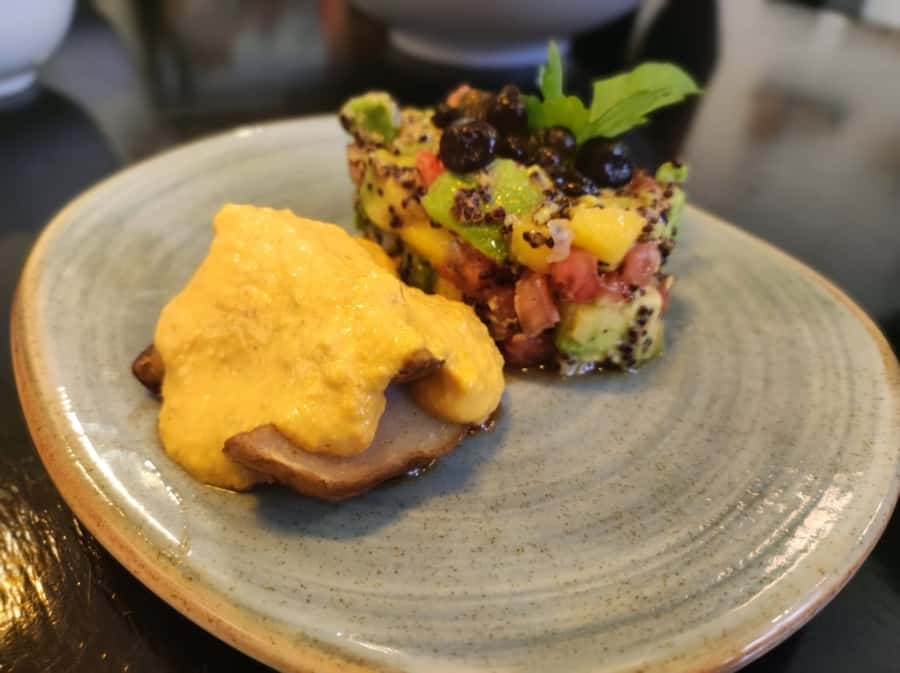
The meal is the payoff. After the cooking, you eat the dishes prepared during the class and have the chance to try the pisco. Lunch is included in the $65 price, which makes the activity easier to judge than one where the cooking lesson ends without a proper meal.
I see the strongest value in the combination of four elements: the market walk, bilingual instruction, equipment, and lunch. A person interested only in eating Peruvian food can find a cheaper meal. A person interested only in seeing San Pedro Market can spend less by visiting independently. The price makes more sense if you want the full sequence in one organized outing.
The class also gives you a direct way to compare dishes. You are not only told that Peruvian food uses certain ingredients. You see them at the market, prepare them with guidance, and taste the result at lunch.
The afternoon is reported as relaxed and well prepared, with fresh and delicious food. That is the kind of detail I value in a cooking class. Good organization matters because a poorly timed class can leave you waiting around or rushing through the meal. Here, the schedule is intended to move from market, to pisco, to cooking, to lunch.
Timing, meeting point, and what the four hours mean
The total duration is listed as four hours, with the detailed description placing the class itself closer to three to four hours. Starting times vary, so check availability before building the experience into your Cusco schedule.
You meet at the fountain in the square and finish back at the same place. No transportation is listed as part of the activity, so do not assume hotel pickup or a ride to another part of the city.
The repeated meeting point simplifies the day. You do not need to arrange a separate return route after lunch, and the experience is easier to combine with other plans near the starting area. Still, give yourself extra time around the four-hour window. Market walks and shared cooking classes can take a little longer than a neat schedule suggests.
The class is offered in English and Spanish. That makes it suitable for mixed-language groups, and you can choose the language that lets you follow the recipe and ask questions most easily.
Who will get the most from this Cusco cooking class
I would recommend this experience to you if food is one of your main ways of understanding a place. The market visit adds local context, while the cooking session gives you something practical to remember after the meal is over.
It also suits first-time visitors to Peruvian cuisine. The menu includes well-known dishes, and the chef explains both ingredients and preparation. You do not need to arrive with advanced cooking skills.
Families and small groups may enjoy the hands-on format, though the supplied information does not give a minimum age or group size. Ask before booking if you are traveling with children or need a particular setup.
The class is a good match for a half-day plan. It is less suited to you if you dislike market visits, do not want to participate in food preparation, or want a short tasting rather than a meal-length activity.
People with alcohol restrictions can still ask about joining the cooking portion, but the pisco segment is part of the stated program. Since alcoholic drinks are listed as extra, clarify what participation involves before reserving.
What the $65 price delivers
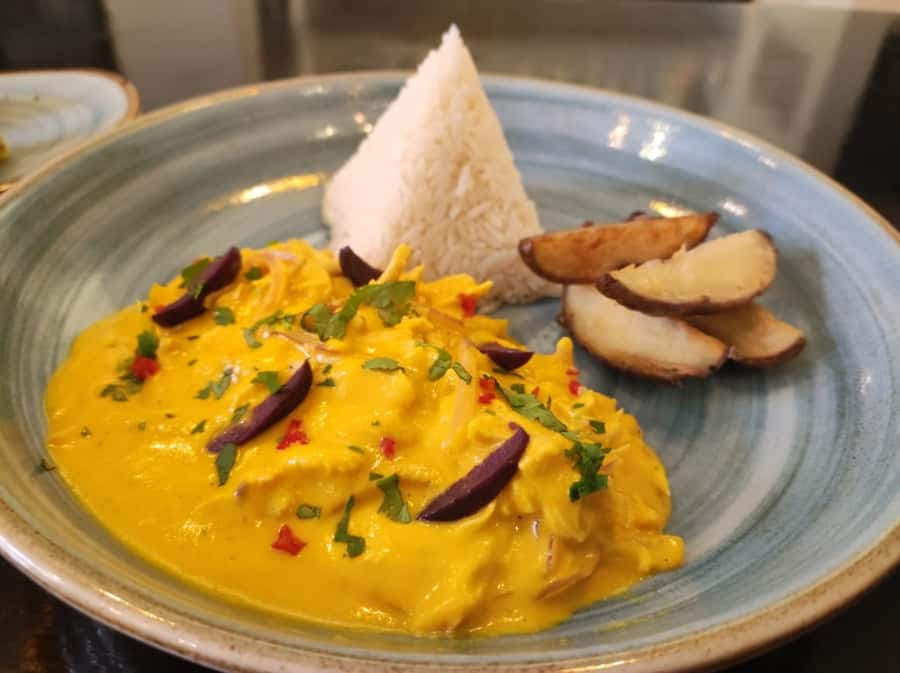
At $65 per person, this is not the cheapest way to eat lunch in Cusco. It can still be fair value if you want instruction and a guided food experience rather than a restaurant meal alone.
Your price covers the bilingual cooking class, cooking equipment, and lunch. The San Pedro Market visit is also part of the scheduled activity. Those pieces would require separate planning if you arranged them on your own.
The price does not cover extra orders, and alcoholic drinks are listed as available for purchase. The pisco explanation and tasting deserve a specific question before the class, especially if the Pisco Sour is important to you.
I would compare the experience with three questions:
- Do you want to cook, not just watch?
- Will a market introduction help you understand the food?
- Are you comfortable paying for a four-hour activity that includes lunch and instruction?
If you answer yes to the first two, the price is easier to justify. If you mainly want an inexpensive meal, choose a restaurant instead.
Practical advice for a smoother afternoon
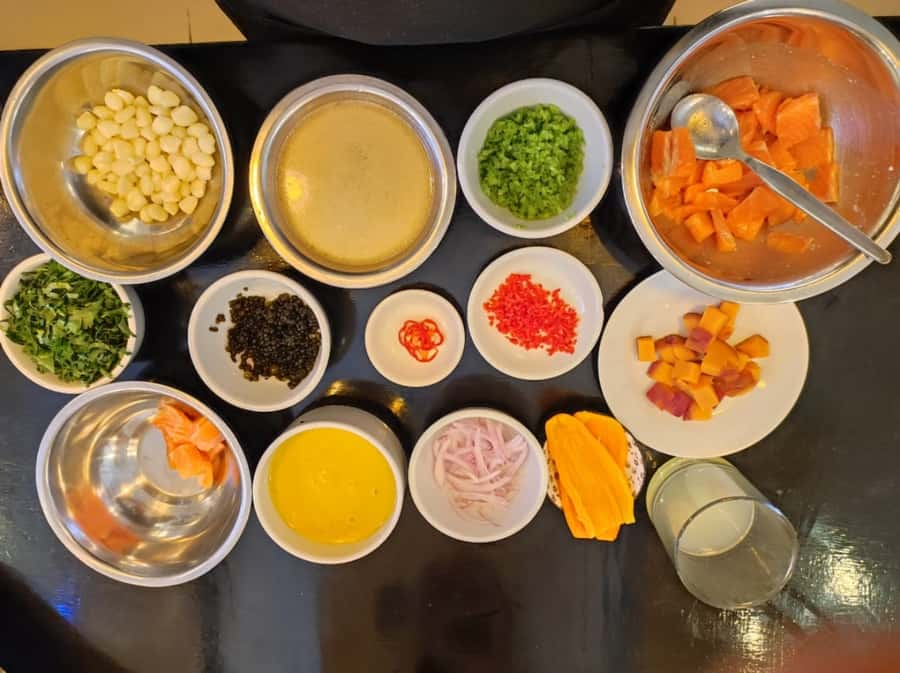
Meet at the fountain in the square with enough time to find the group. The meeting instructions are simple, but a central square can have several entrances and landmarks, so do not arrive at the last second.
Wear clothes you can comfortably cook in. The activity specifically recommends comfortable clothing, and that advice matters more here than dressing for a standard restaurant lunch.
Bring a camera, but keep the class practical. You will have better photographs during the market walk and after the food is plated than while handling ingredients.
Ask early about the dish choices and any food restrictions. The menu is clear, but the details of how the selections are organized are not. You will get more from the class if you know what you are preparing.
Finally, confirm the alcohol policy. This is the only notable point where the description needs clarification. Knowing which drink or tasting is included lets you budget for the afternoon without guesswork.
Should you book this Peruvian cooking class?
Book it if you want more than a meal and like the idea of meeting Peruvian cuisine at the market, then preparing it with a bilingual chef. The strongest parts are the direct link between San Pedro Market and the kitchen, the choice of classic dishes, and the relaxed teaching style associated with Chef Ronald.
Skip it if you want a long market tour, a strictly private lesson, or a low-cost lunch with no extra drink charges. Also ask about the pisco inclusions before booking.
For most food-minded visitors spending a half-day in Cusco, the $65 price is reasonable because it bundles a market walk, instruction, equipment, and lunch. The experience earns its place on your schedule when you want to understand what you are eating and take part in making it.
FAQ
How long does the Cusco cooking class and market tour last?
The activity lasts about four hours. The detailed schedule describes approximately 45 to 60 minutes at San Pedro Market, followed by the pisco introduction, cooking class, and lunch.
Where does the activity begin and end?
You meet at the water fountain in the square. The activity ends back at the same meeting point.
Which dishes can I prepare?
The menu includes ceviche and Chilcano soup as an appetizer choice, with lomo saltado or ají de gallina as a main course. Ask how the dish choices are arranged for your group.
Is the cooking class offered in English?
Yes. Instruction is available in English and Spanish.
Are drinks included in the price?
Lunch is included, but alcoholic drinks are listed as available for purchase. The program includes an explanation and tasting of pisco, so confirm exactly what is covered before booking.
Can I cancel the booking?
You can cancel up to 24 hours in advance for a full refund. The activity also offers a reserve-now, pay-later option.
New market tours around Peru
- Lima: Market Tour and Cooking Class with Pisco Sour★ 5.0 · 3 reviews
- Lima: Peruvian cooking class and tour of Surquillo market★ 5.0 · 2 reviews
- Lima: Food Tour on Local Market★ 5.0 · 8 reviews
- Lima: Market Tour, 35 Fruits Tasting & Cooking Class★ 5.0 · 3 reviews
- Lima Food Experience with local Markets & Barranco Tour★ 5.0 · 2 reviews
- Full Day Lima: Local Market+ CityTour+ Barranco & Miraflores★ 5.0 · 3 reviews
- Cusco: Coricancha, Cathedral & San Pedro Market Walking Tour★ 5.0 · 2 reviews
- Cooking class and market tour with a local chef★ 5.0 · 186 reviews
Peru Market Tours, side by side.
Cusco: Peruvian Cooking Class, Cocktails & Local Market Tour
Read our review →
Pisac Indian Market and Ollantaytambo Fortress with Lunch
Read our review →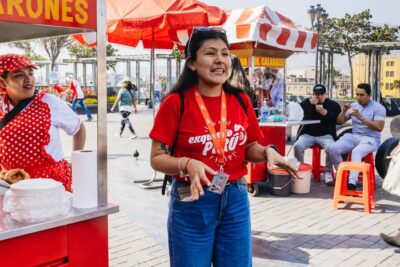
Lima: Historic Center Street Food, Market, and Eateries Tour
Read our review →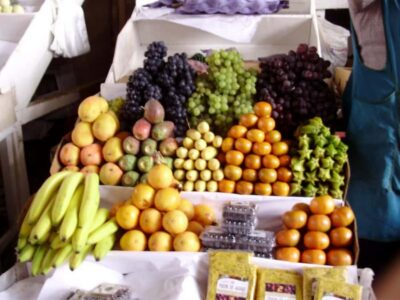
Cooking class and market tour with a local chef
Read our review →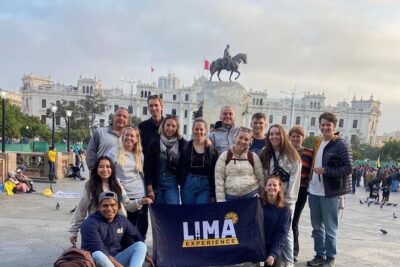
Experience Lima: Taste 12 Snacks and Visit Top Monuments
Read our review →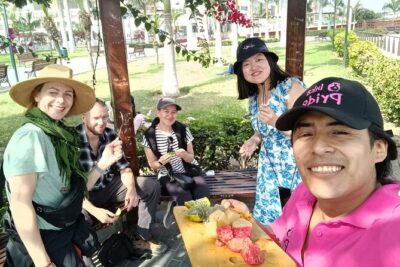
Market Tour, Tasting of 35 Fruits, and 4-Course Peruvian Cooking Class in Lima
Read our review →
Belen Market & Floating City 2-3 Hour Private Tour
Read our review →This tour also appears in